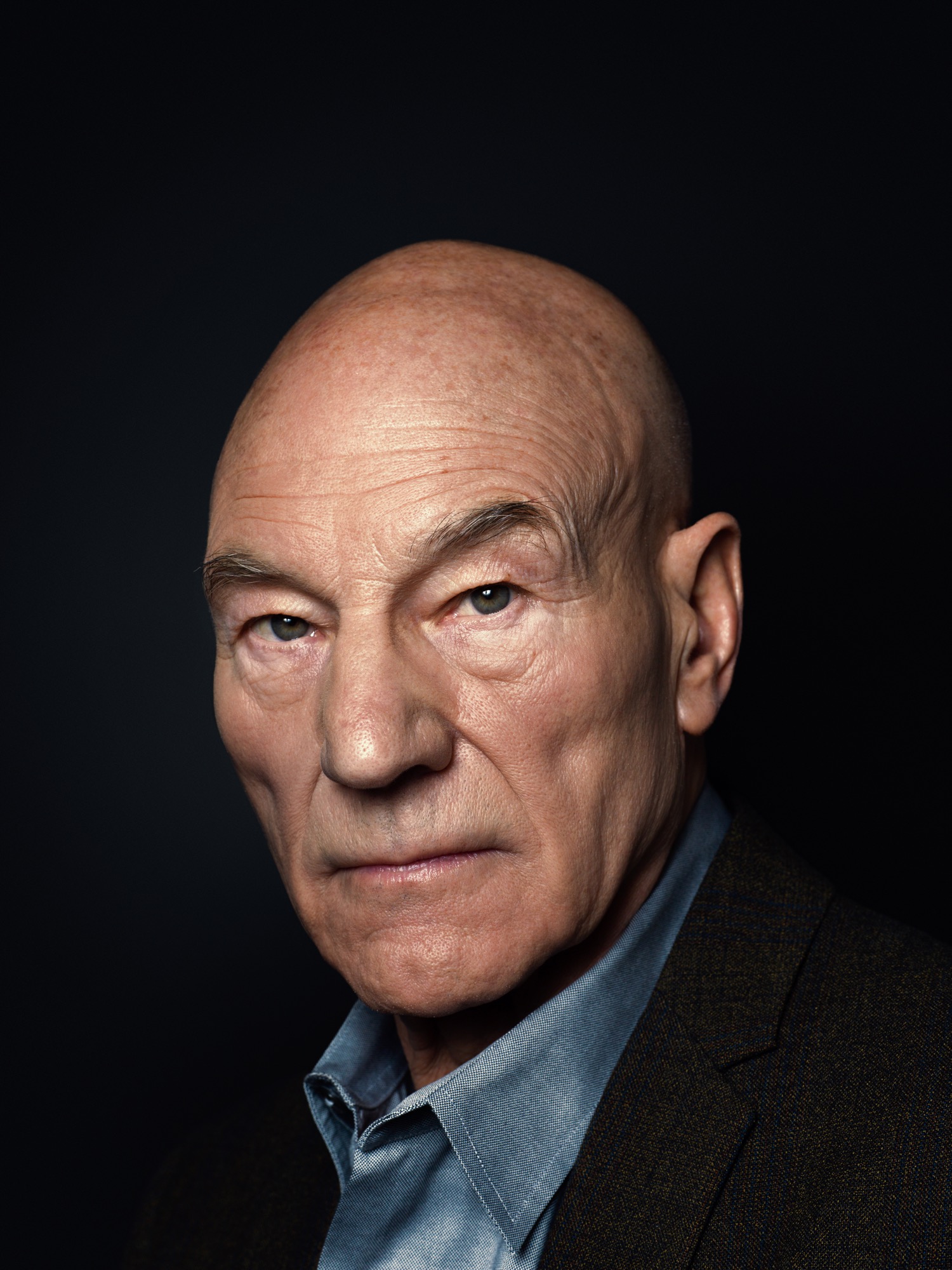
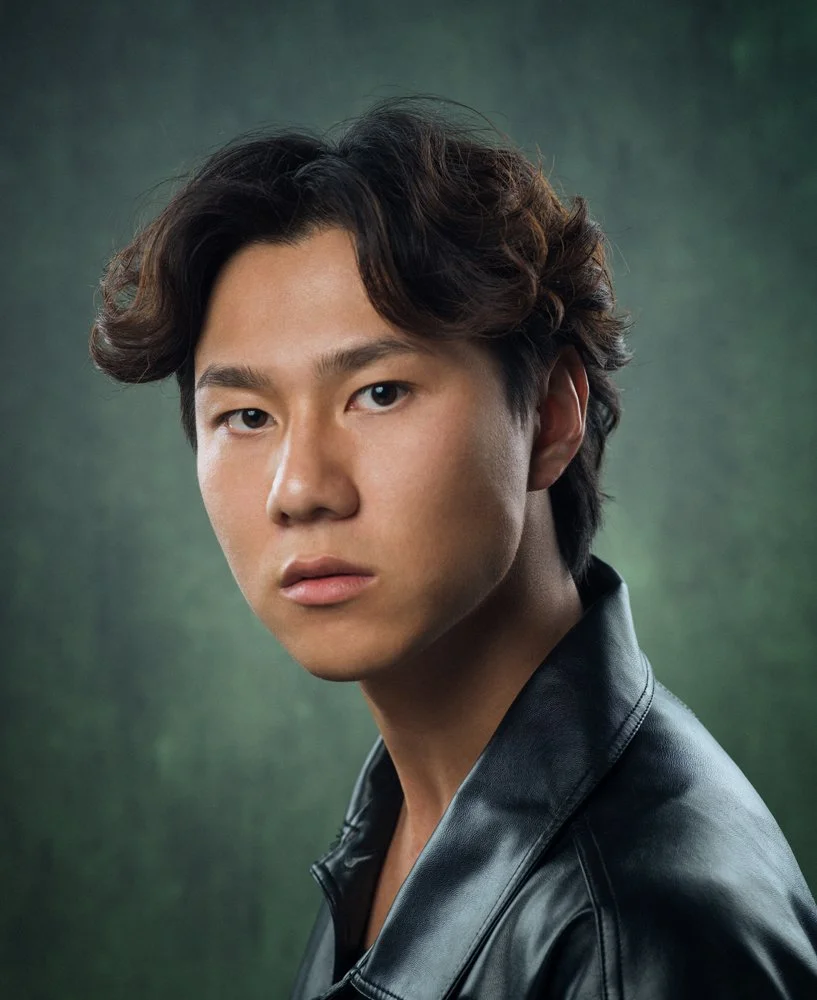
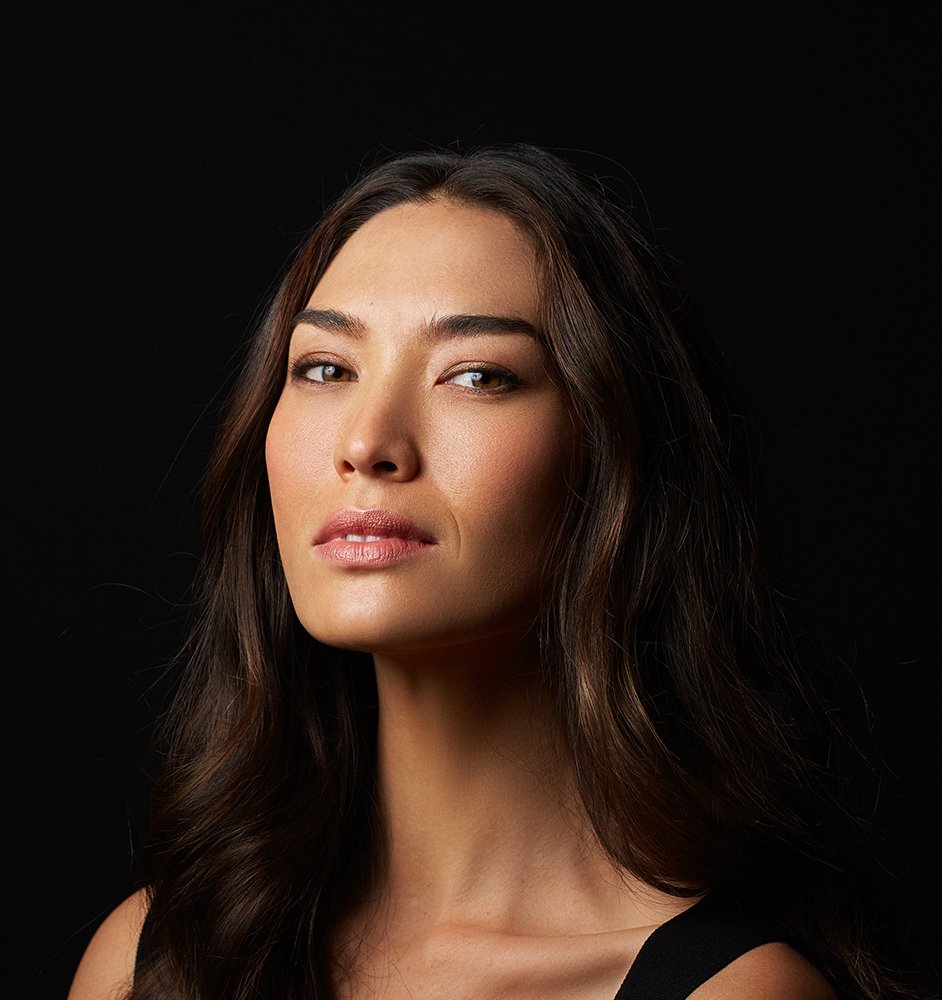
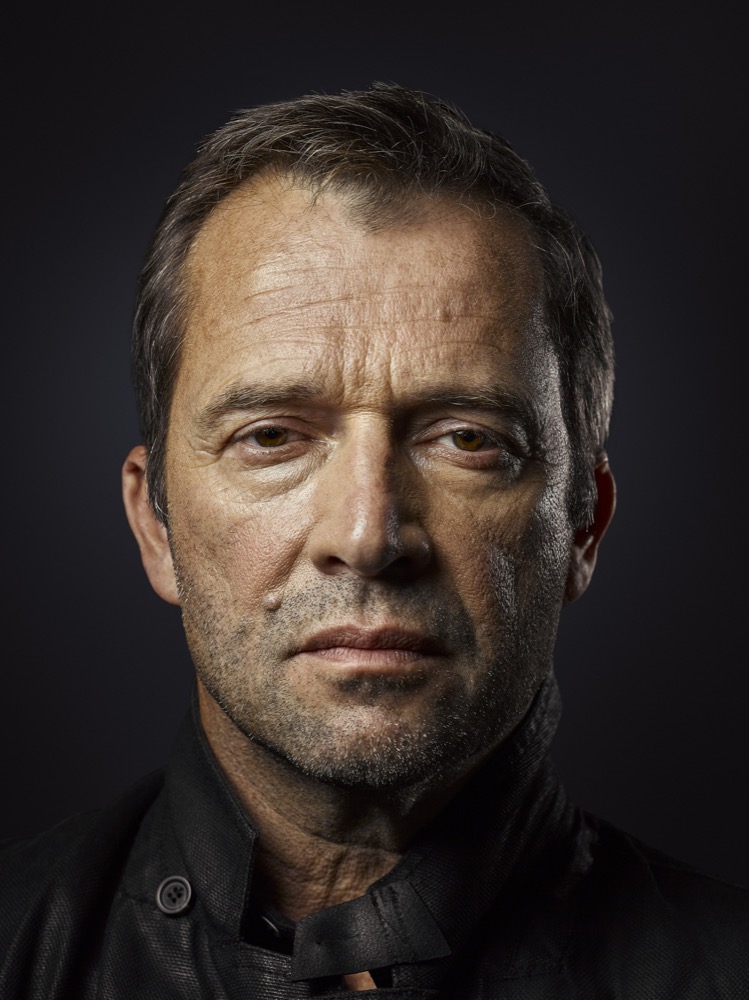
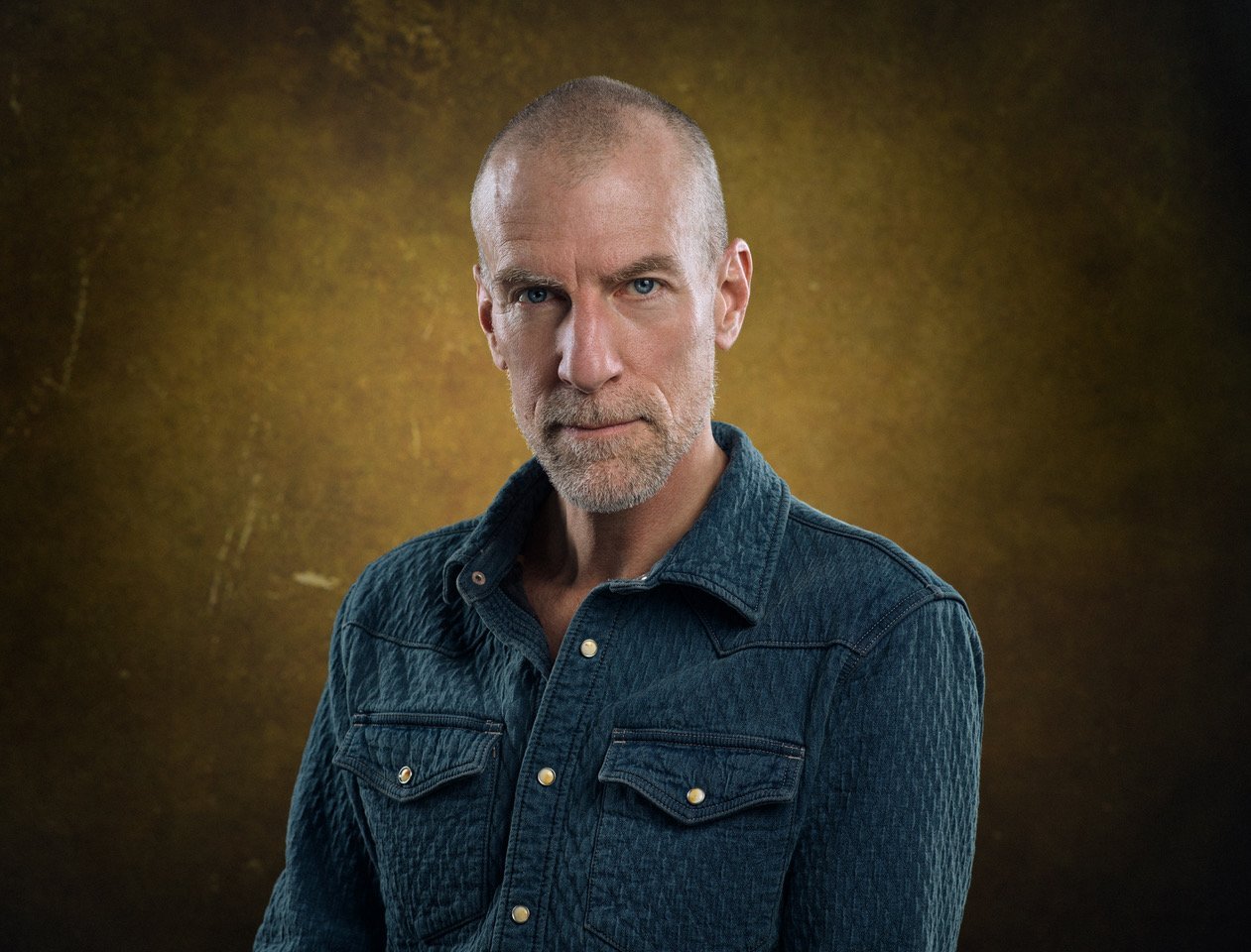
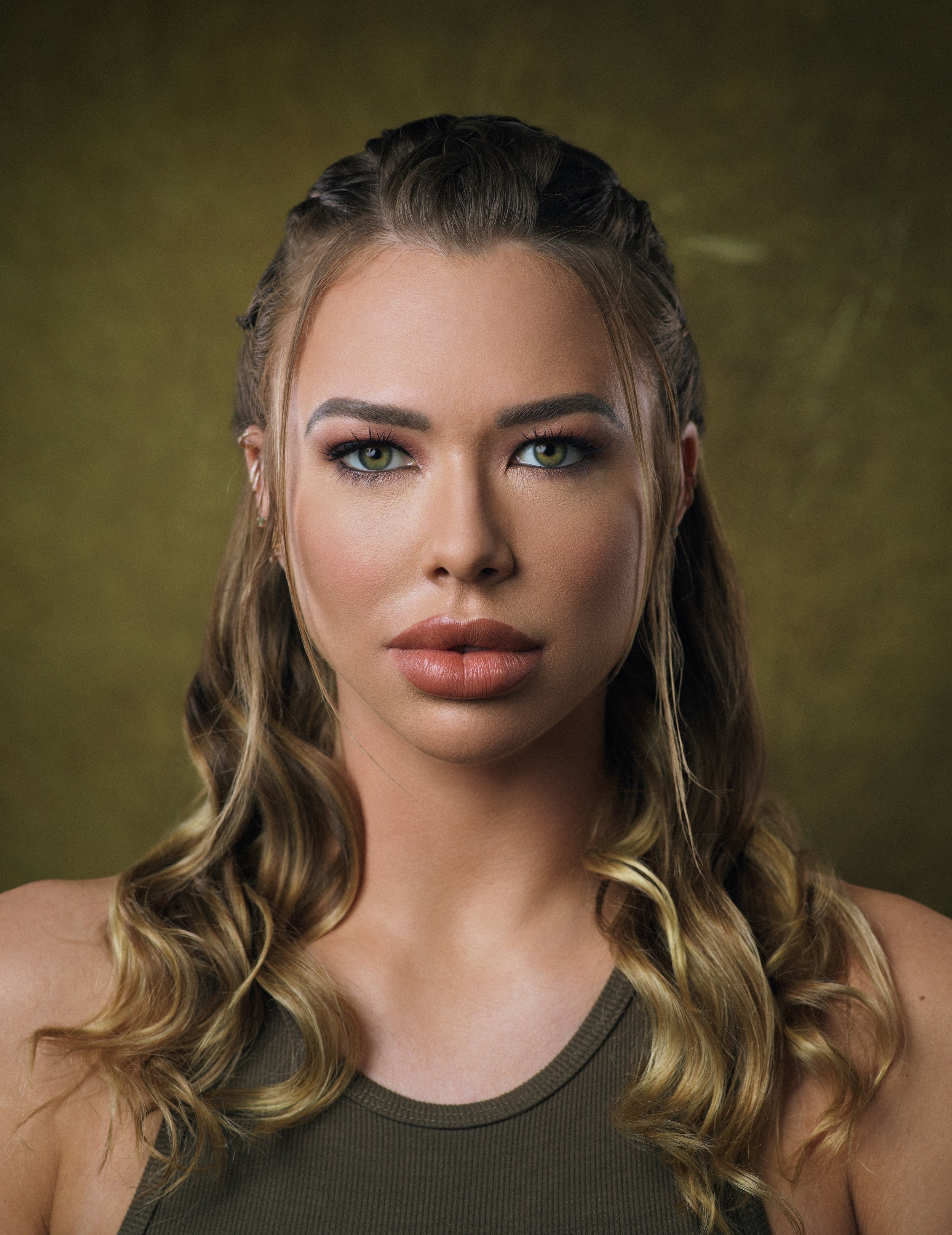
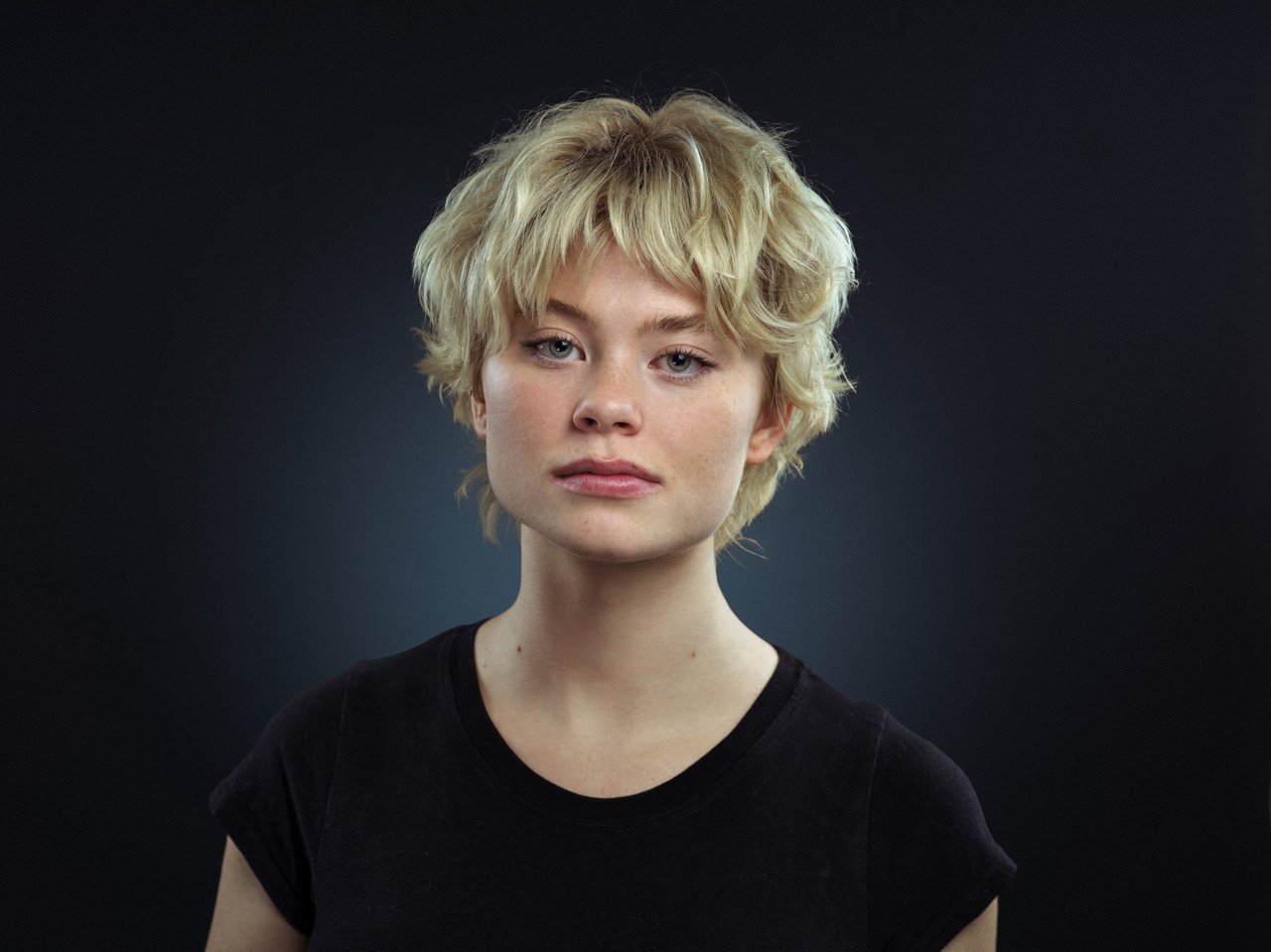
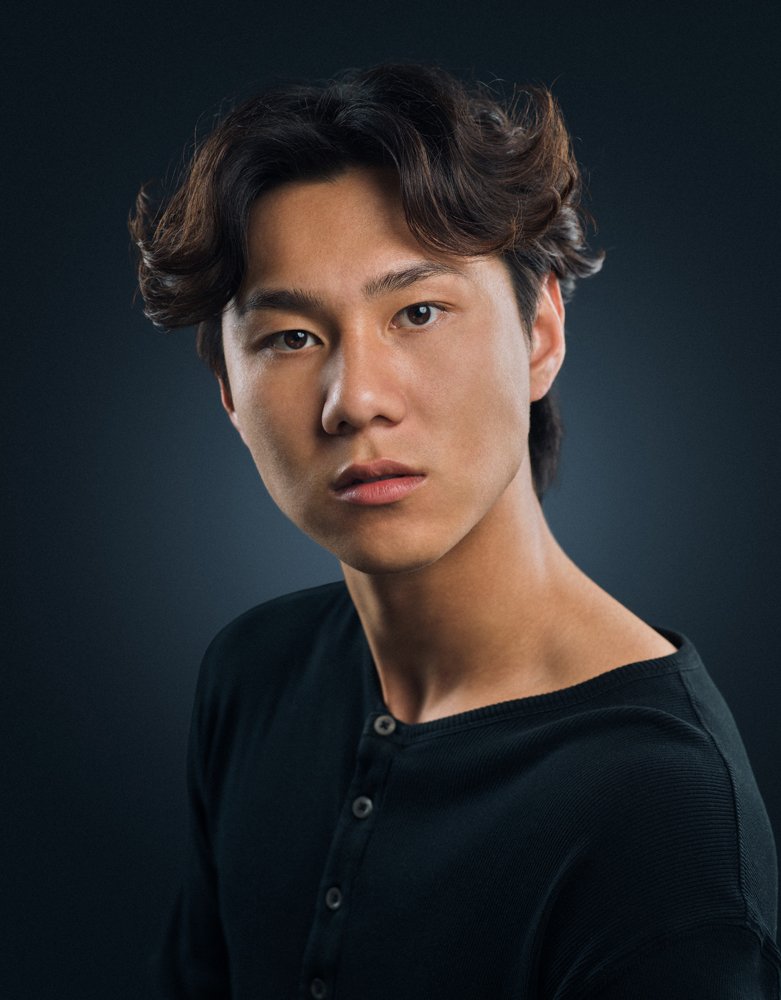
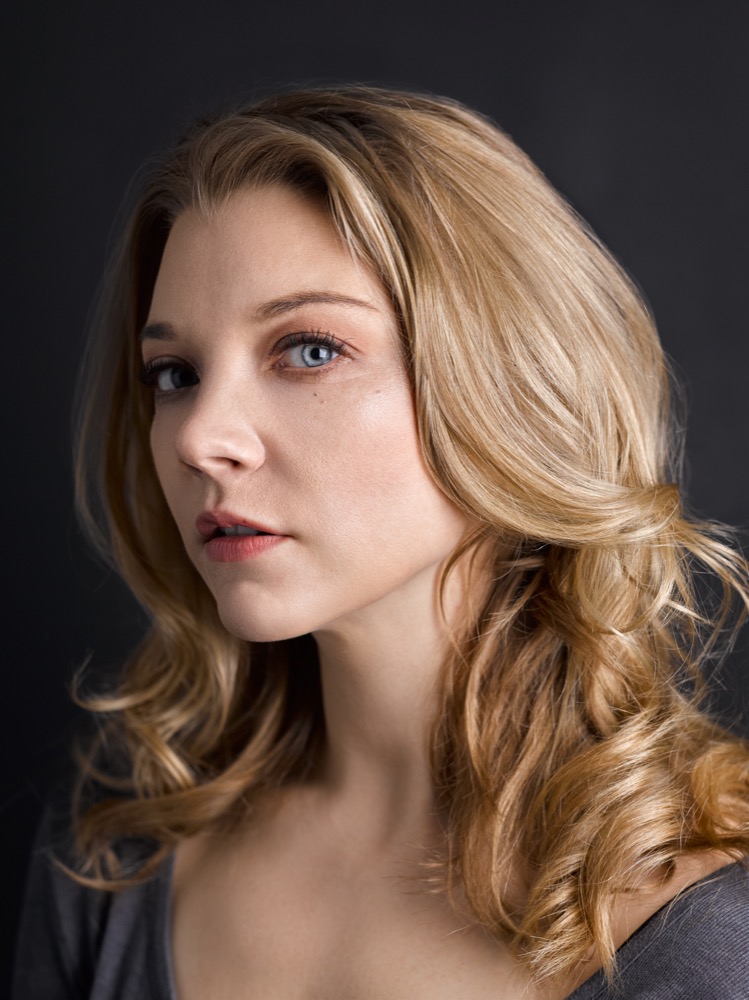
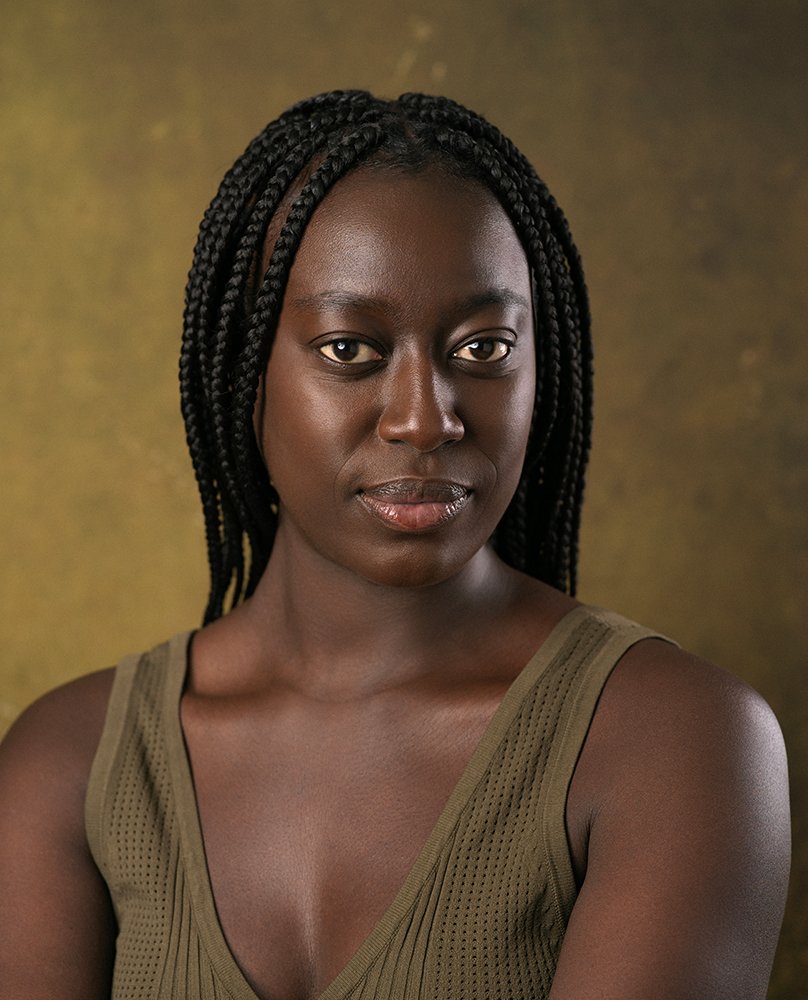
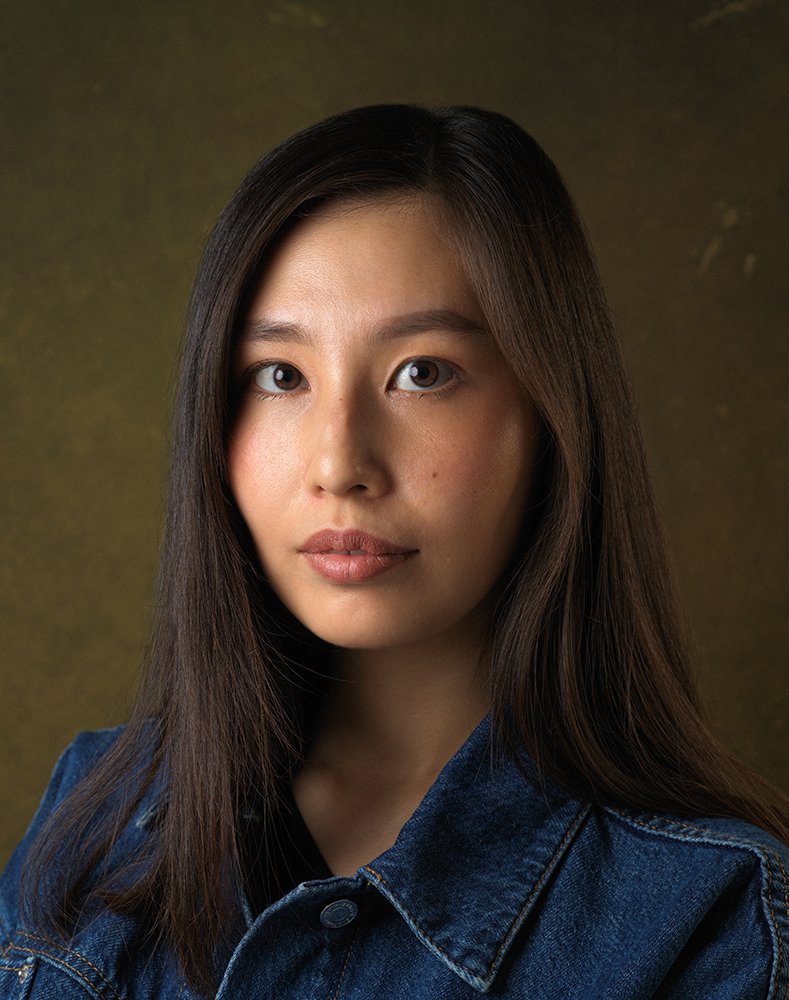
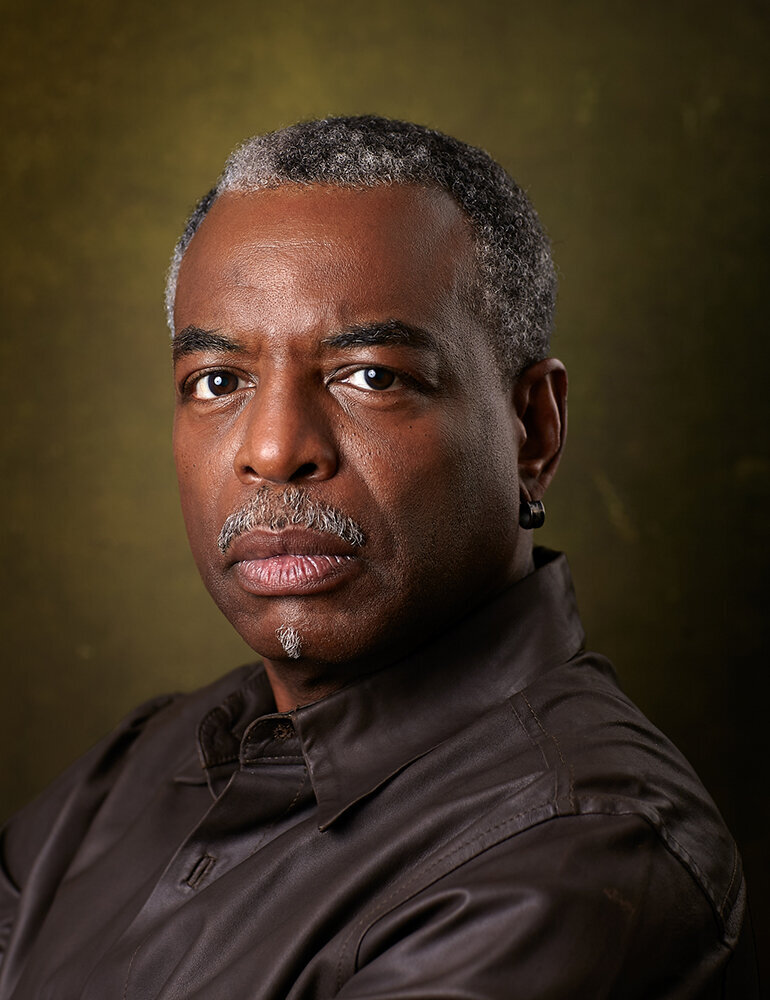
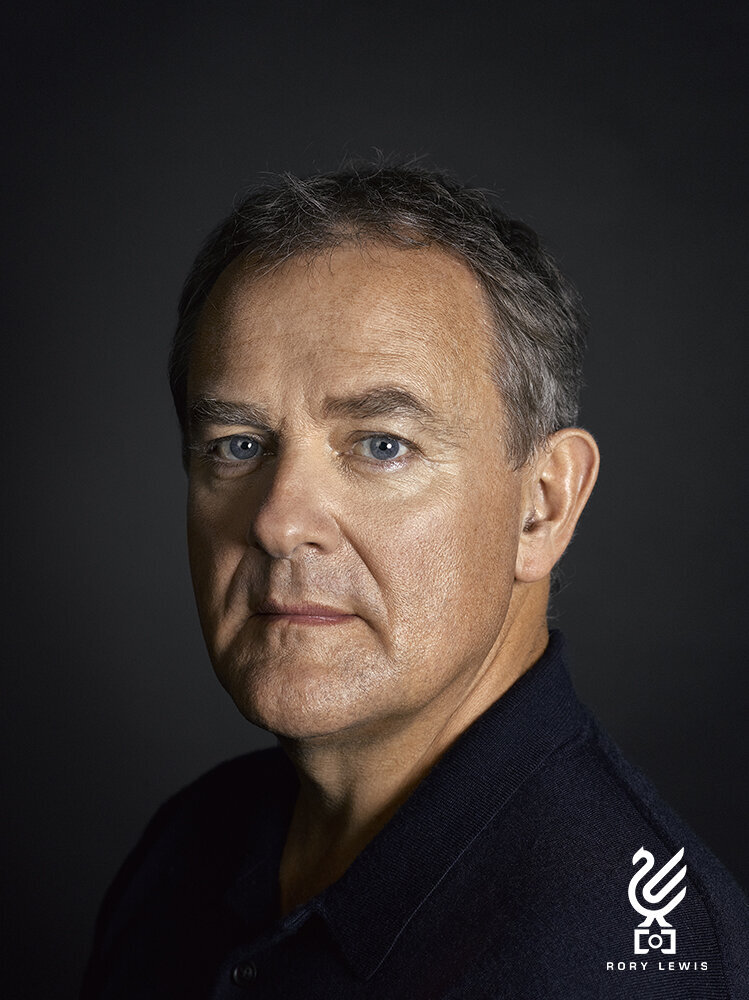
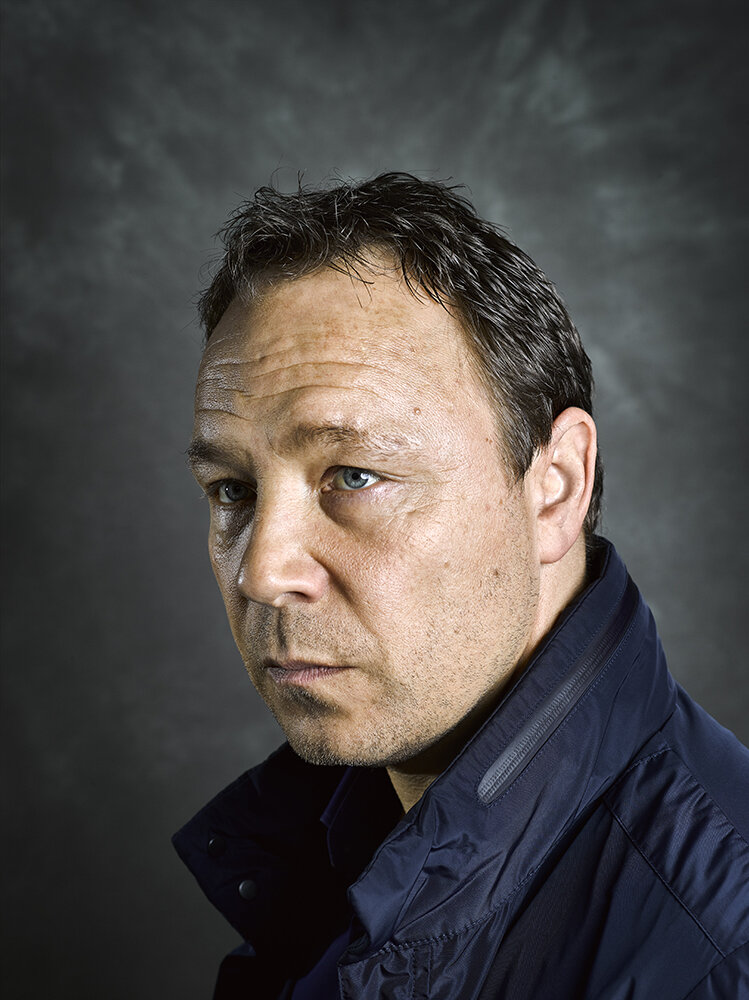
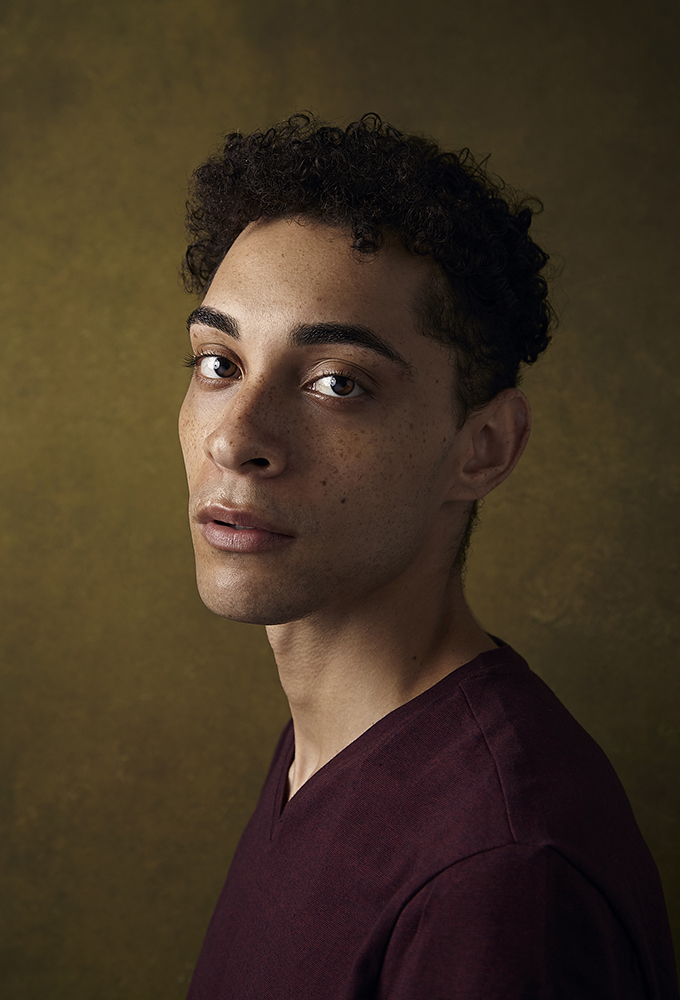
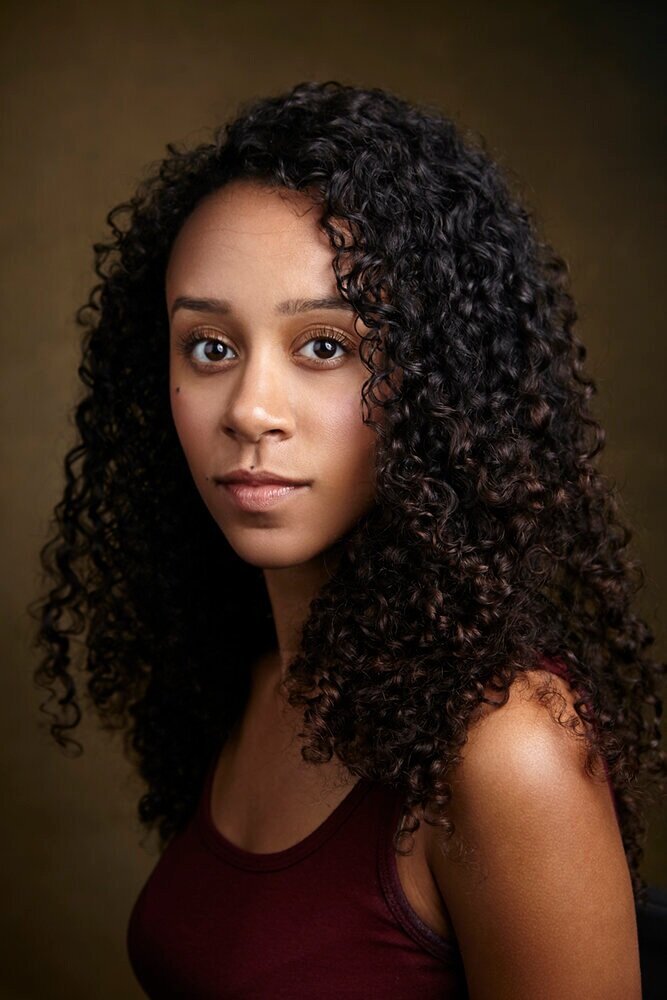
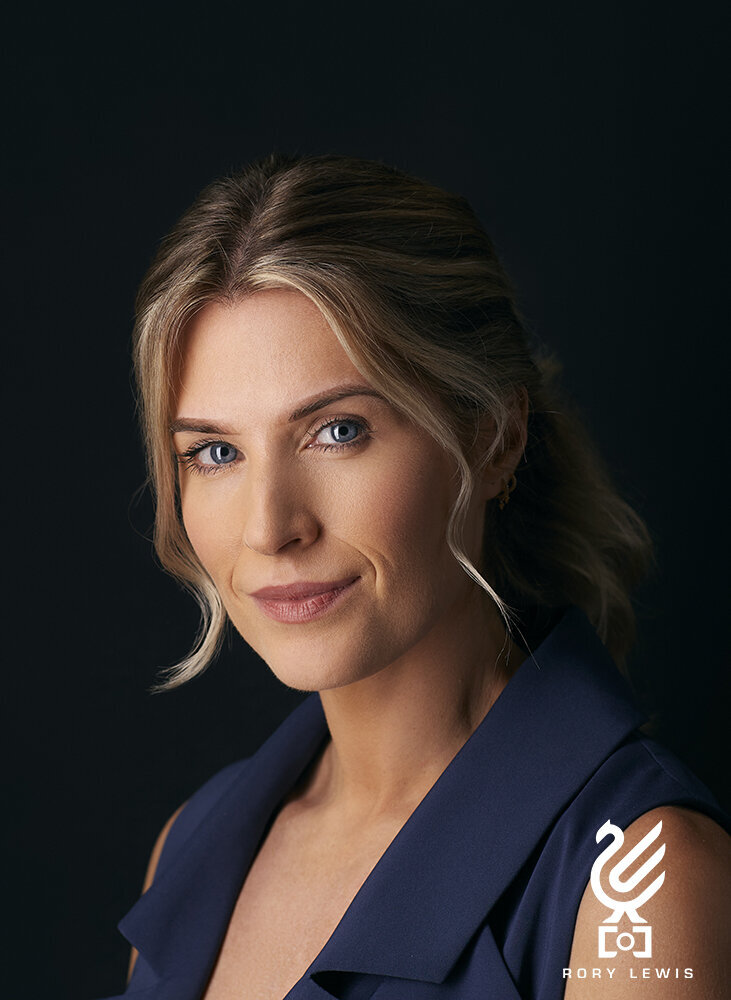
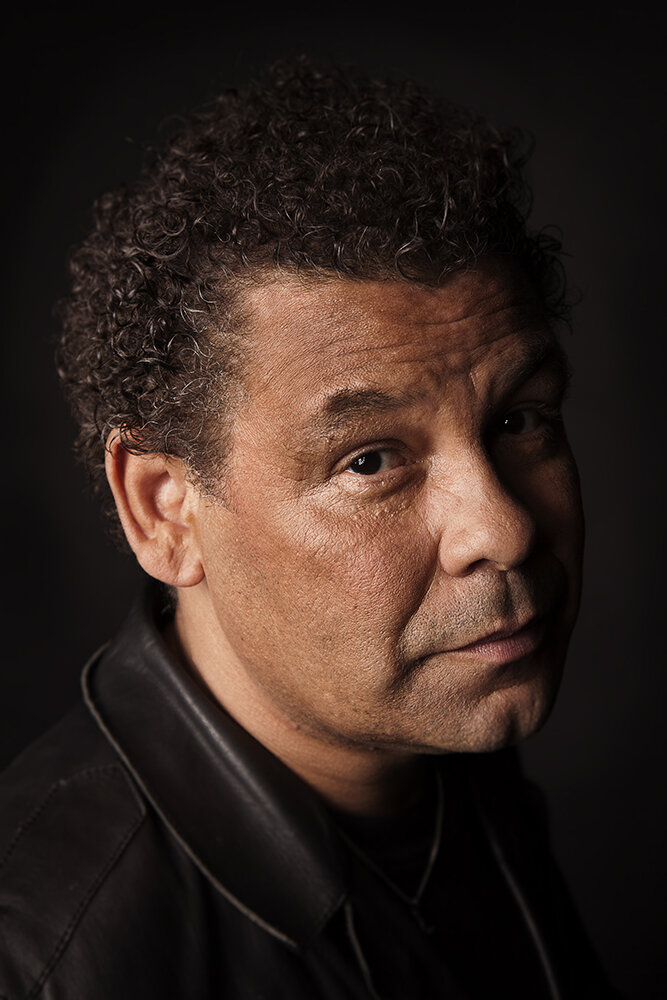
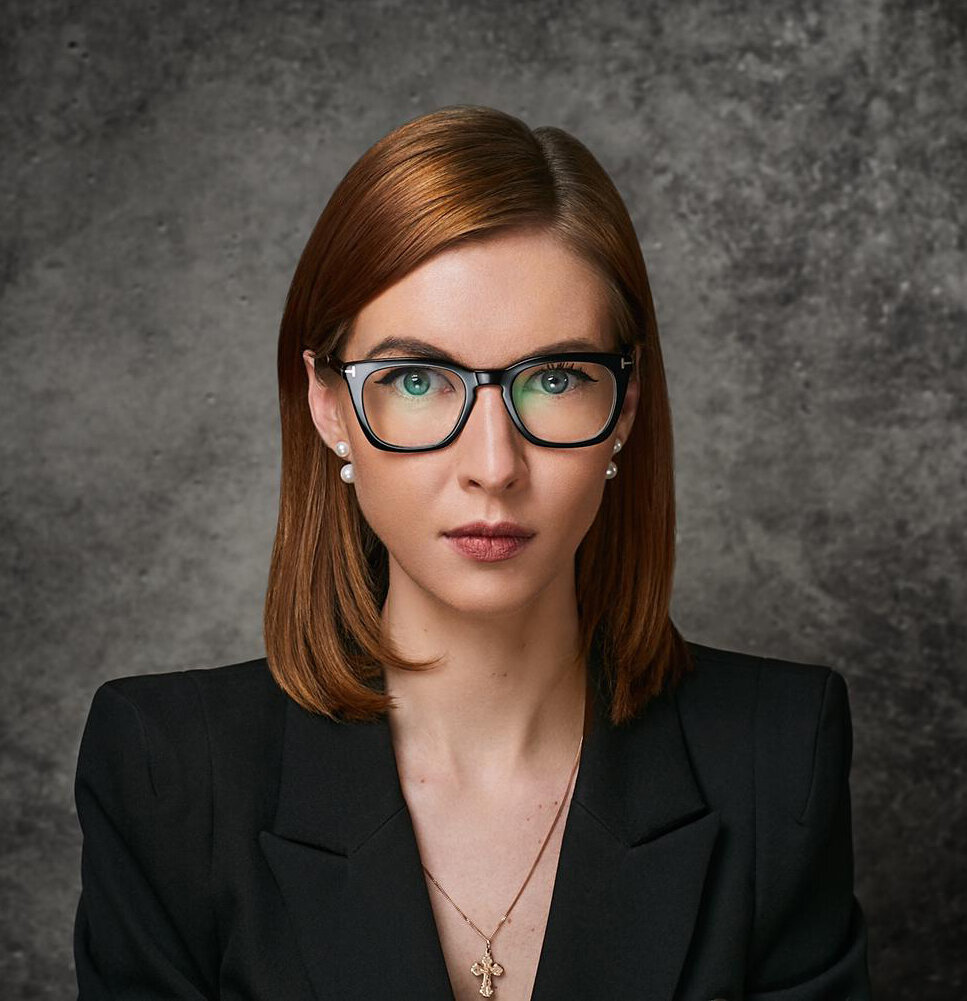
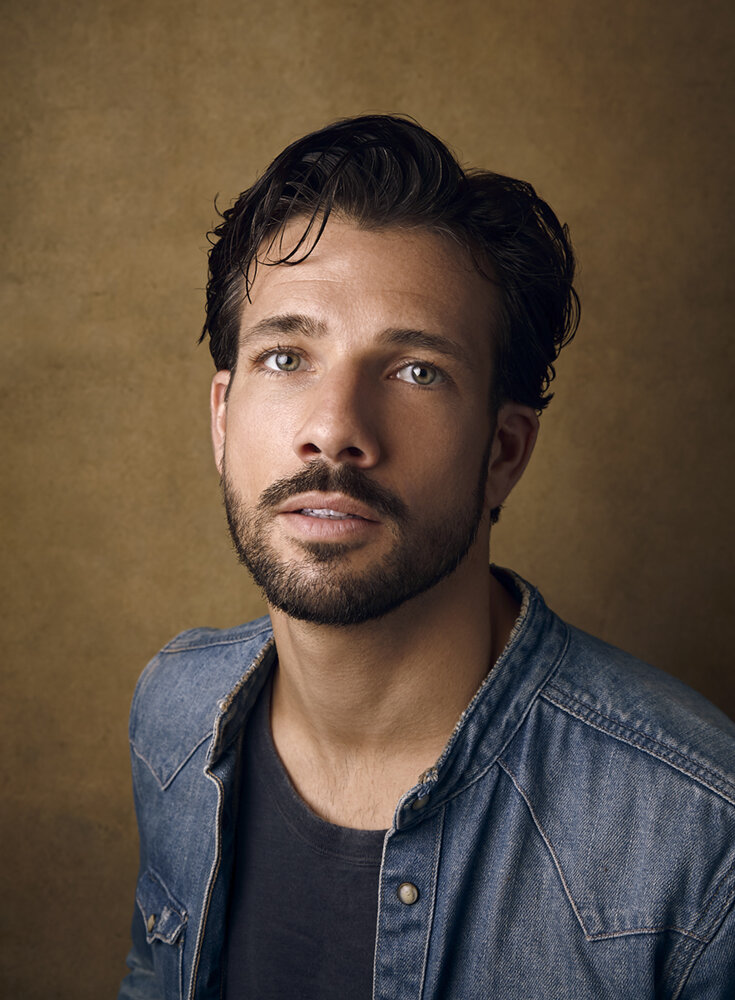
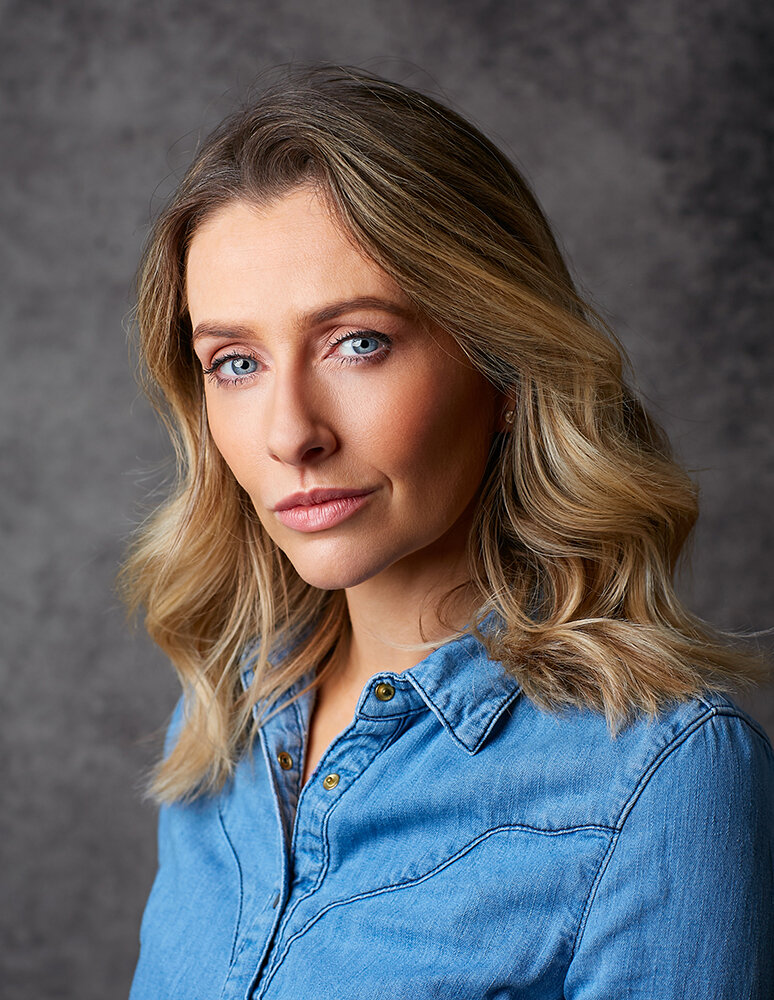
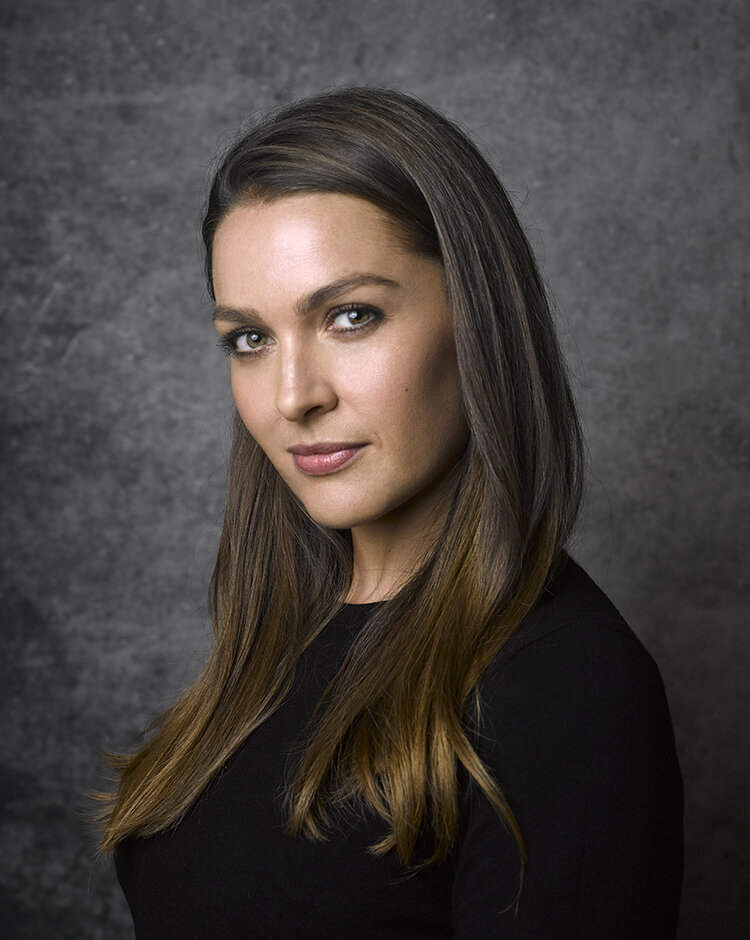
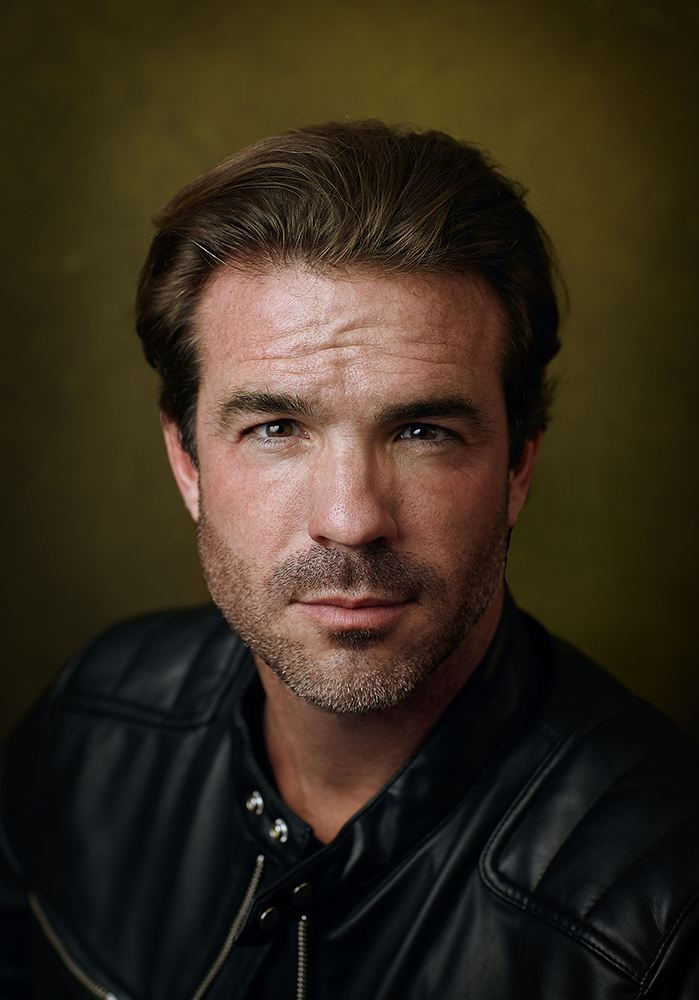
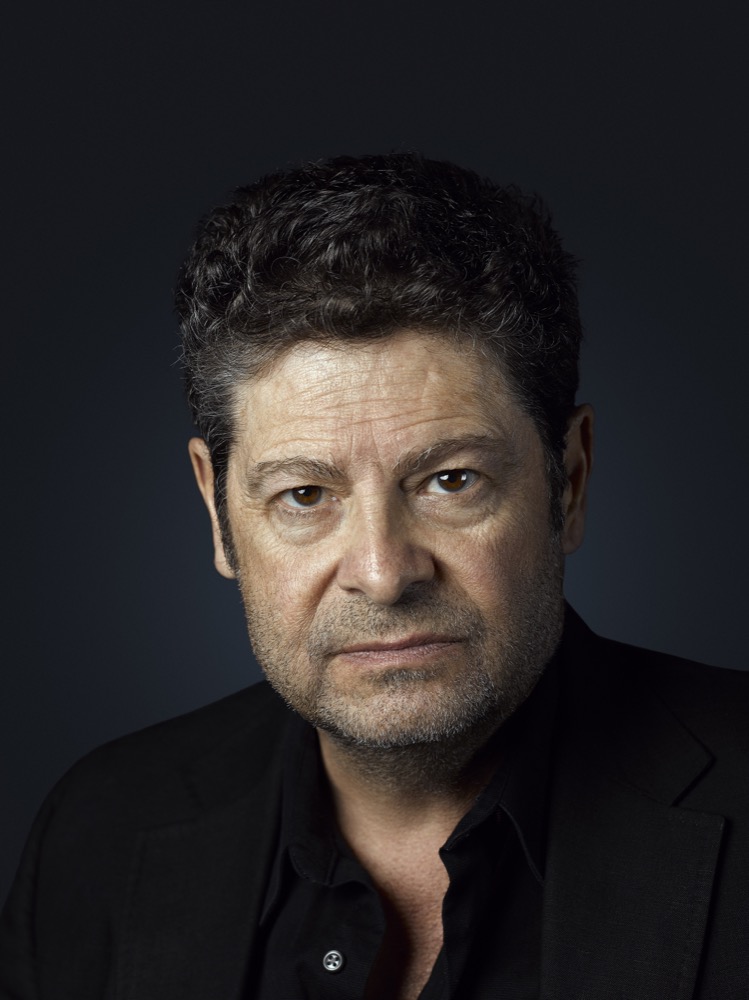
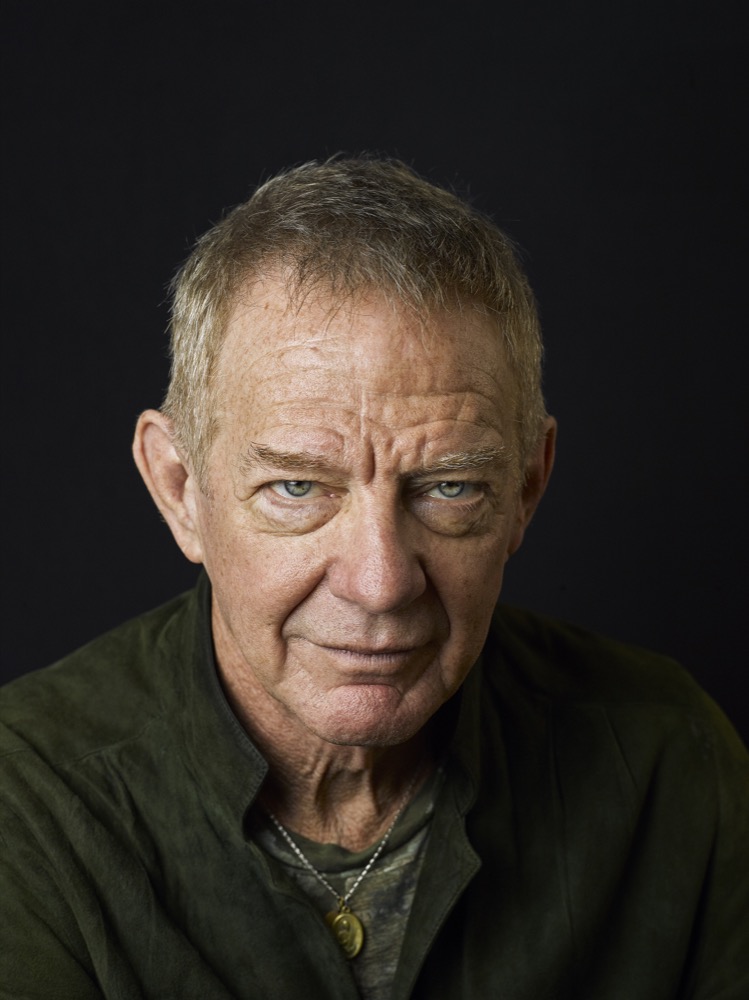
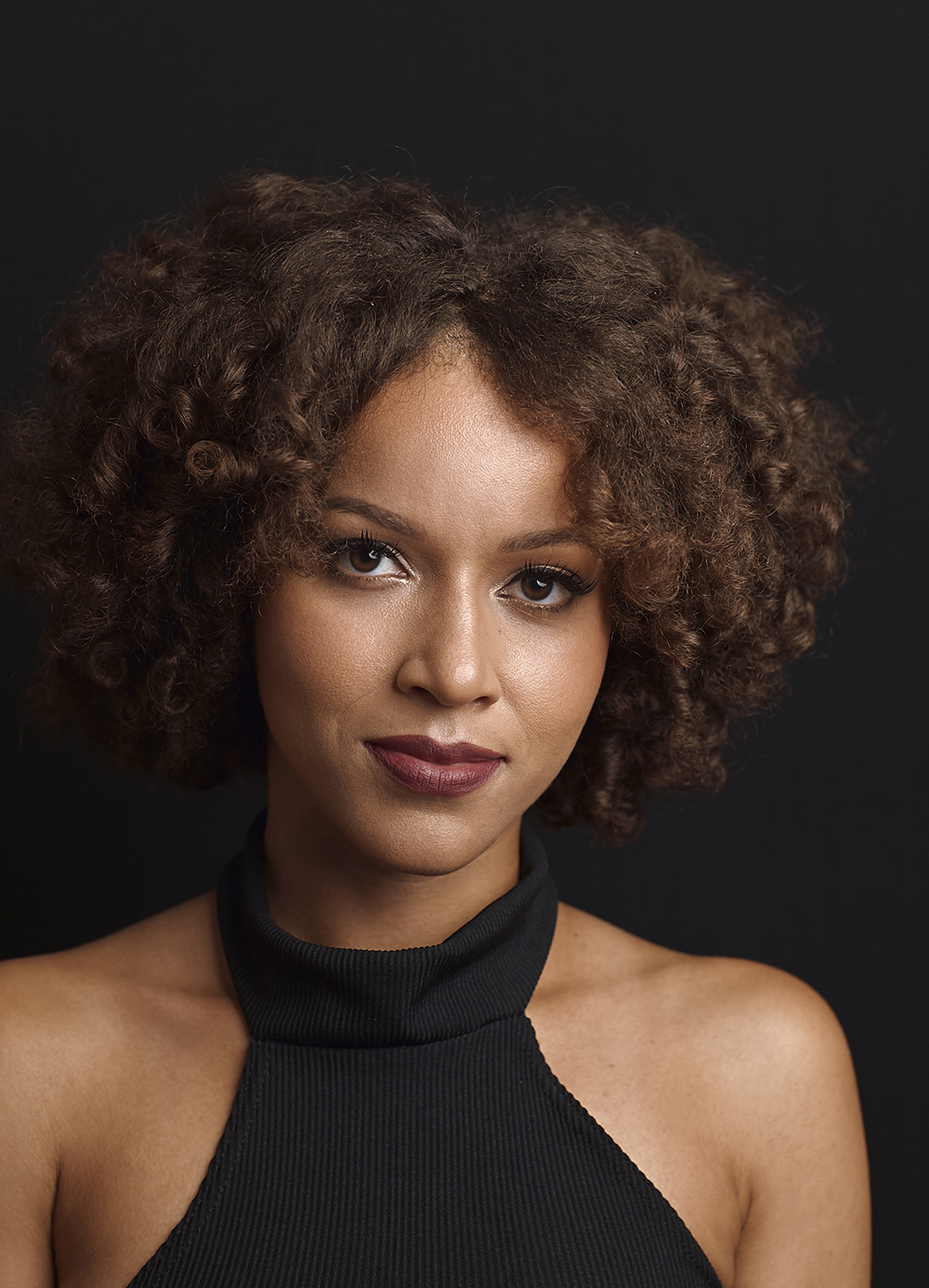
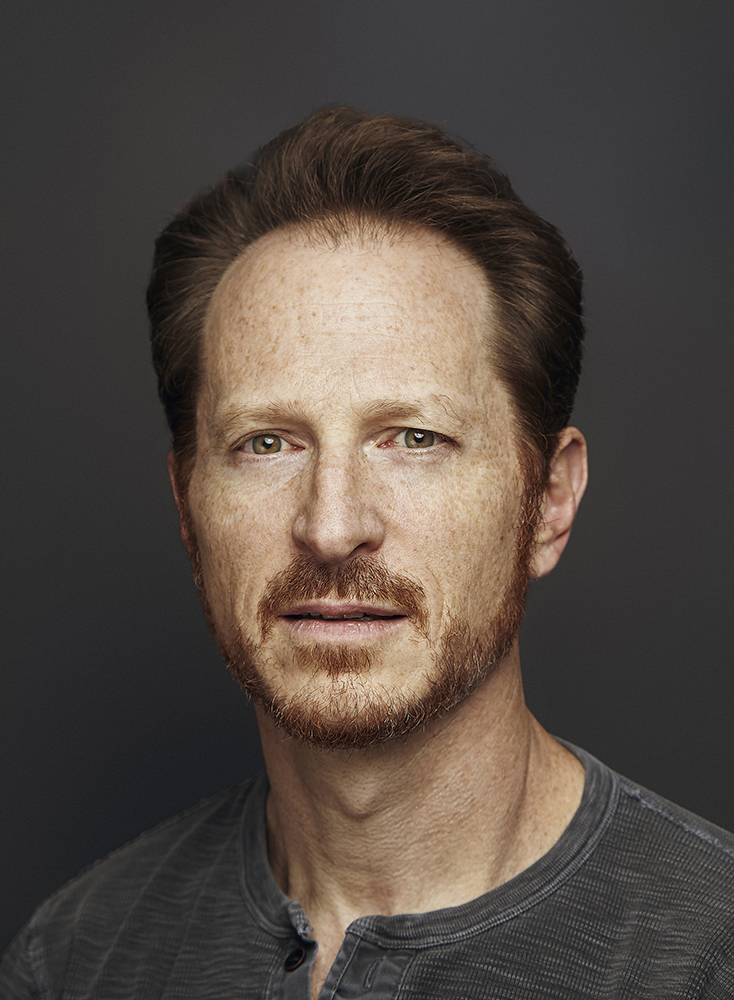
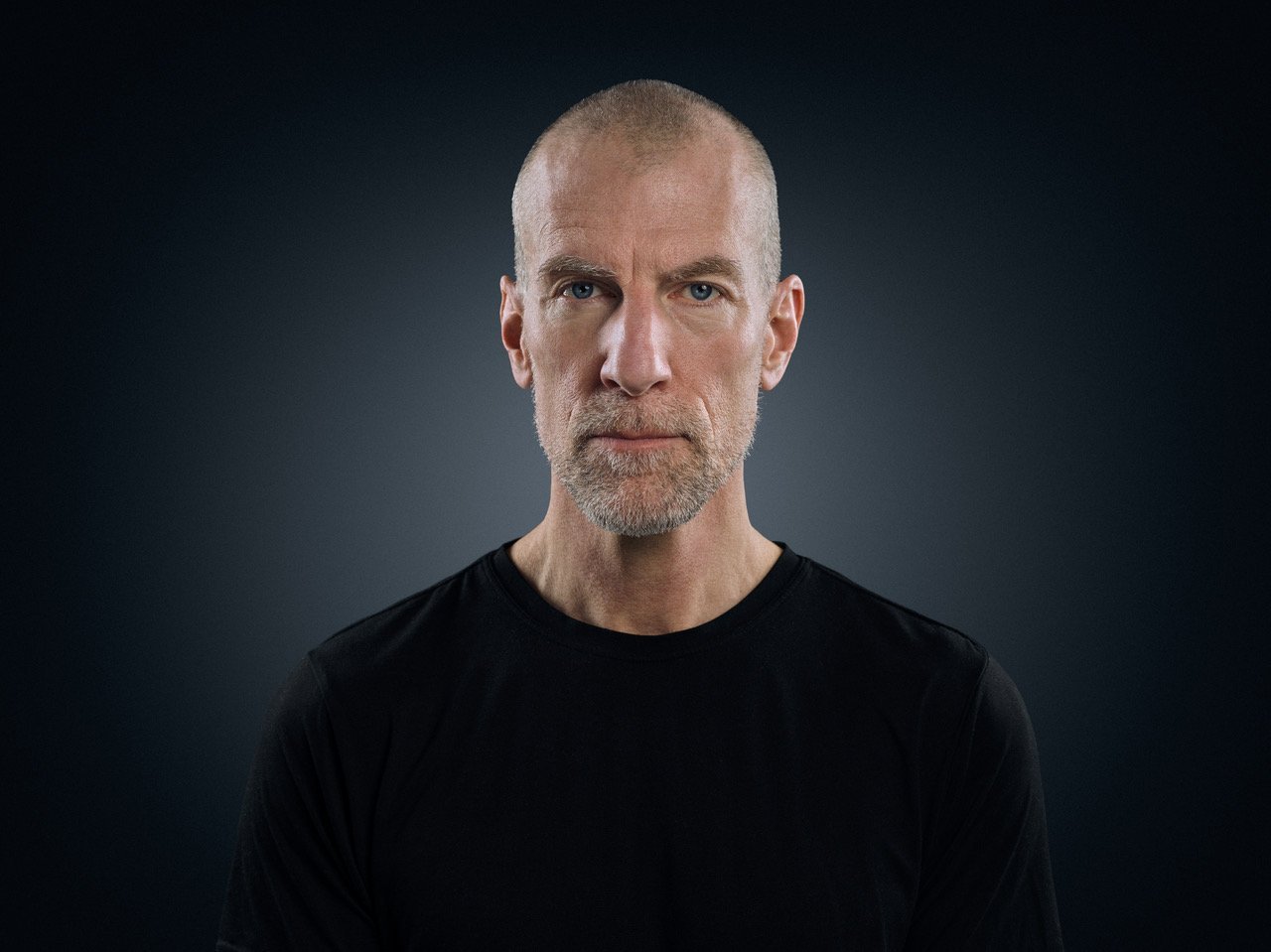
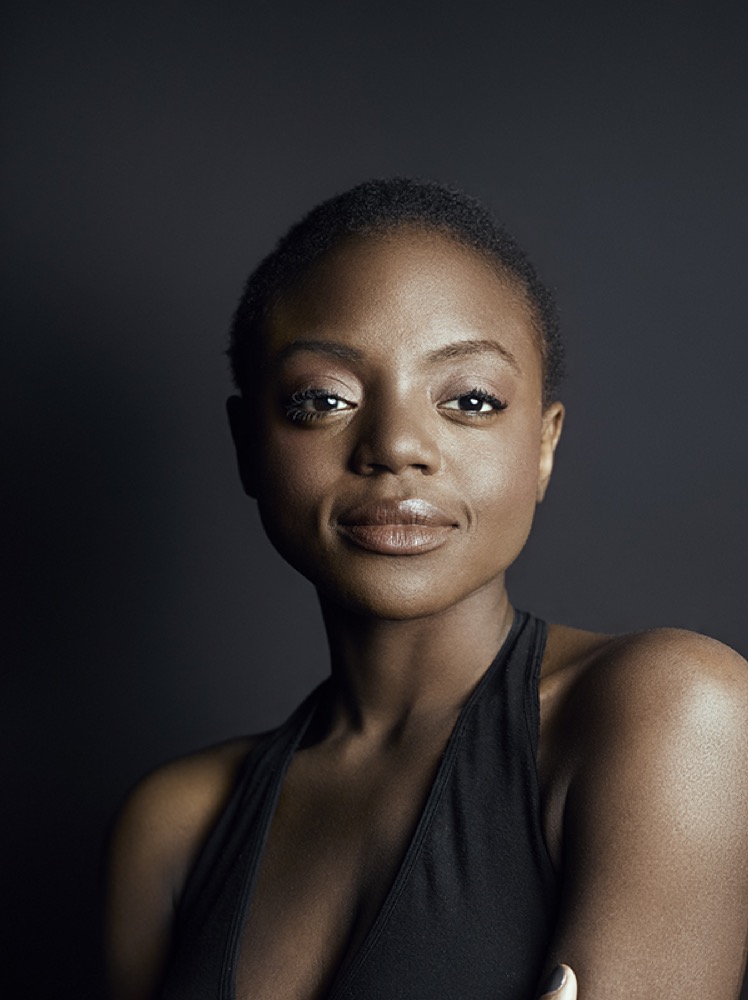
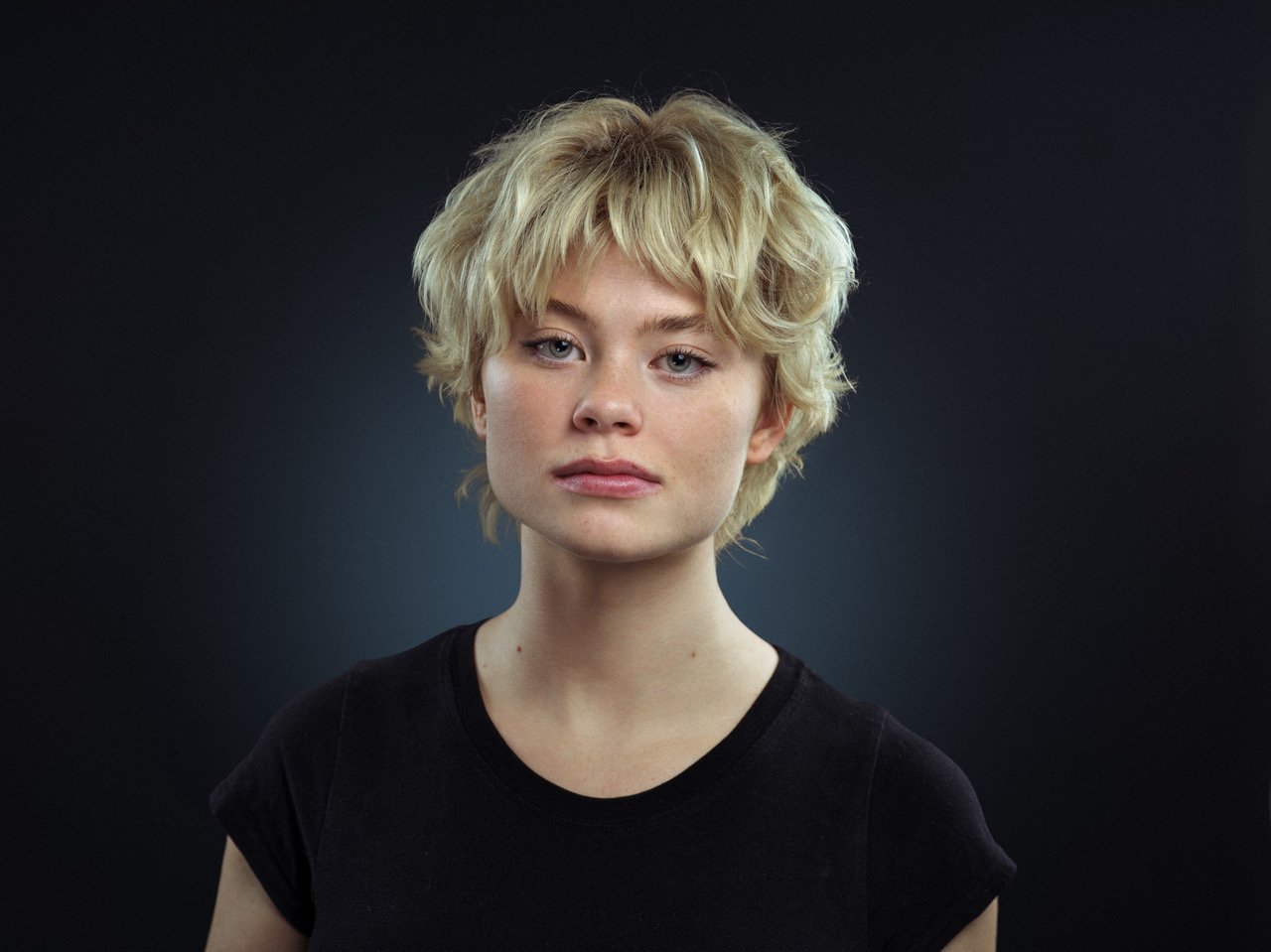
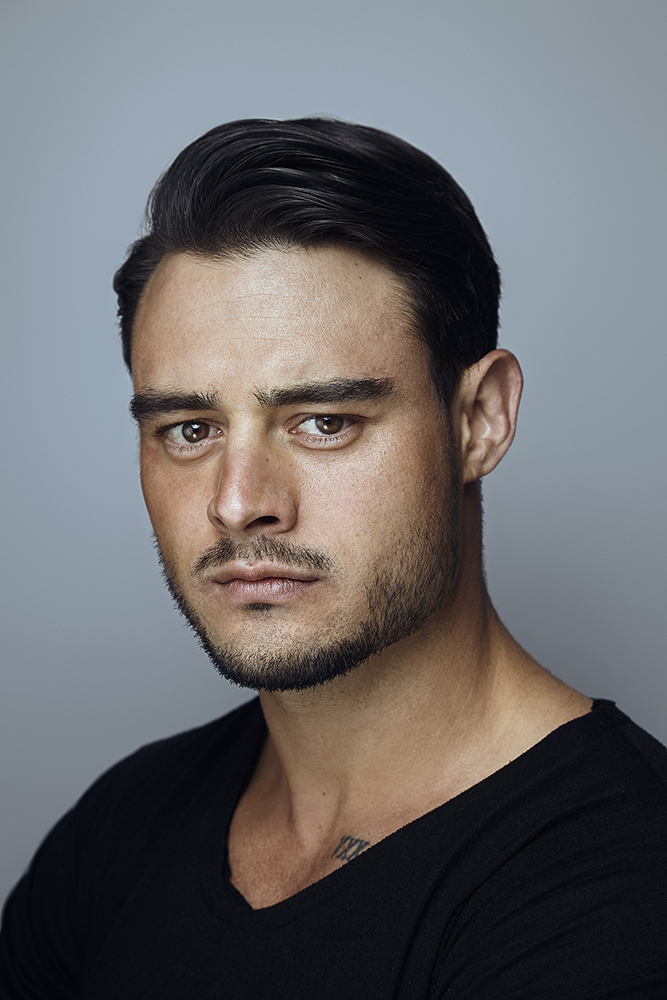
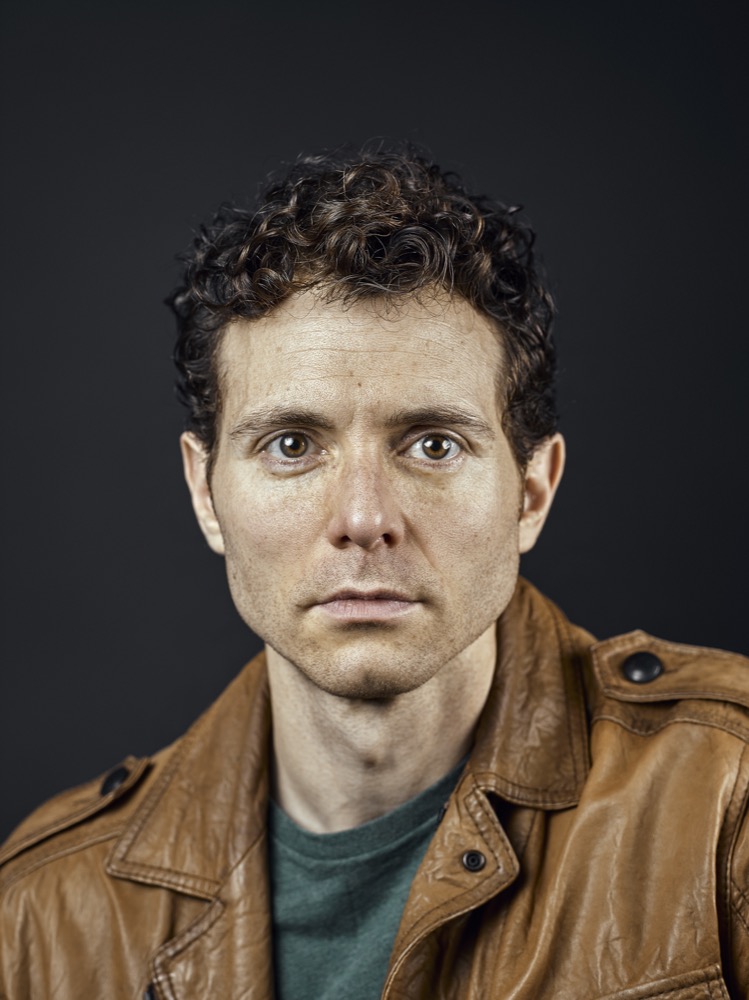
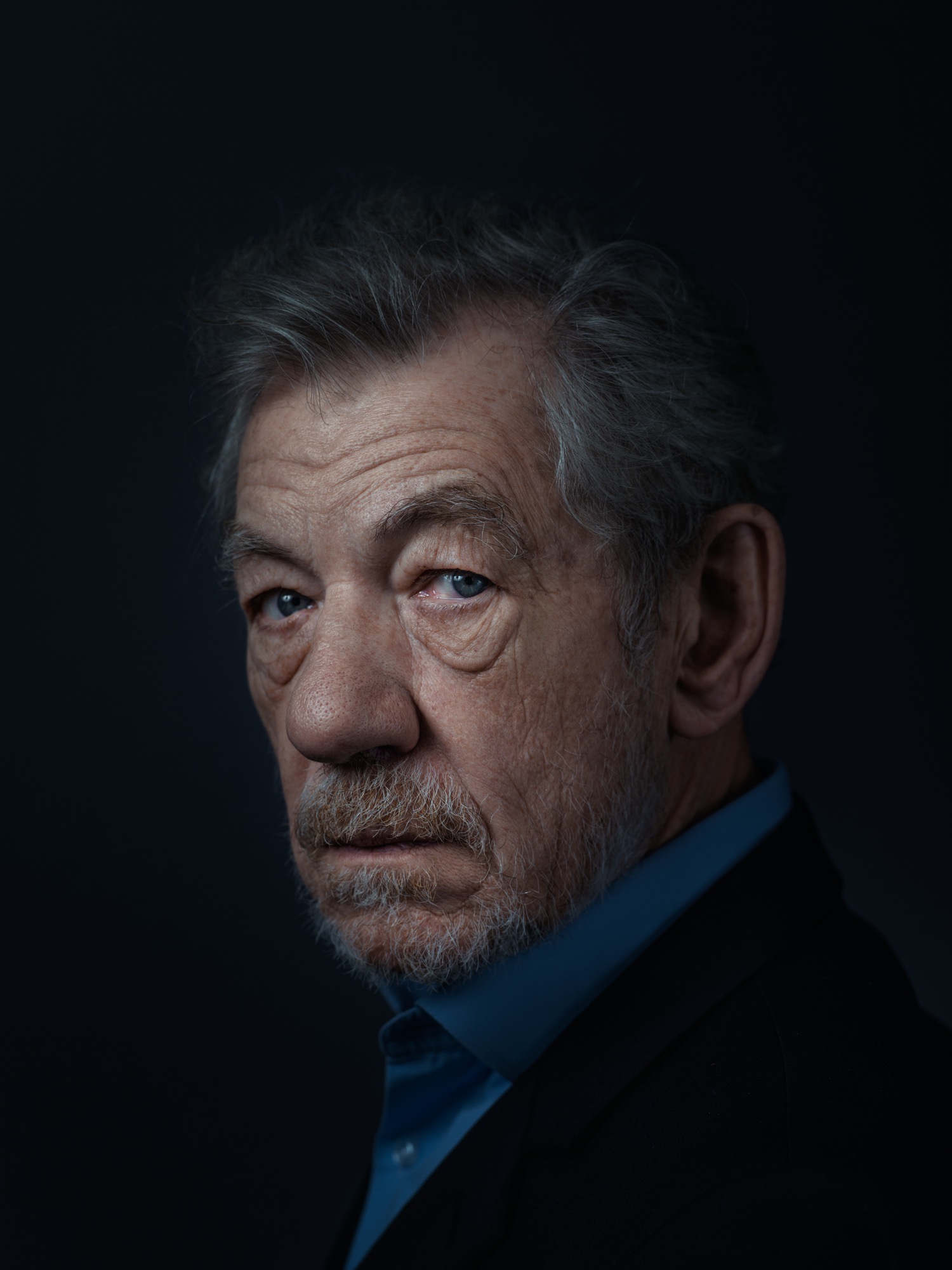
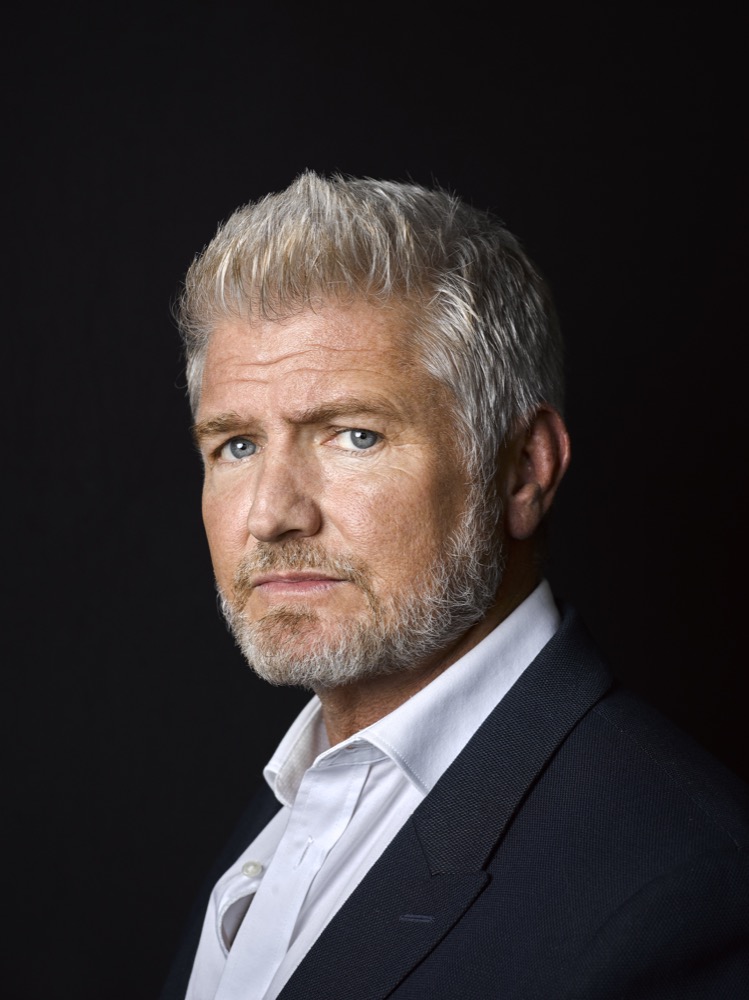
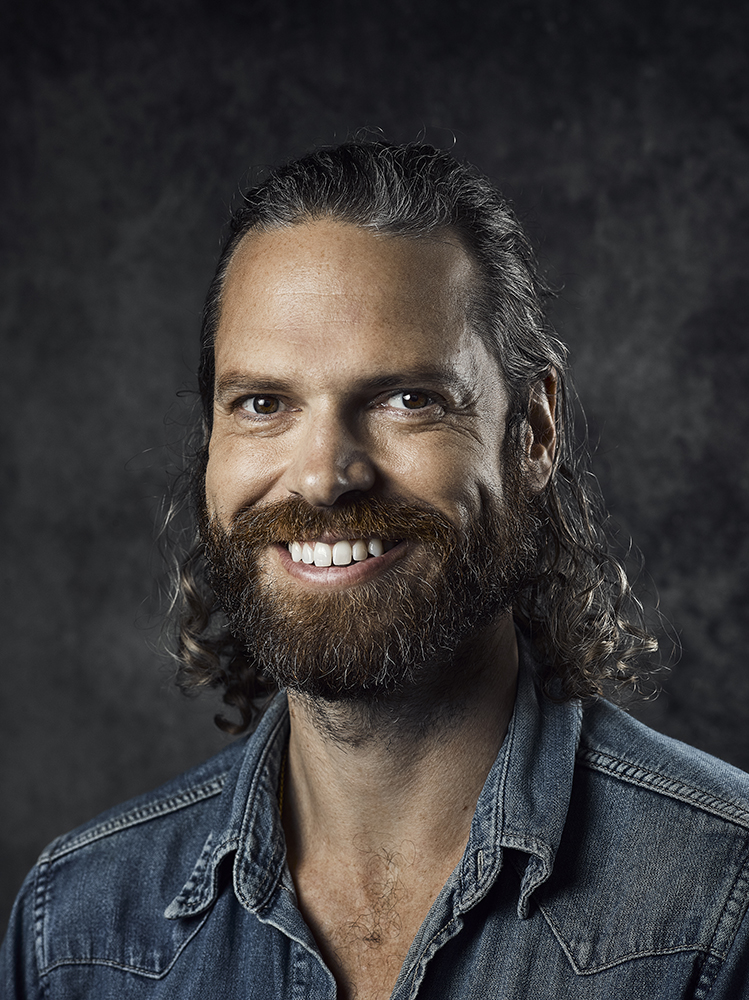
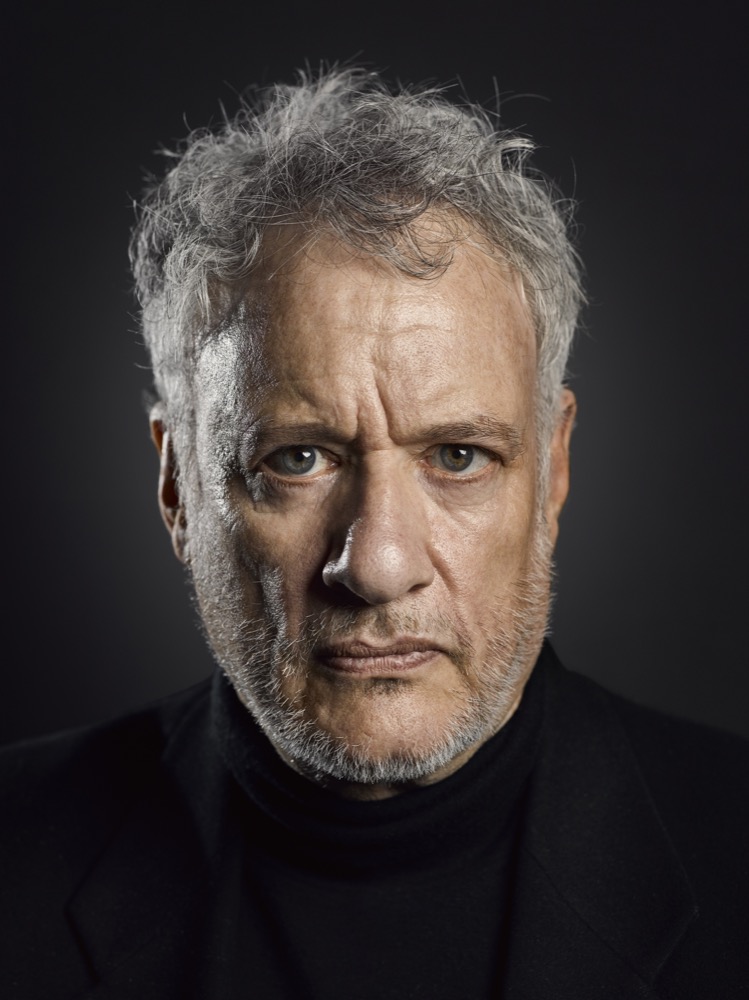
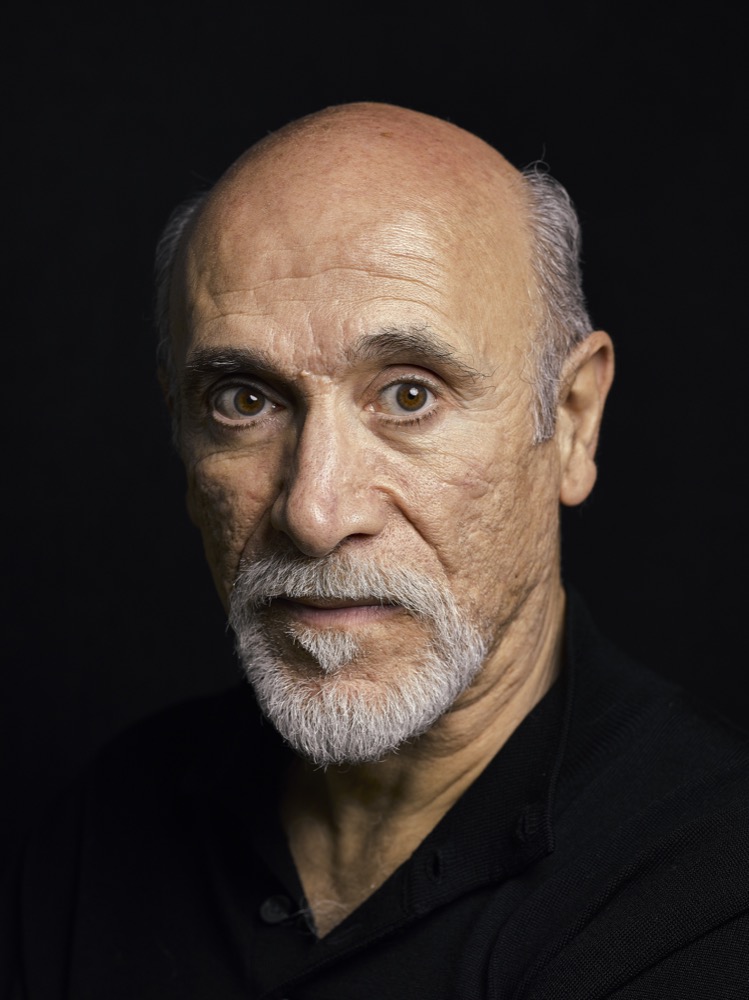
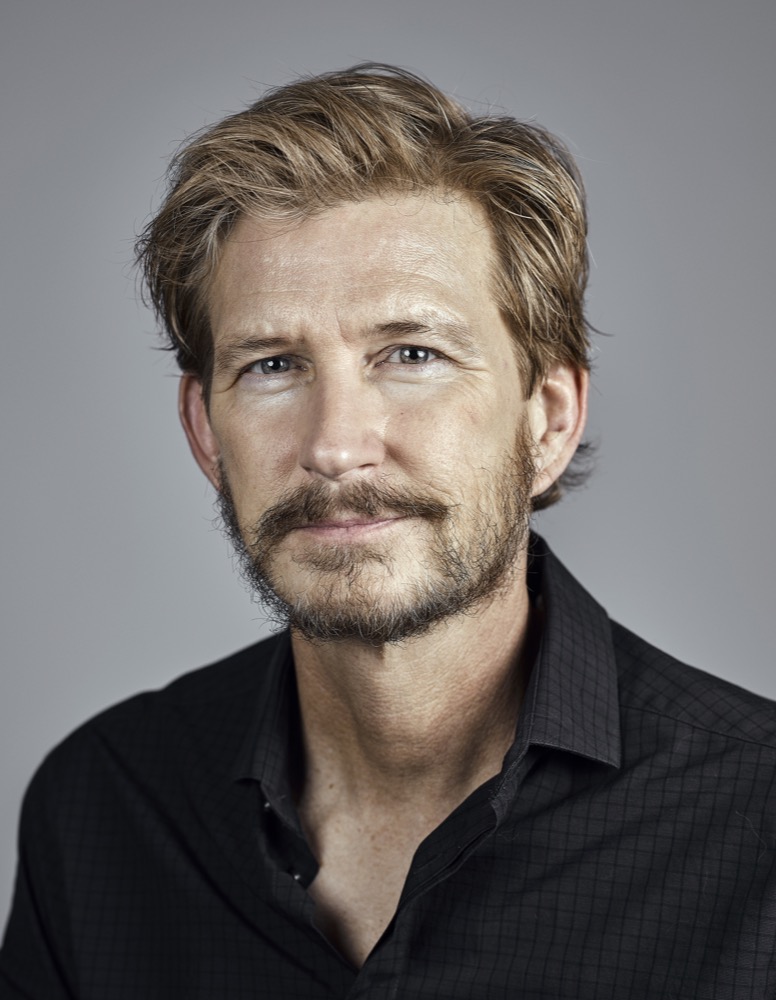
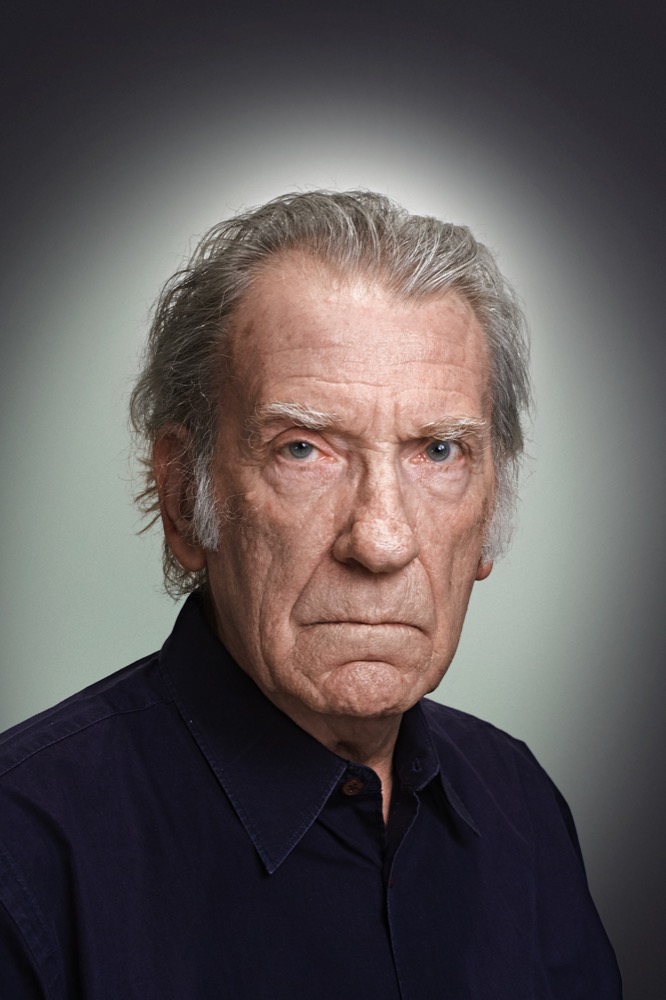
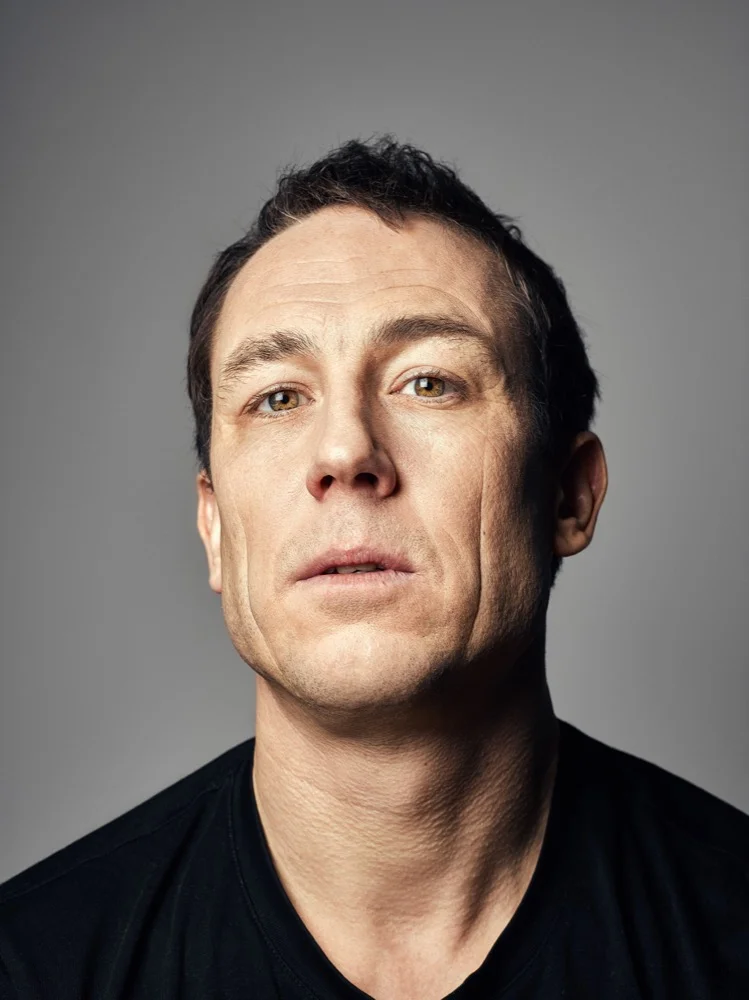
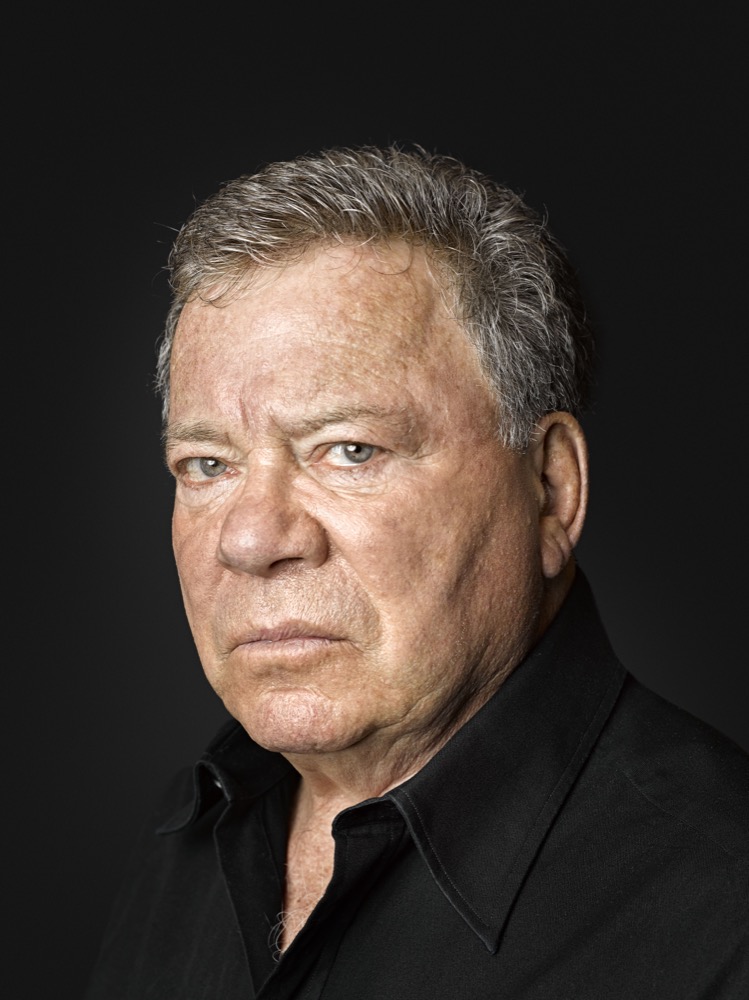
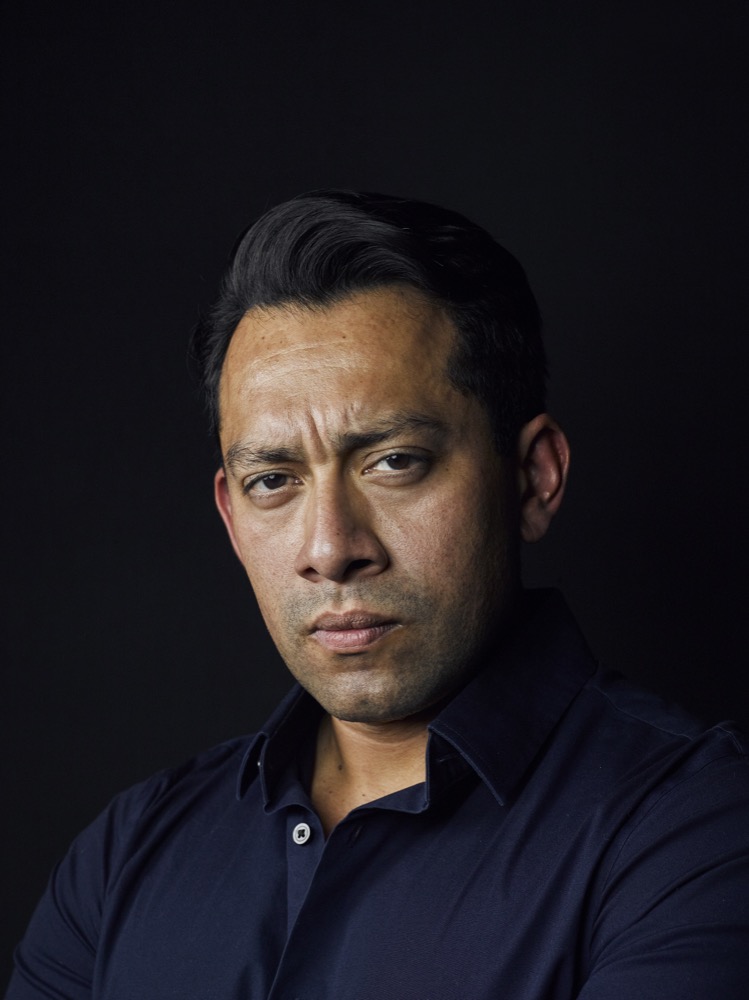
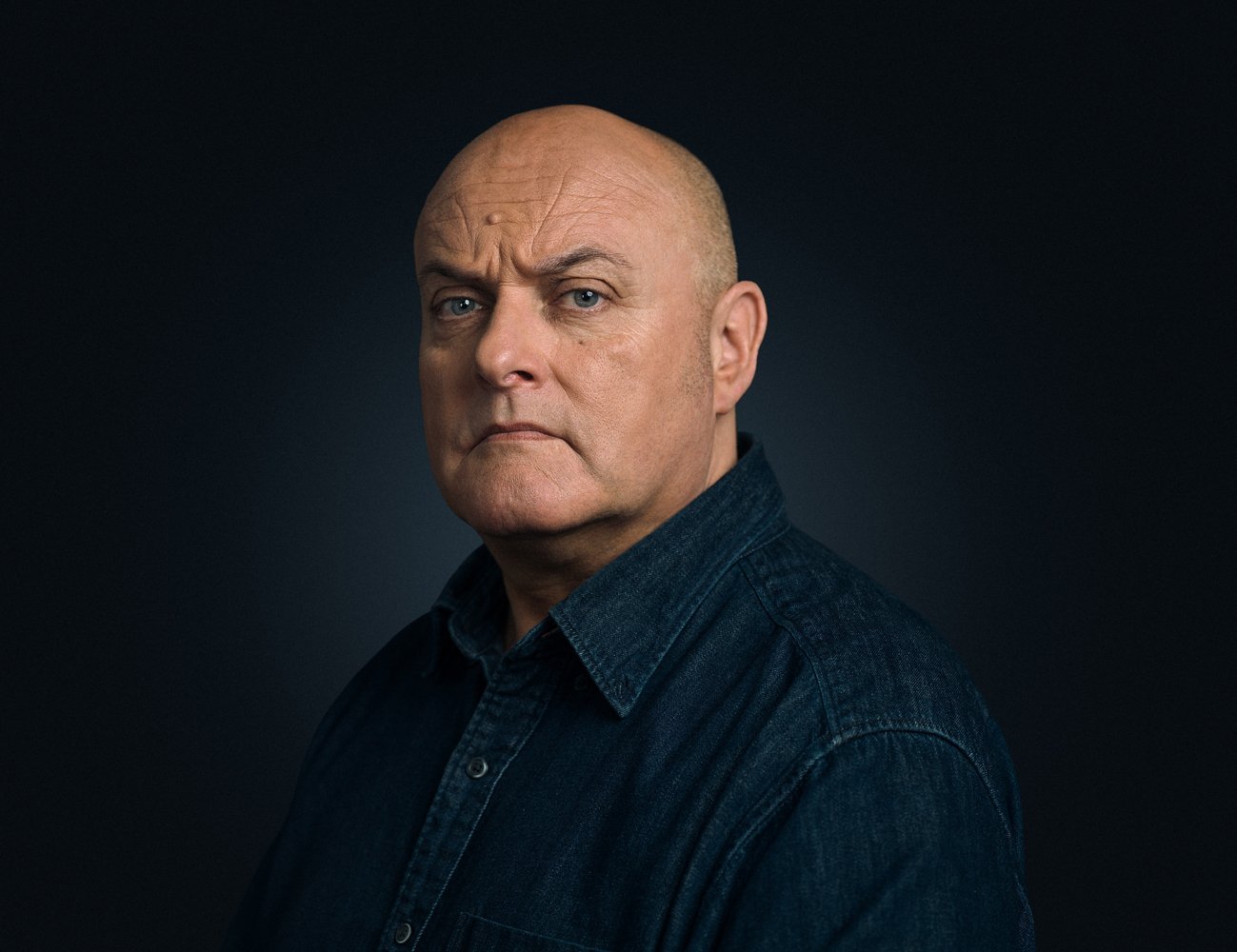
Most headshots are produced. A Rory Lewis headshot is composed.
This distinction matters more than it first sounds. The bulk of professional headshot photography in New York and London is built around a production model — bright, even, frontal lighting, a plain backdrop, a repeatable formula. The work is competent and the turnaround is fast, but the image is rarely memorable. Run a hundred LinkedIn pages side by side and they begin to blur into each other.
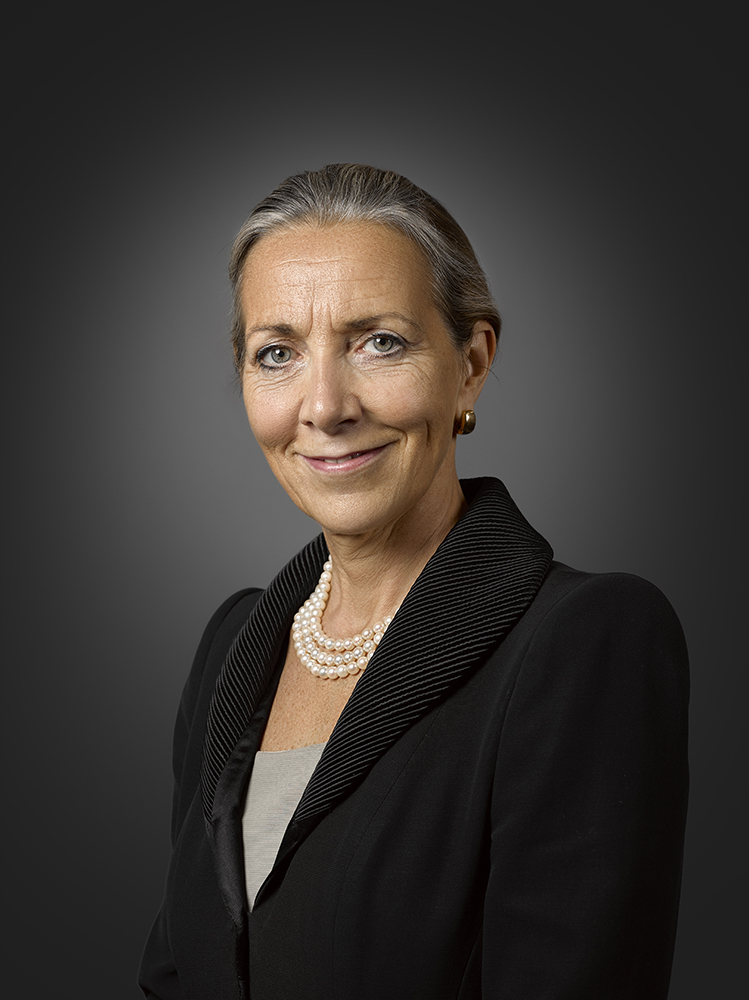
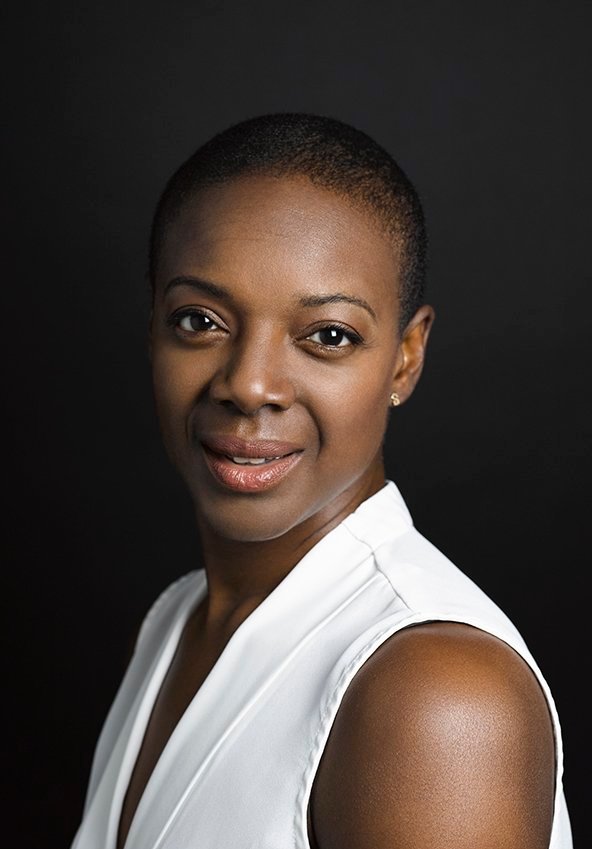
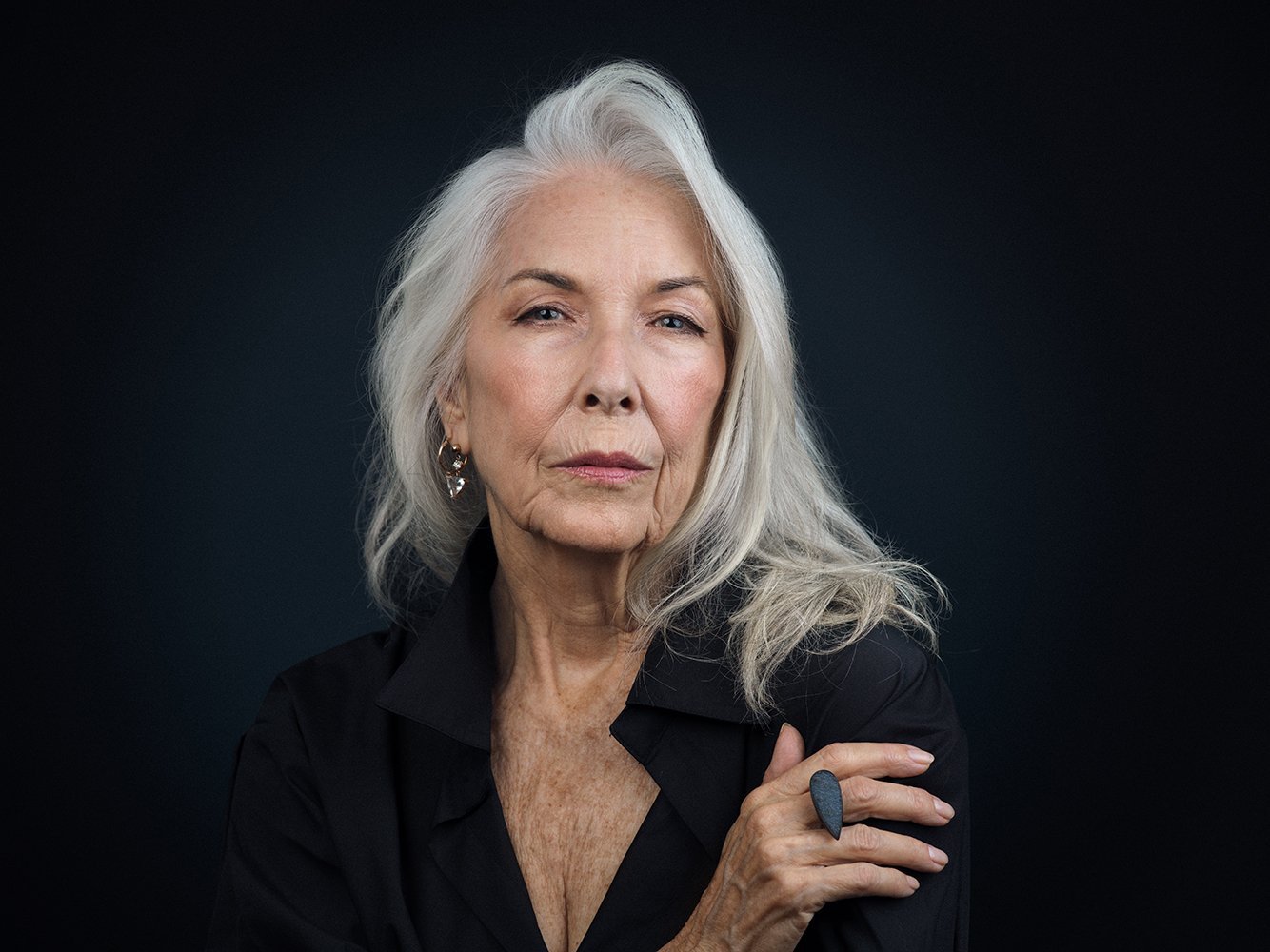
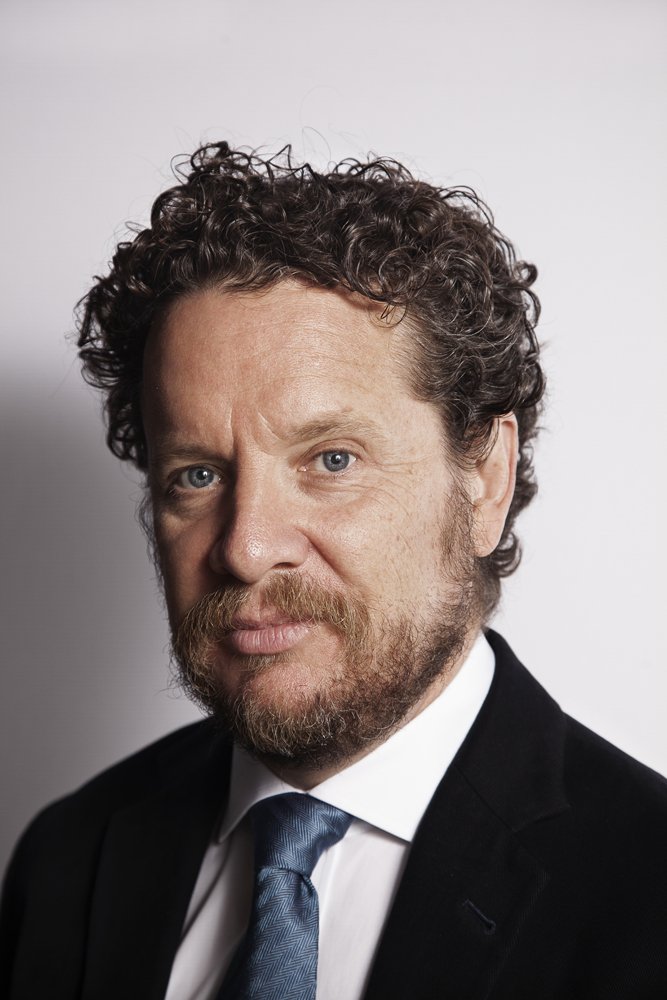
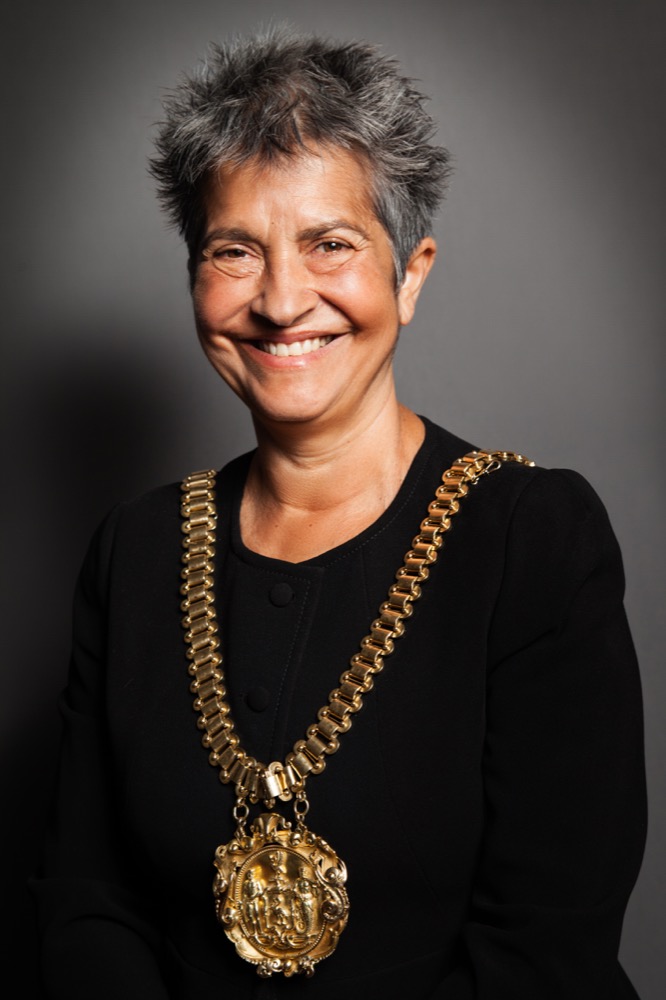
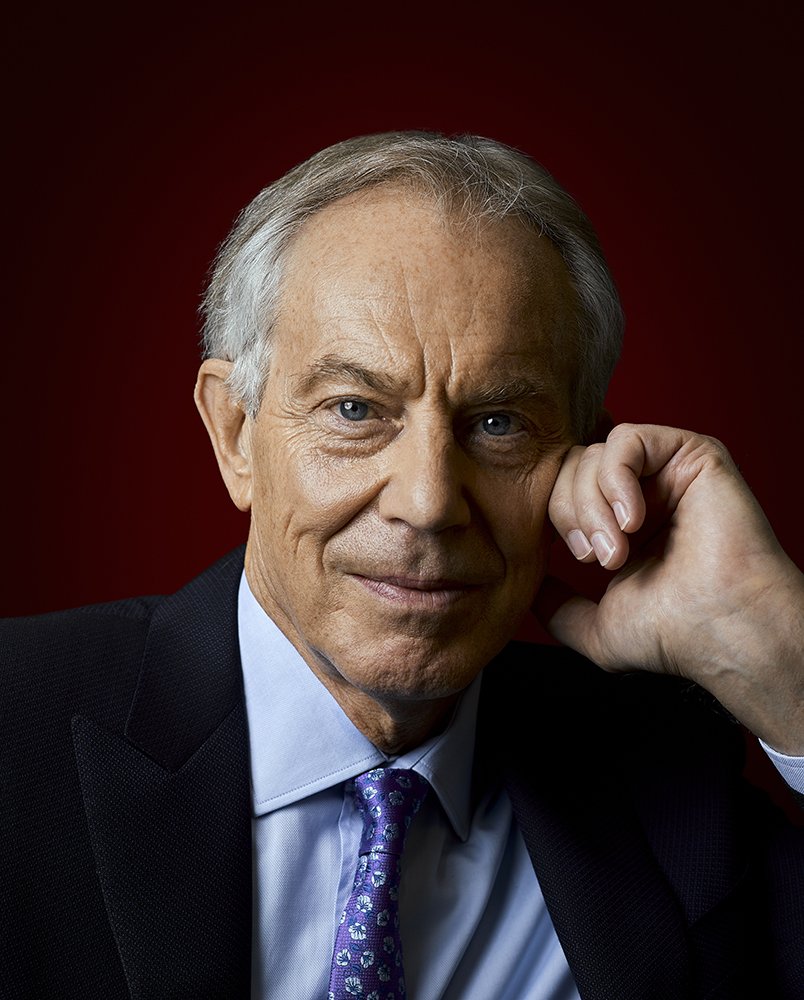
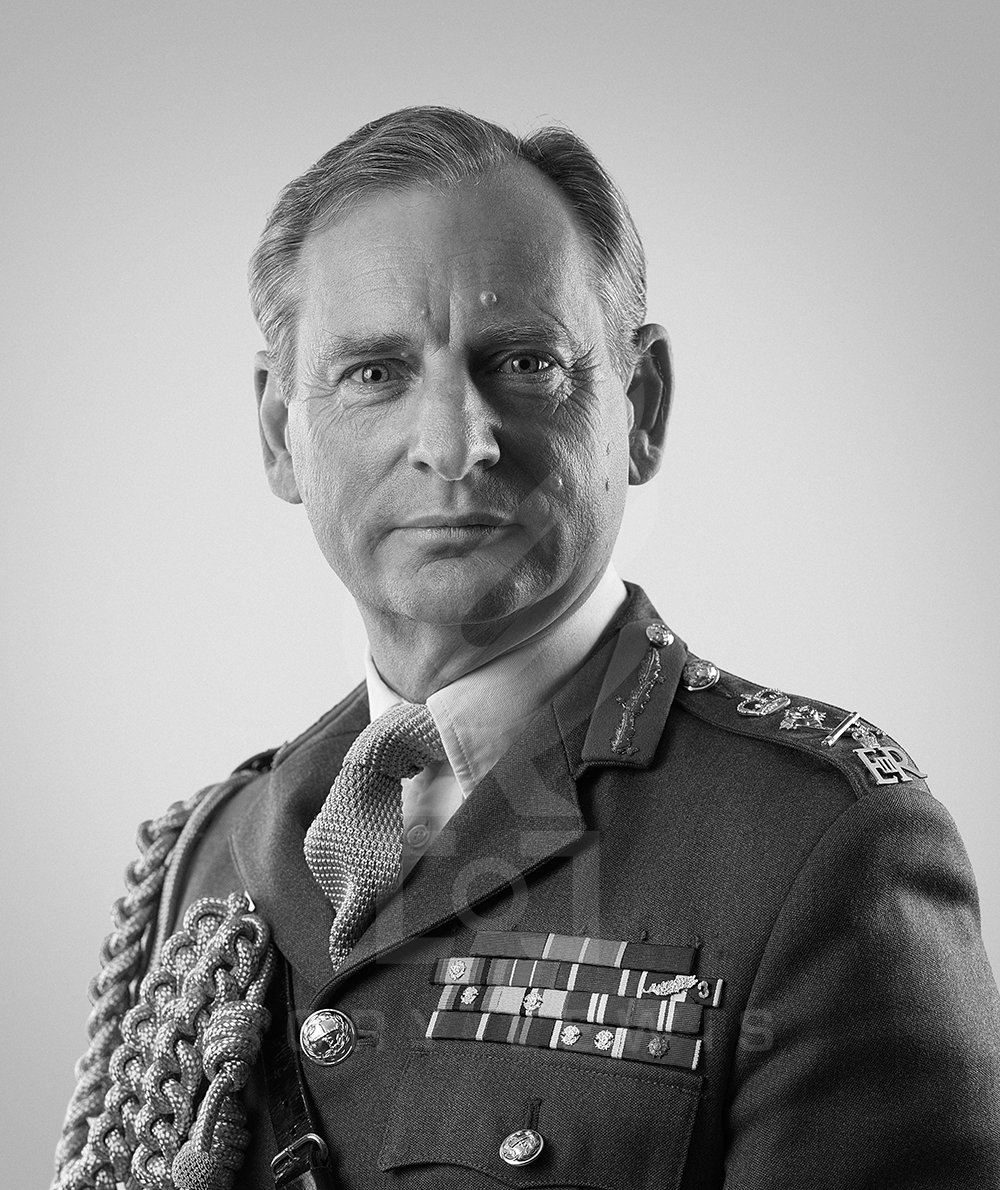
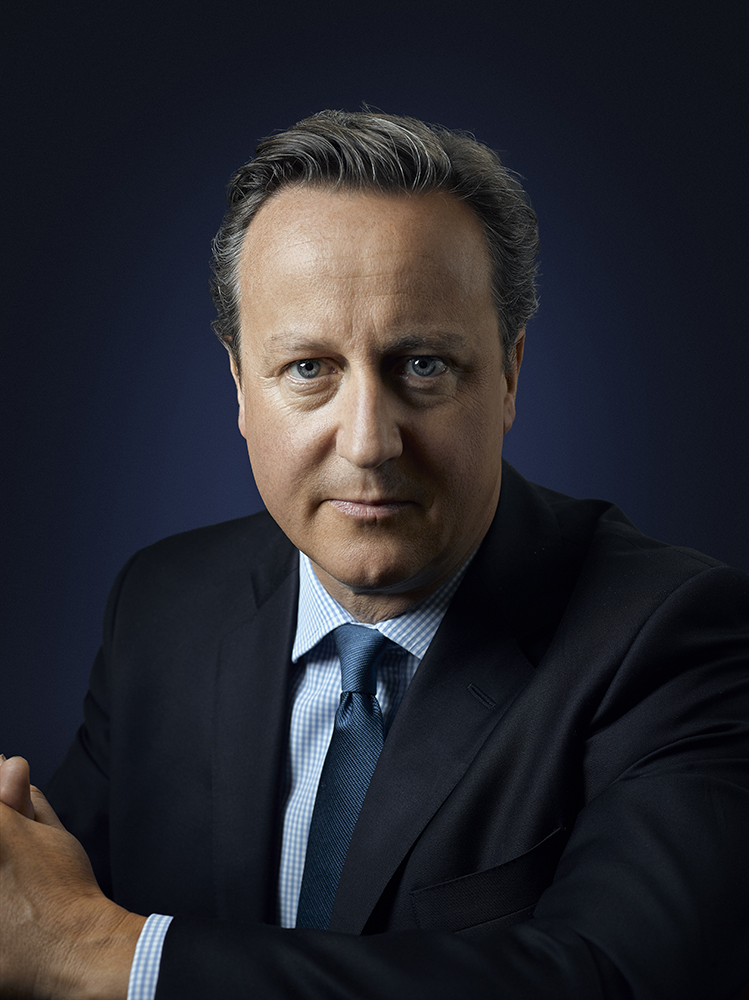
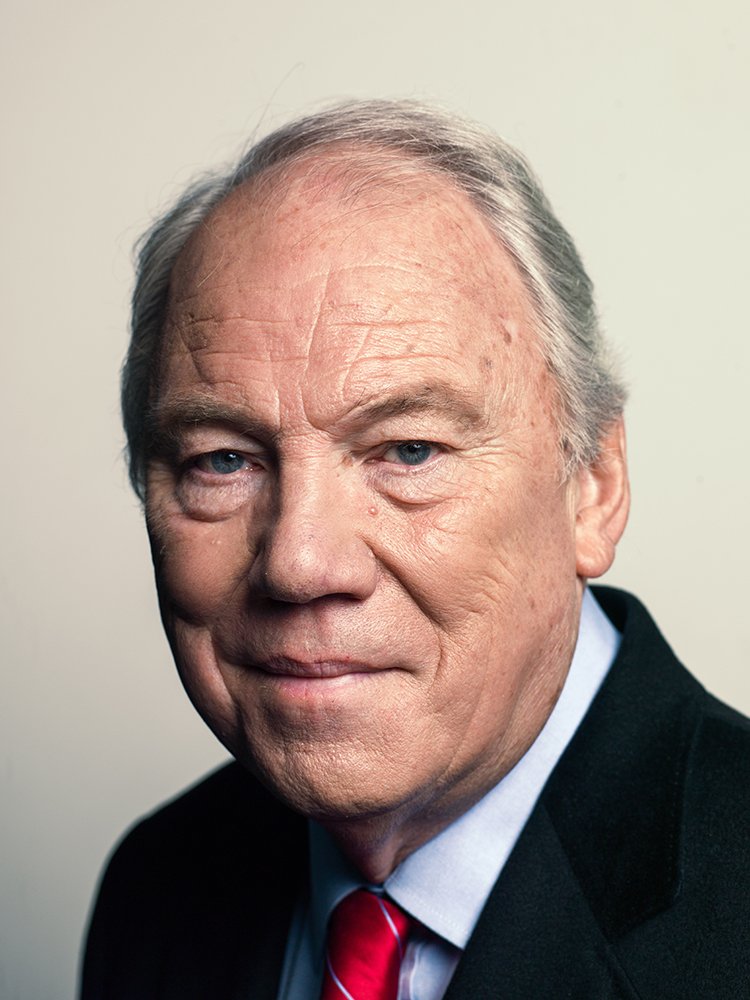
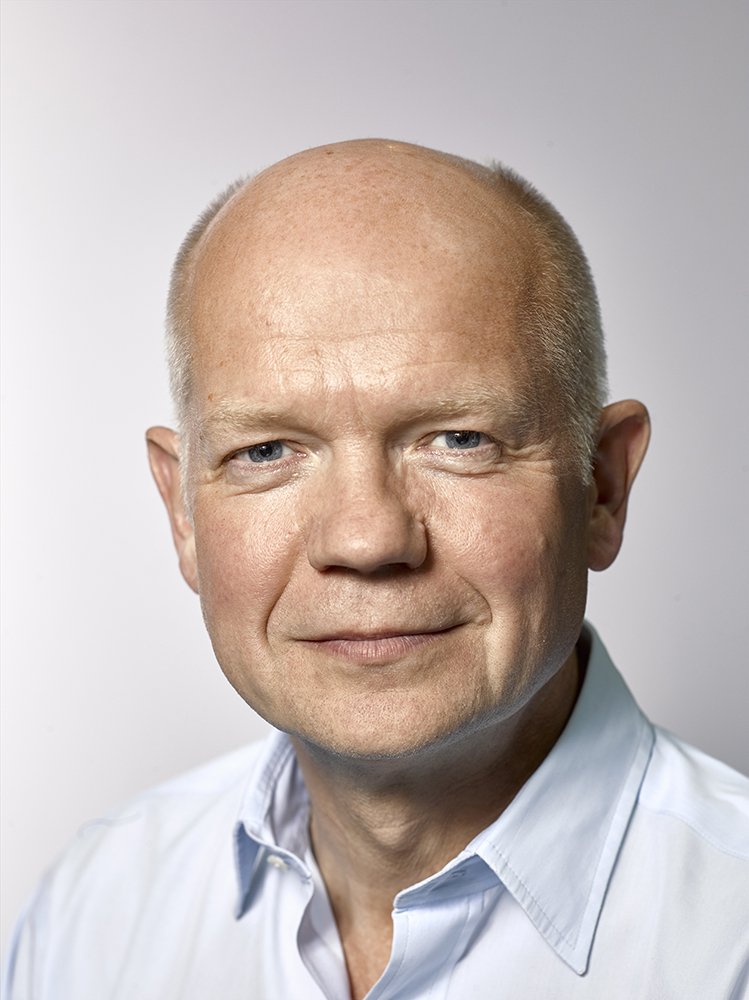
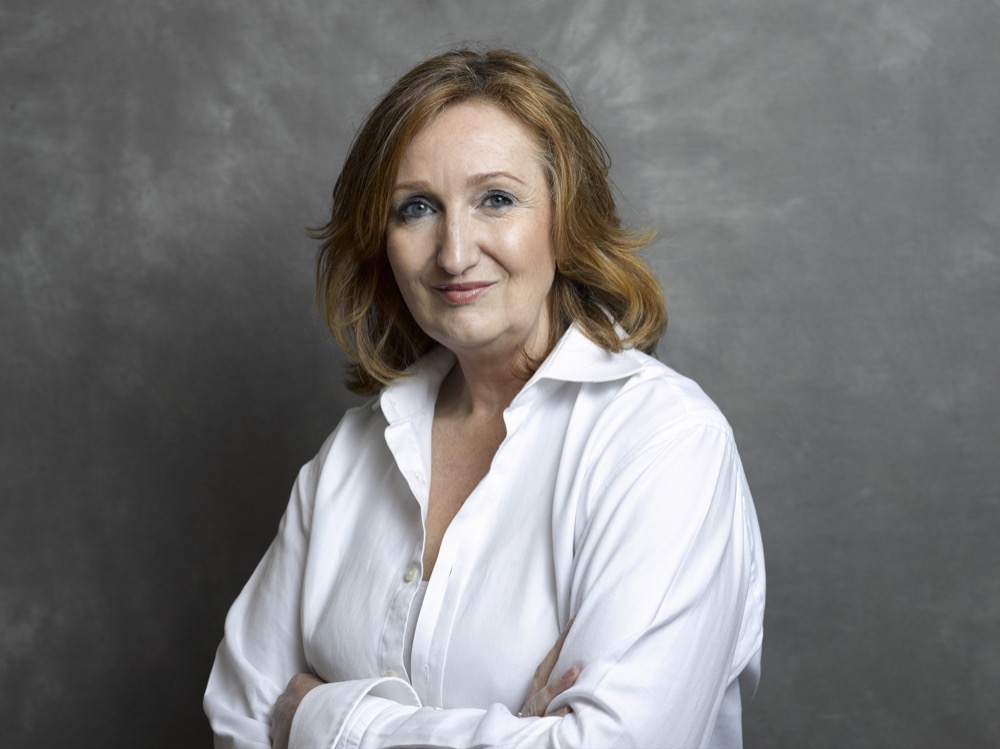
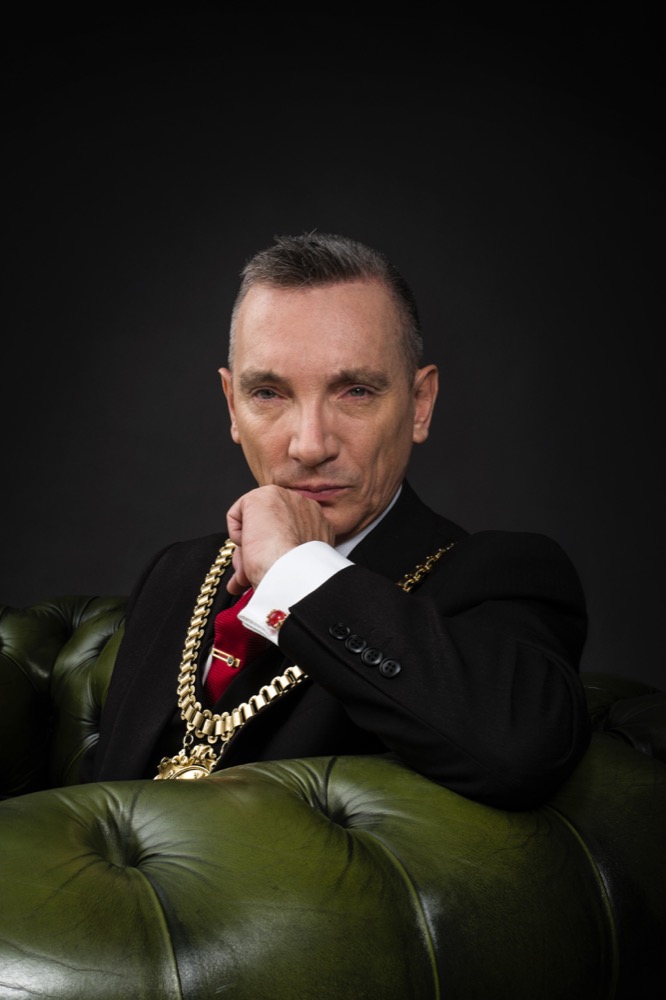
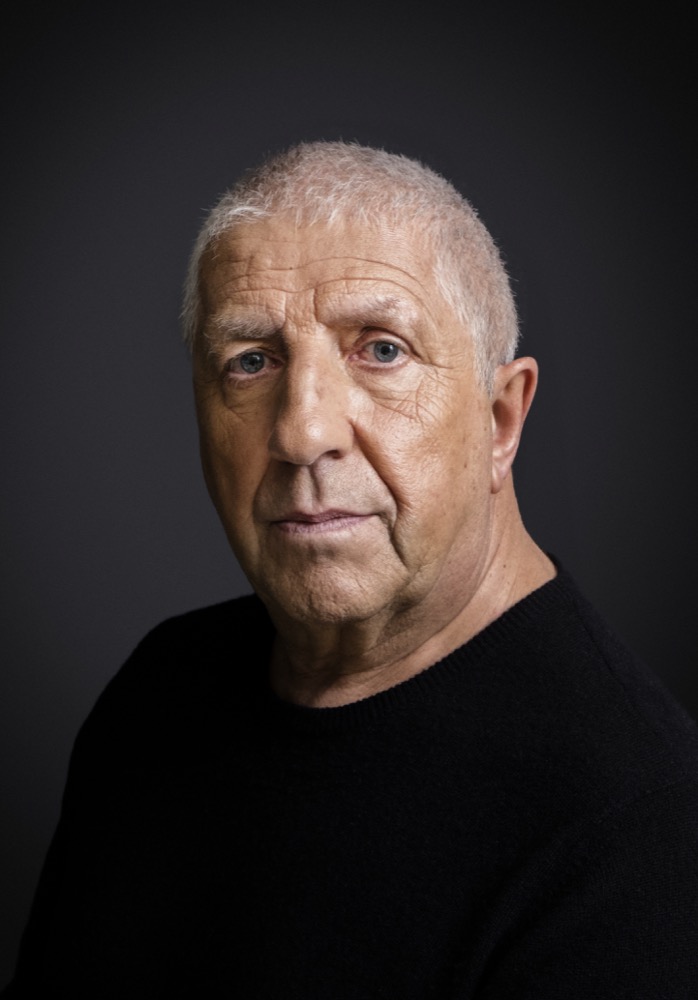
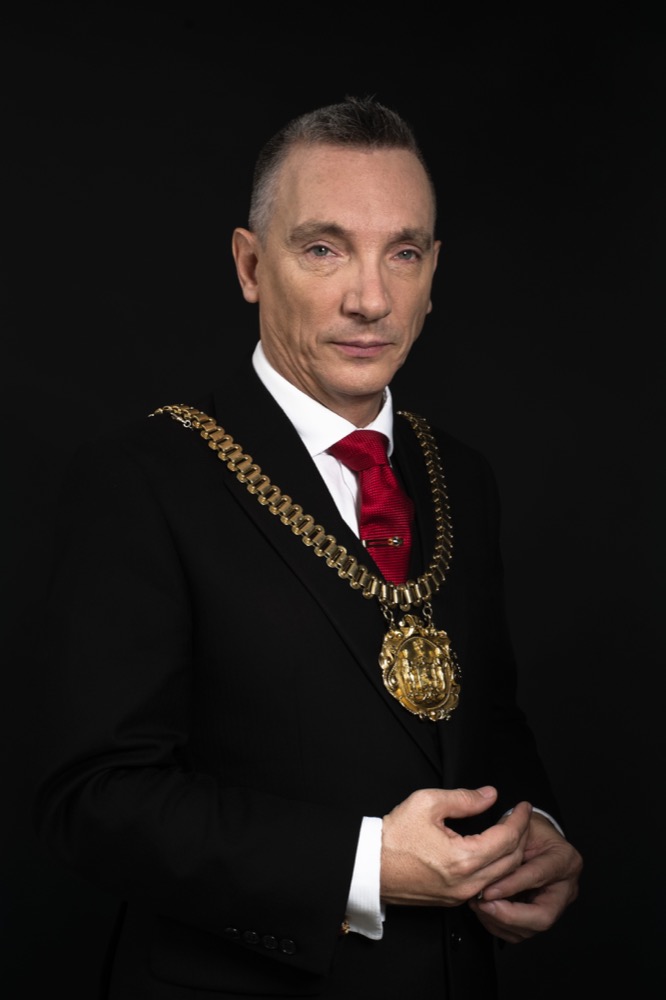
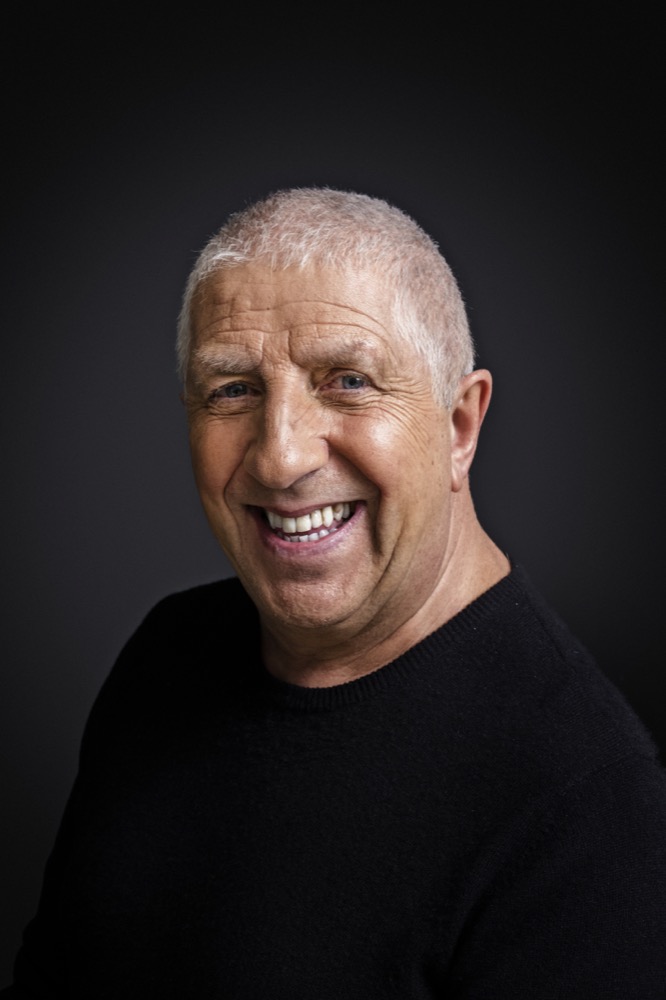
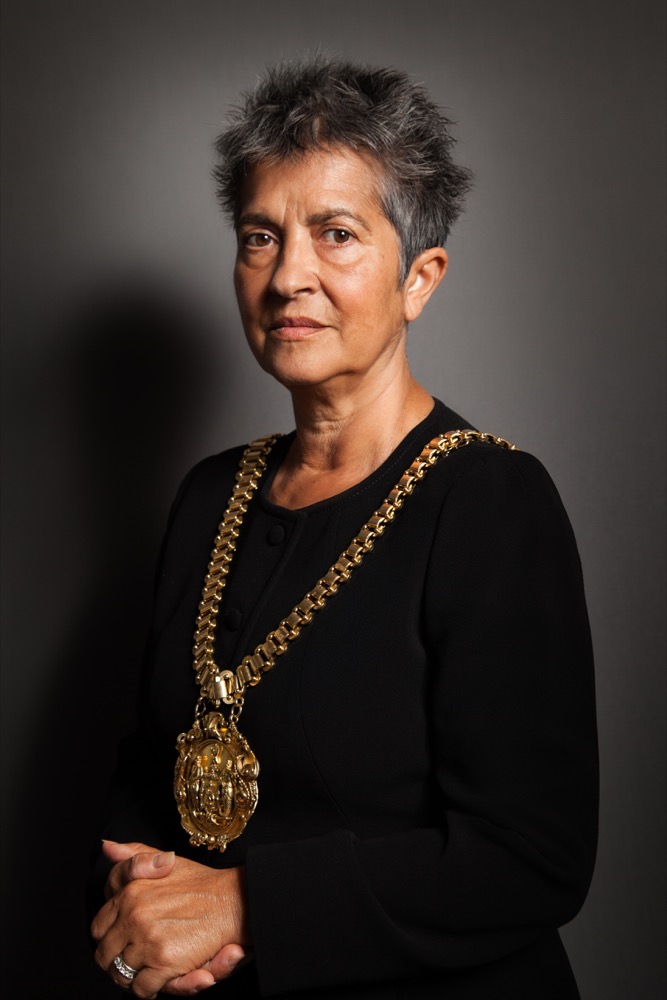
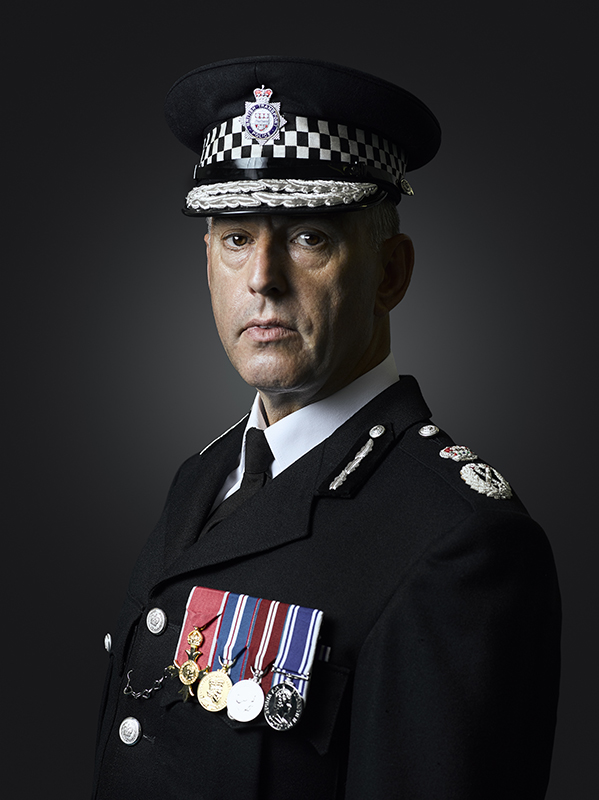
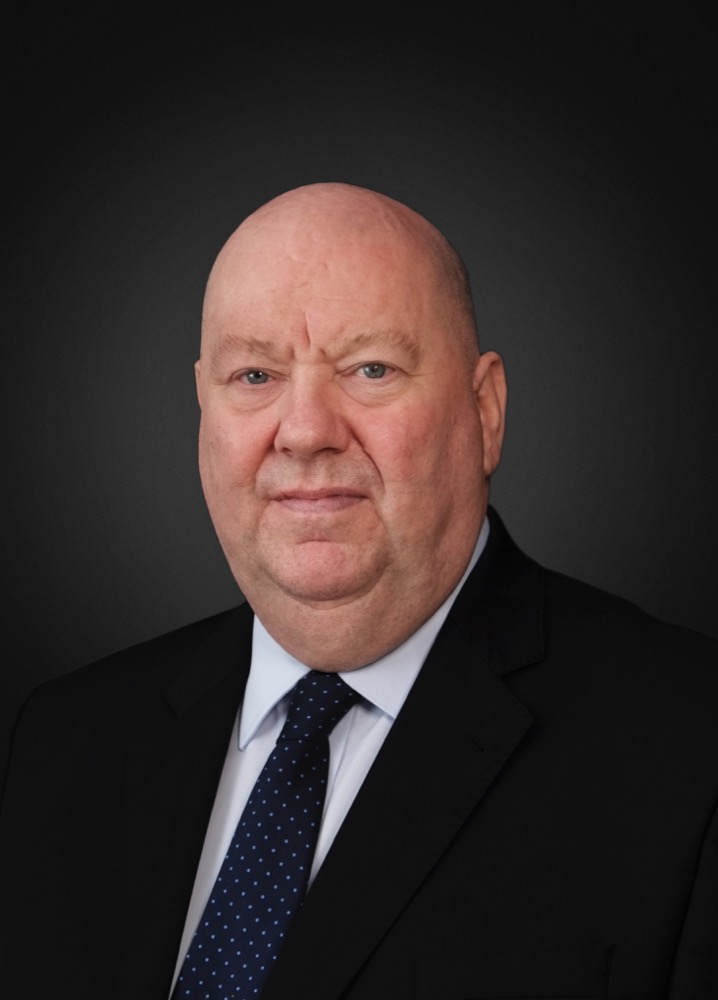
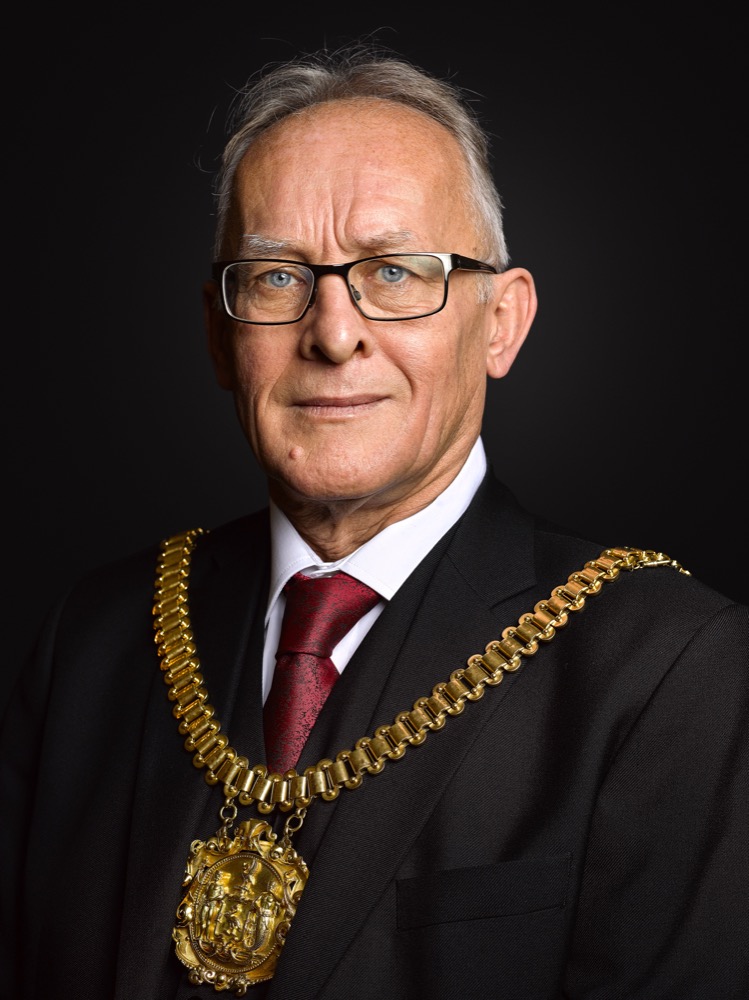
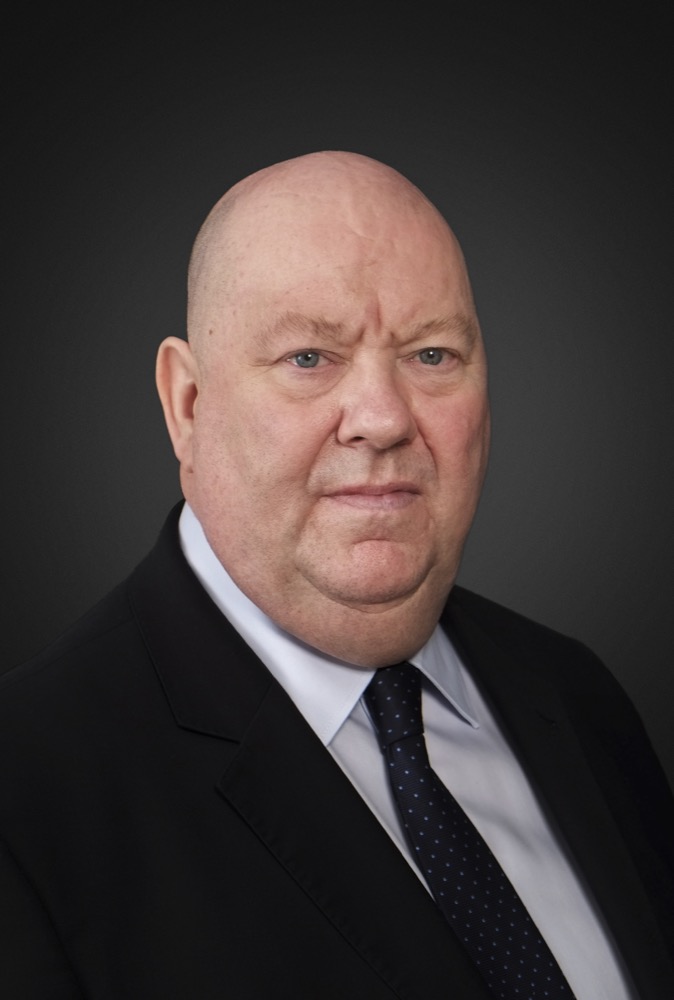
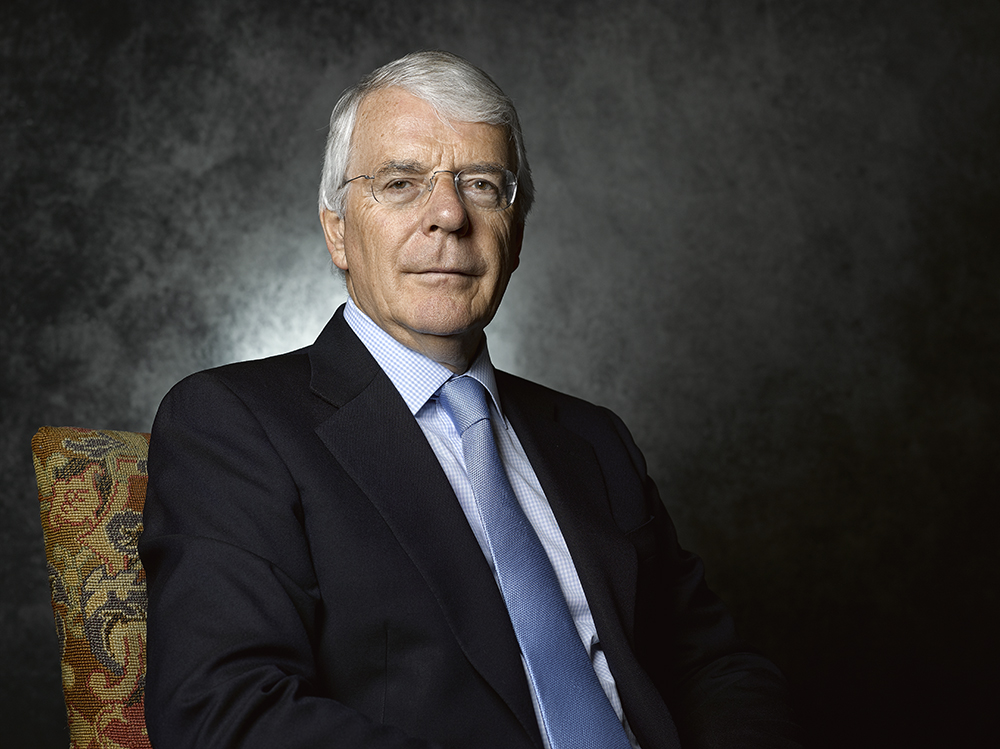
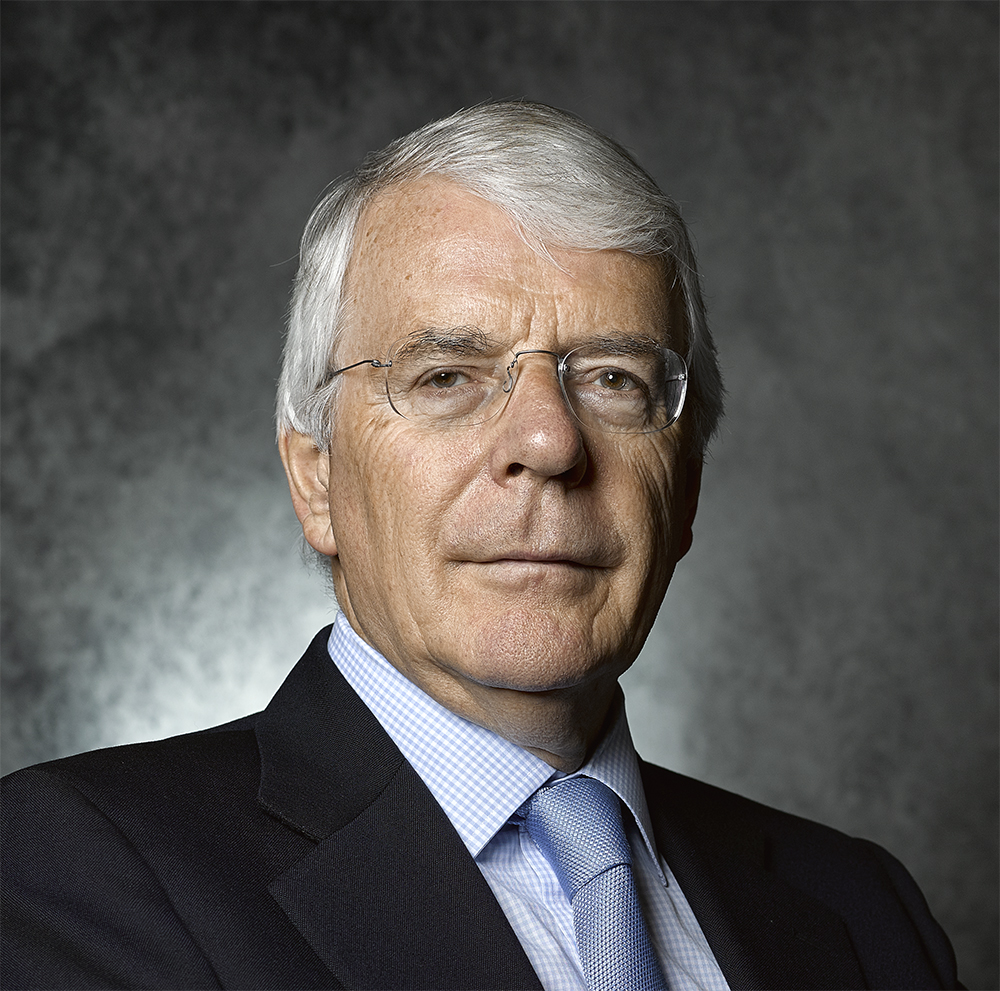
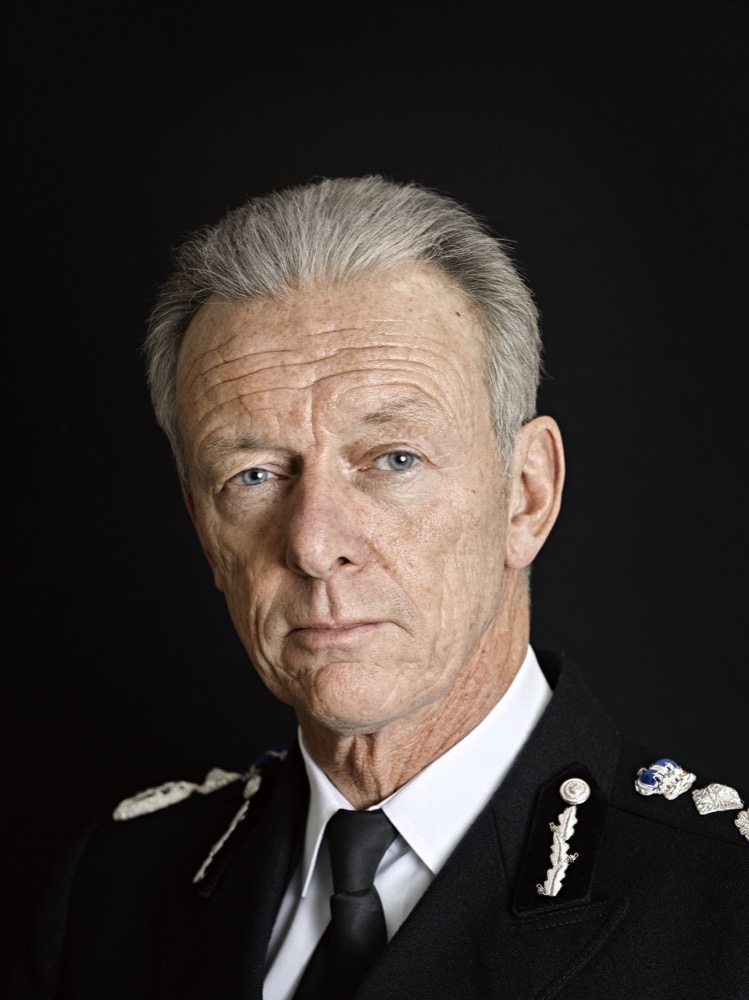
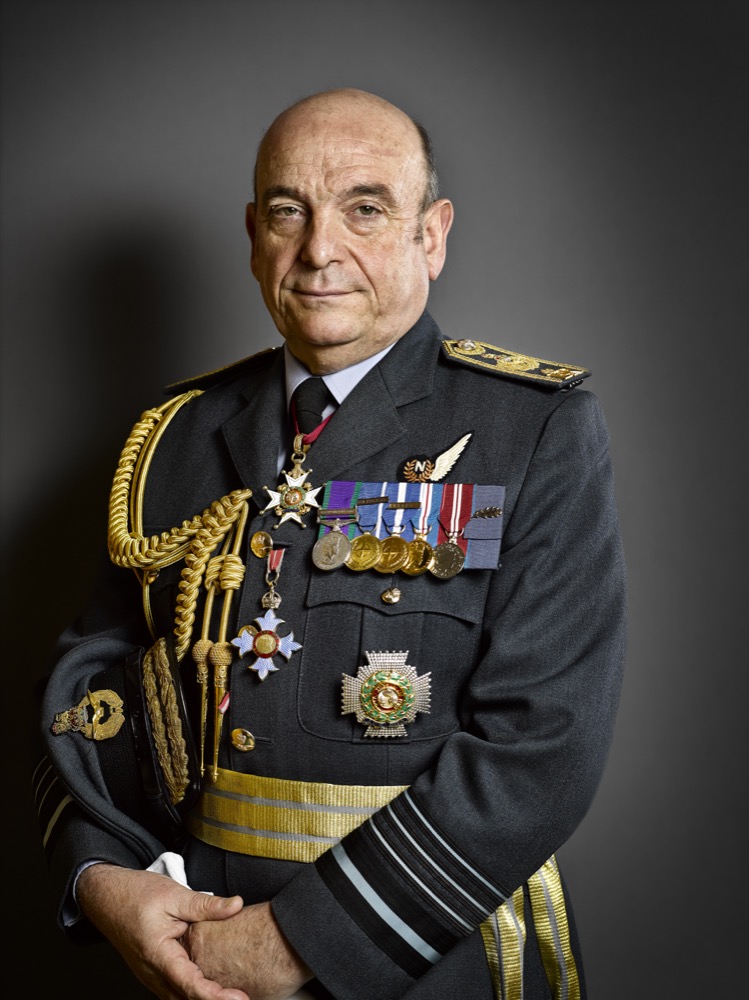

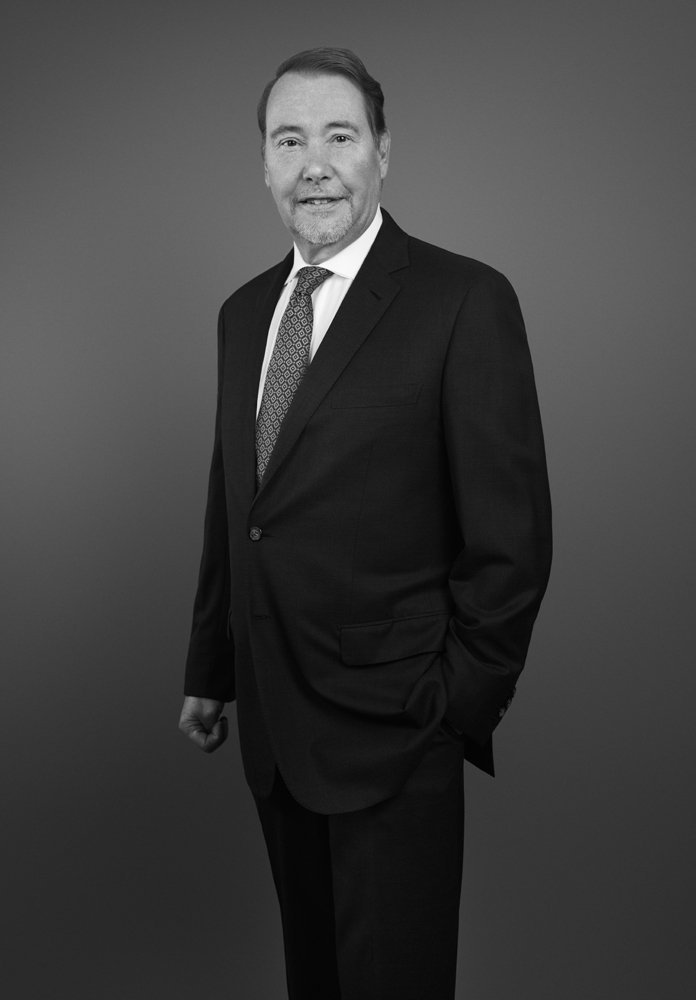
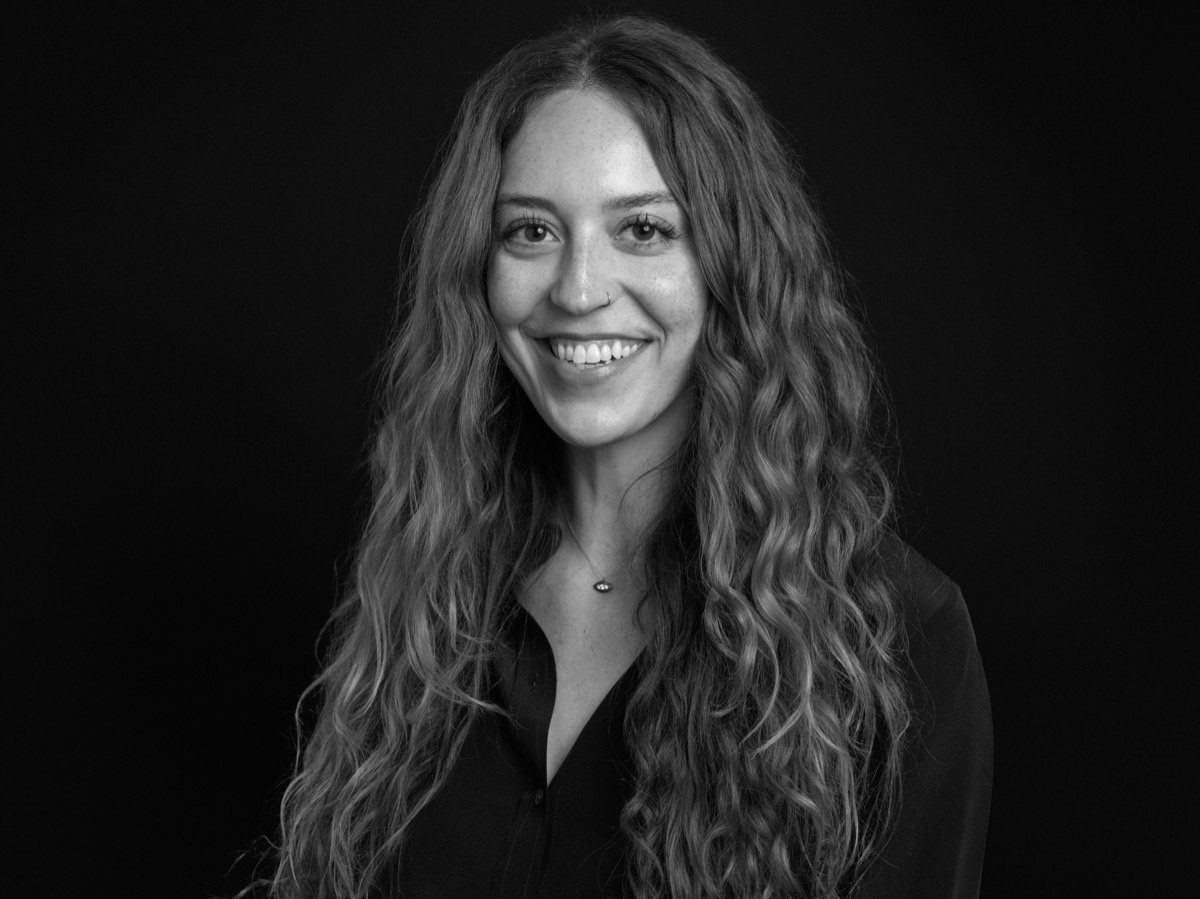
Rory's approach inverts that model. He works in low key. The light is shaped, not flooded. The background recedes into shadow rather than competing for attention. The subject is built up out of the dark, the way a sculptor reveals a figure from stone, and the eye of the viewer is drawn first to the eyes of the sitter, then to the line of the jaw, then to the hands, if the hands are in frame. Nothing else is allowed to interrupt.
This is the same vocabulary Rory uses when he photographs members of royal households, decorated military officers, FTSE chief executives, and the actors whose faces are familiar from screen and stage. The aesthetic does not change because the title on the call sheet changes. The dignity of the treatment is the same whether the sitter is a head of state or a first-time founder. That consistency is, in part, what has built the practice.