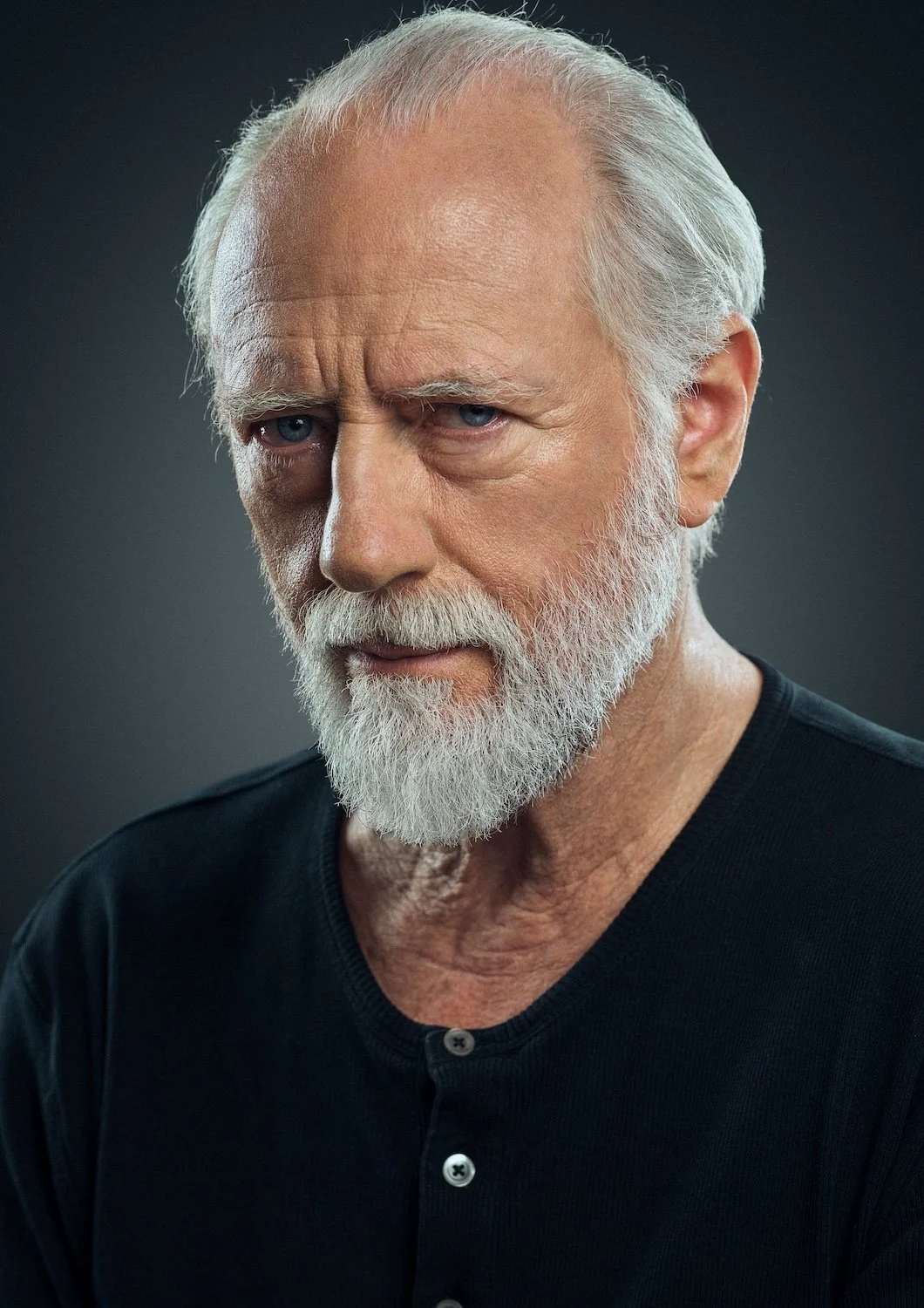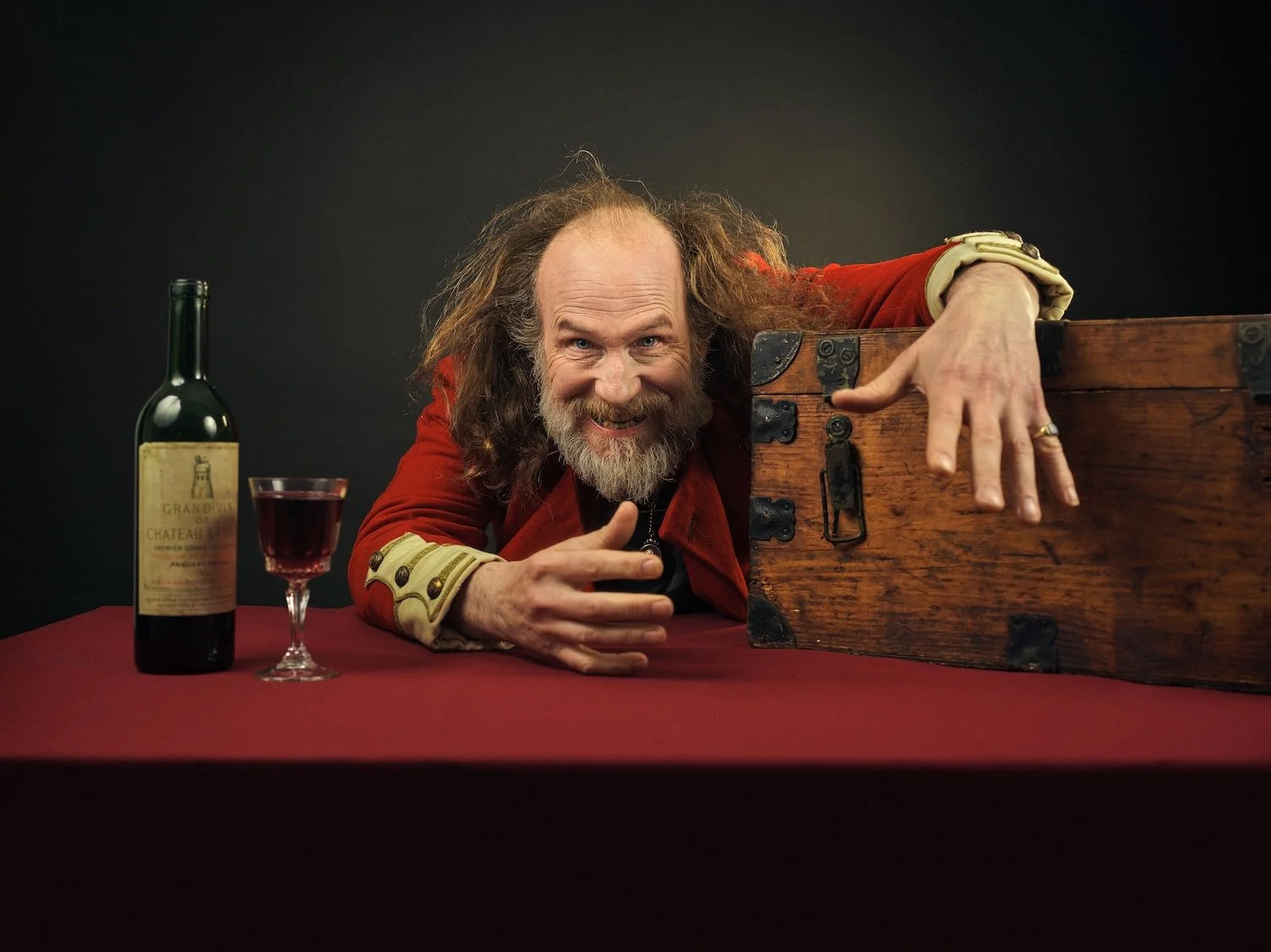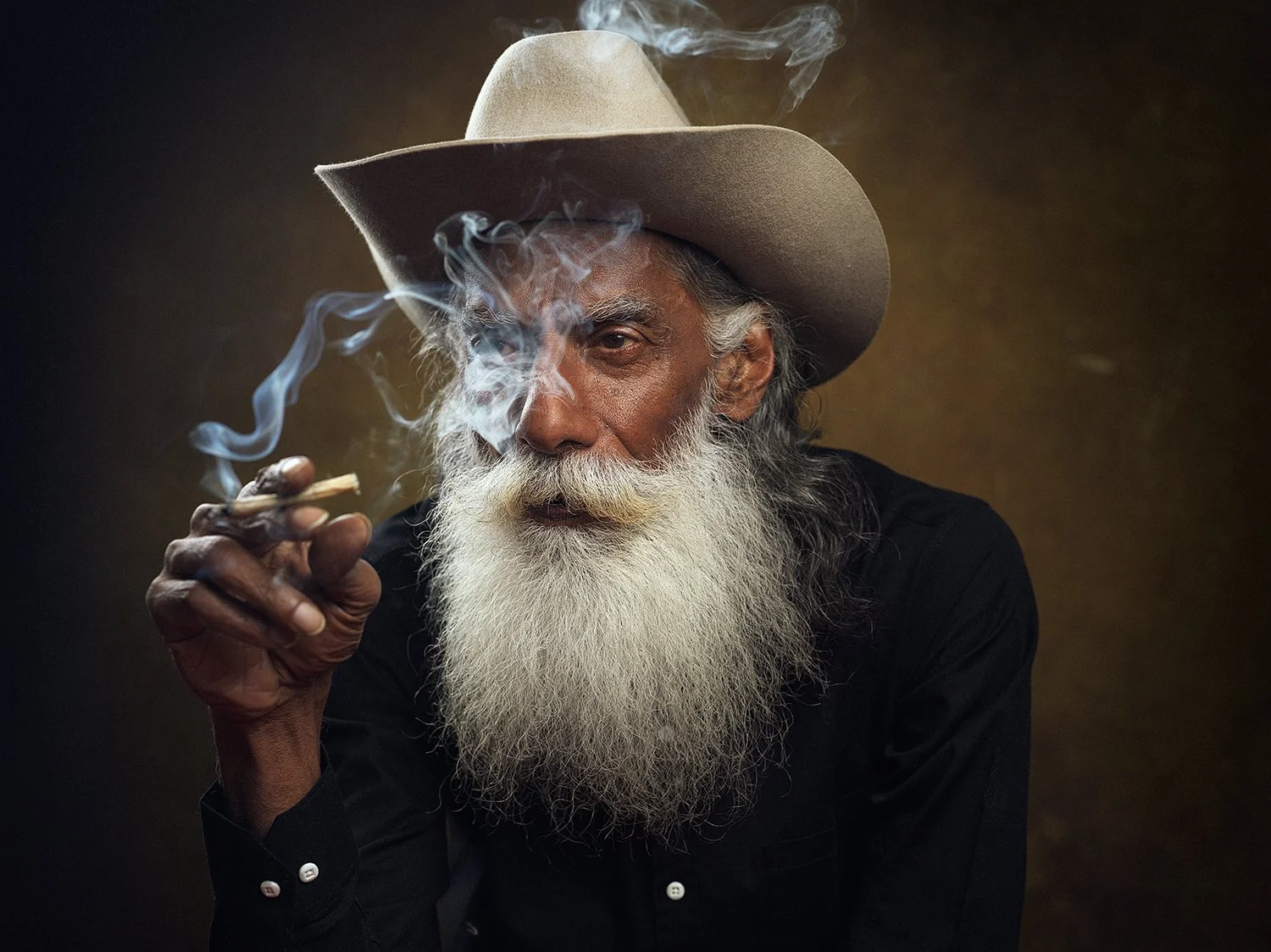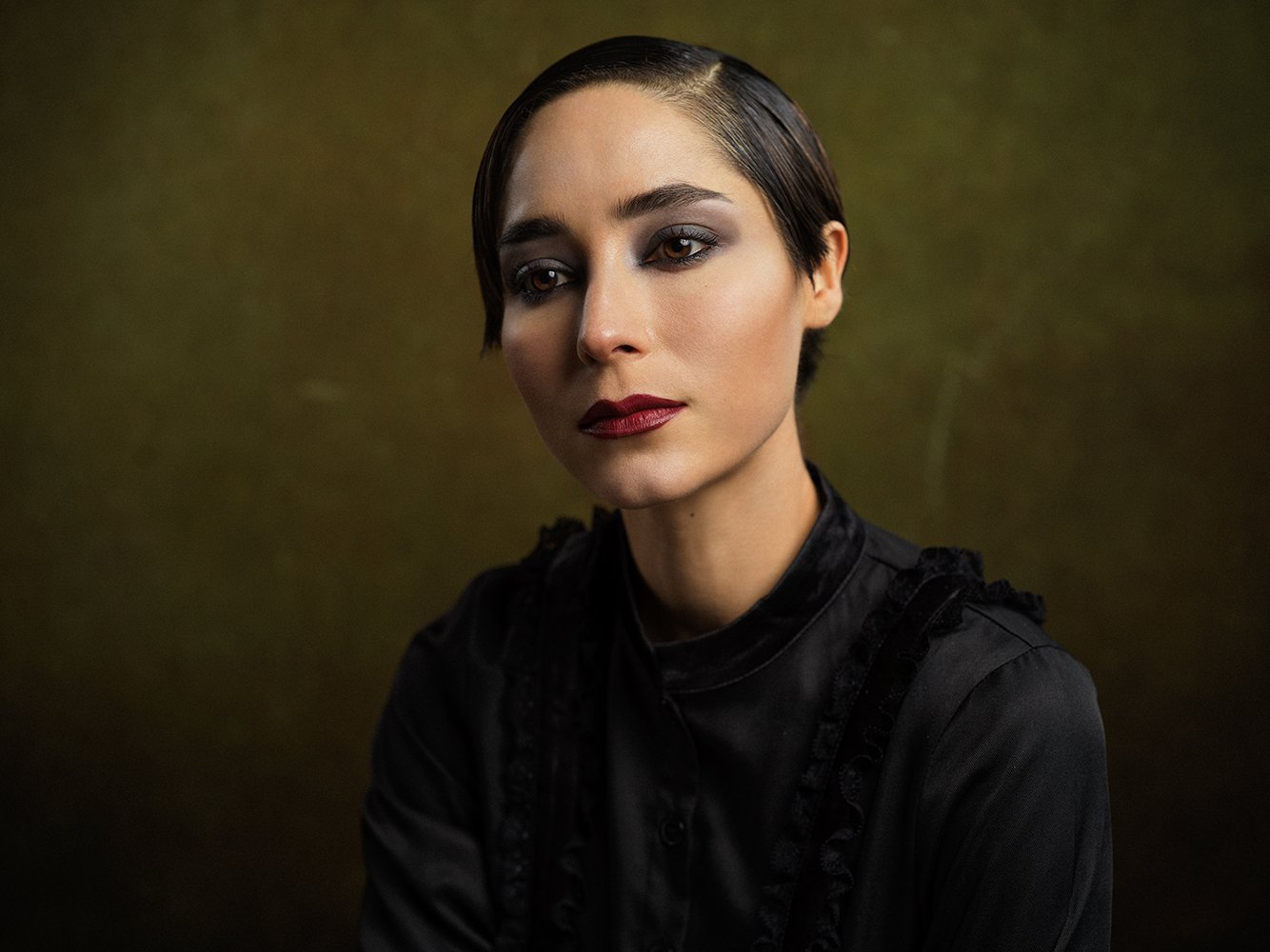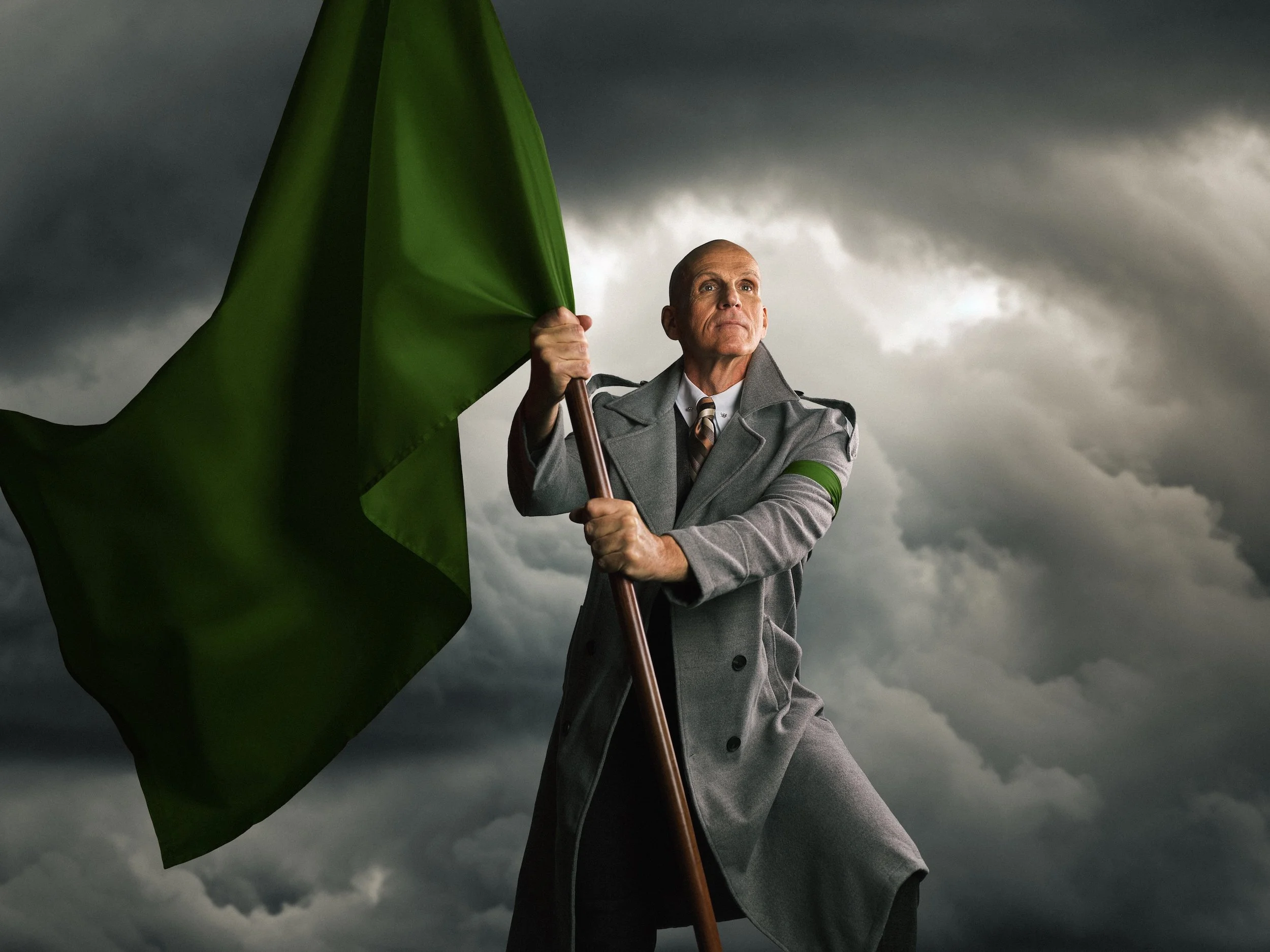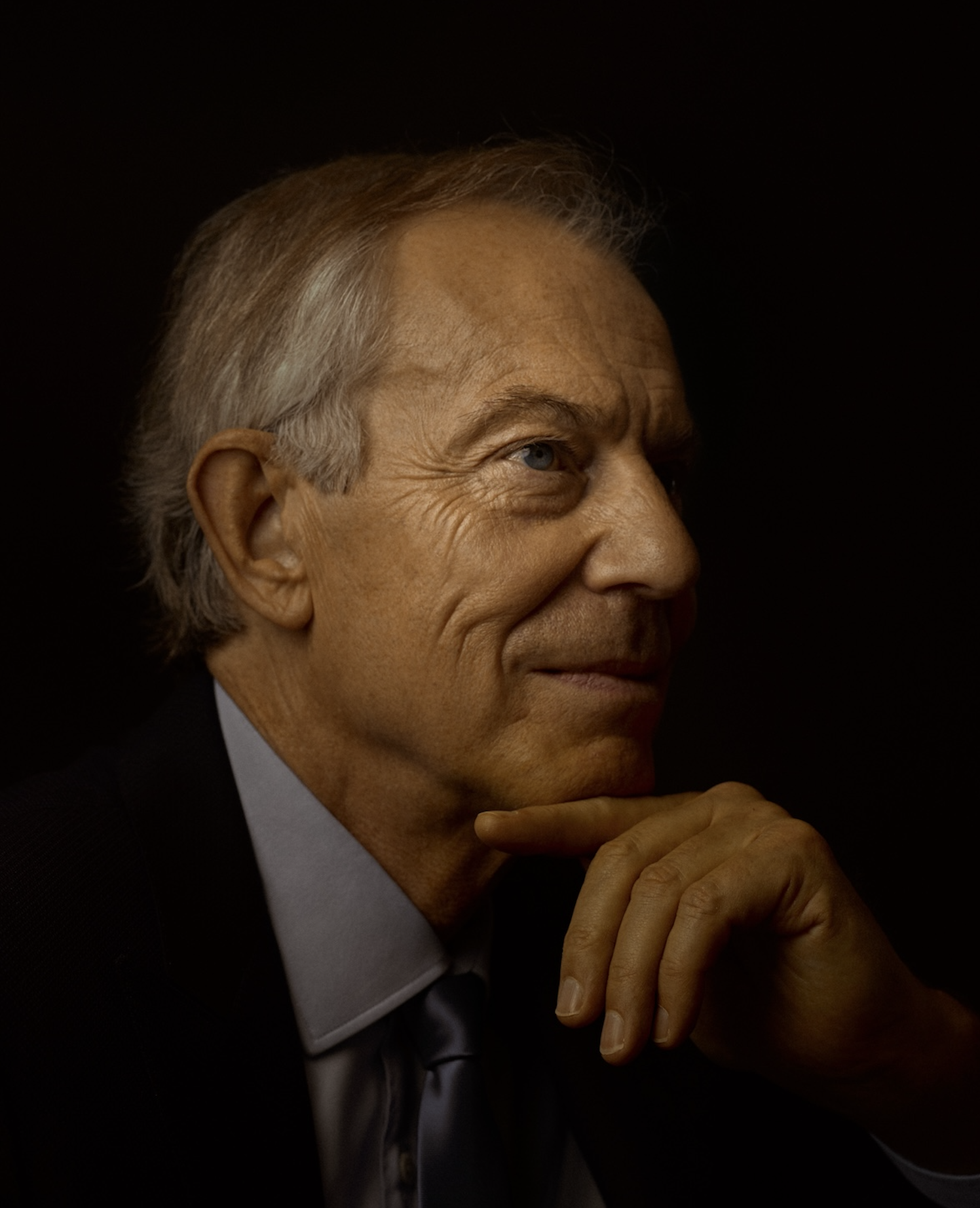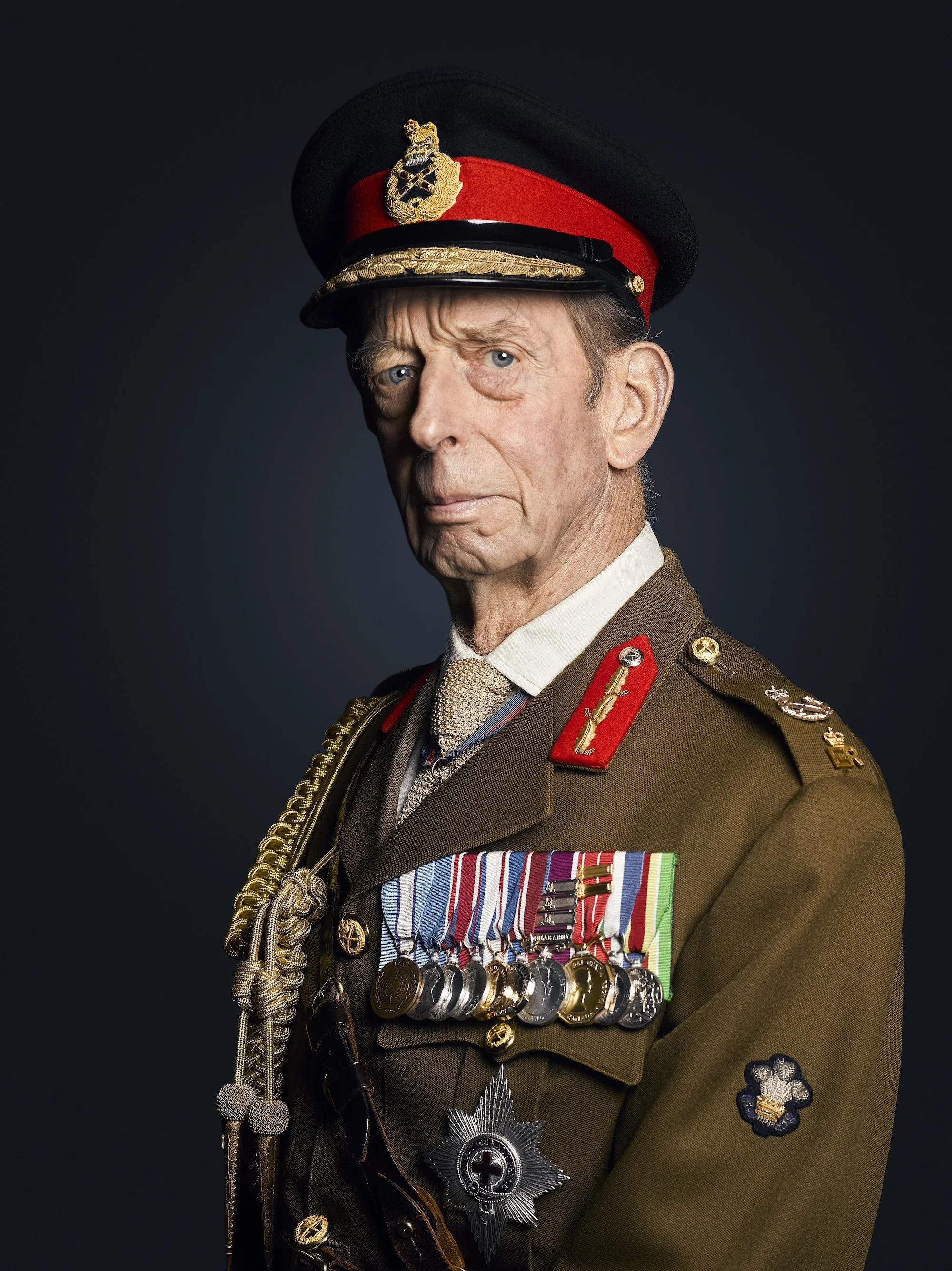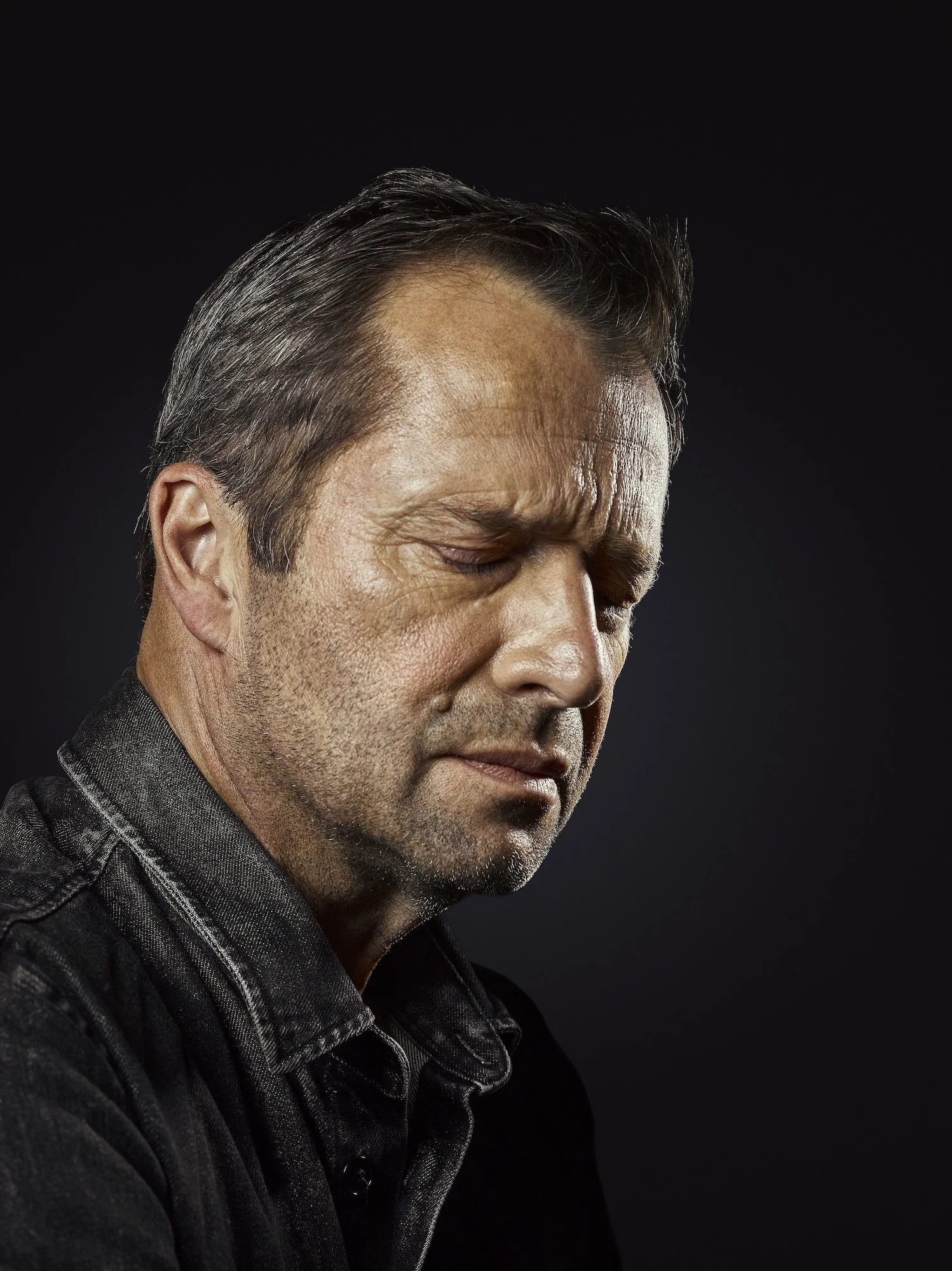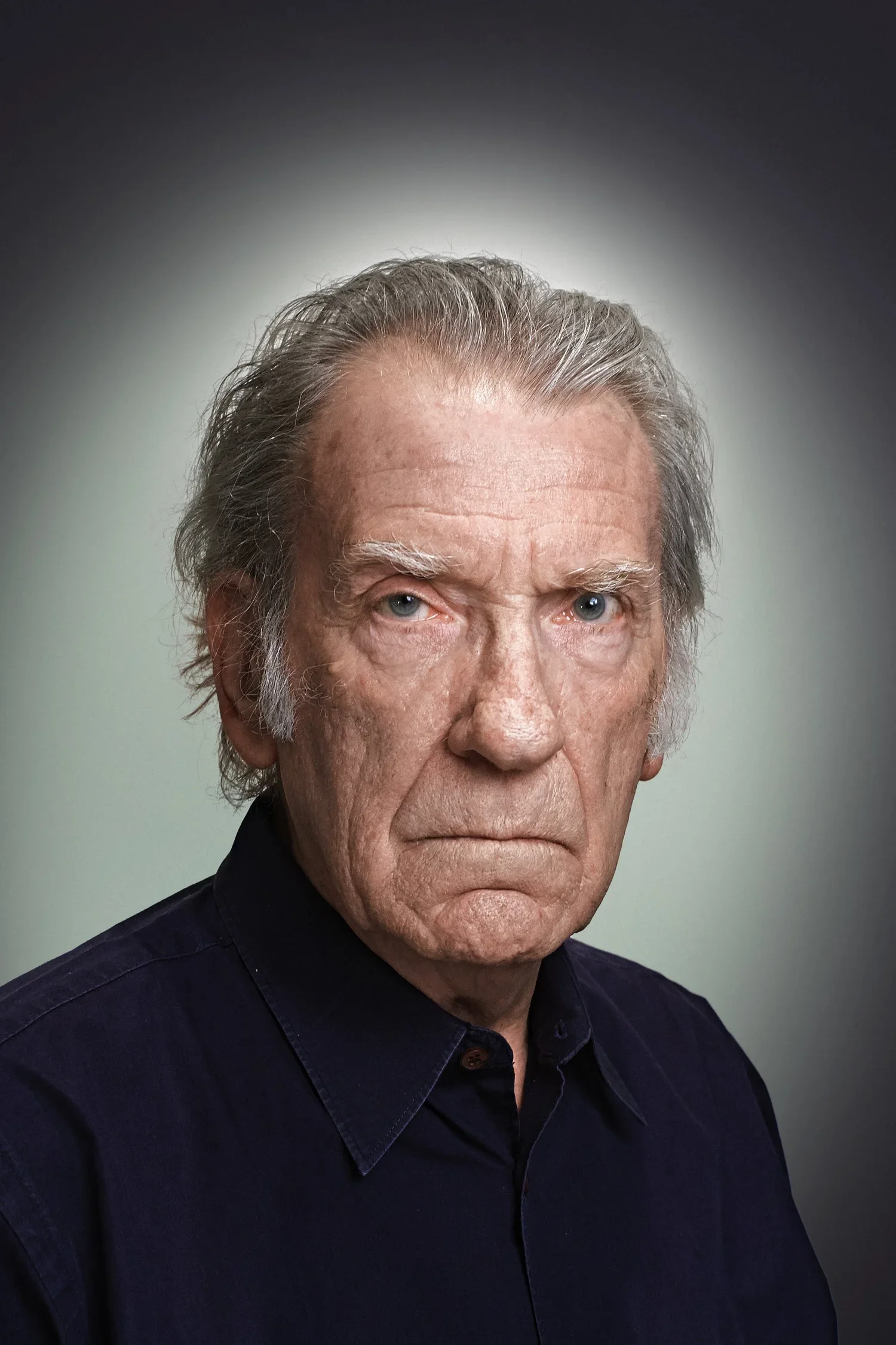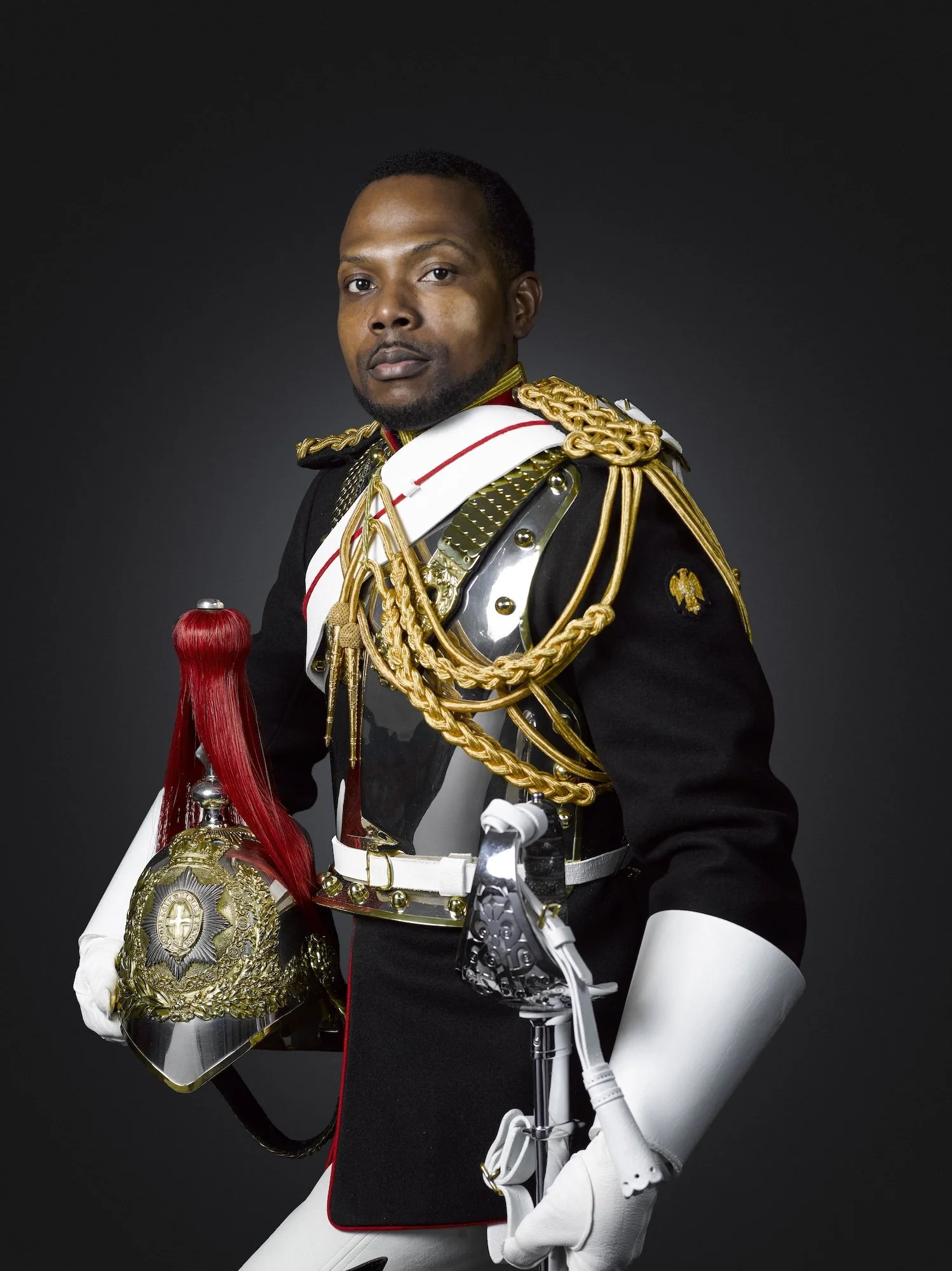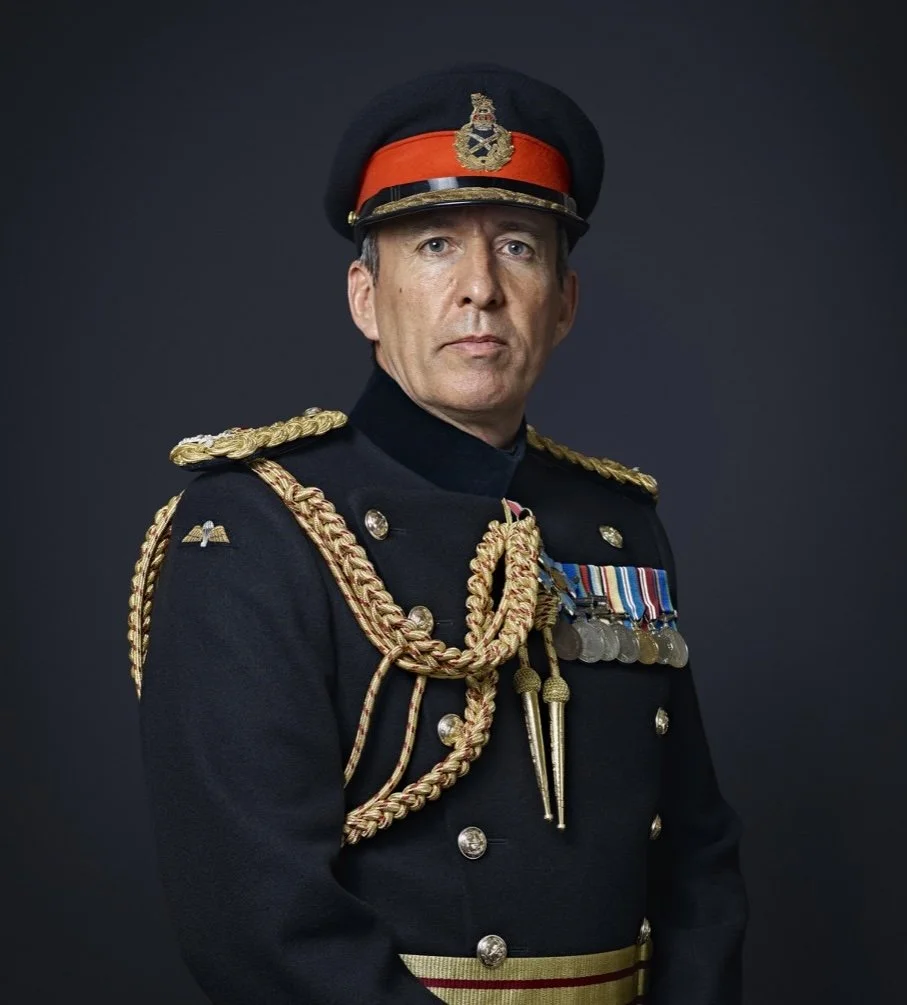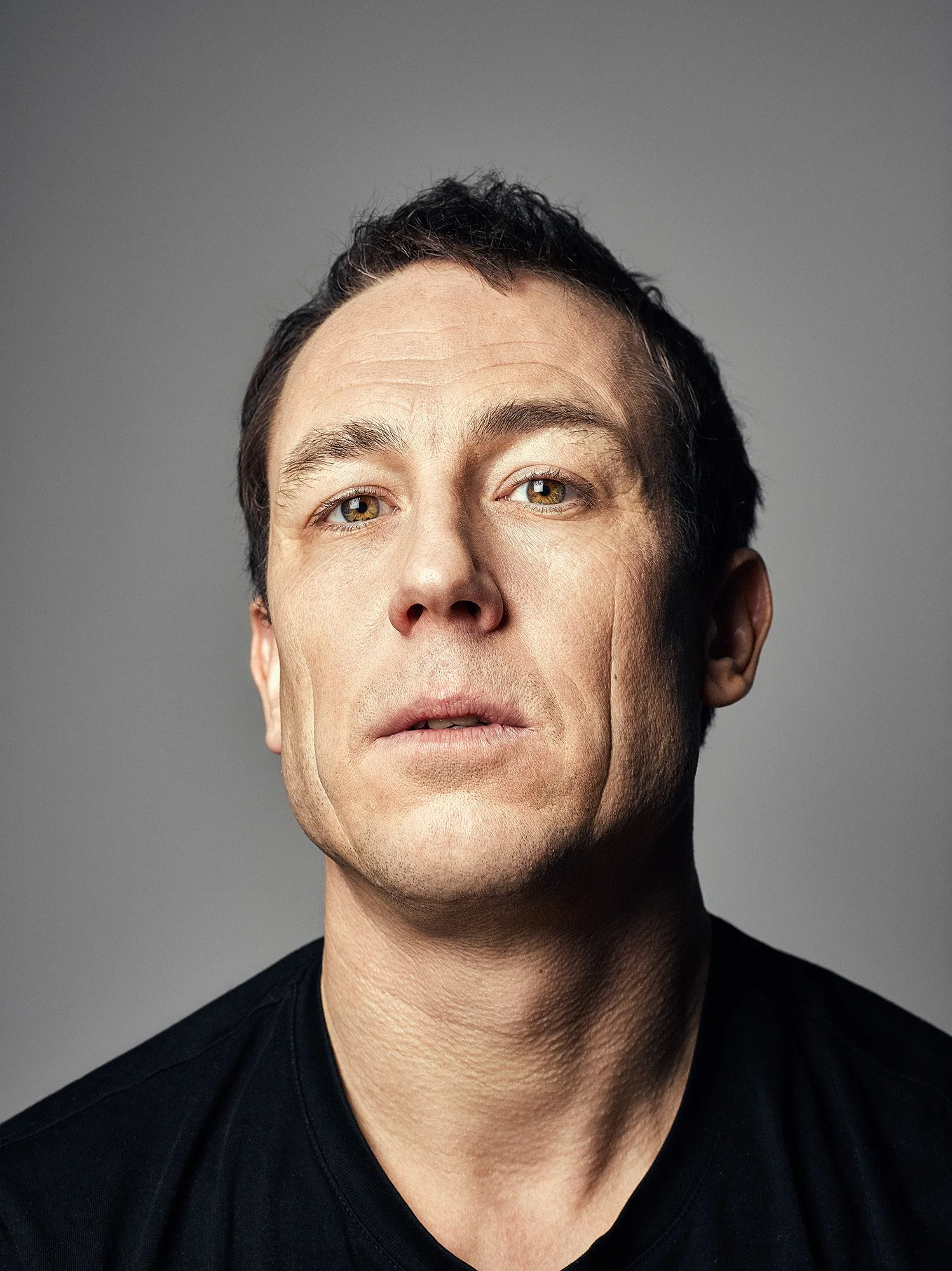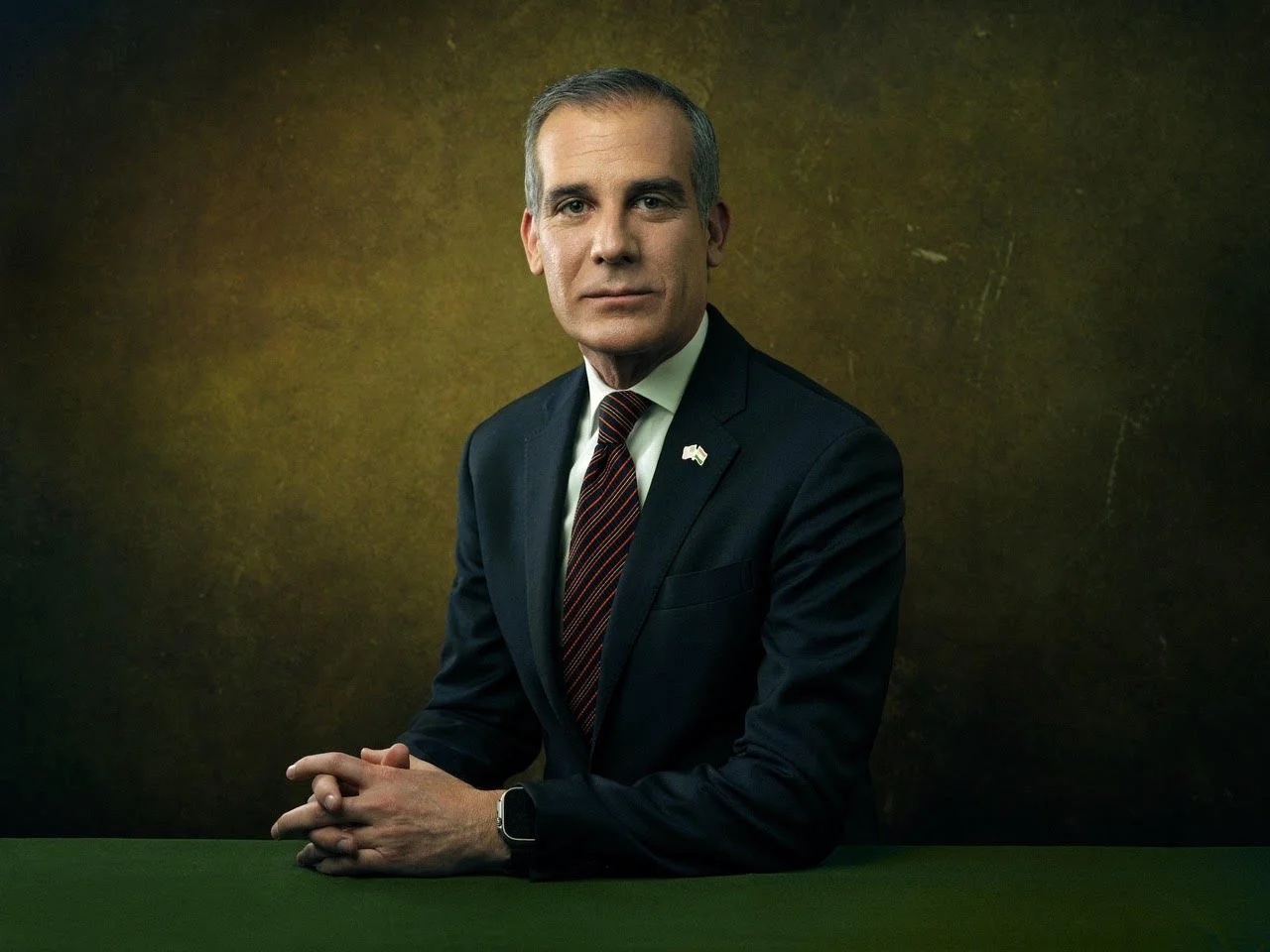
For most of my career, the executive portrait in Los Angeles has been a strangely overlooked discipline.
The city is built around the actor's headshot — and rightly so. Casting directors here see thousands of faces a week, and the headshot has become its own complex art form, defined by speed, type, and emotional clarity. But somewhere between the pace of the actor's market and the gloss of corporate photography, the portrait of the executive — the founder, the chair, the general counsel, the managing director — got squeezed.
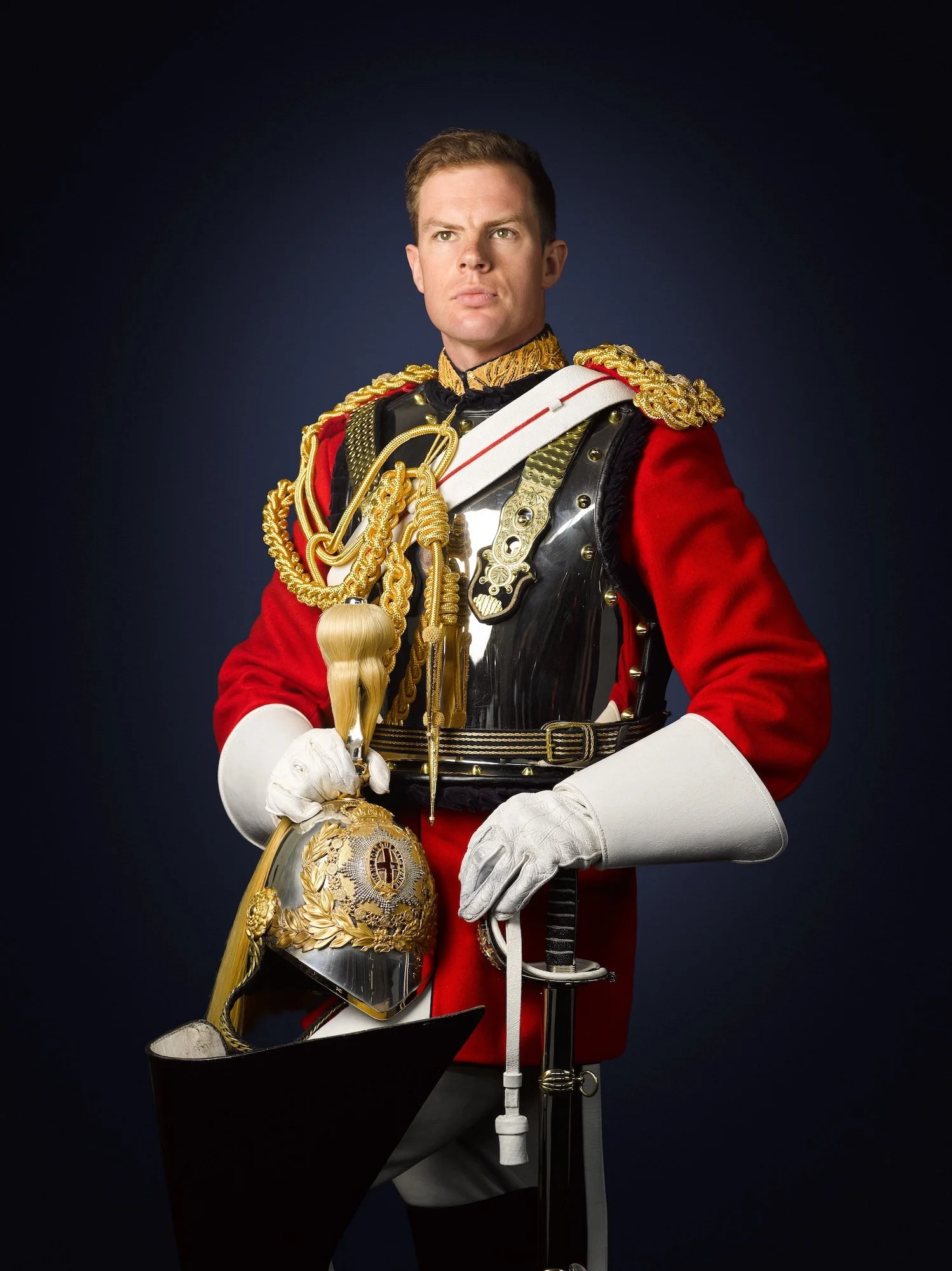
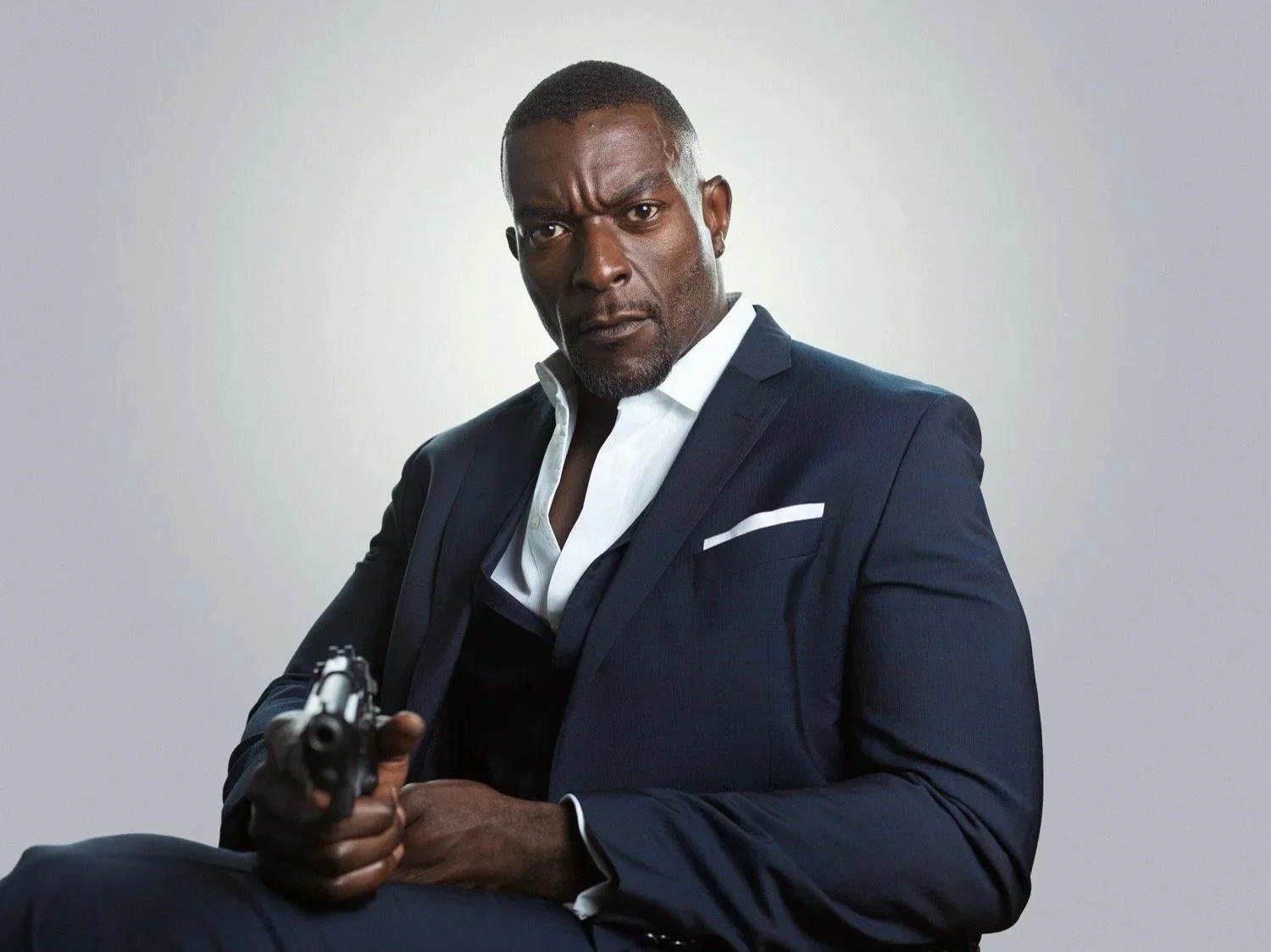
What I see in most LA boardroom photography is a kind of flatness. A studio strobe punched into a white seamless background. A handshake-ready smile. A look of professional pleasantness that conveys very little about the person actually doing the job.
I think the executives of this city deserve better than that. So do the firms behind them.


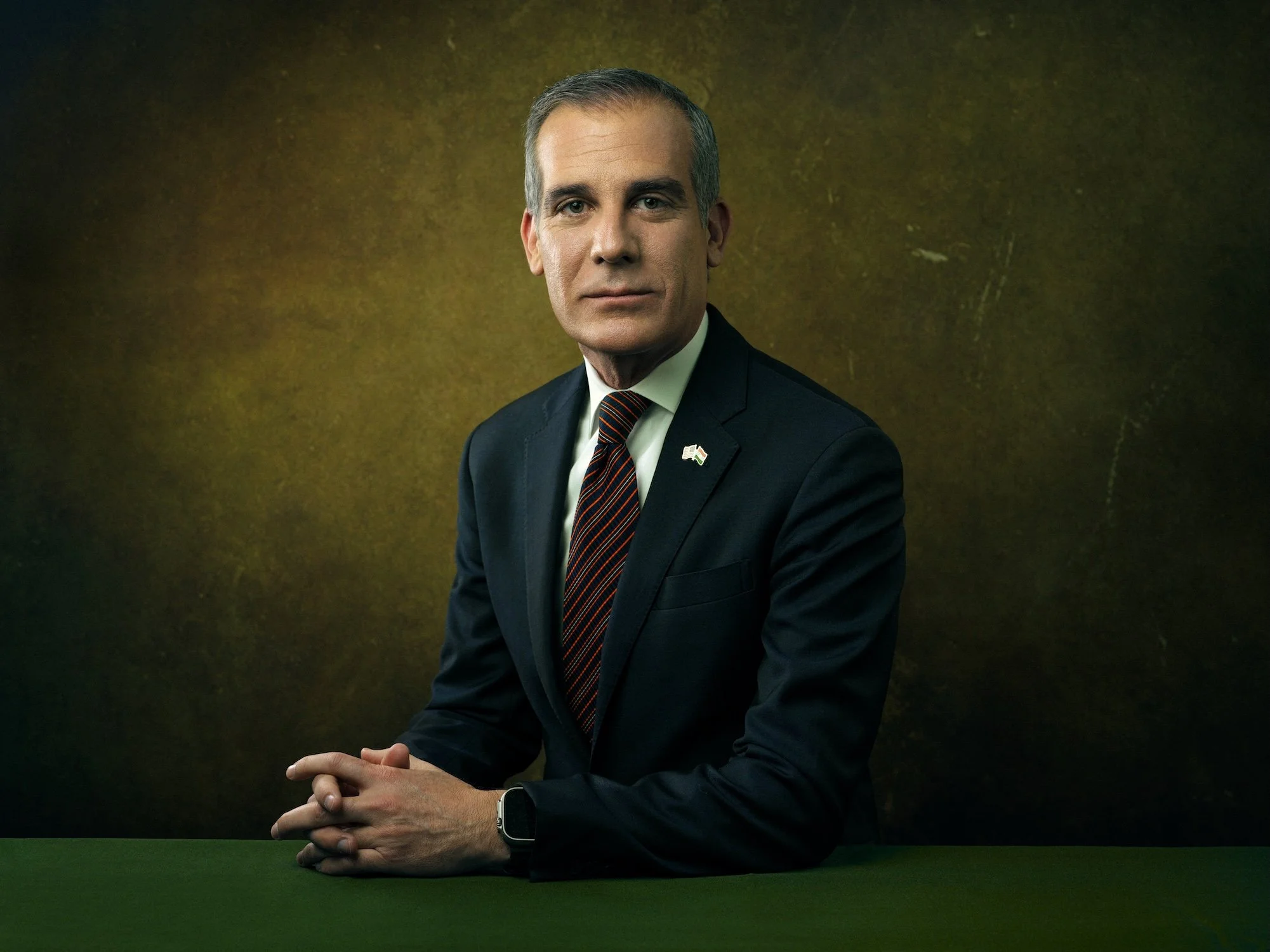

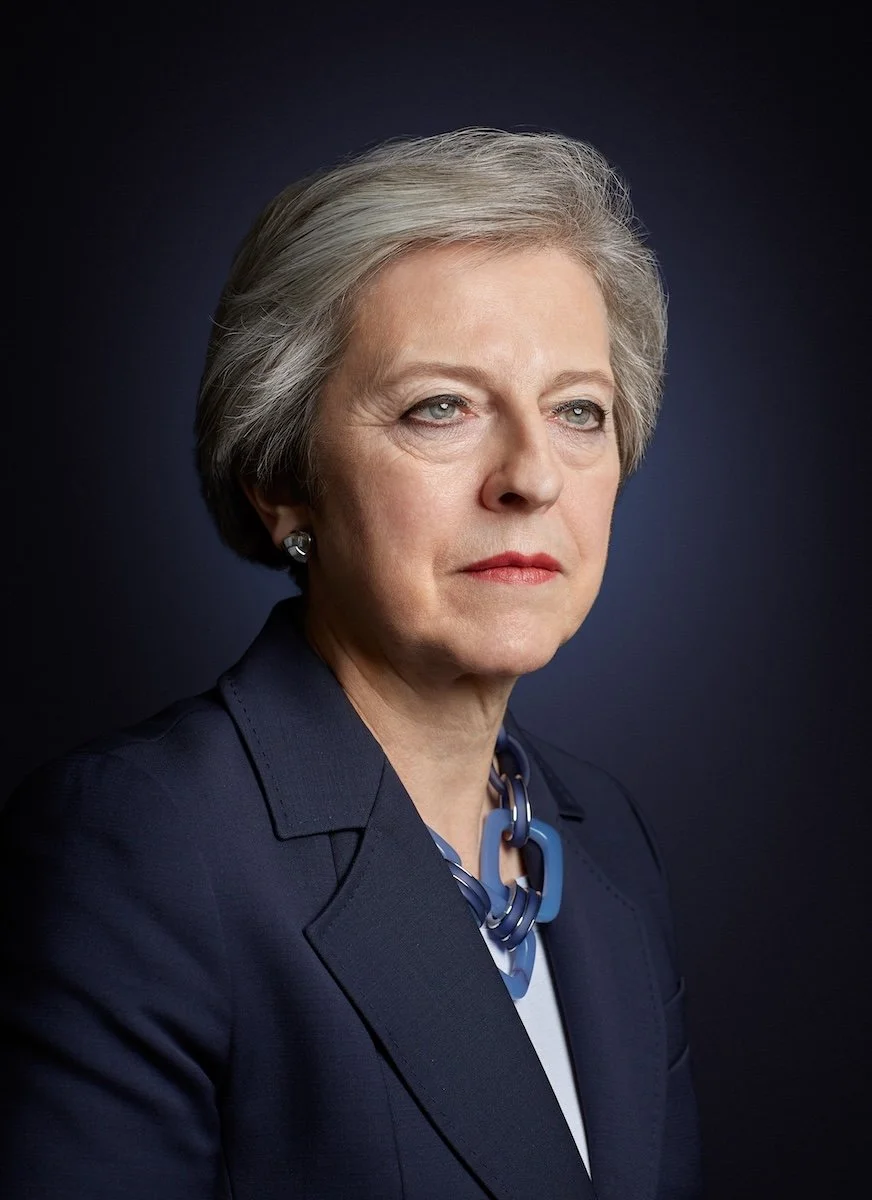
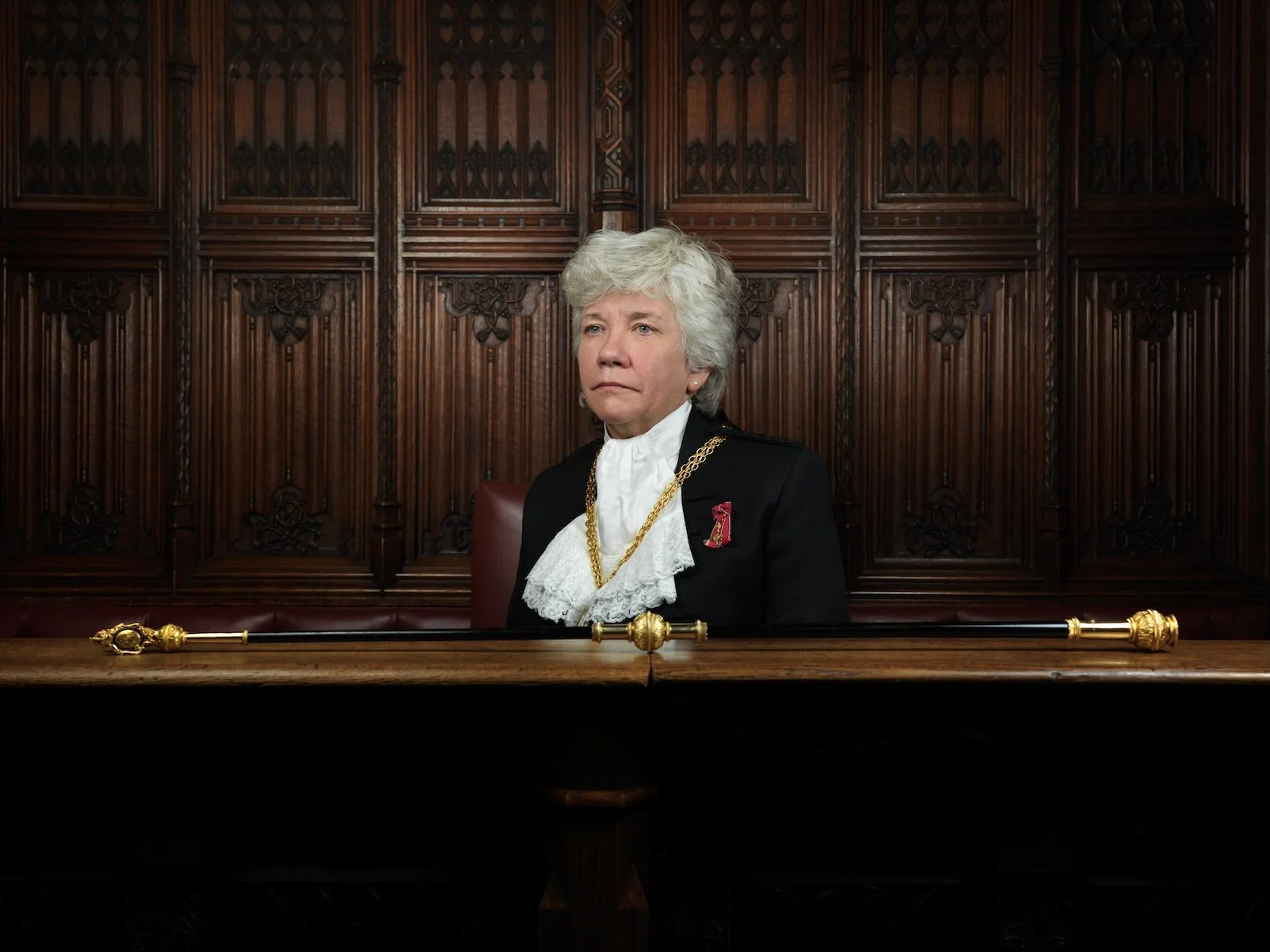
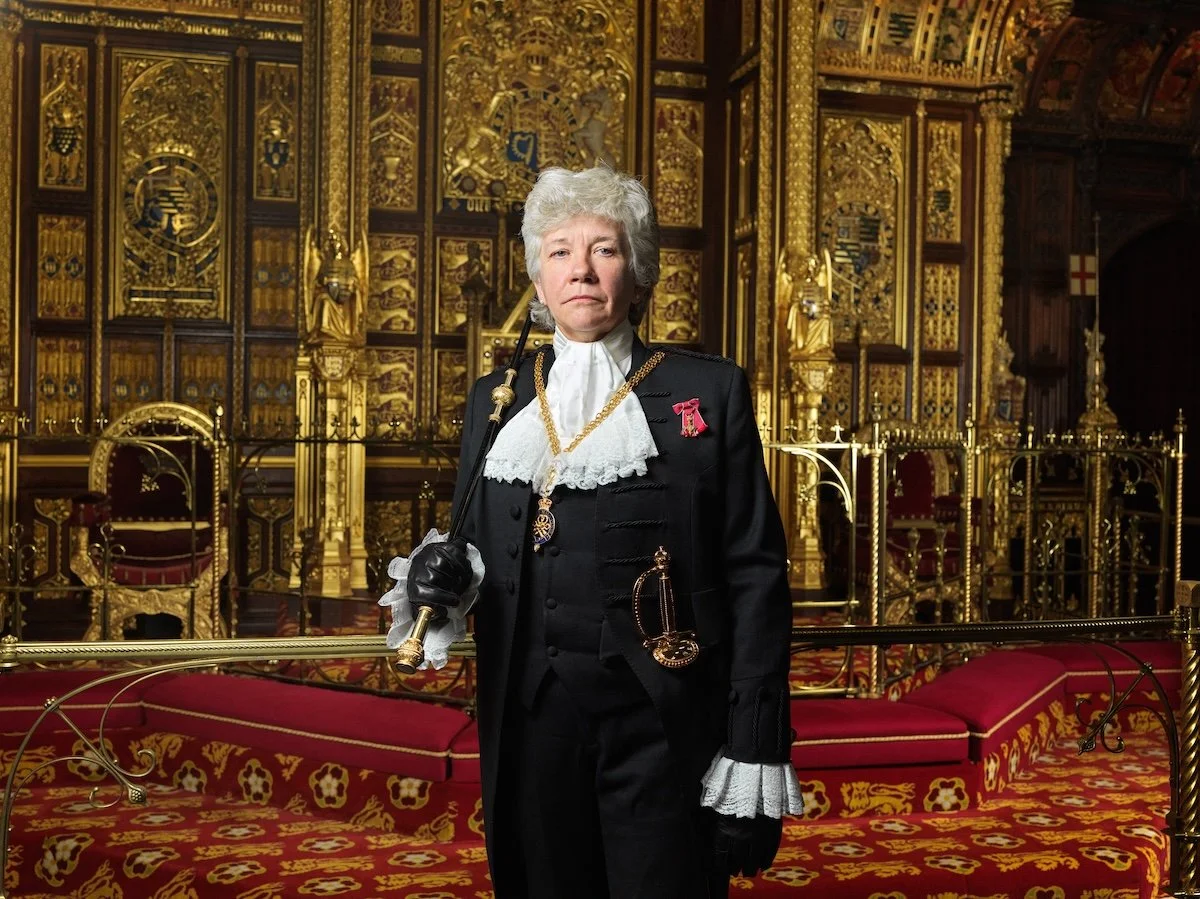

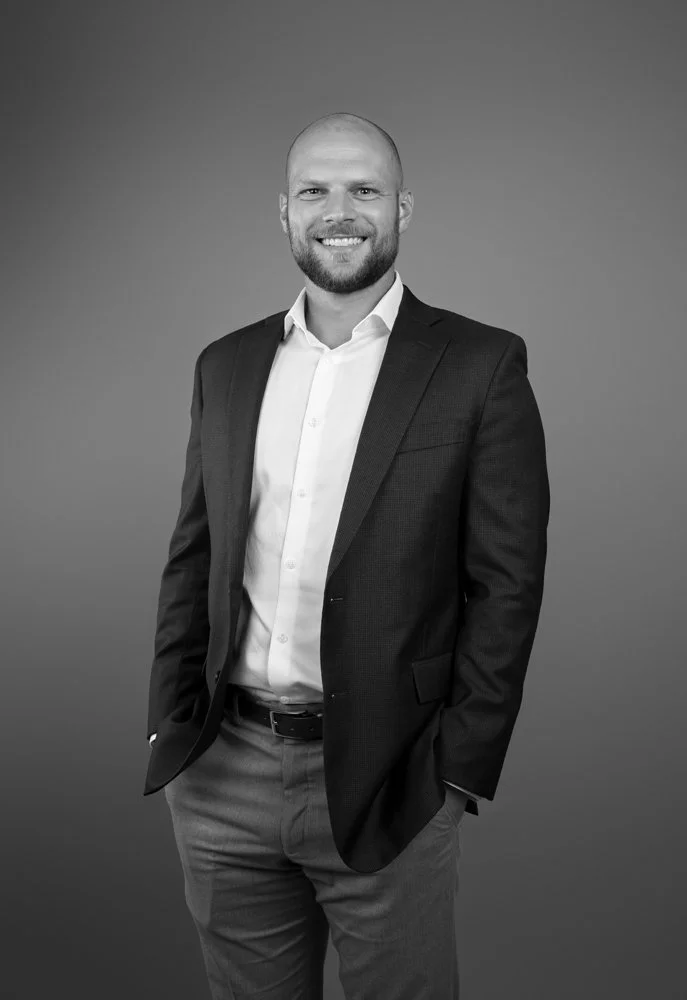
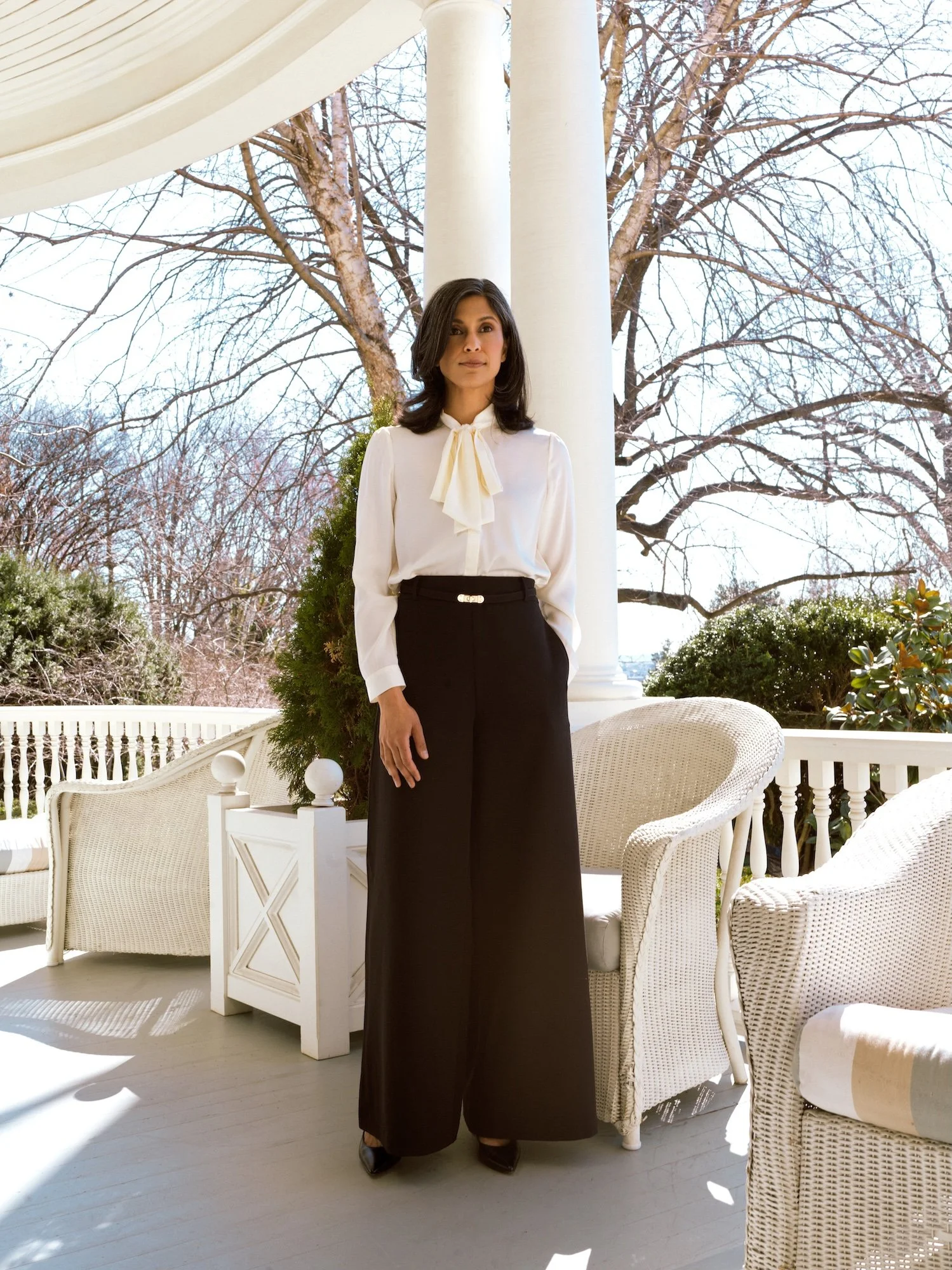
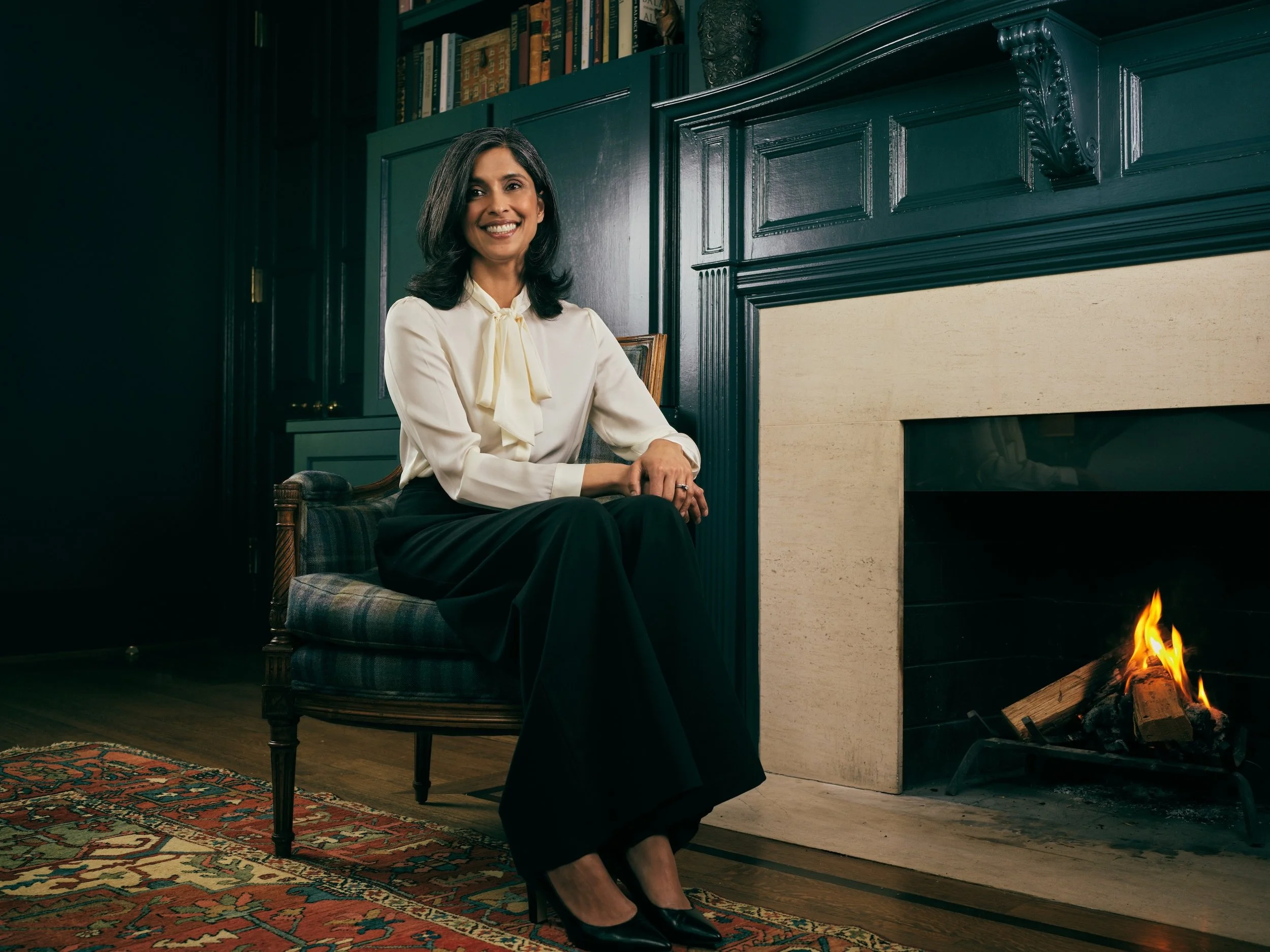
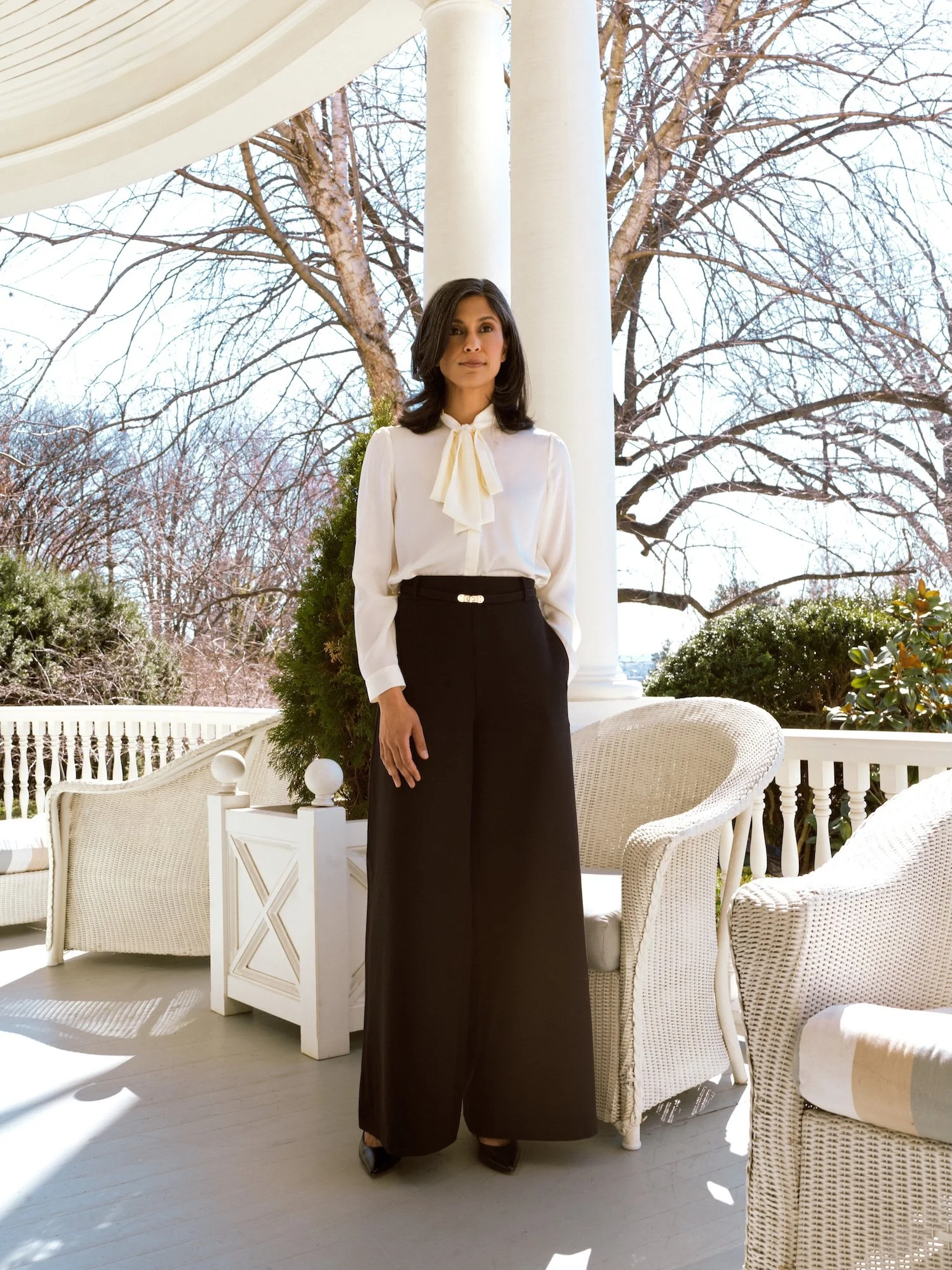
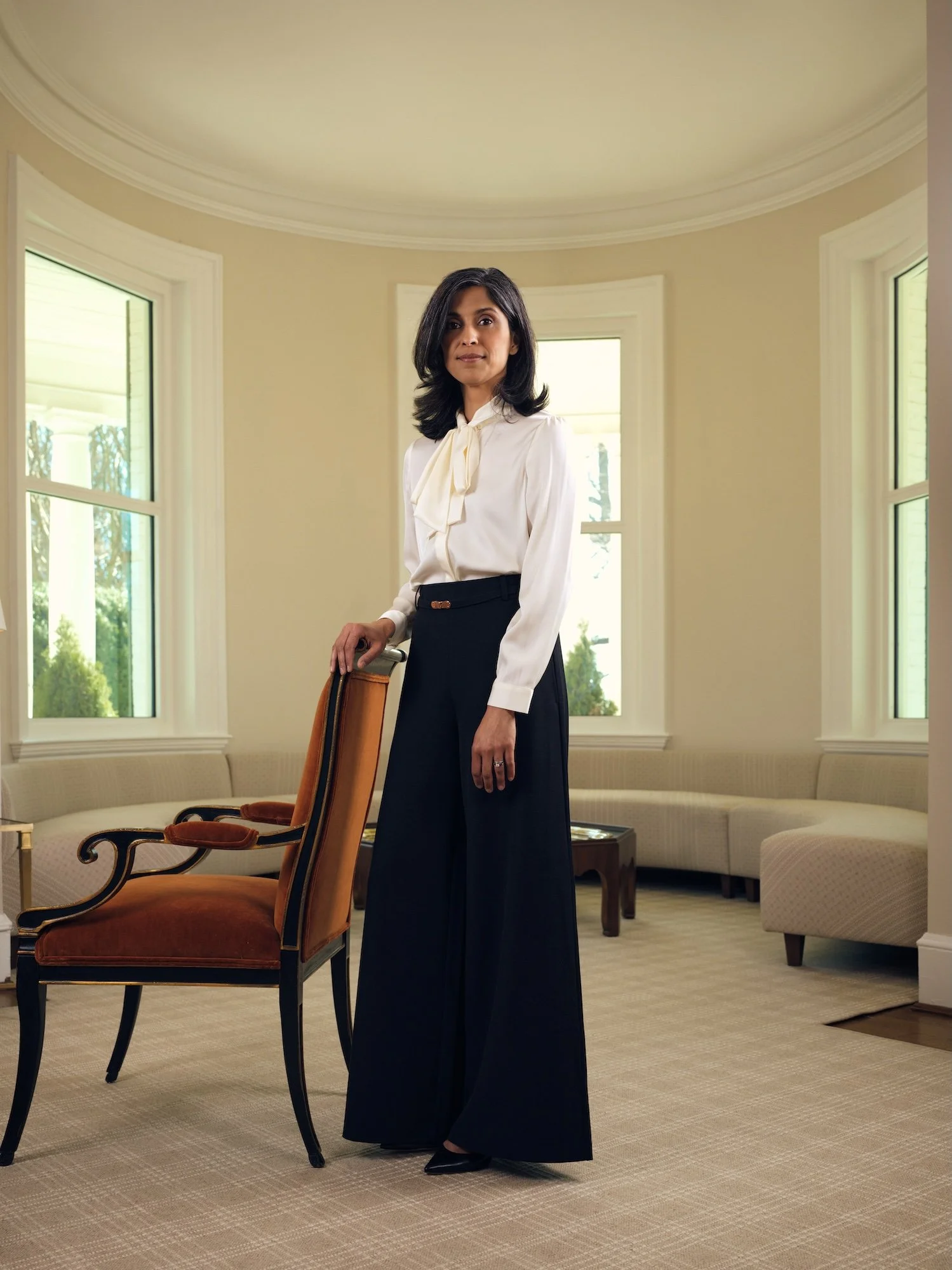
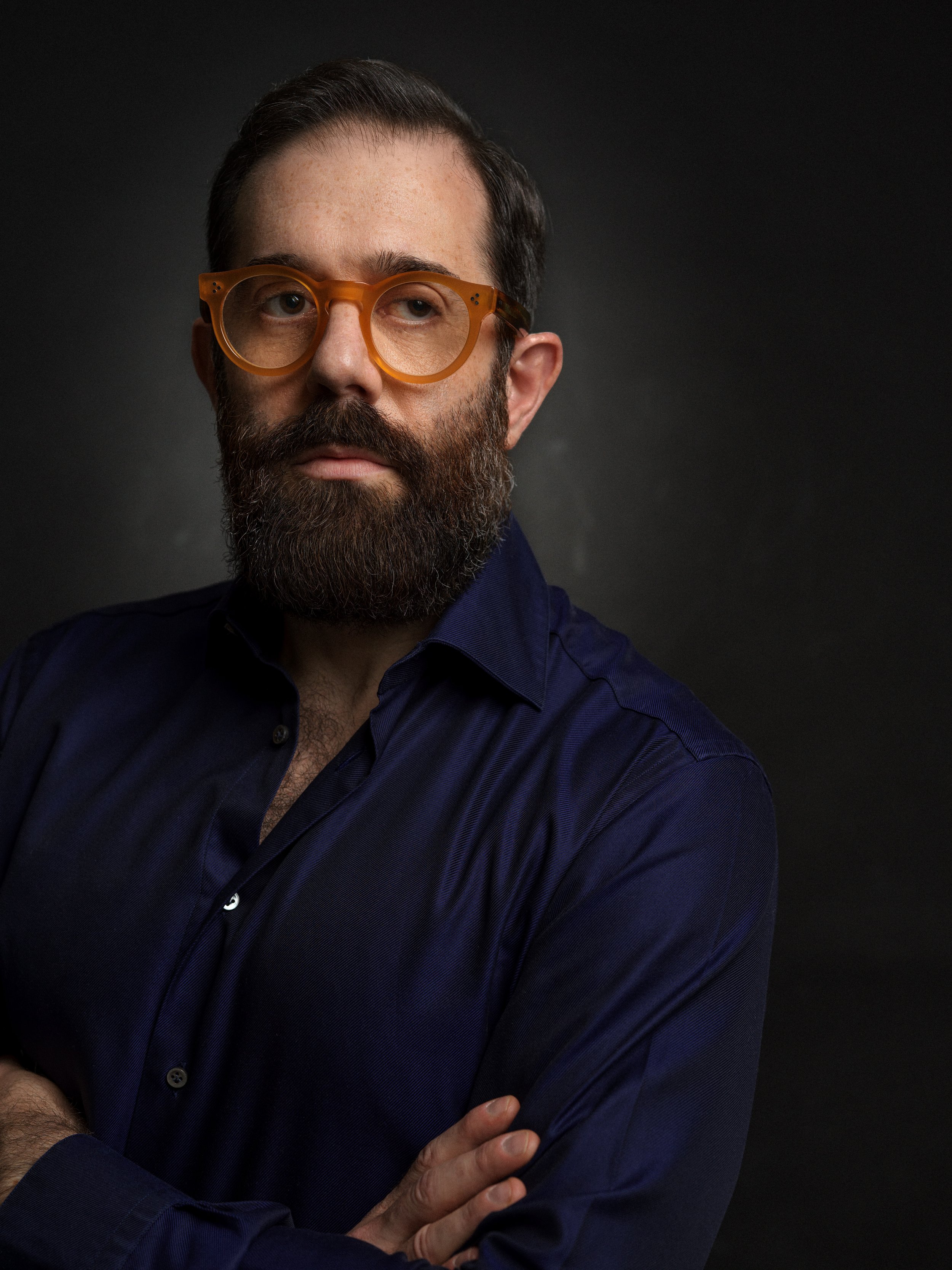
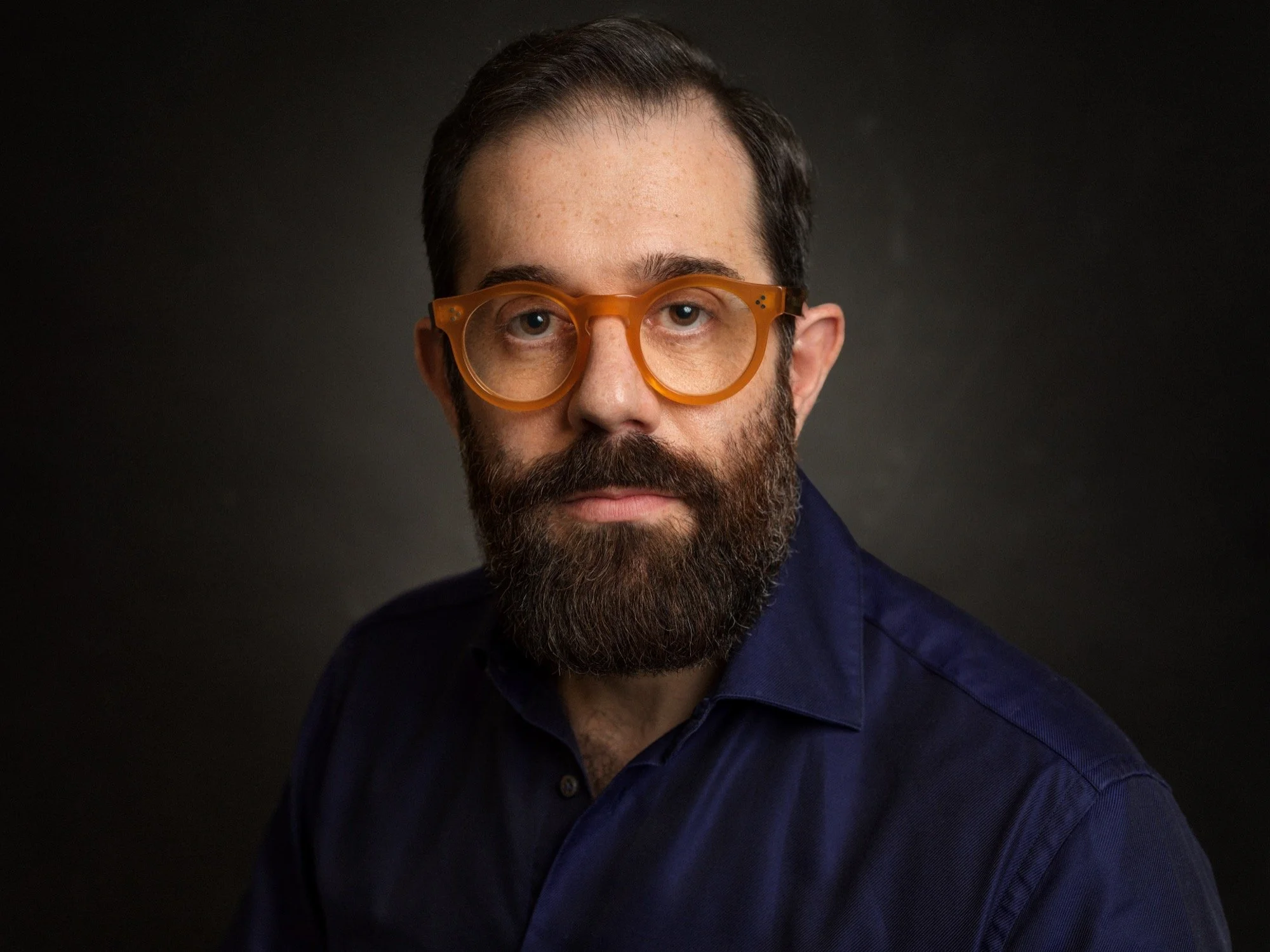
The Boardroom Has Changed. The Portrait Has Not.
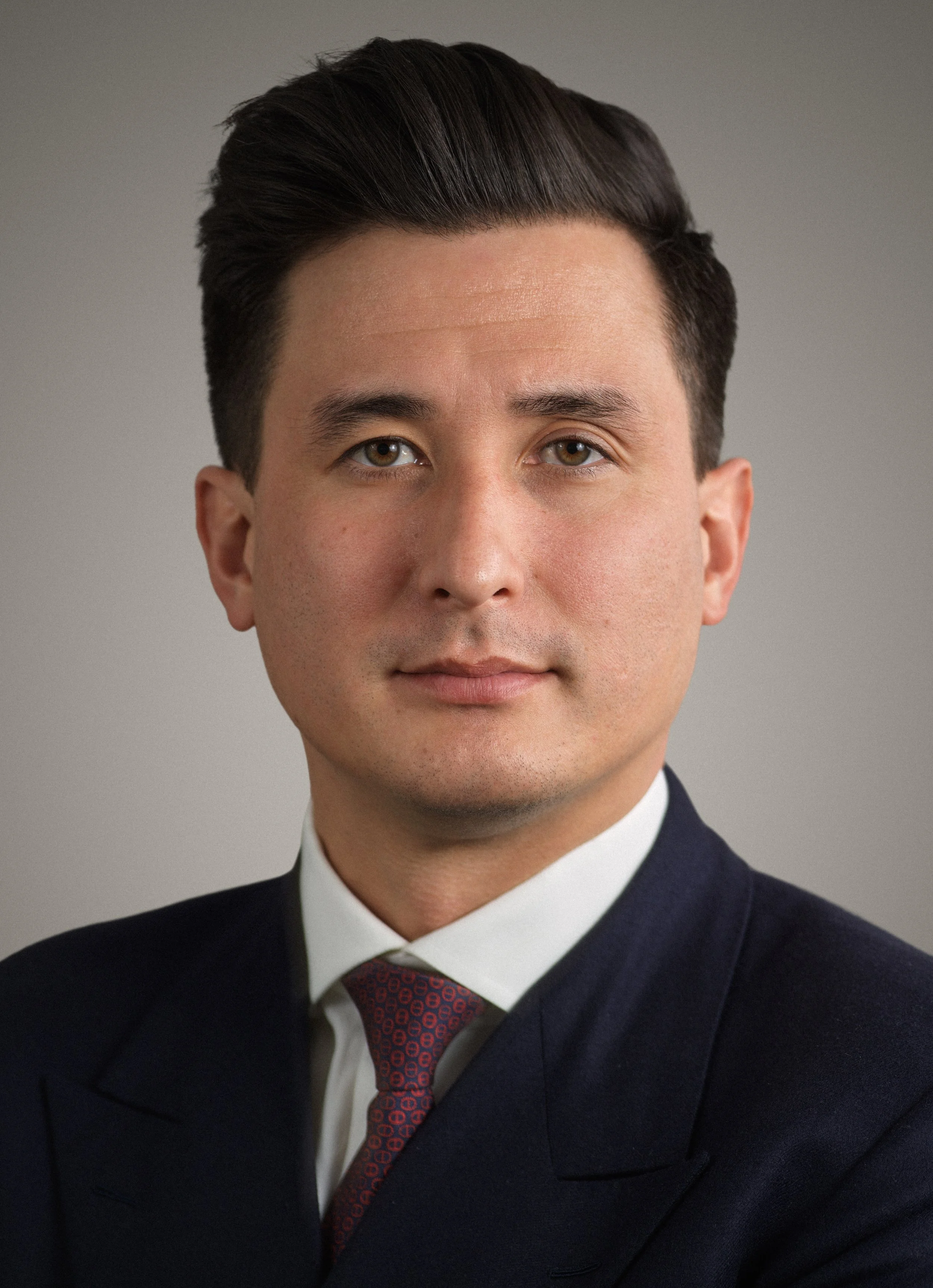
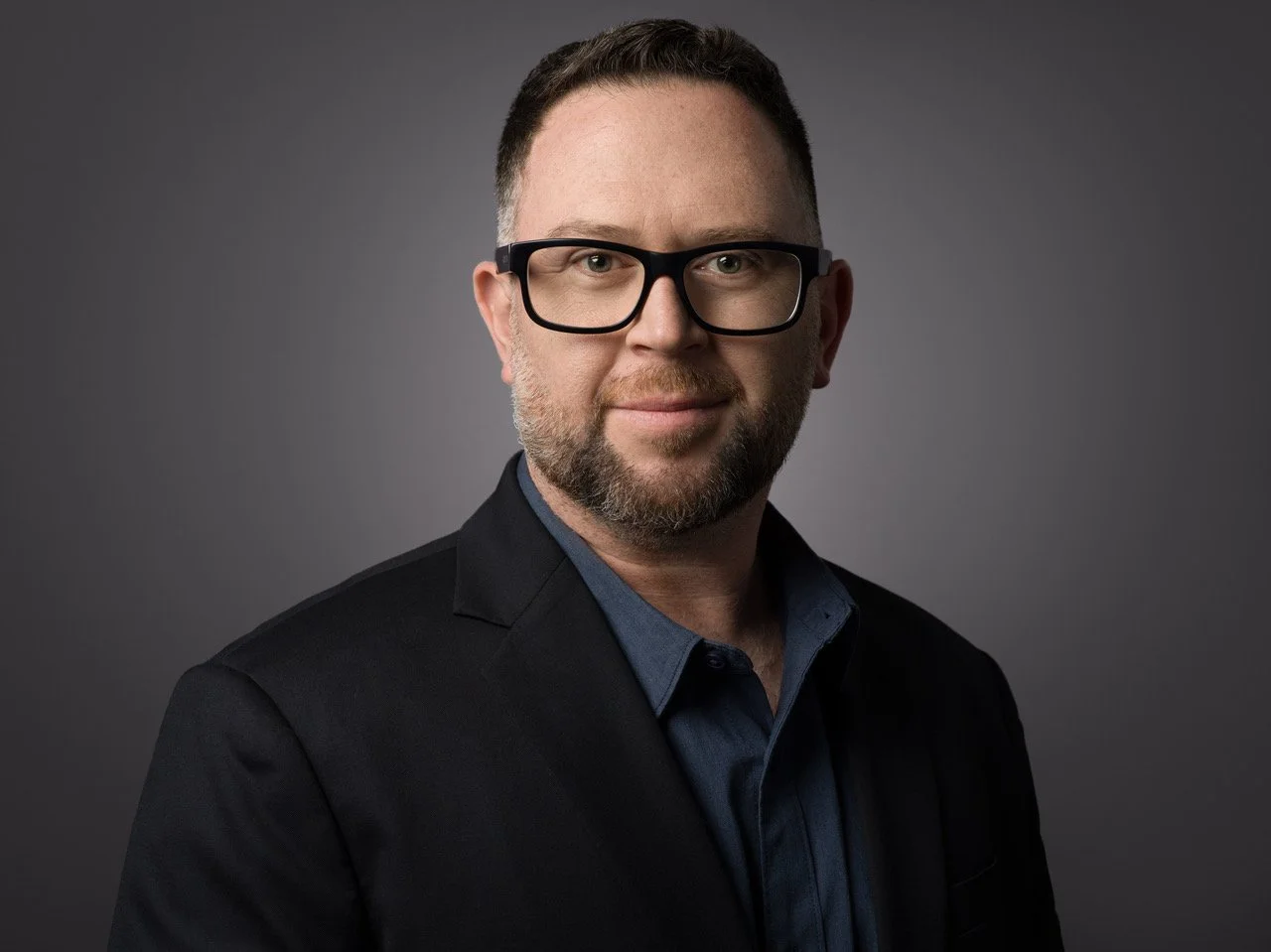
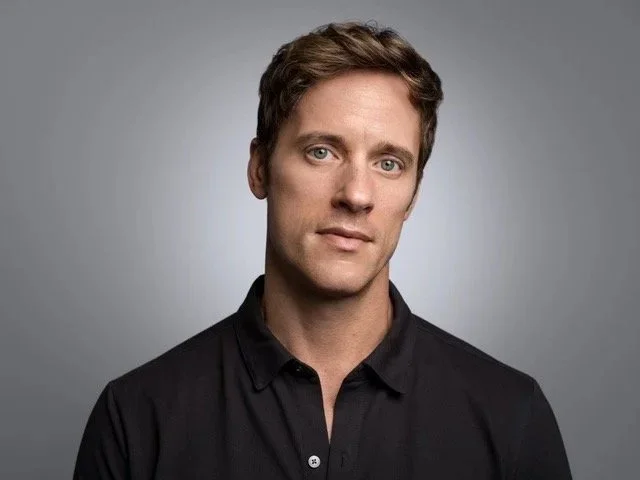
The CEOs and founders I'm photographing in Los Angeles now are not running the same kind of business their predecessors ran twenty years ago. The asset managers in Century City, the studio chairs in Burbank, the founders building from Santa Monica out to Manhattan Beach, the partners running the venture work along the Westside — they all live and work under a fundamentally different kind of public scrutiny.
A modern executive's portrait runs on the cover of an annual report, lives on a press release the next morning, ends up on a Bloomberg terminal an hour after that, and sits on LinkedIn for years afterwards. It is shared, screenshotted, cropped by journalists, framed in board books, and quoted in proxy filings. It does not get to be a quick, neutral, slightly-uncomfortable corporate snap any more. It has to hold weight.
And weight is what most LA executive photography lacks. Not because the photographers aren't capable — but because the brief has not caught up with what the seat now demands.
What I Mean by a Cinematic Boardroom Portrait
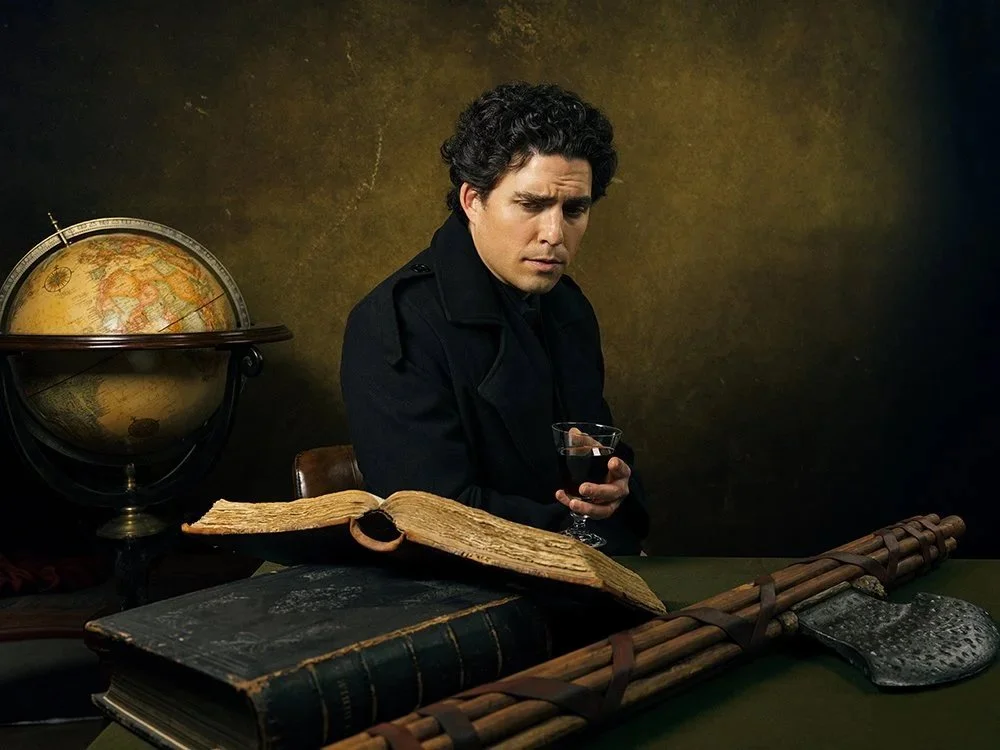
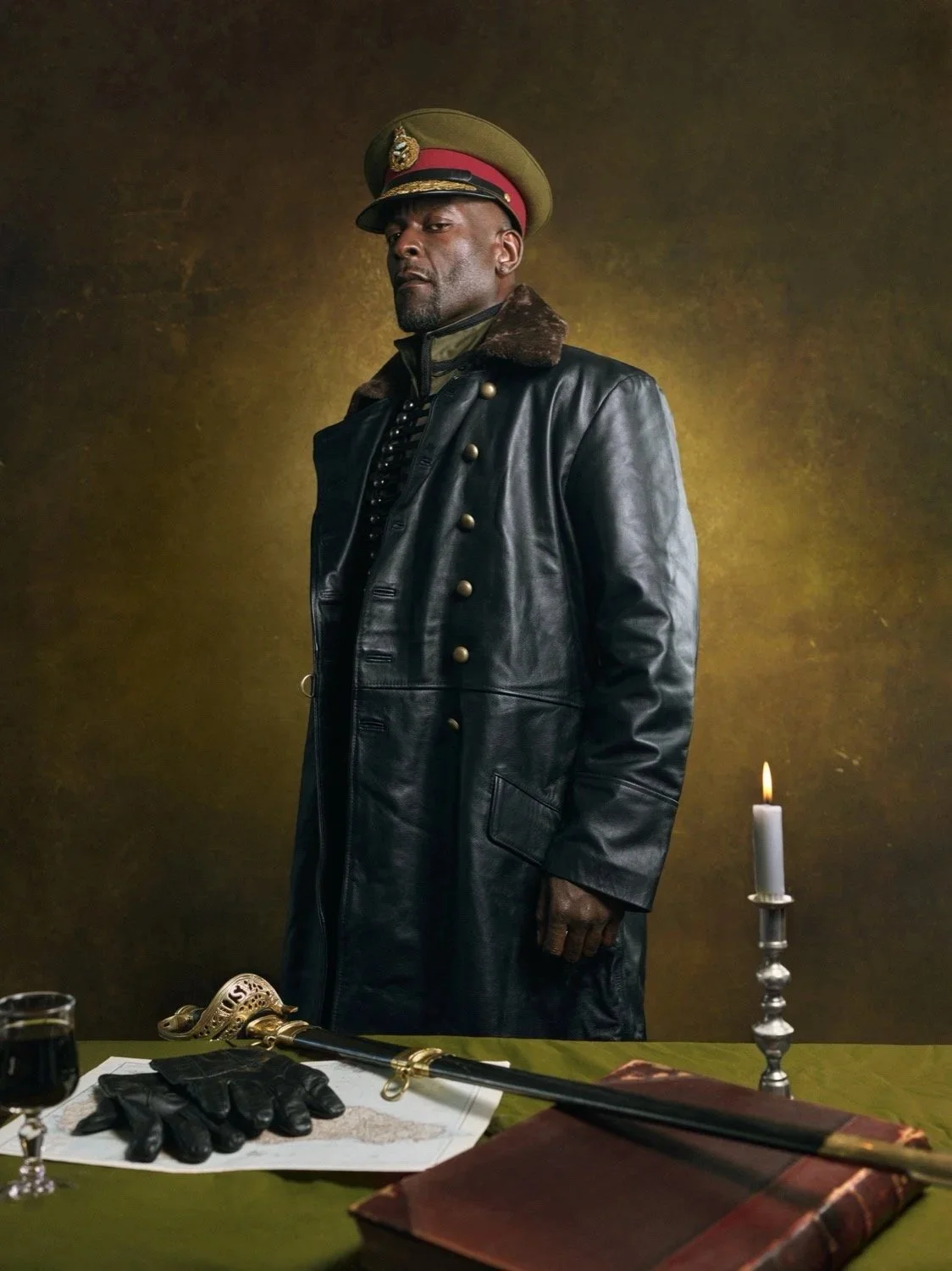
When I first arrived in LA, people would sometimes ask whether the cinematic style I'd been developing in London — the chiaroscuro, the deep tonal range, the long, considered sittings — translated to the corporate world.
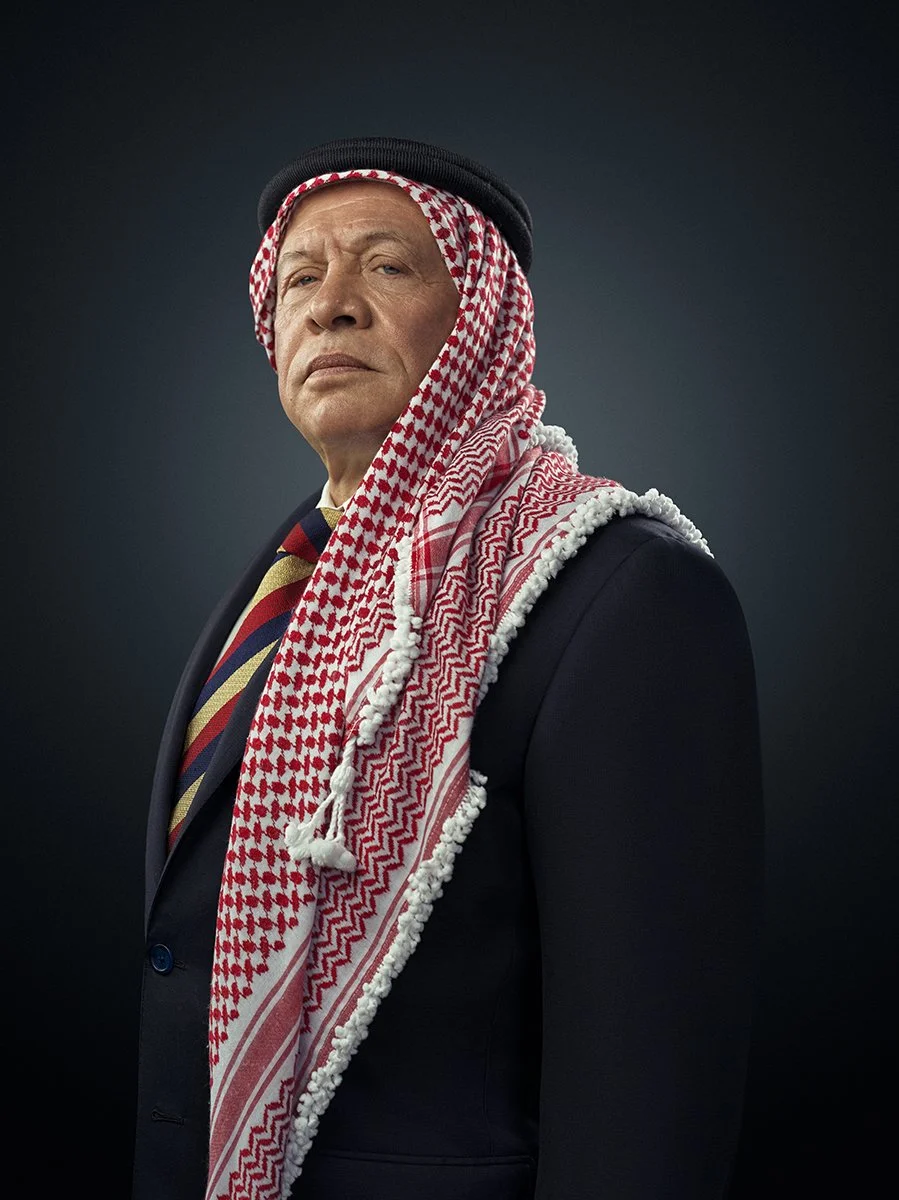
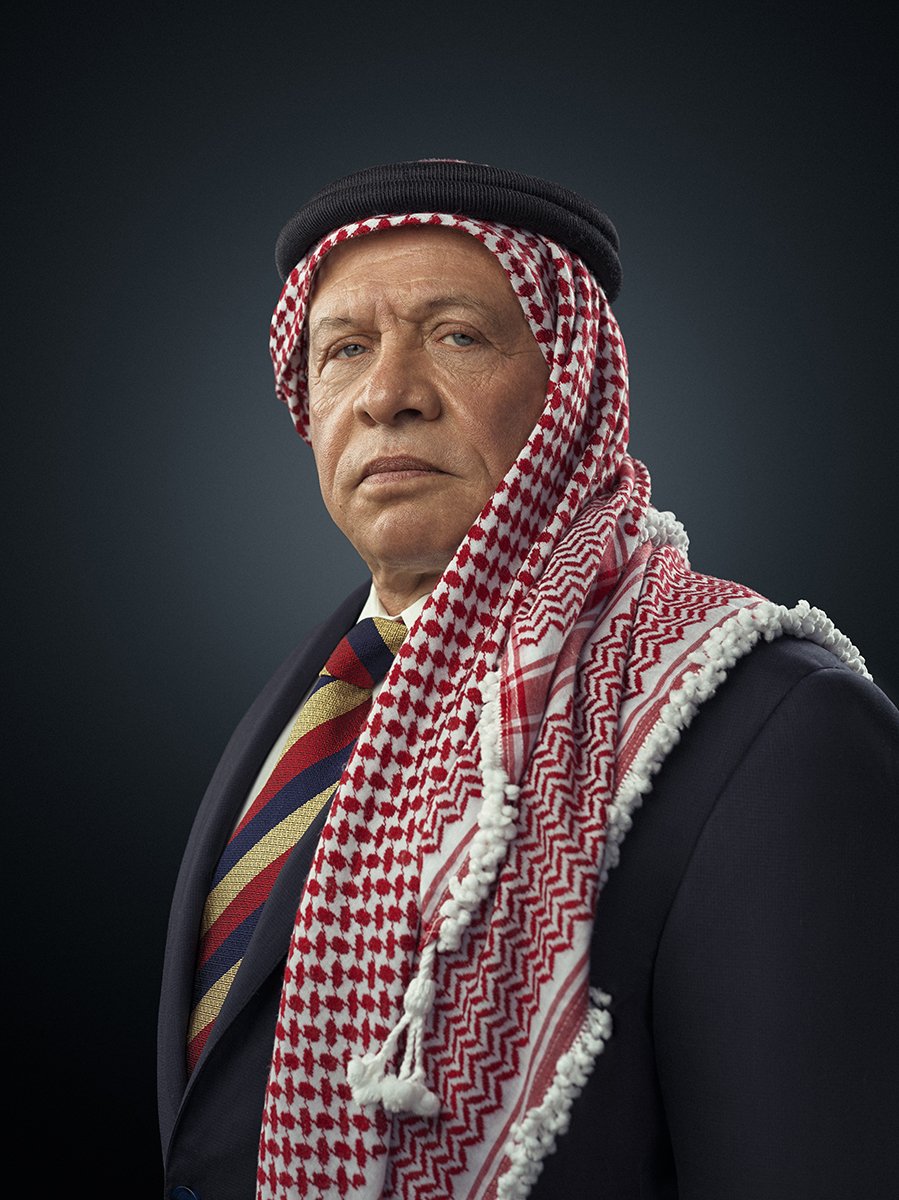
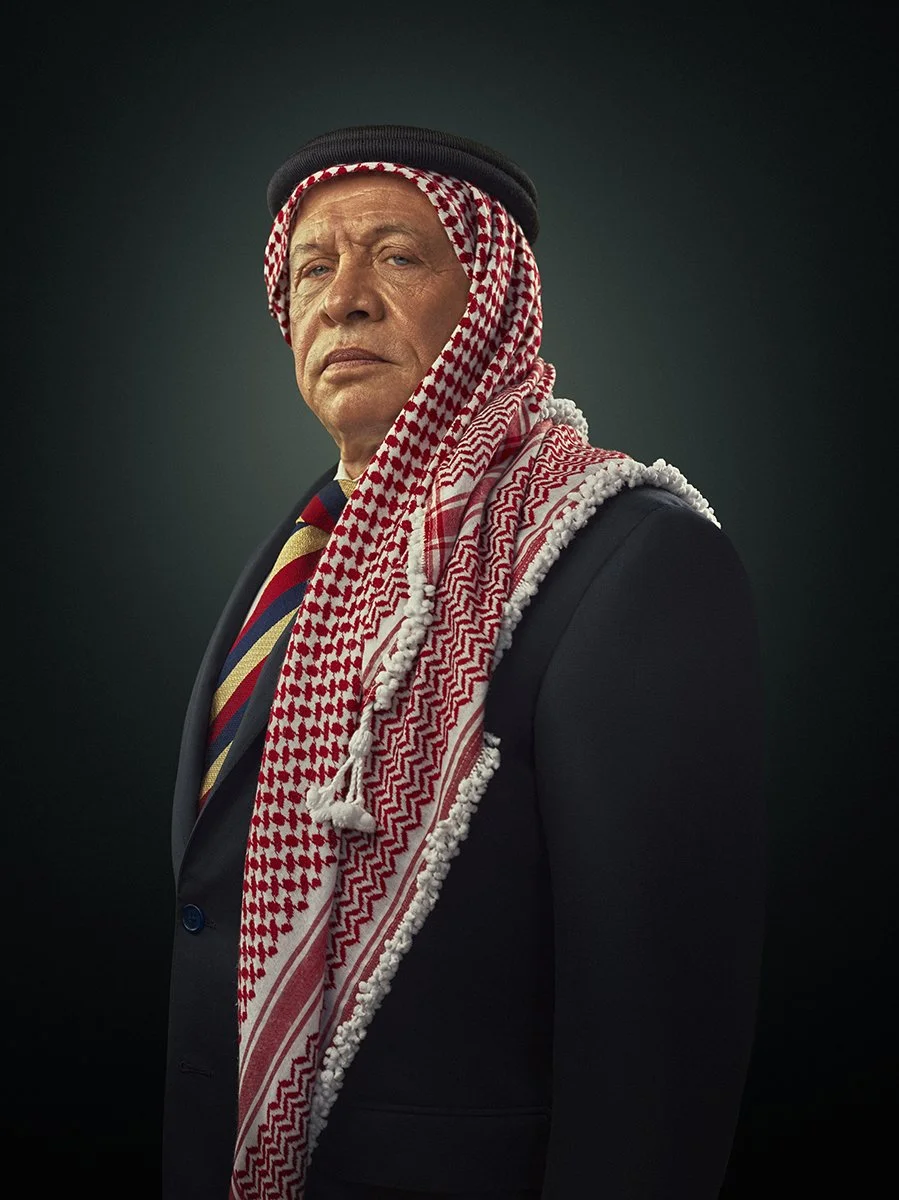
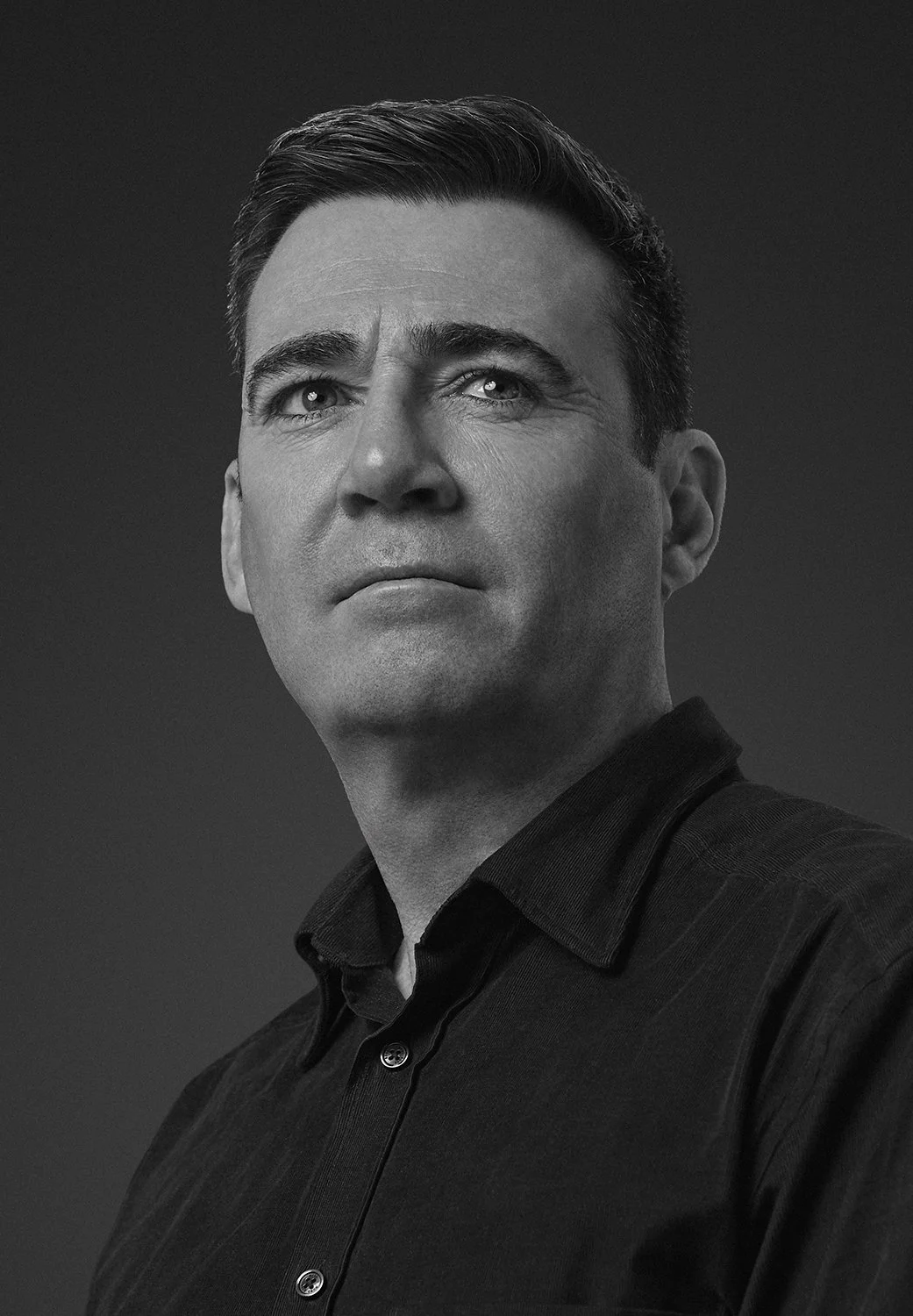
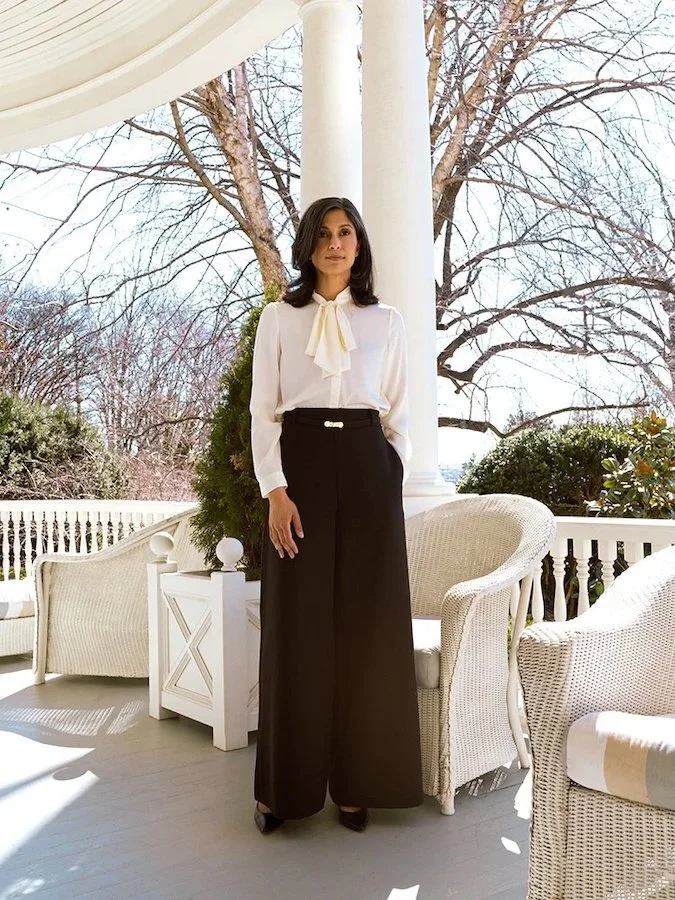
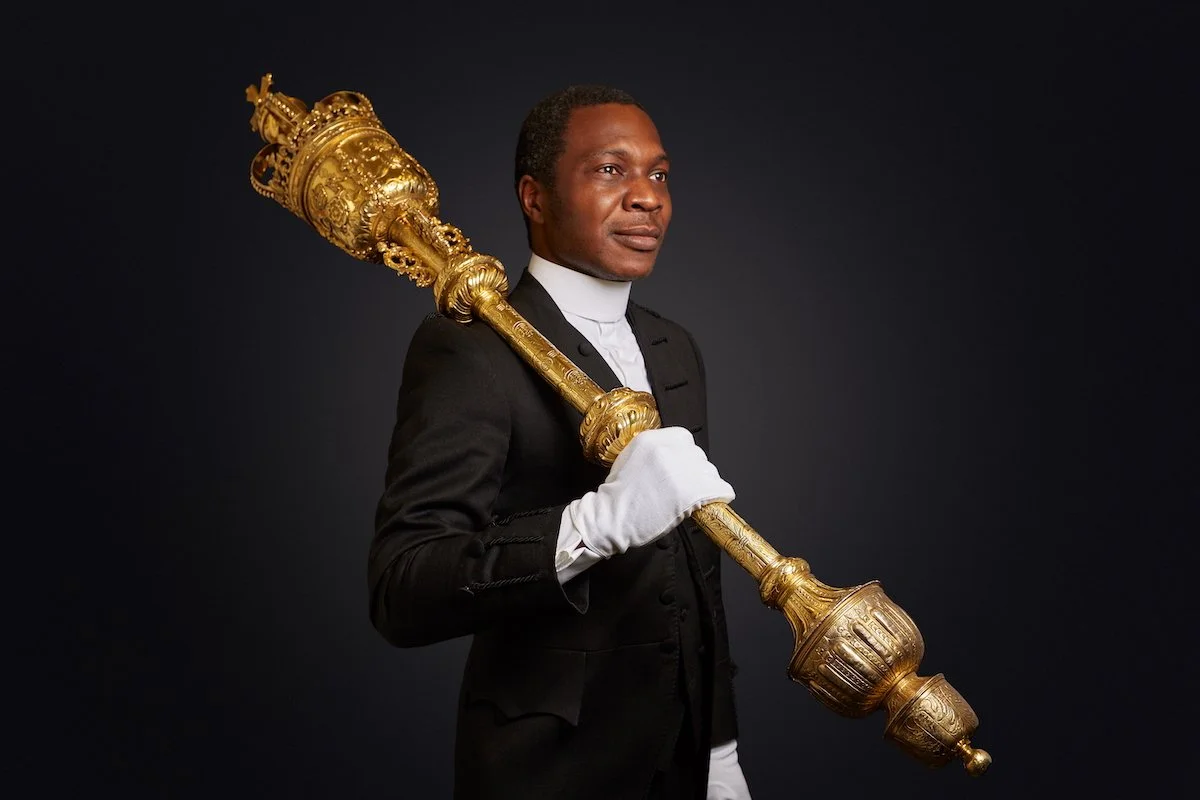
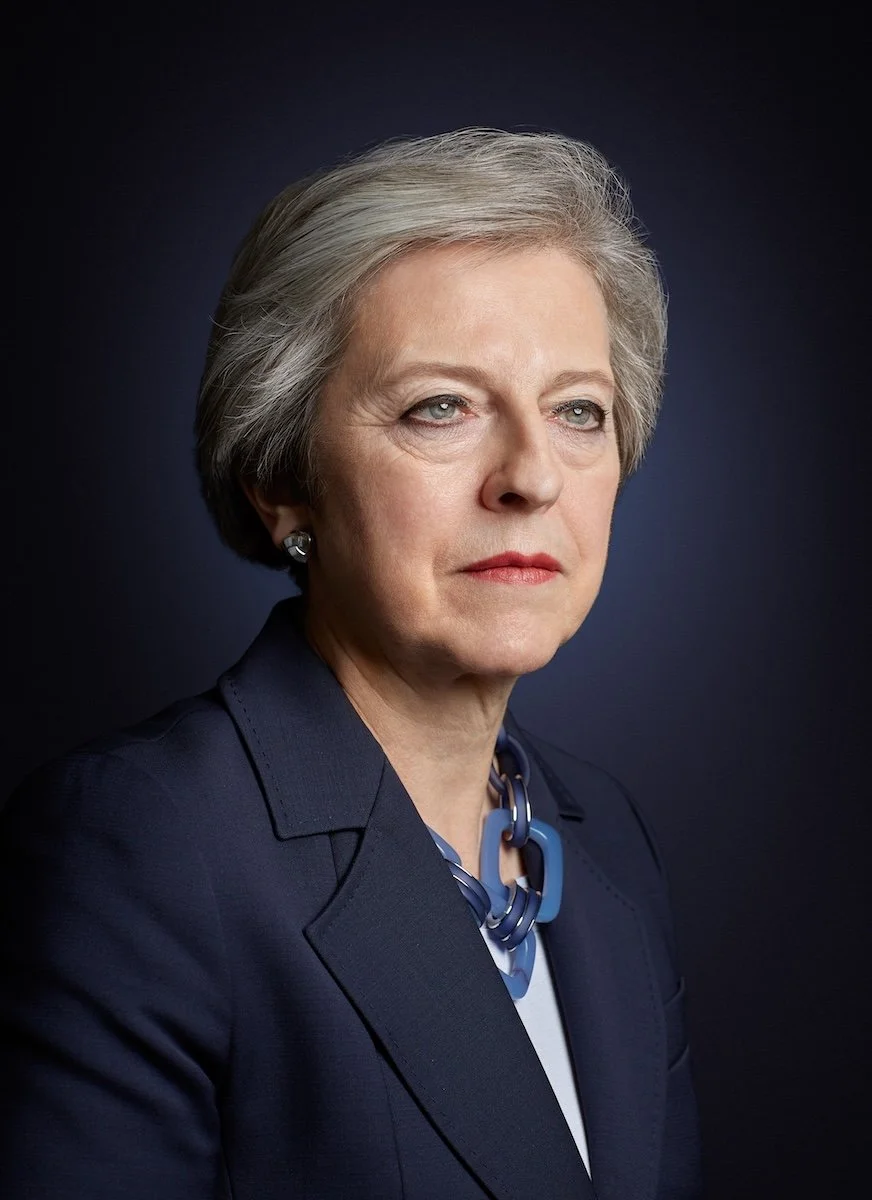
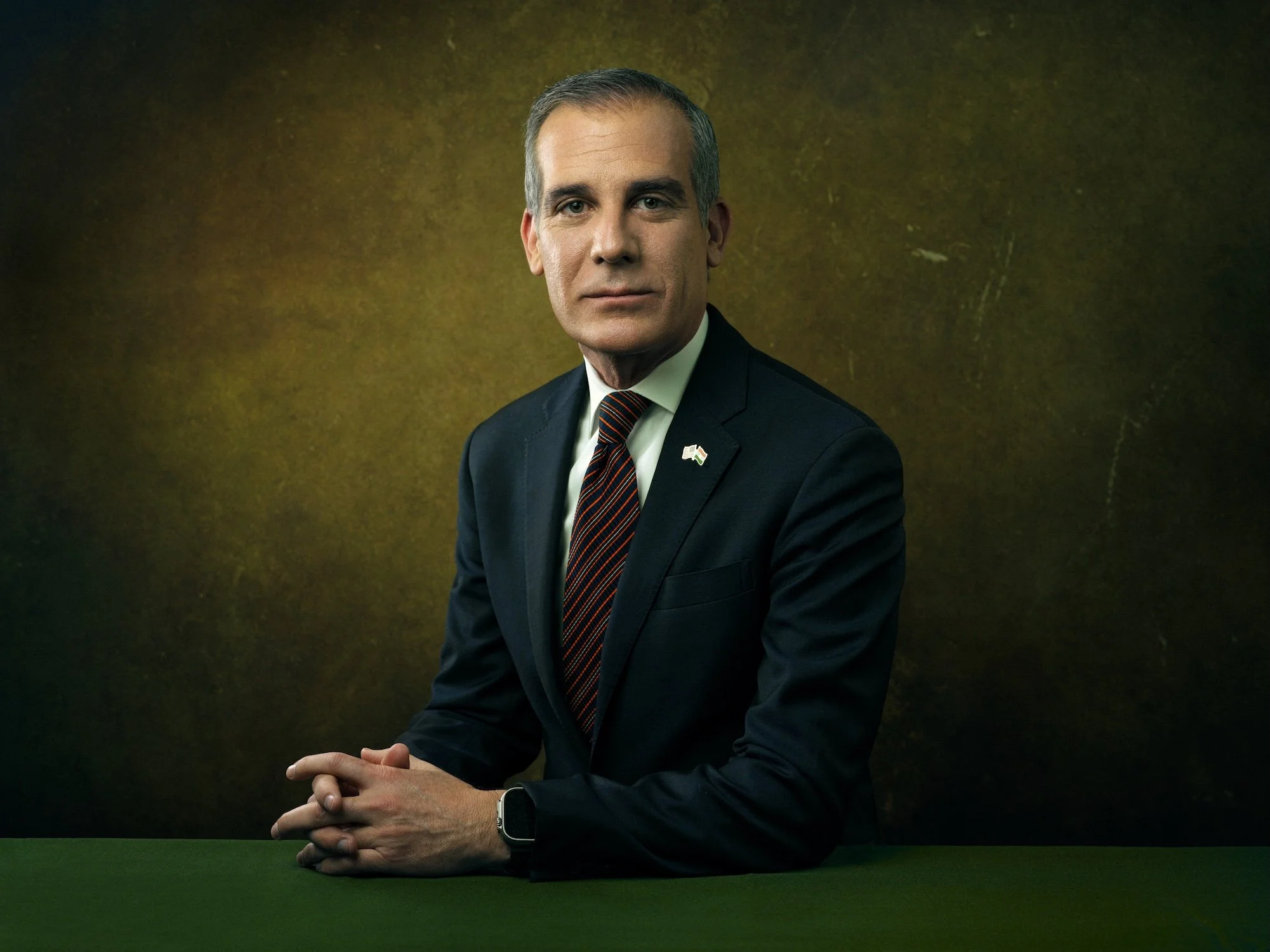
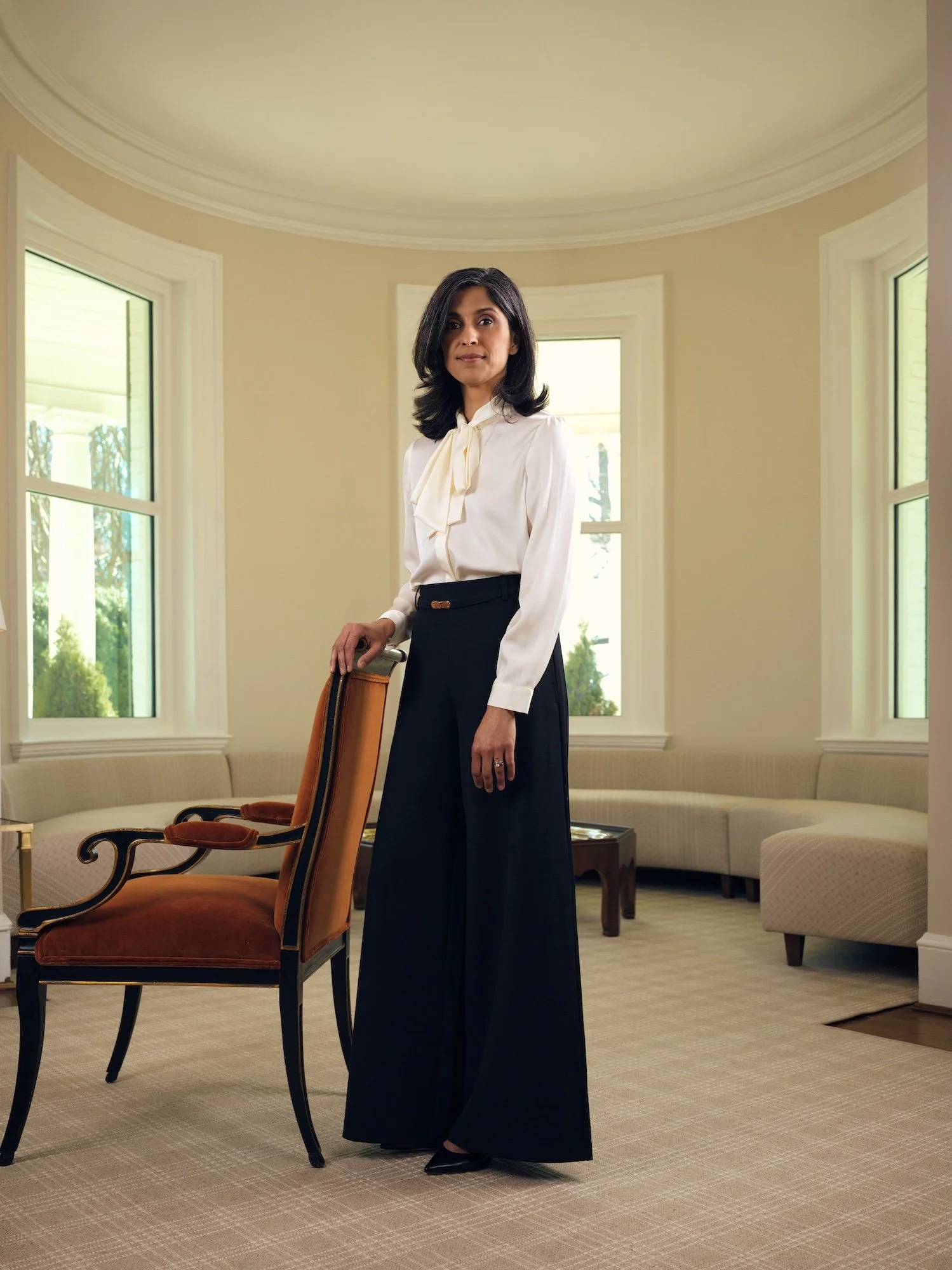
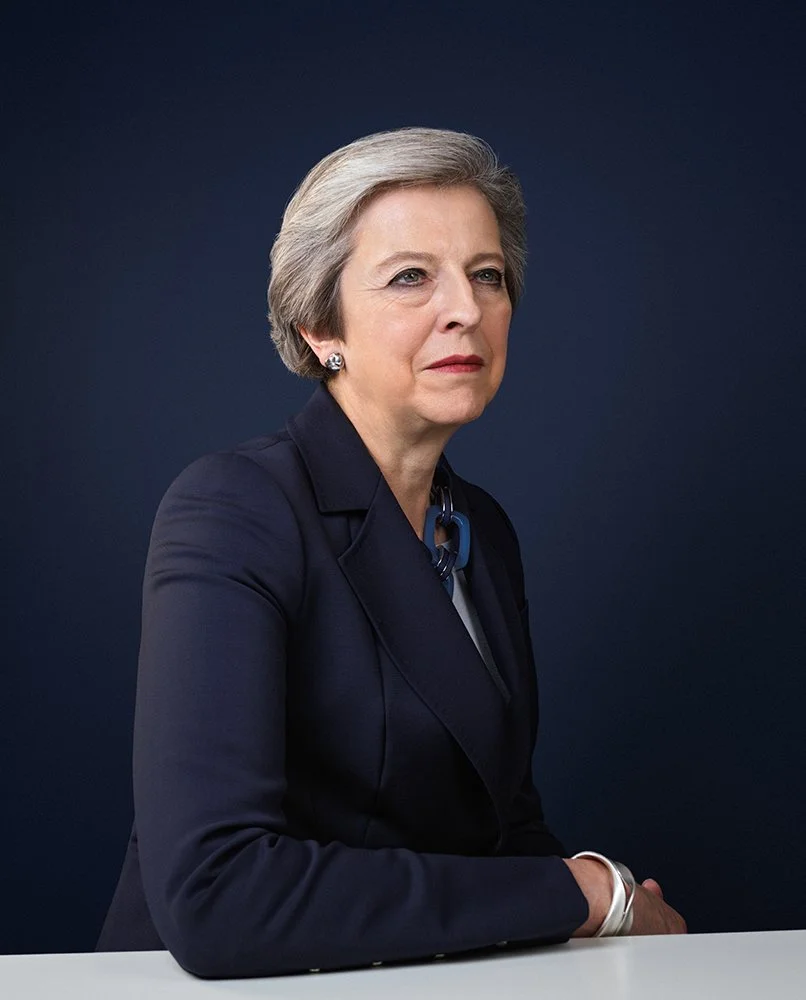
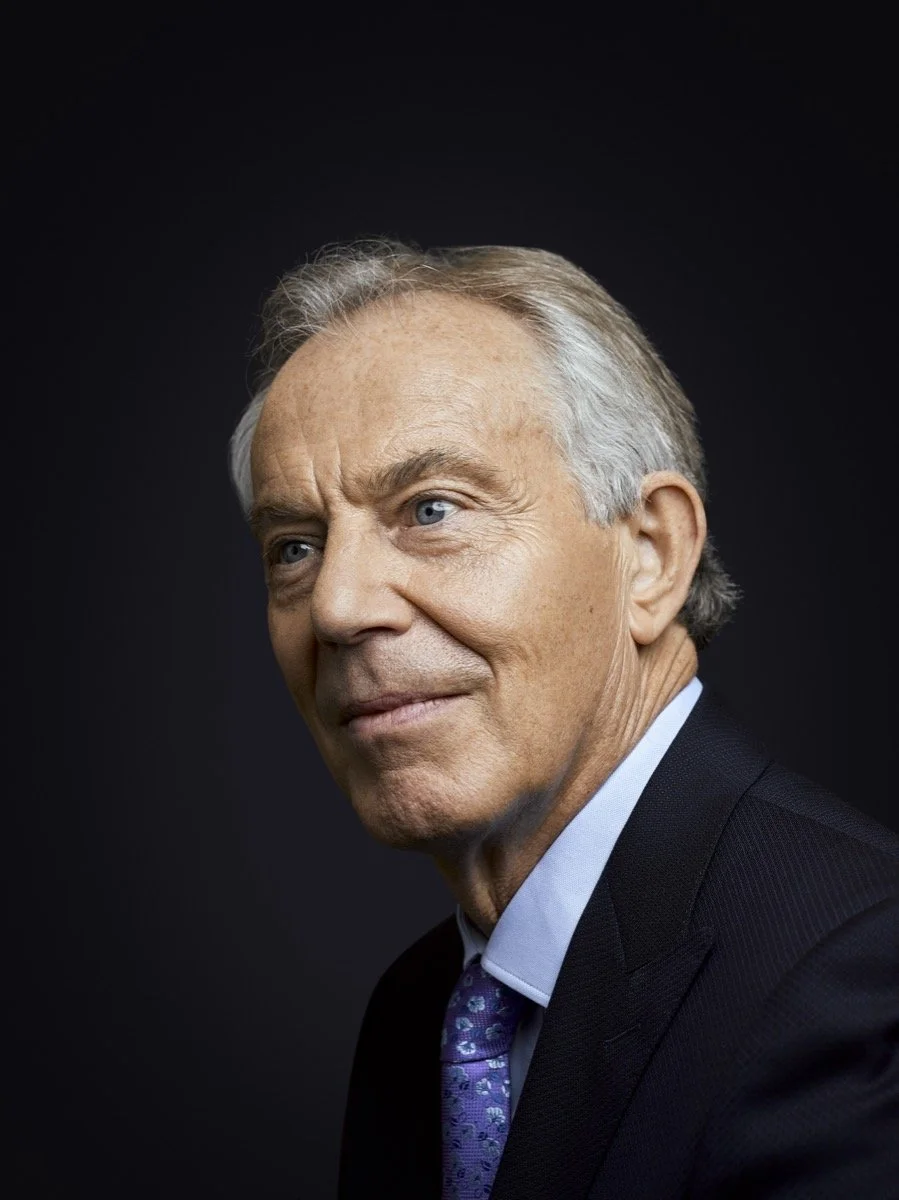
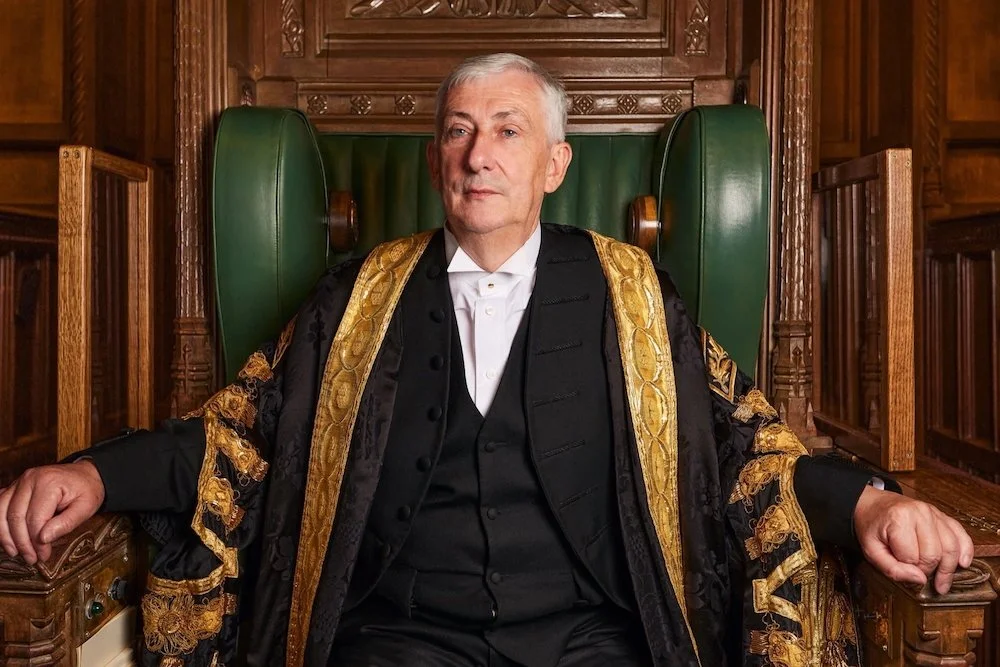
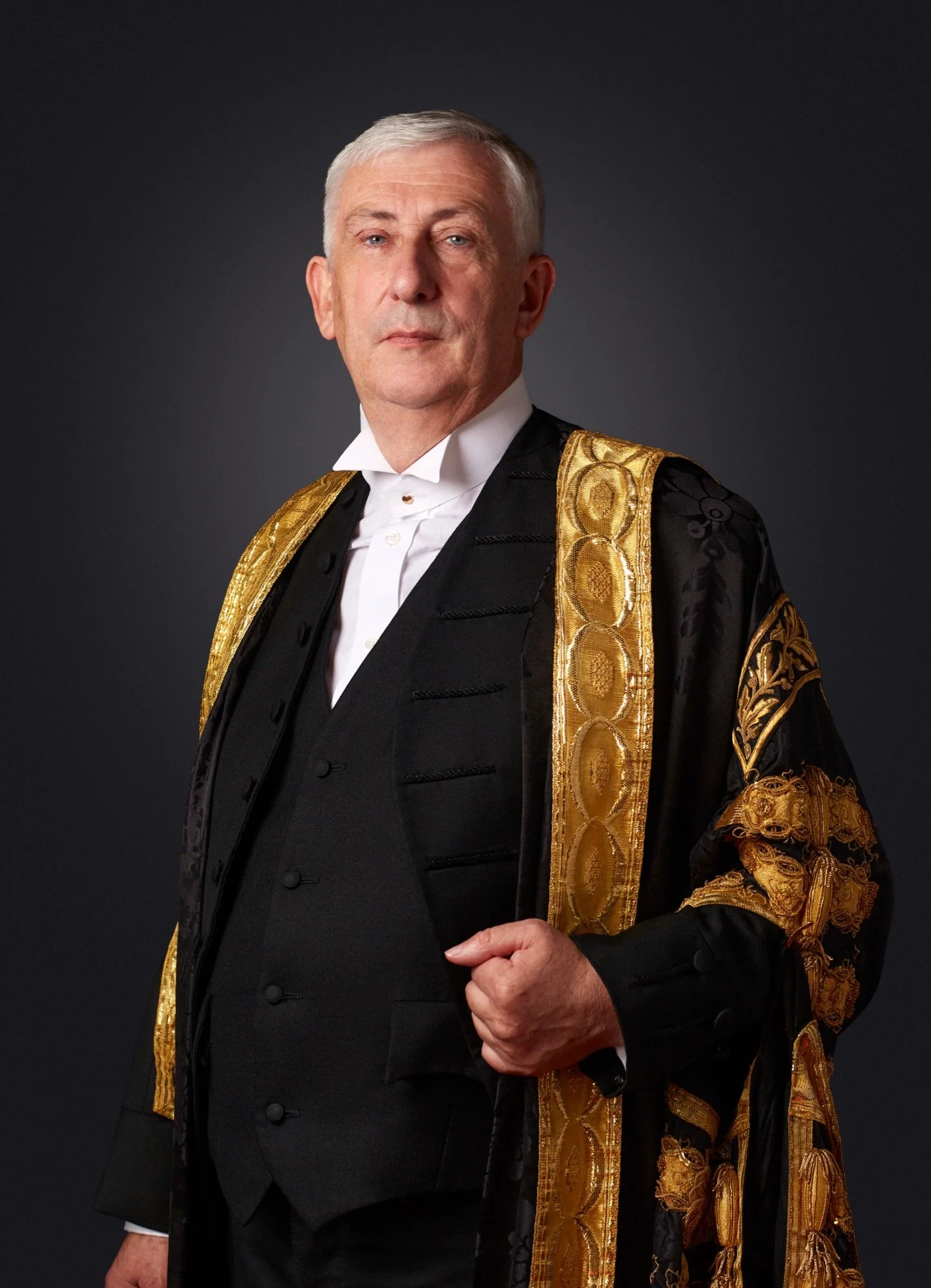
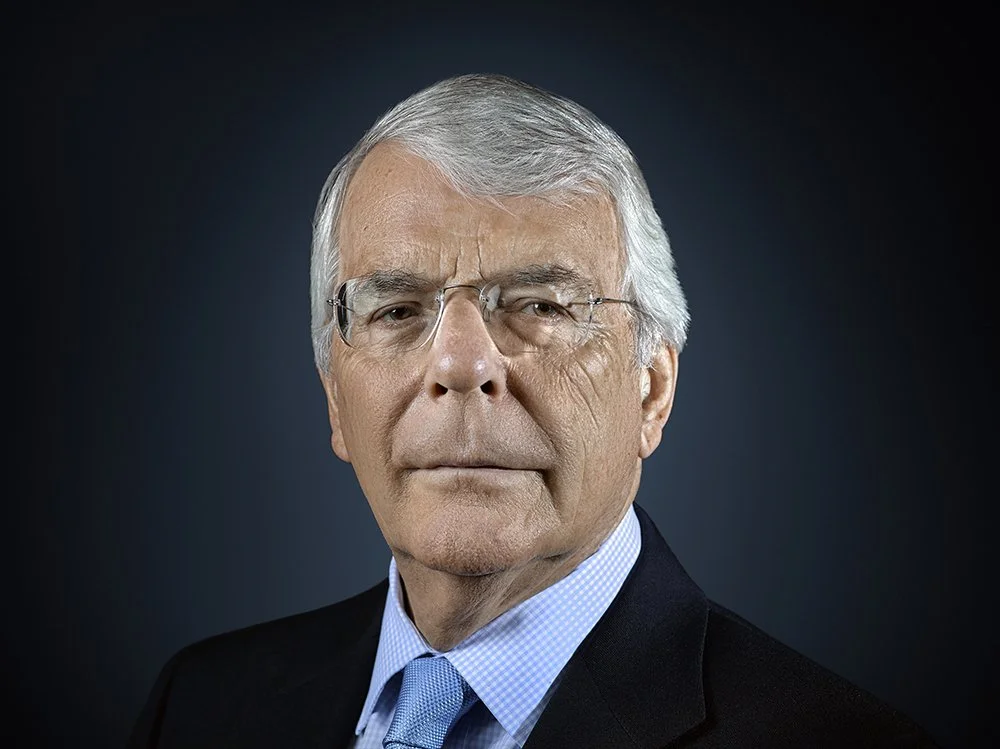
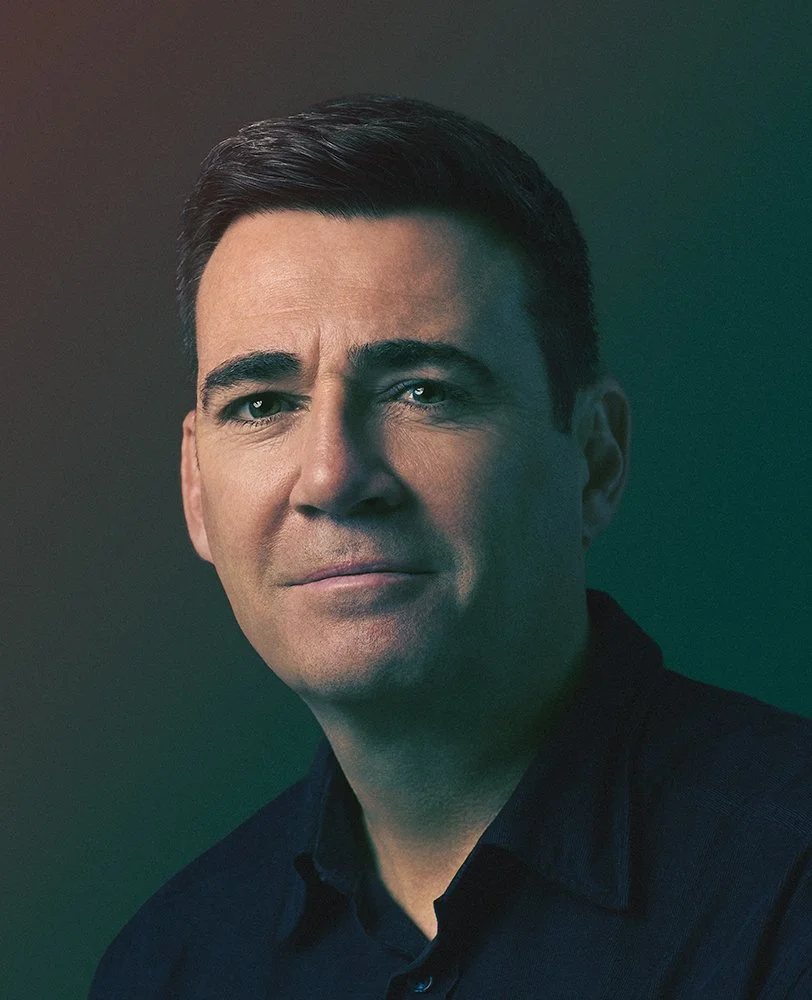
It does. In fact, I've come to believe it translates to the corporate world more directly than to almost anywhere else.
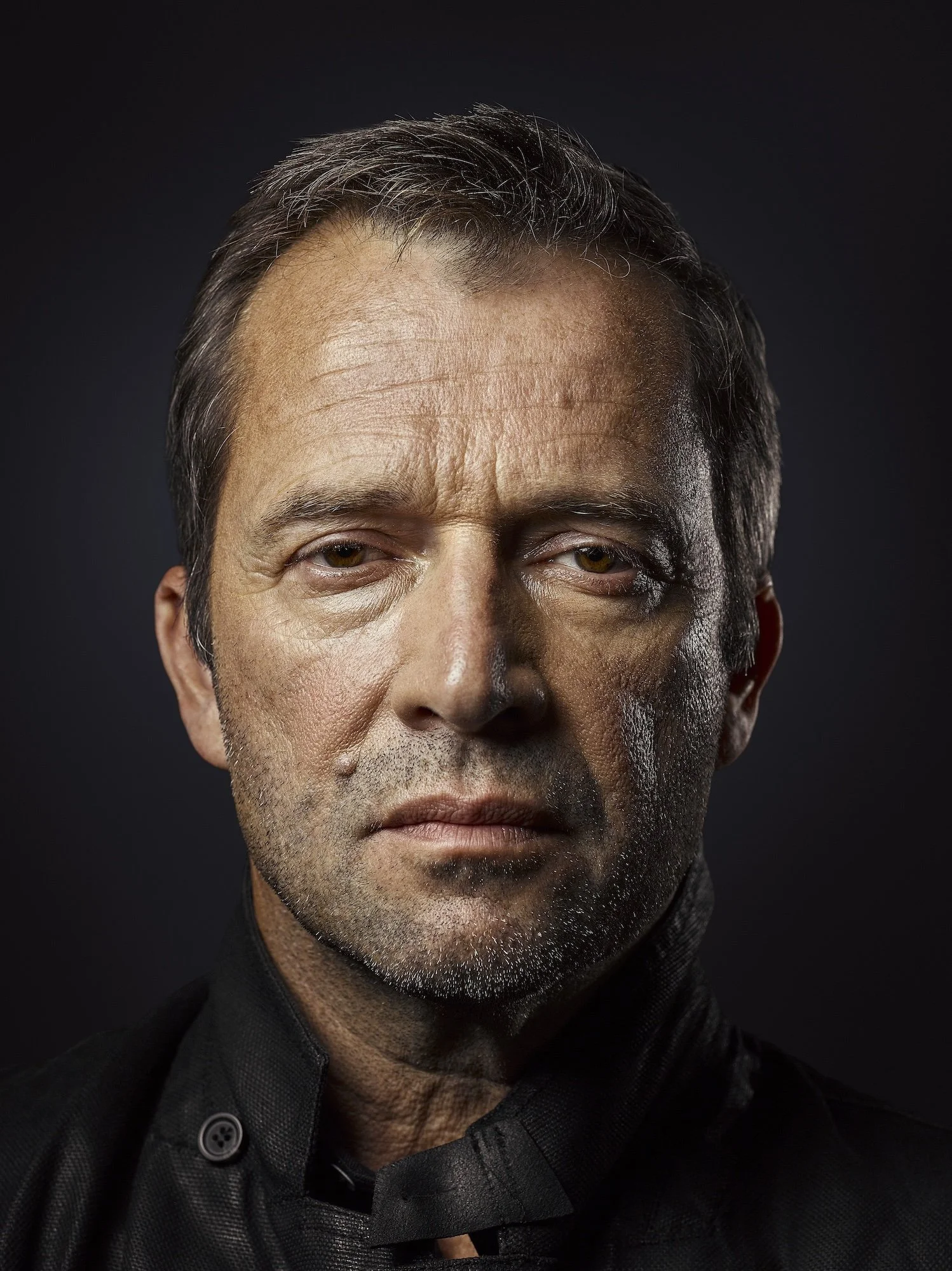
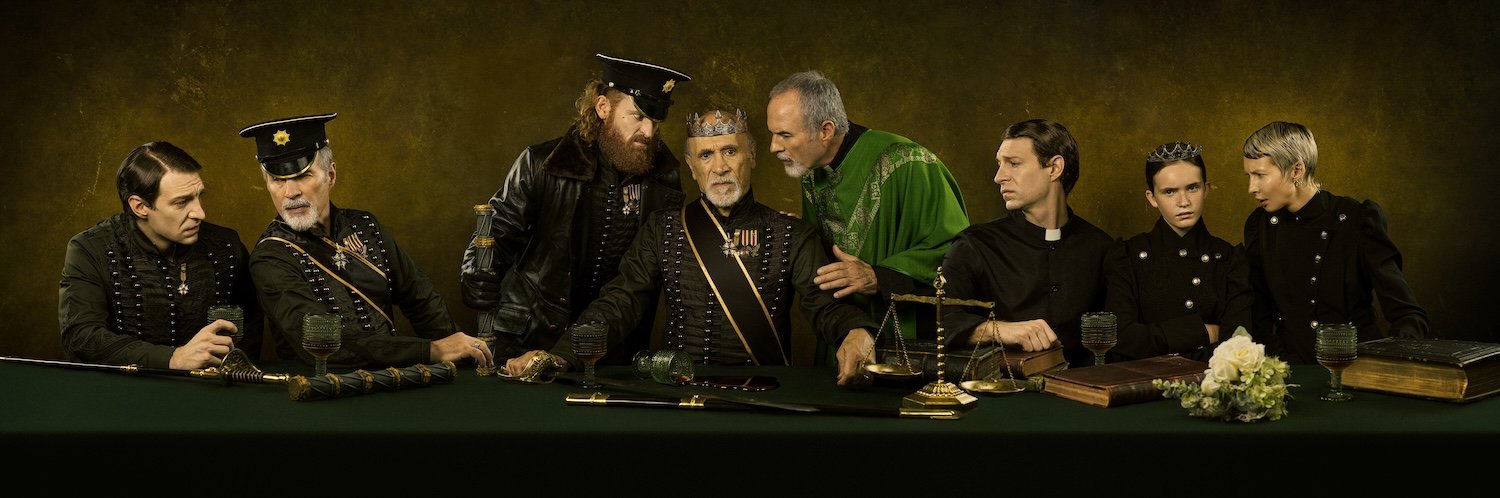
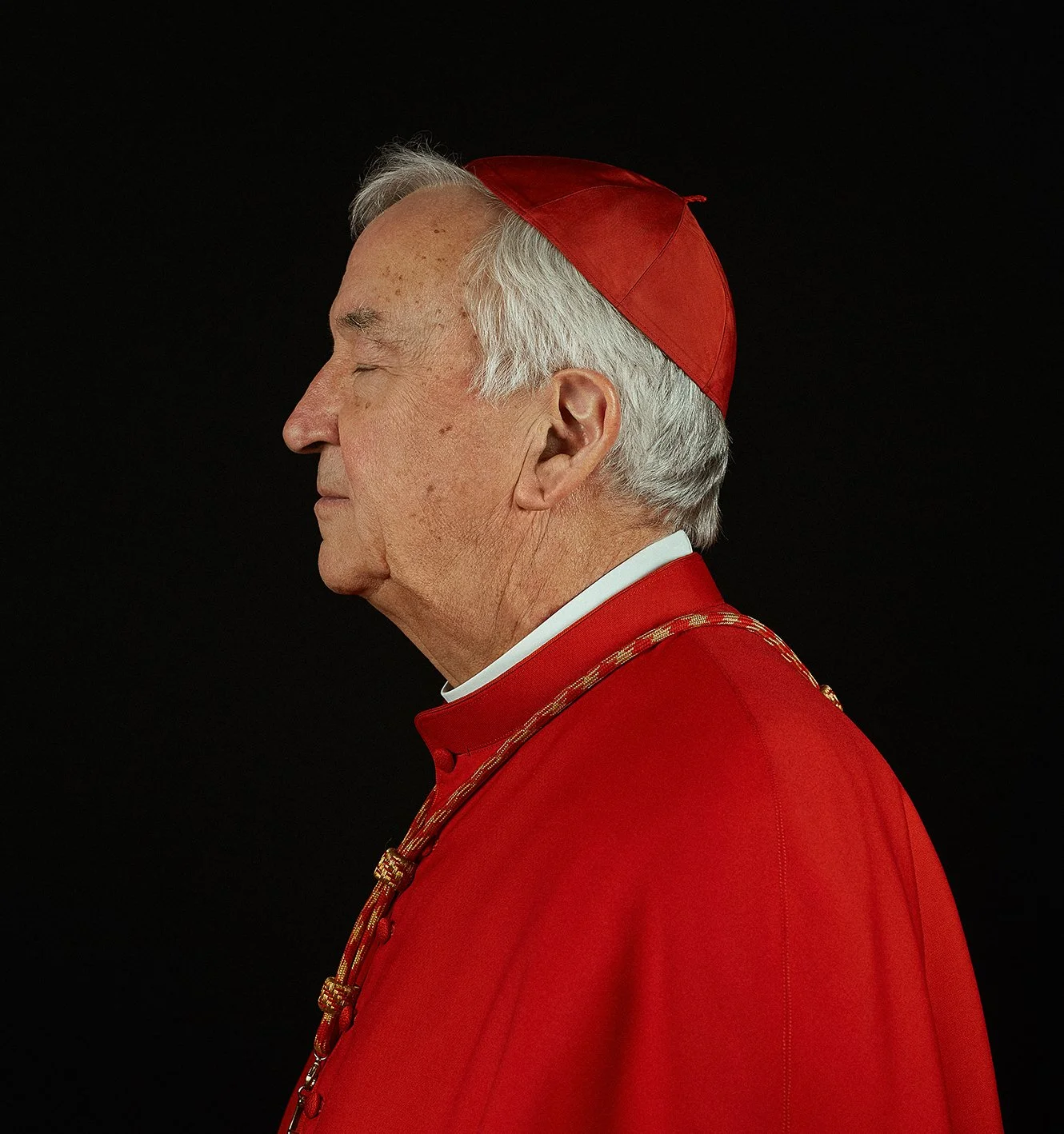
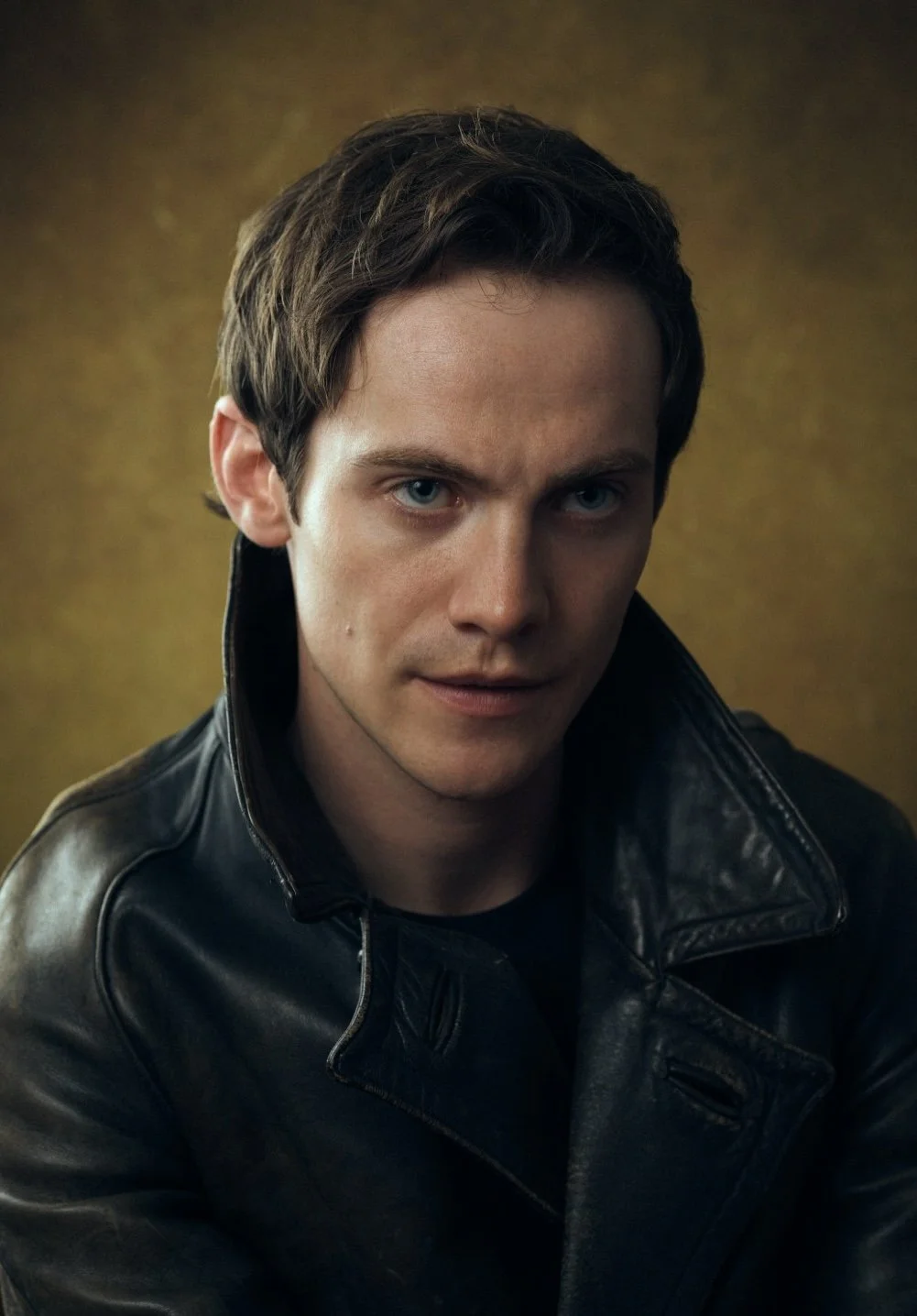
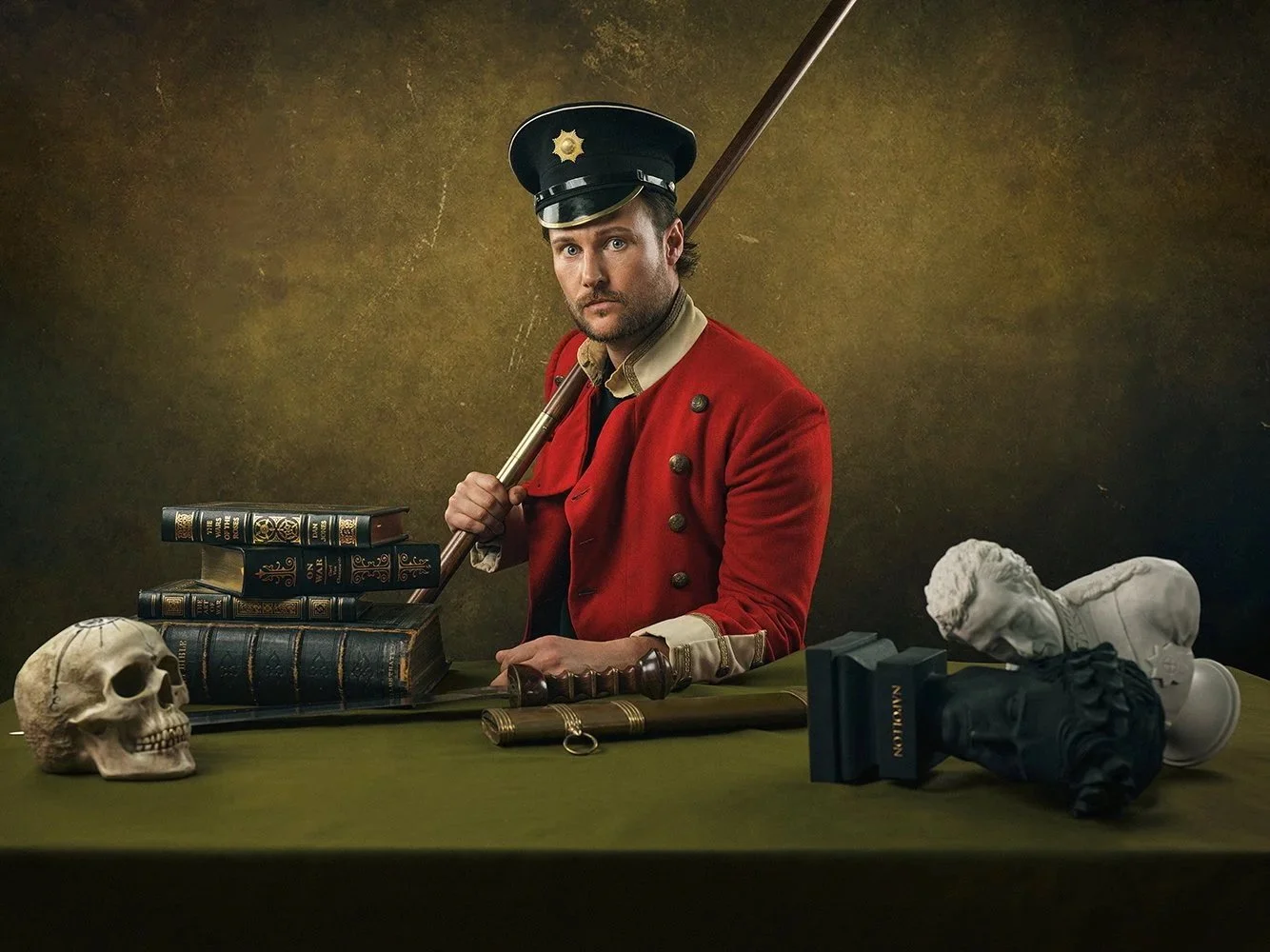
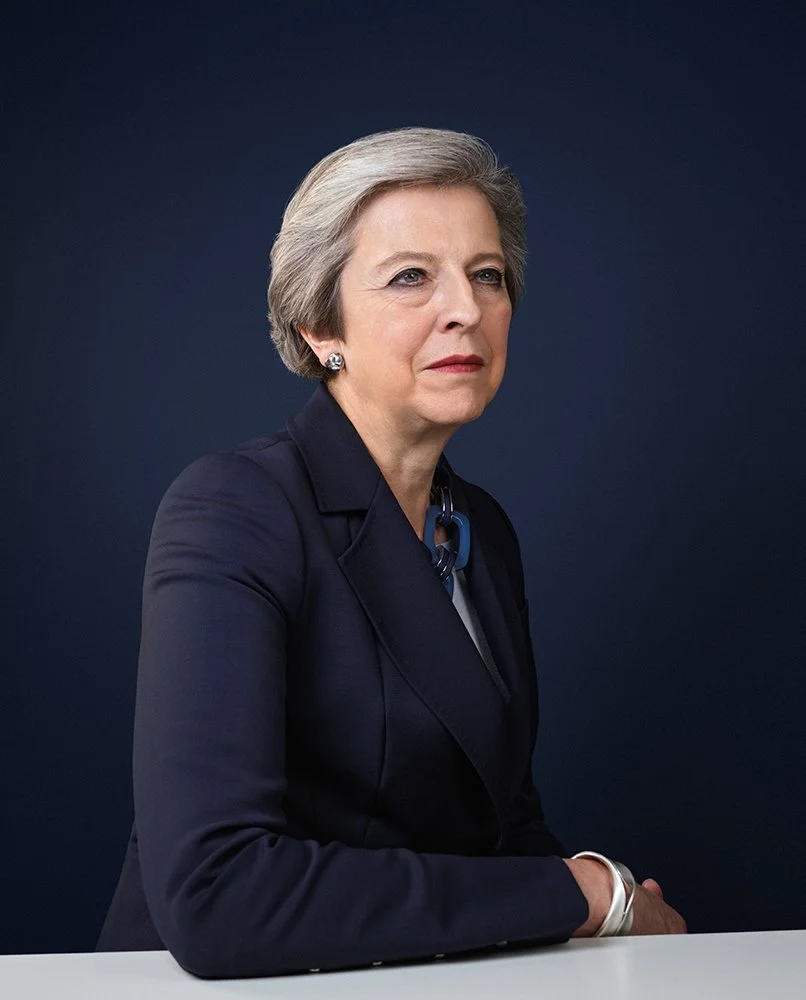
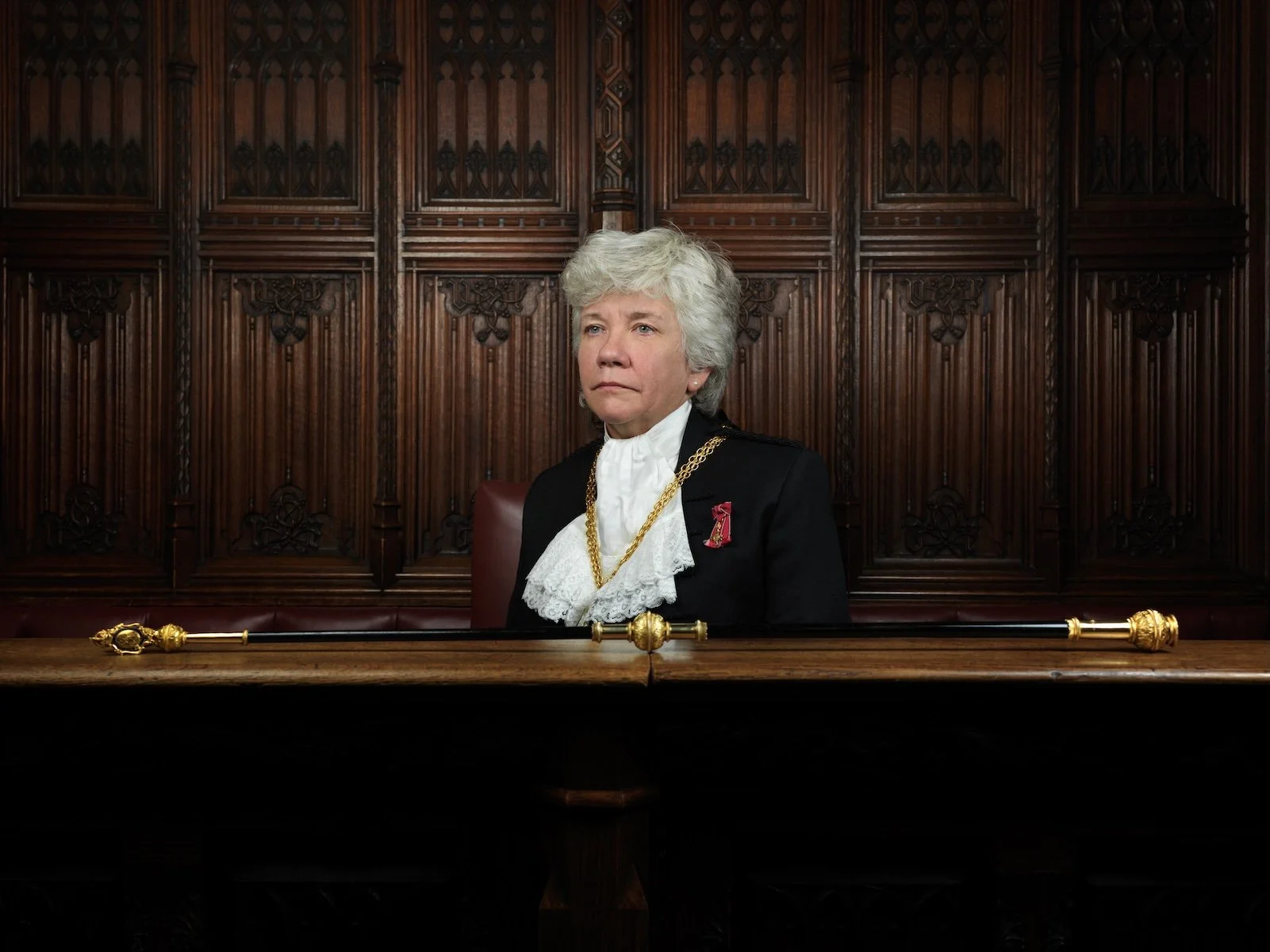
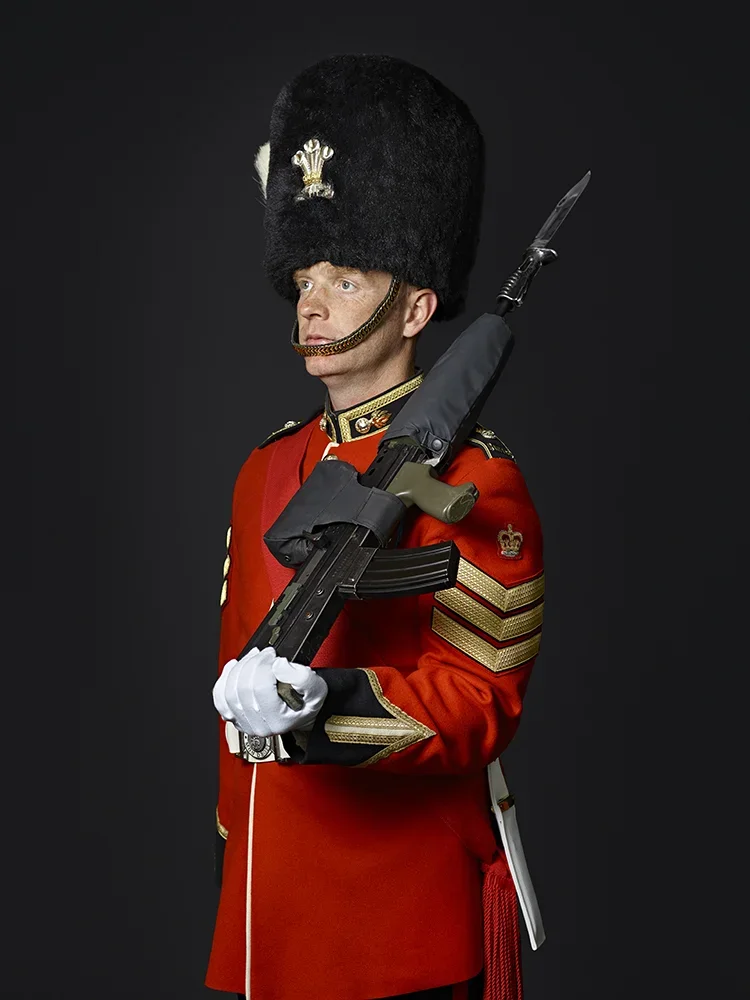
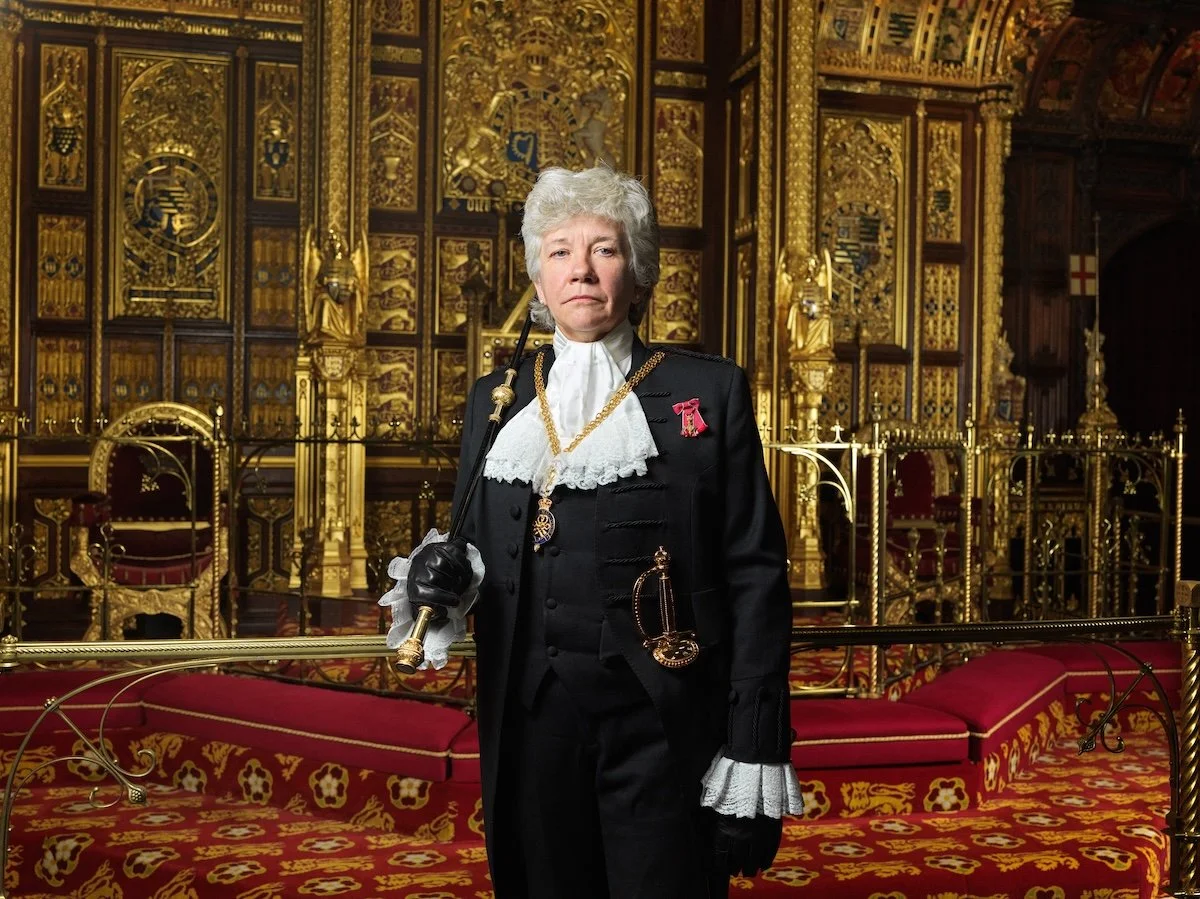
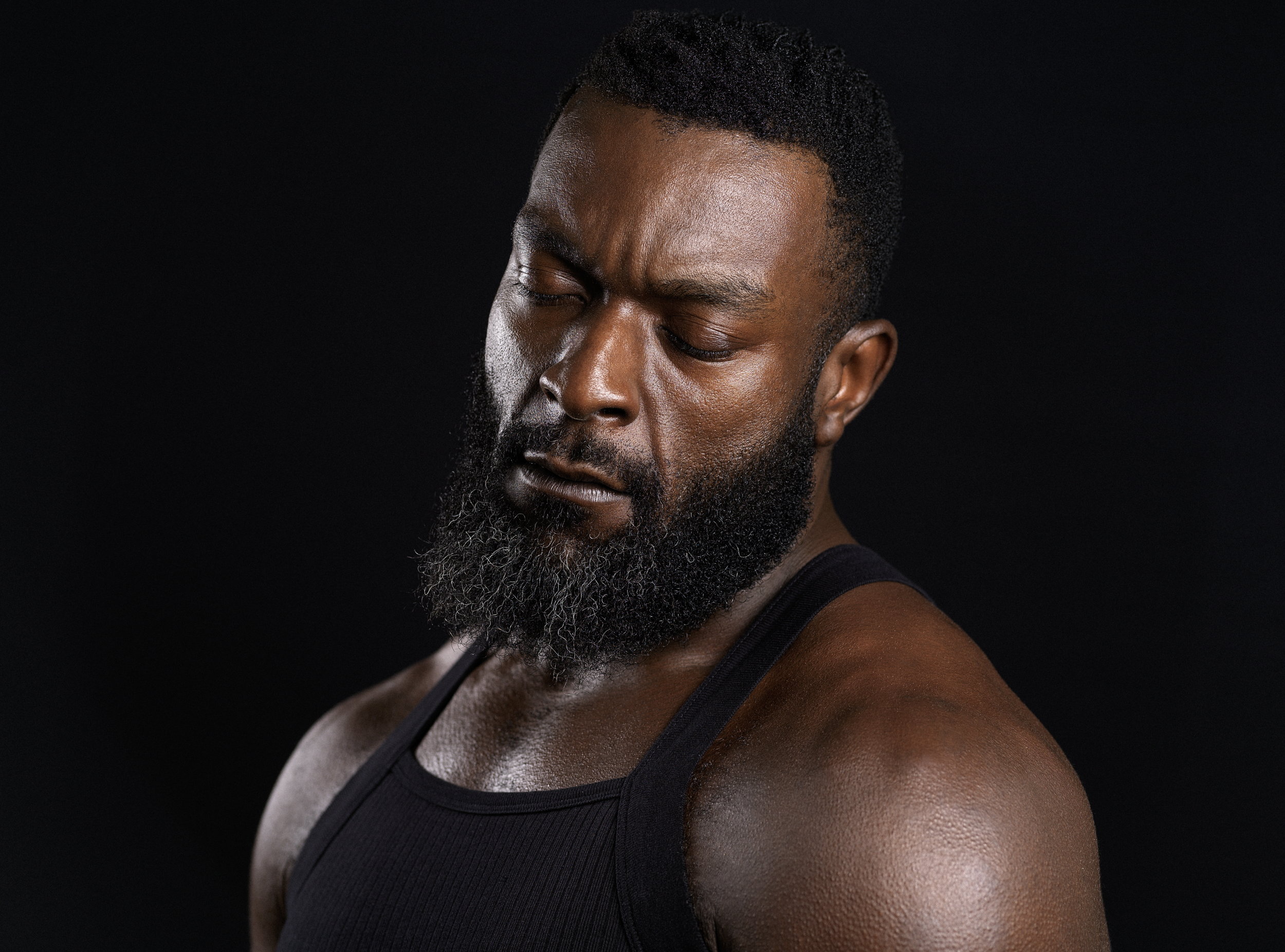
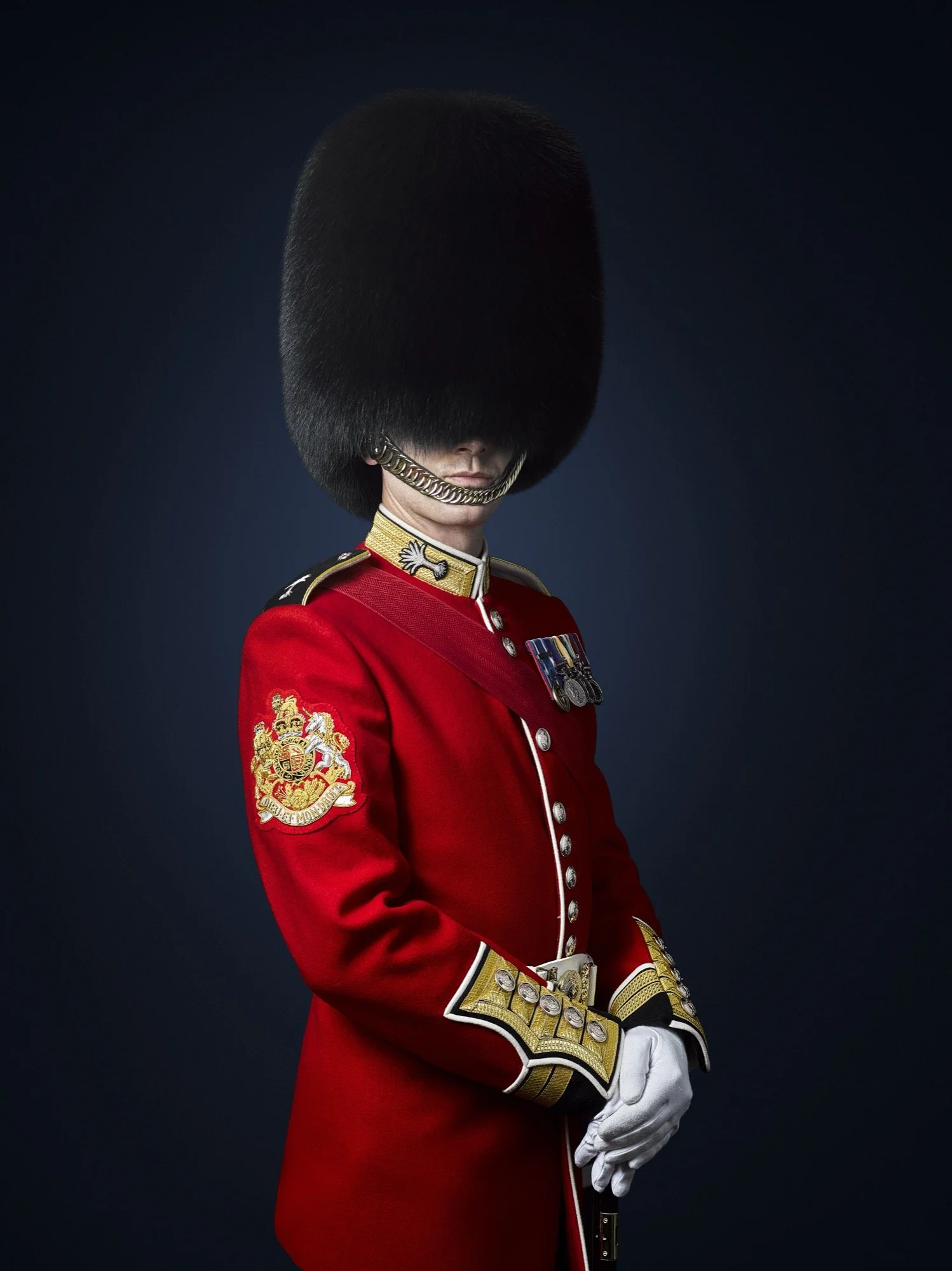
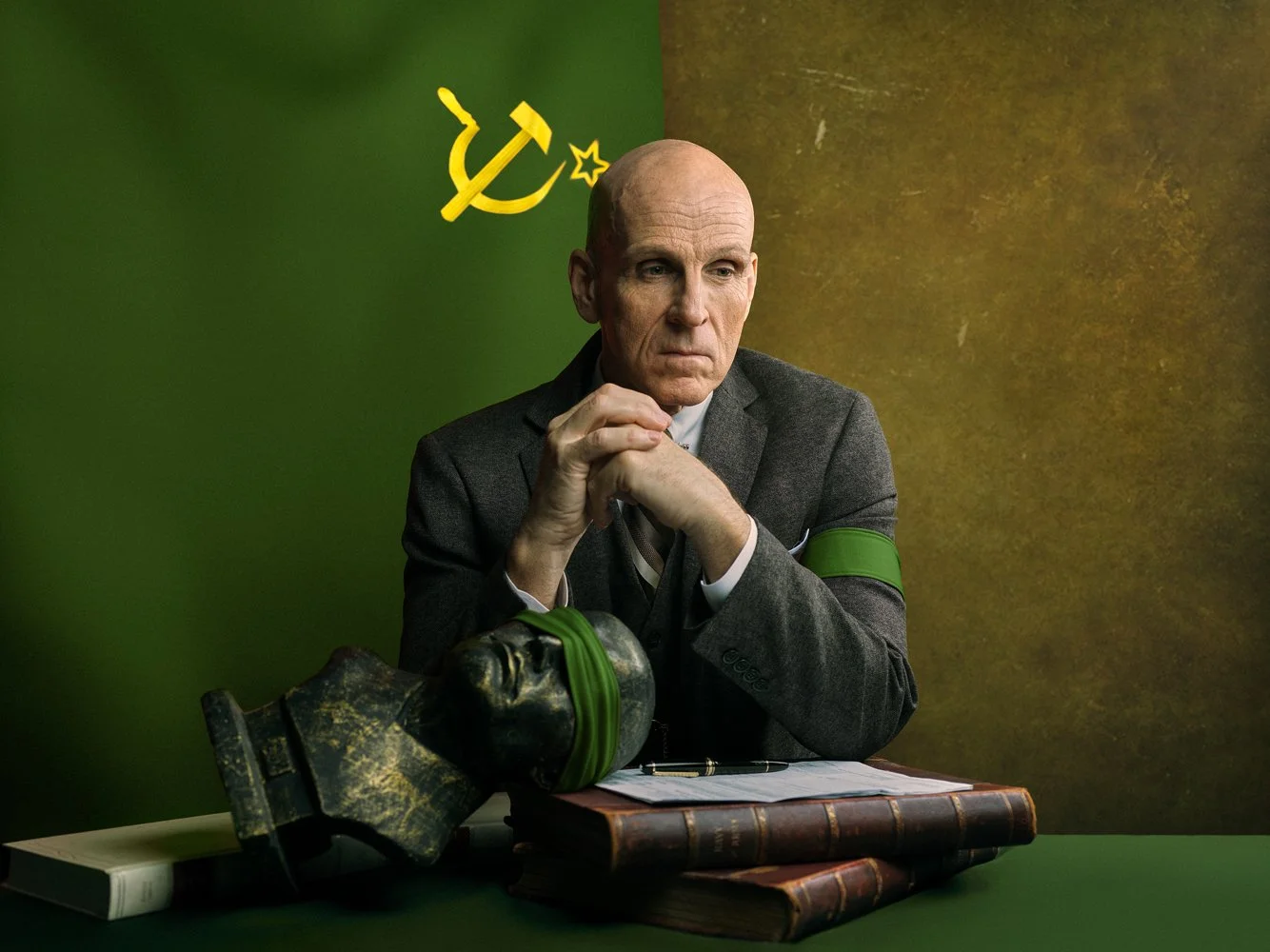
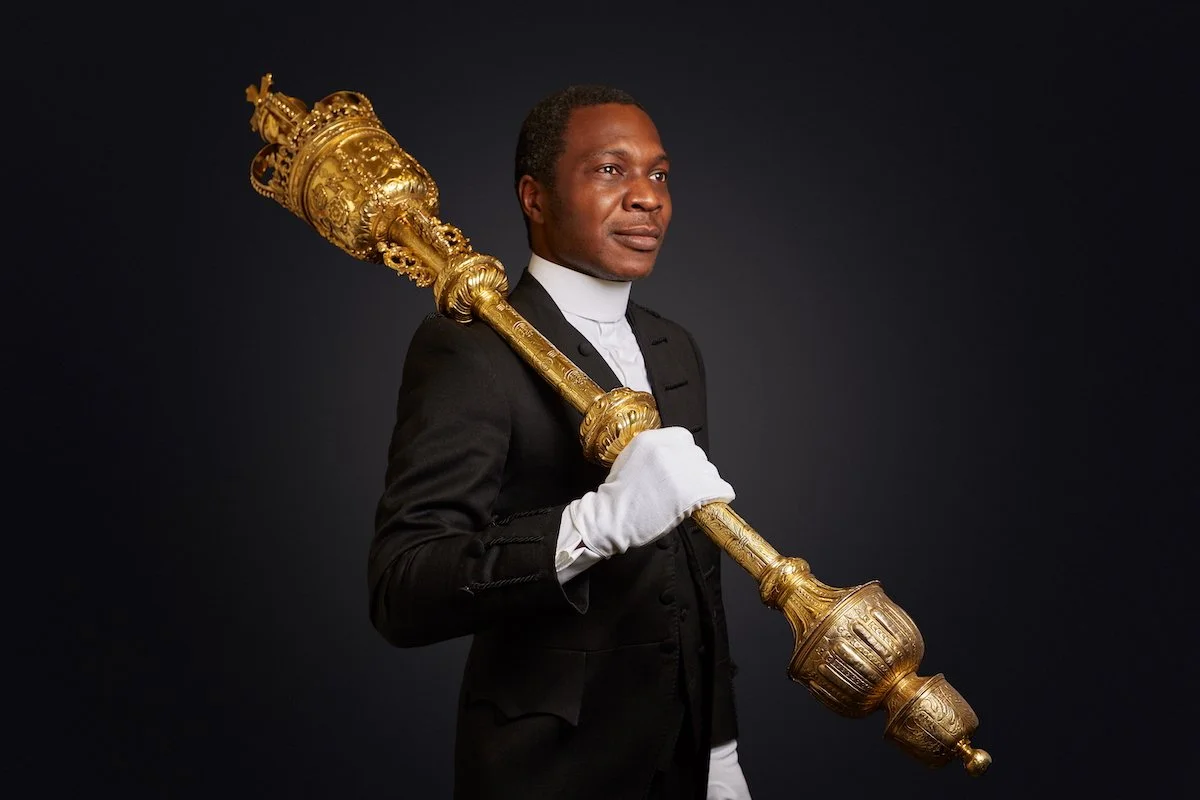
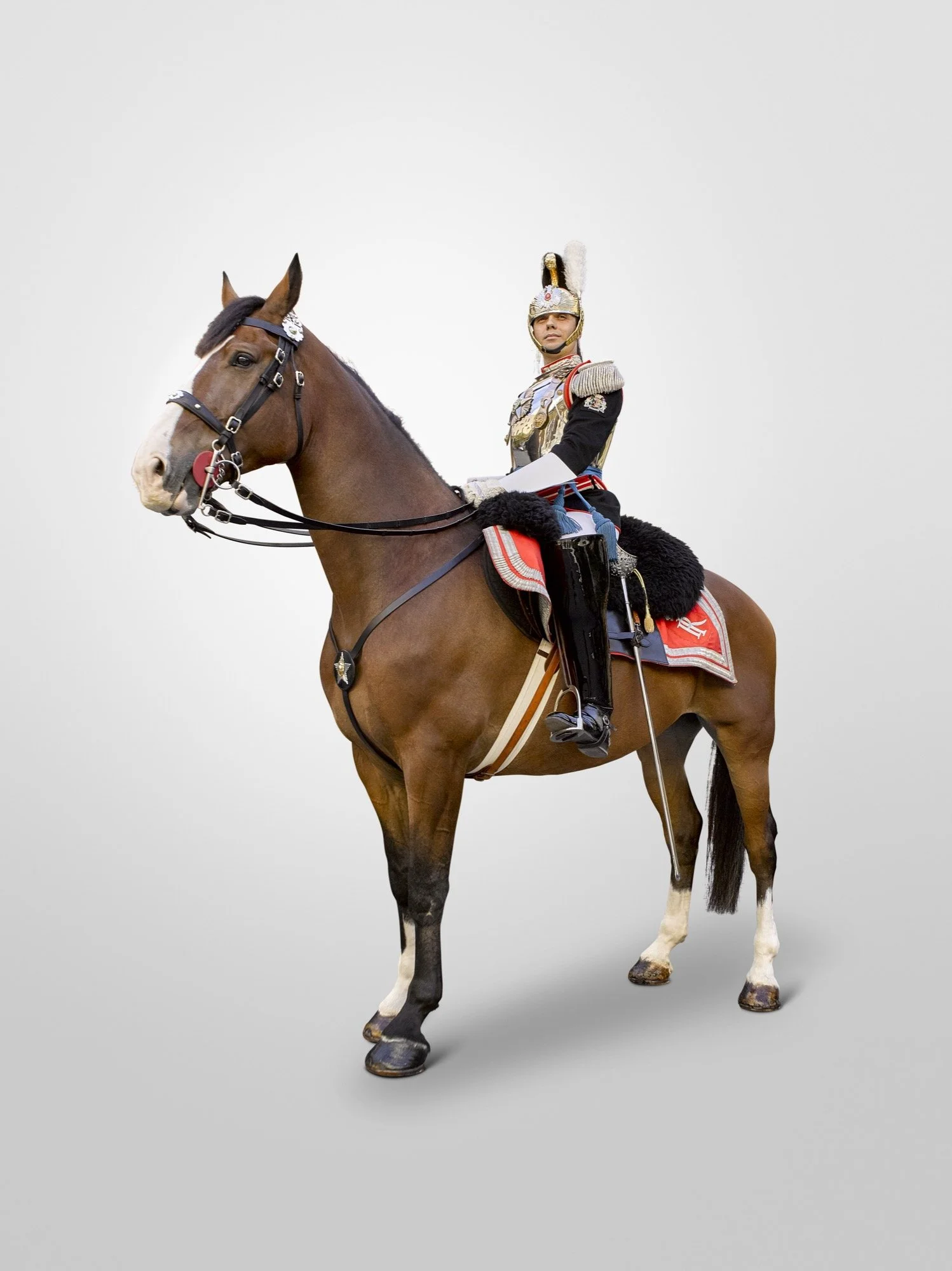
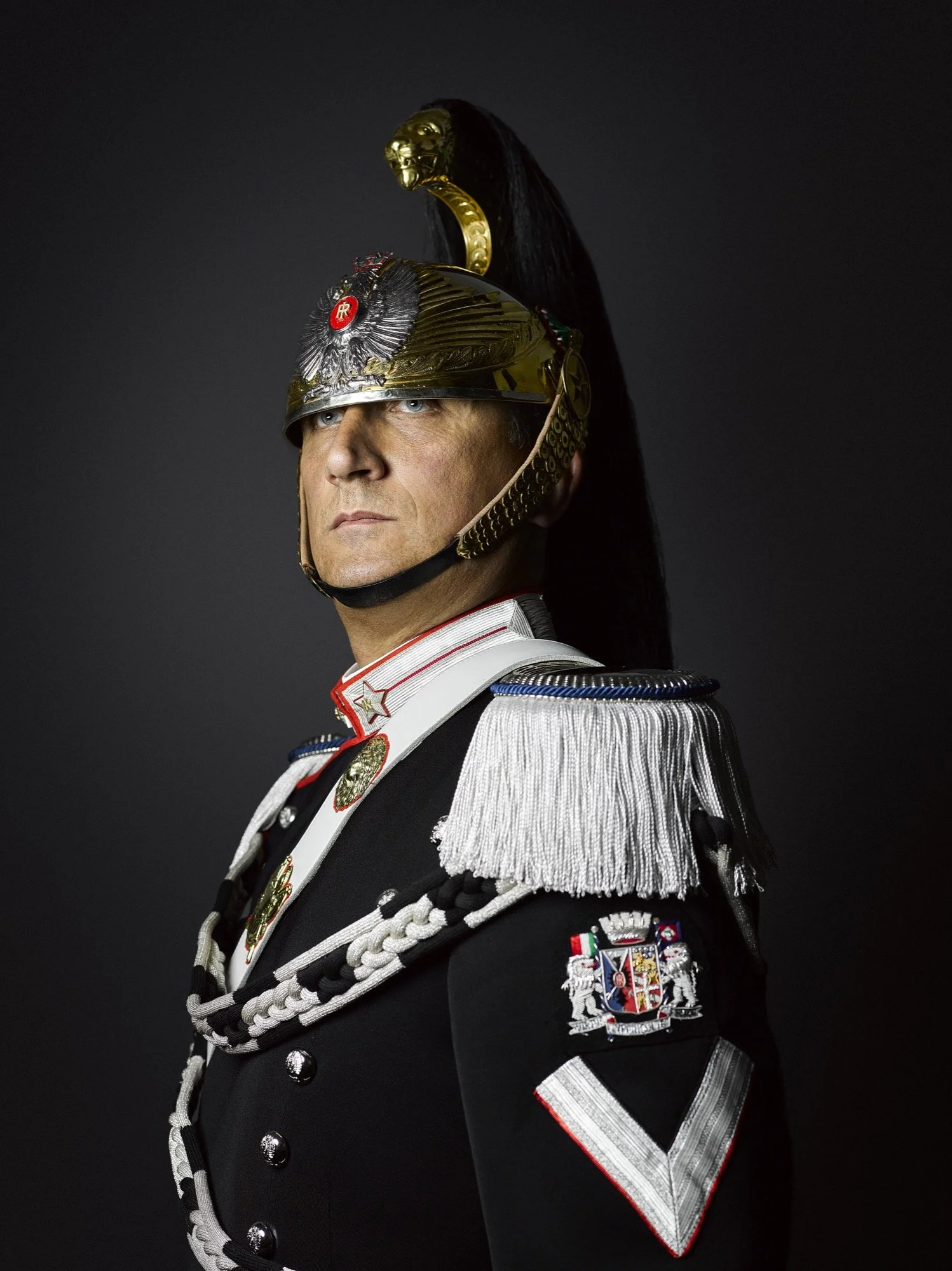
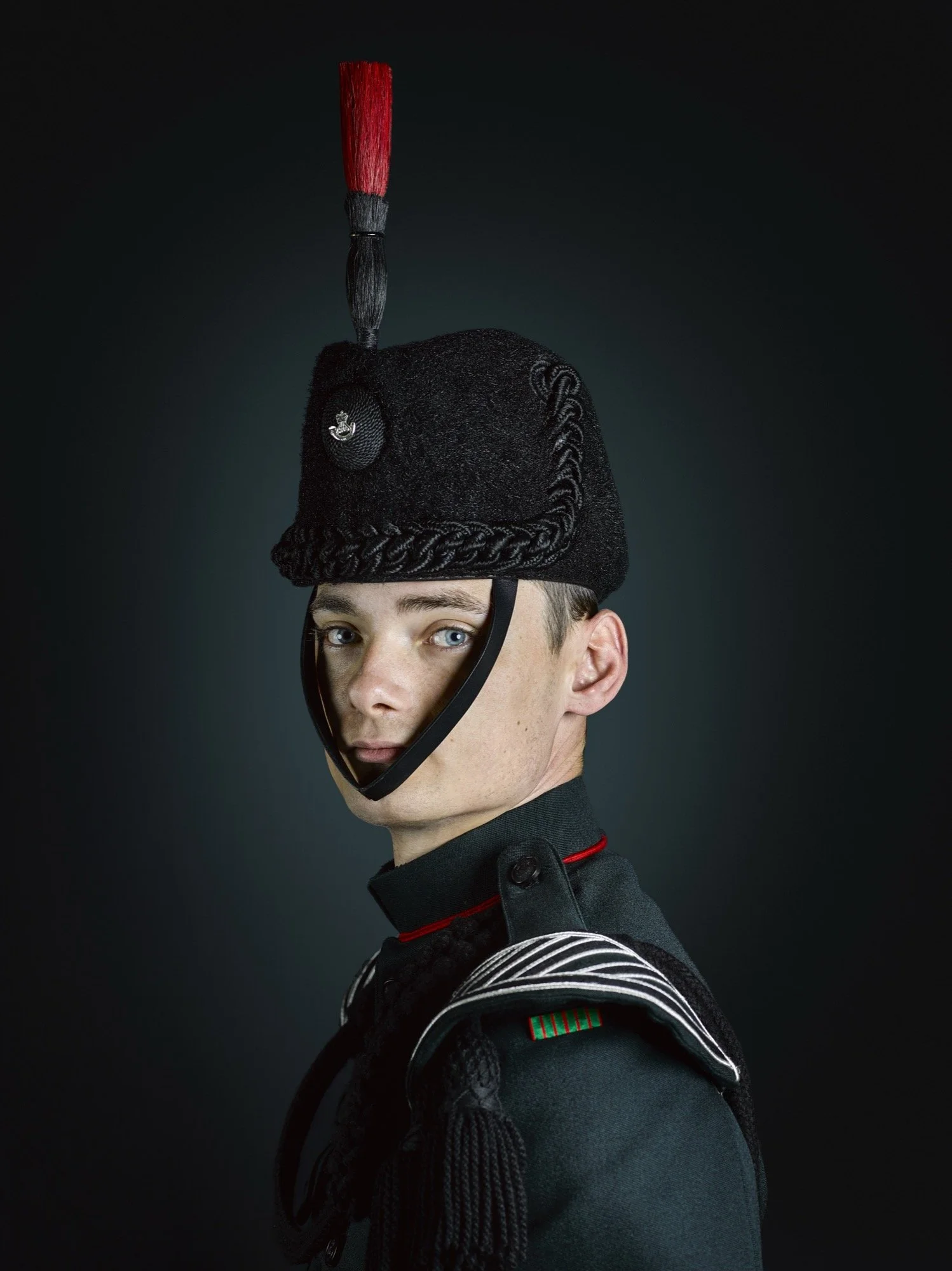
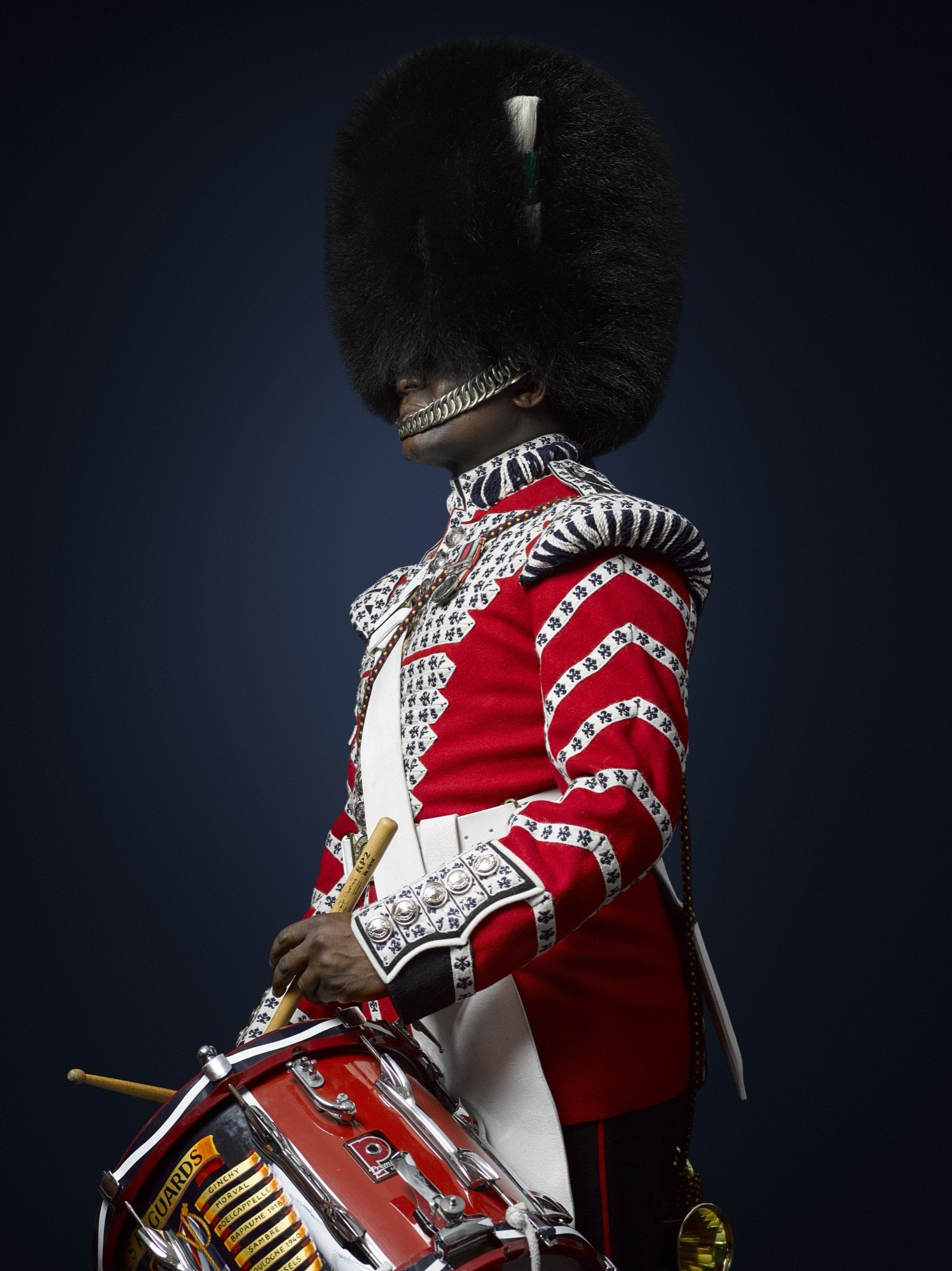
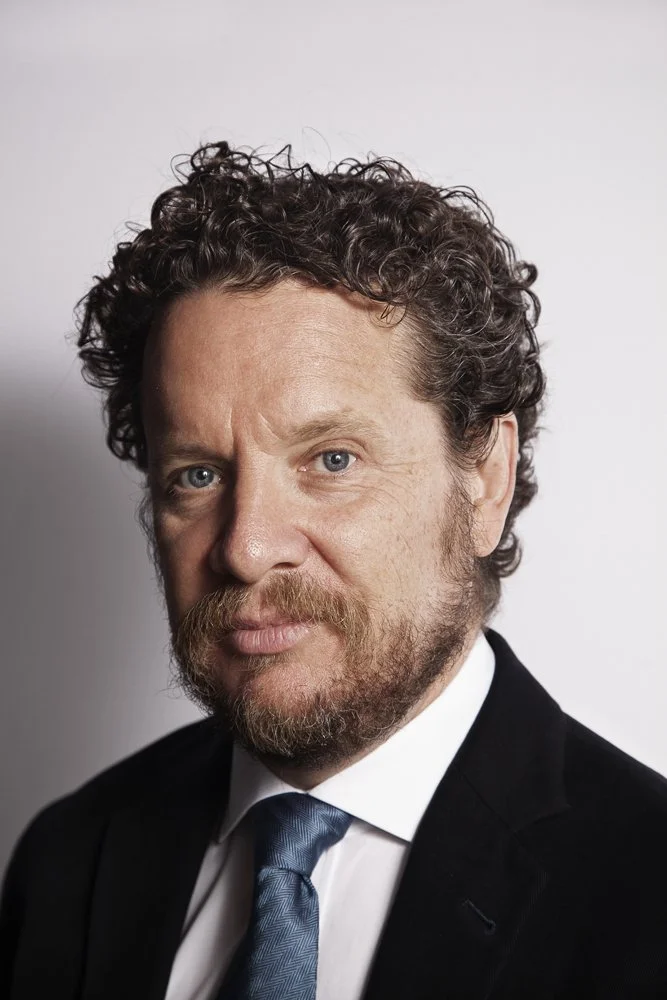
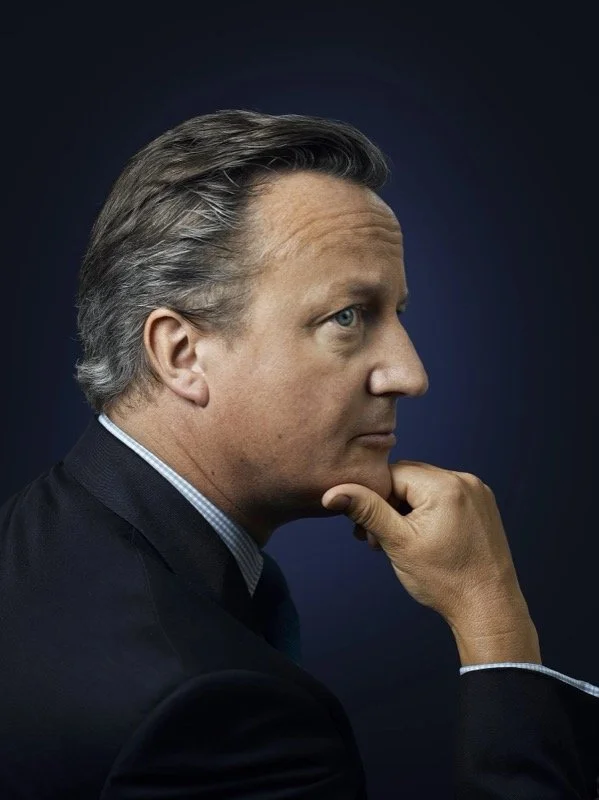
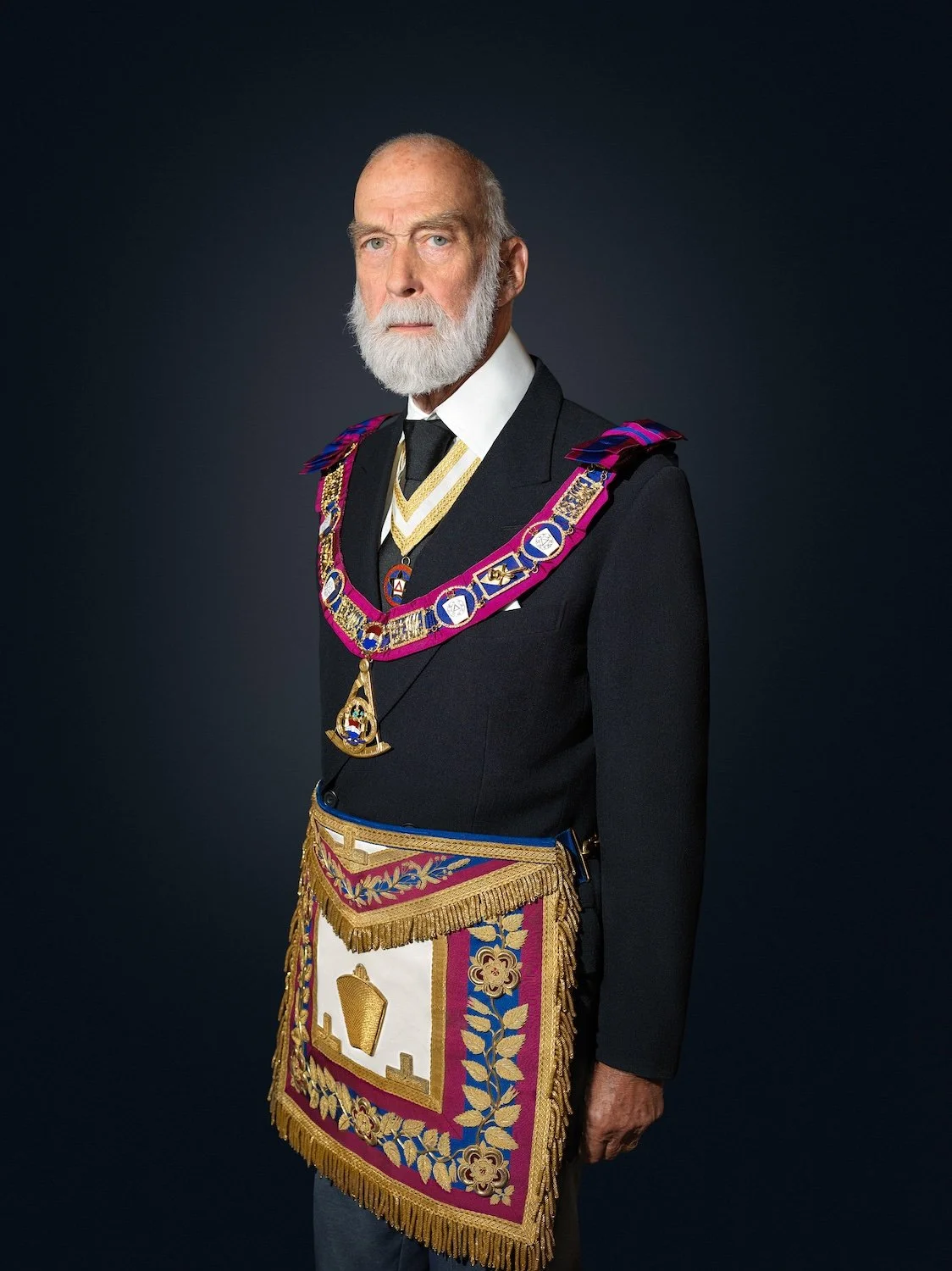
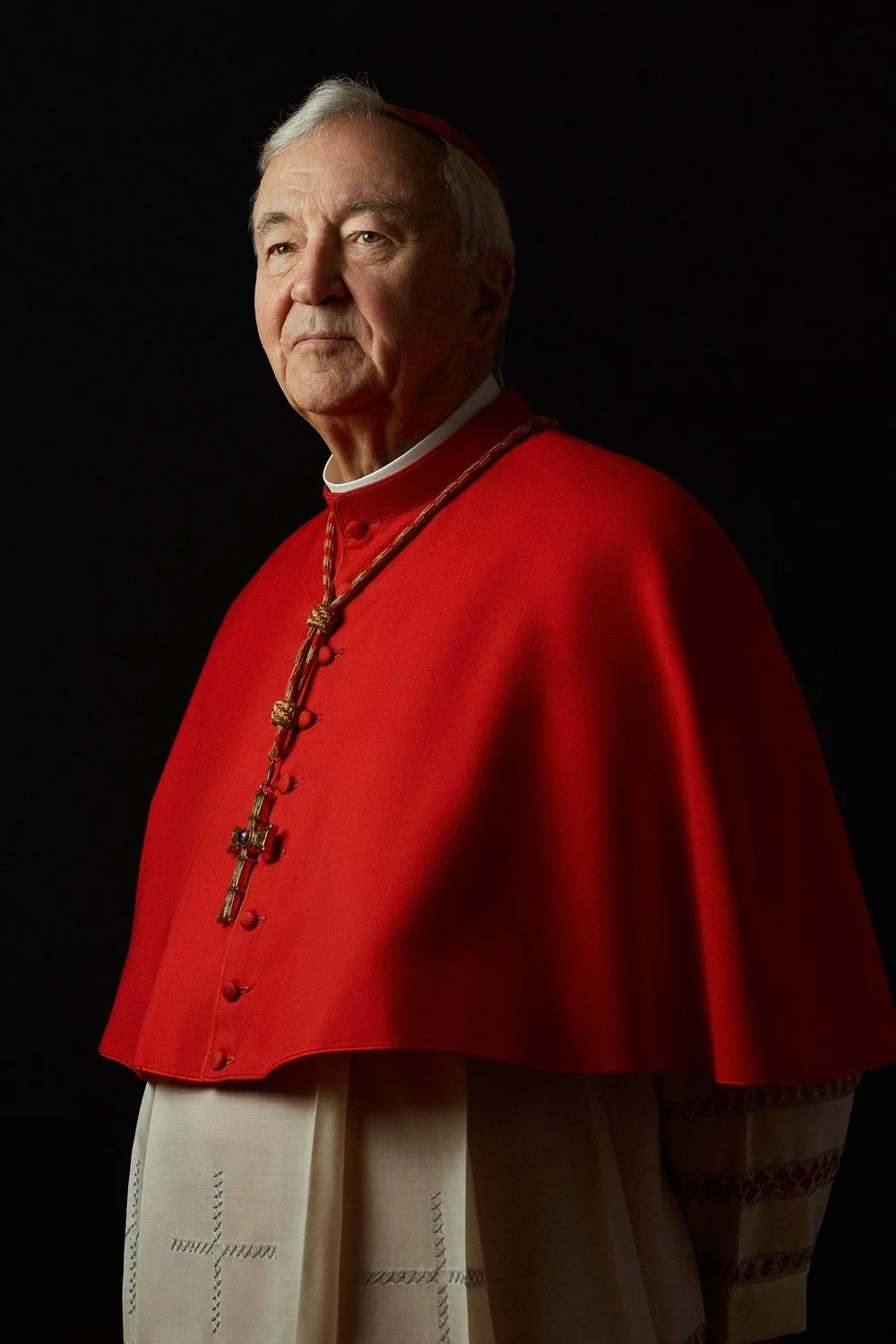
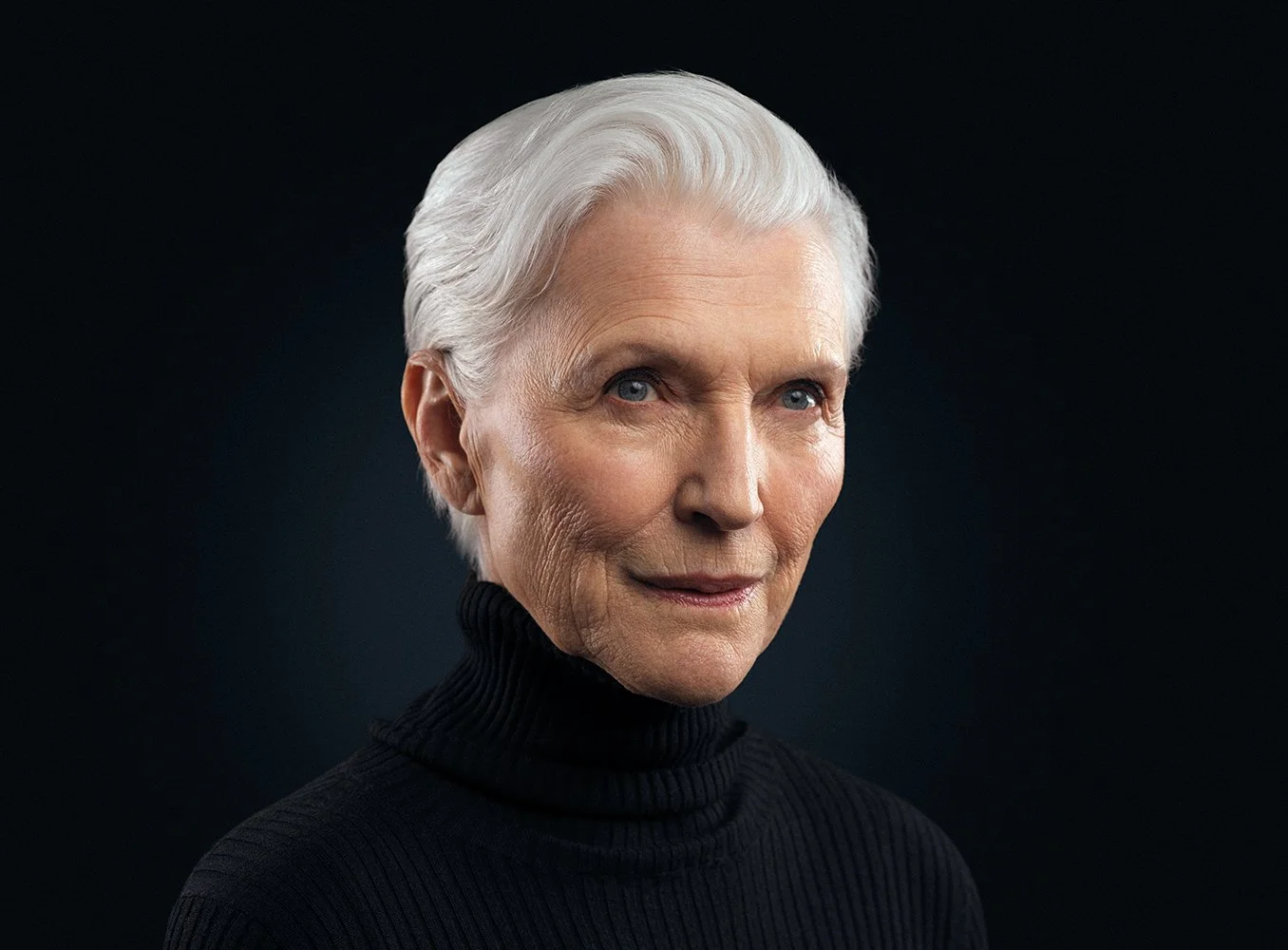
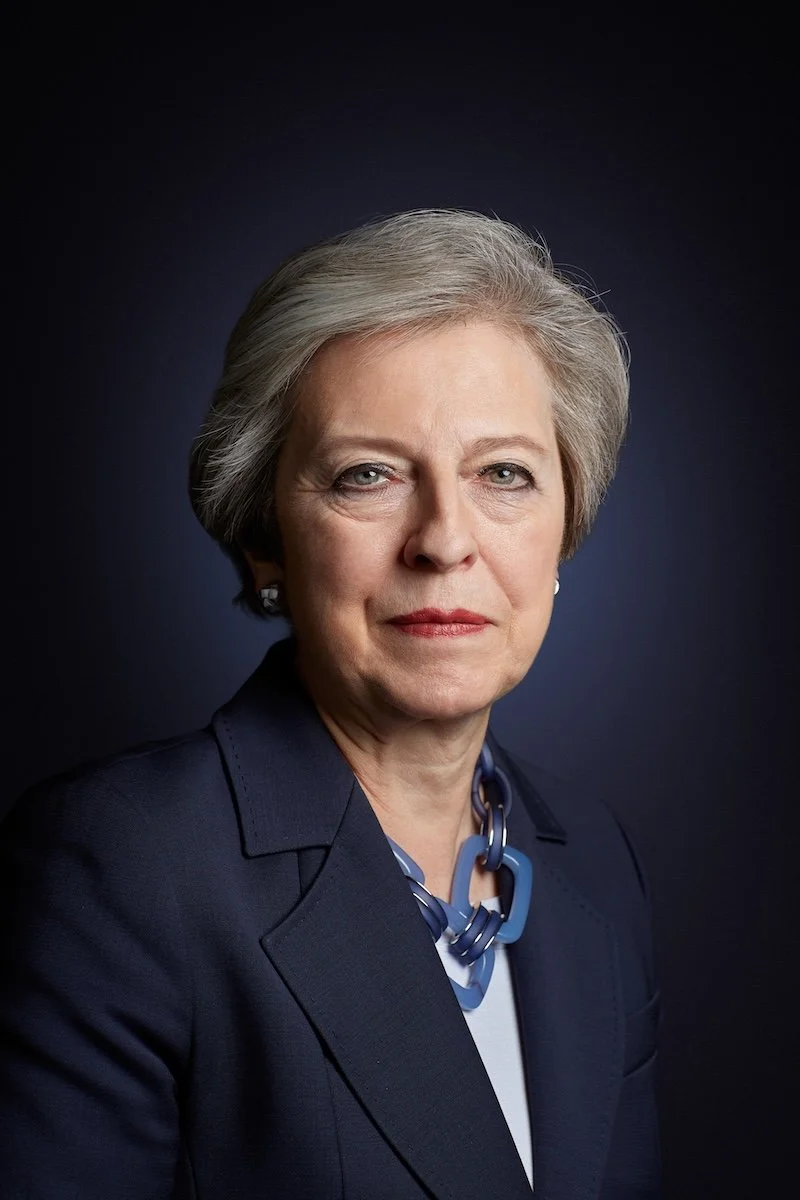
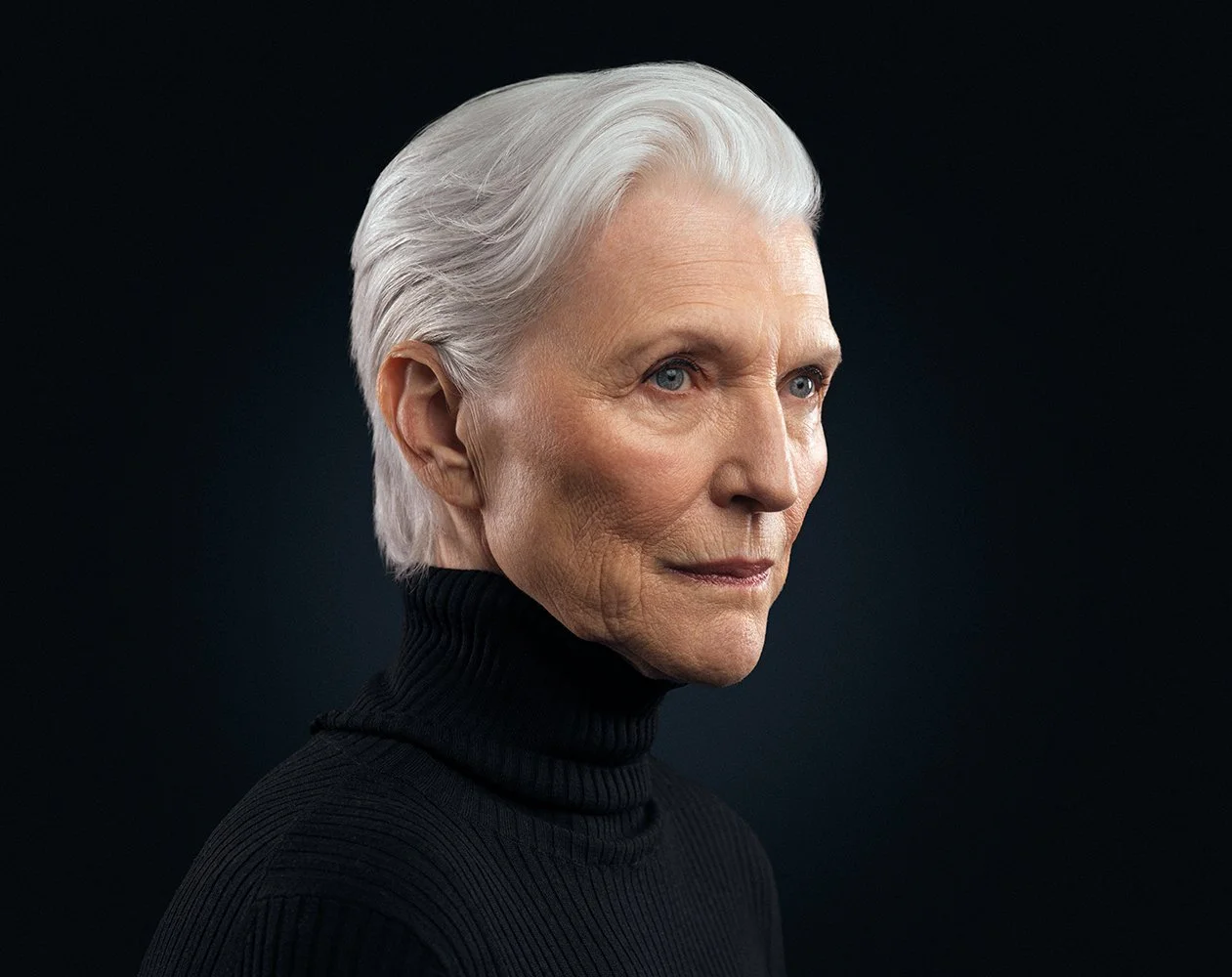
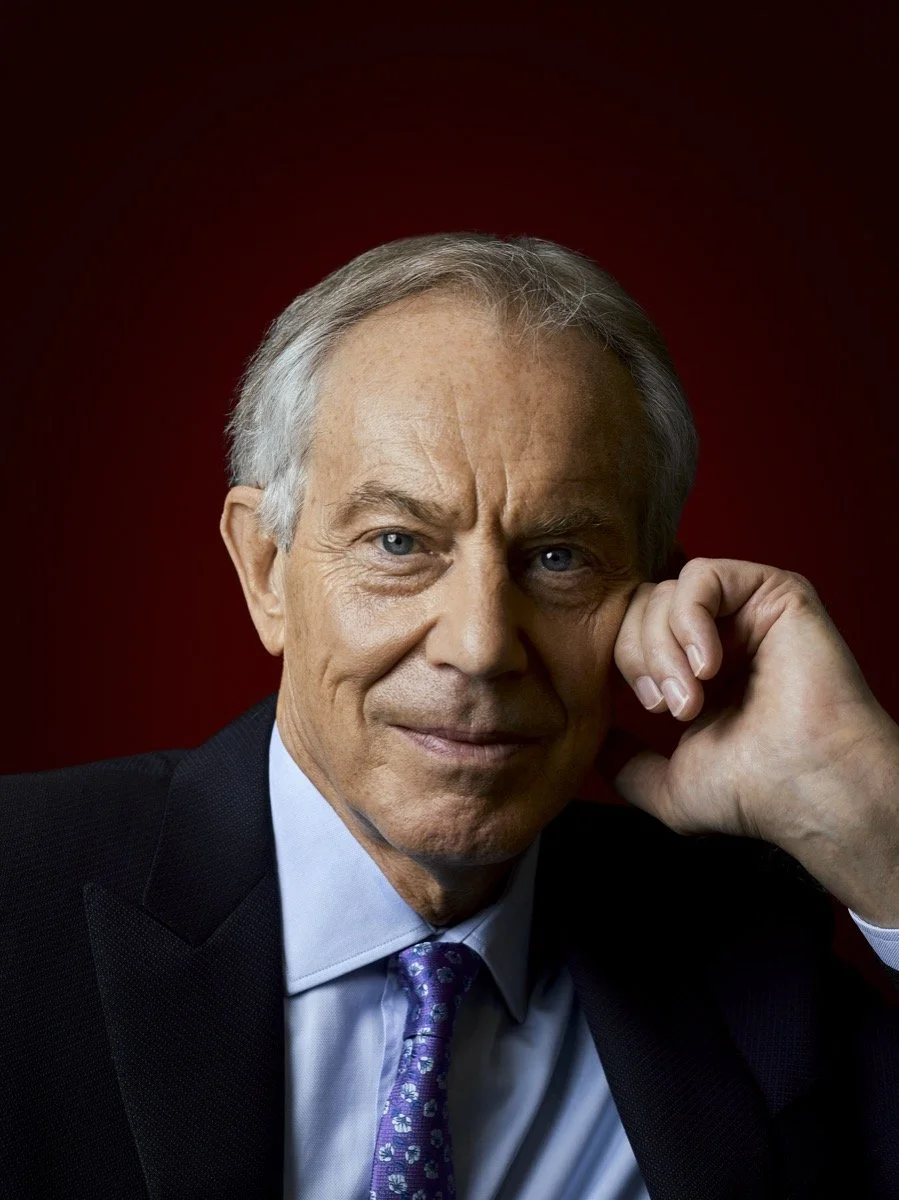
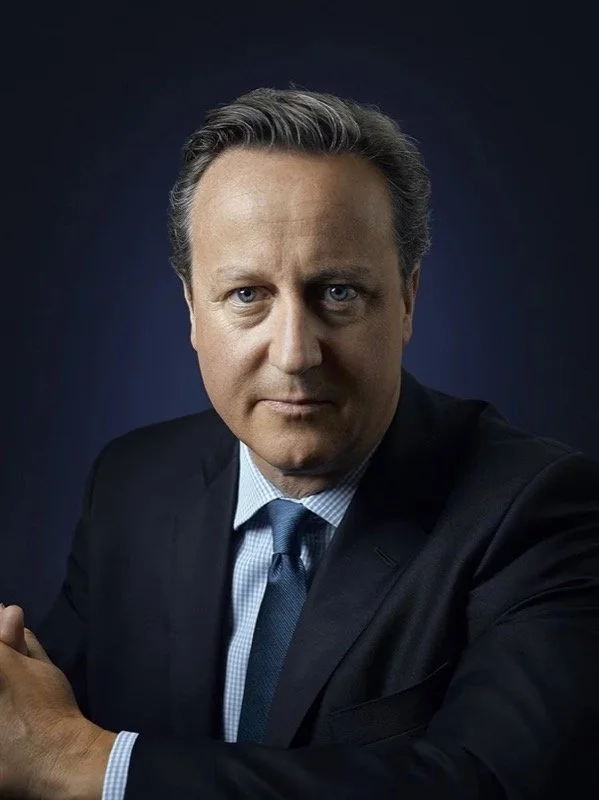
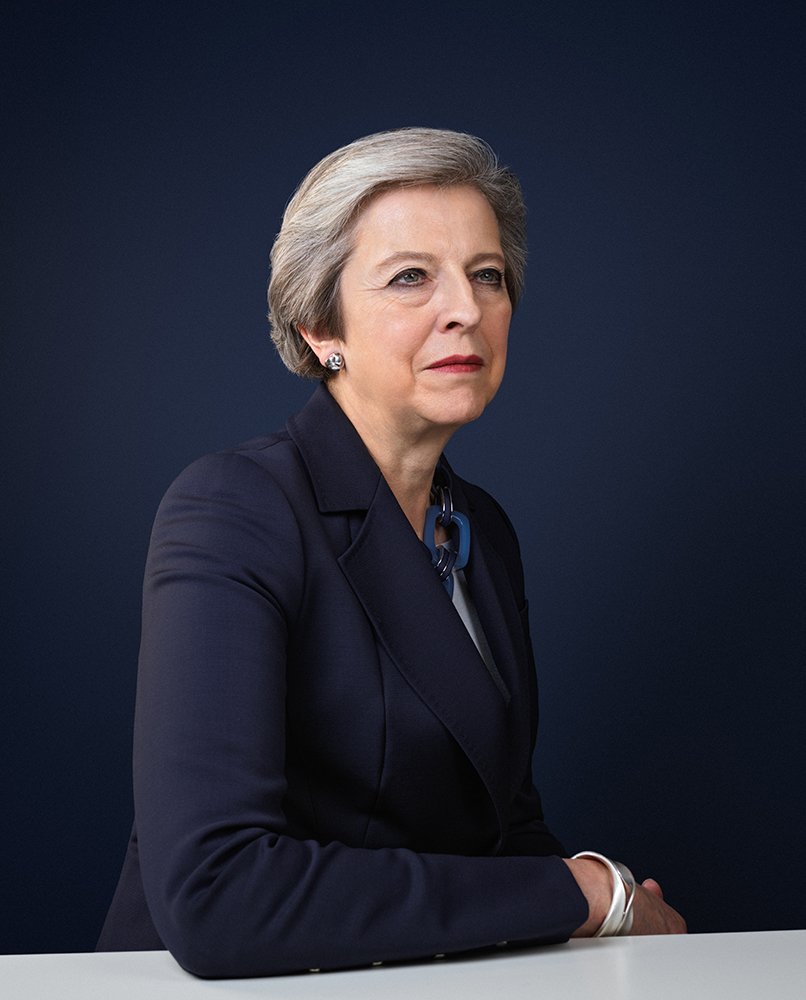
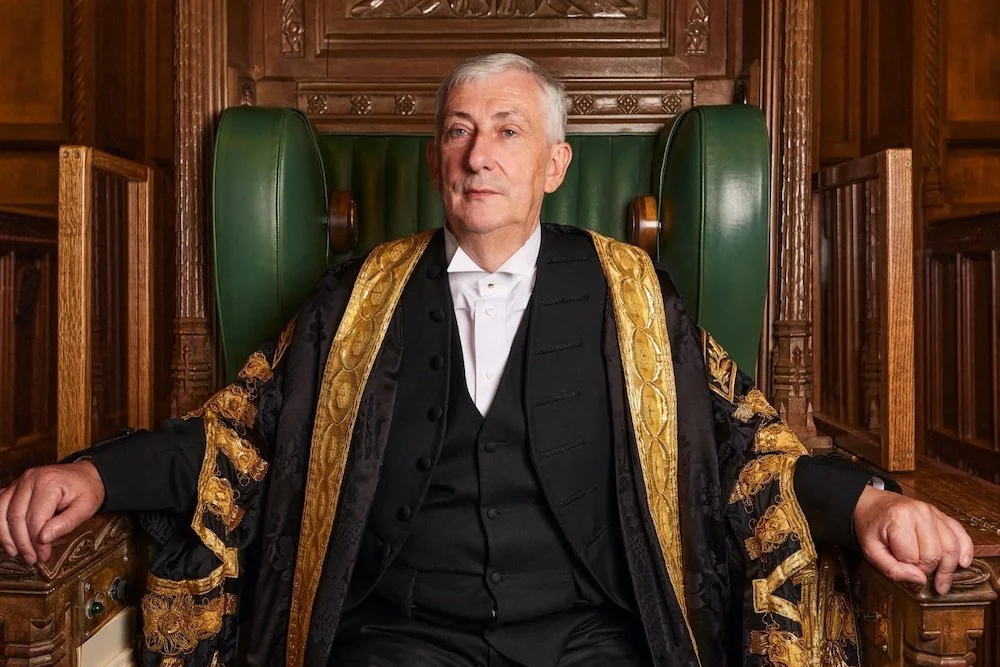
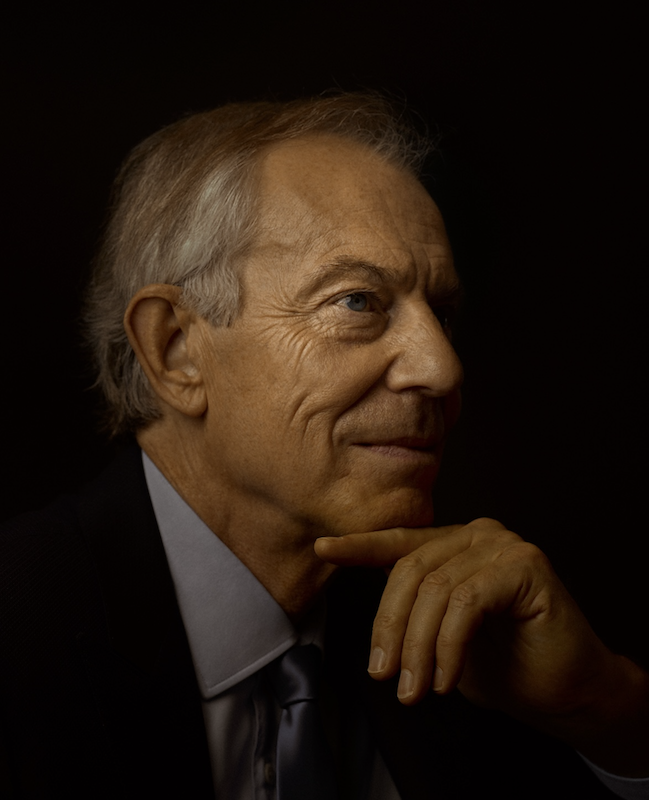
Cinematic lighting is the language film has used for a hundred years to communicate that something matters. The leading man stands half in shadow because shadow implies depth. The senator is shot from a low angle because elevation implies authority. These are not visual tricks — they are the same compositional decisions painters were making in the seventeenth century. Caravaggio understood, when he painted Cardinals and Generals, that you do not flood a leader with flat light. You build the portrait around the face, you let the rest fall away, and you trust the viewer to find the person.
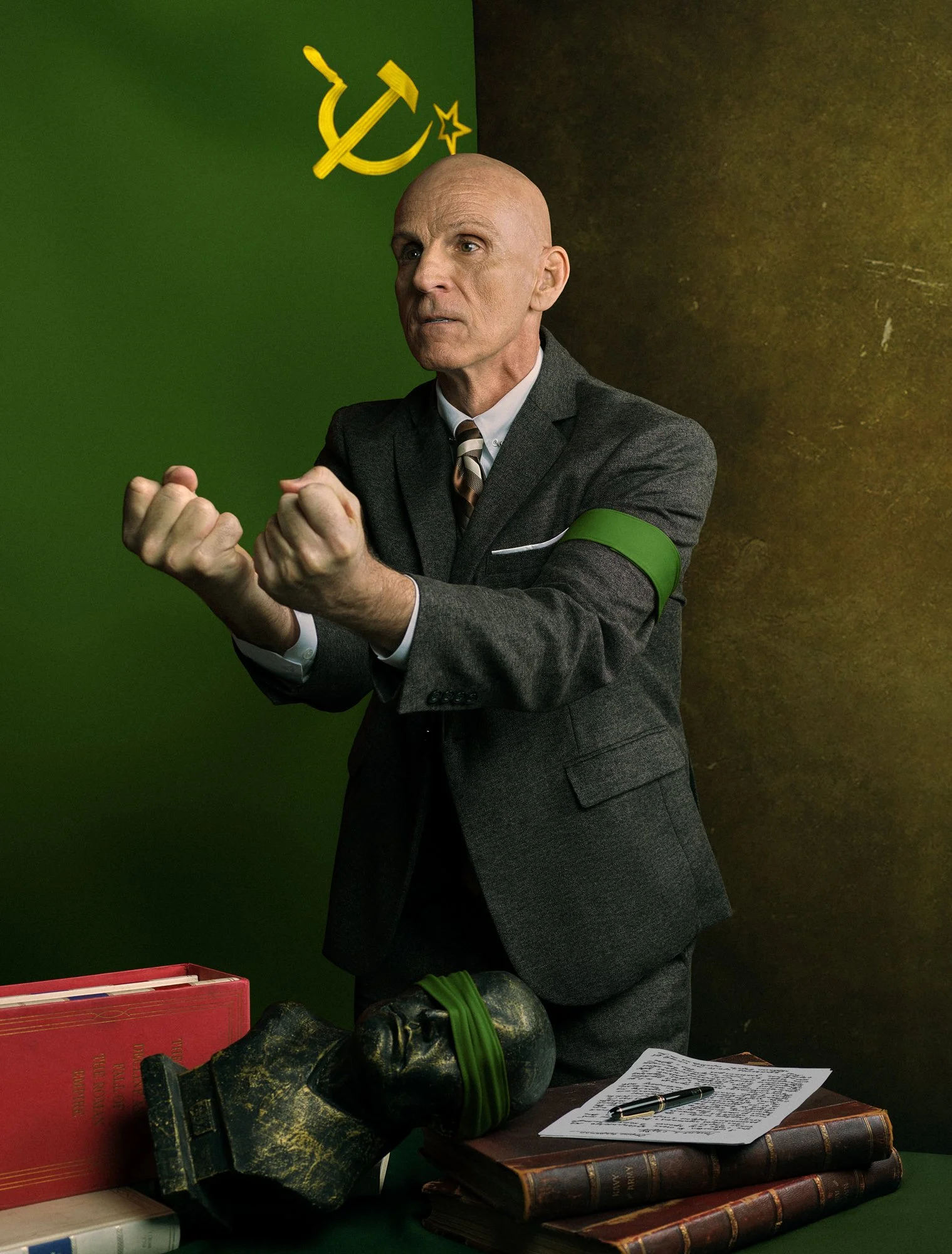
The boardroom portrait can do the same thing. It does not have to look like a TV news interview. It can have a shadow side. It can have a quiet, considered tonal palette. It can sit alongside a Caravaggio in a museum and not flinch — which is the standard I was trained to work towards at King's College London, and the standard the National Portrait Gallery in London applies when it acquires a piece for its collection.
That is the standard I now bring to every C-suite sitting in Los Angeles.
The Discretion Question
There's a part of this work nobody much talks about, but it sits at the centre of every engagement I do for a public-company executive, a fund principal, or a family-office head.

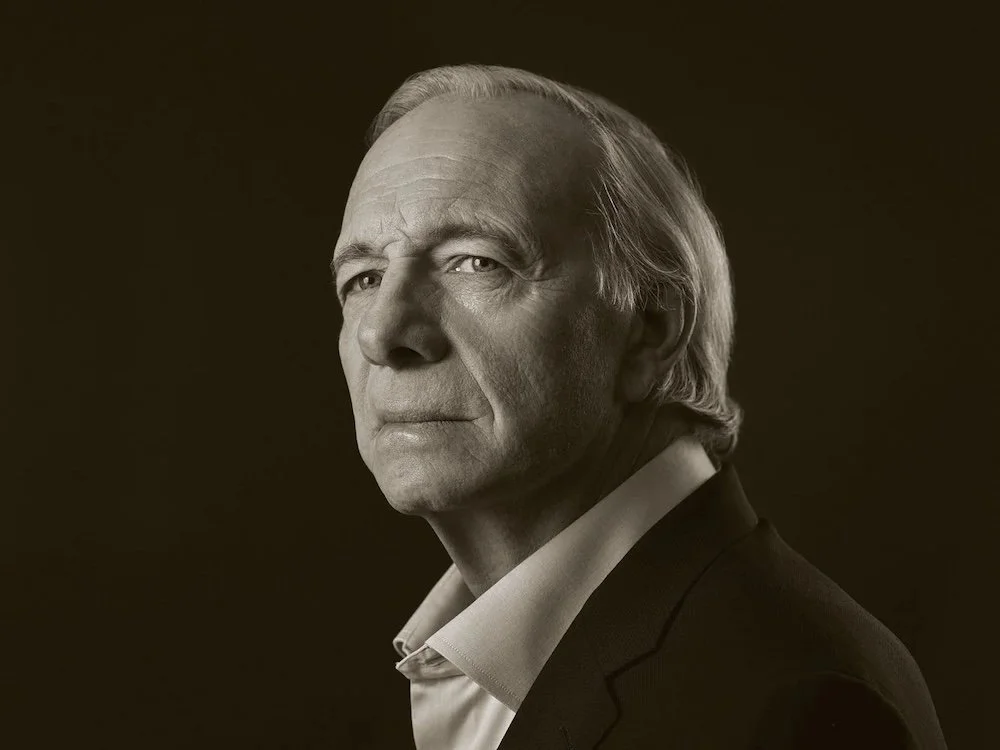
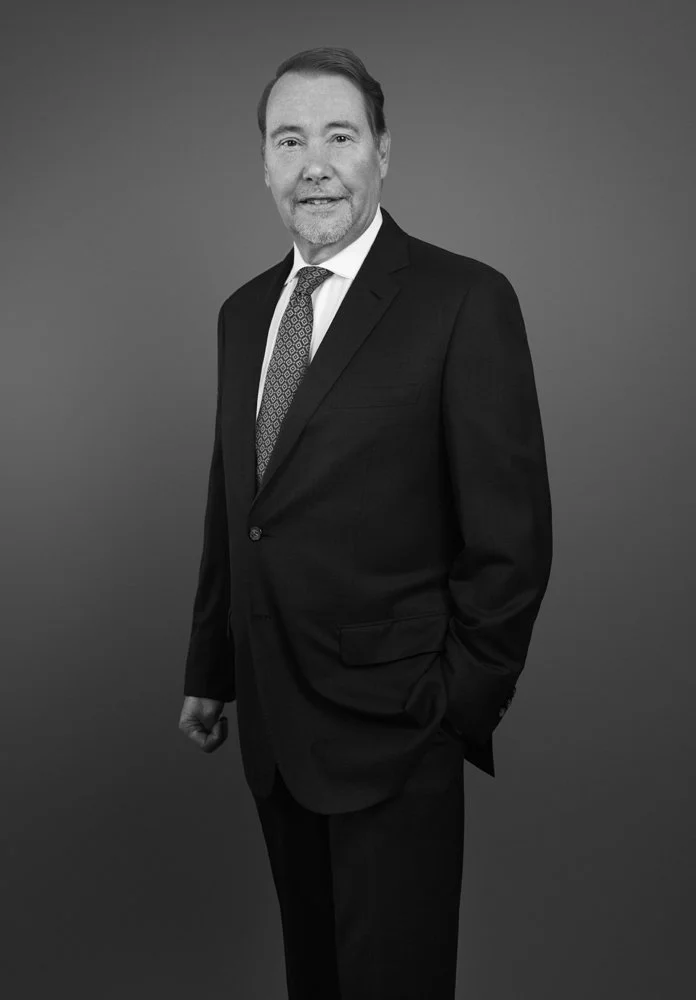
Ray Dalio (The Los Angeles C-Suite Portrait: Why Boardroom Photography in LA Has Changed Rory Lewis Photographer)
The work is confidential.
When I sit a CEO whose firm is two months from an S-1, or a managing partner whose name is about to appear on a major restructuring, the proofs that come out of that session are not material I post on Instagram for engagement. The studio signs the firm's NDA before the pre-session call. Nothing leaves the studio without written sign-off. The behind-the-scenes never makes it onto a feed. The frames the executive doesn't choose, nobody else ever sees.
This sounds obvious when I write it down. It is, in practice, one of the most under-delivered parts of the corporate photography market — and one of the most repeated reasons general counsel teams call me back for a second engagement after a first one with a different photographer didn't honour the line.