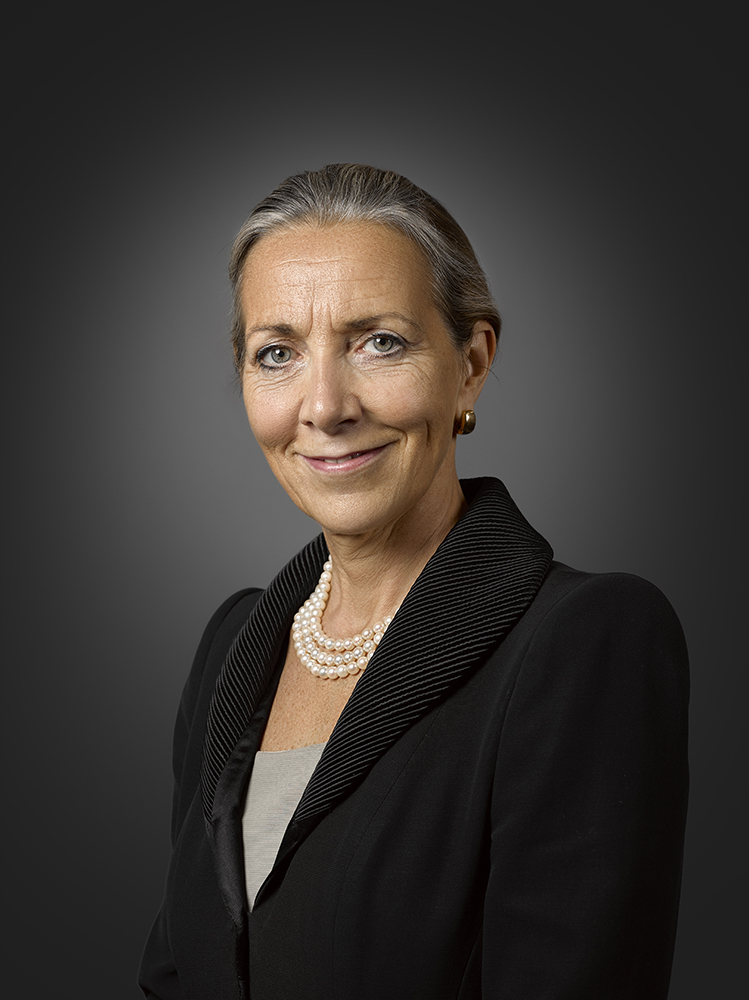
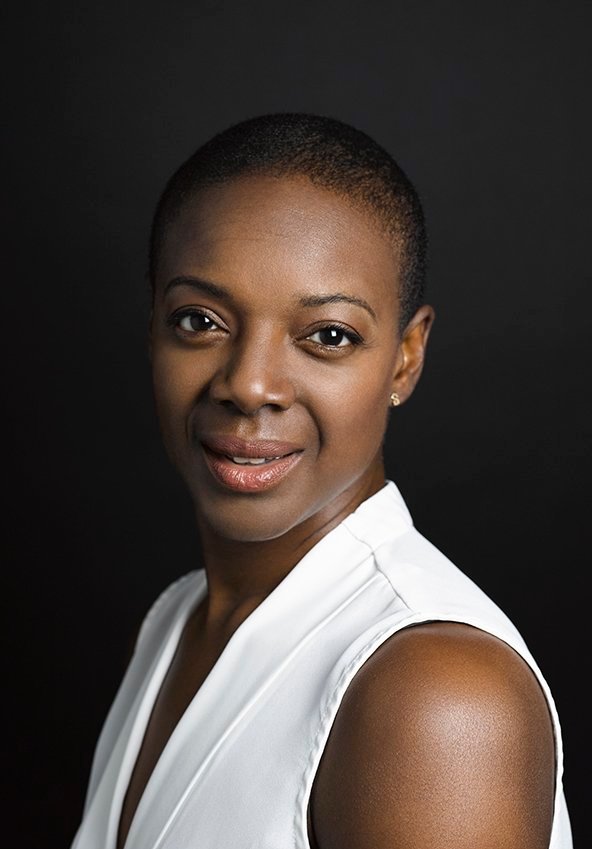
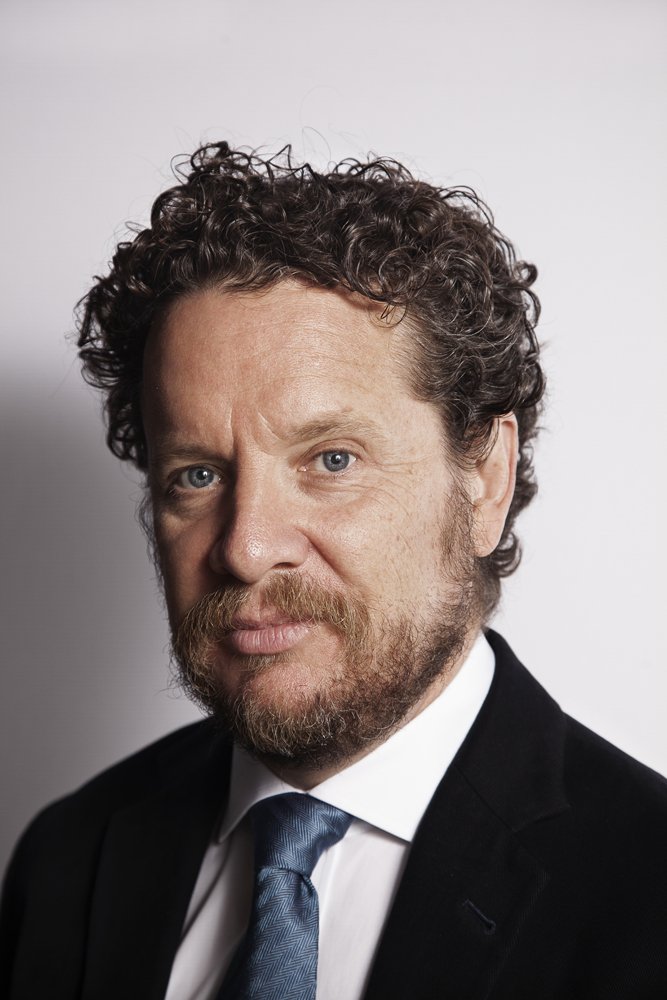
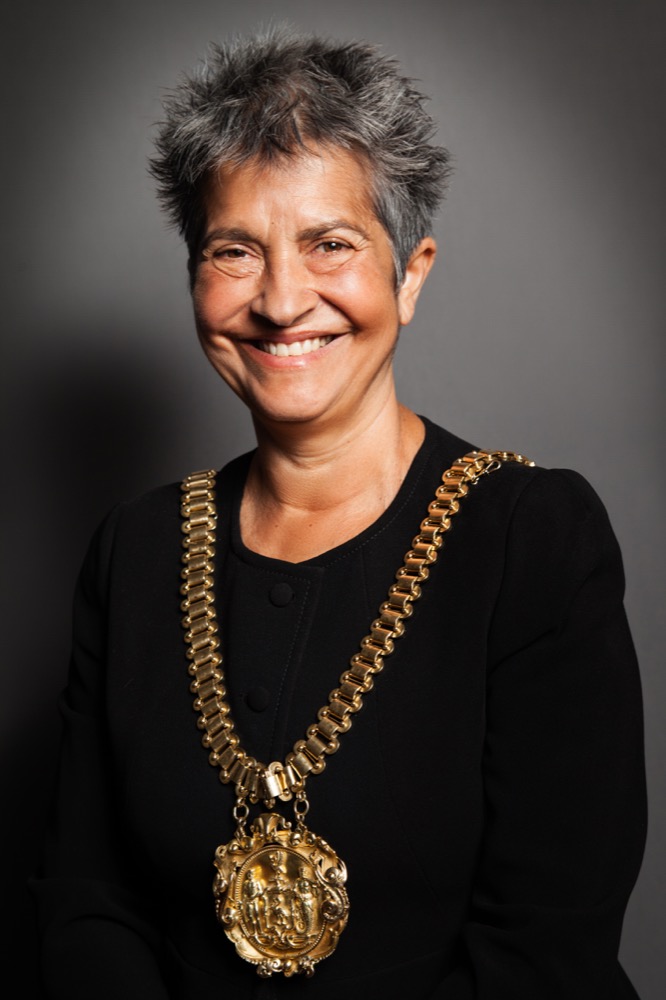
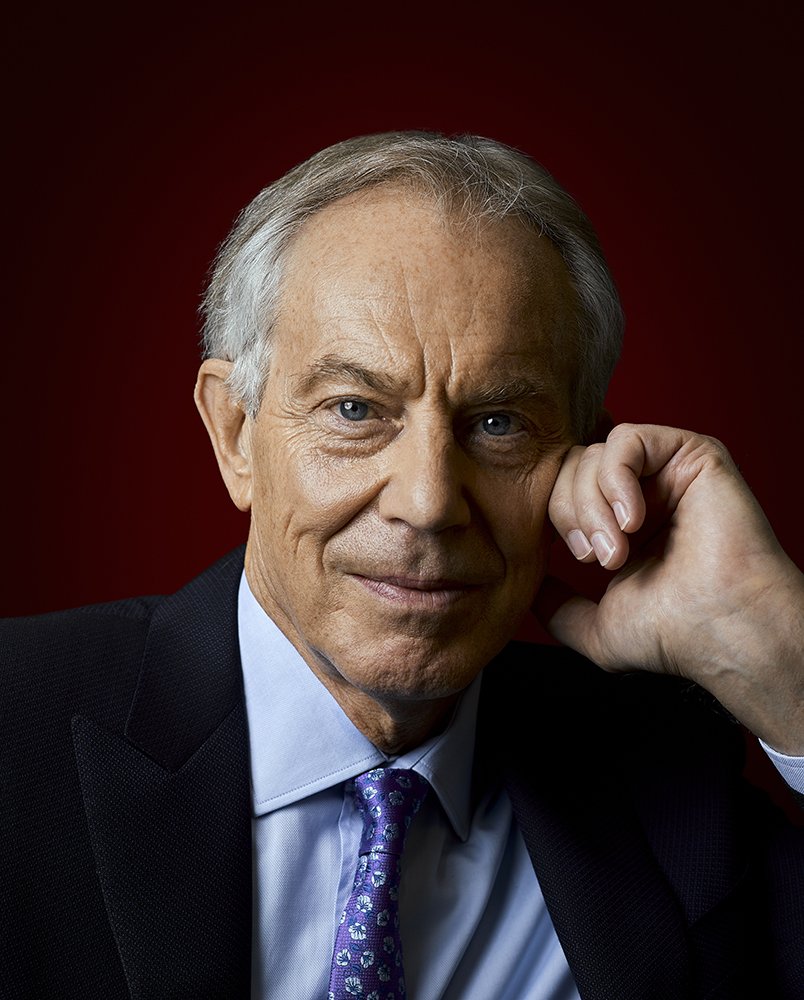
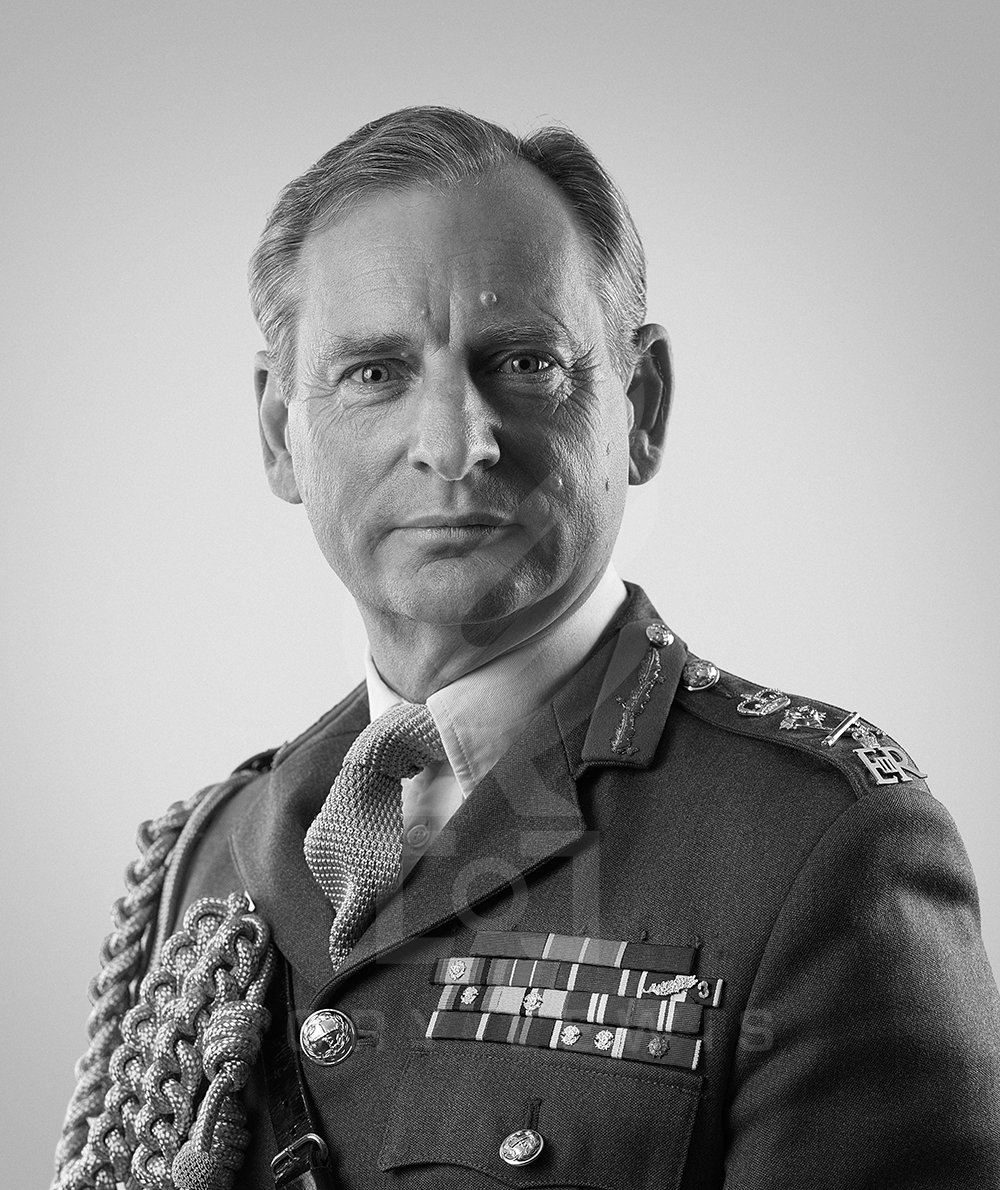
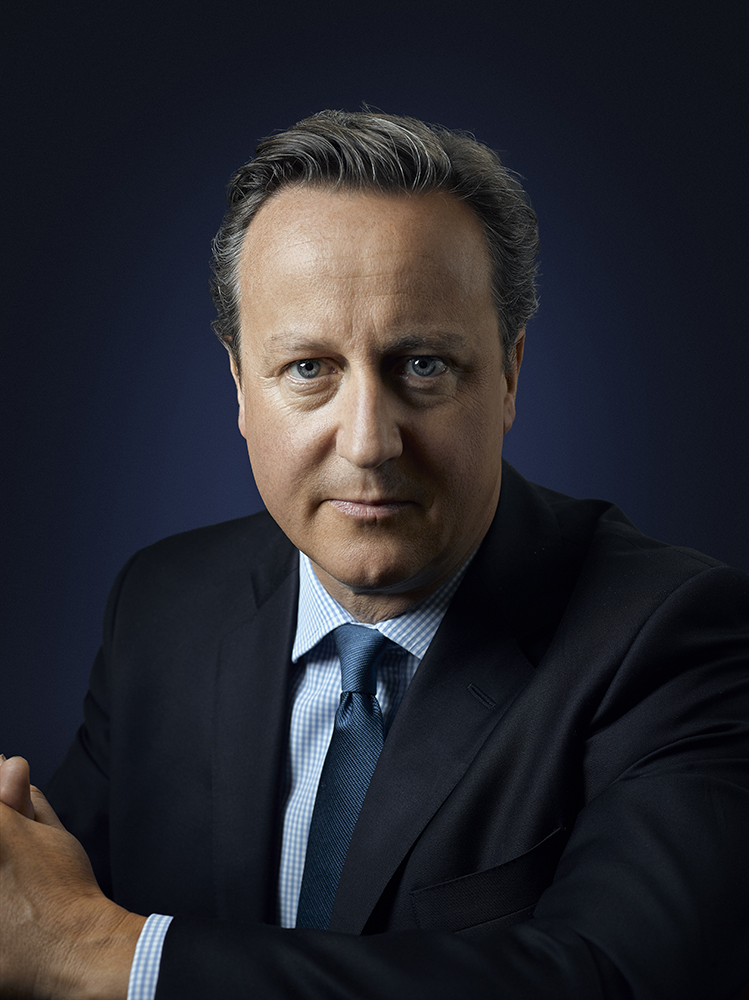
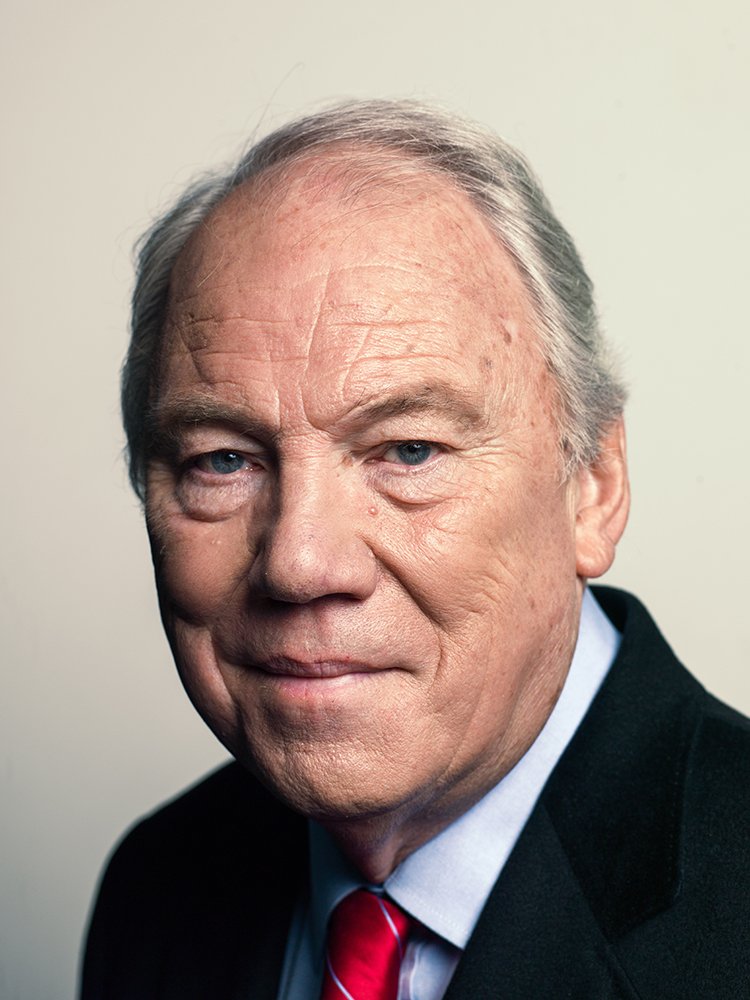
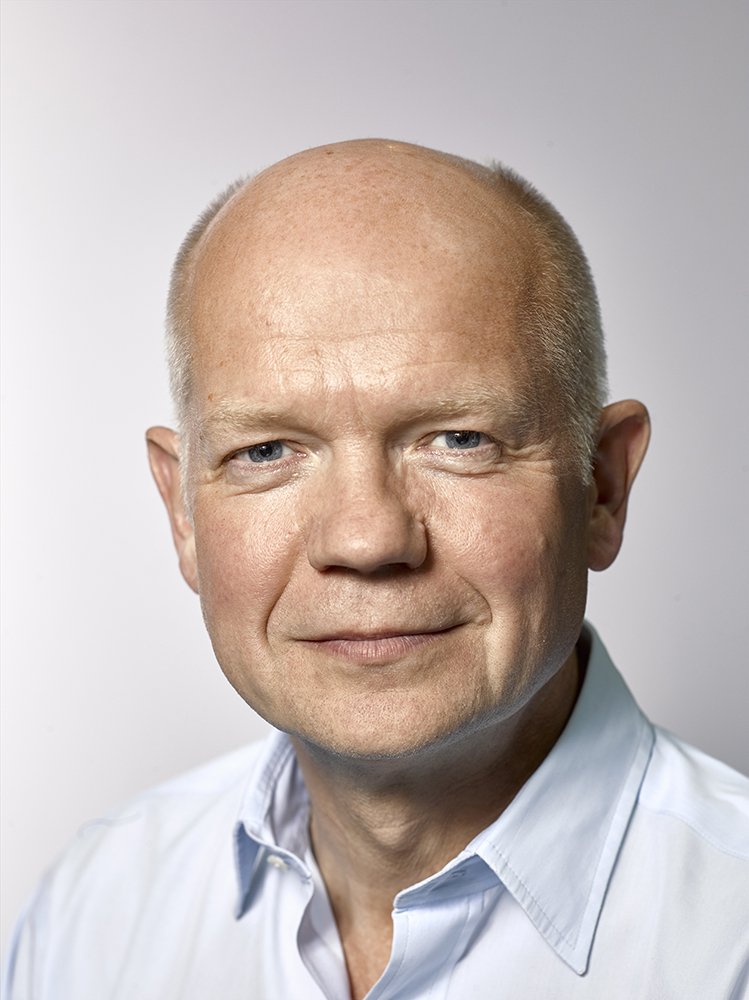
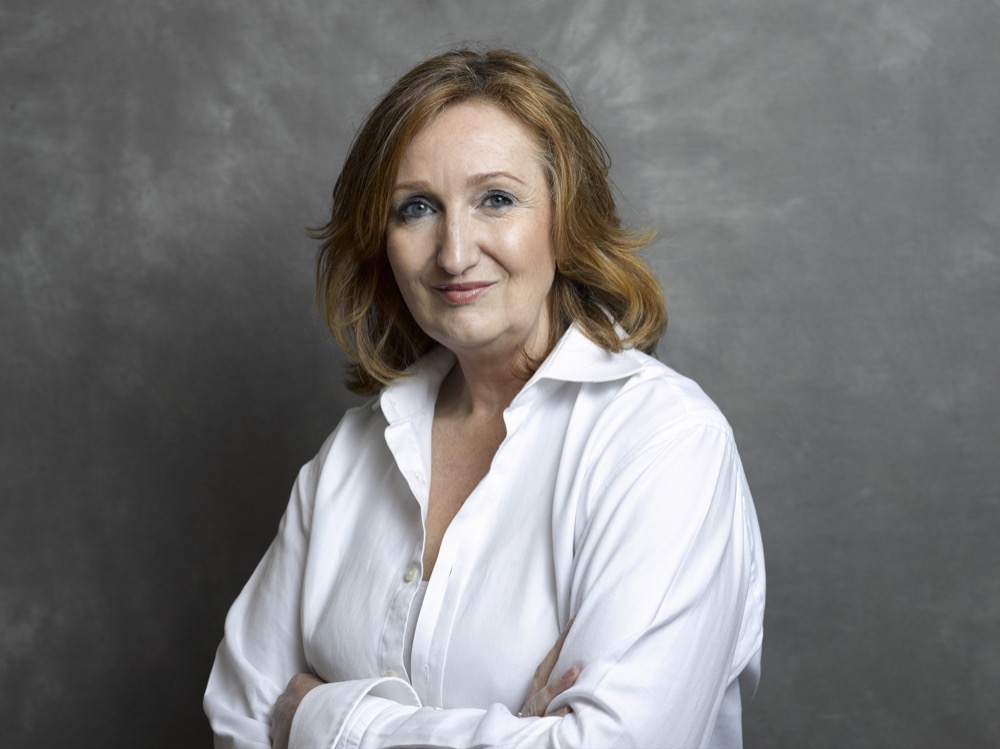
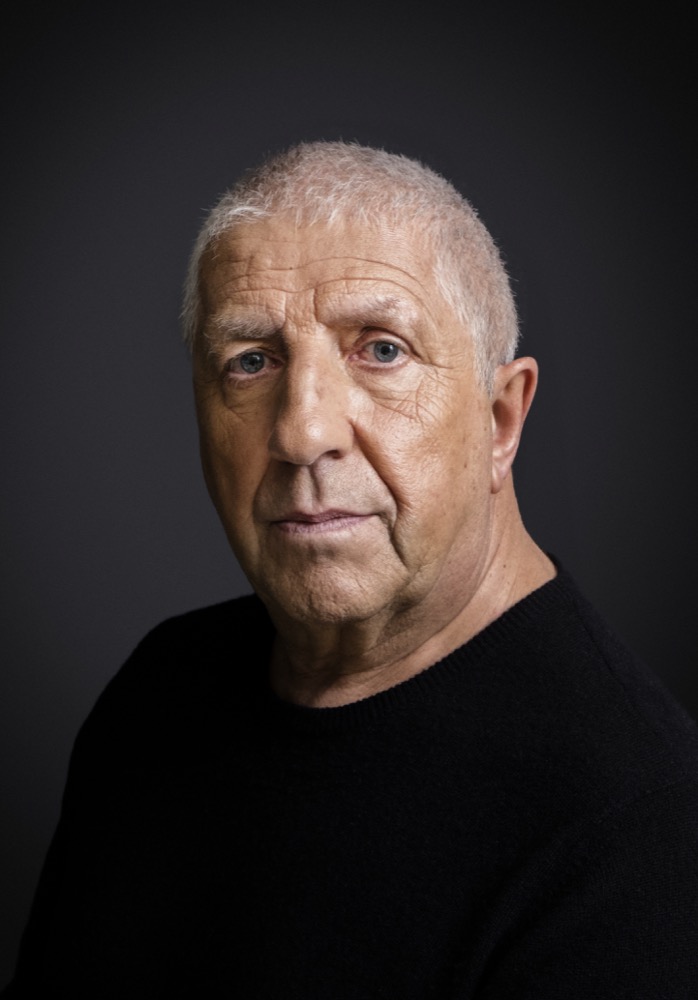
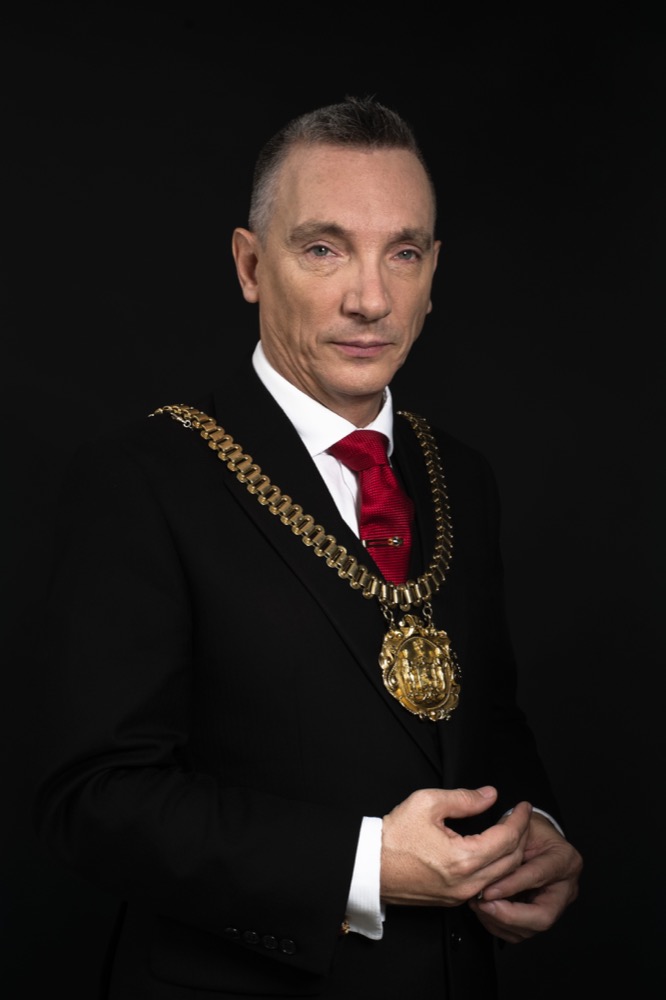
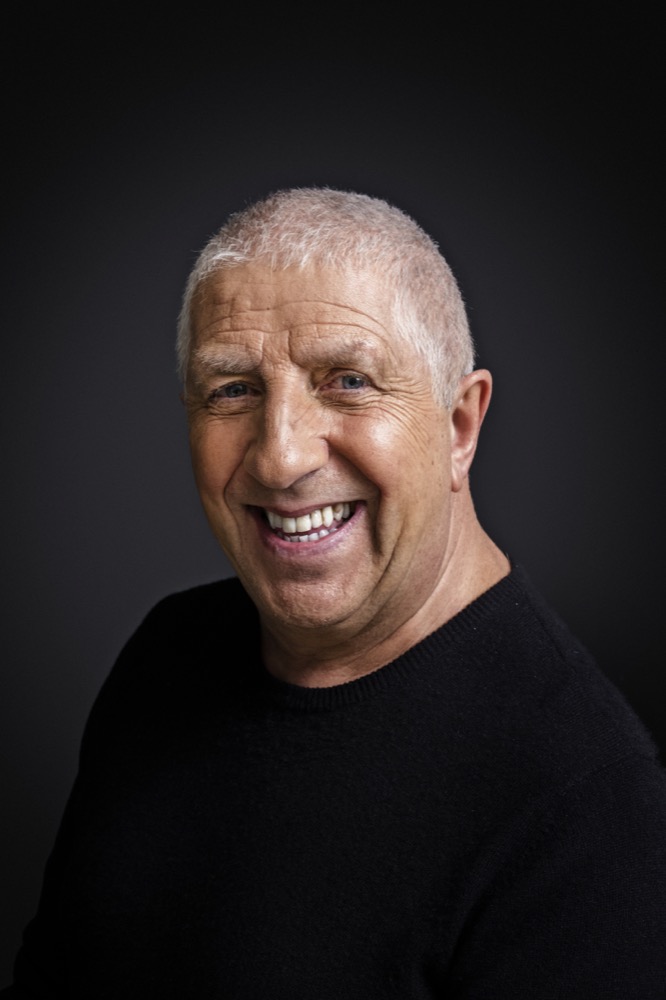
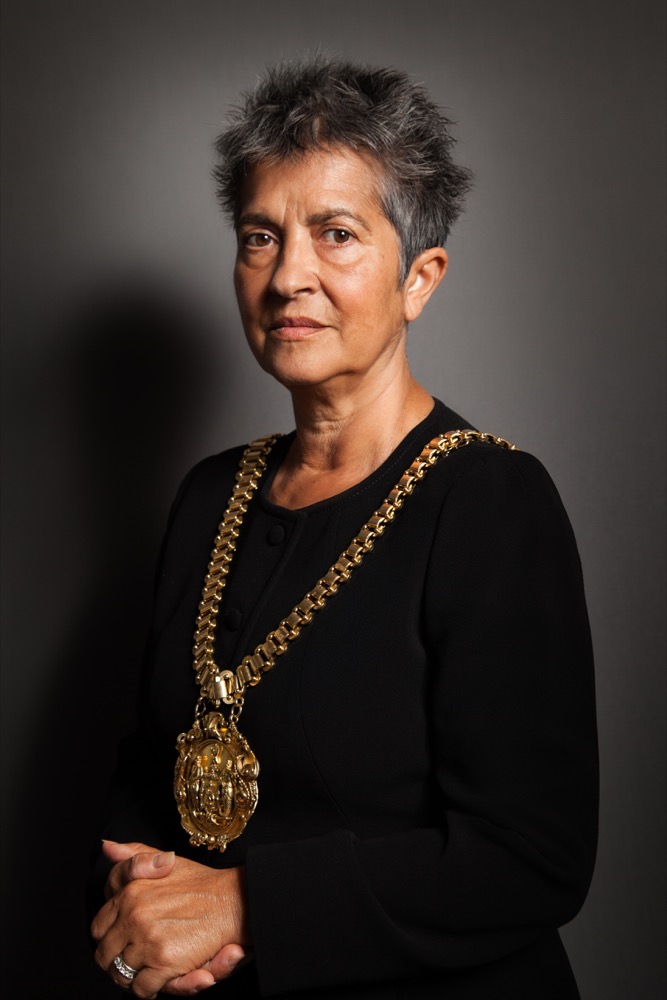
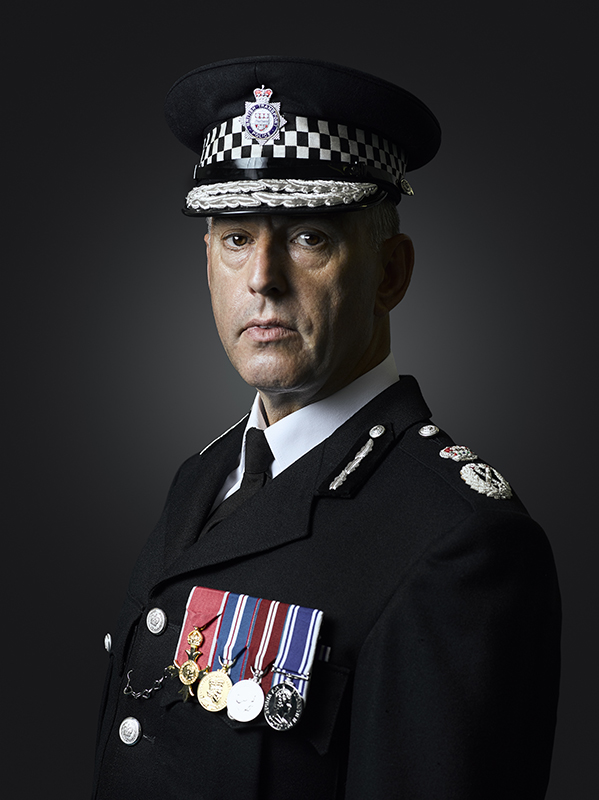
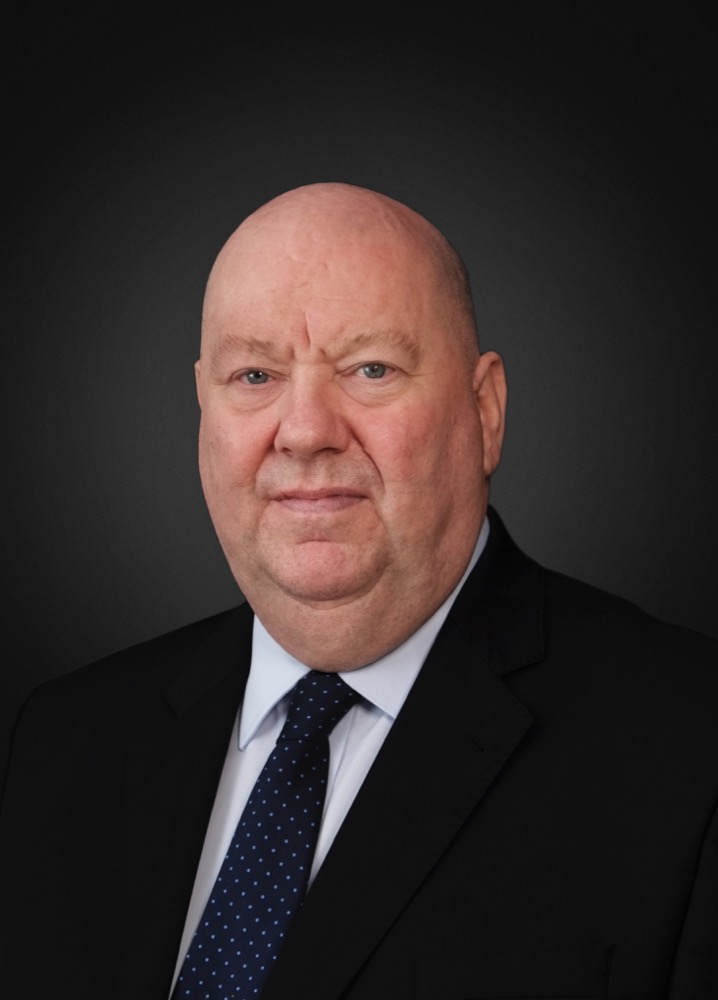
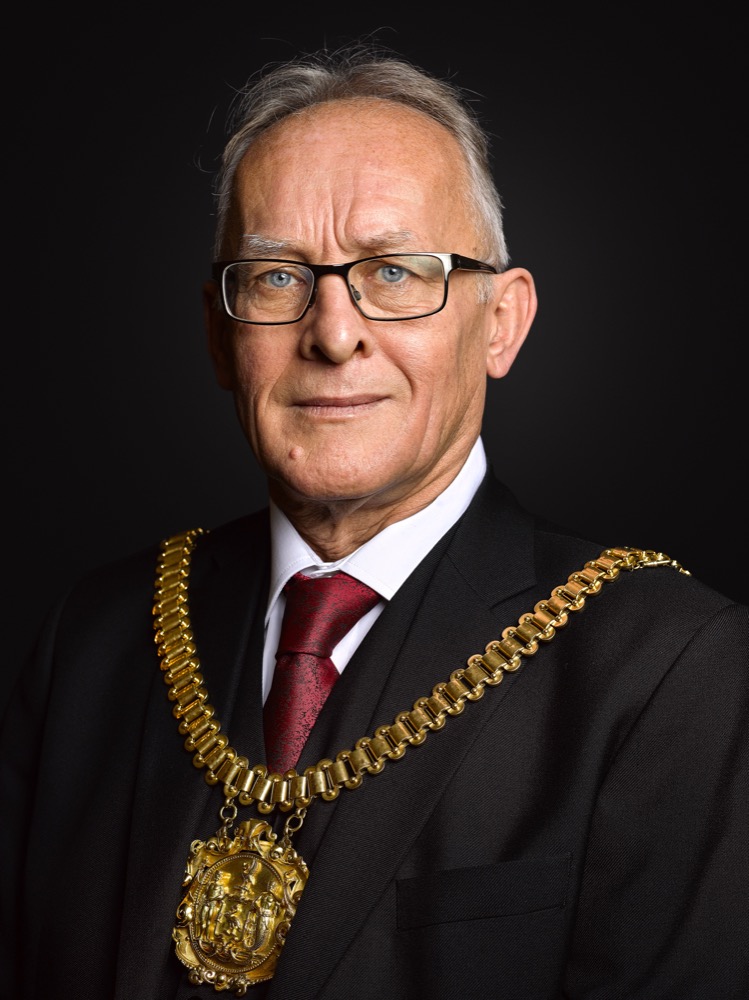
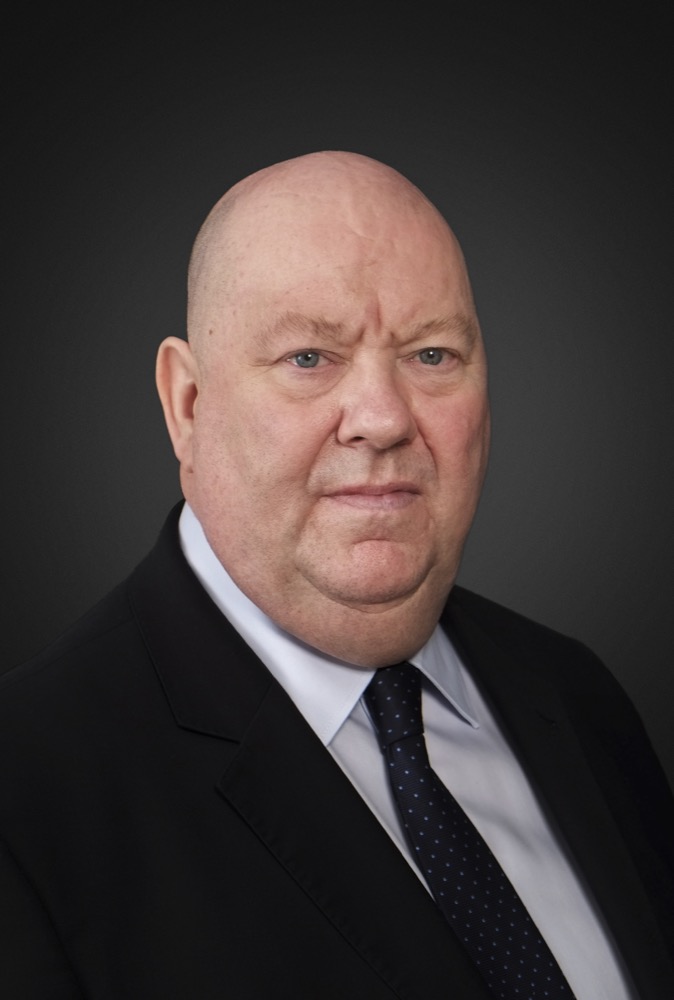
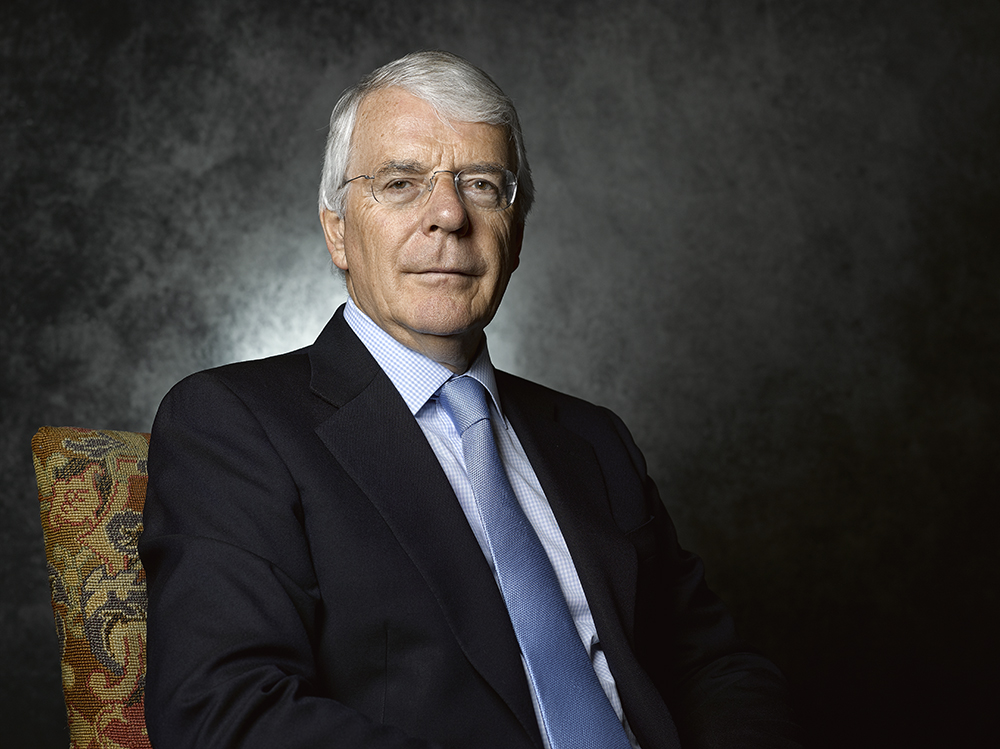
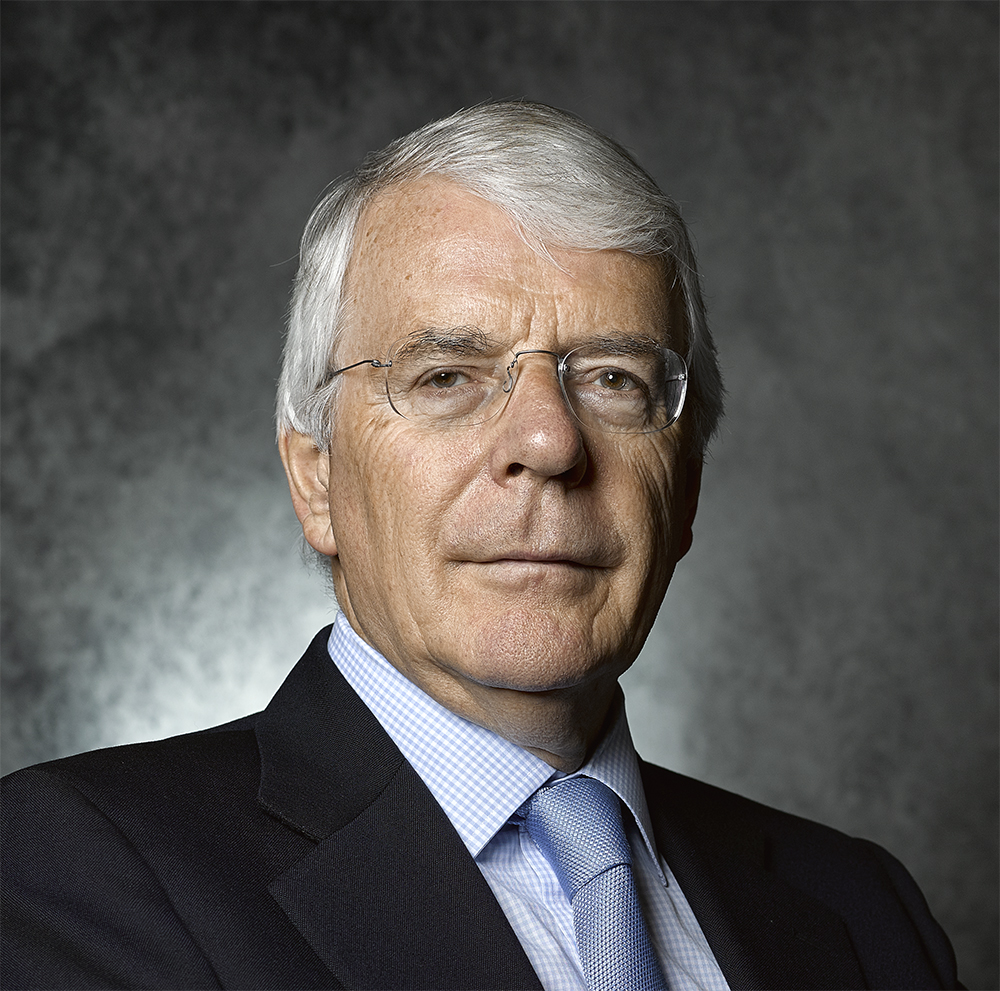
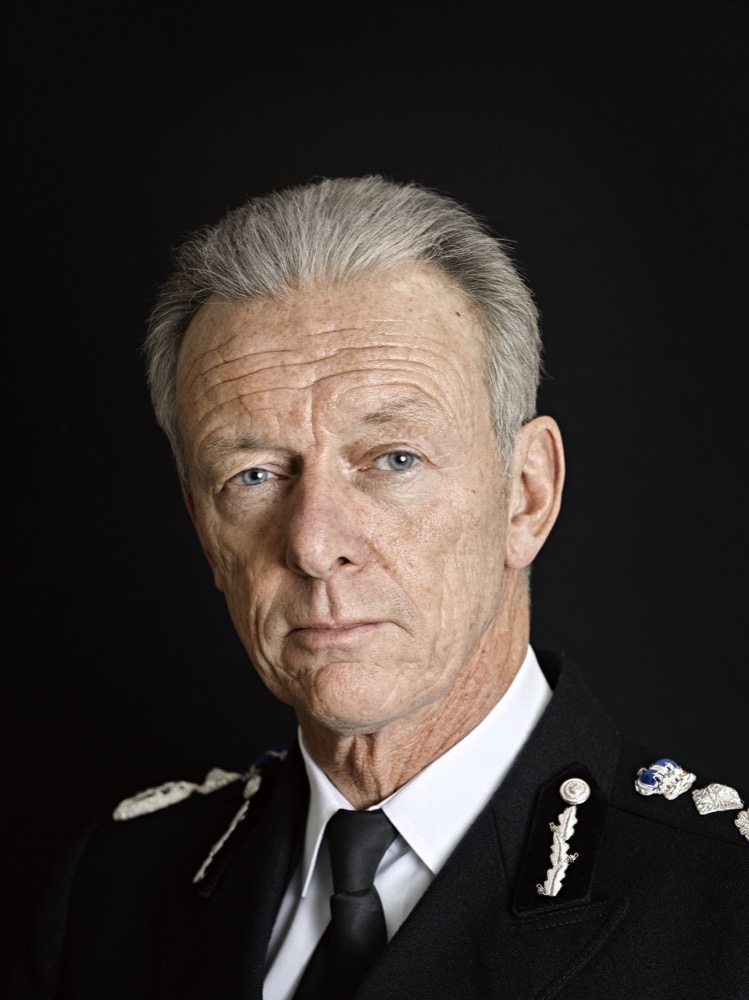
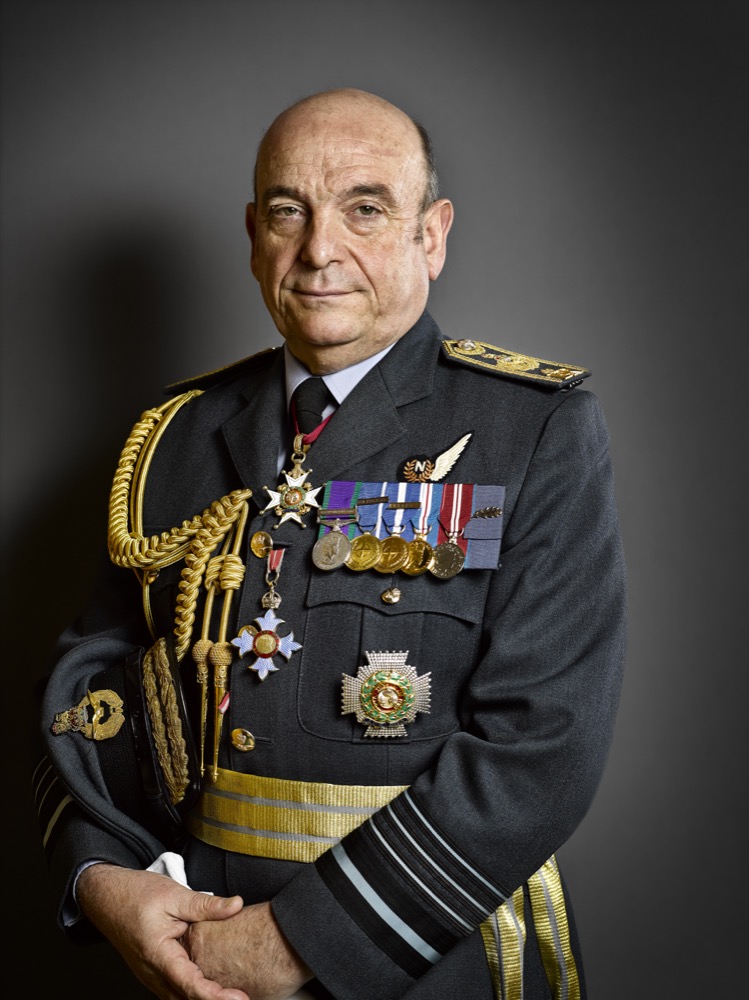
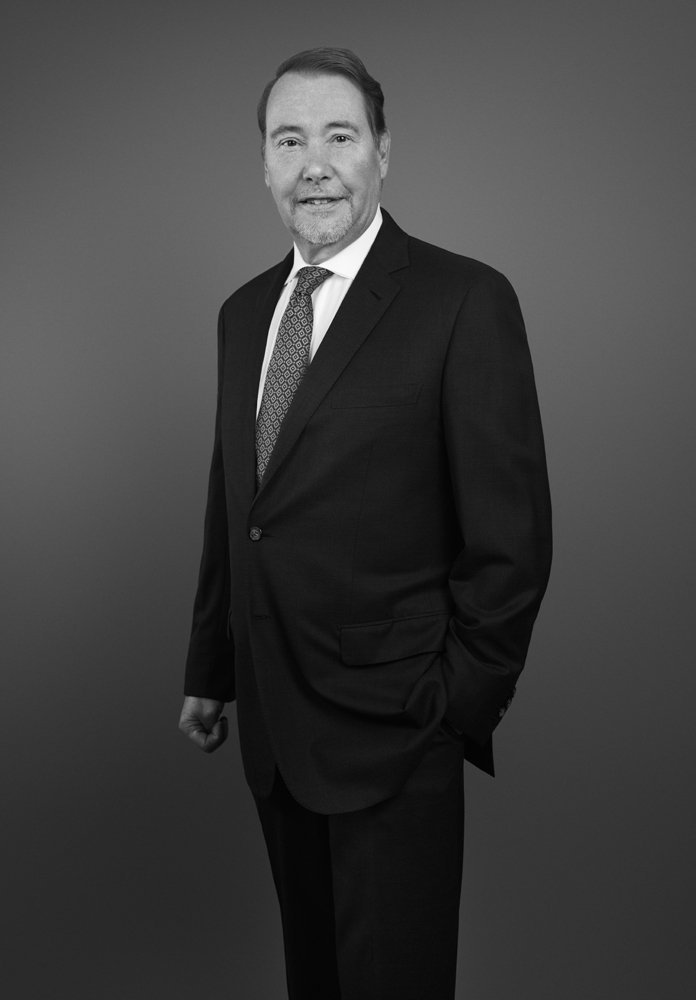
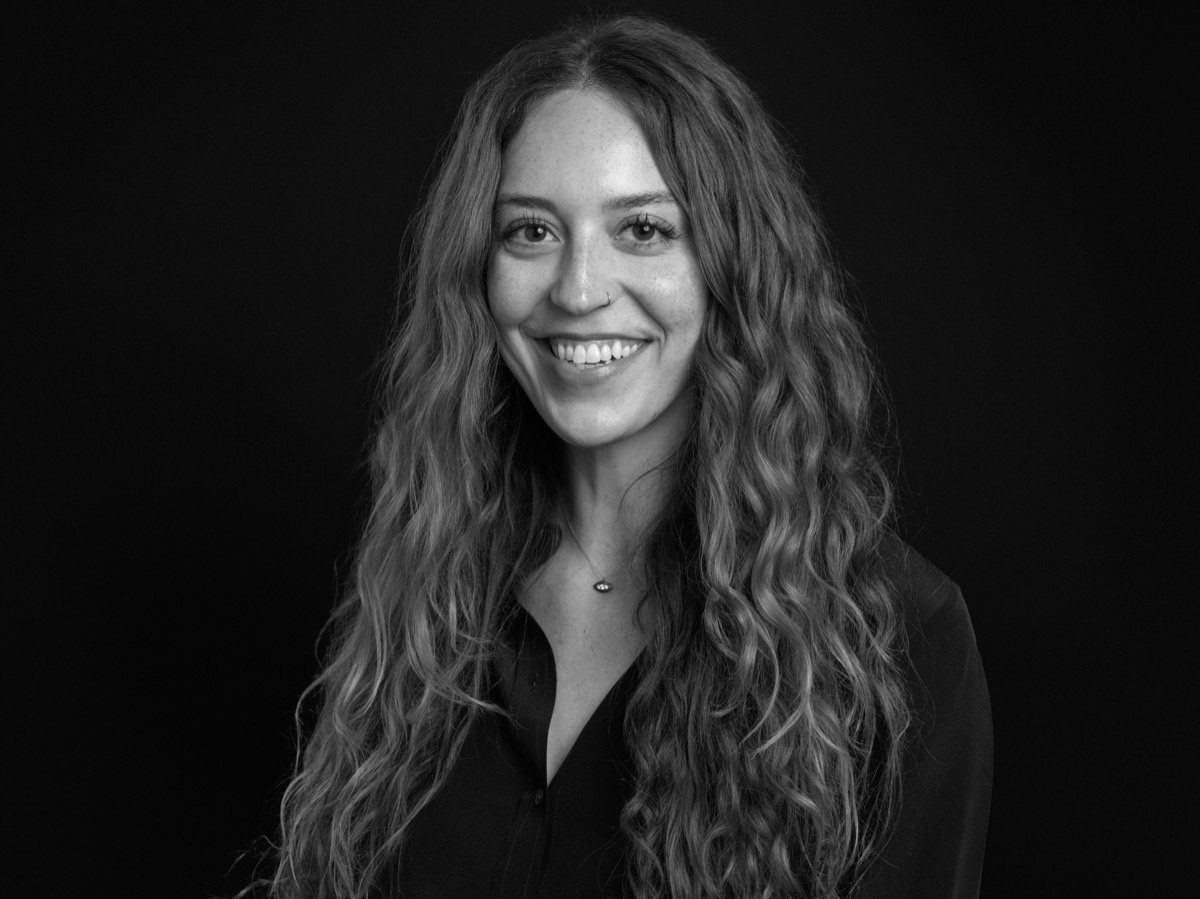
A partner headshot day for a firm of fifteen to forty takes one day on site and about ten working days to deliver.The variables that decide whether it goes well are all settled before anyone picks up a camera: the room, the schedule, and the wardrobe email. Here is how to get each right.
Six weeks out — pick the room, not the date
The most common mistake is booking the date first and finding the room second. What is needed is a space roughly five metres by four with a ceiling above two and a half metres, a door that closes, and mains power. A boardroom is usually perfect. A reception area never is.
I light entirely with studio heads, so the room does not need windows and it does not matter what the weather does. That is the point of working this way: February in the City looks identical to June, and the partner photographed in the morning matches the one photographed at four.
Four weeks out — build the schedule in blocks
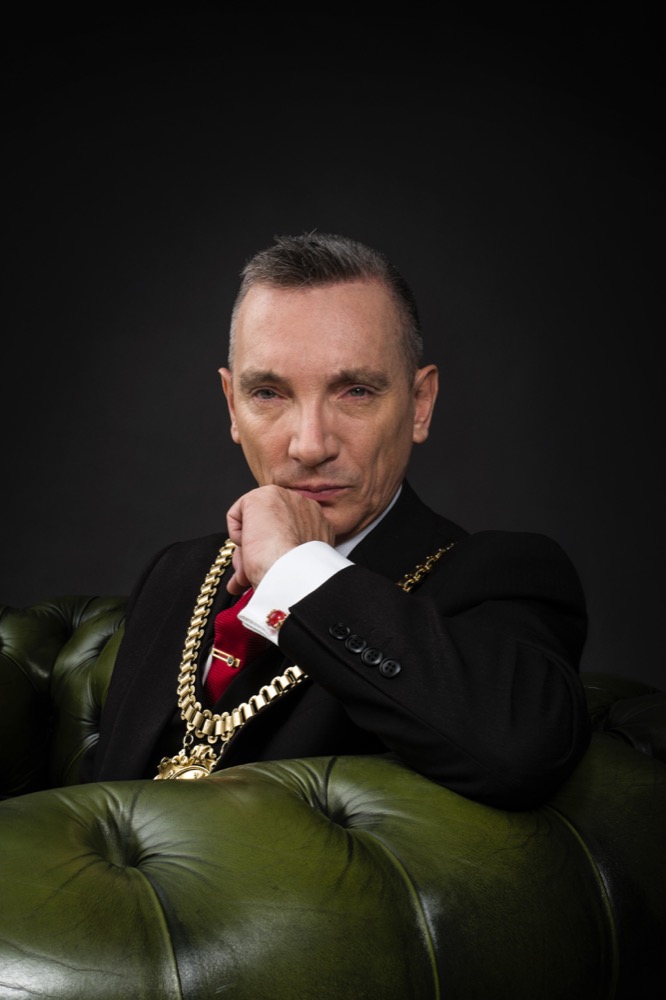
Allow fifteen minutes per person for a standard partner portrait, and thirty for anyone whose image will carry the firm — managing partner, chairman, practice heads whose faces go on pitch documents.
Do not schedule continuously. Build in a fifteen-minute gap every two hours; someone will be in a call that overruns, and without slack that one delay cascades through the afternoon and the last four partners get a rushed portrait. Those four are usually the most senior, because senior people book last.
Send calendar invitations with the individual's time slot in the subject line. A list on a noticeboard is not a schedule.
Three weeks out — the wardrobe email
This single email decides how consistent your leadership page looks. It should say: mid-to-dark tones, minimal pattern, bring two options, jacket if we are a jacket firm. That is enough. There is a fuller guide in the previous post you can forward wholesale.
One week out — the awkward questions
Settle these before the day, because settling them on the day costs time:
Are we photographing everyone, or partners and counsel only?
What happens to portraits of people who leave? (Usage is typically firm-wide and perpetual, but agree it.)
Do associates get the same treatment as partners? (They should. Inconsistency shows.)
Who signs off the selects, and how fast can they do it?
That last one is where headshot days actually stall. If sign-off has to reach a managing partner who is in trial, agree a deputy now.
On the day
I arrive ninety minutes before the first sitting to build the set. Each person gets their fifteen minutes and sees their frames on a tethered screen before they leave the room — nobody walks away uncertain about what was taken. Someone from marketing in the room for the first hour is useful; after that it tends to slow things down.
Afterwards
Selects go out as a proofing gallery within three working days. Retouched files follow within ten of sign-off, delivered in web-resolution and print-resolution versions, correctly named to whatever convention your website requires. Ask for that convention up front — renaming forty files afterwards is a genuinely miserable afternoon for whoever inherits it.
One thing worth deciding early
Whether the managing partner sits for the same portrait as everyone else or for something more considered. Most firms want consistency across the partner grid and something distinct for the person who represents the firm publicly. Both are possible in the same day; it simply needs to be decided before the schedule is built rather than discovered at four o'clock.
Law firm commissions in Los Angeles, New York and London are quoted individually. Email RL@rorylewis.studio with your firm size and preferred window.