The Essence of Leadership: General Sir James Everard and the Call for 'Total Defence' (Rory Lewis Photographer)
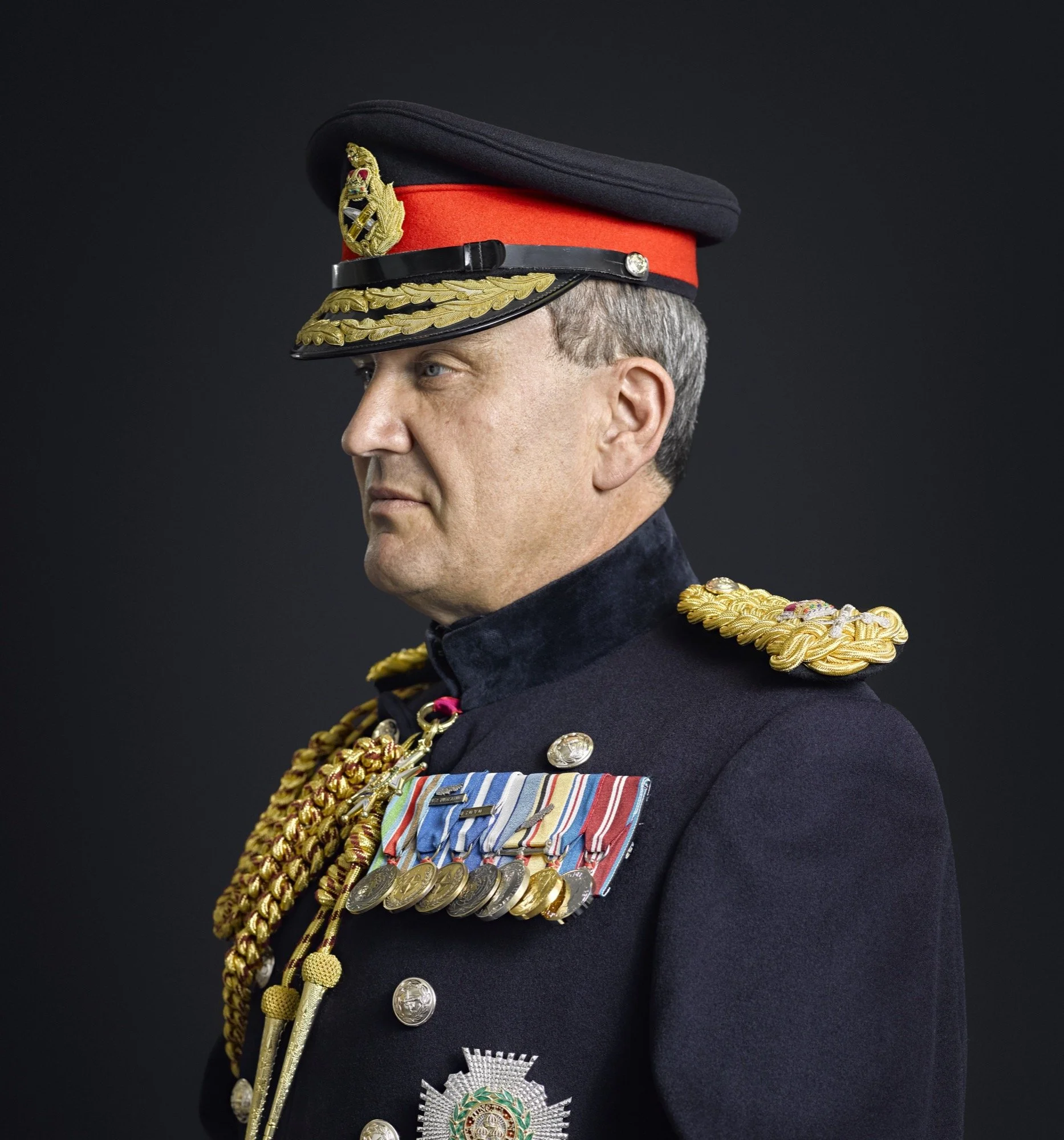
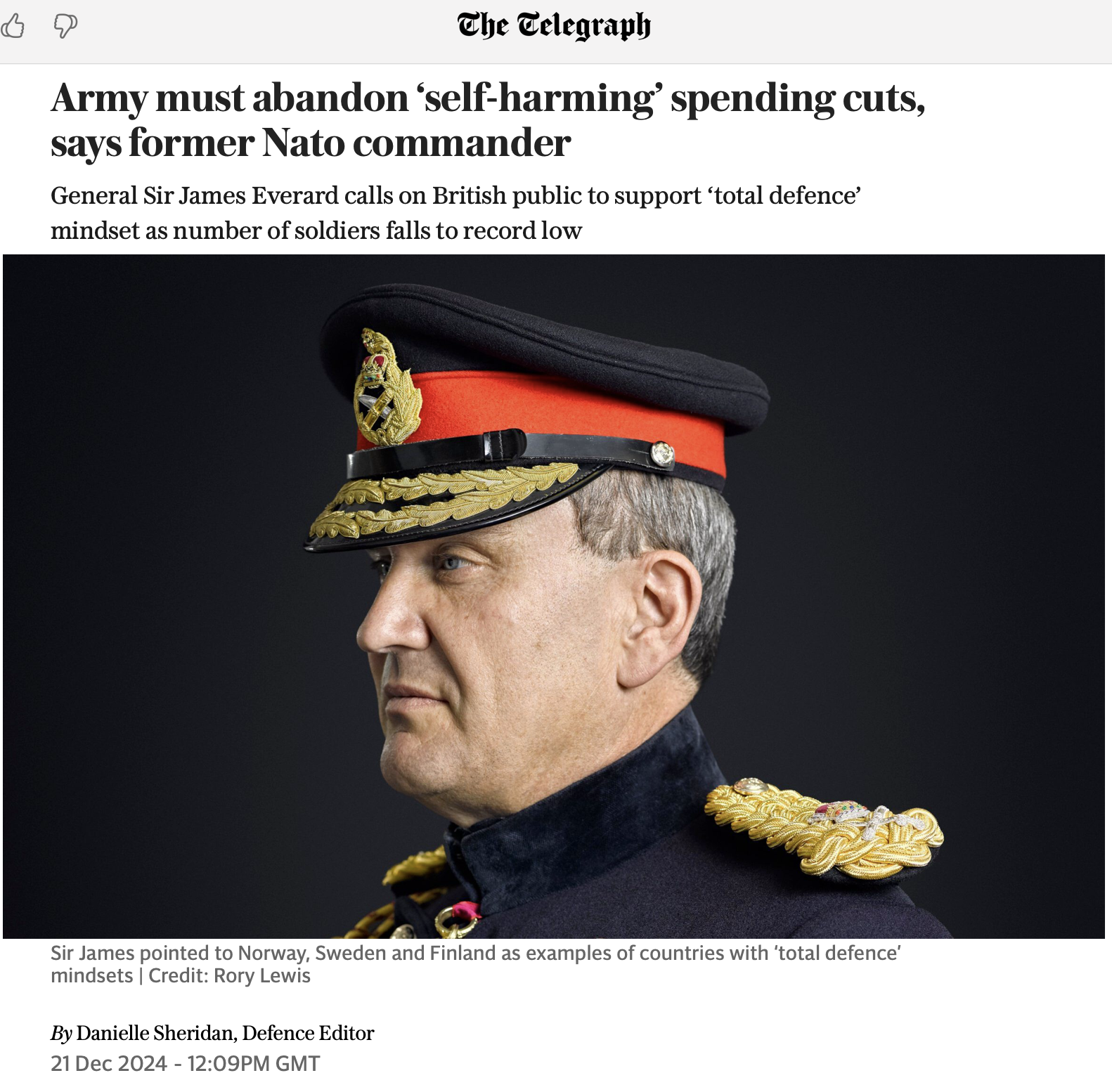
Portraiture, at its best, does more than record a likeness—it preserves leadership, responsibility, and history. In this portrait of General Sir James Everard, recently featured in The Telegraph, the aim was to convey not only authority, but the gravity of command carried by one of Britain’s most experienced senior officers.
A veteran of operations in Bosnia, Kosovo, Iraq, and Afghanistan, Sir James has devoted his career to the defence of the realm. His service—and his voice—speak to the realities facing the British Army today, particularly at a time when numbers have fallen to their lowest since the Napoleonic era.
In his Telegraph interview, Sir James warns against what he describes as “self-harming” cost-cutting measures that erode national security. He calls instead for a renewed commitment to total defence—a model embraced by nations such as Norway, Sweden, and Finland—where civilians are prepared to play an active role in national resilience.
The message is unambiguous: defence is not solely the responsibility of those in uniform. It is a collective endeavour. As Sir James reminds us, “If you want peace, prepare for war,” advocating for stronger regular and reserve forces as a credible alternative to conscription.
The Essence of Leadership: General Sir James Everard and the Call for 'Total Defence' (Rory Lewis Photographer)