On Saturday 19 September I am teaching a one-day portrait masterclass in New York, at Centra Studio on 8th Avenue. It runs from ten in the morning until four in the afternoon, models and lighting are provided, and you need bring nothing but a camera and a short lens.
I should say at the outset what this day is not. It is not a lecture with a demonstration bolted on at the end. There is no slide deck. You will spend the majority of the day behind your own camera, working with professional models, building each setup as it is taught and then shooting it properly before we move on. People consistently tell me they learn more in that one day than in months of reading about technique, and I think the reason is simple: lighting is not an idea you can hold in your head. It is a thing you have to see fall on a face.
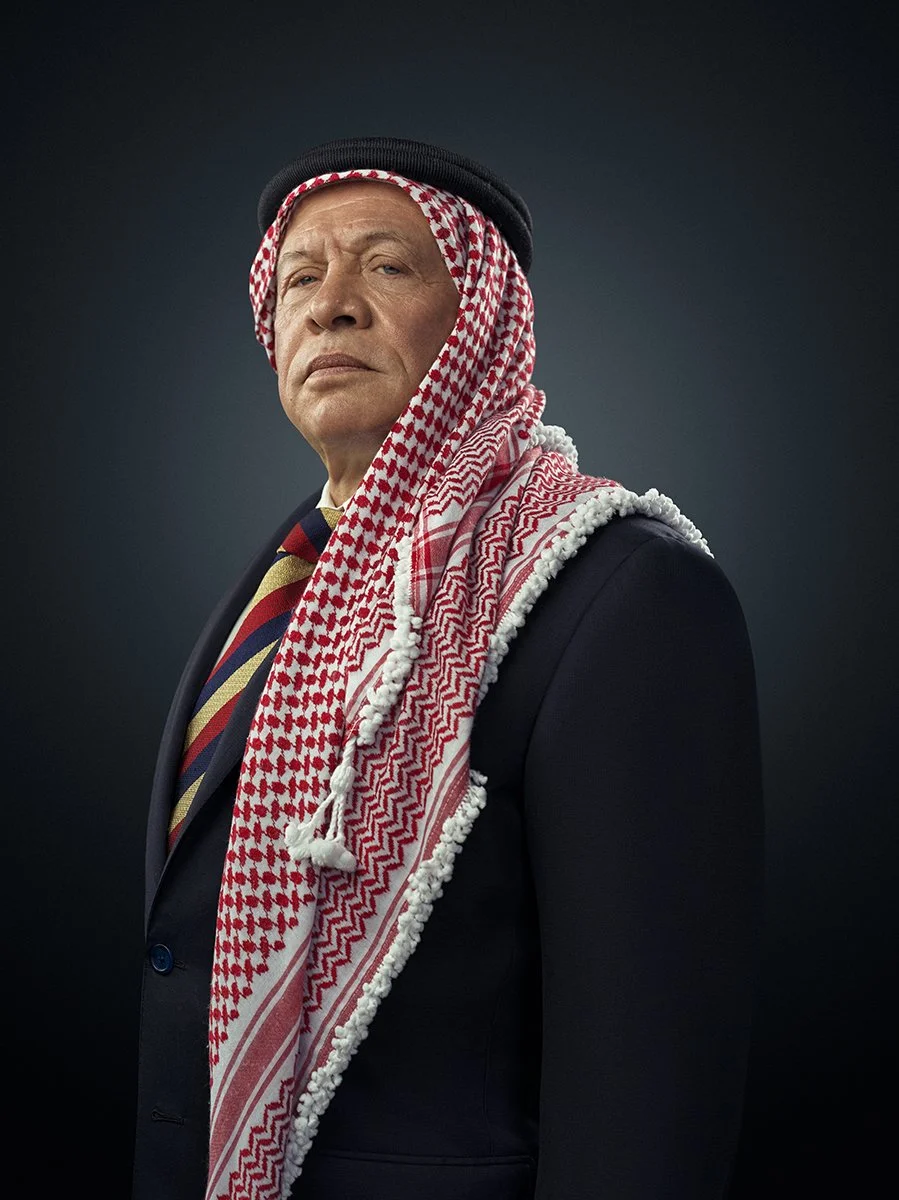
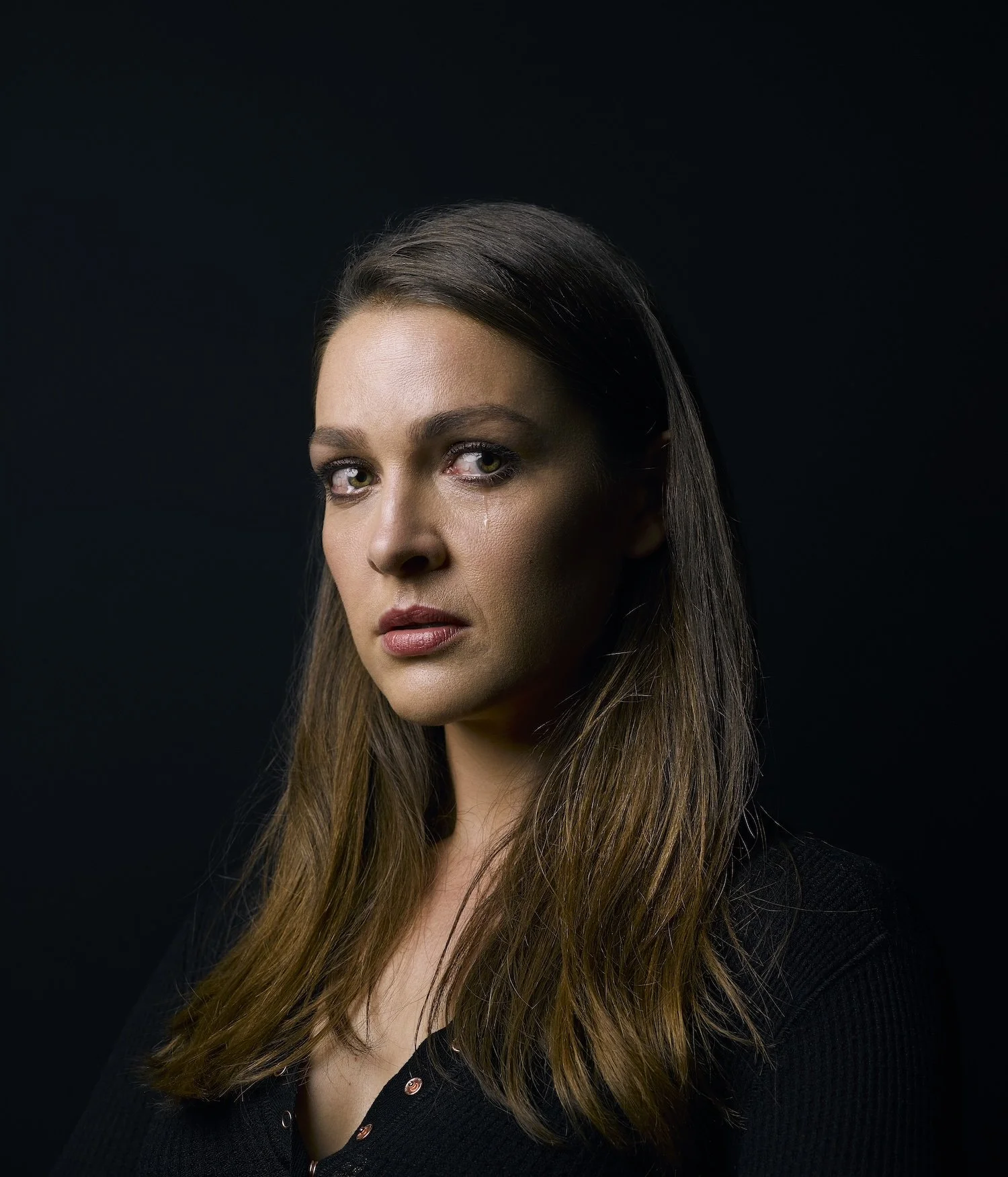
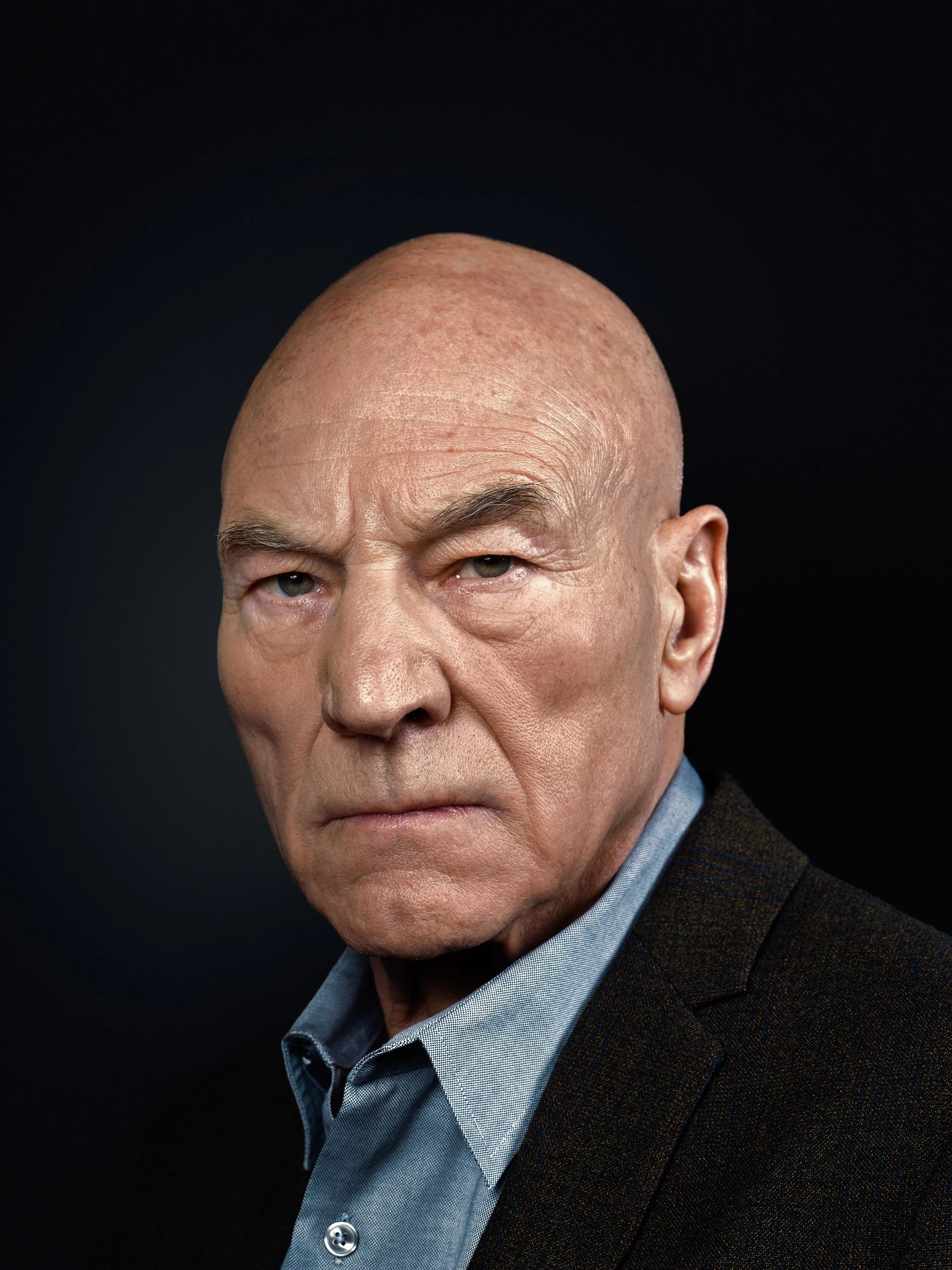
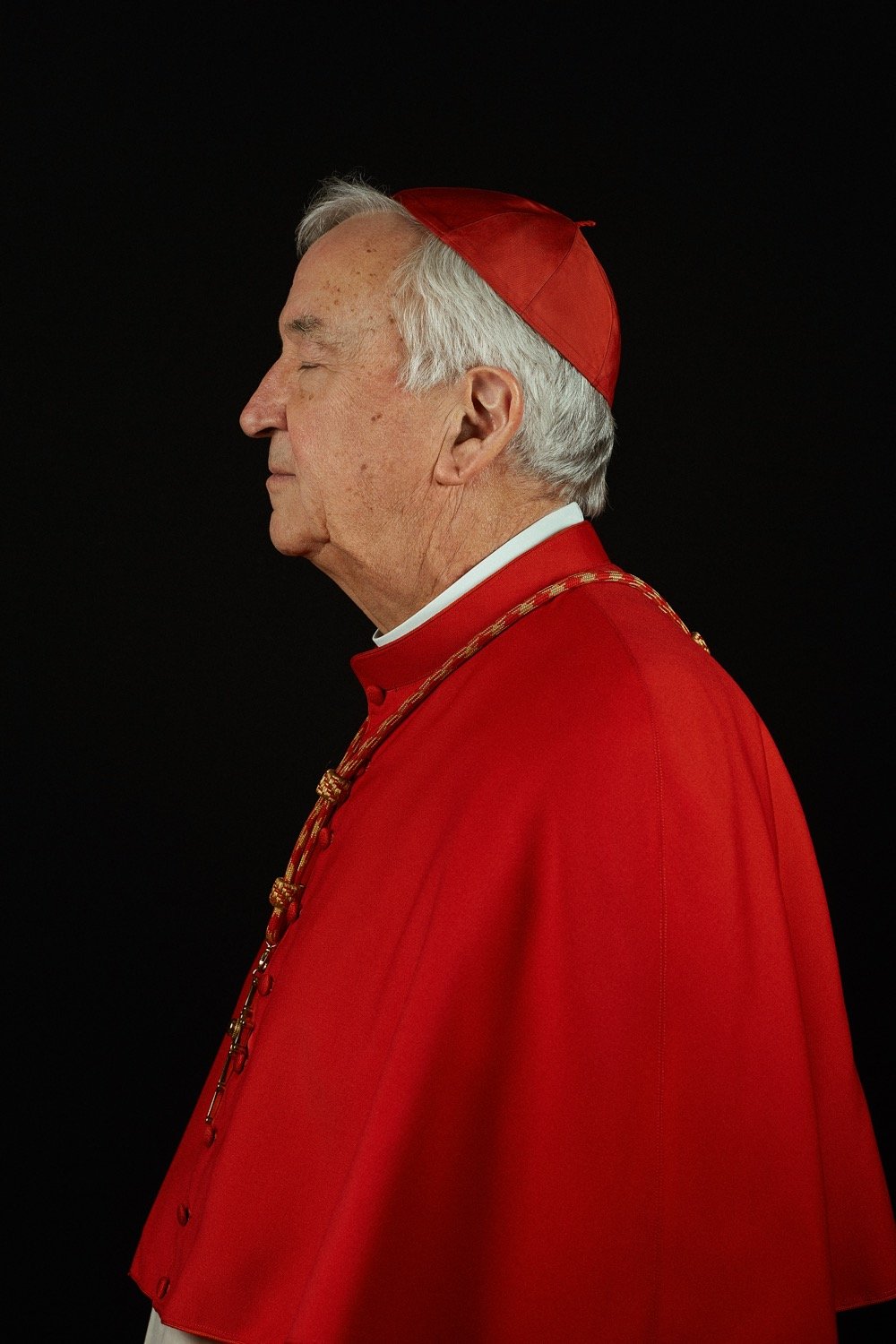

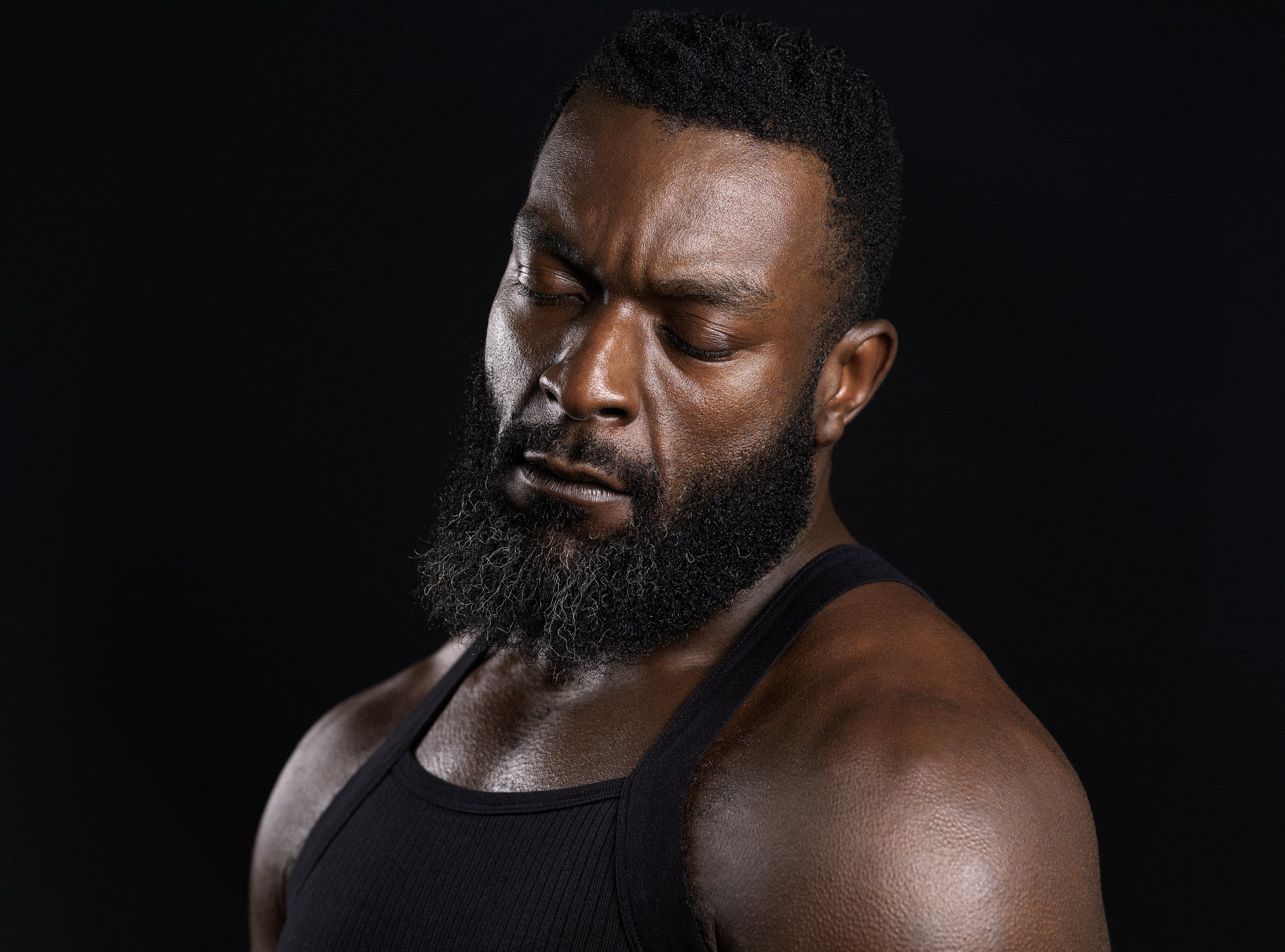
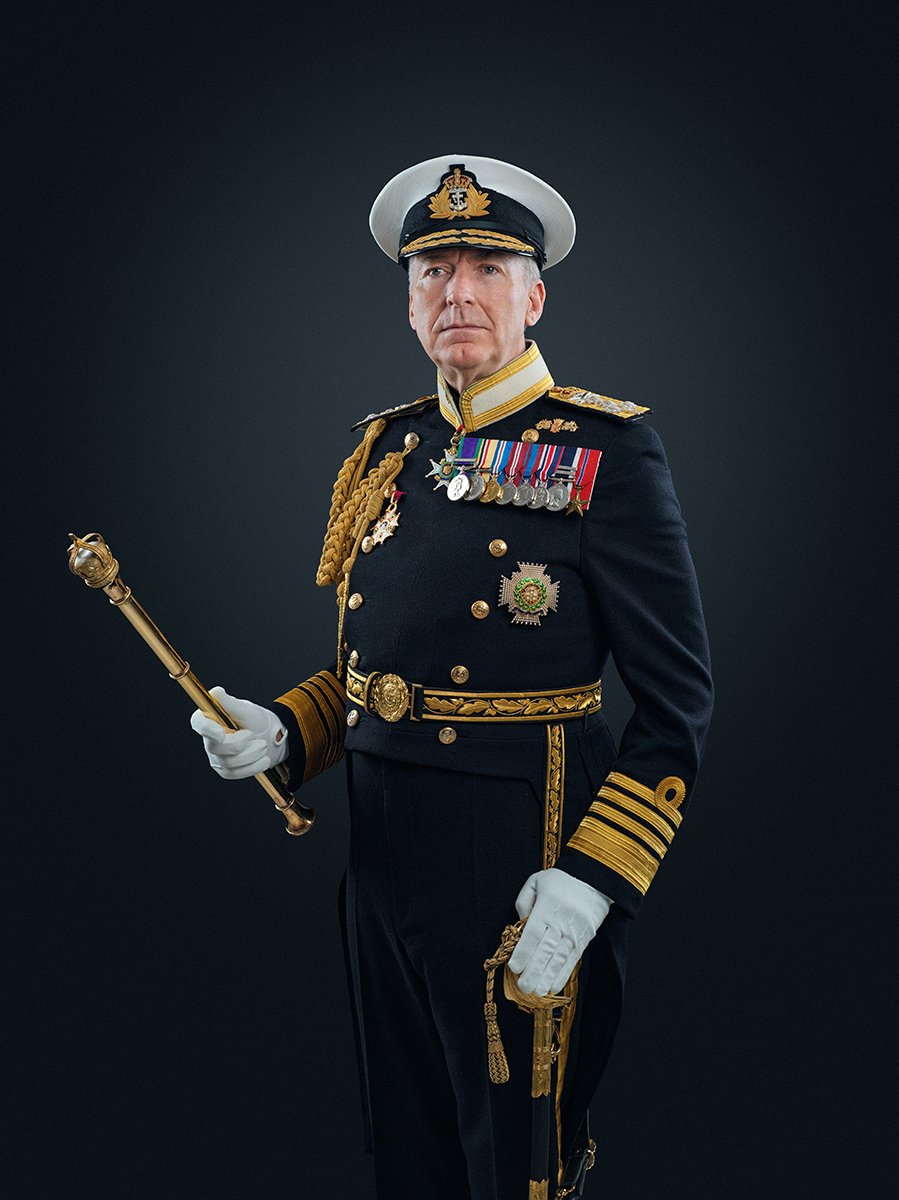
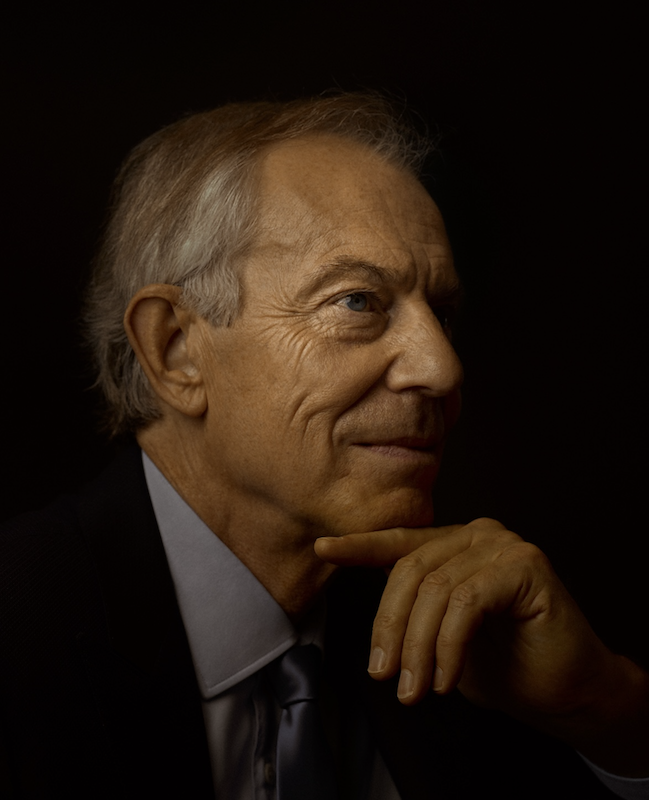

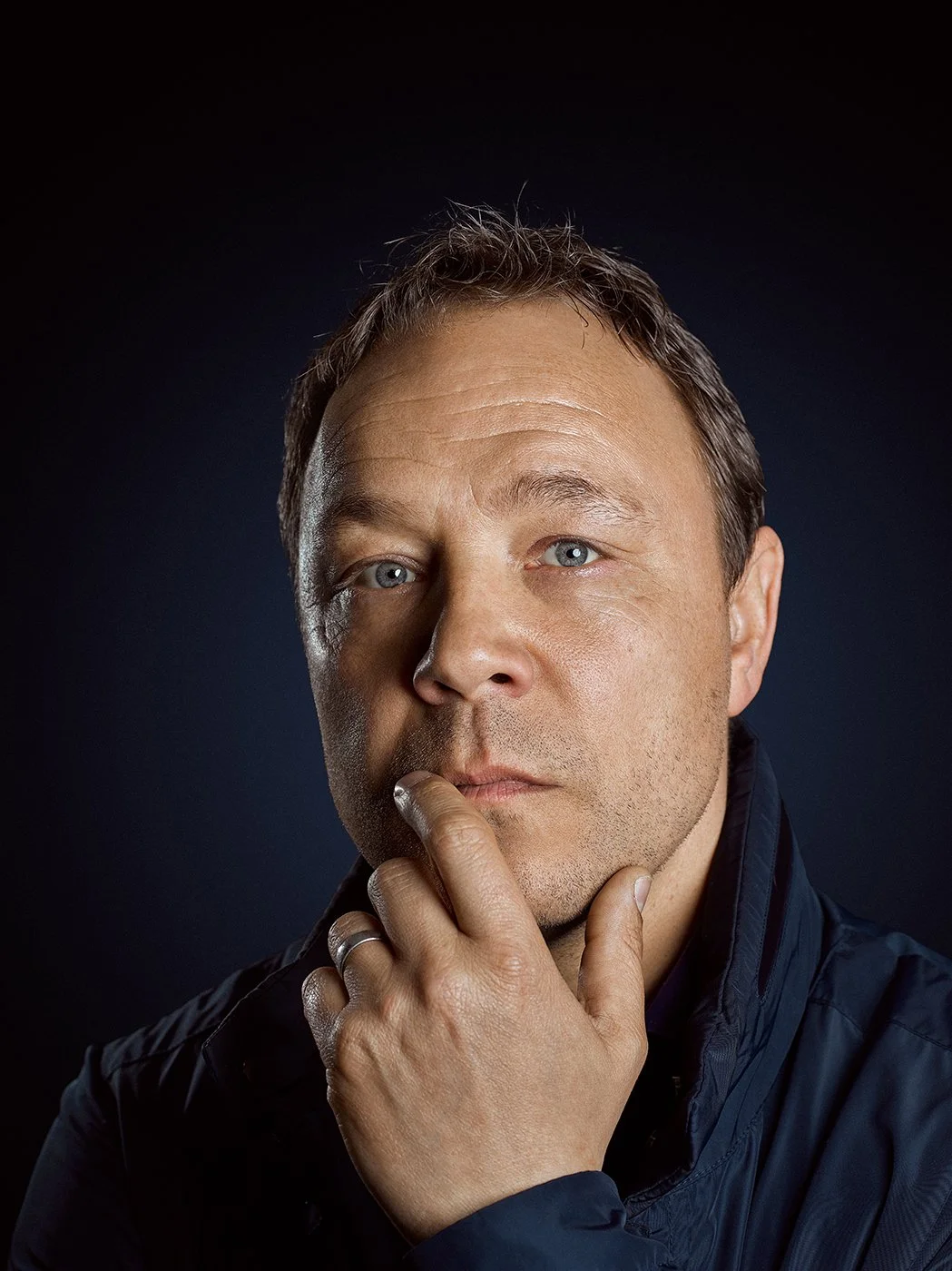
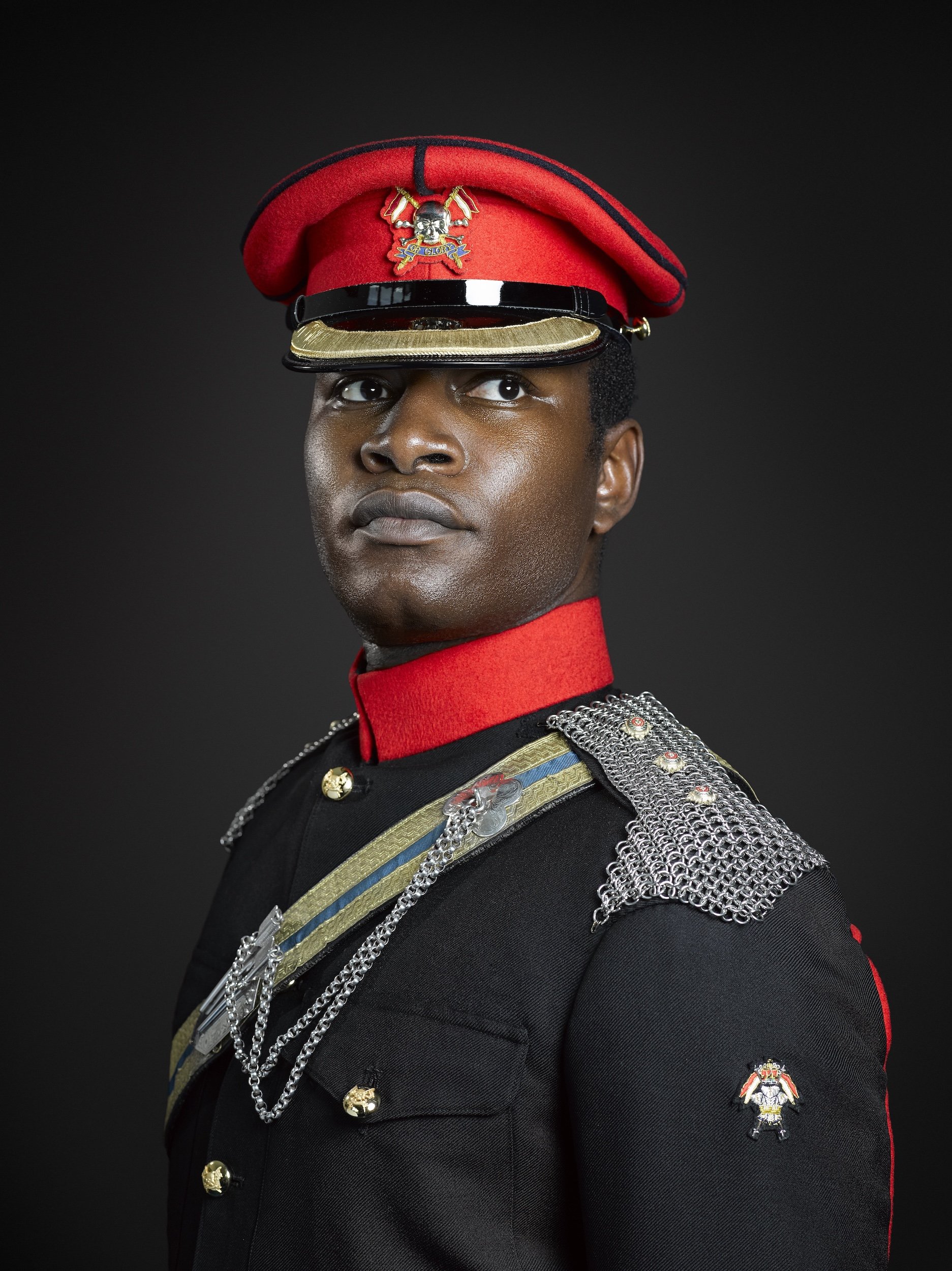
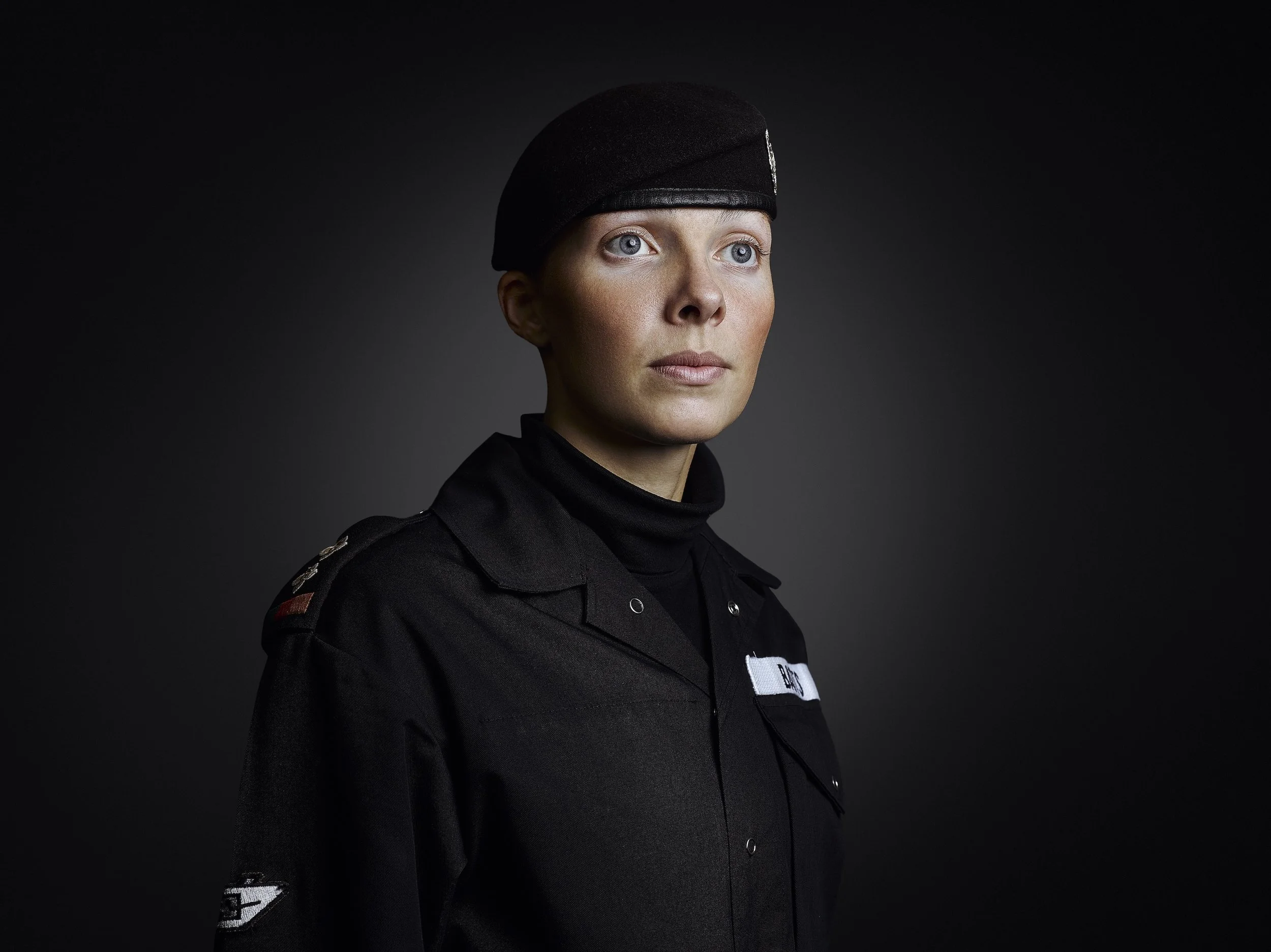
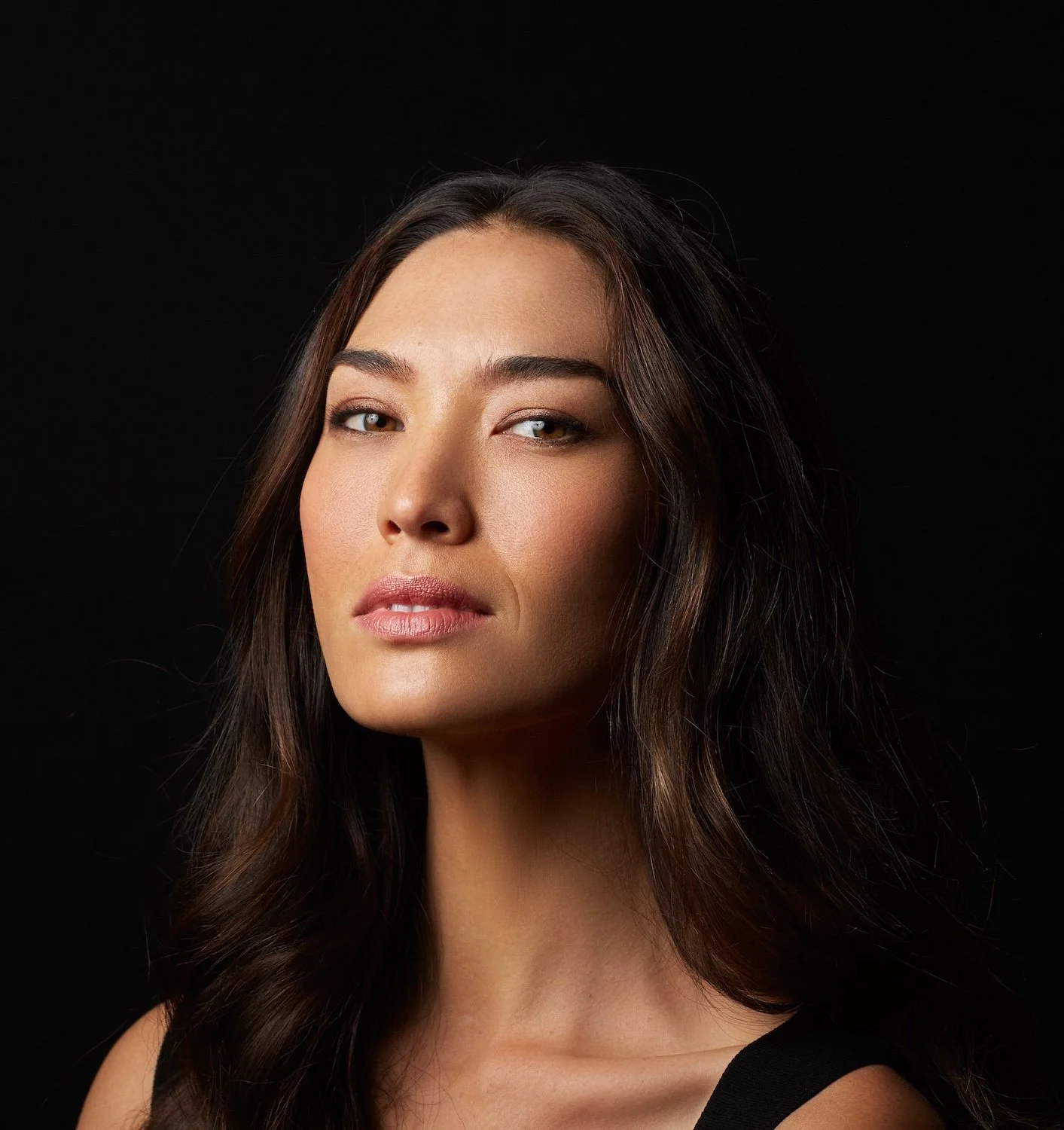
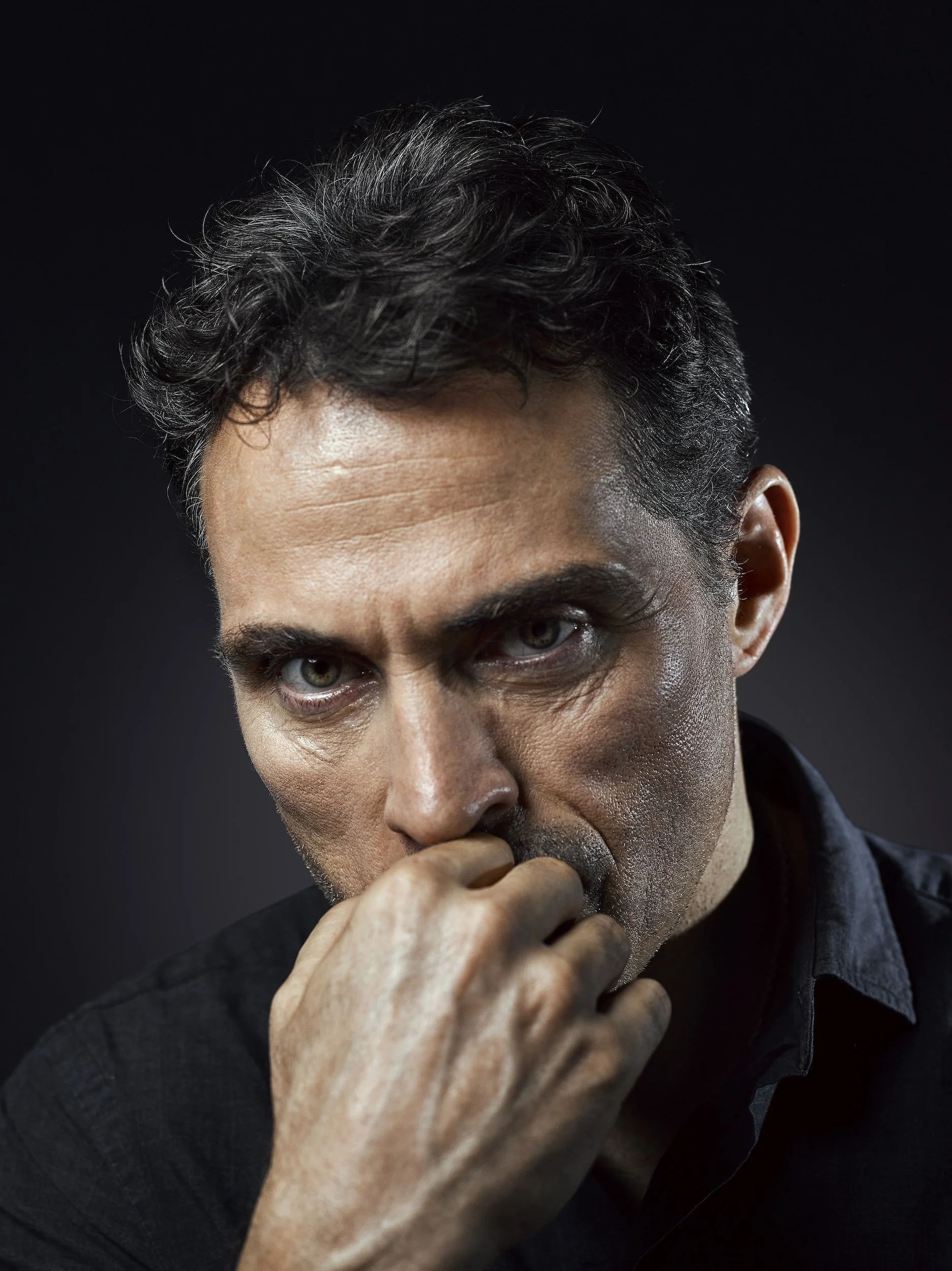
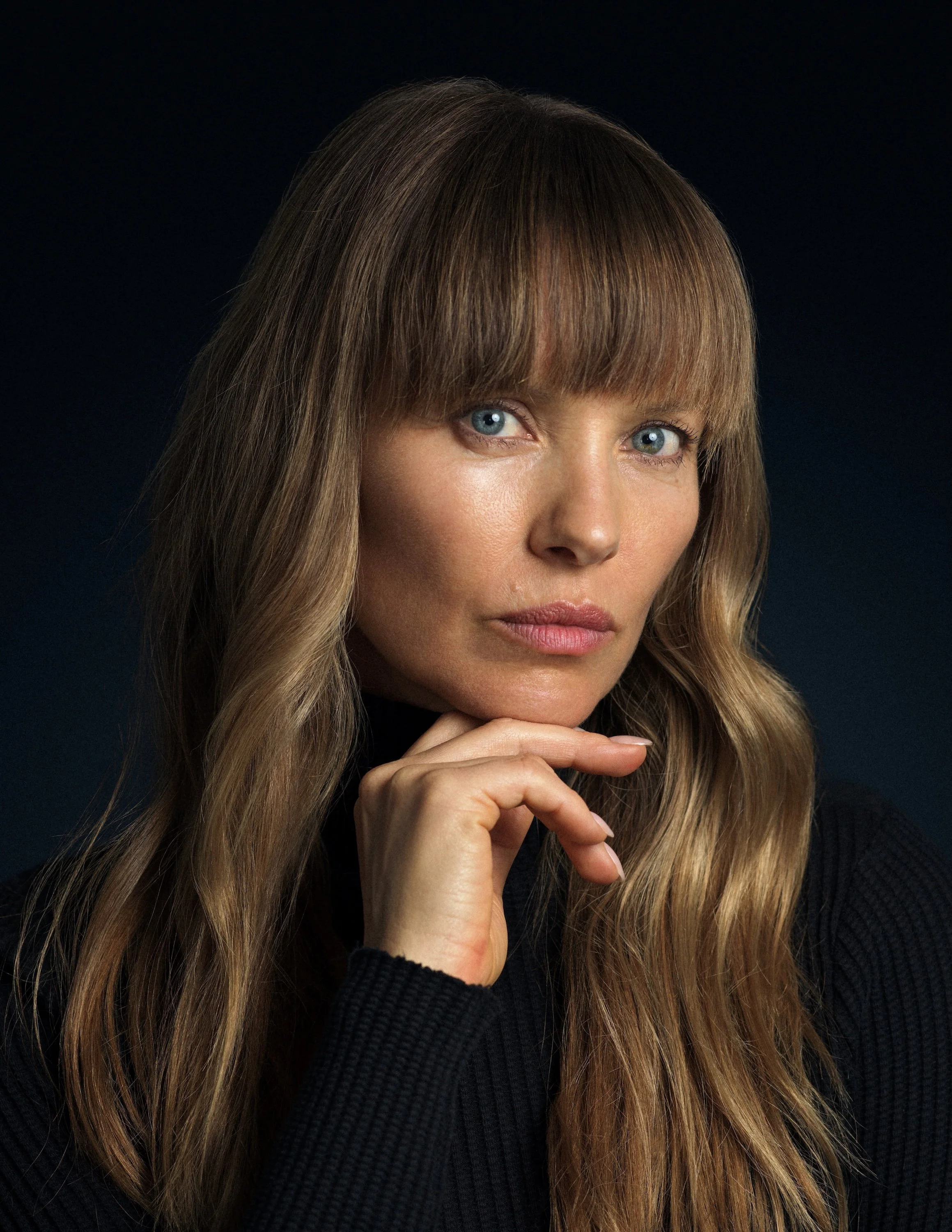

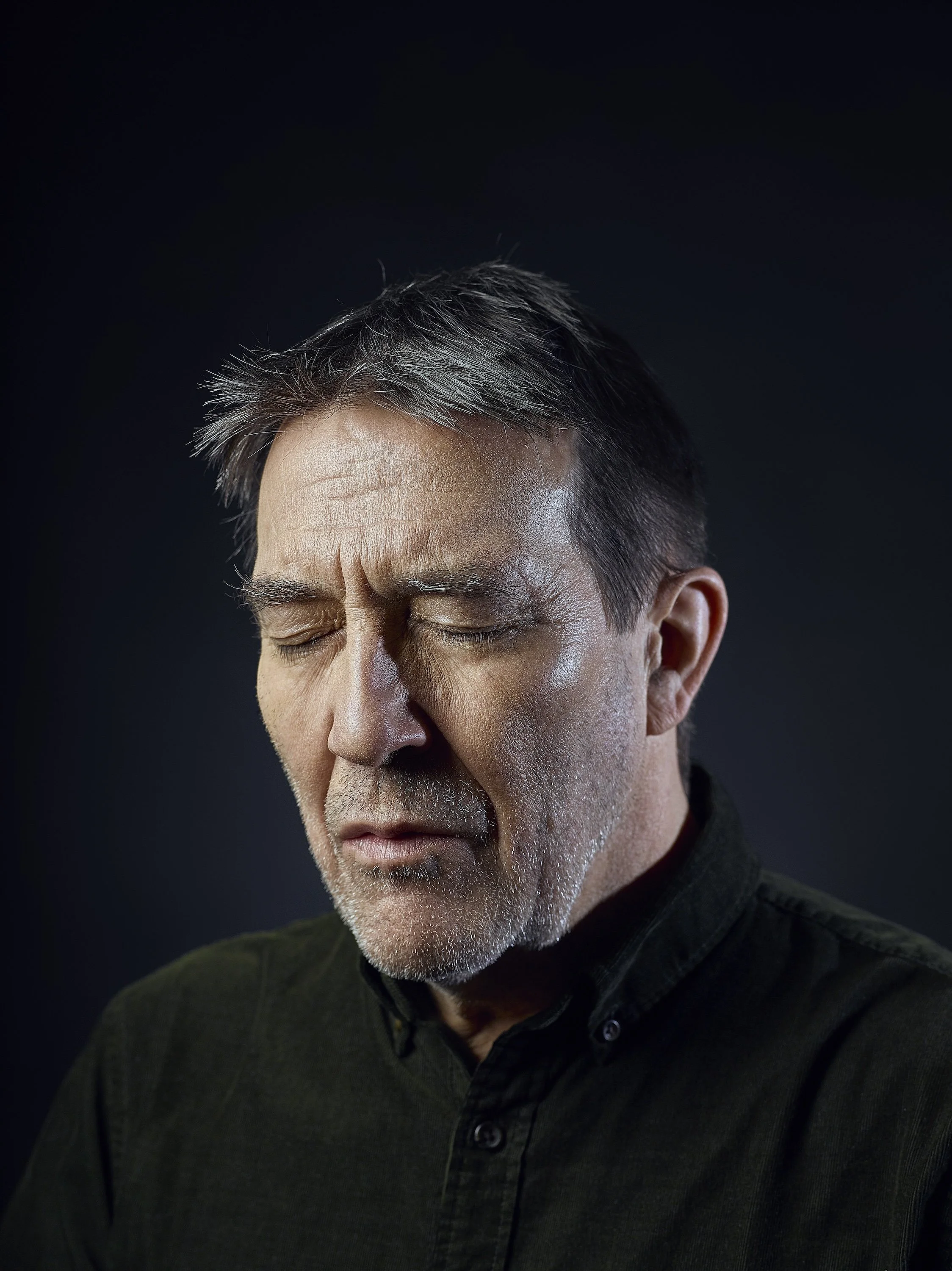
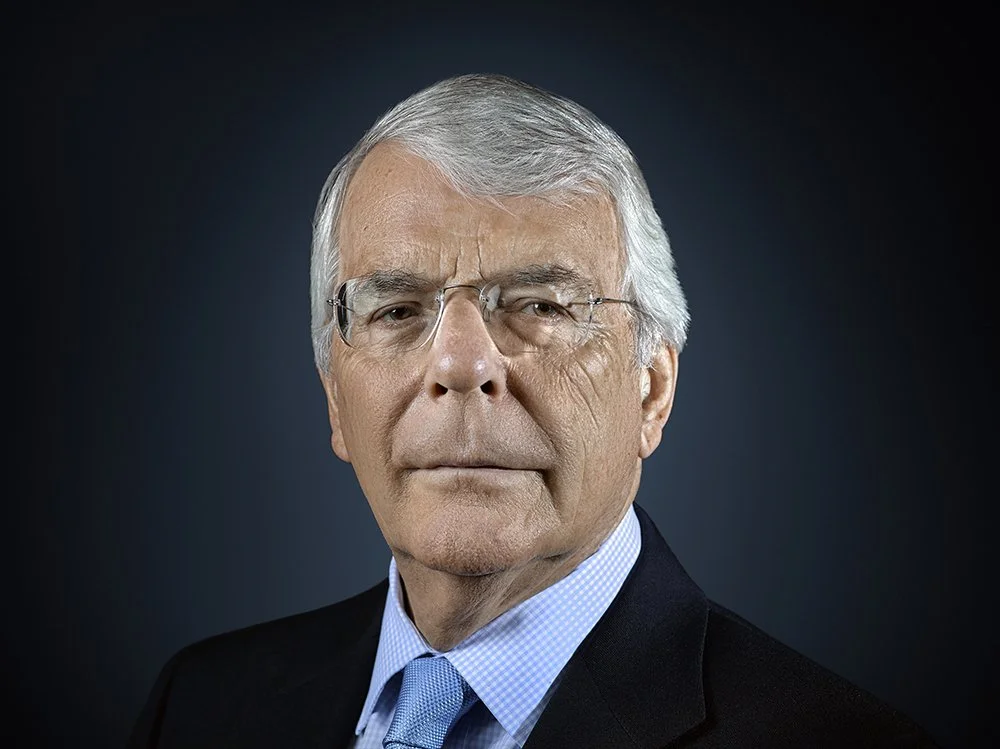
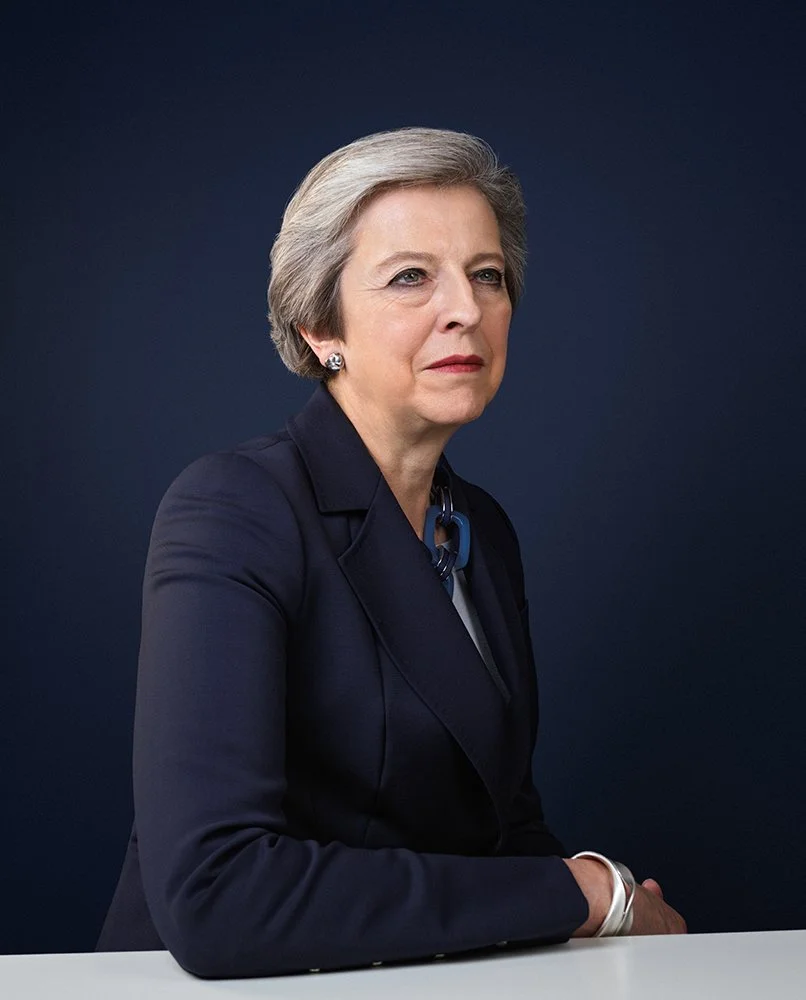
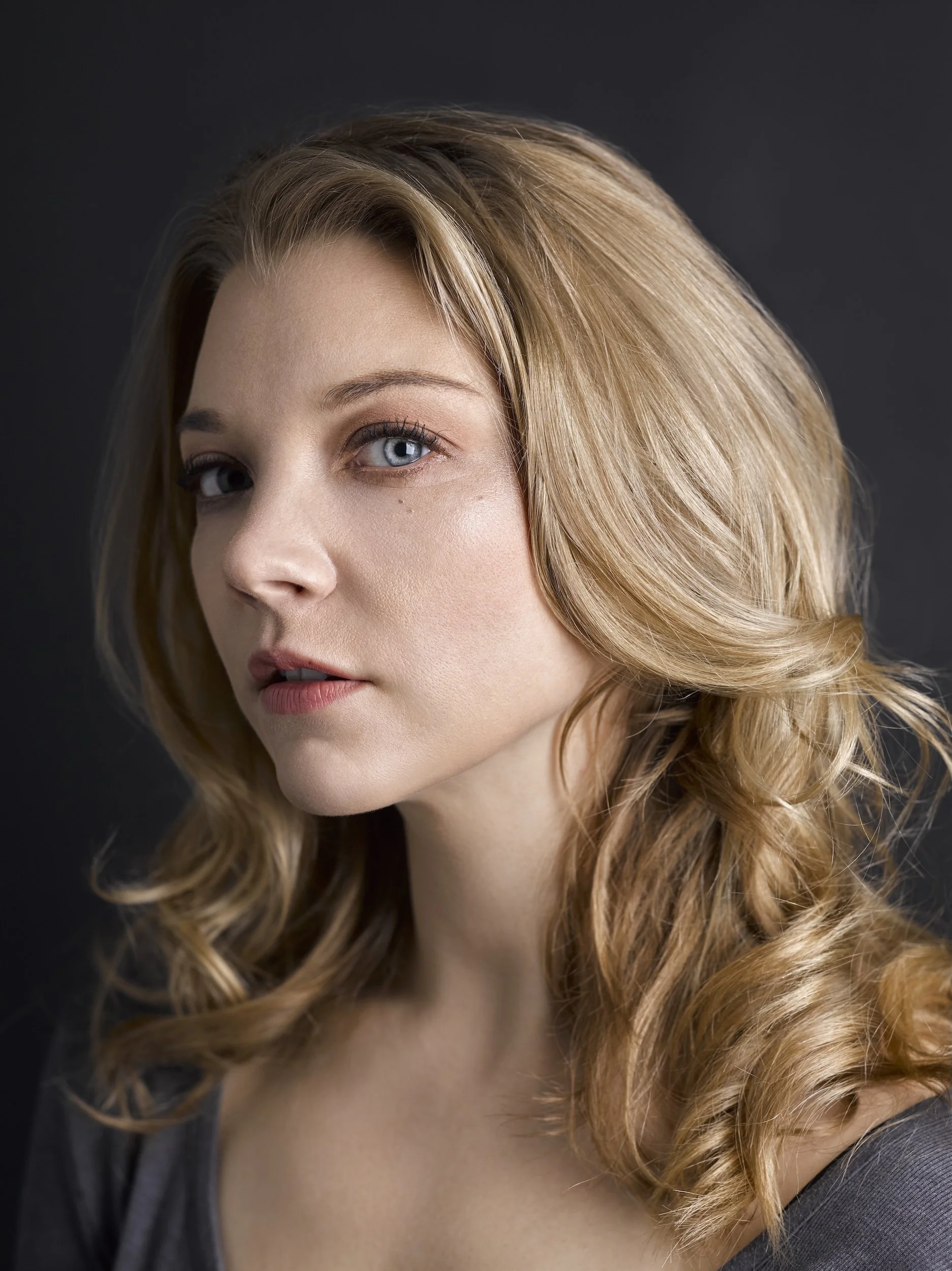
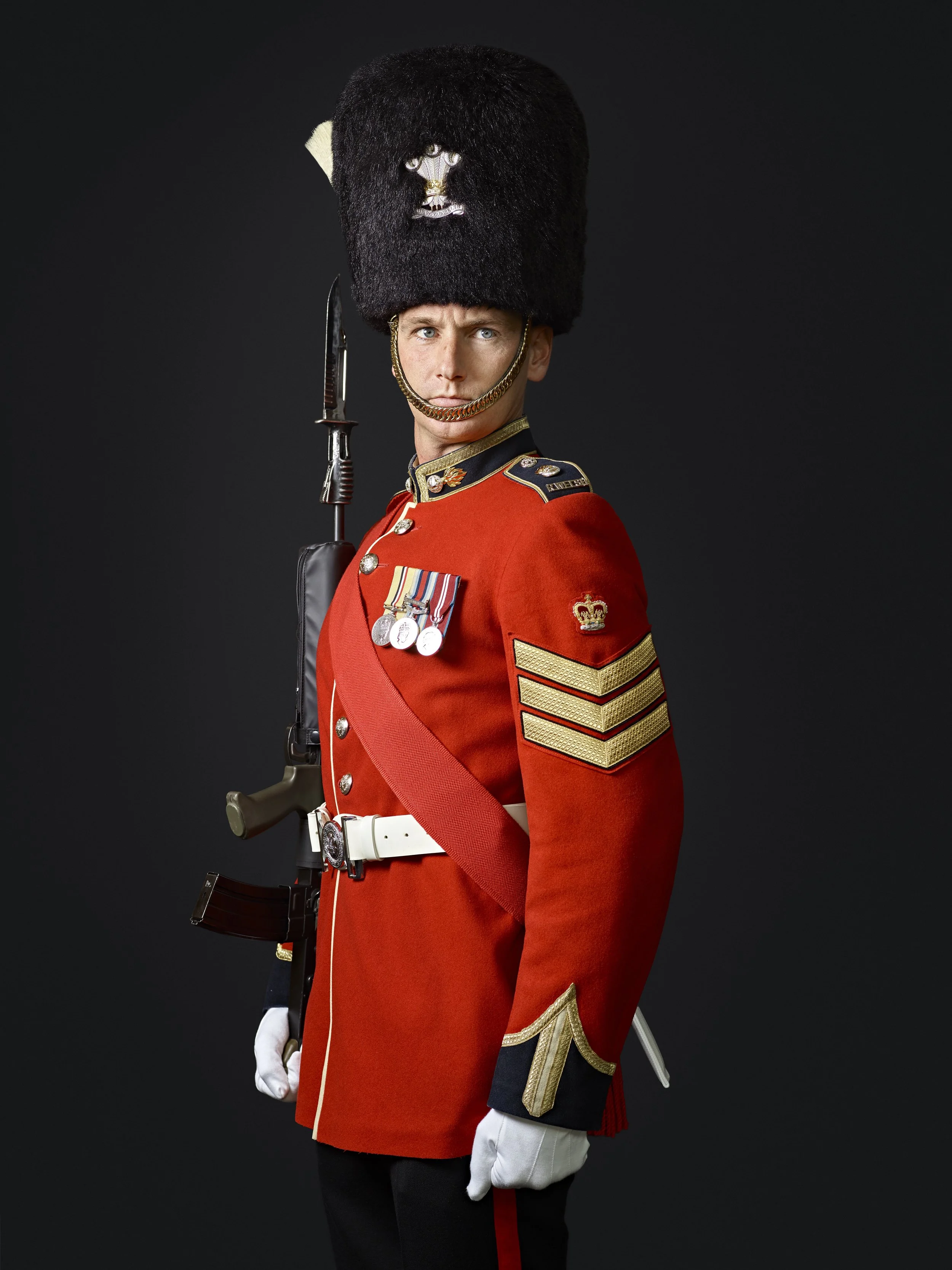
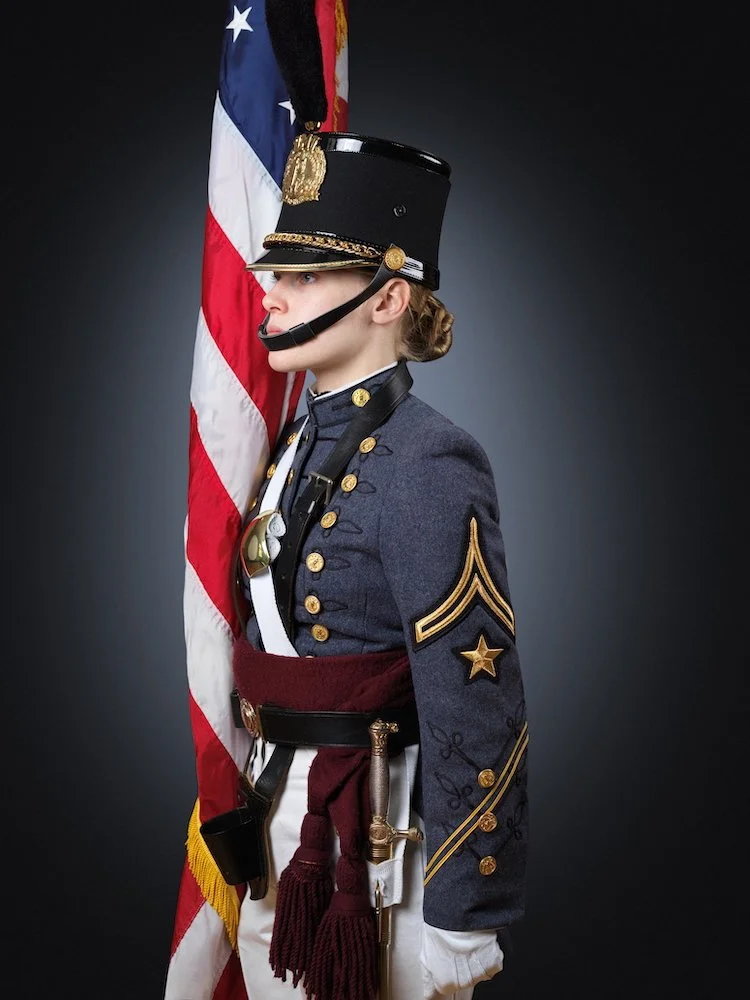
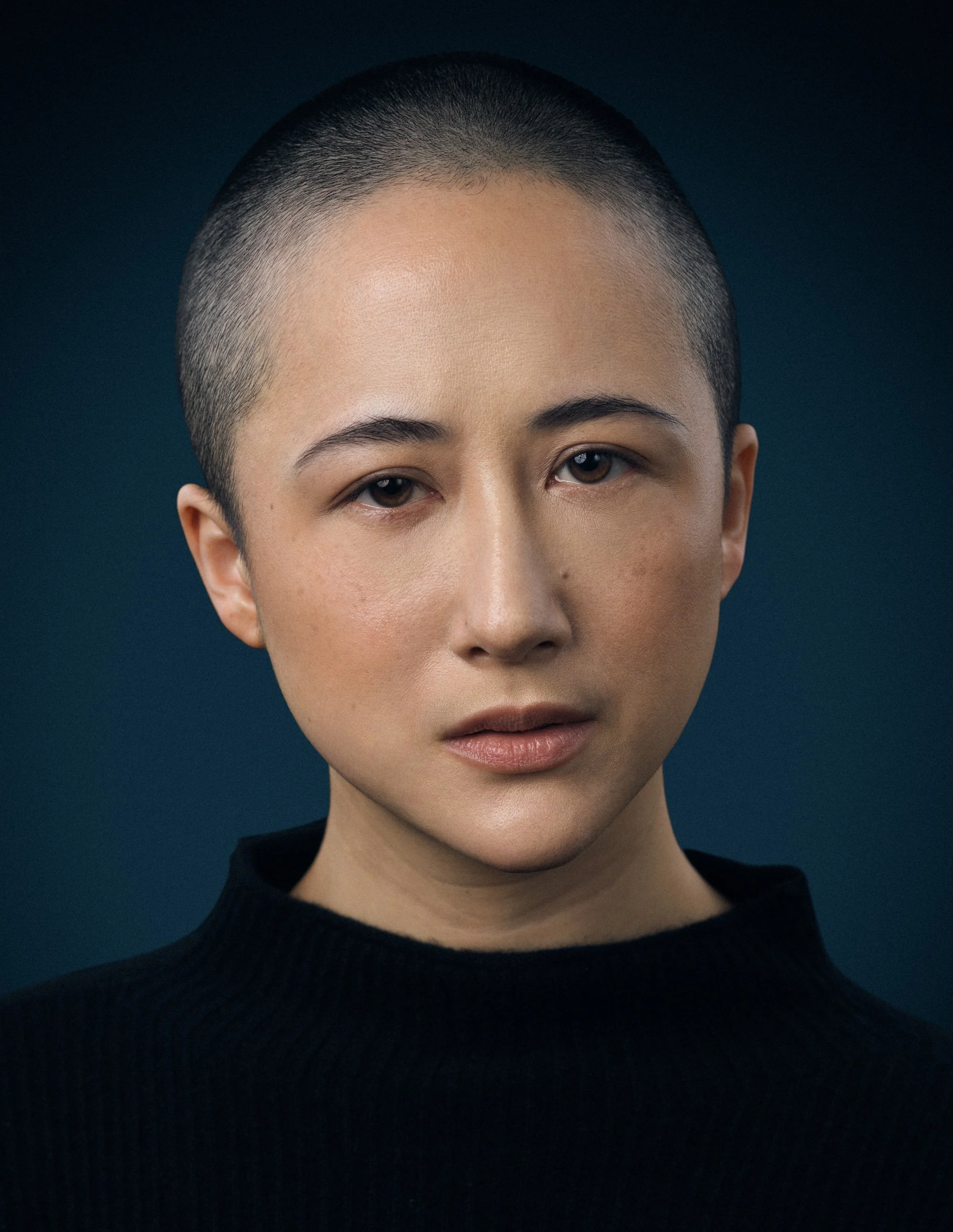
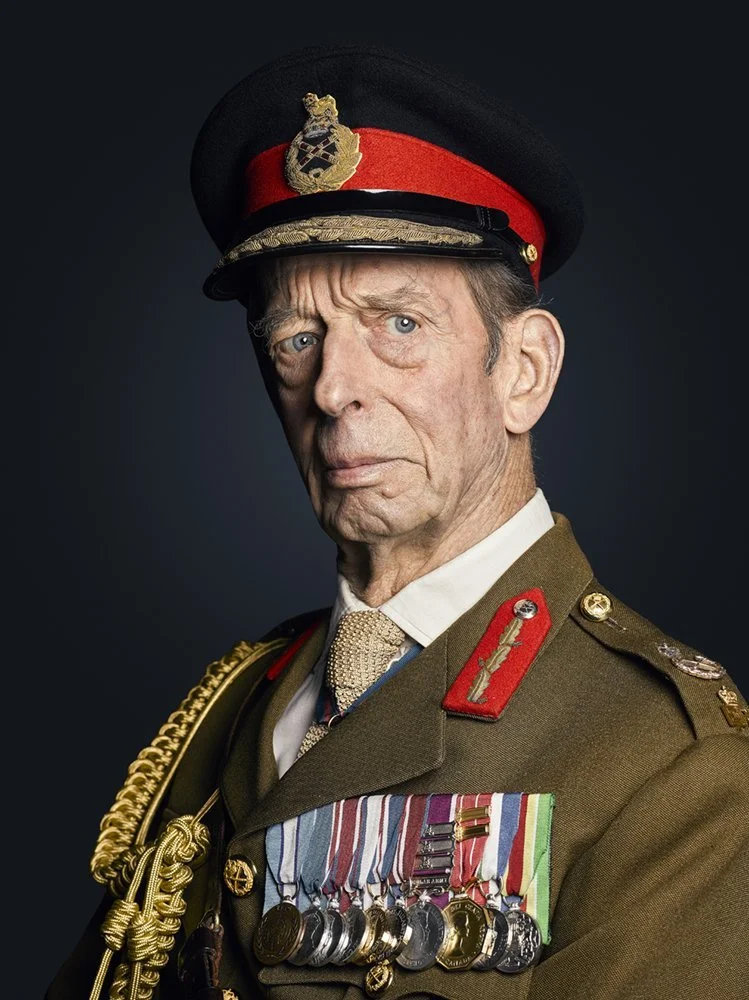
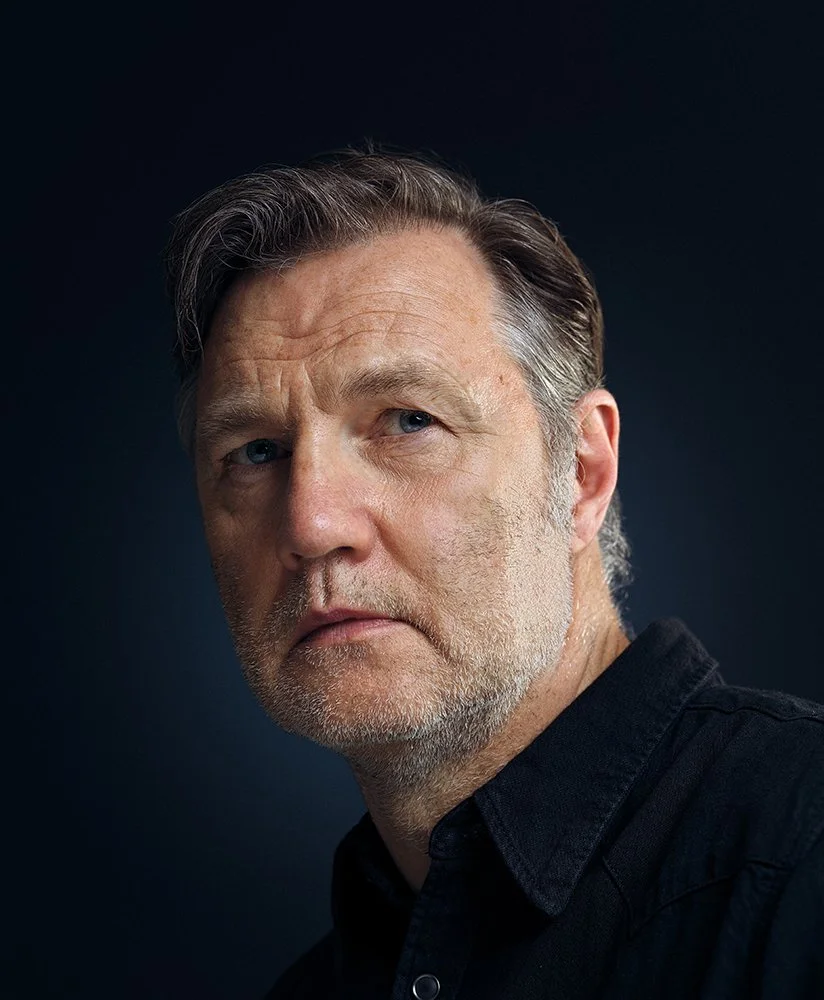
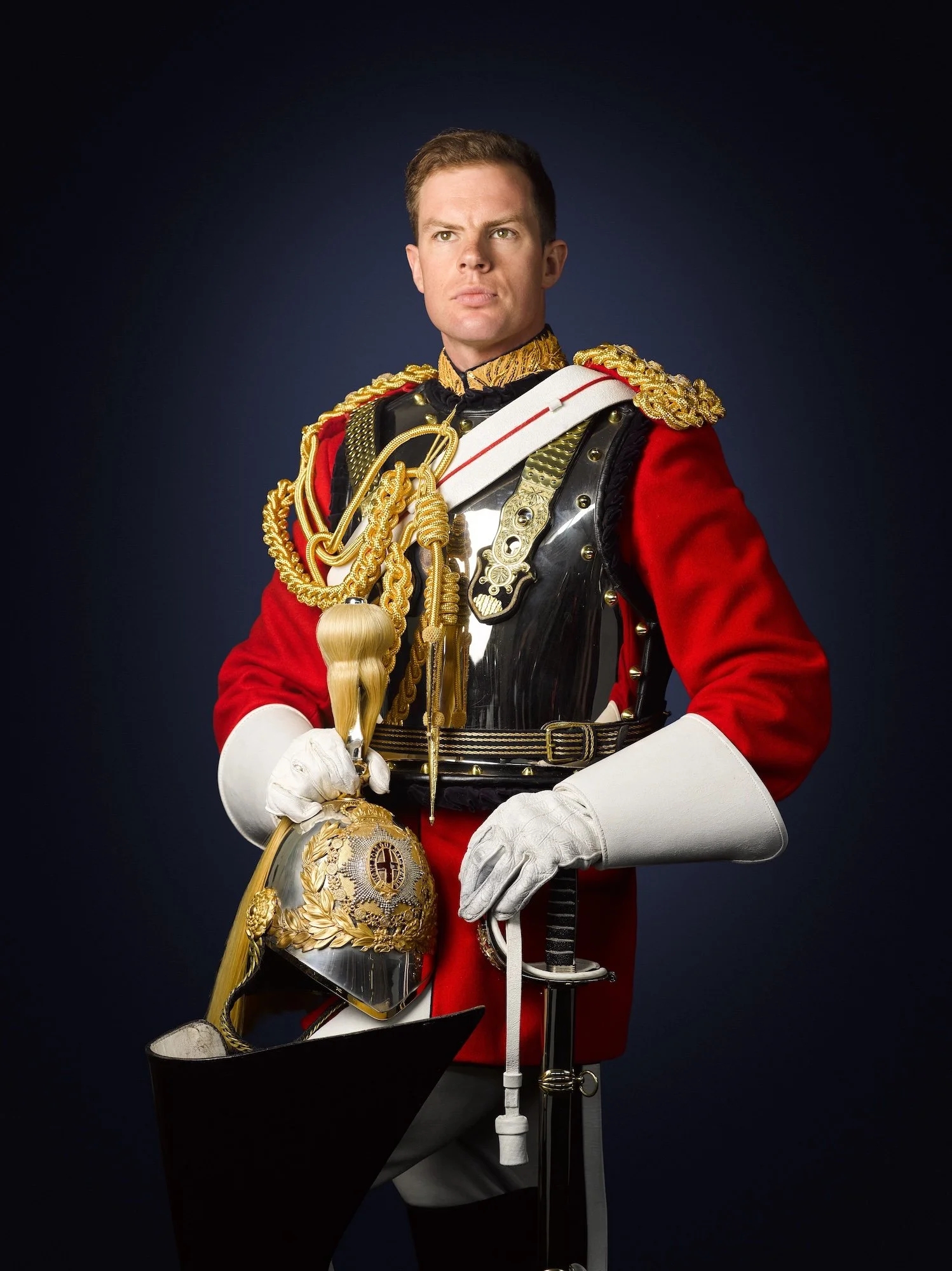
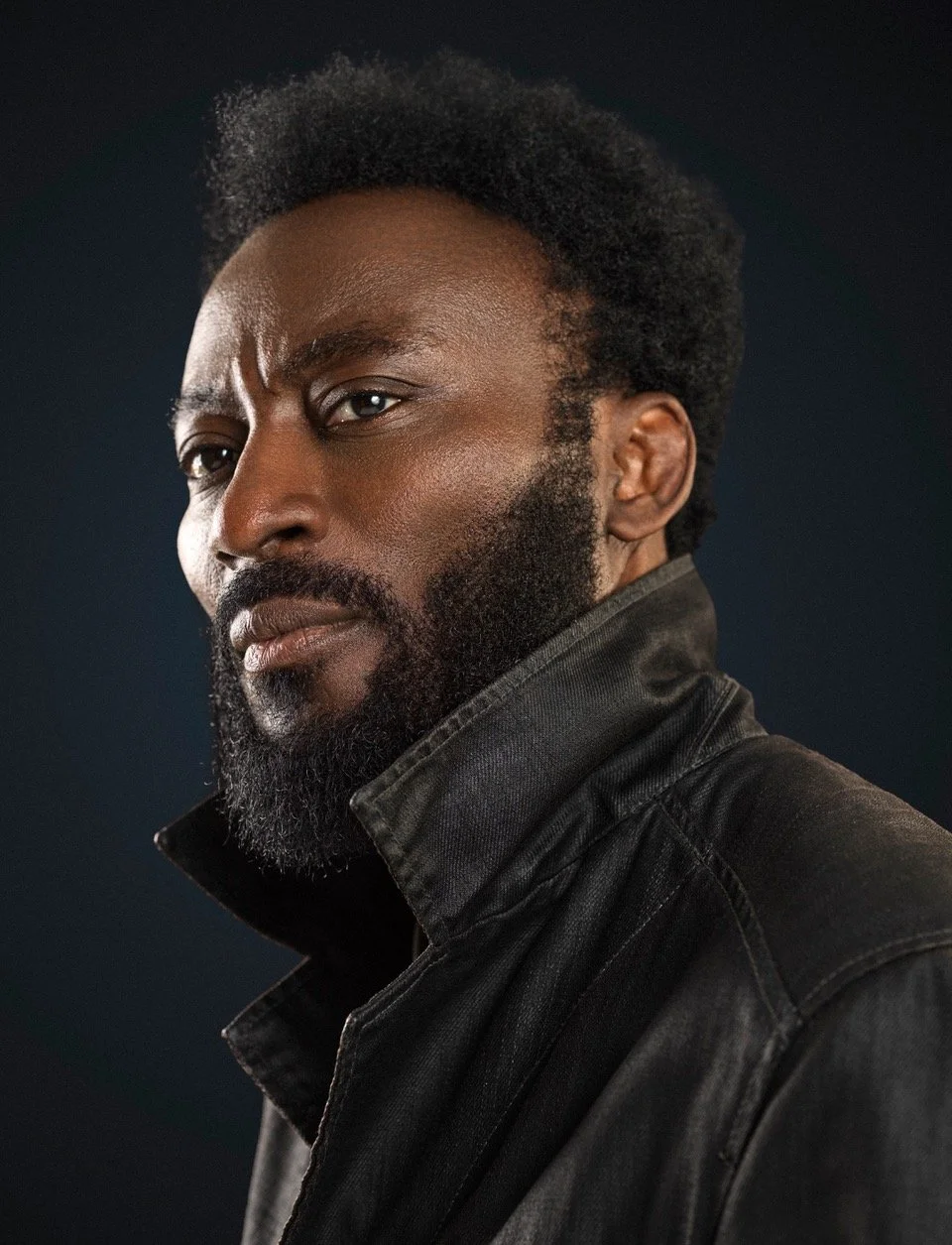



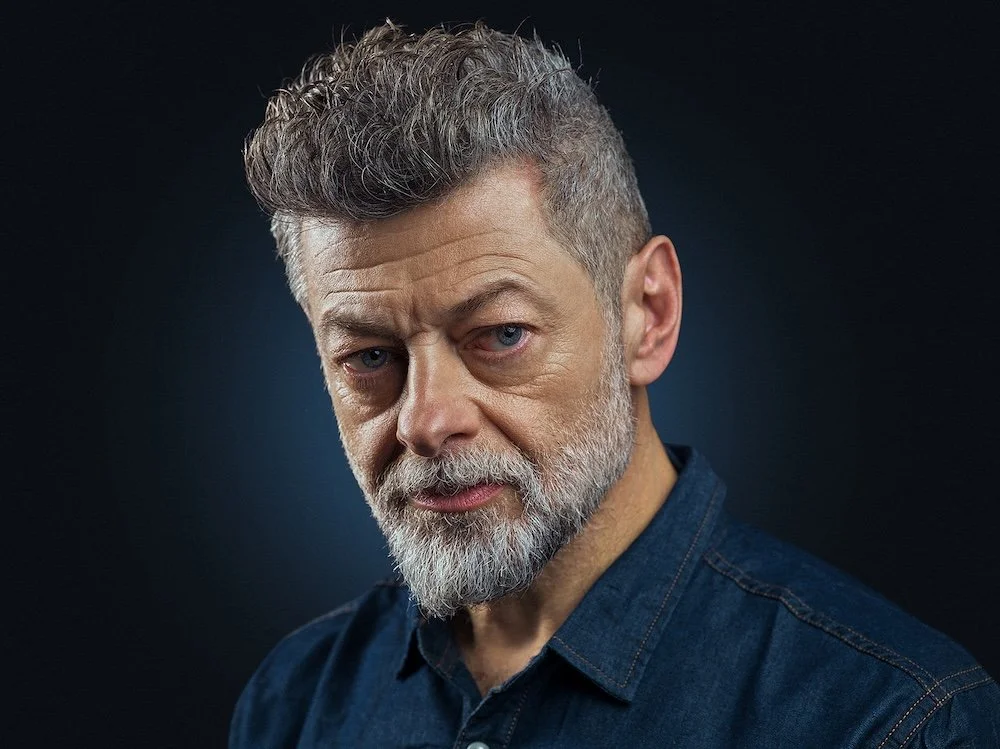
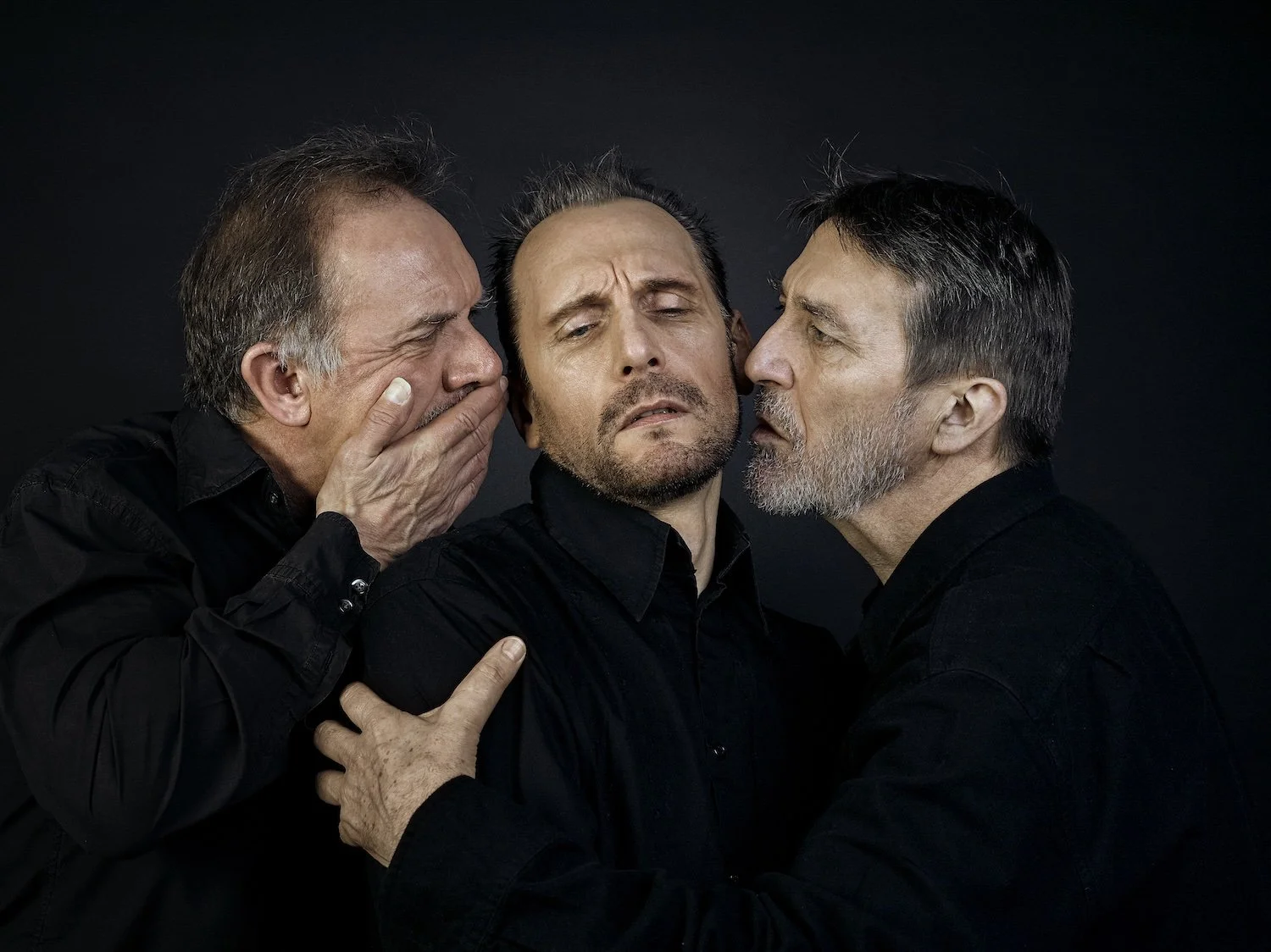
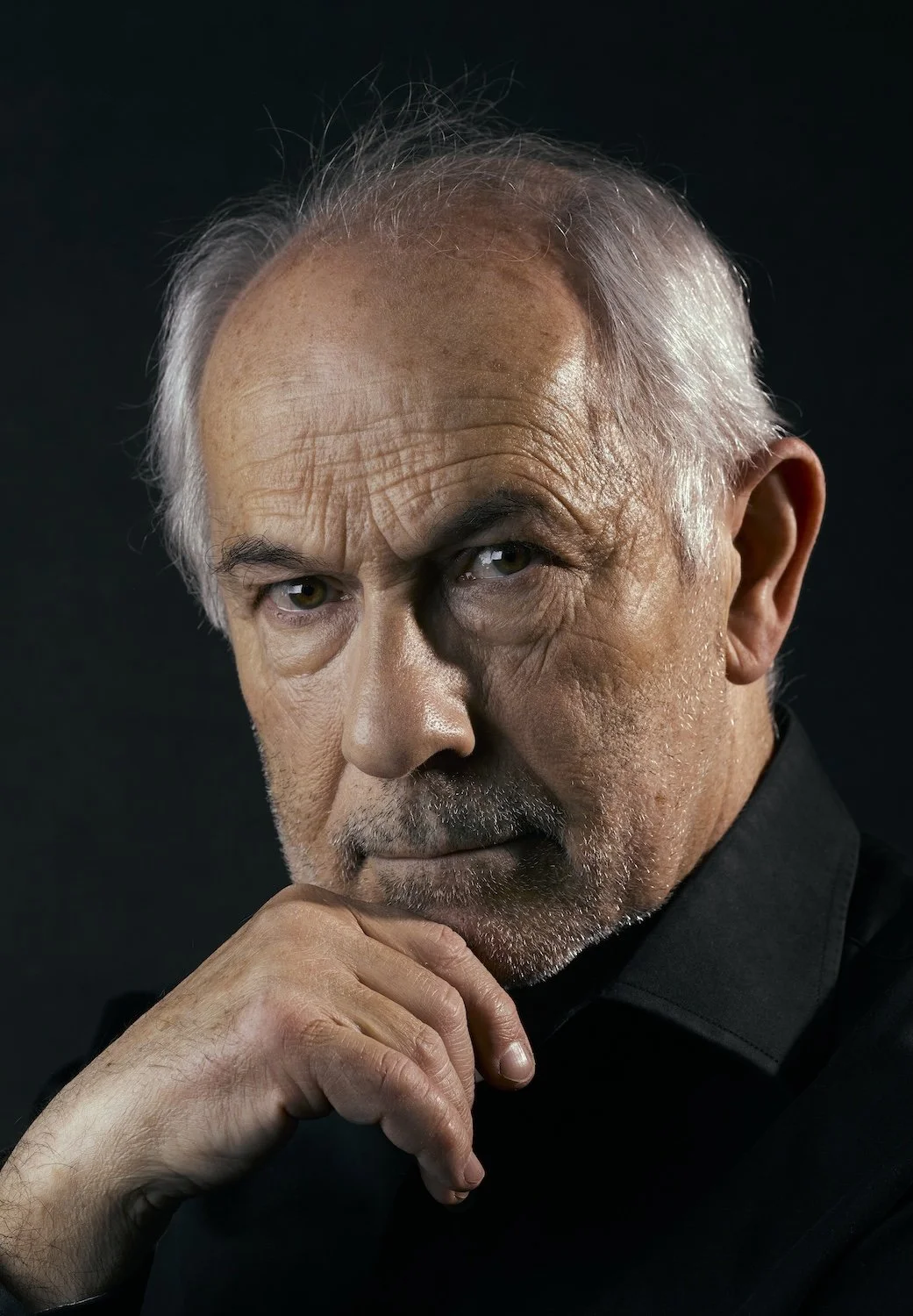
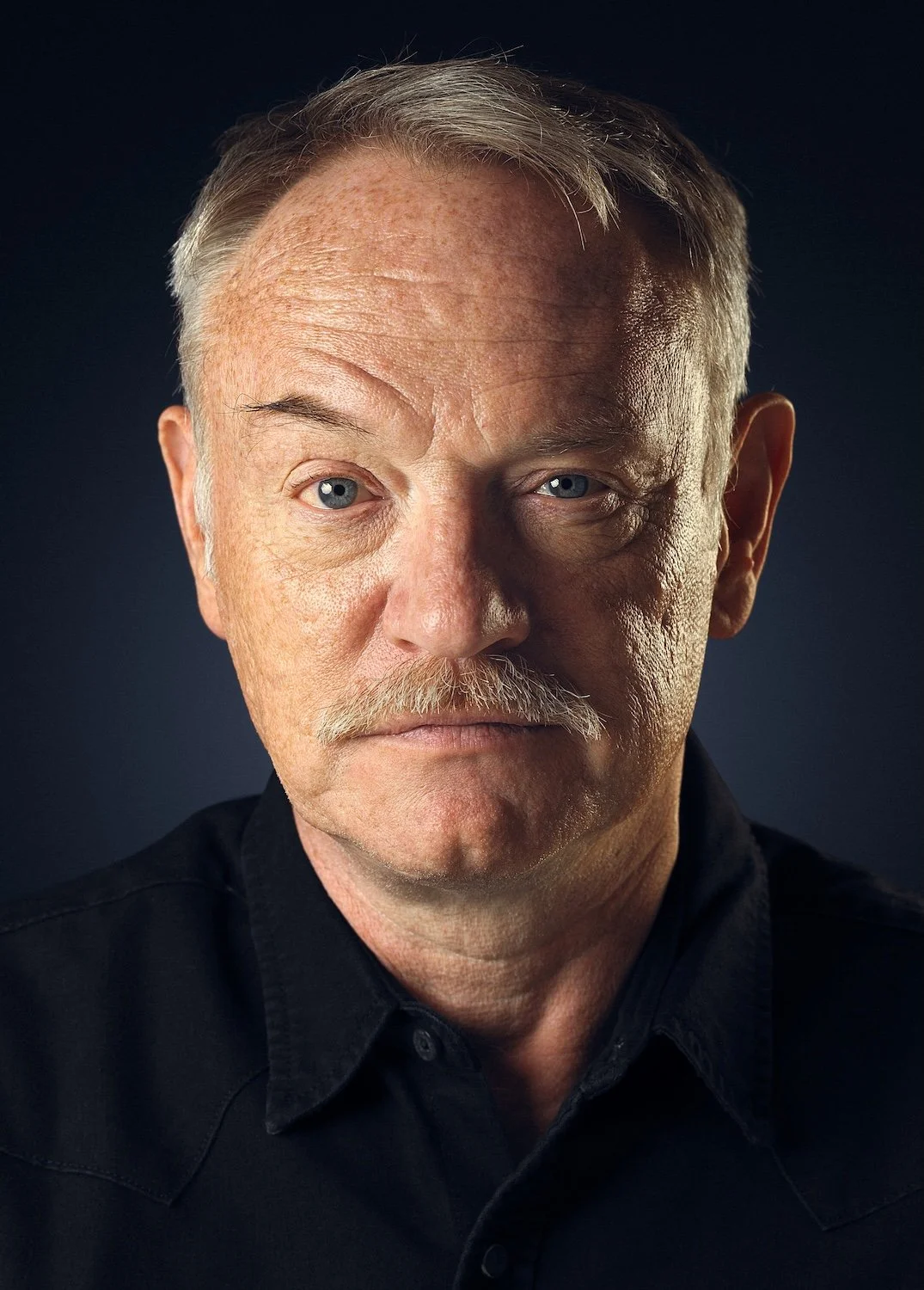
![CF051113sm].jpg](https://images.squarespace-cdn.com/content/v1/5c4d7e227e3c3a6ec70a5ac7/7104a89a-fd65-47b6-8820-531daf8fd4bf/CF051113sm%5D.jpg)
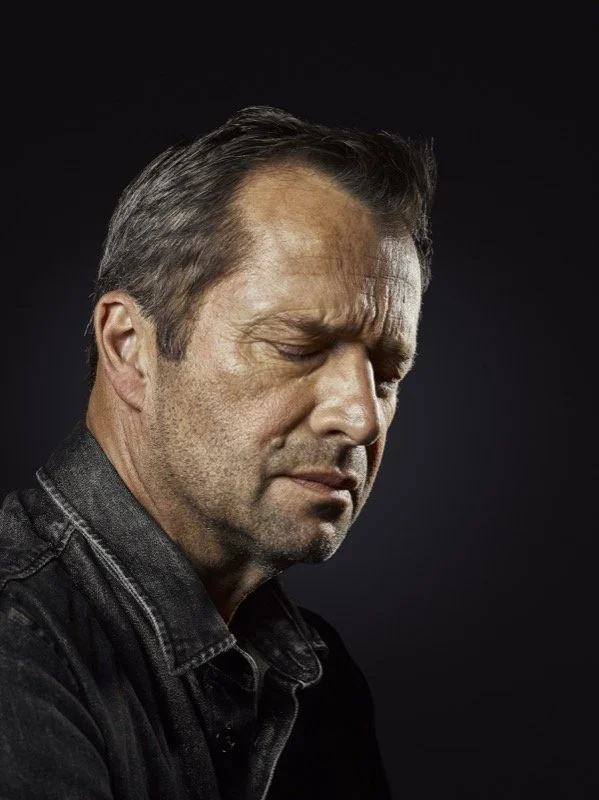
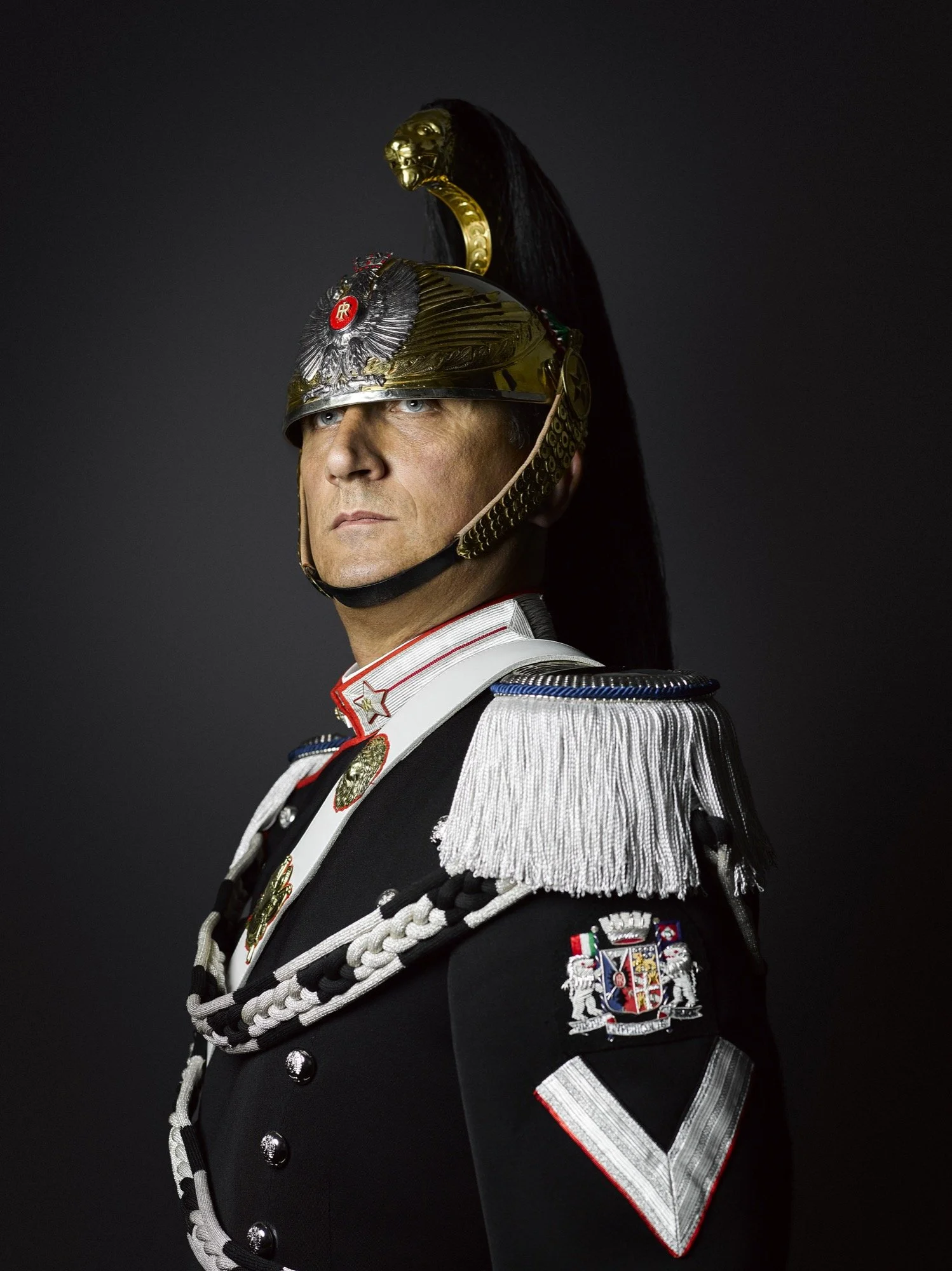
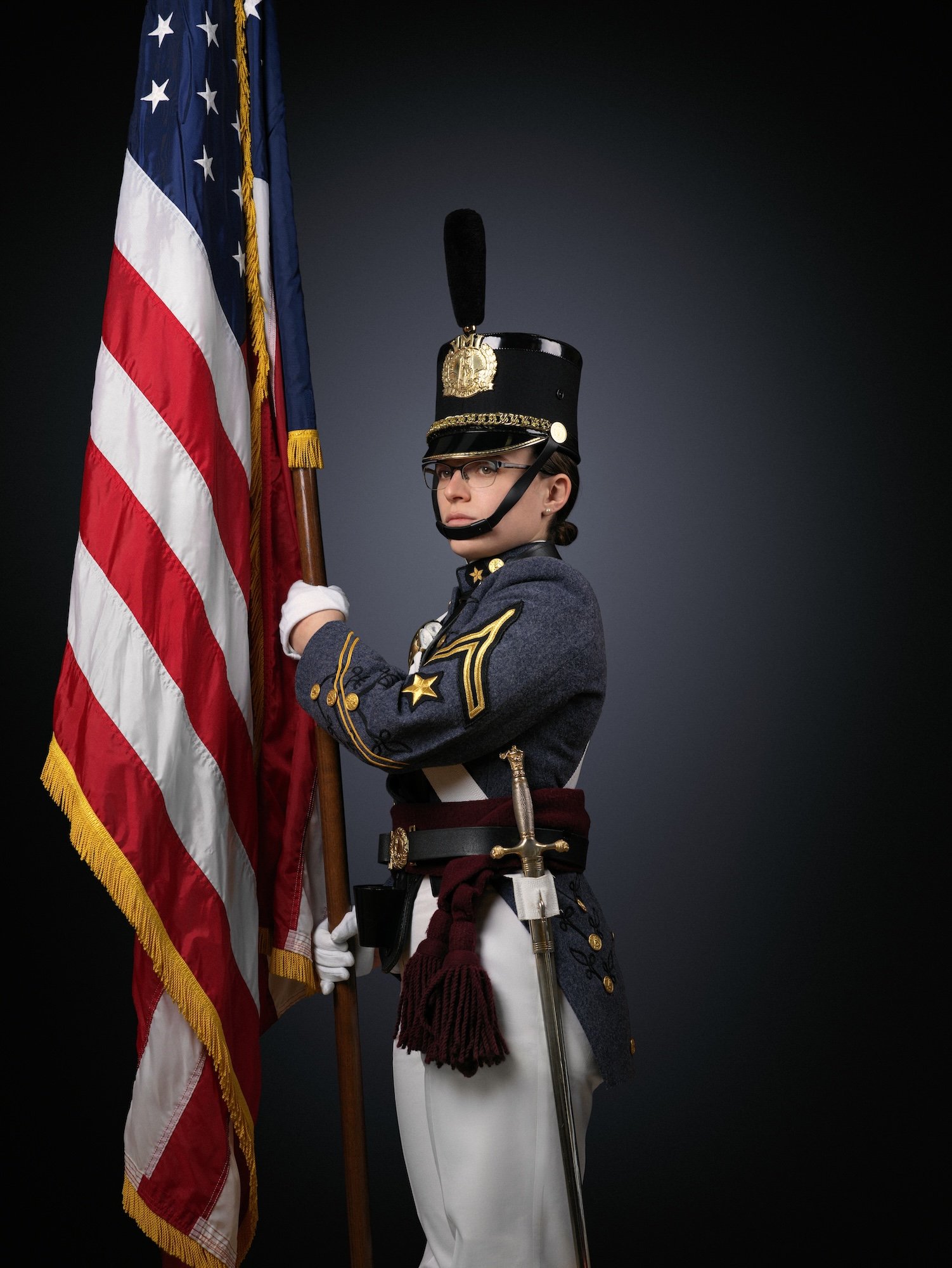
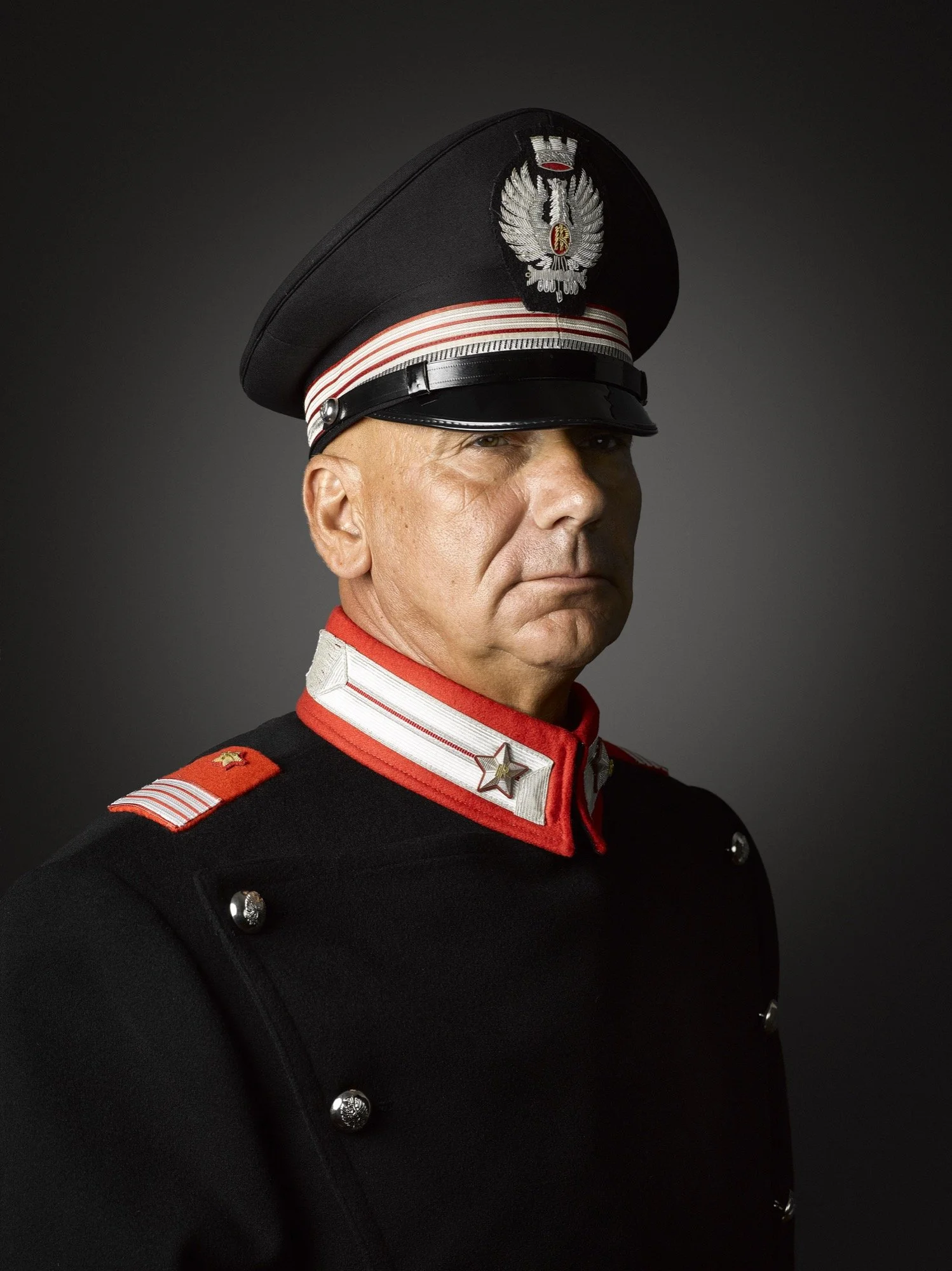

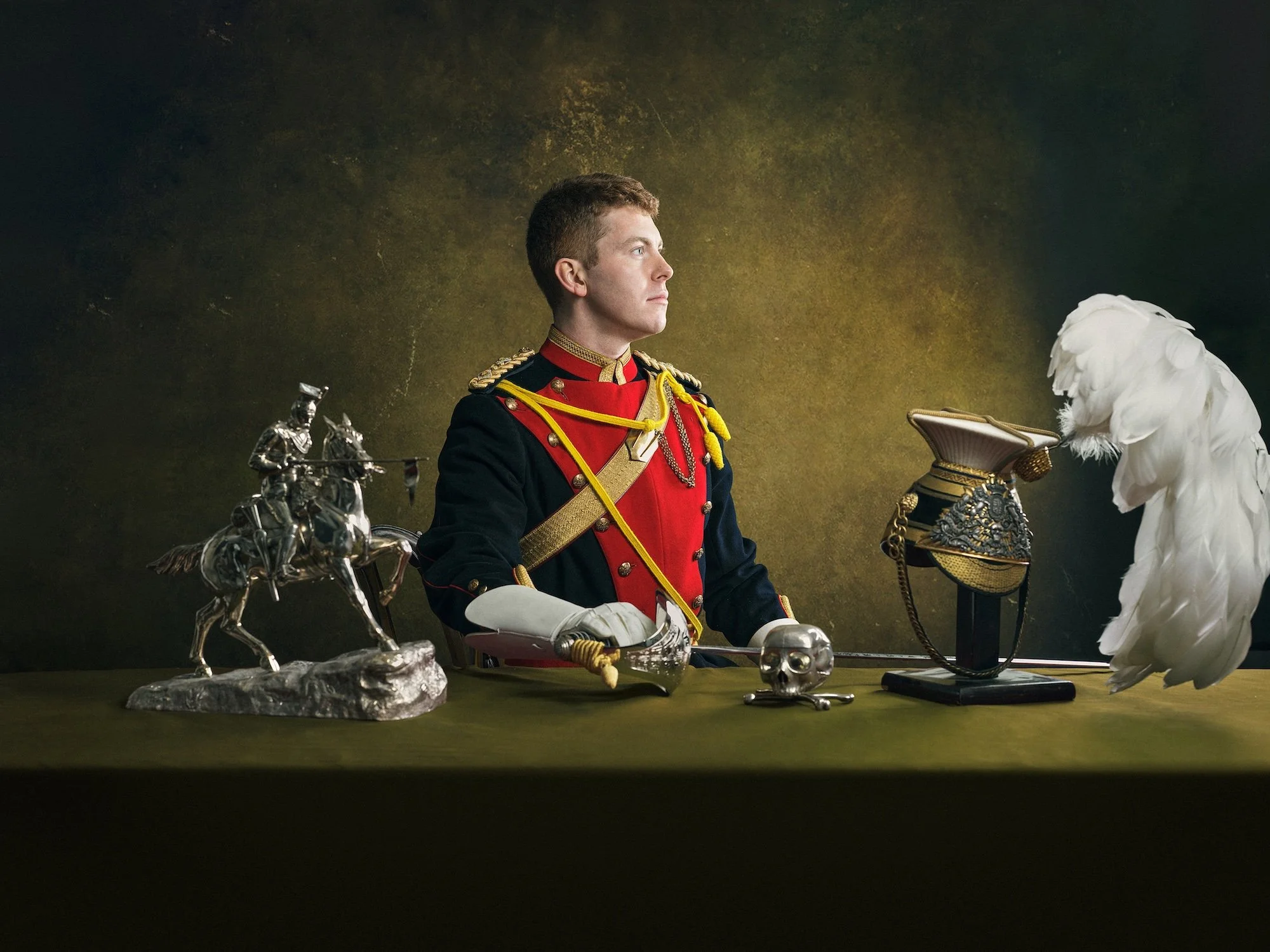
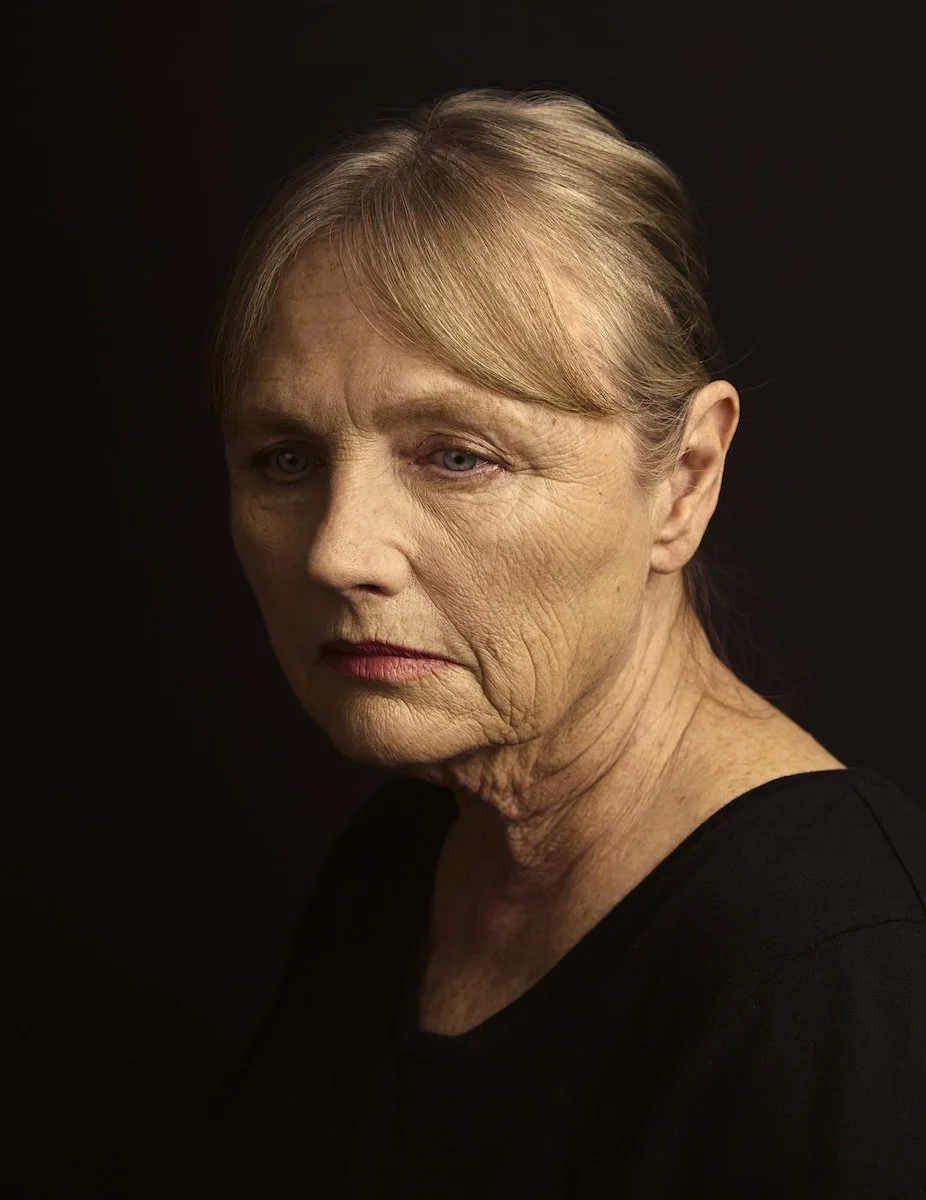

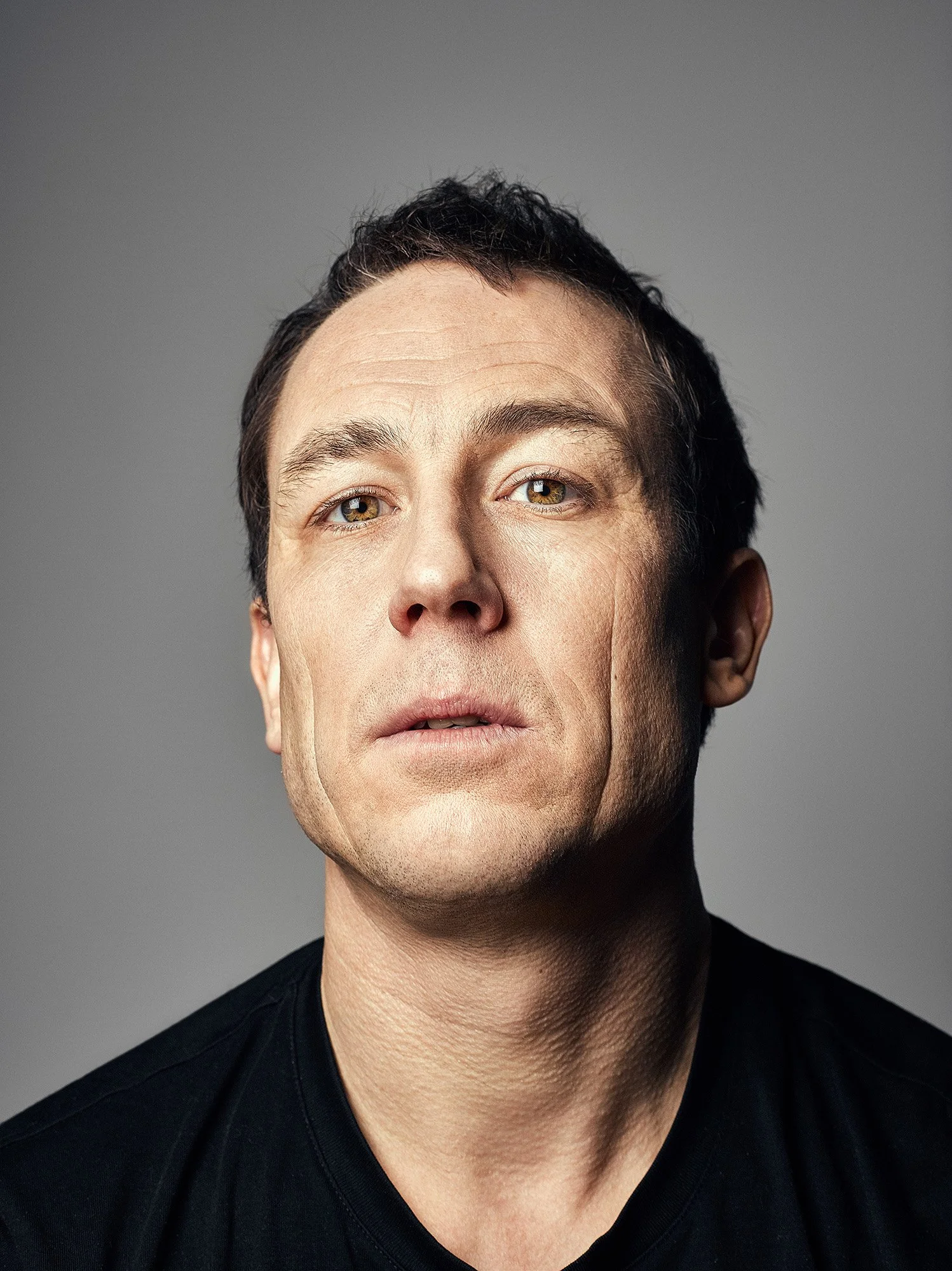
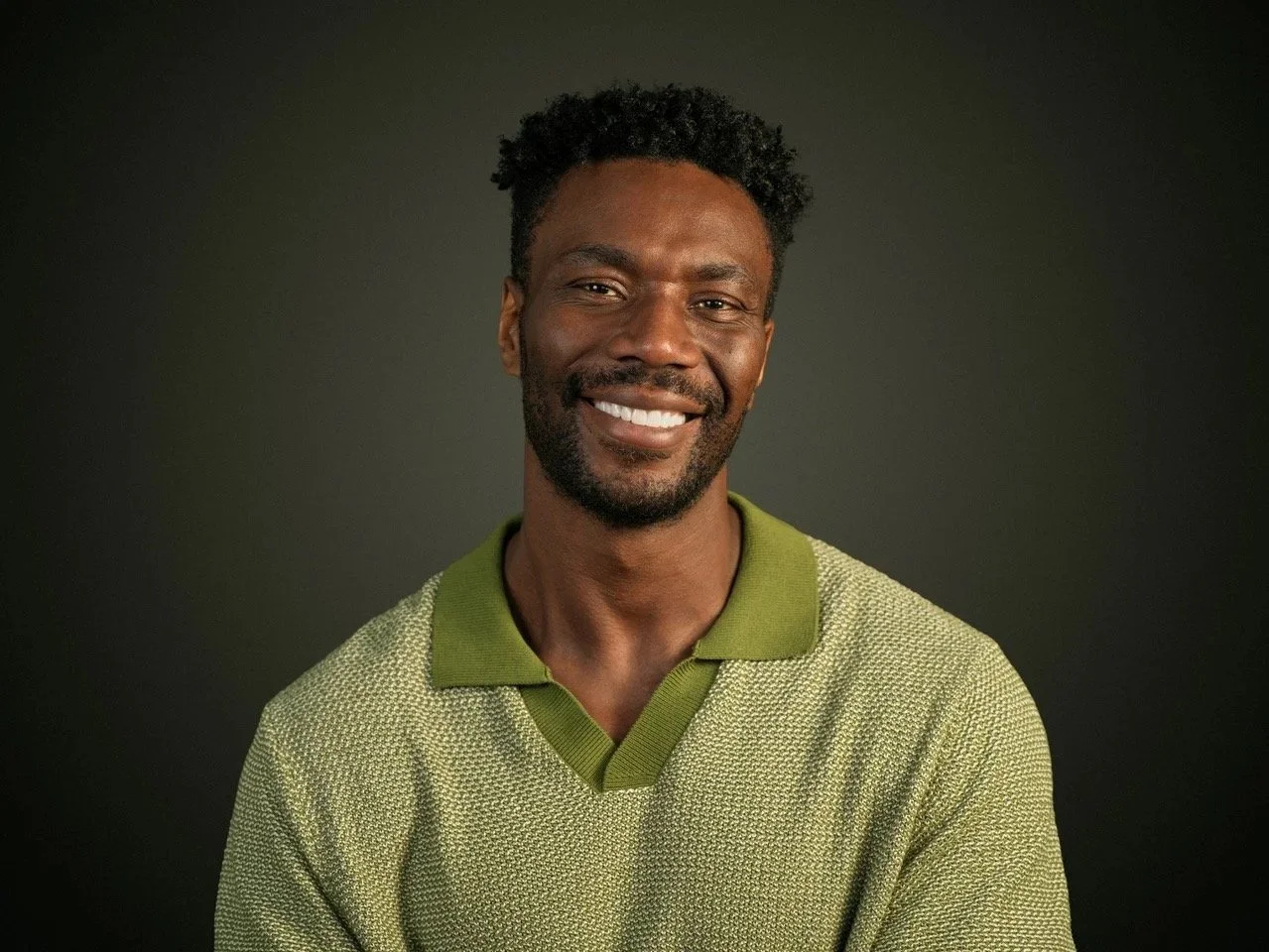
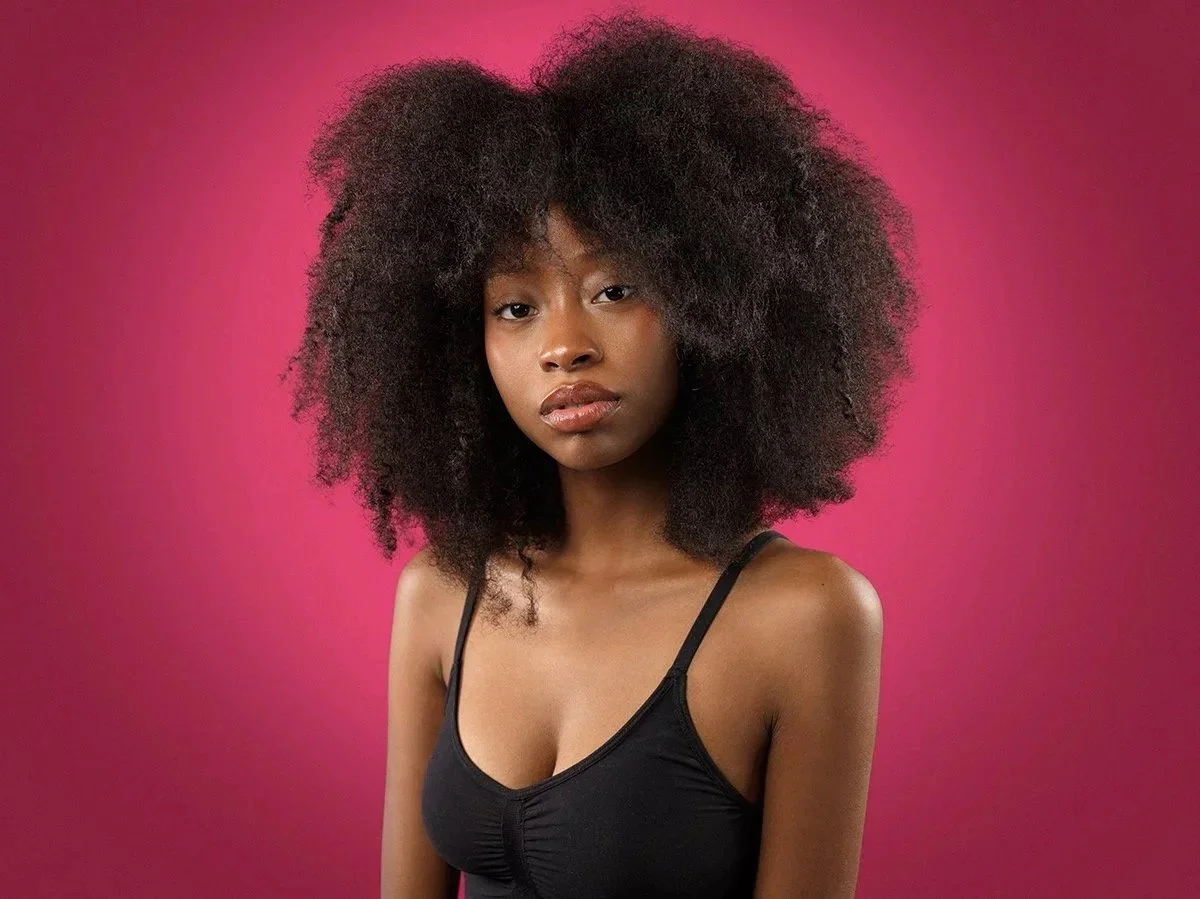

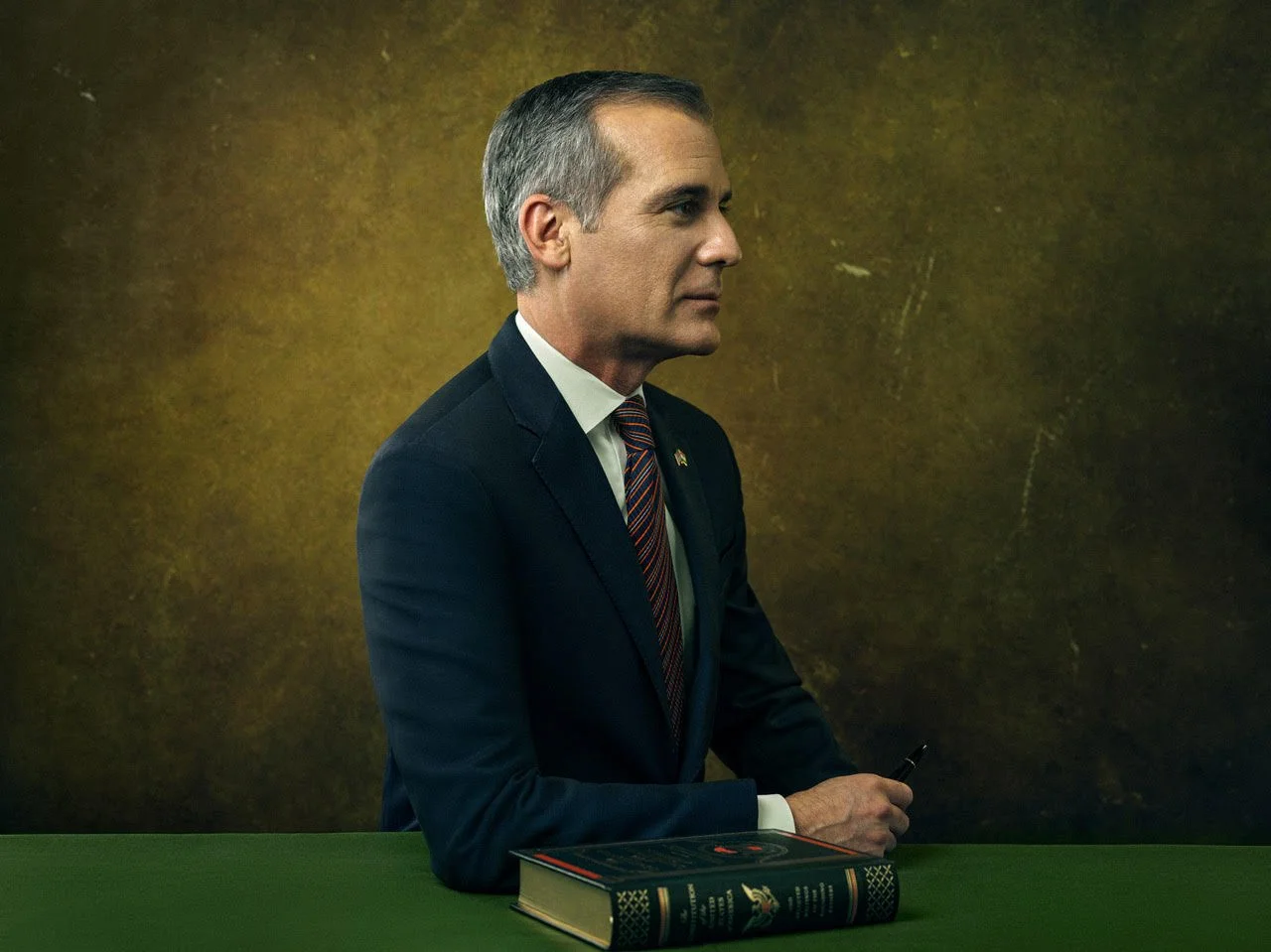
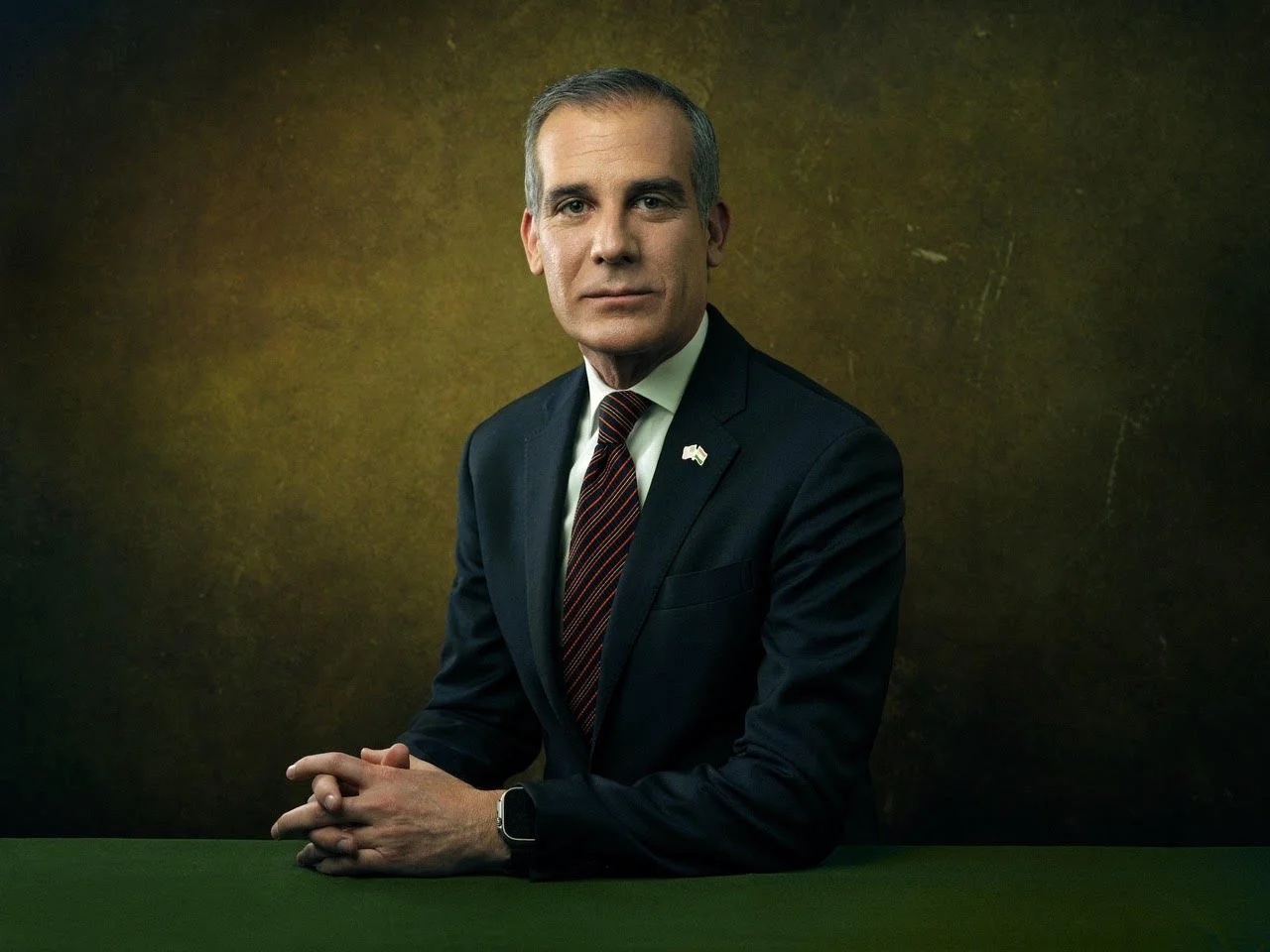
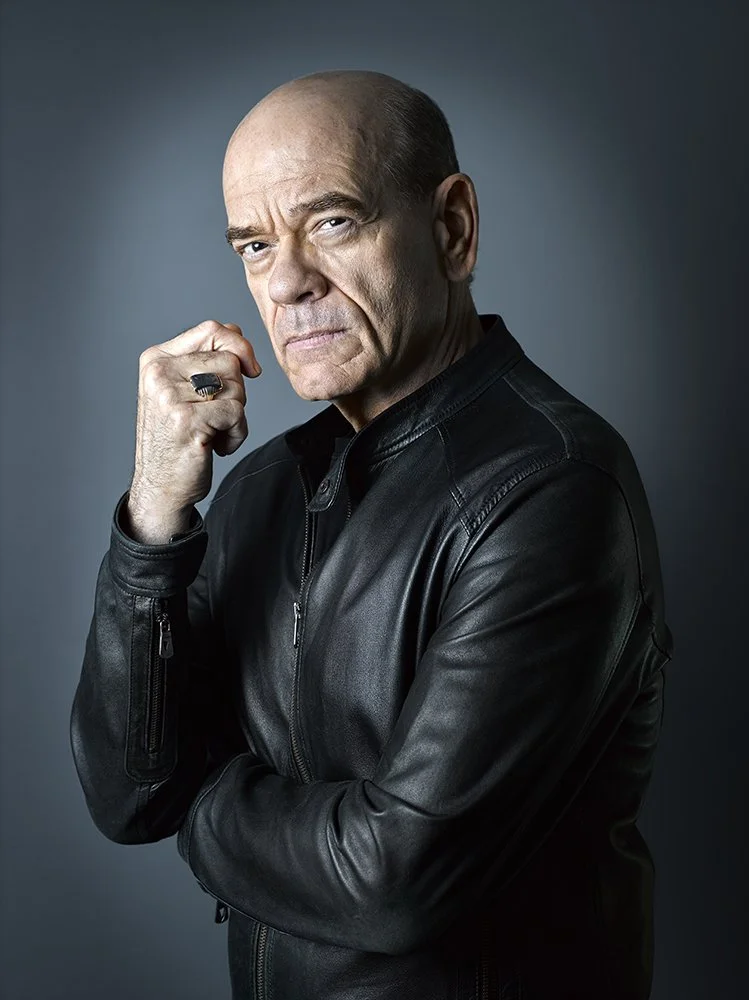

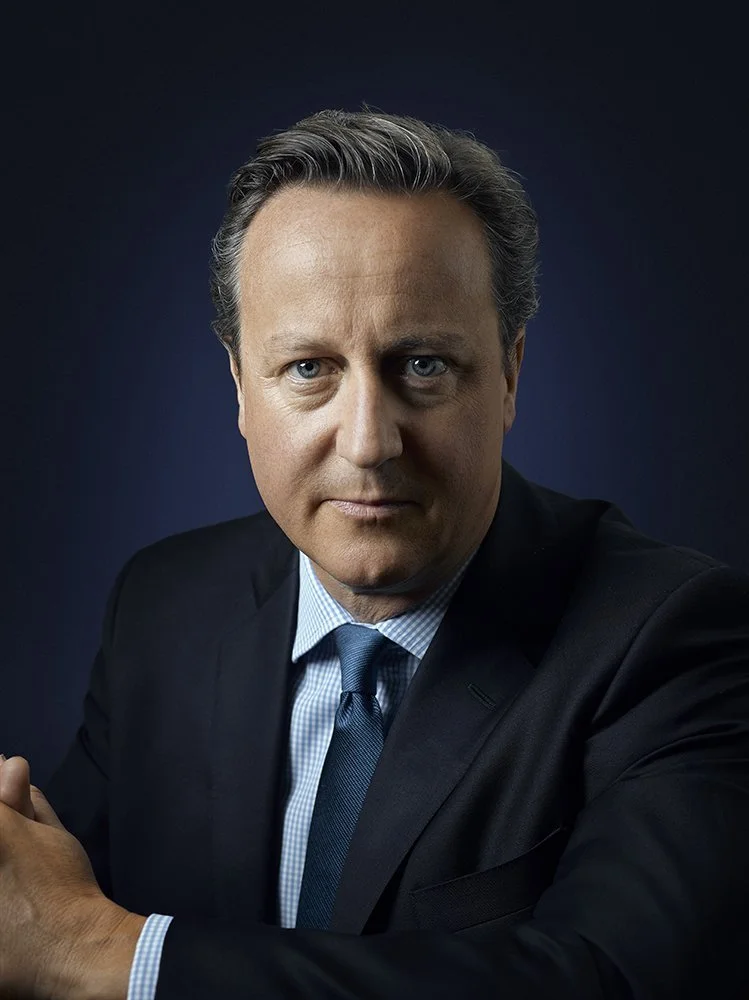


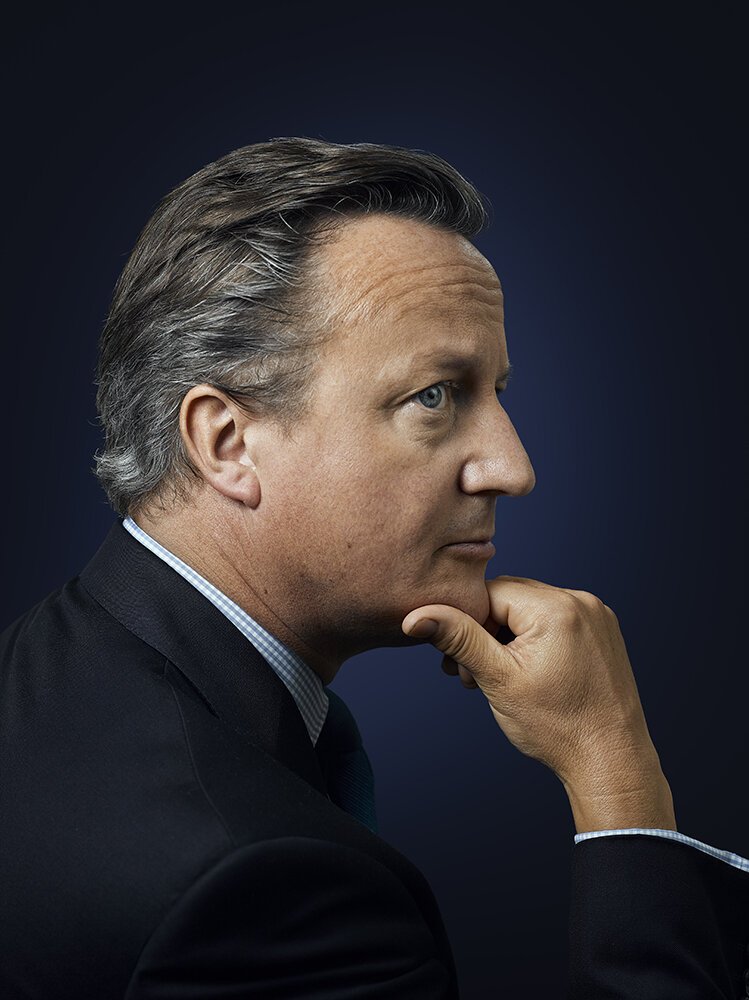
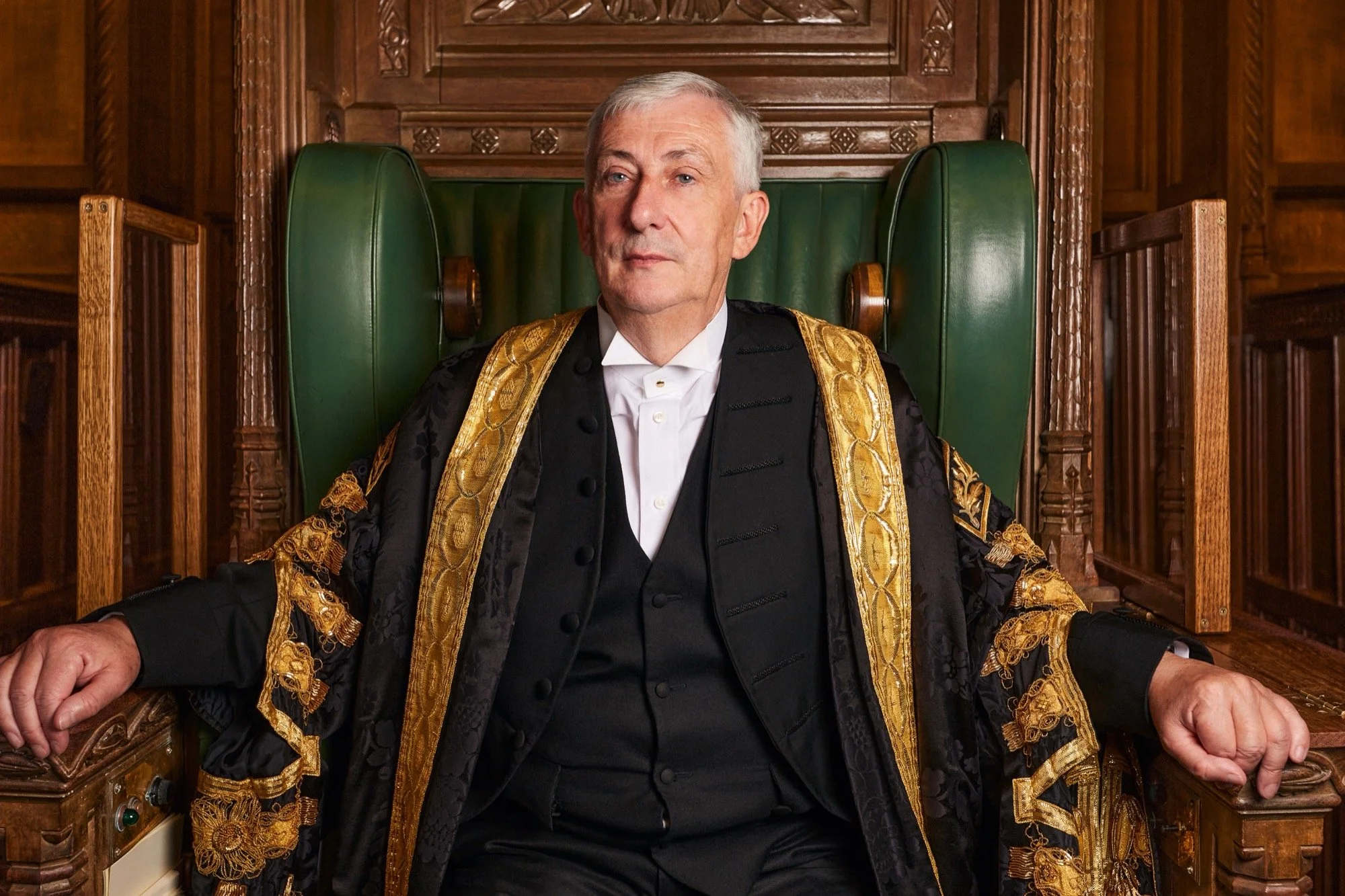

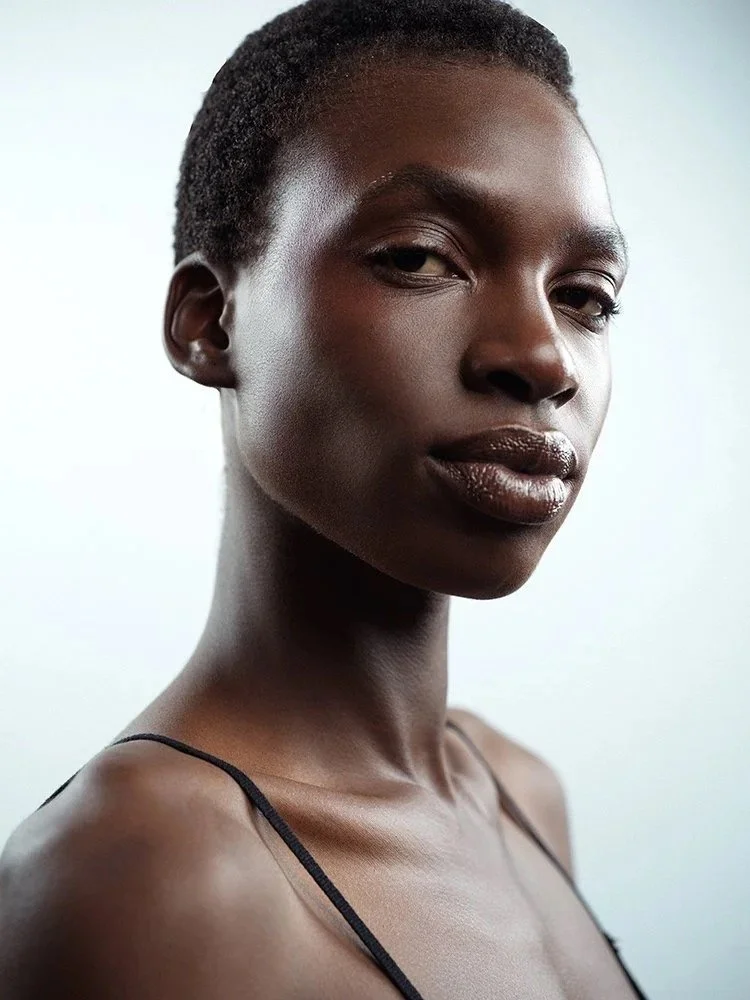
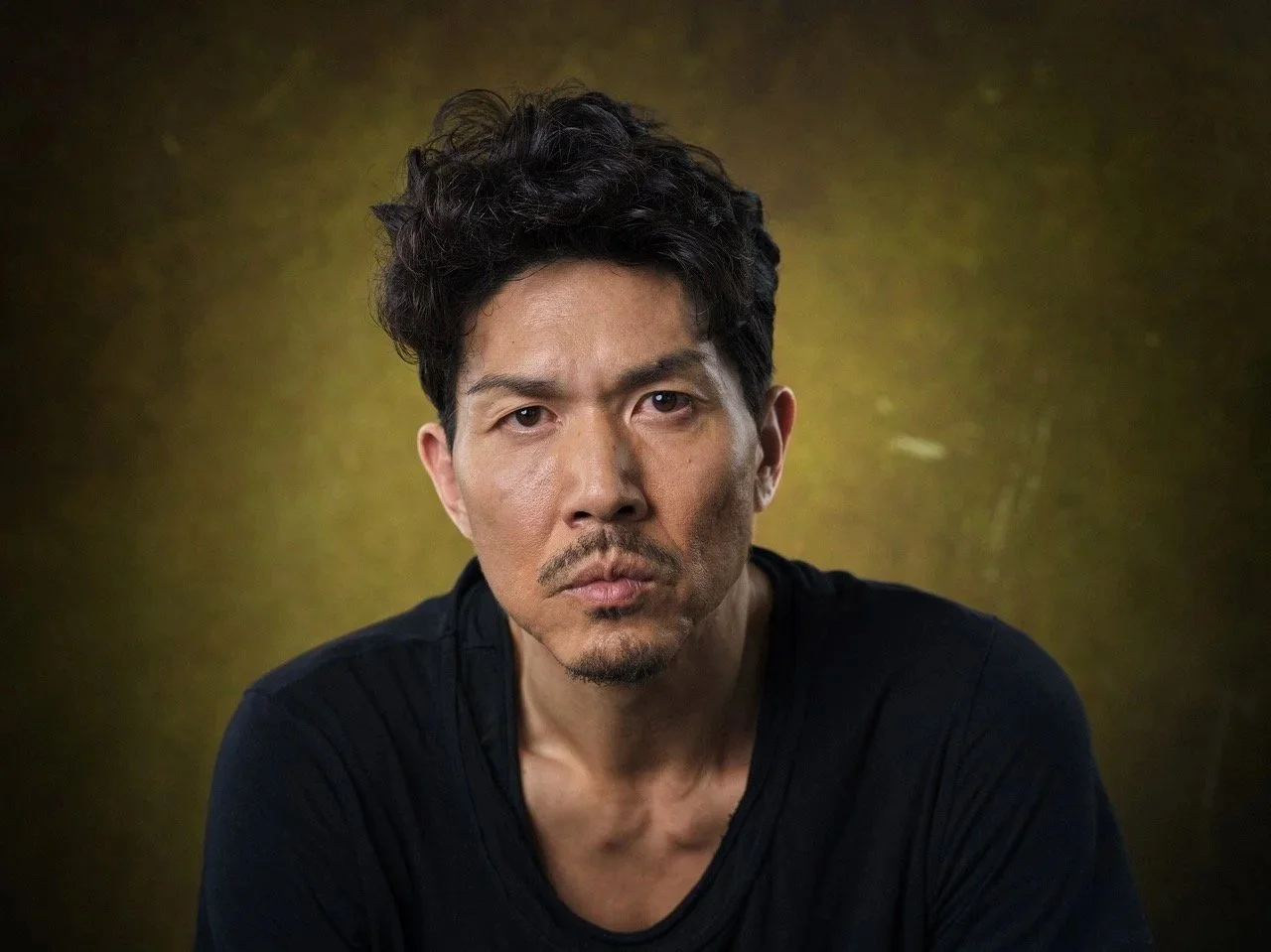
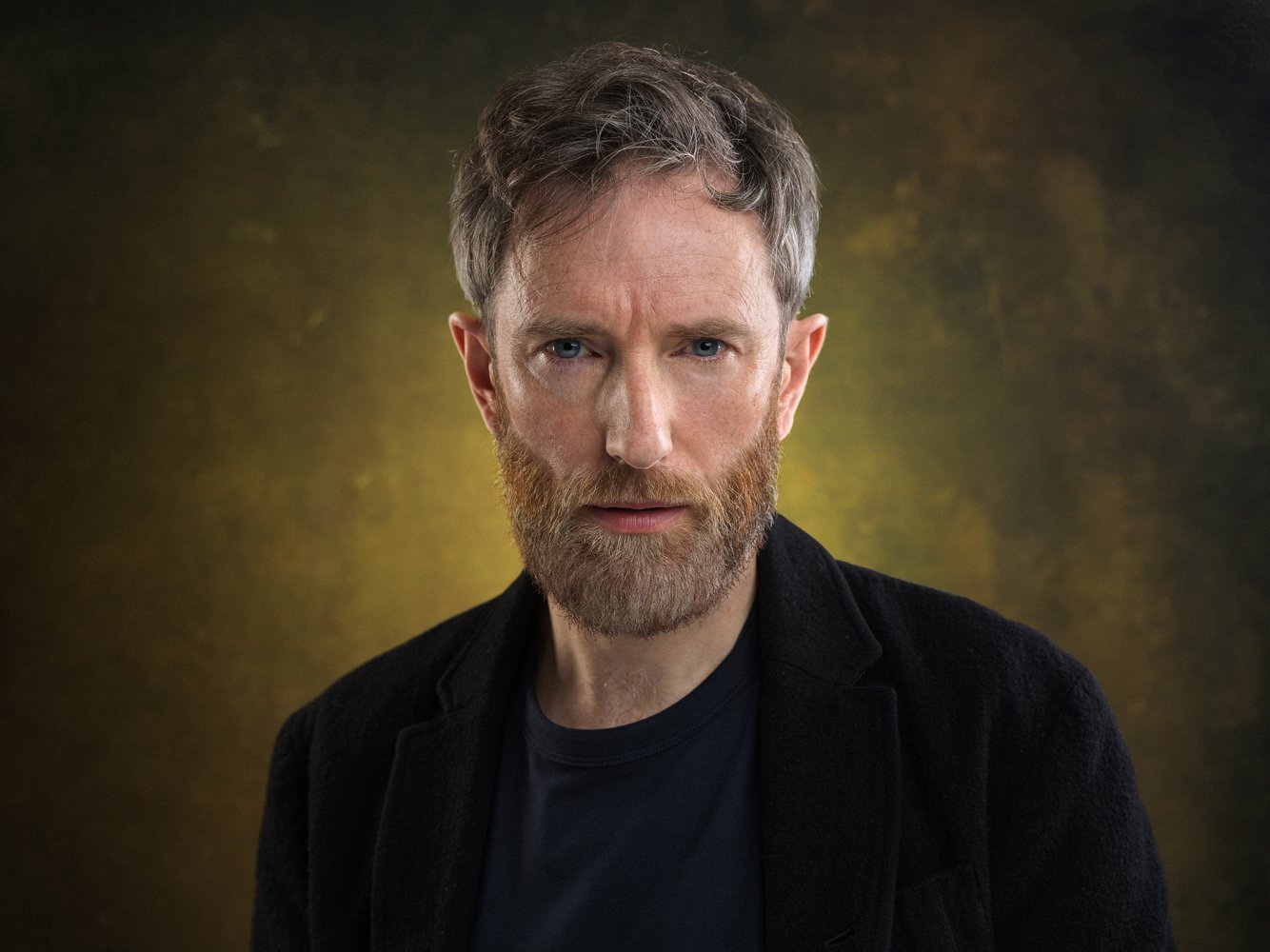

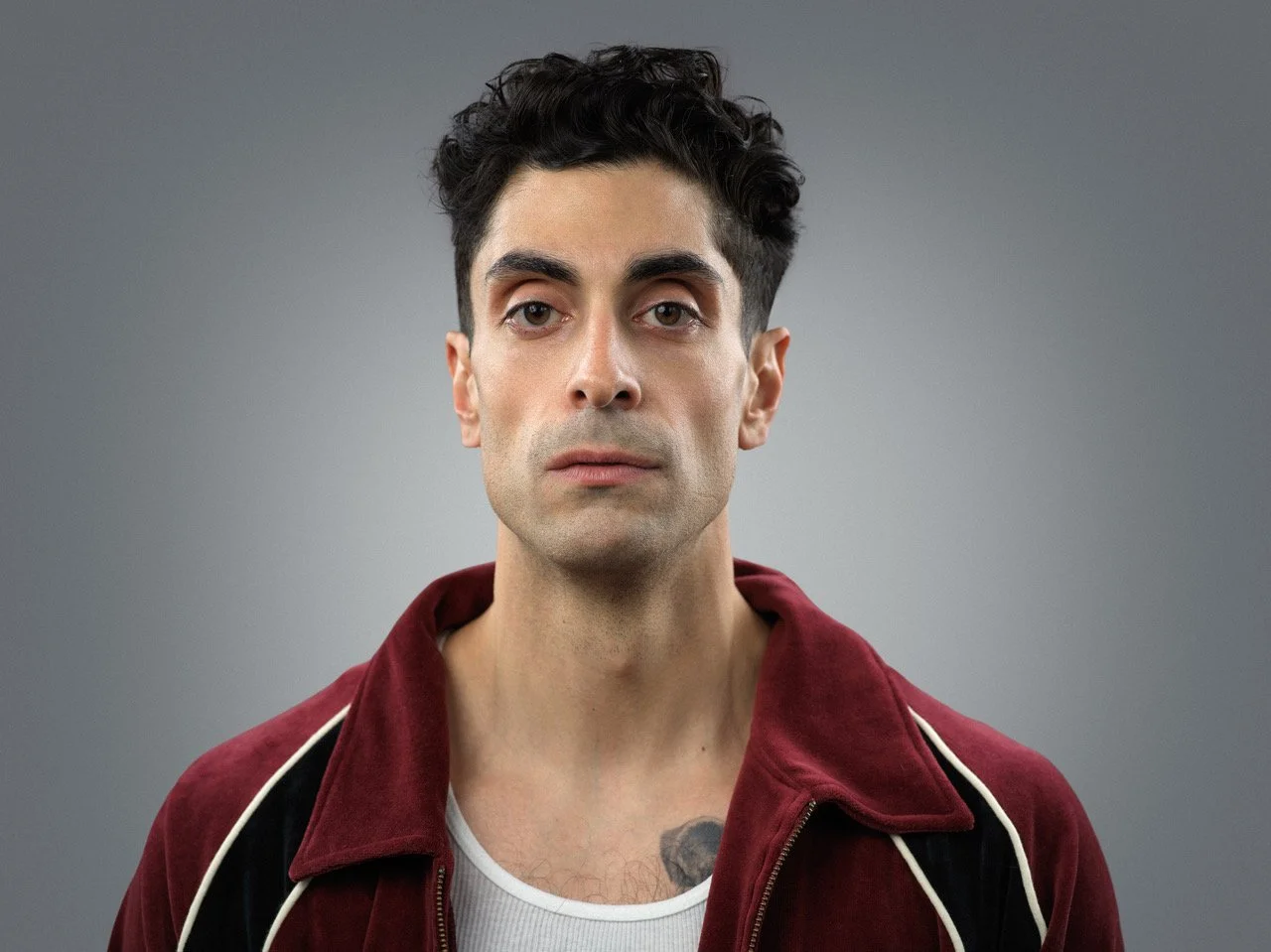
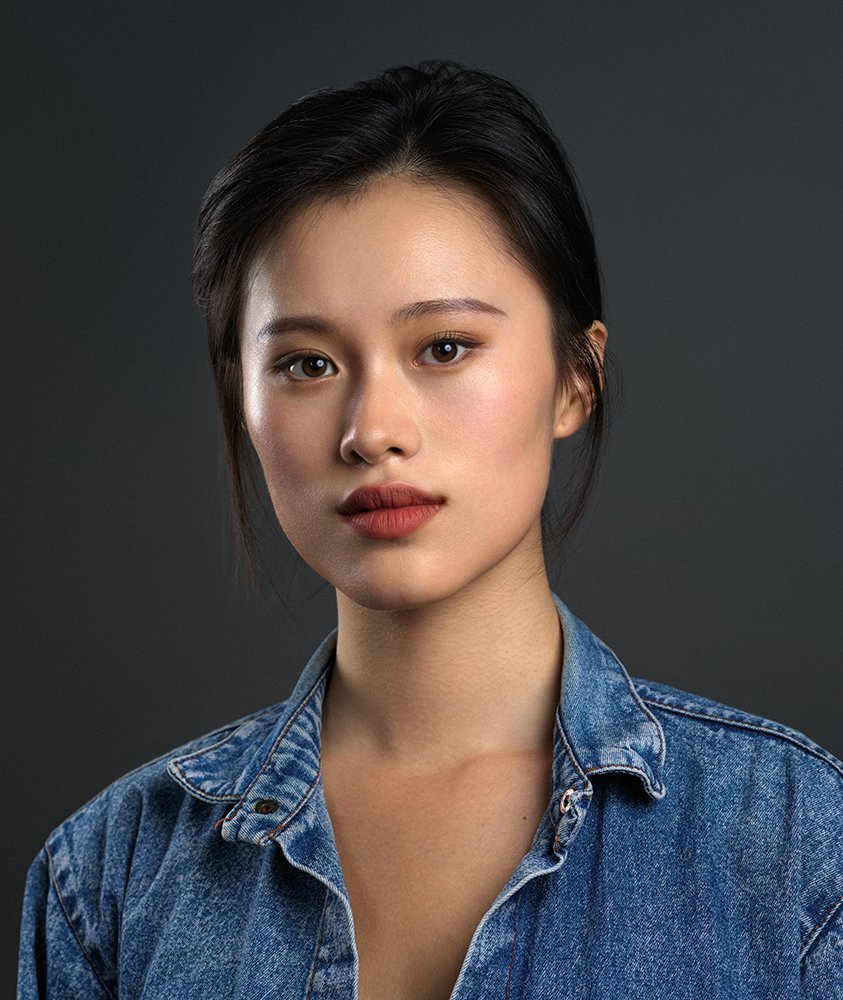
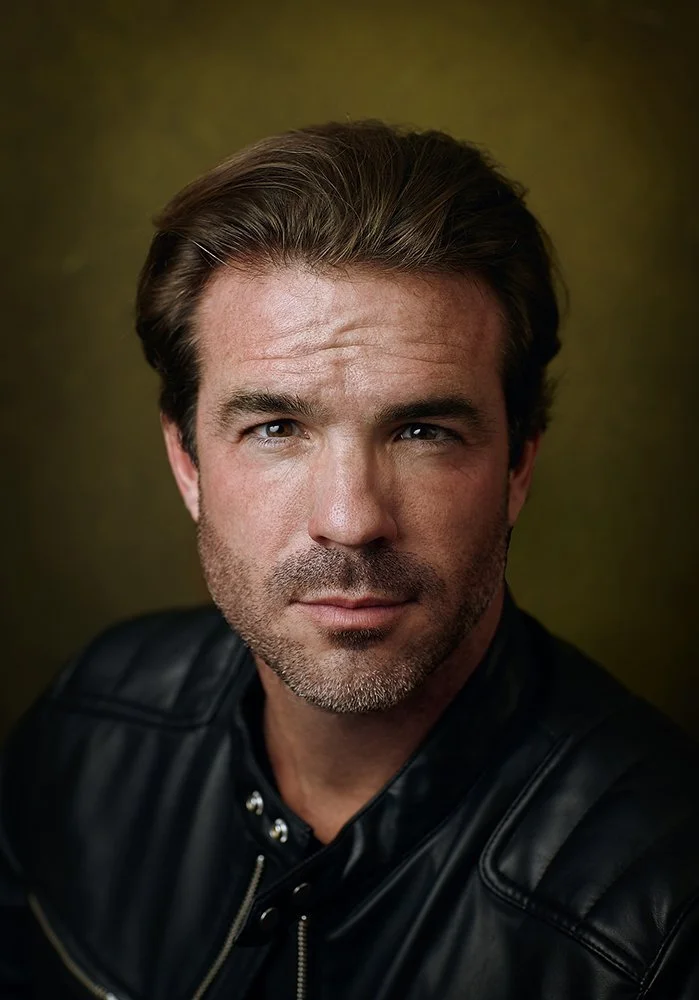
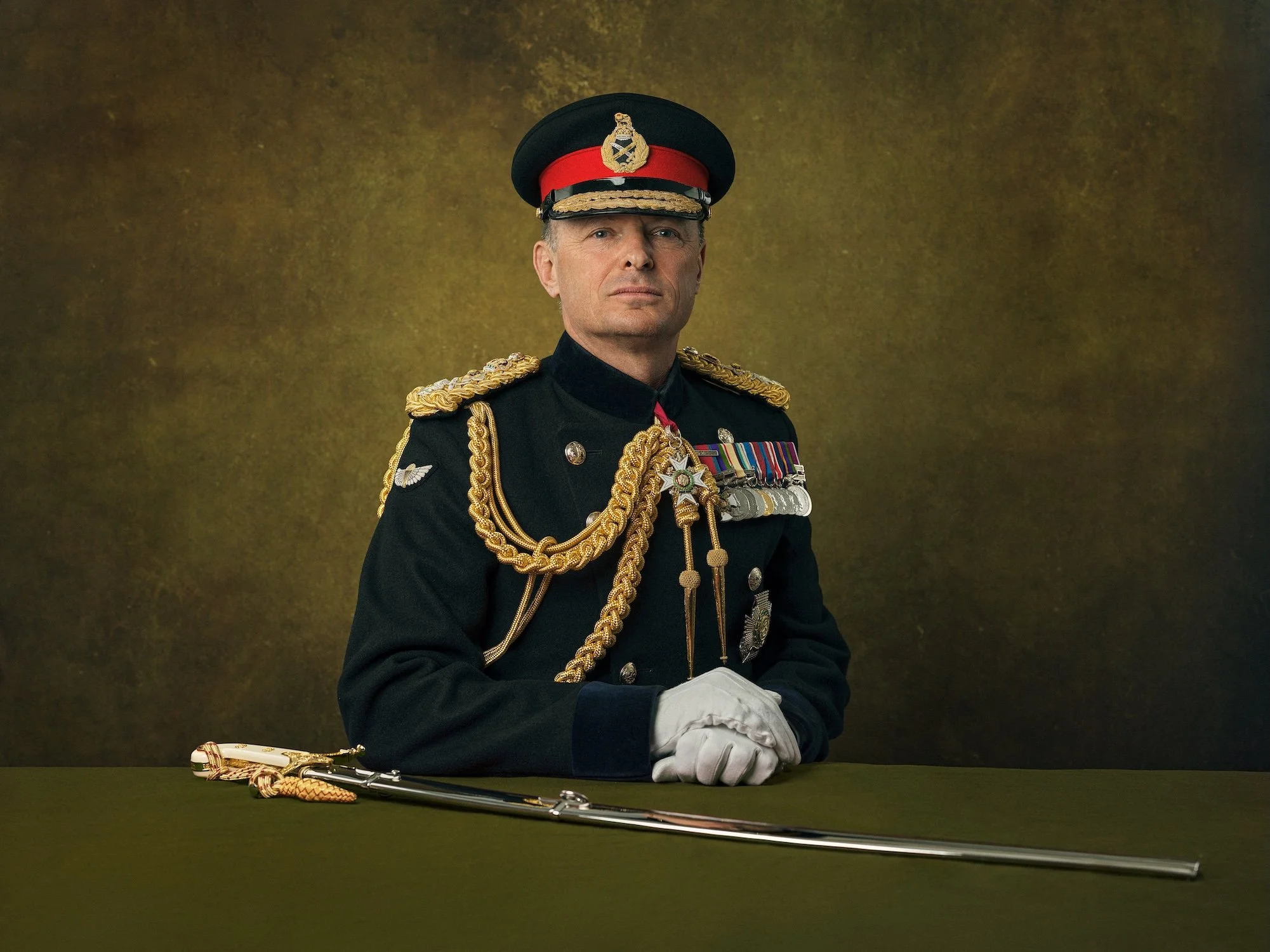
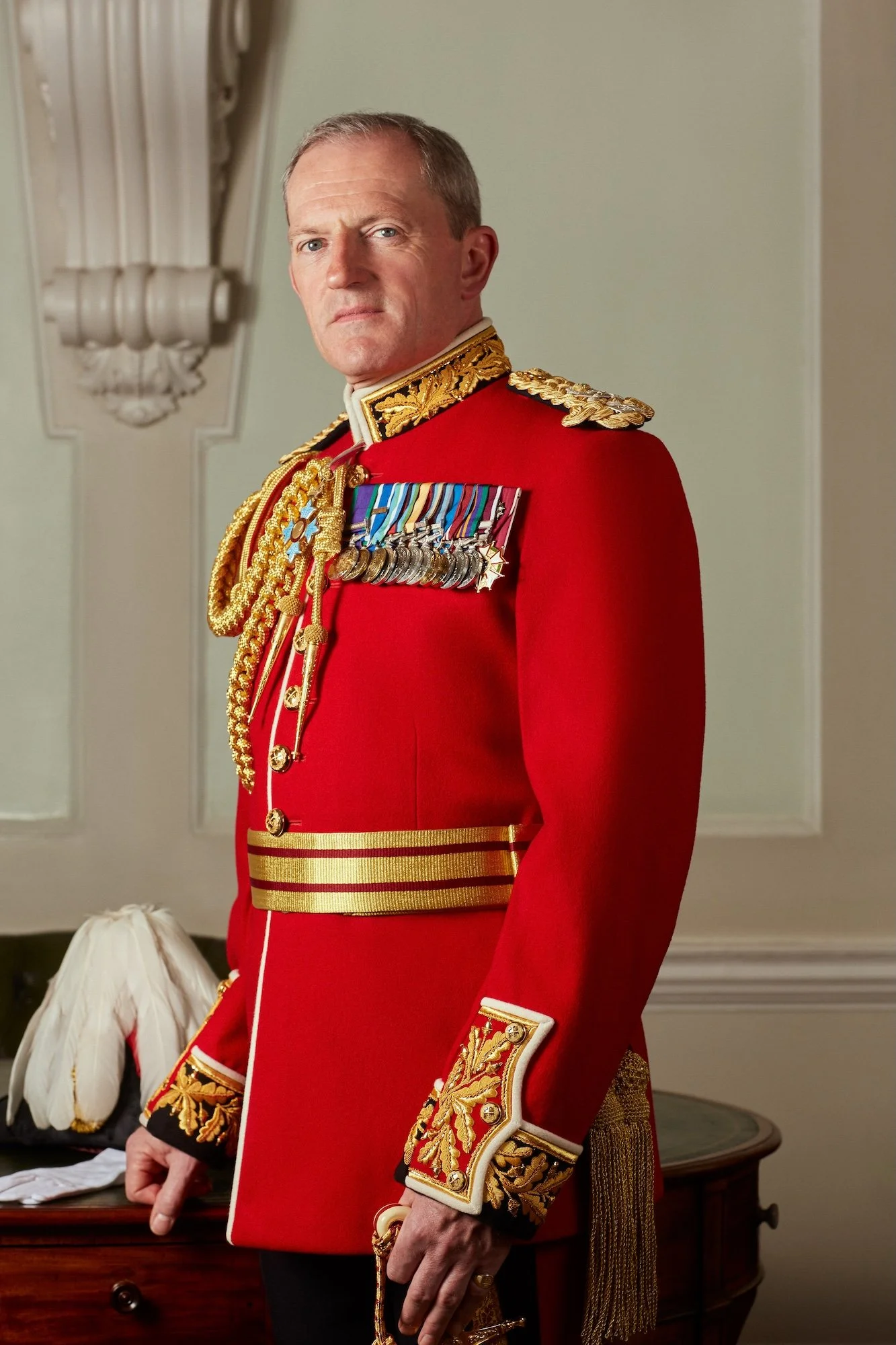
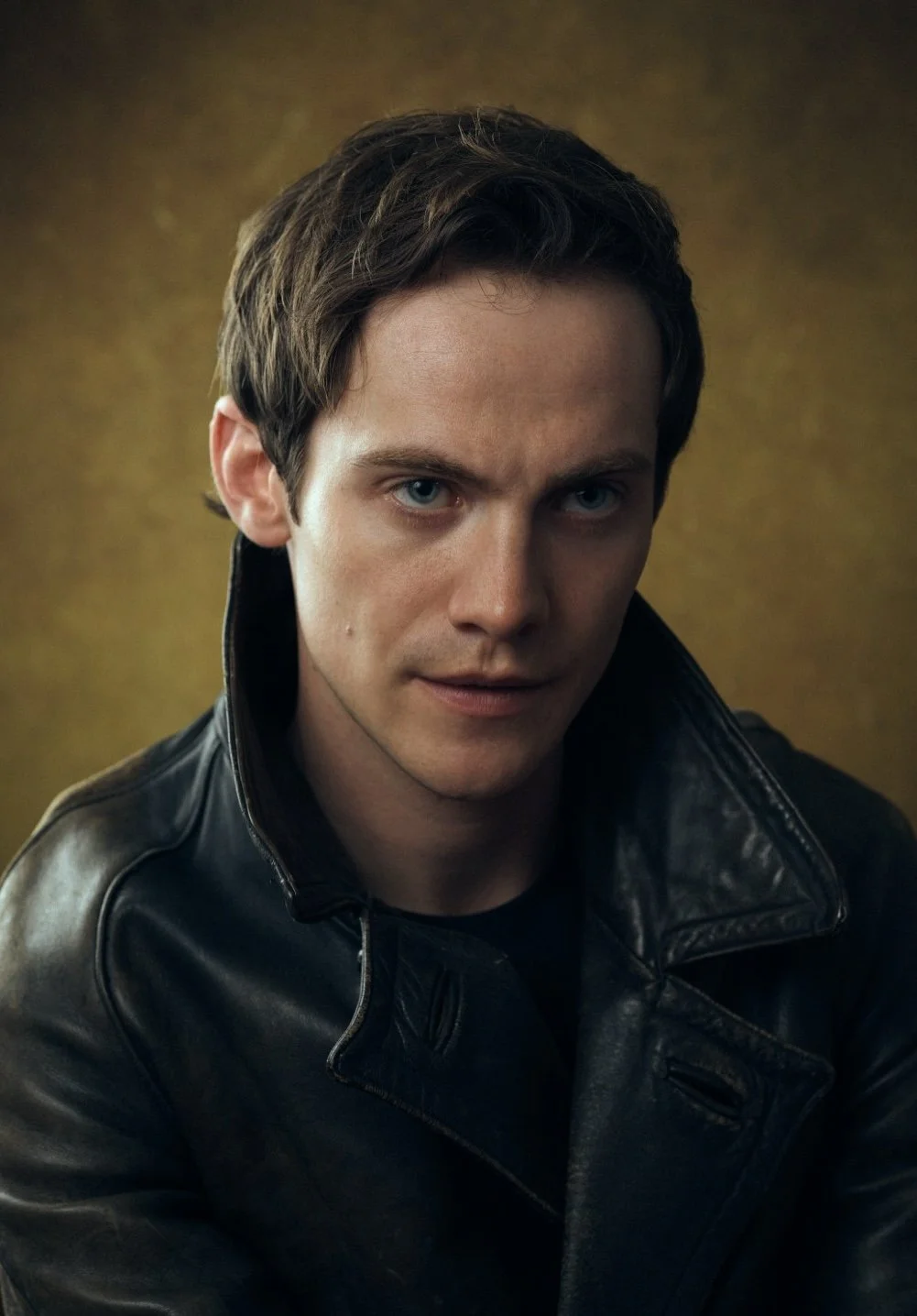
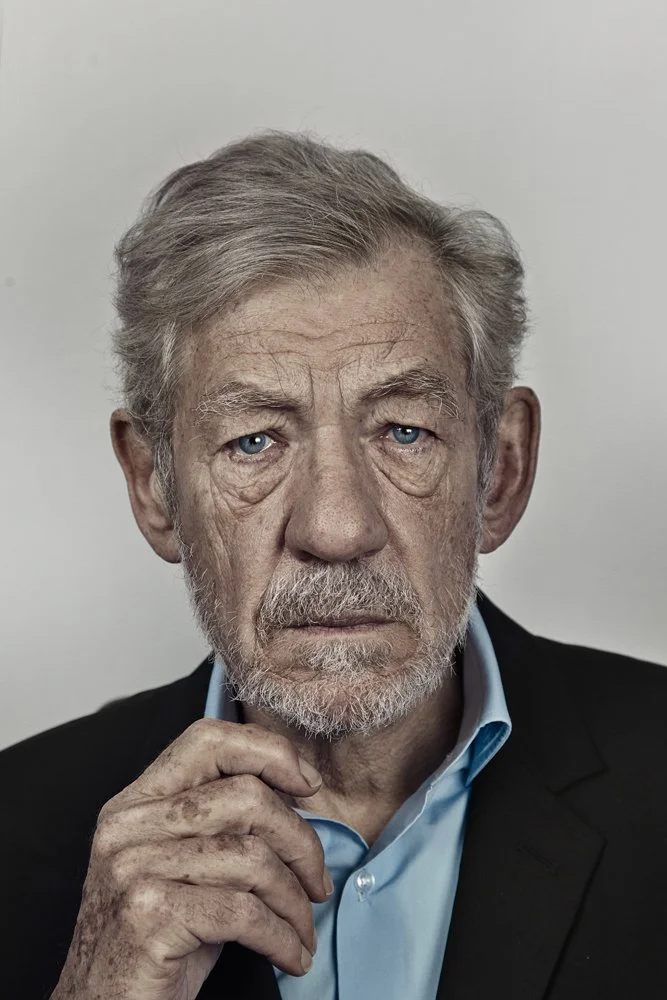
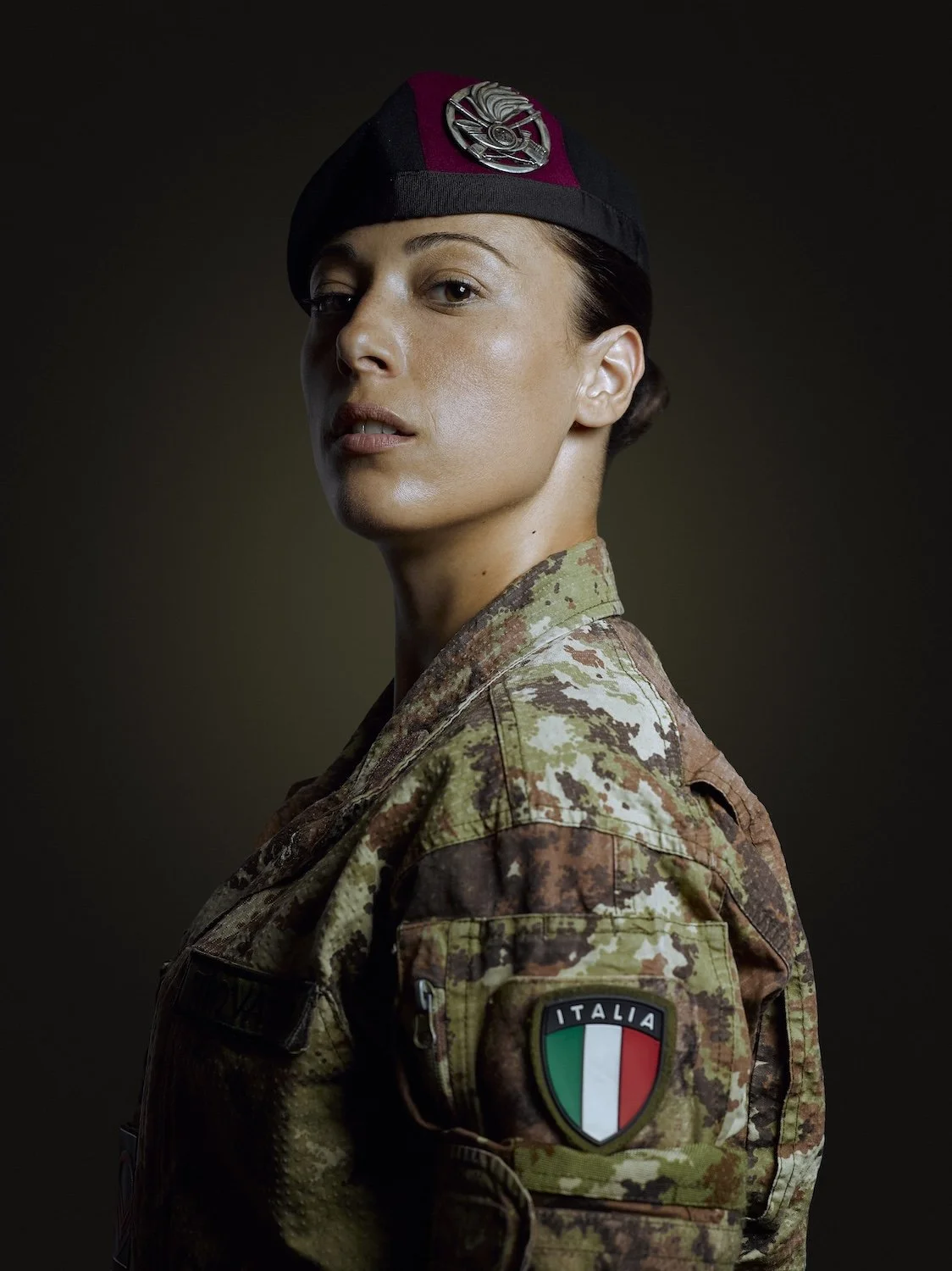
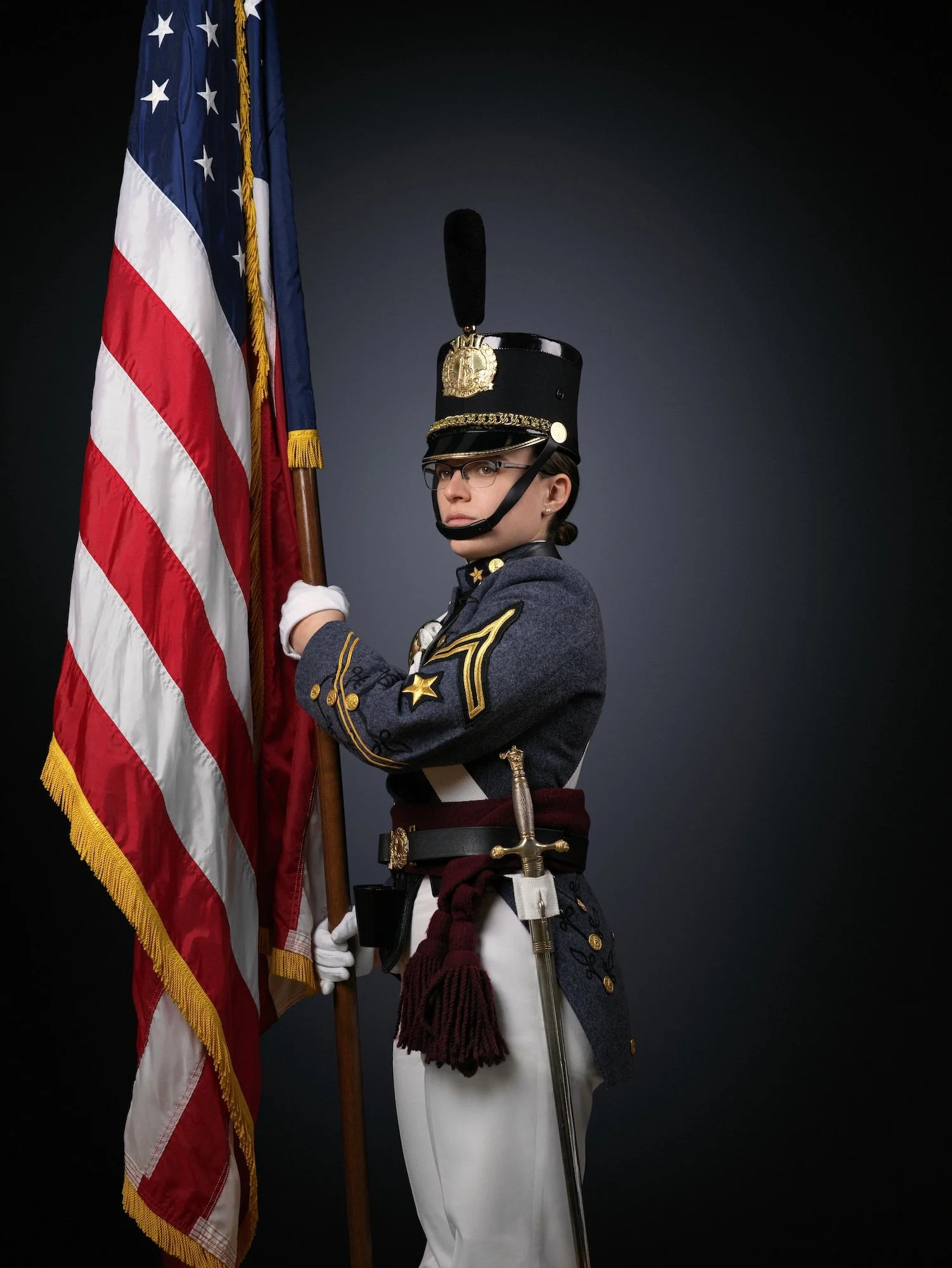
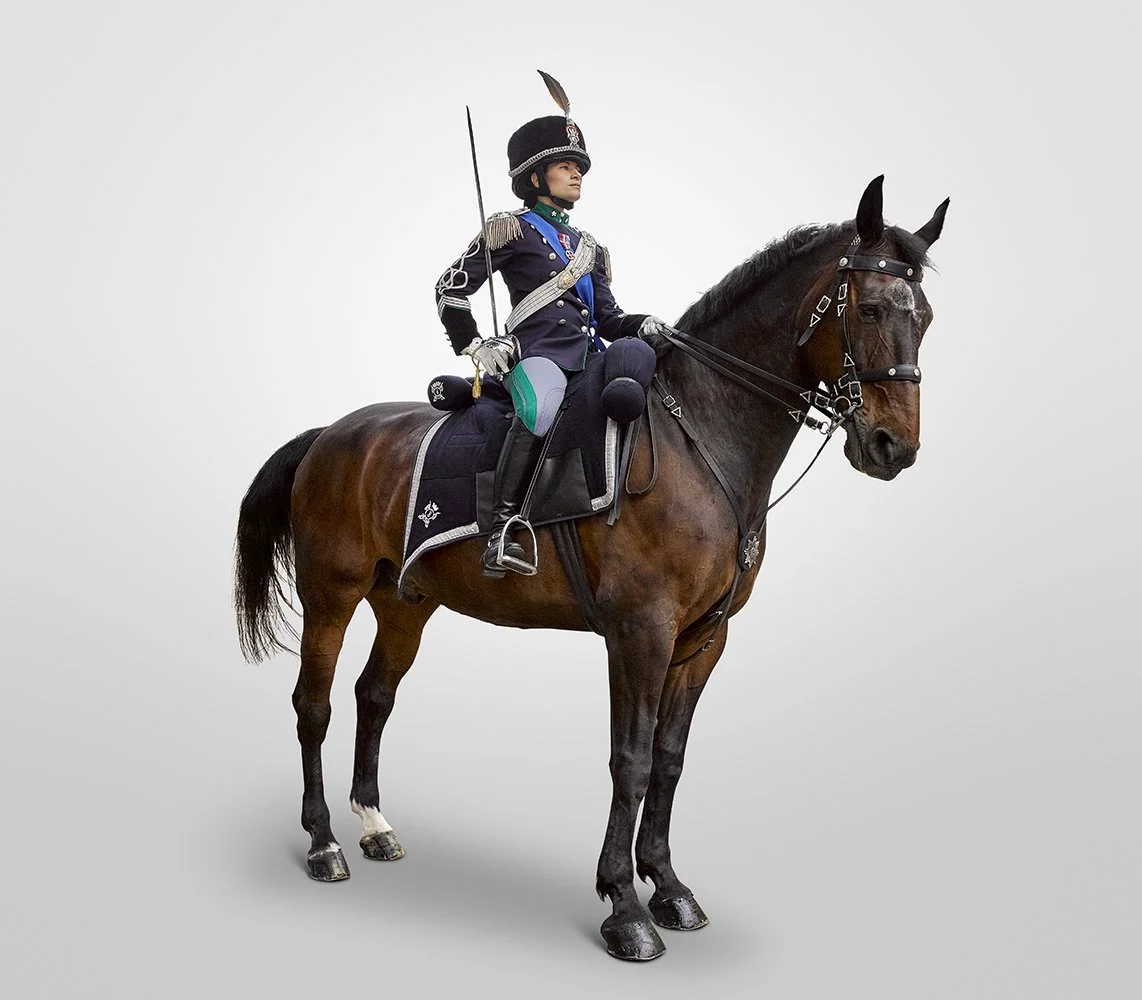

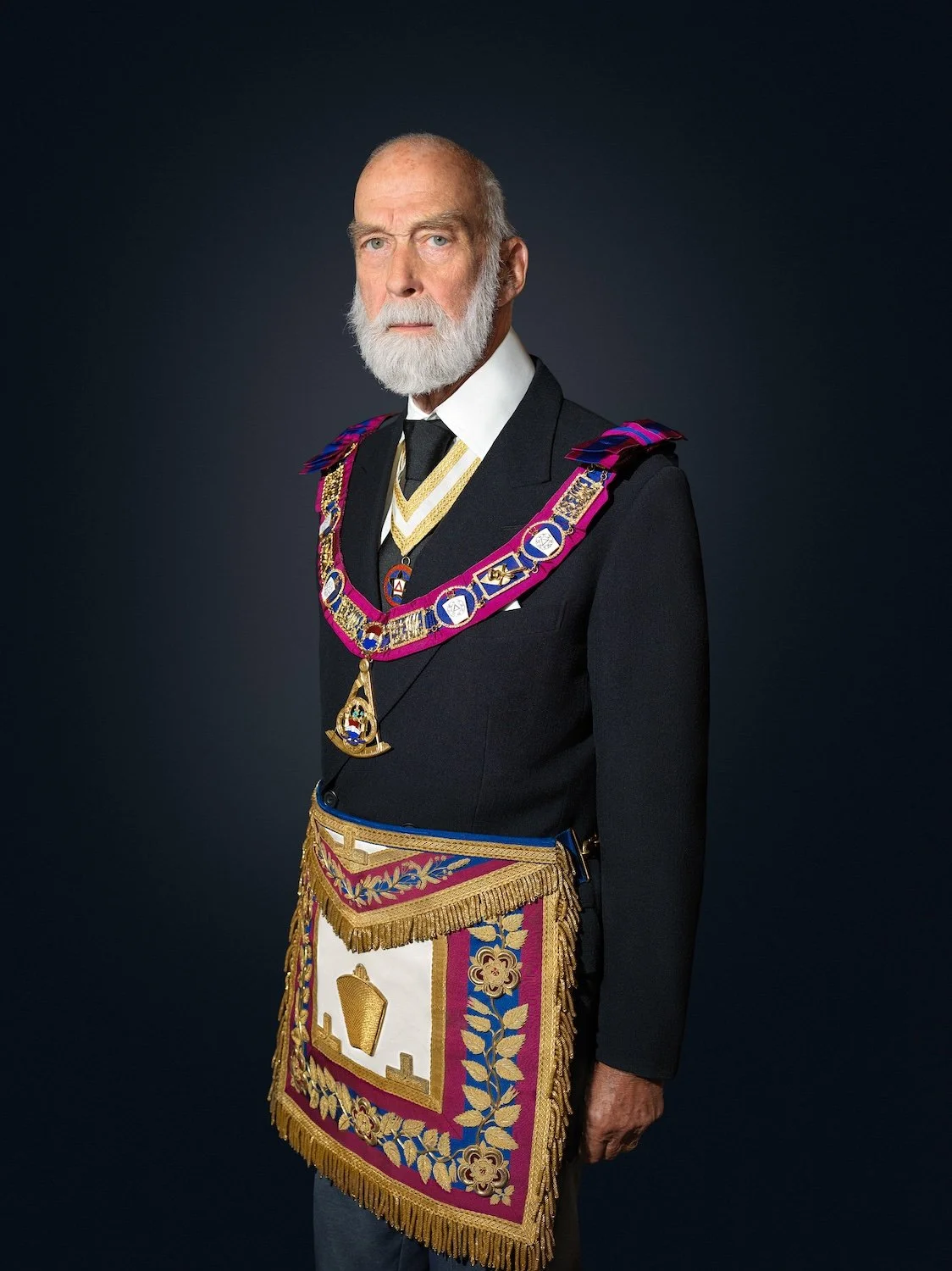
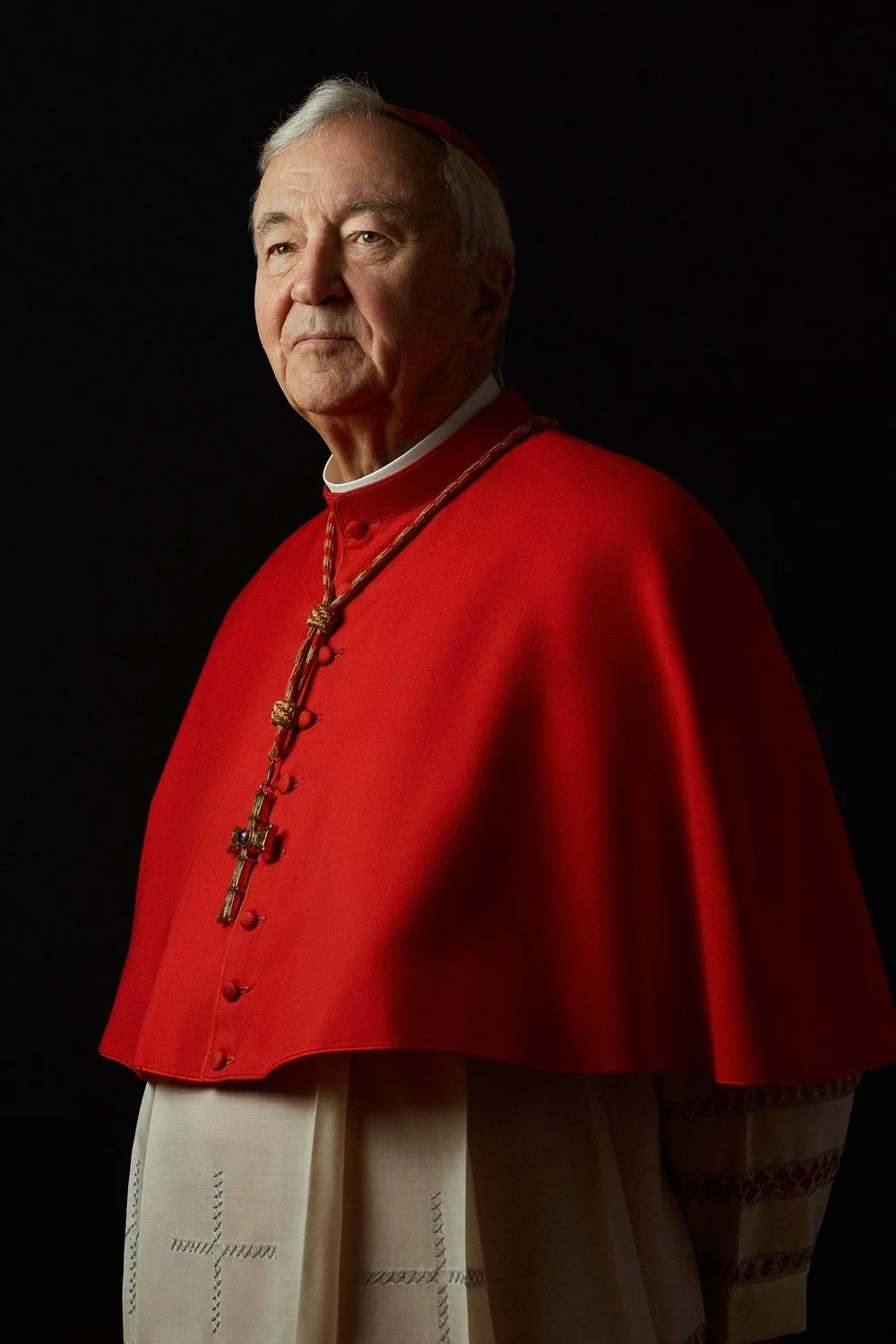
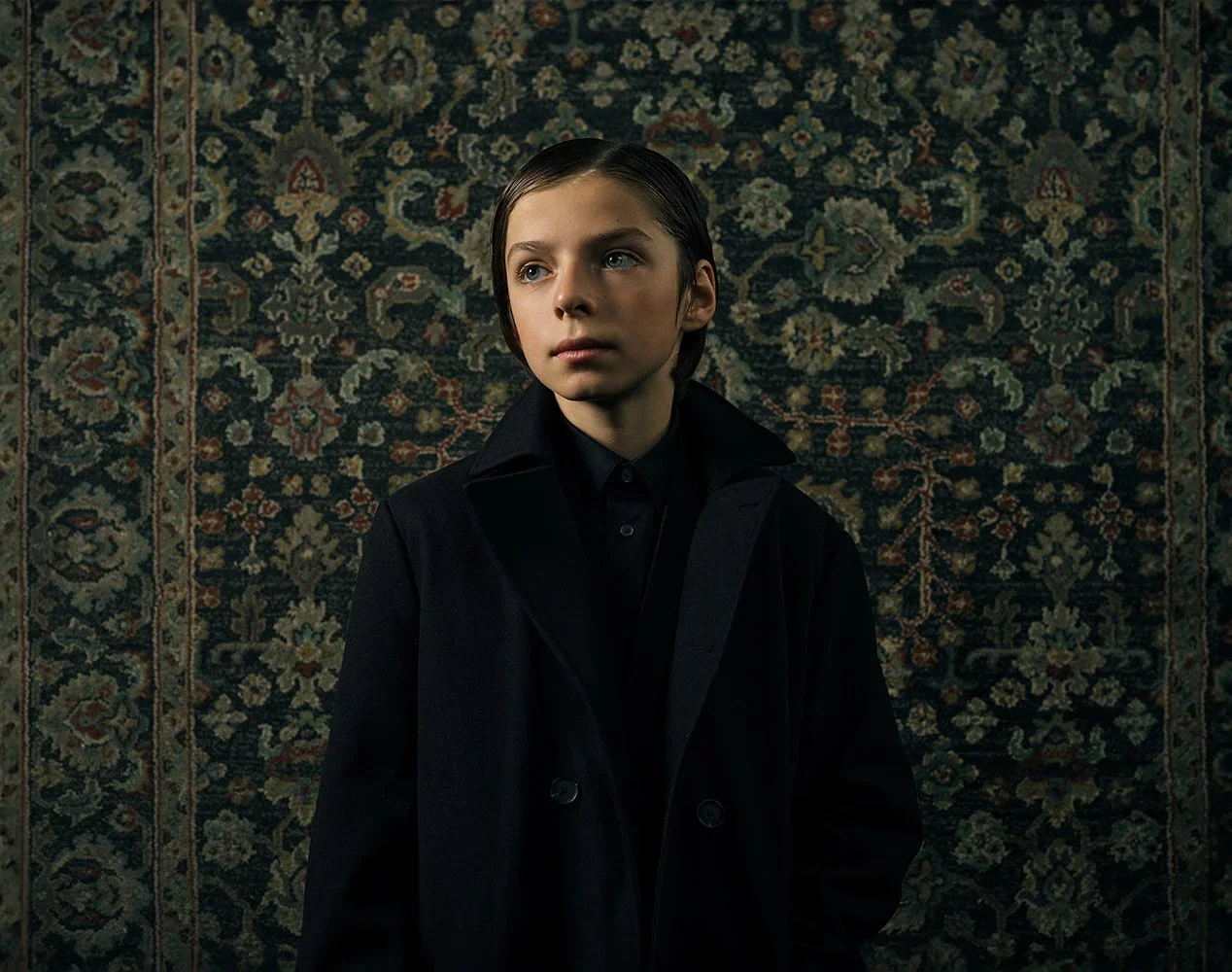
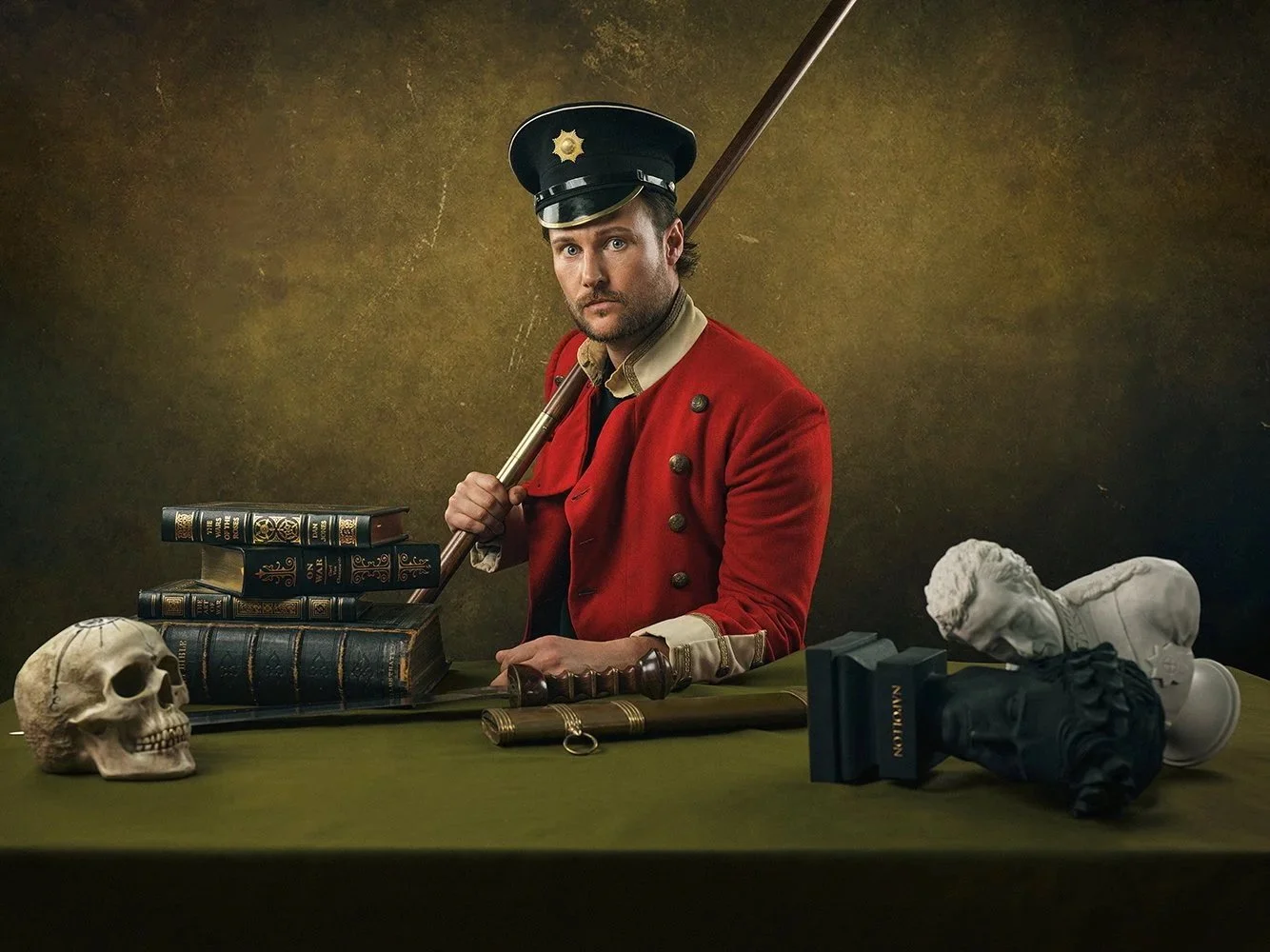
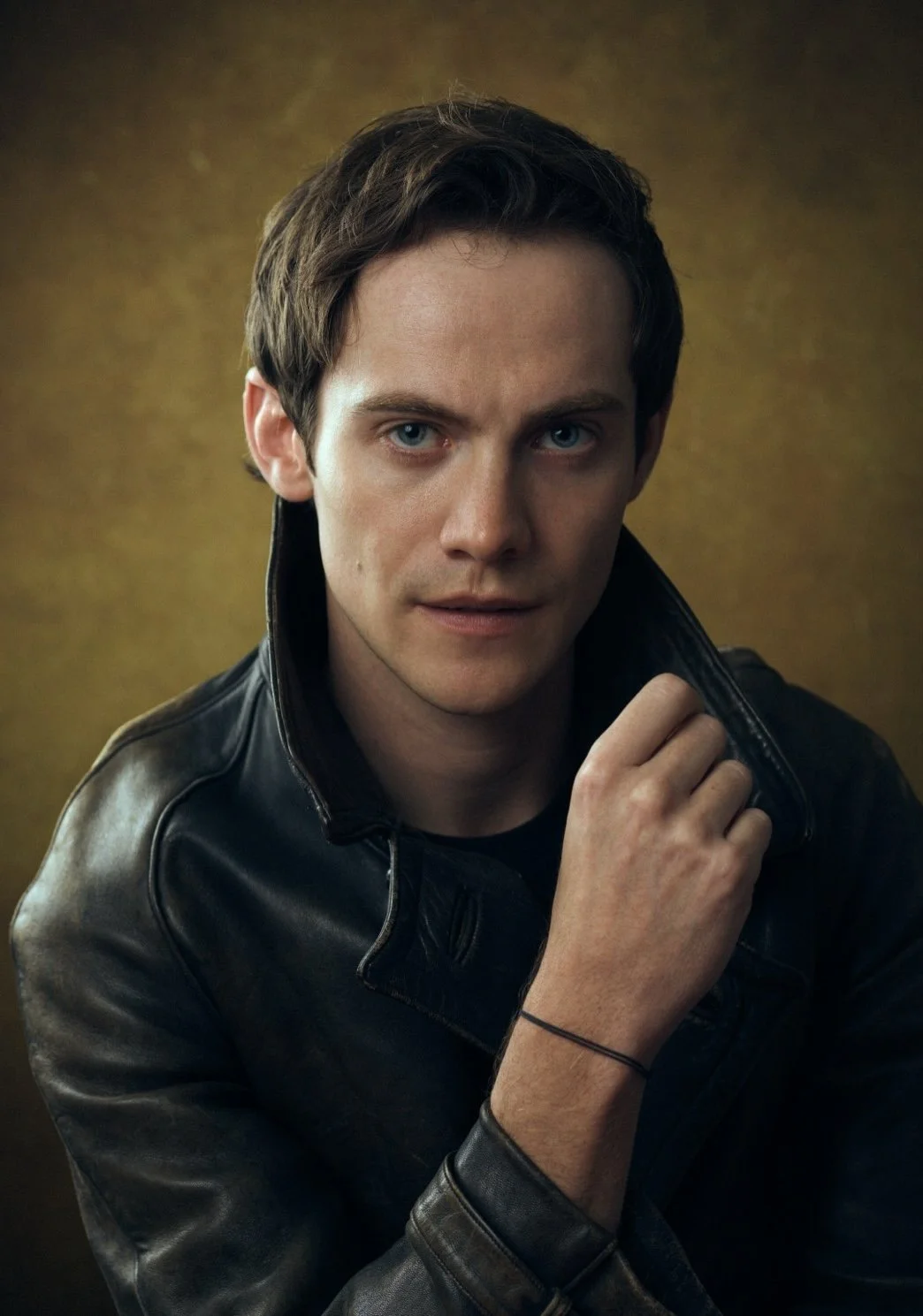
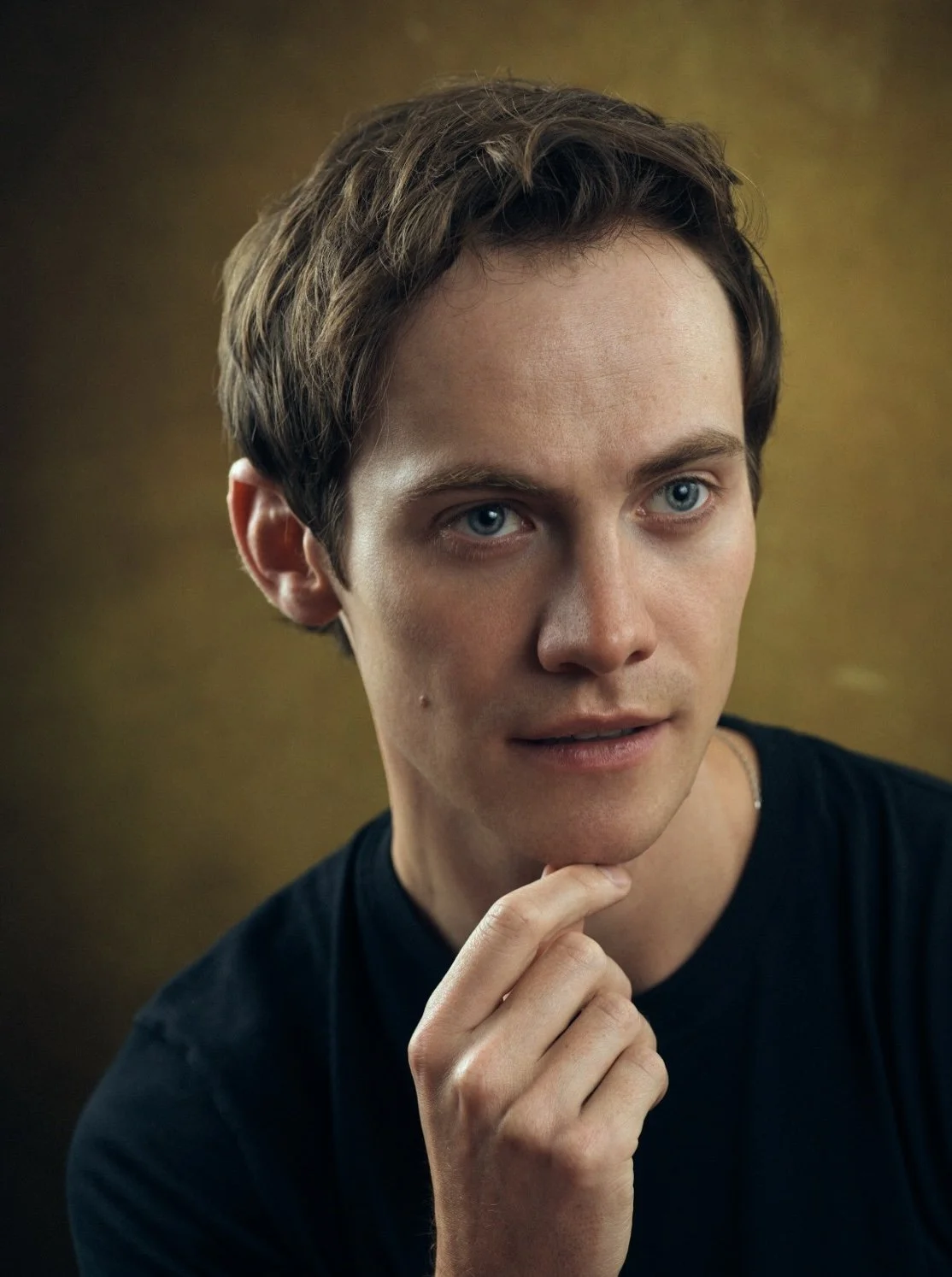
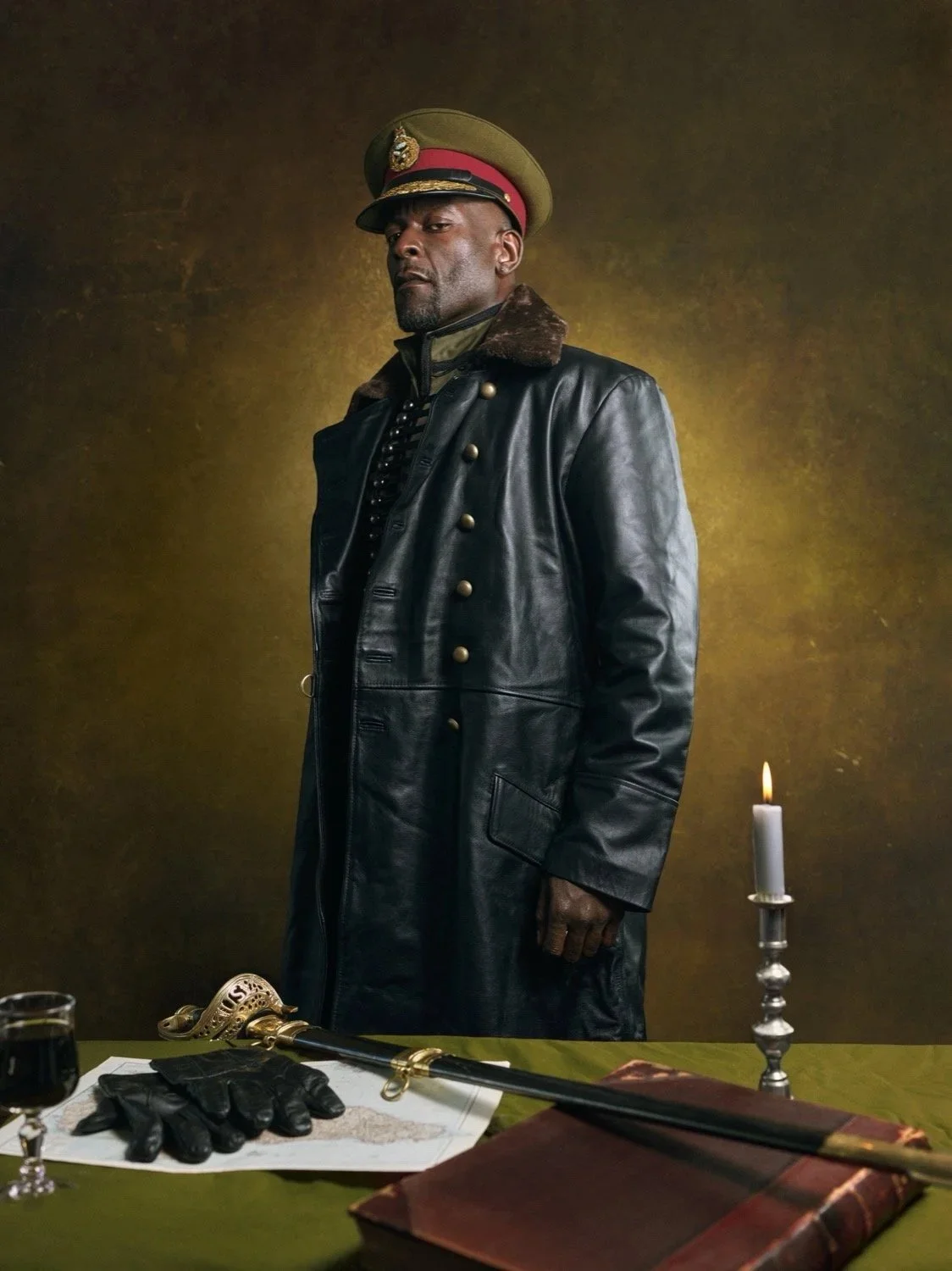
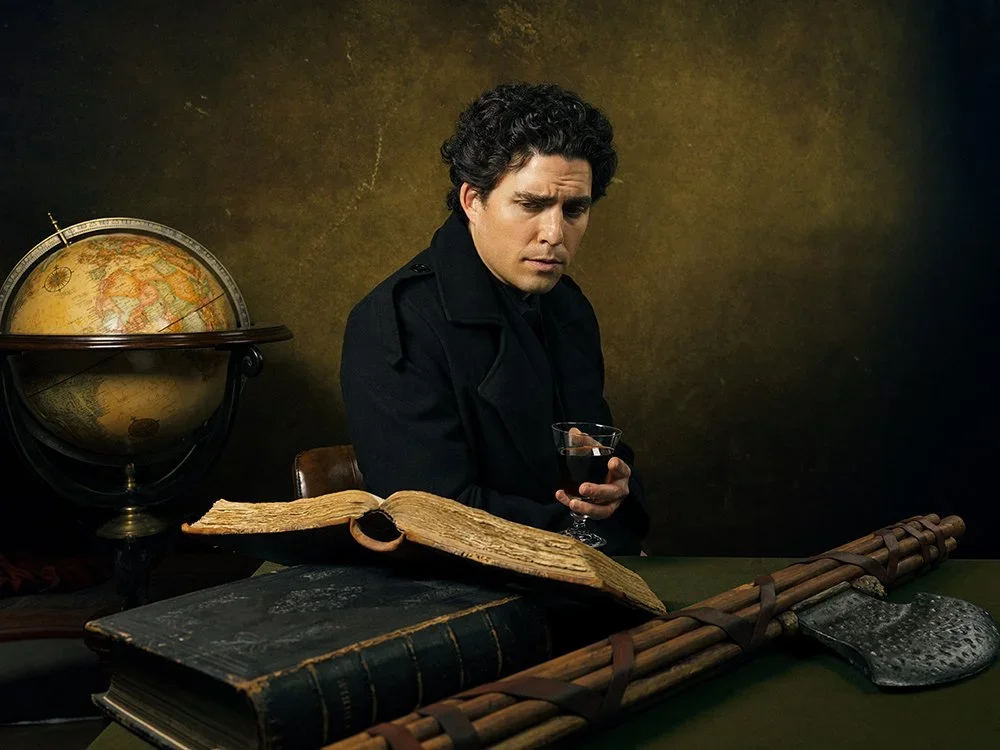
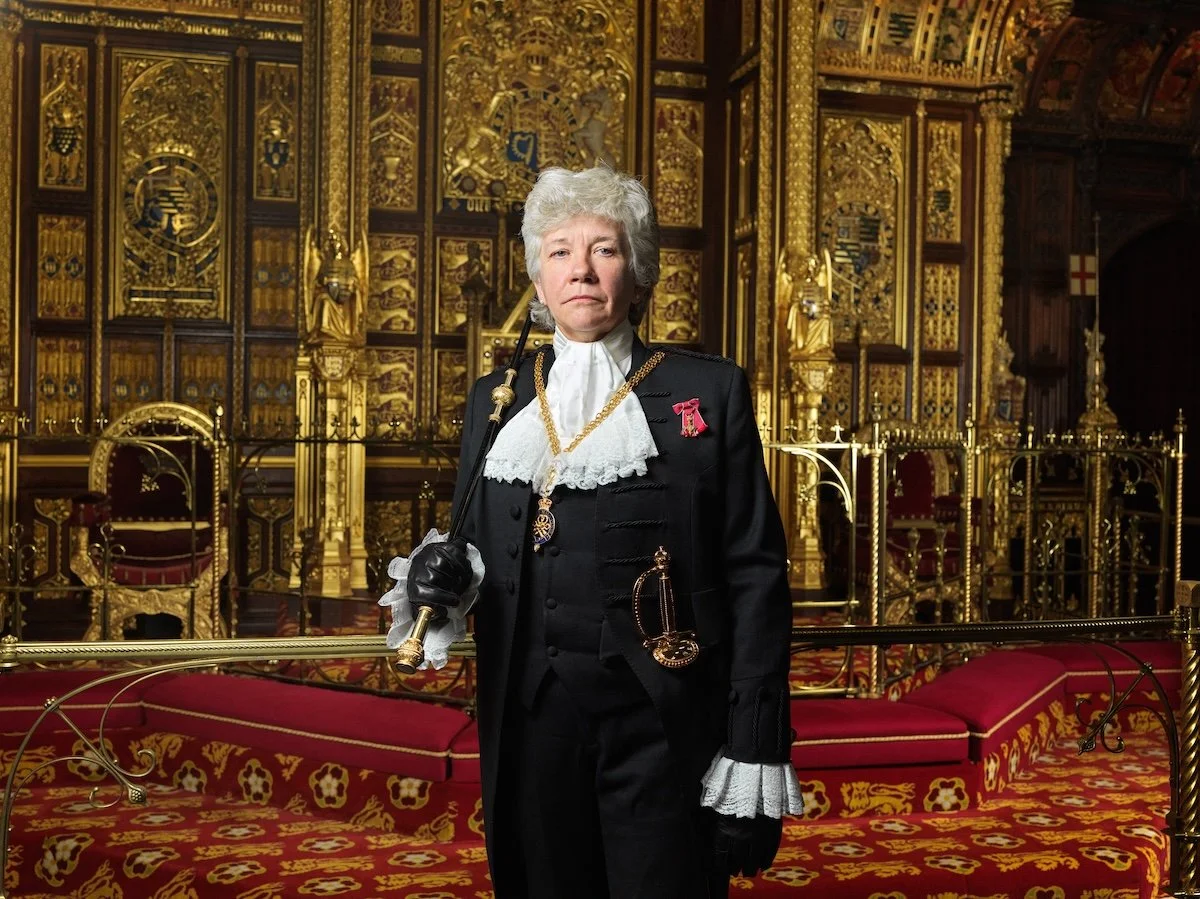
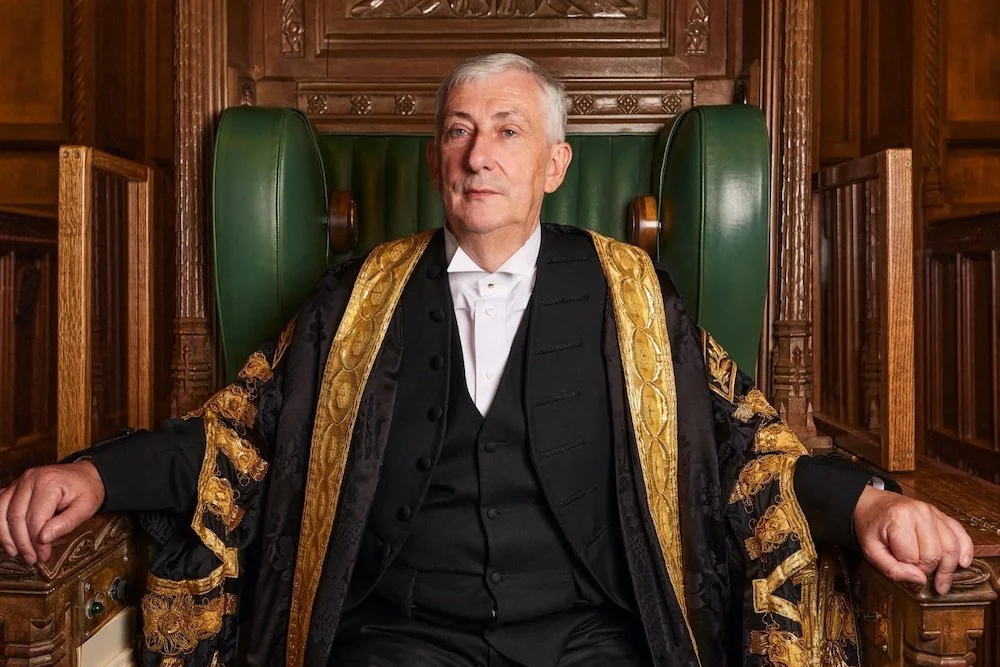
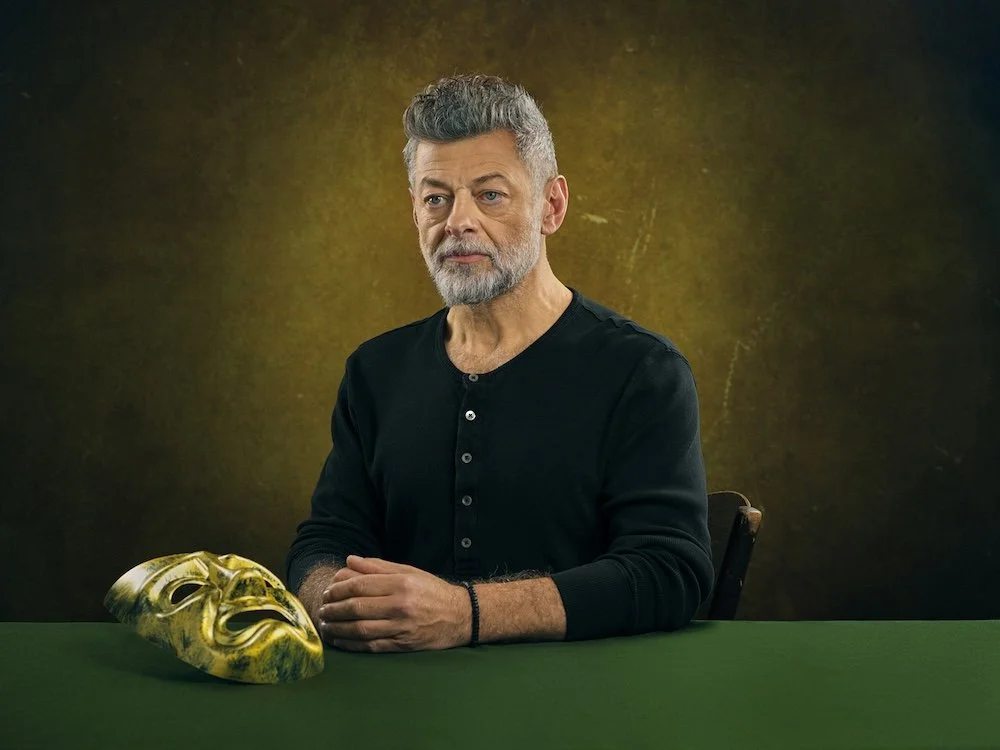
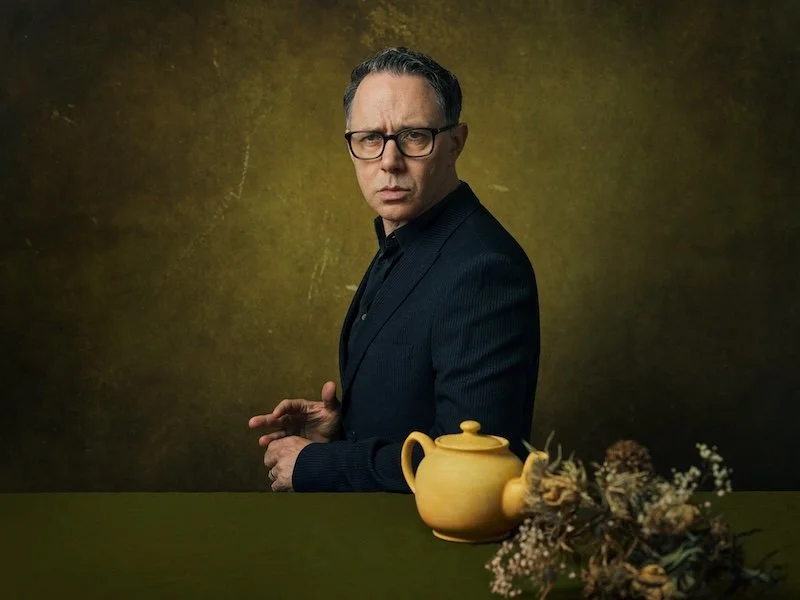
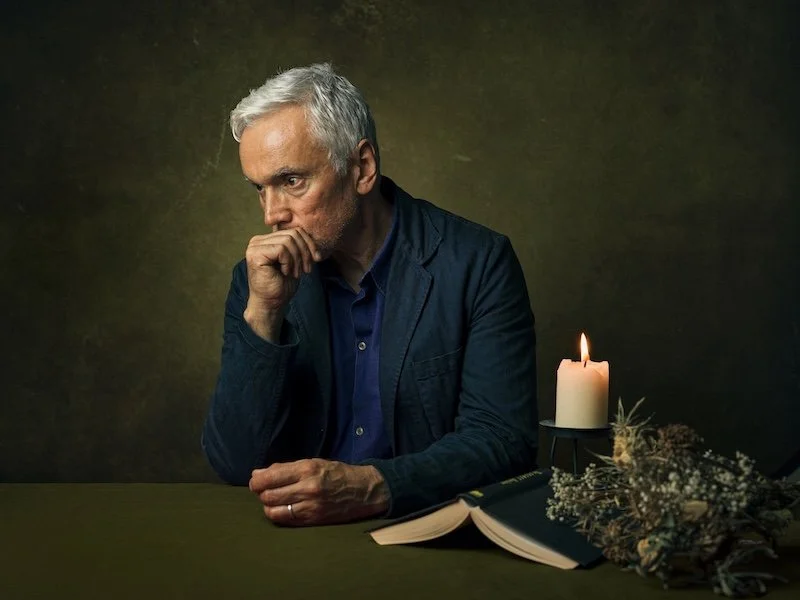
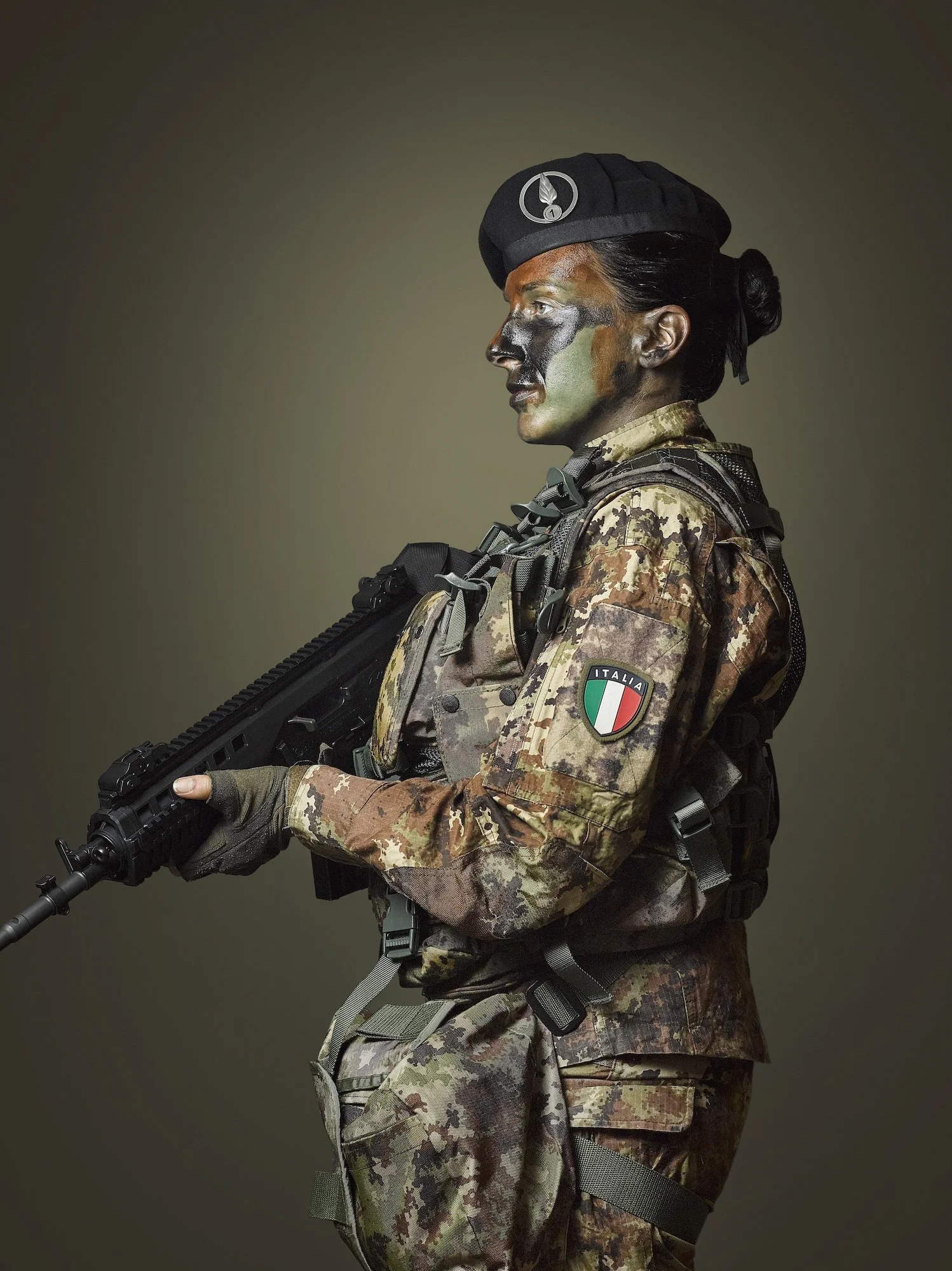
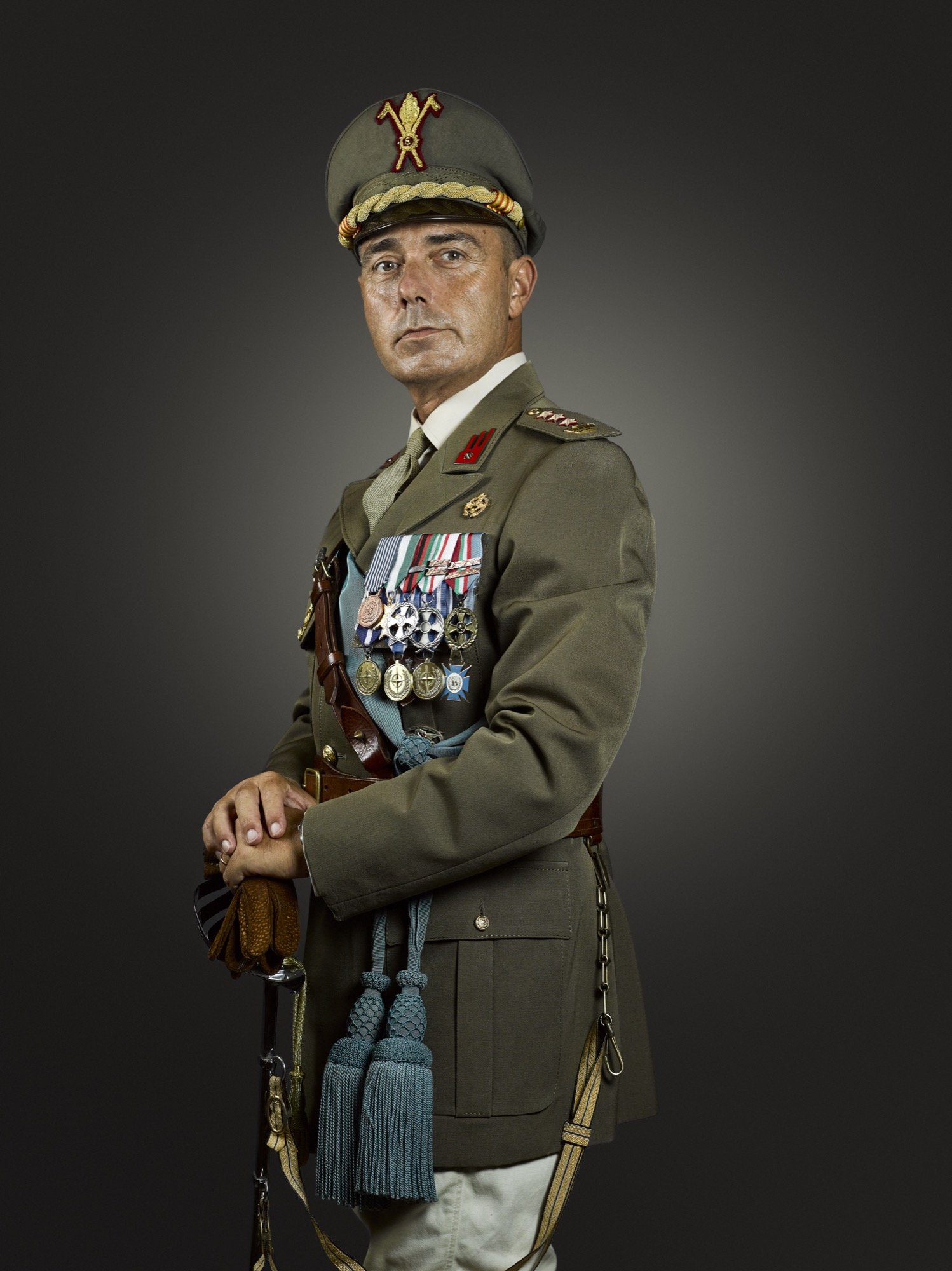
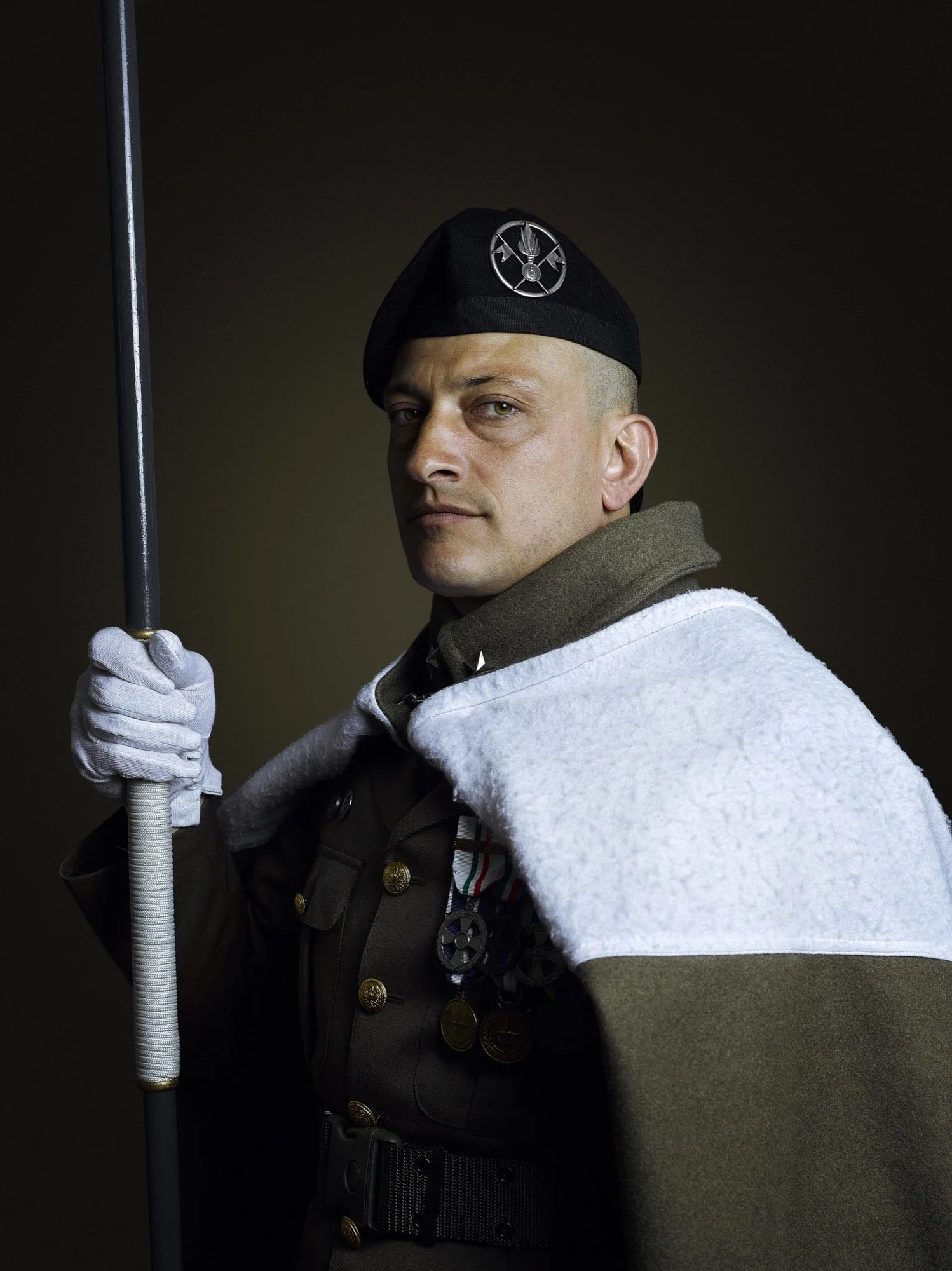
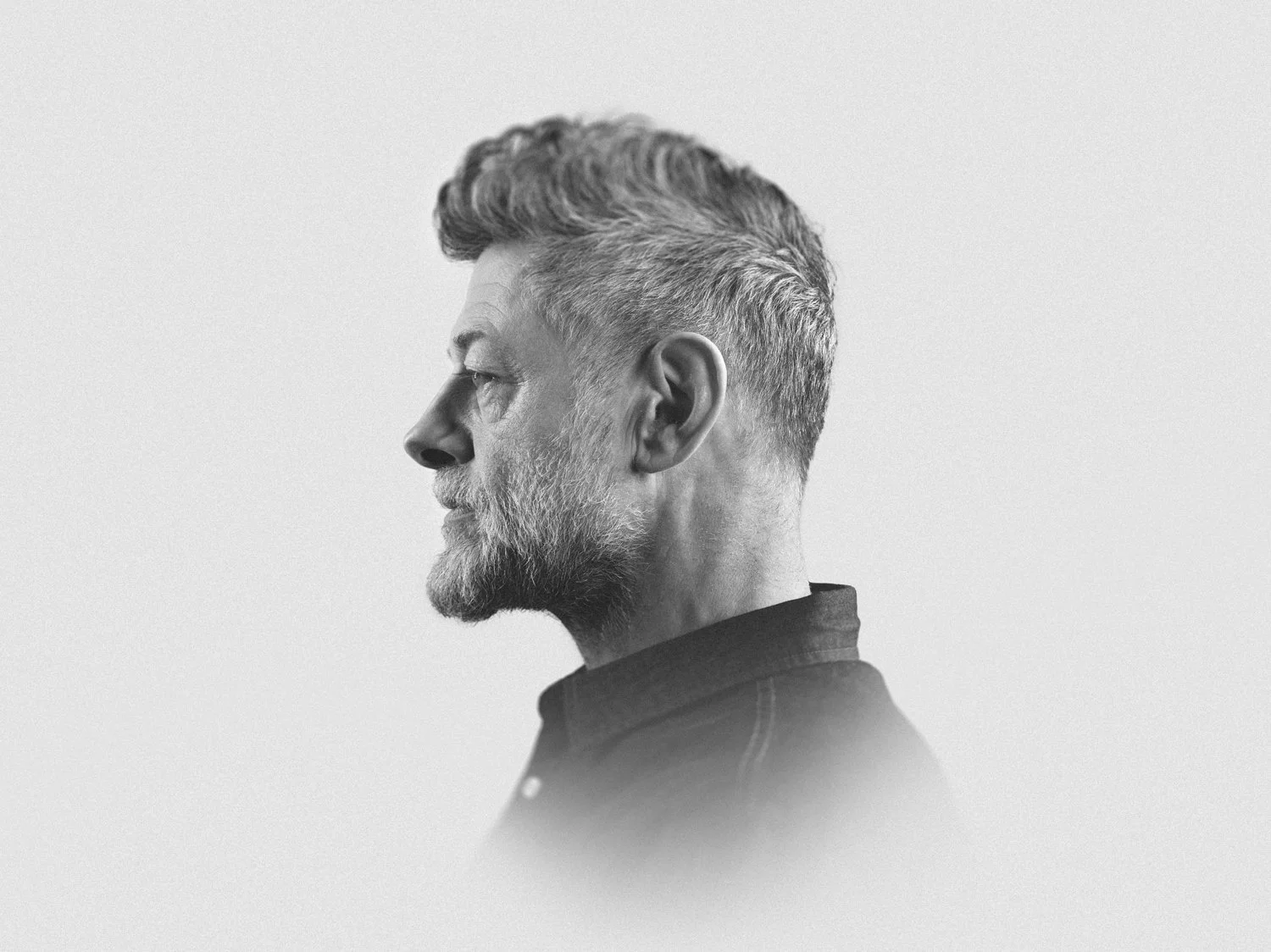
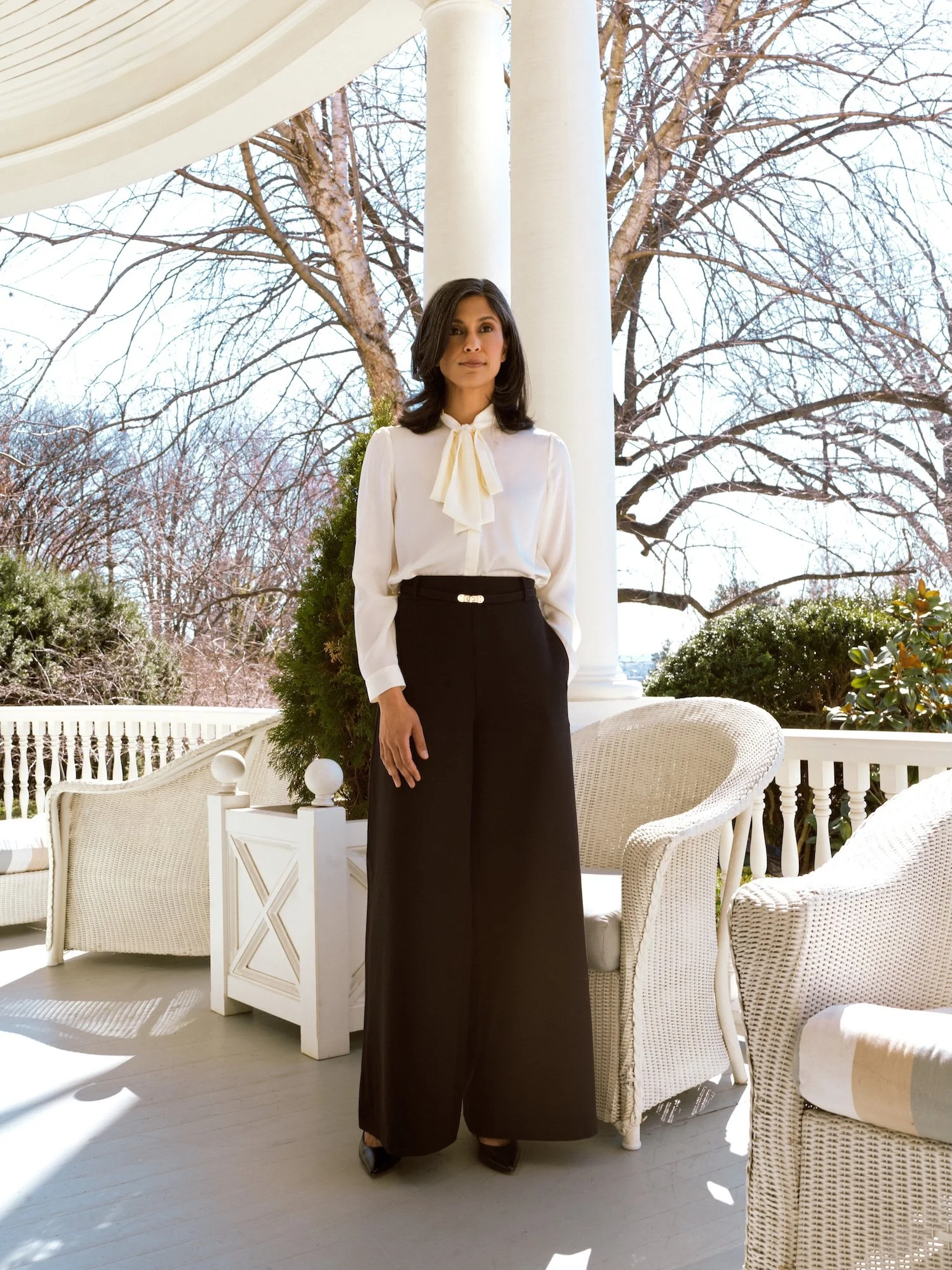
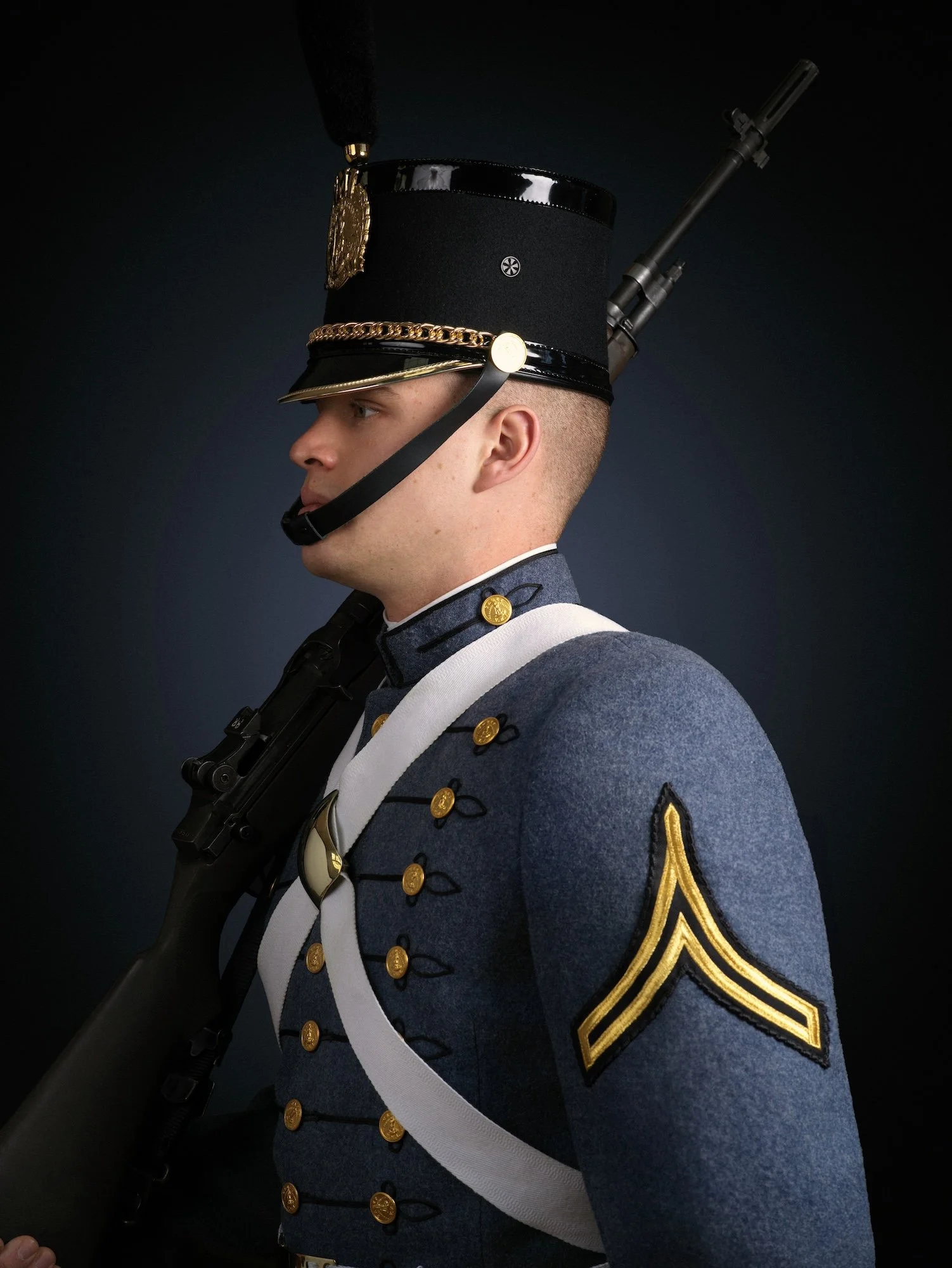
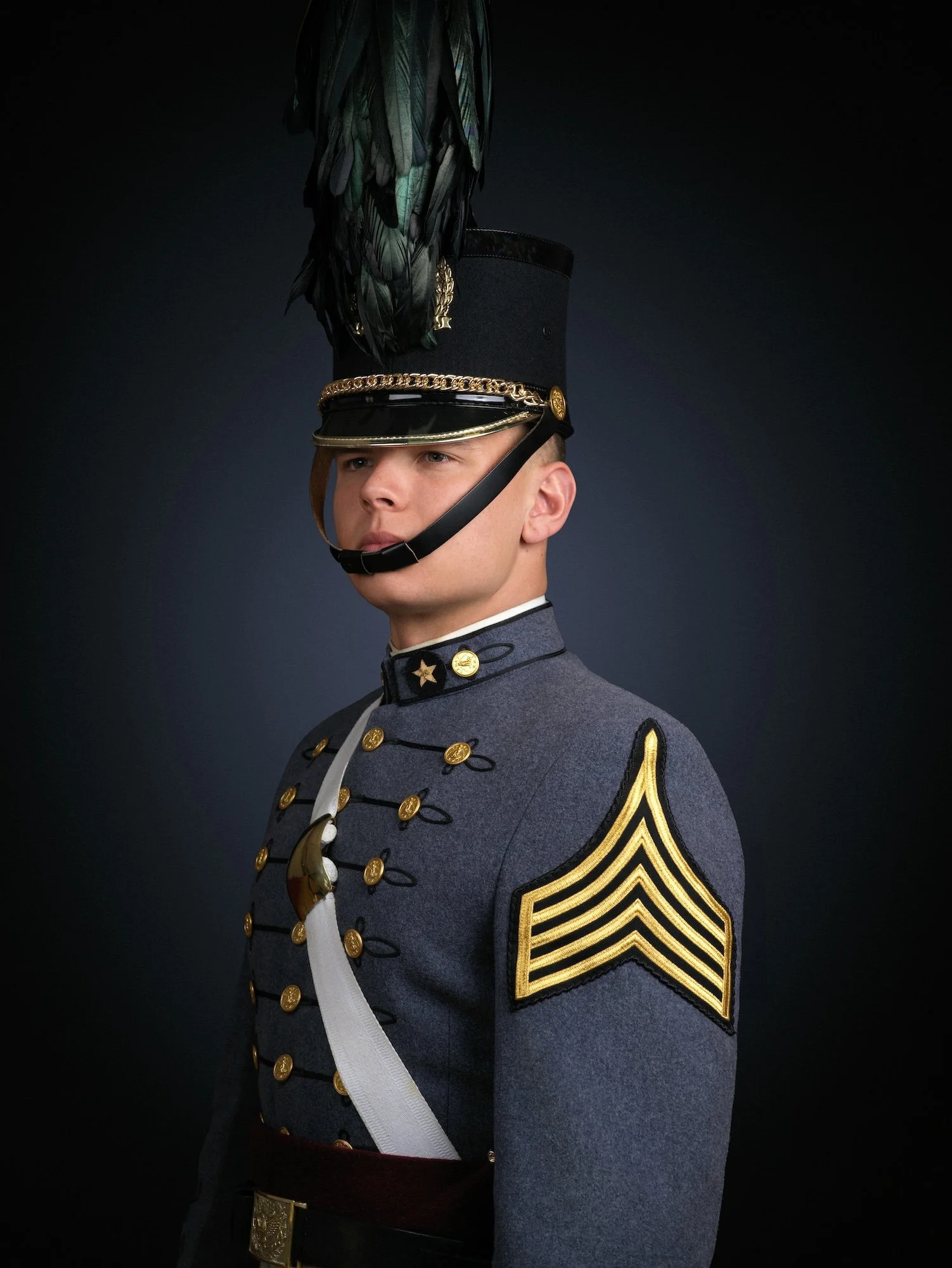
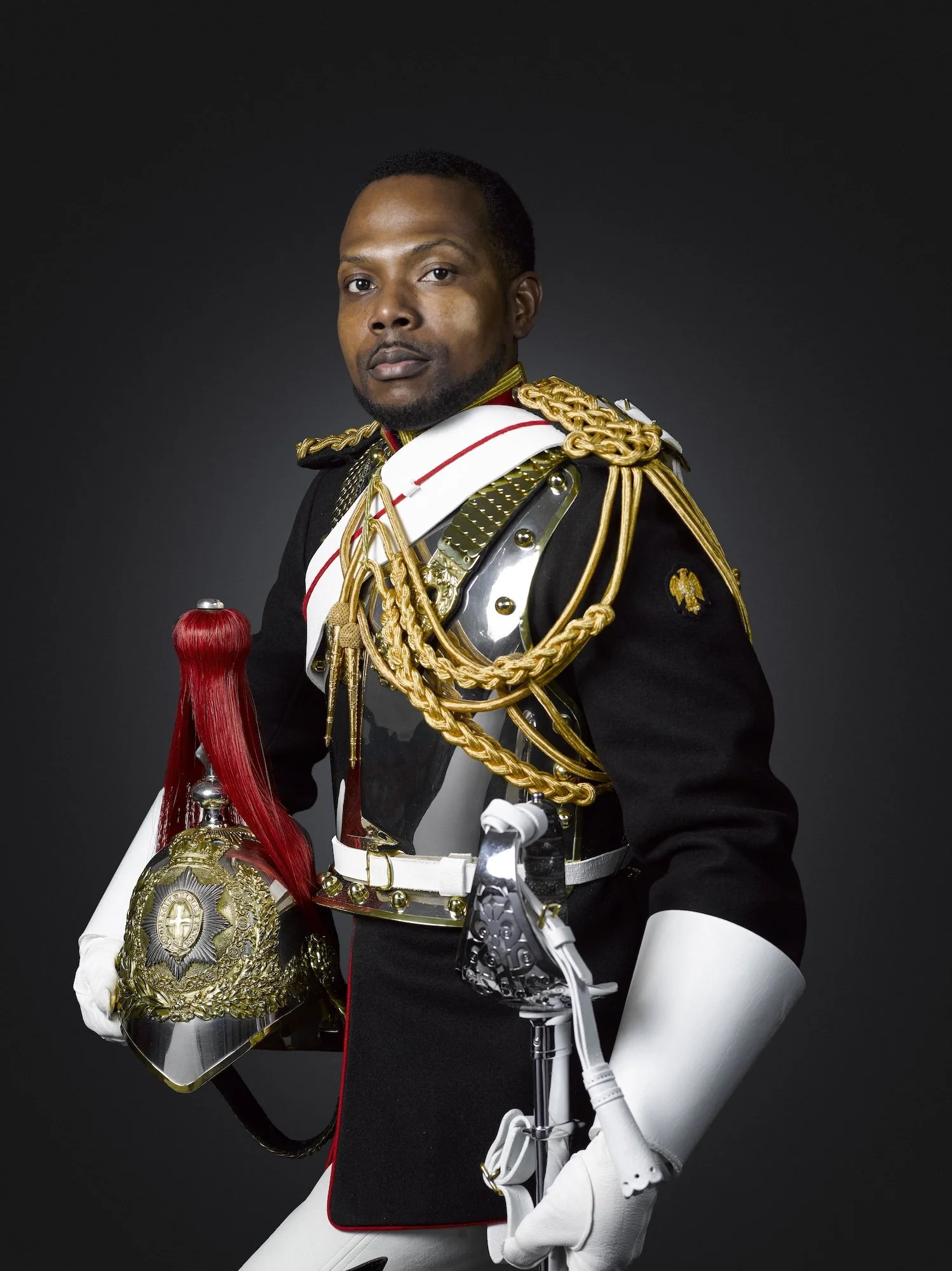

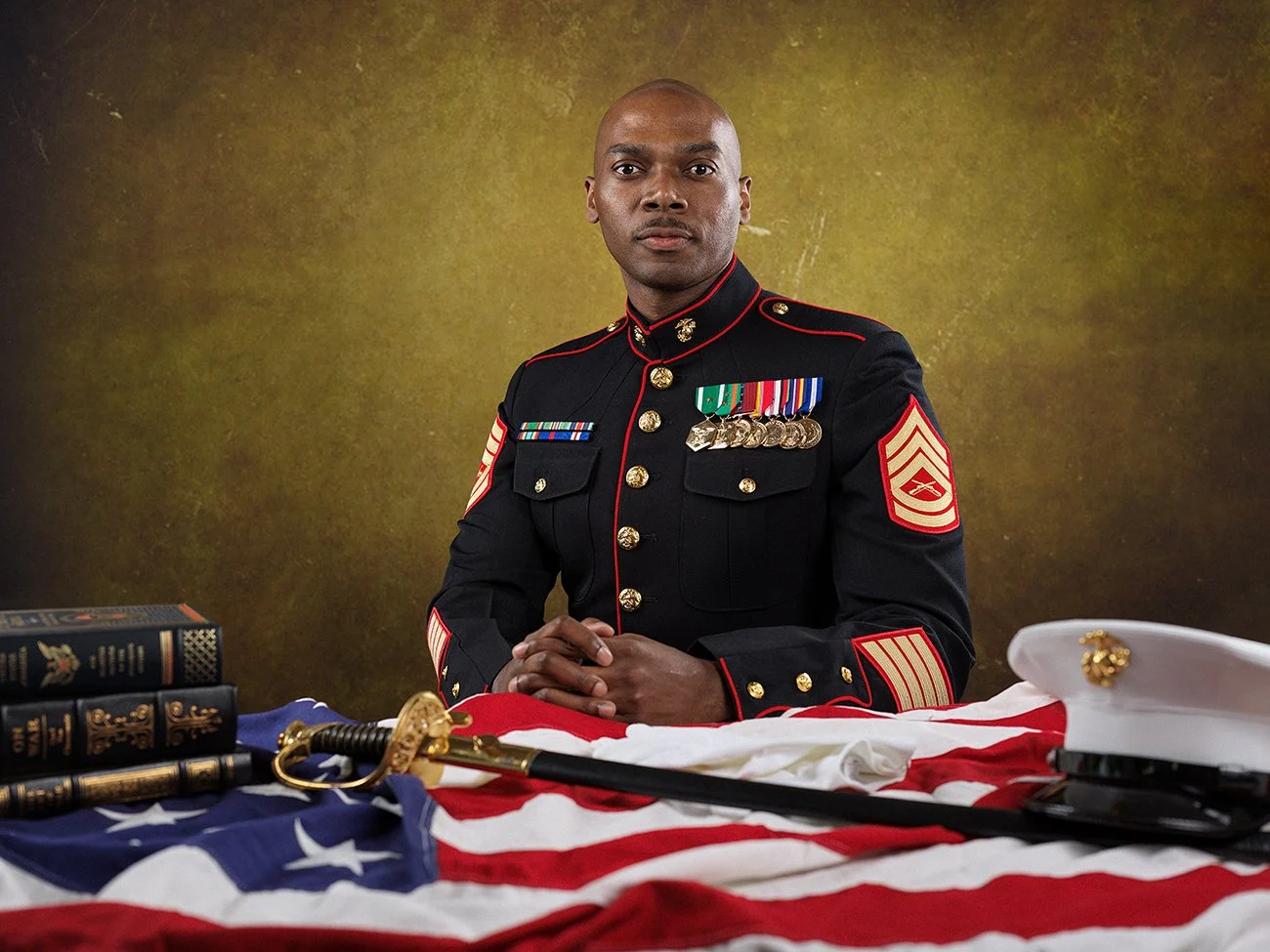
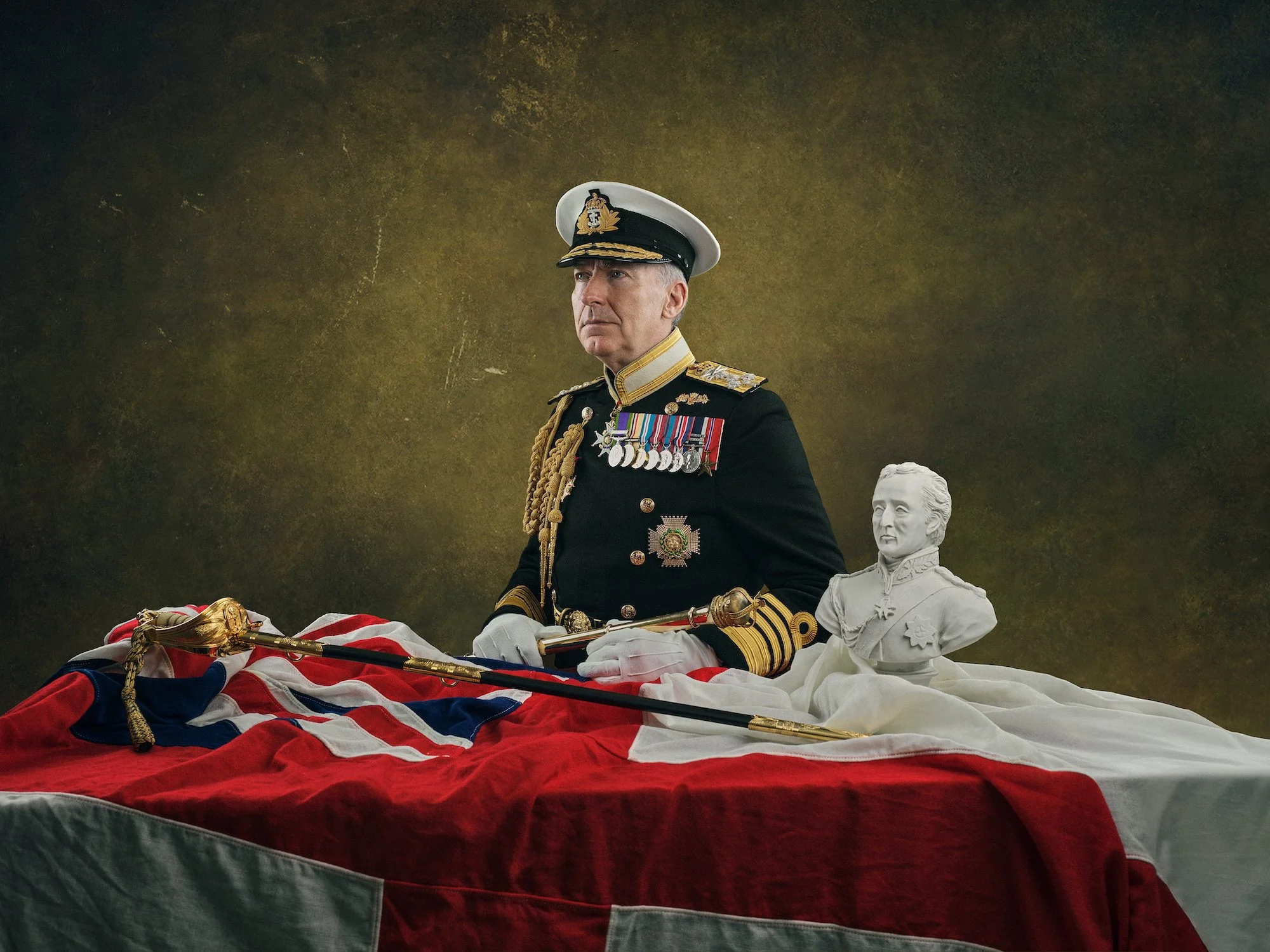
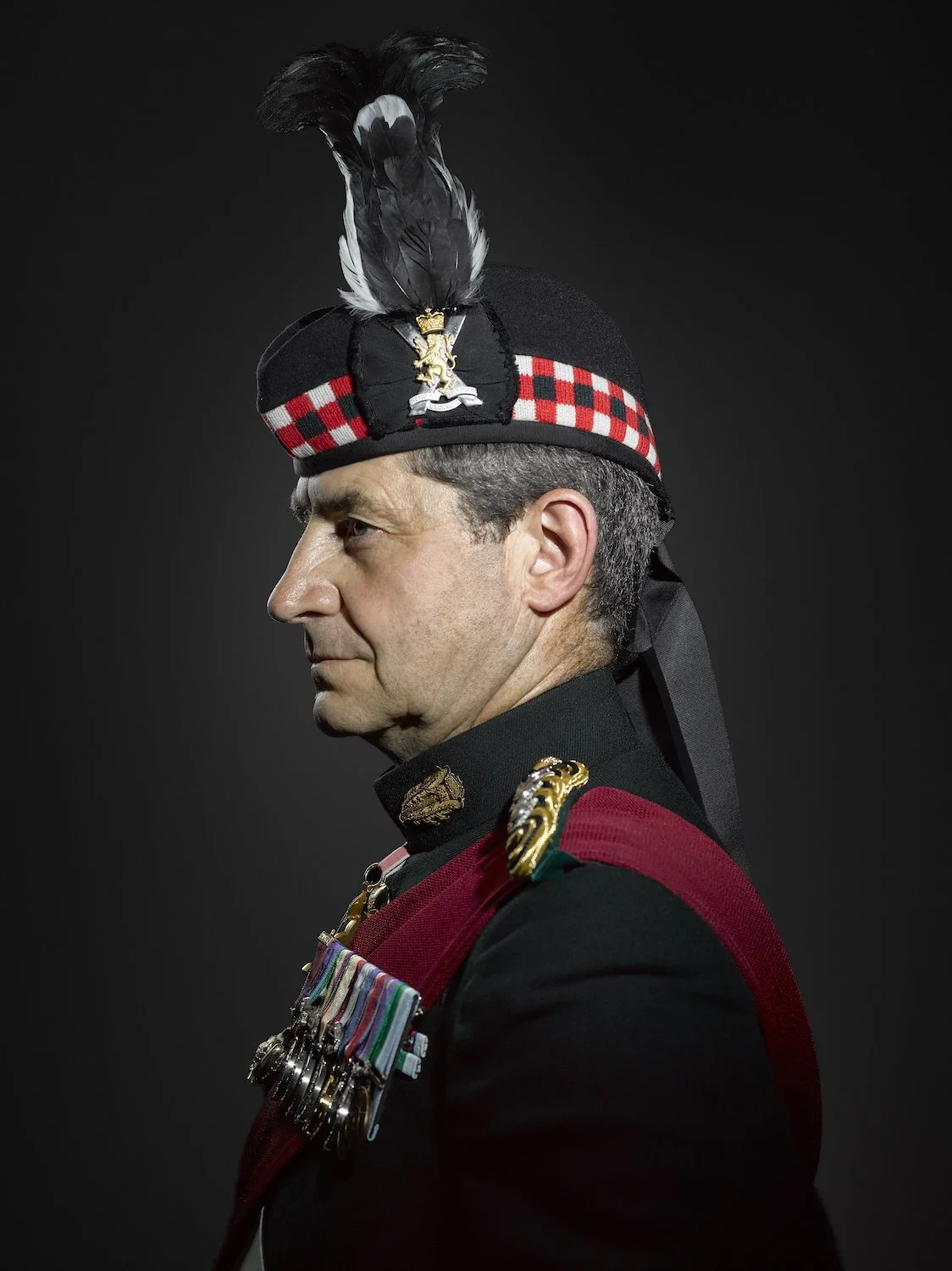
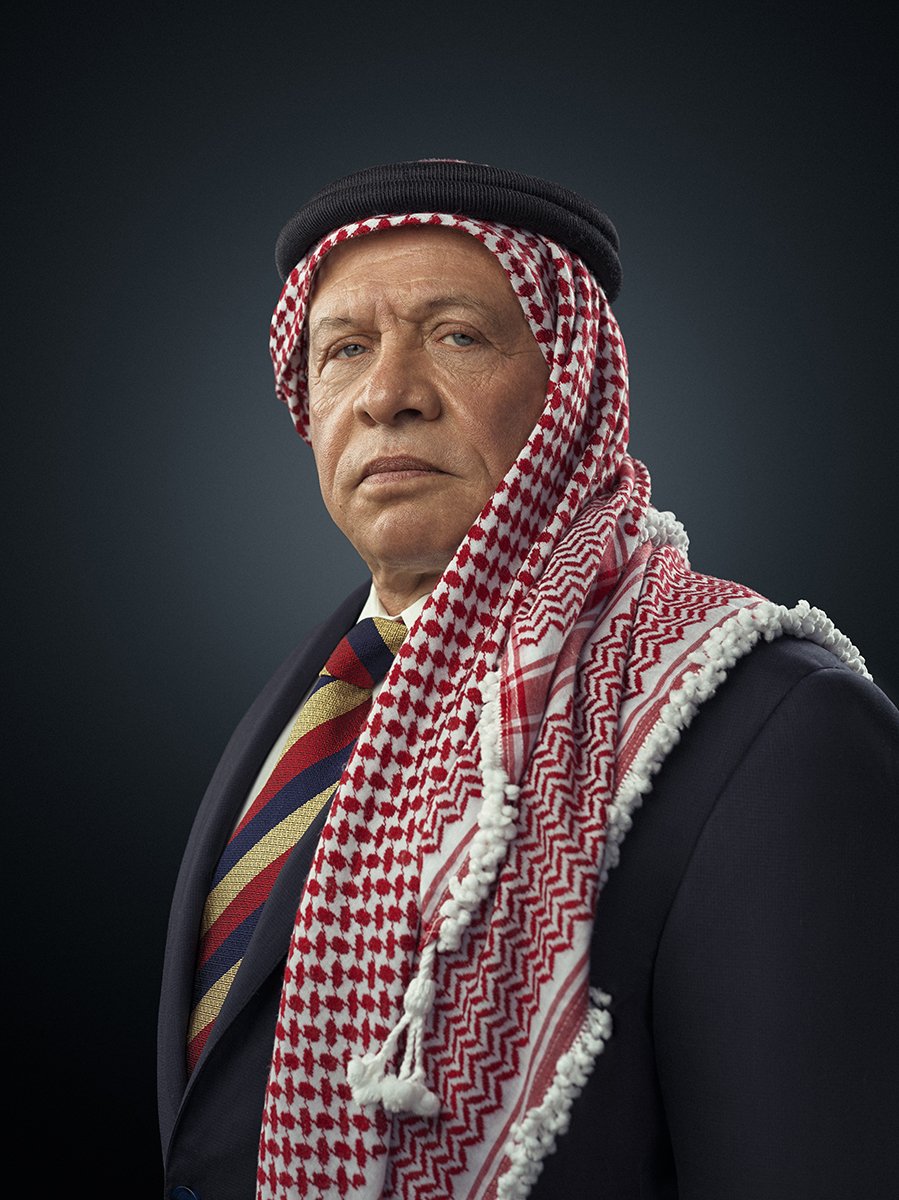
Where the light comes from
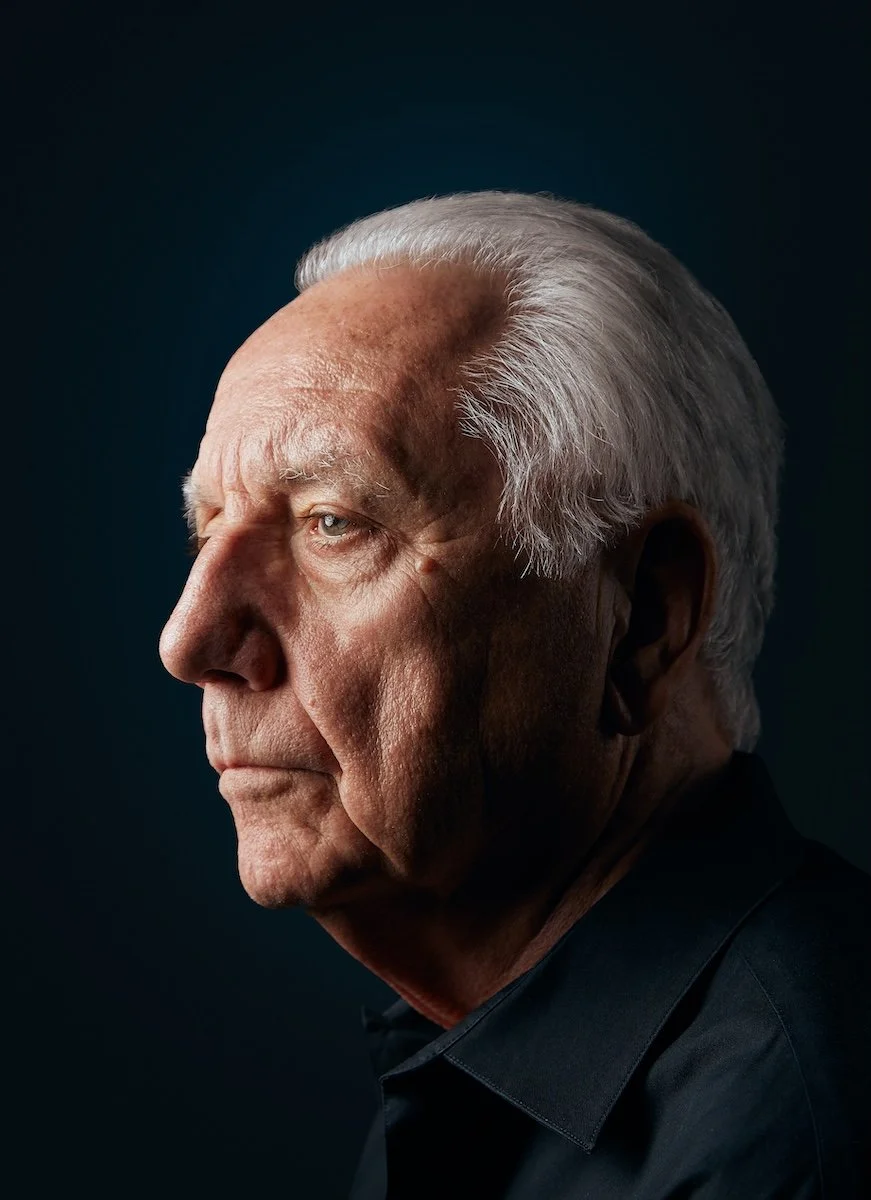
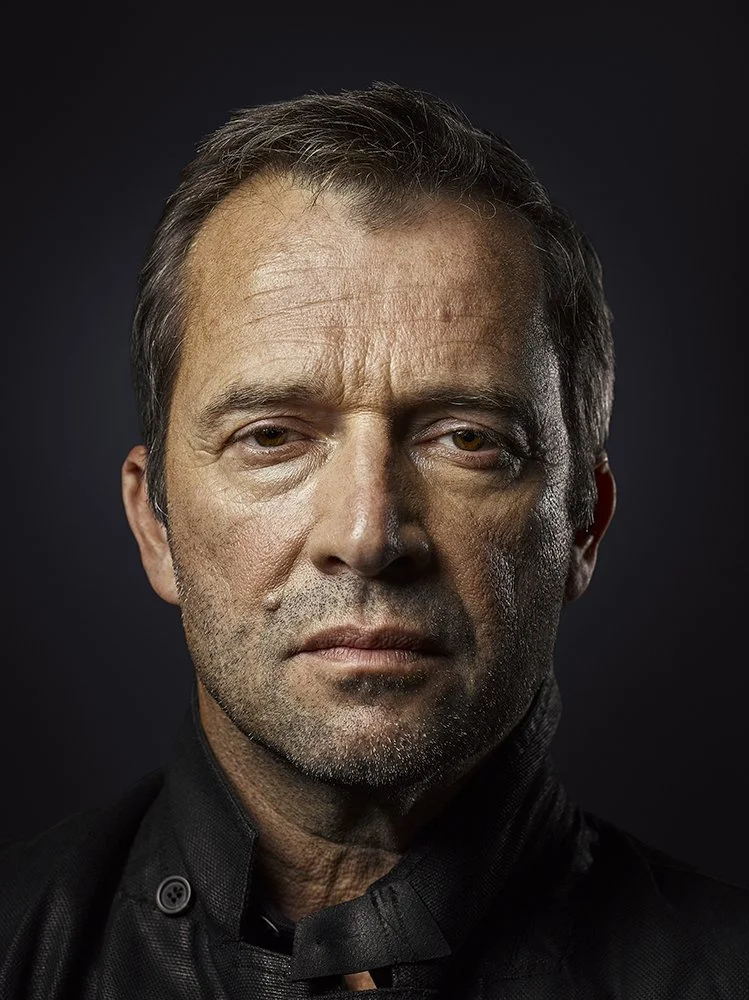
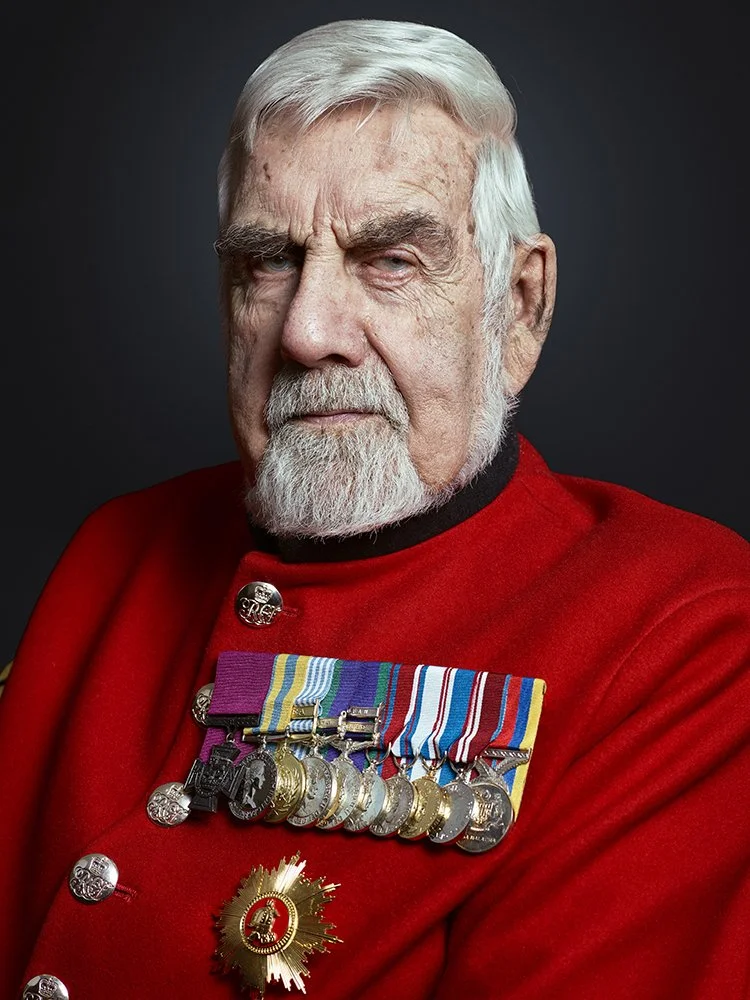
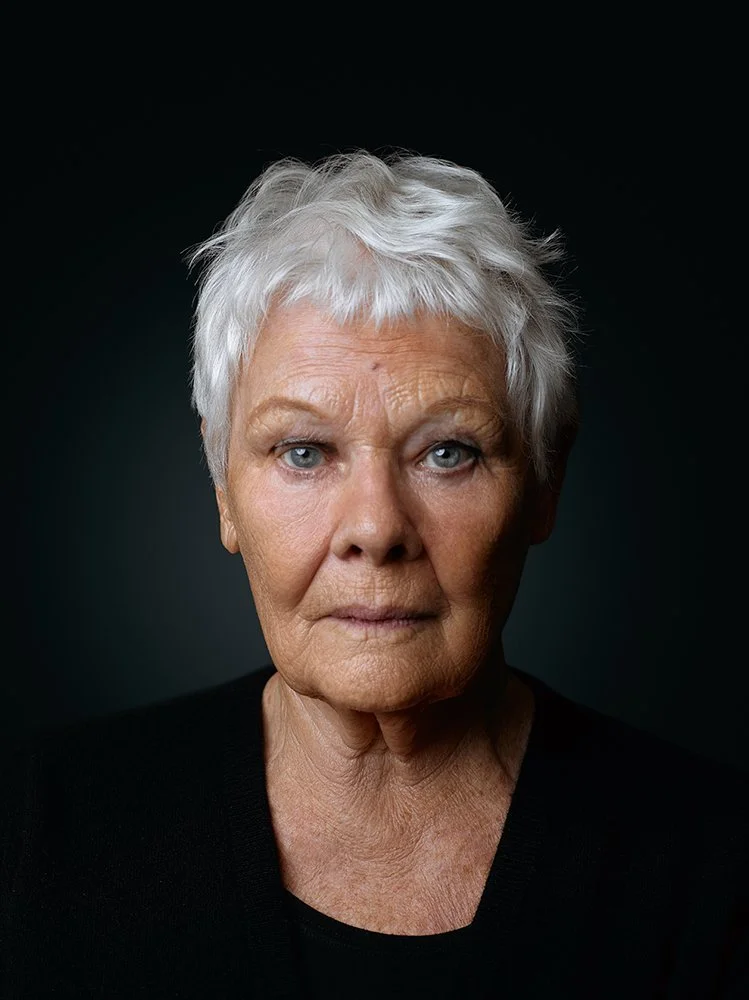
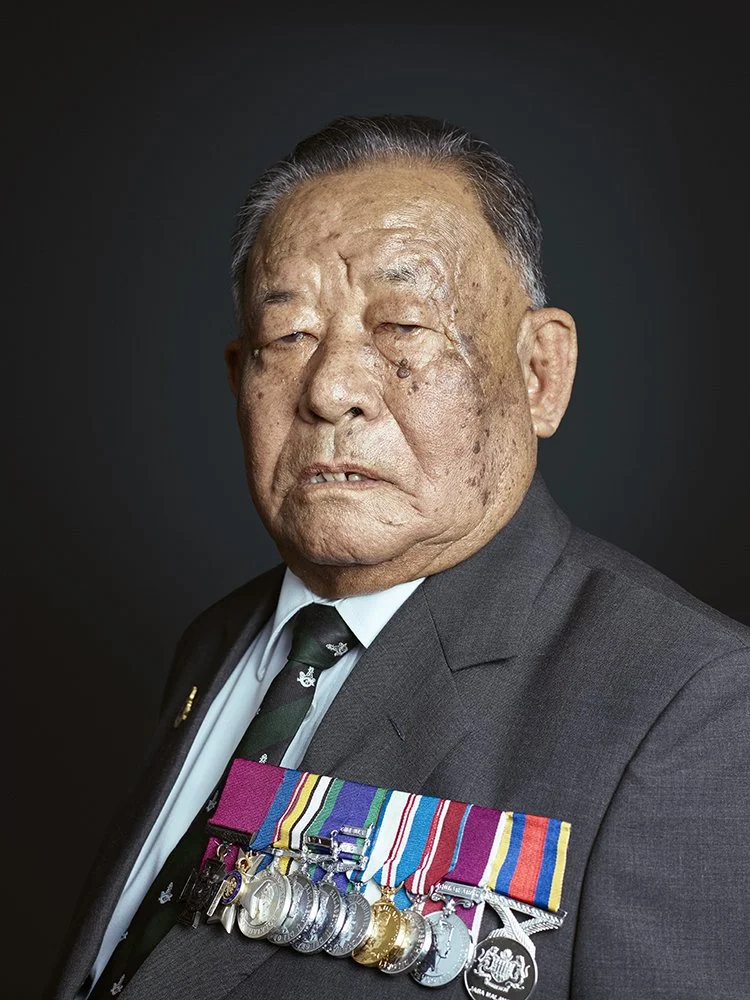
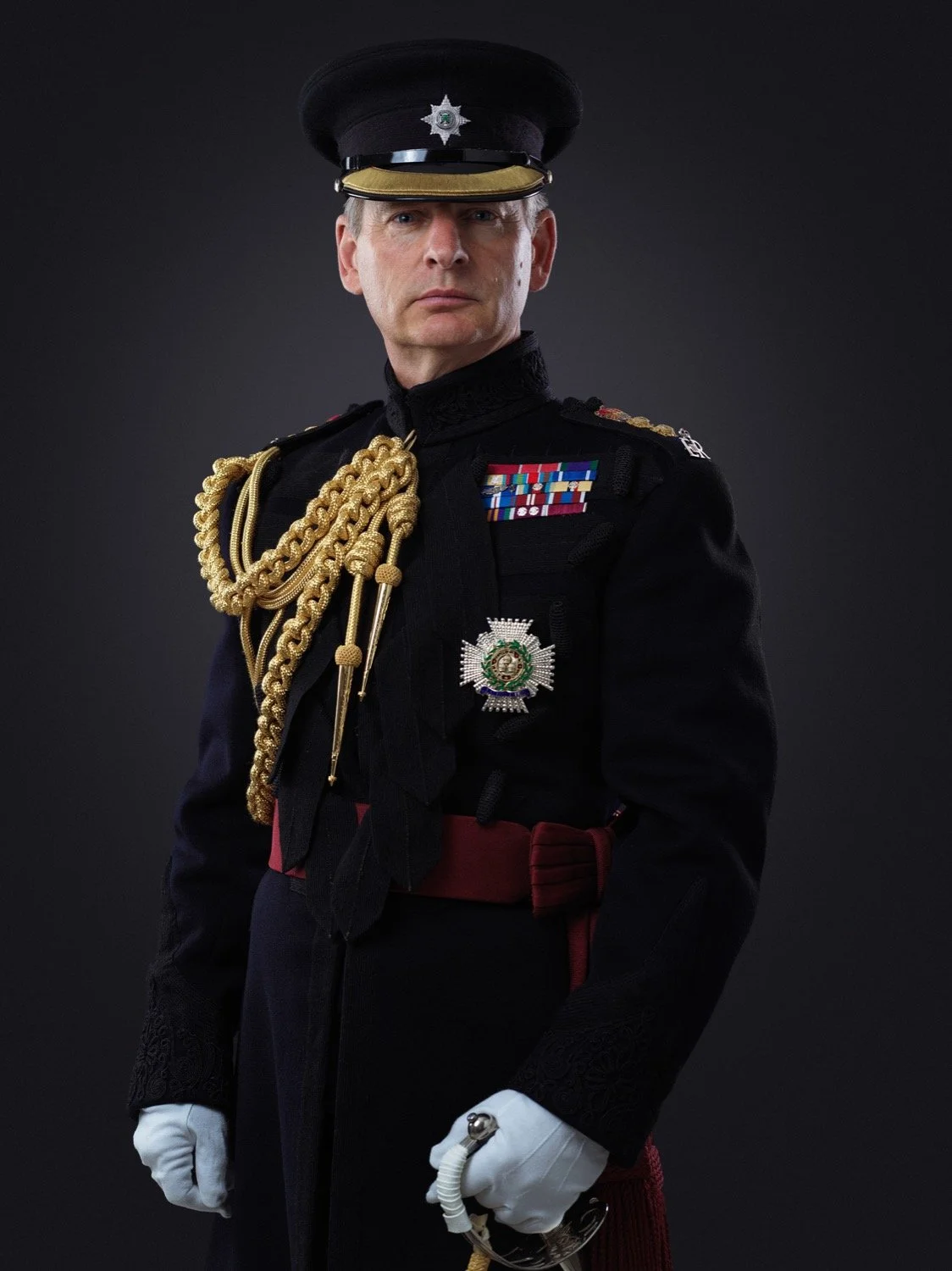
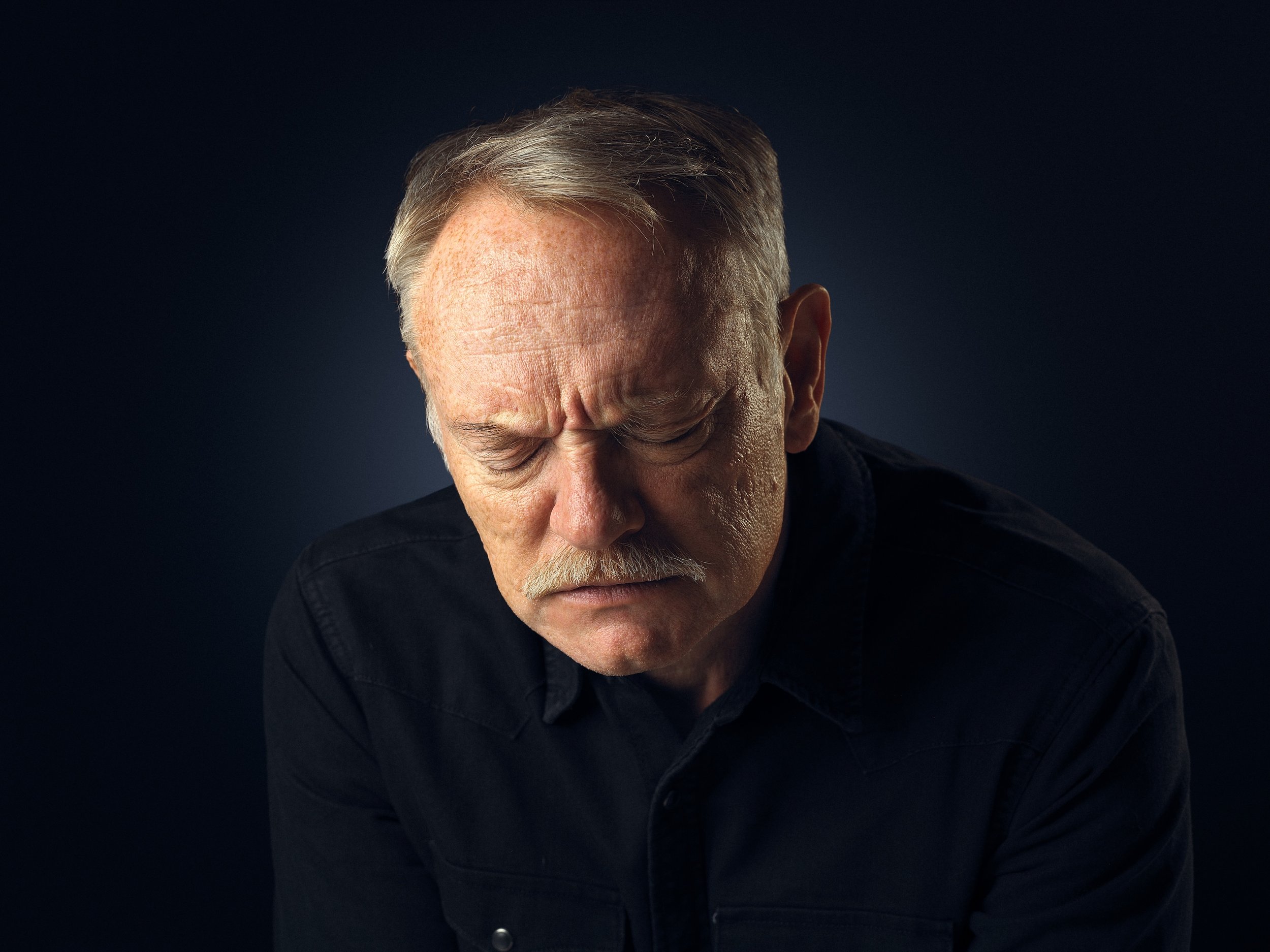
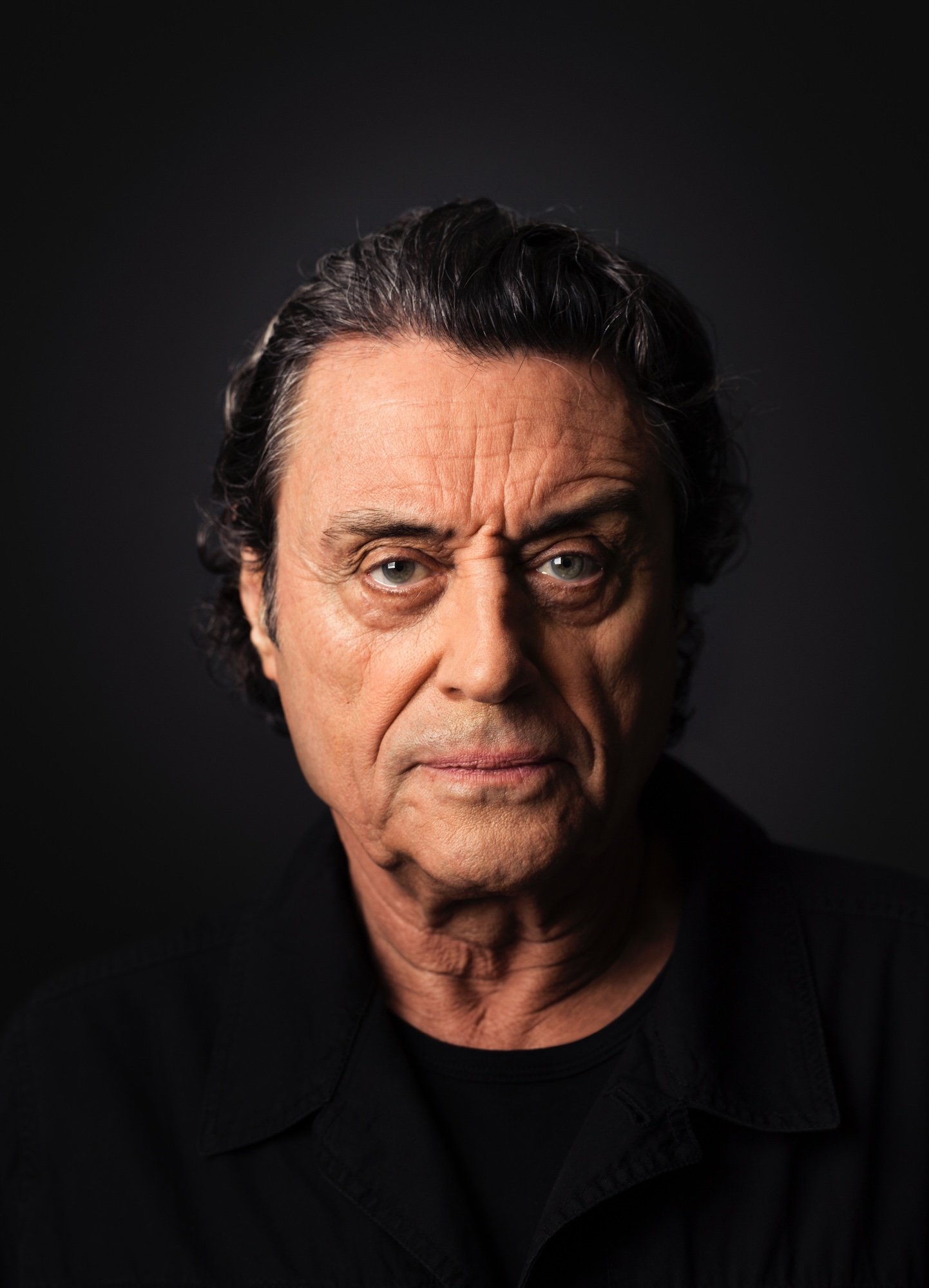
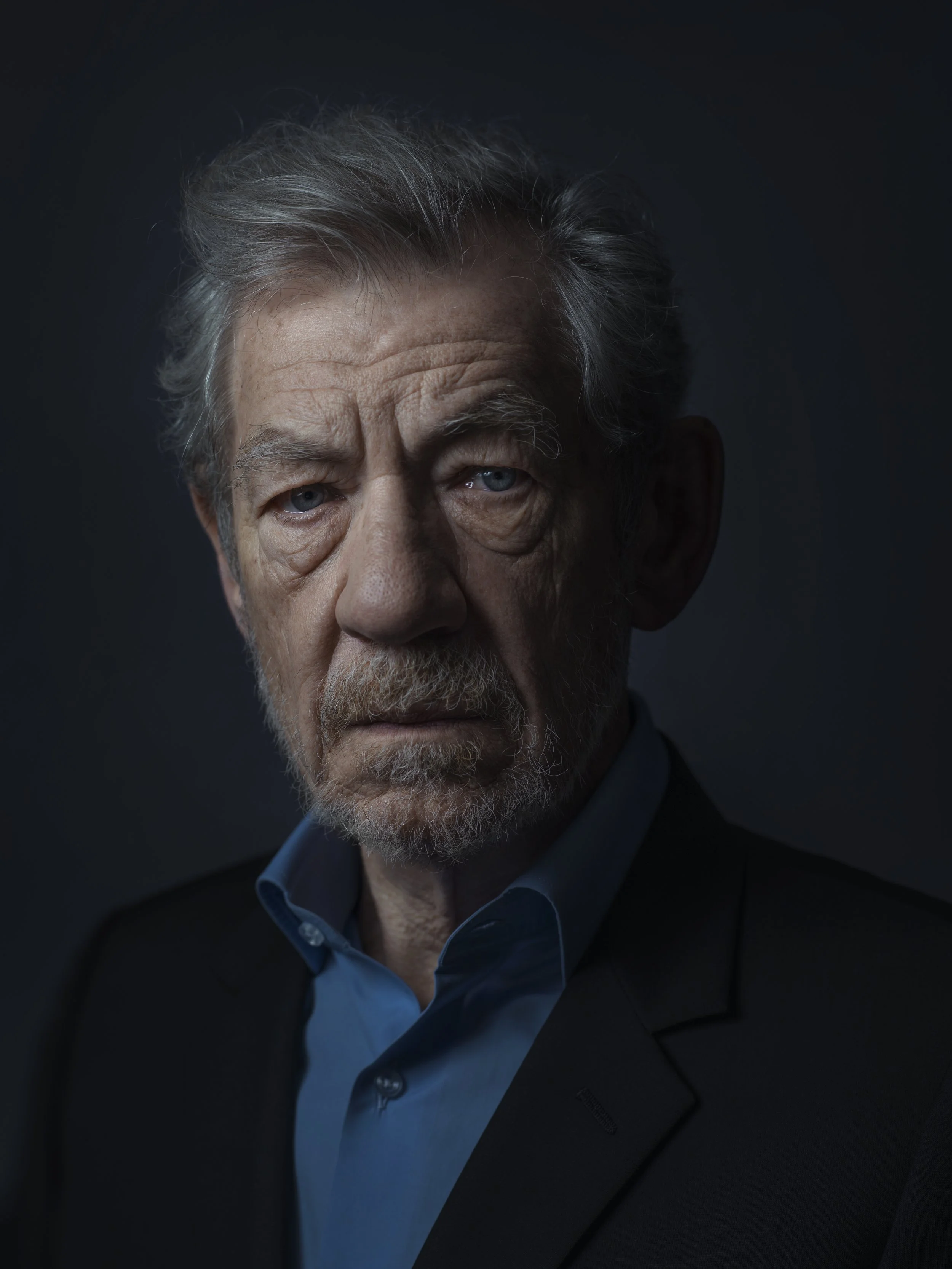
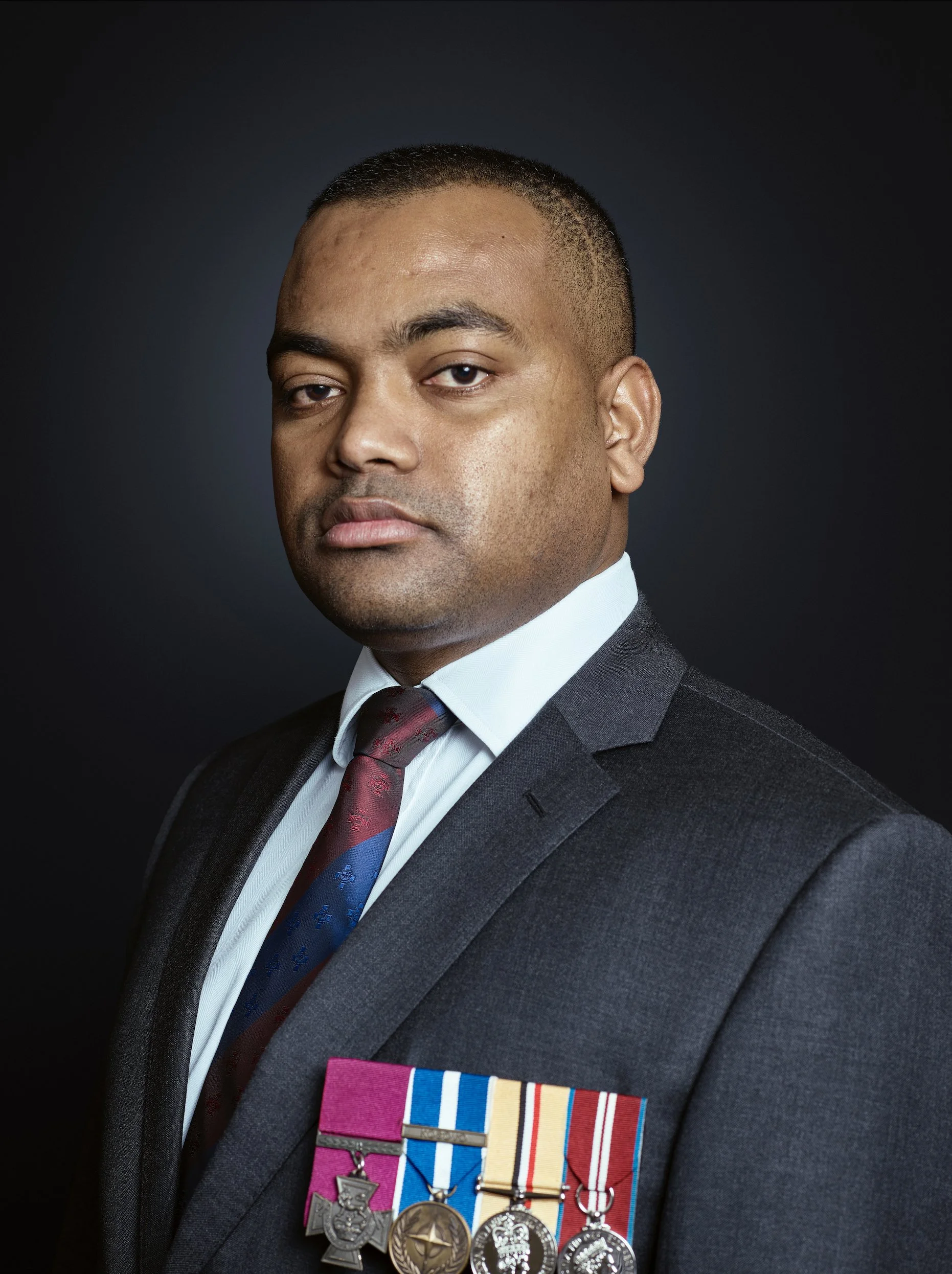
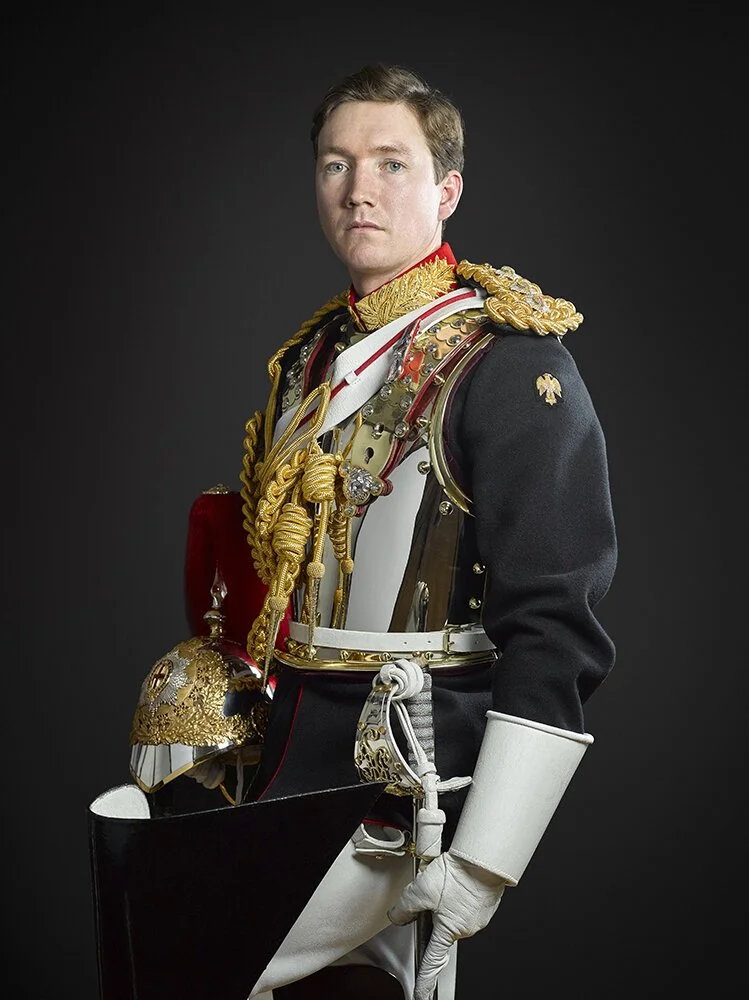
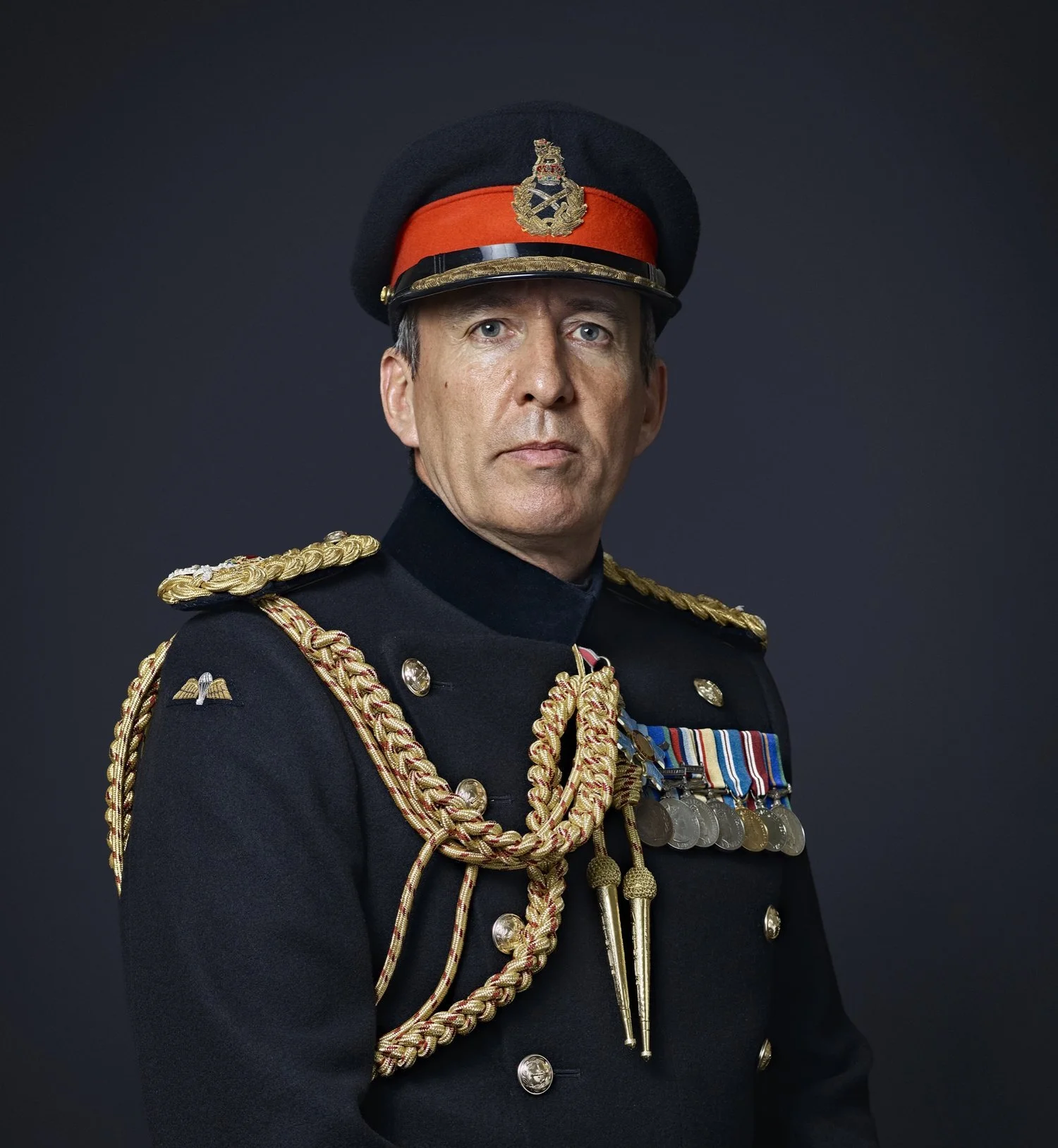
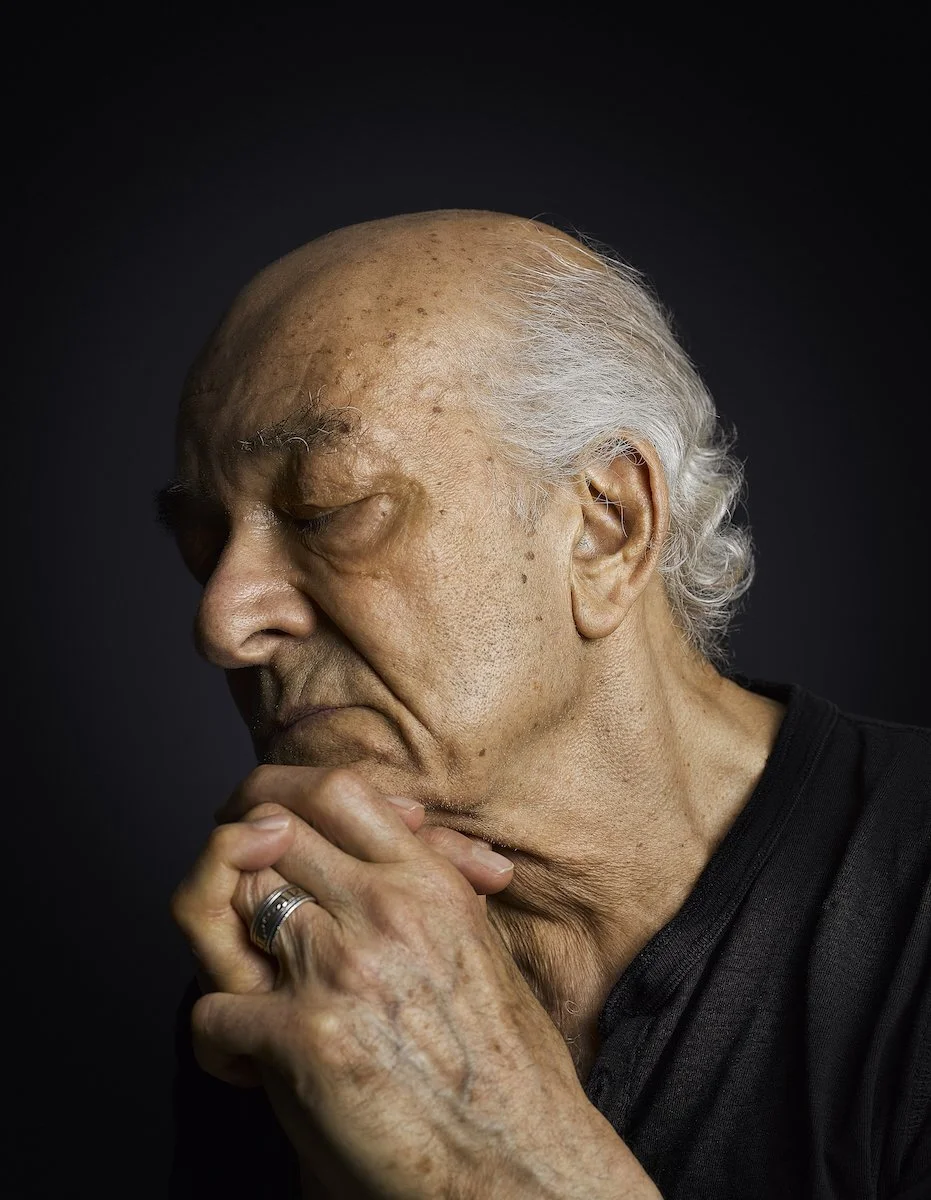
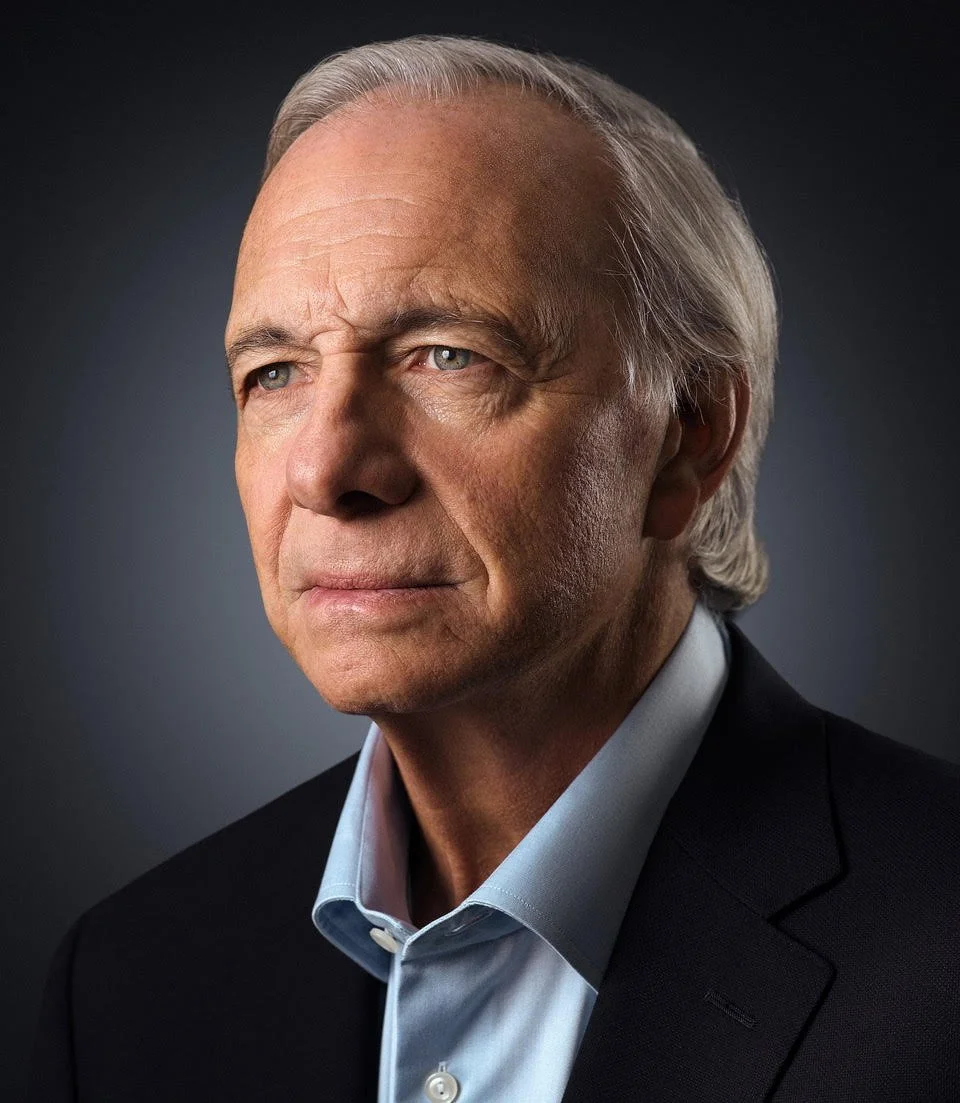
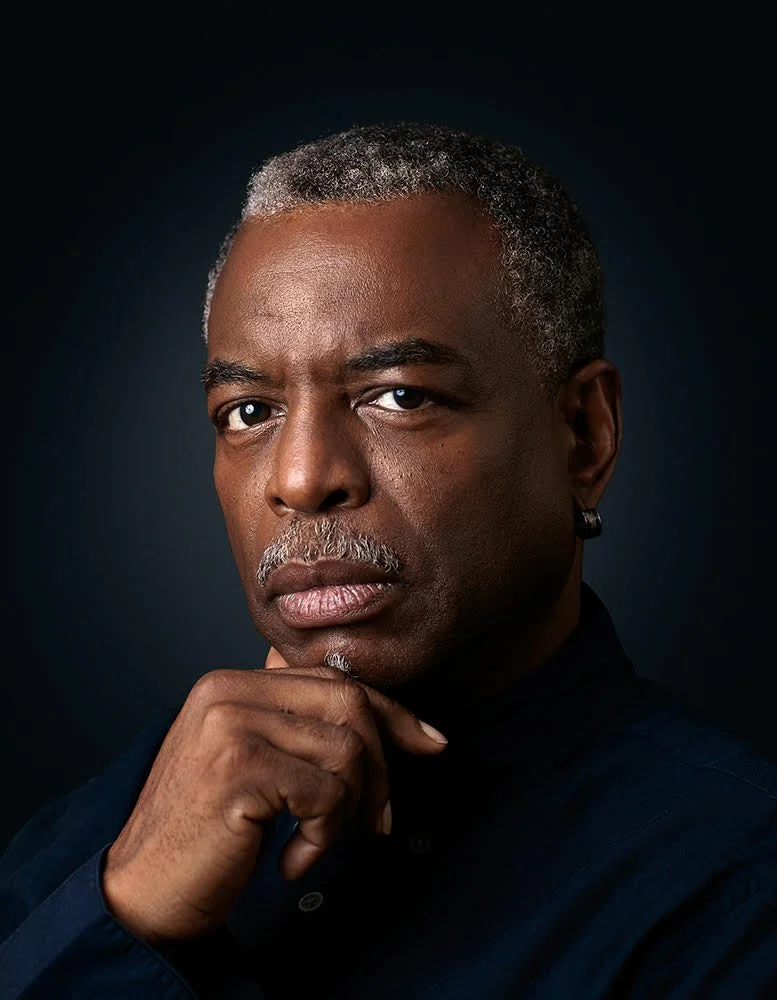
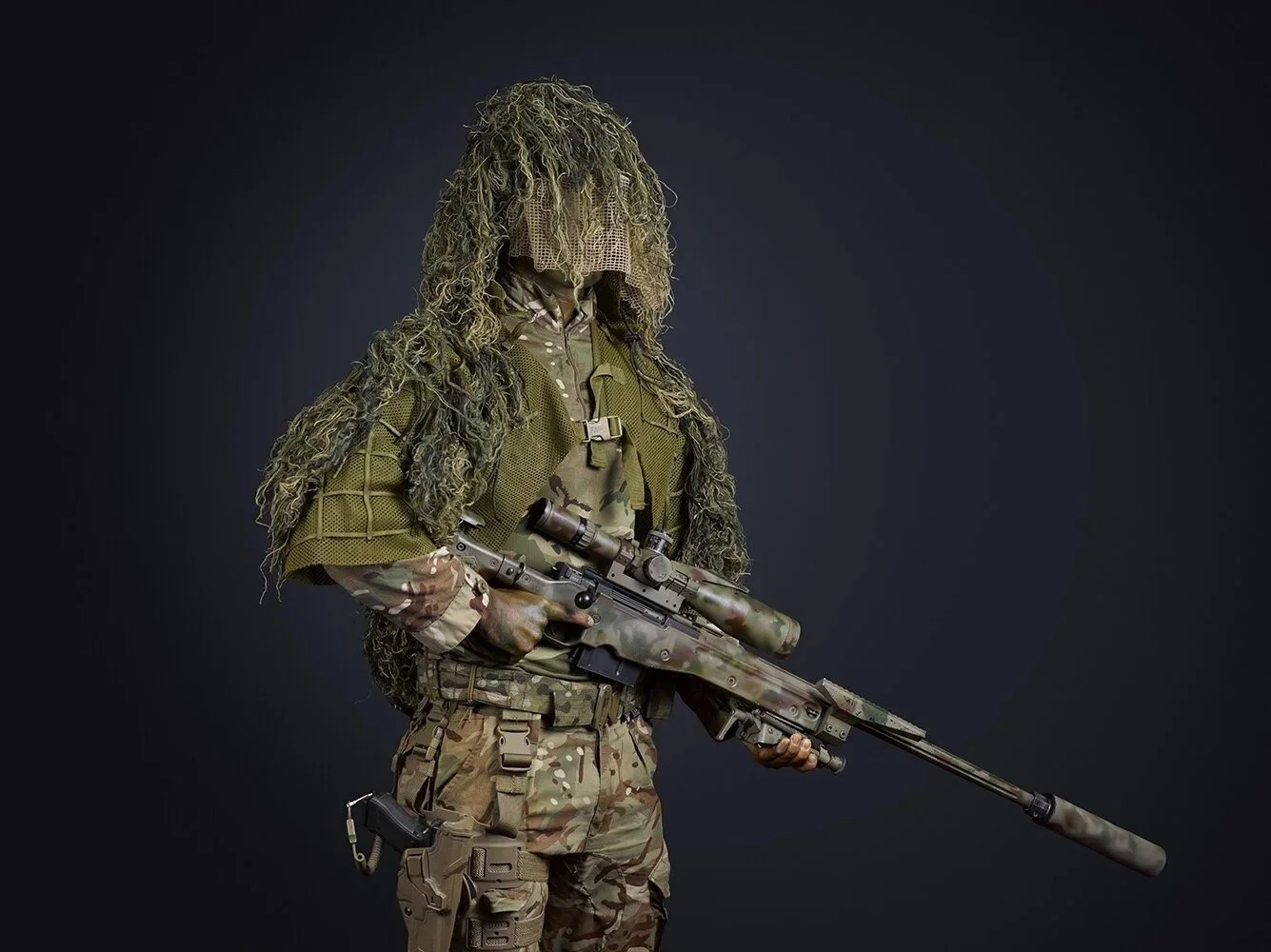
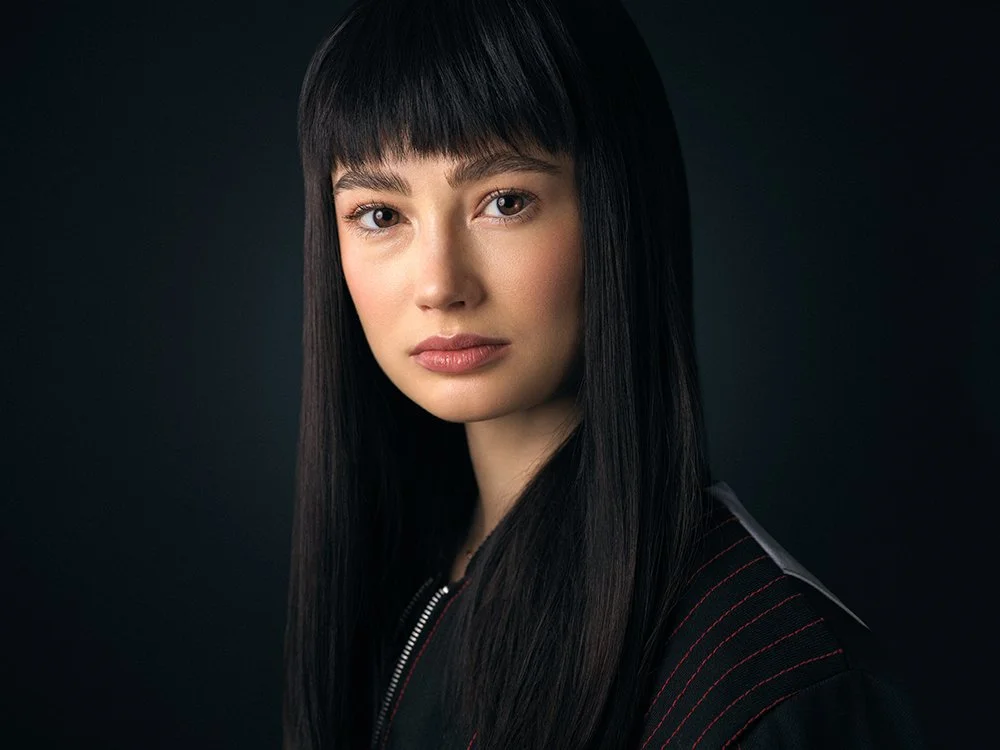
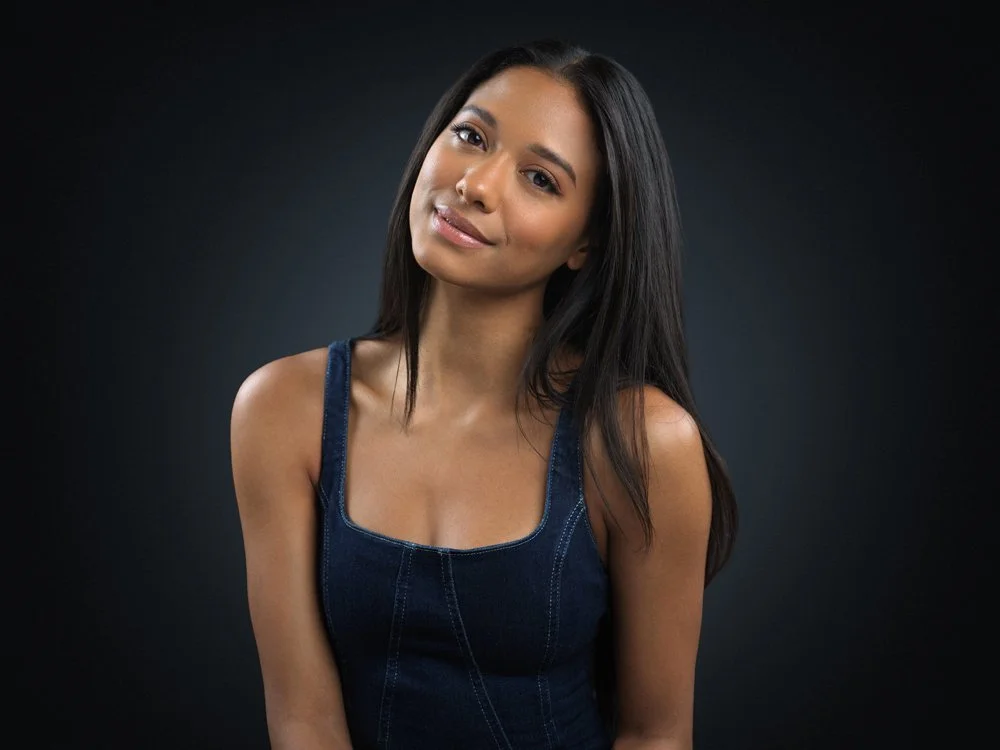
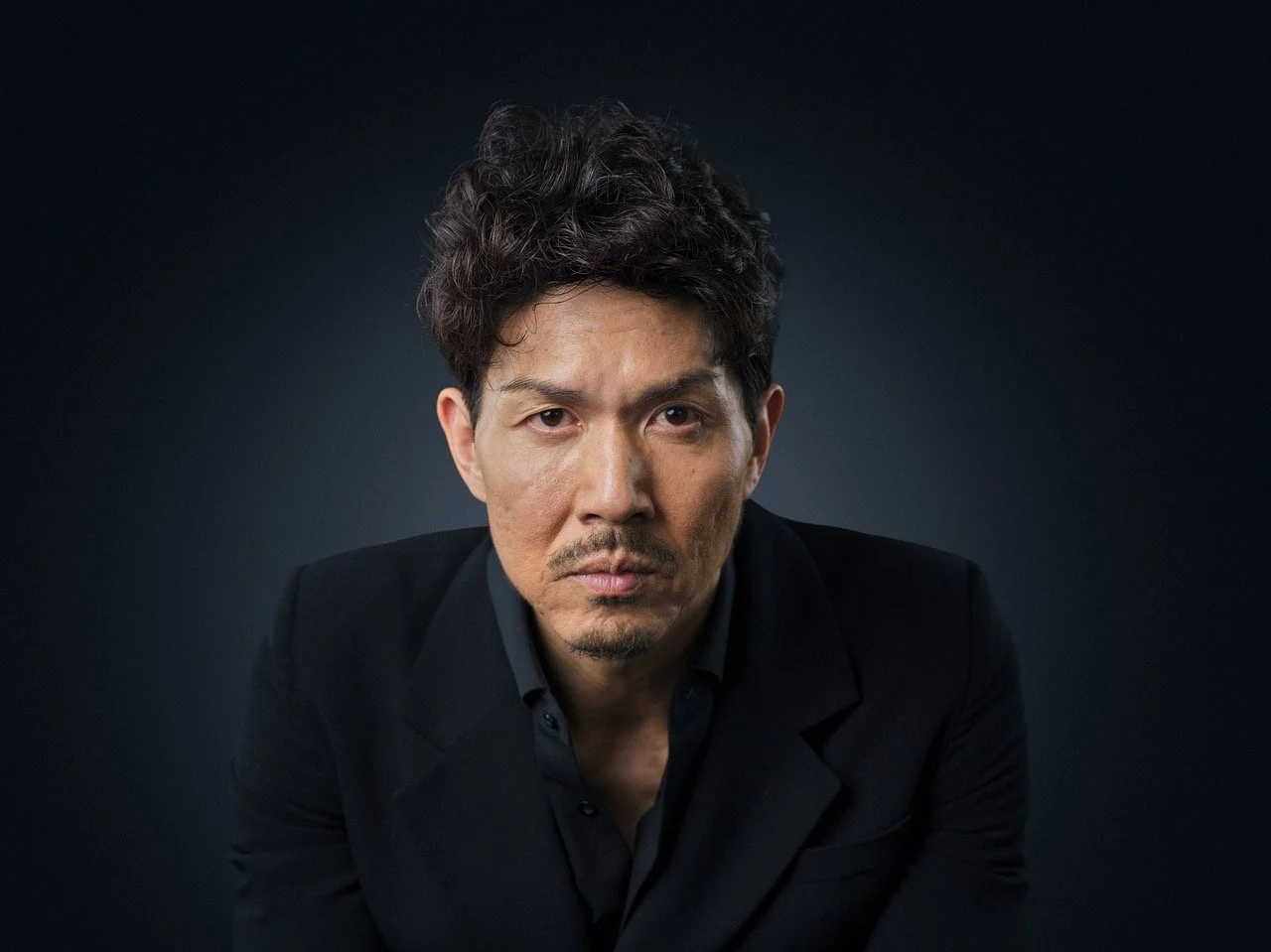
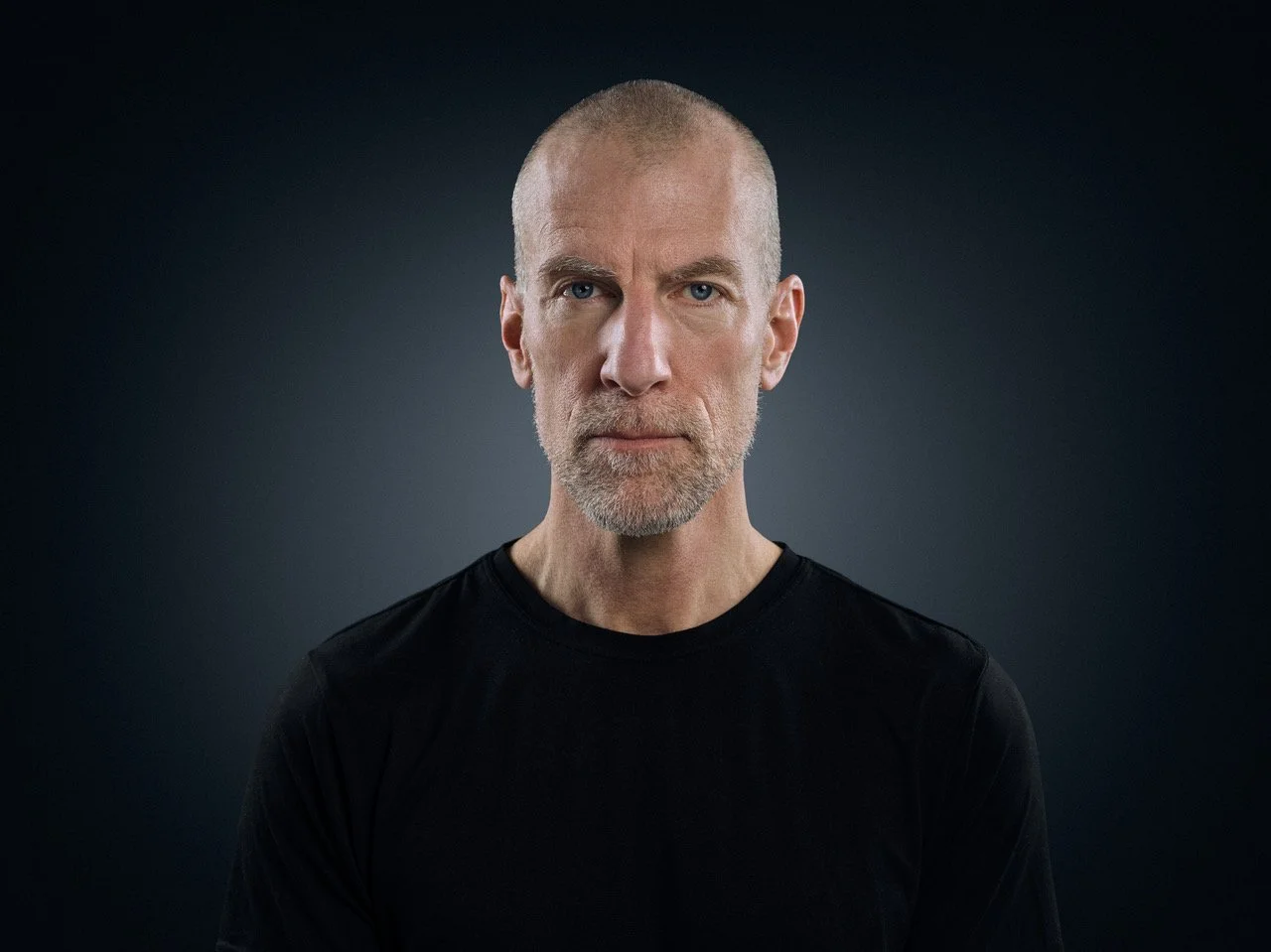
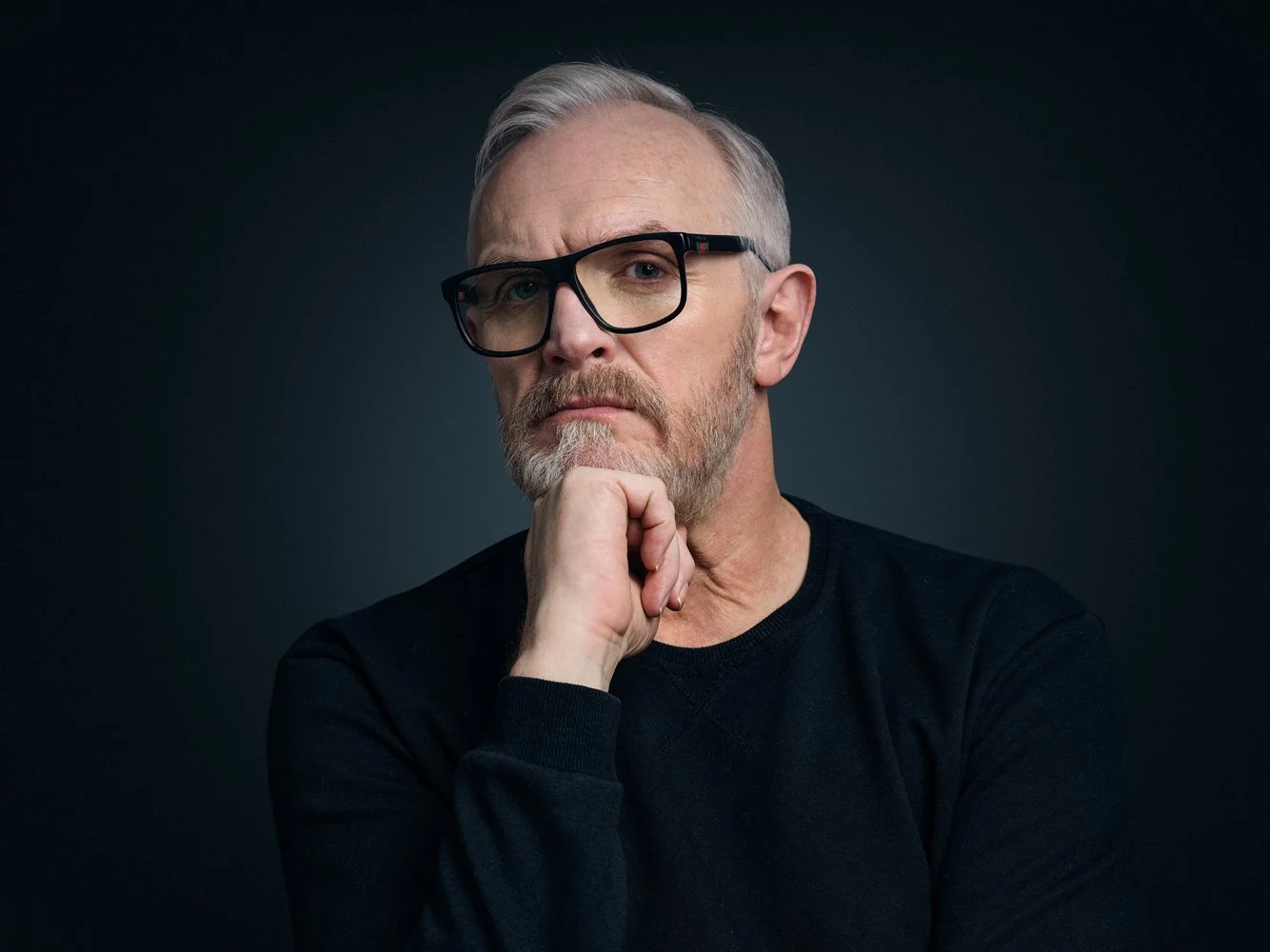
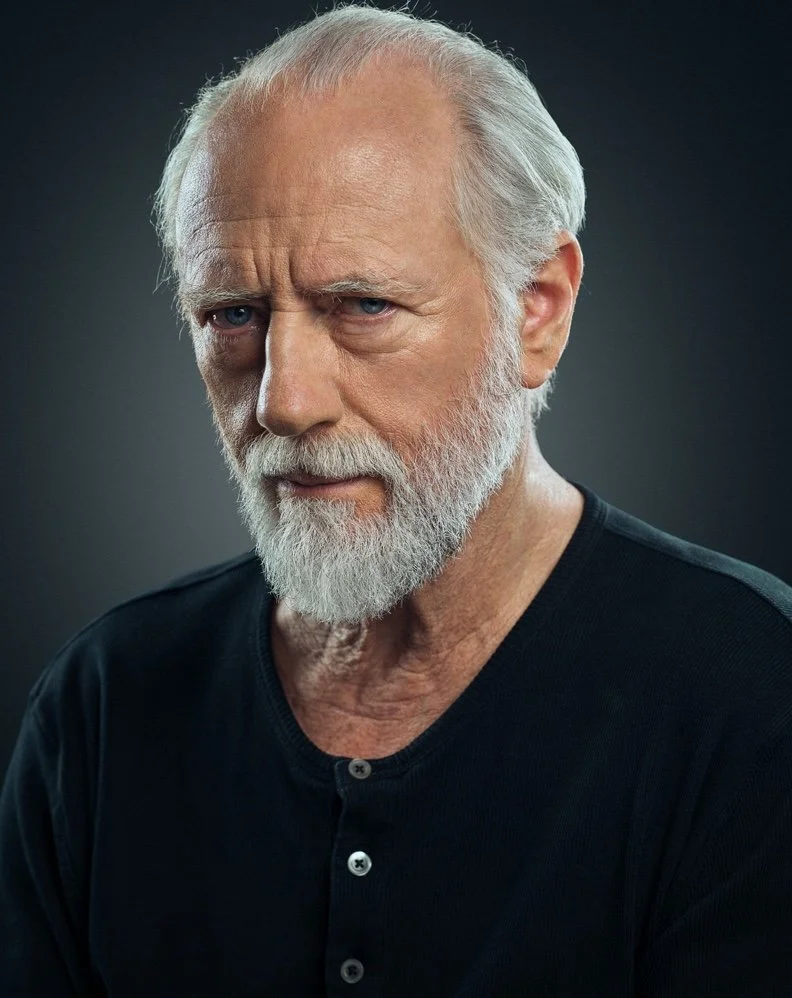
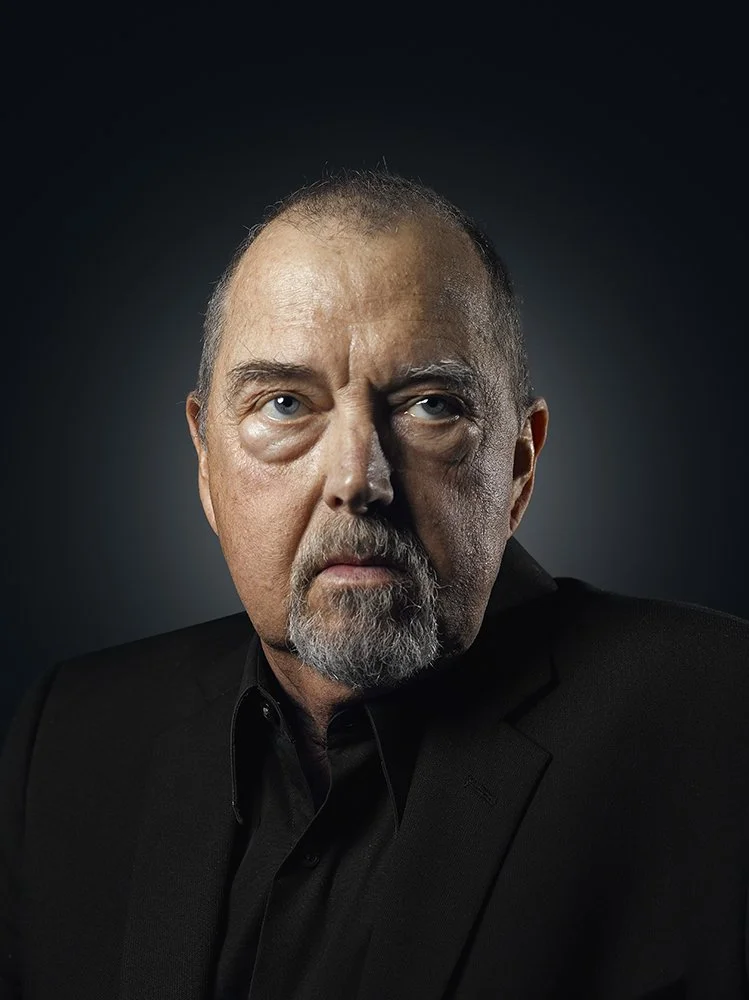
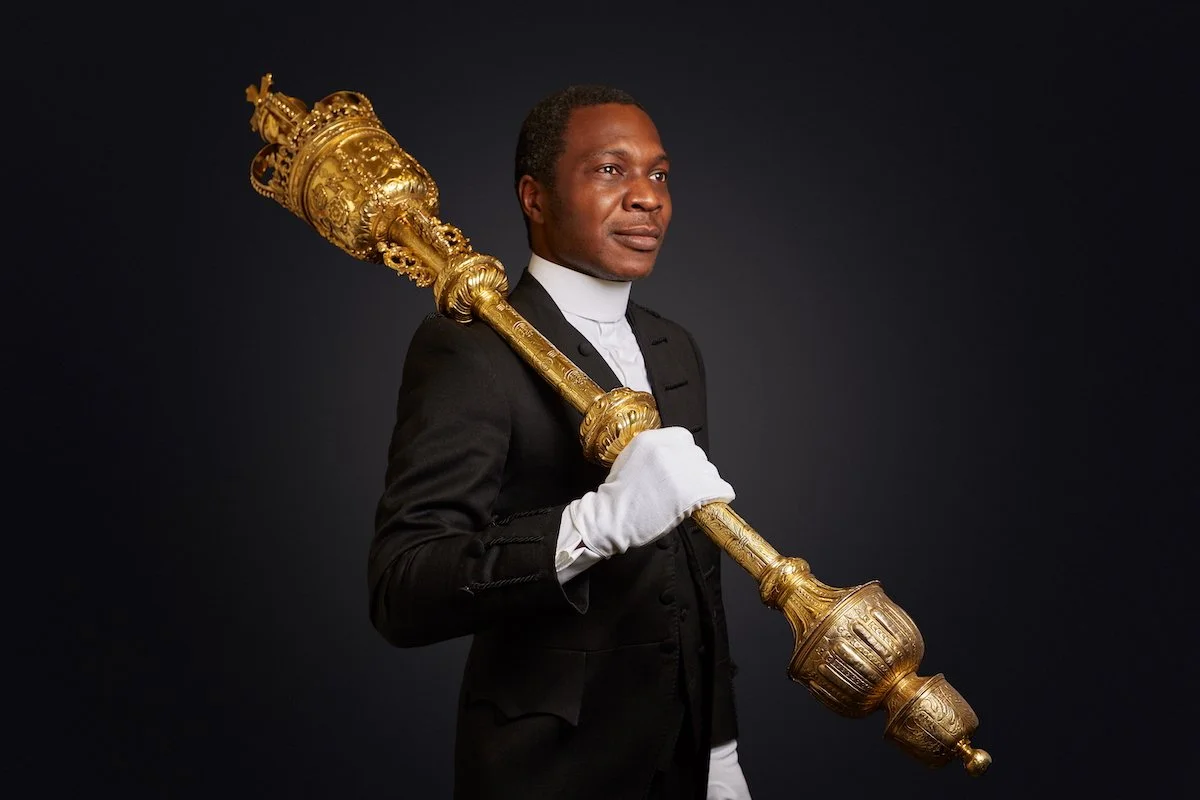
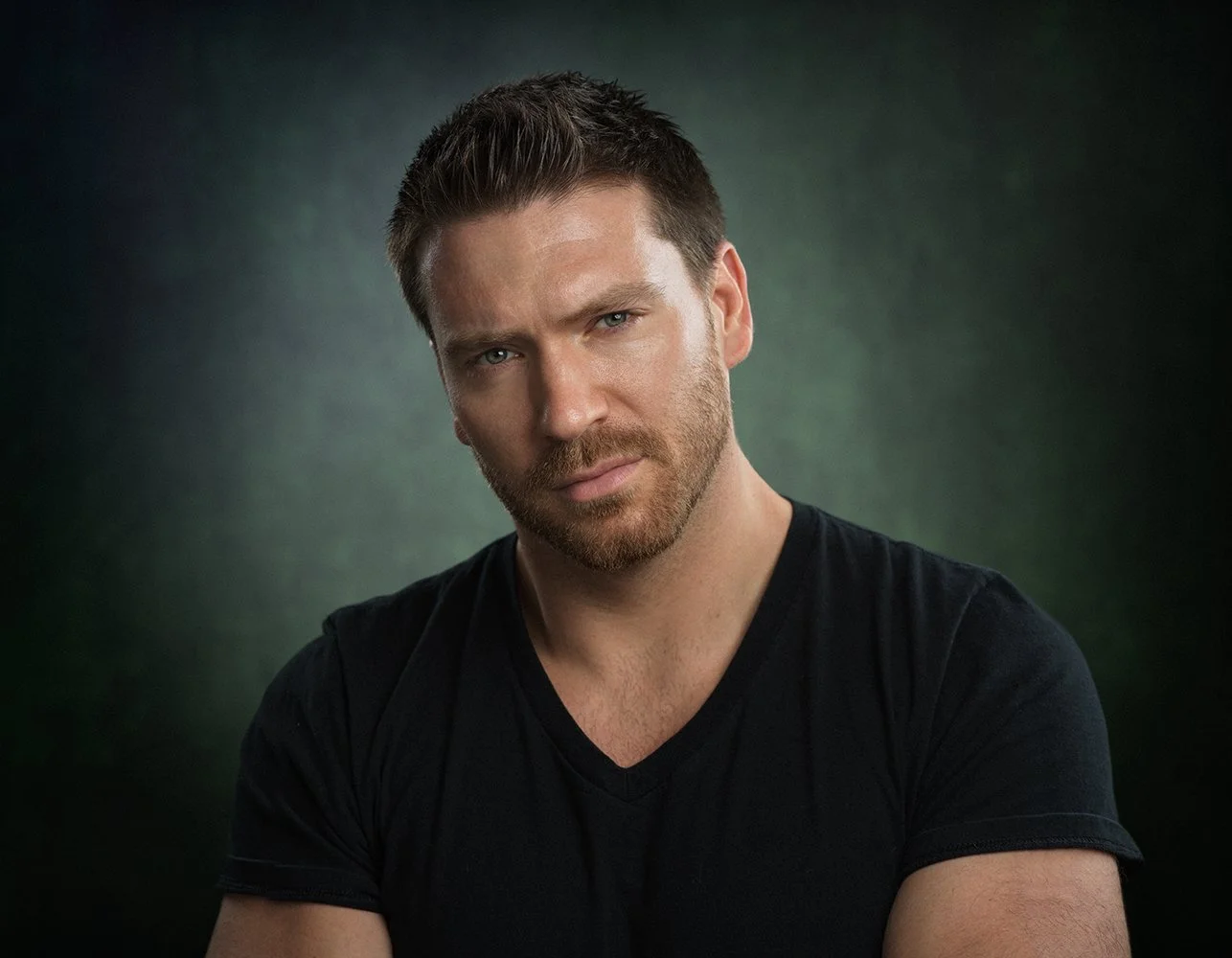
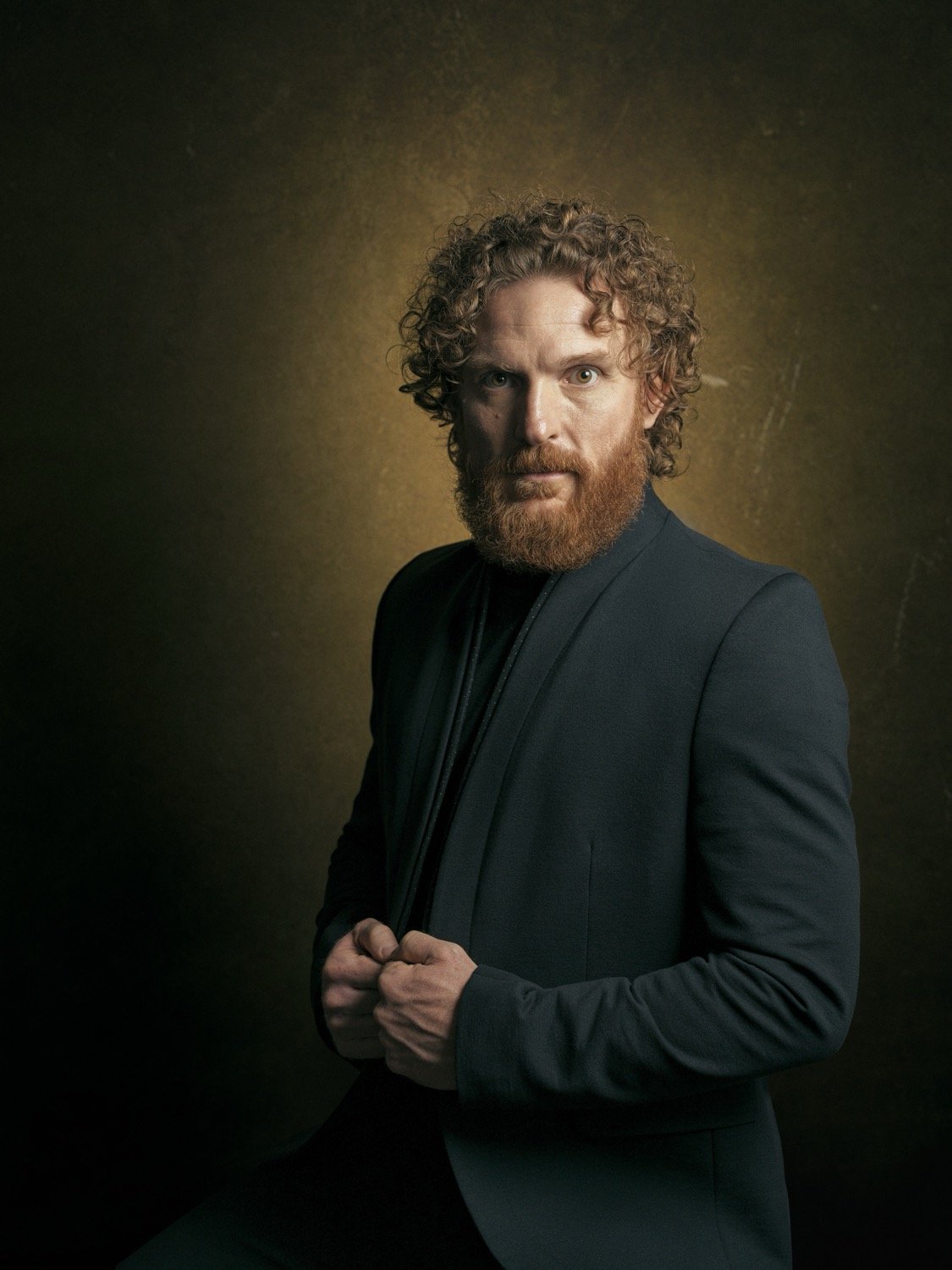
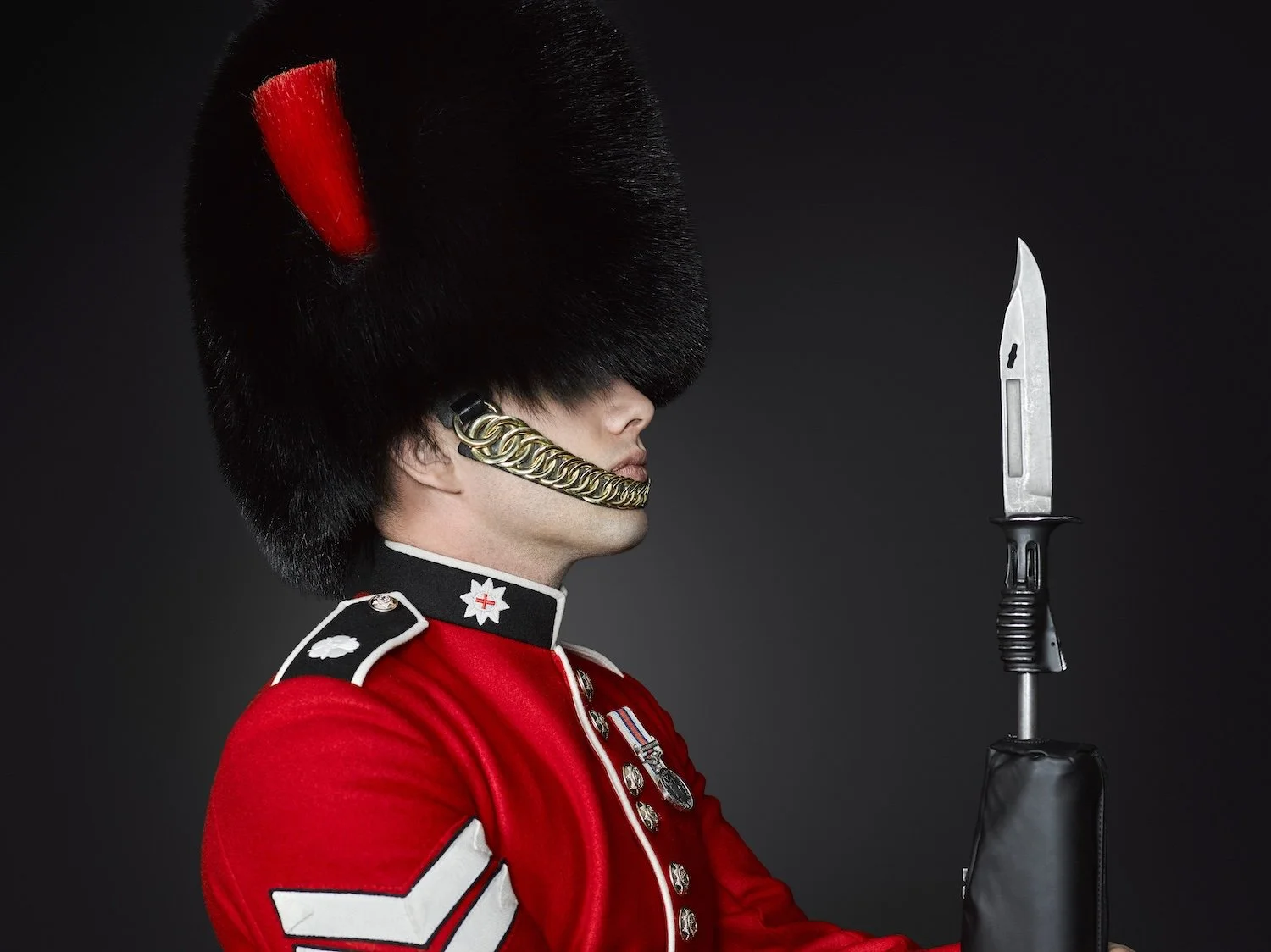
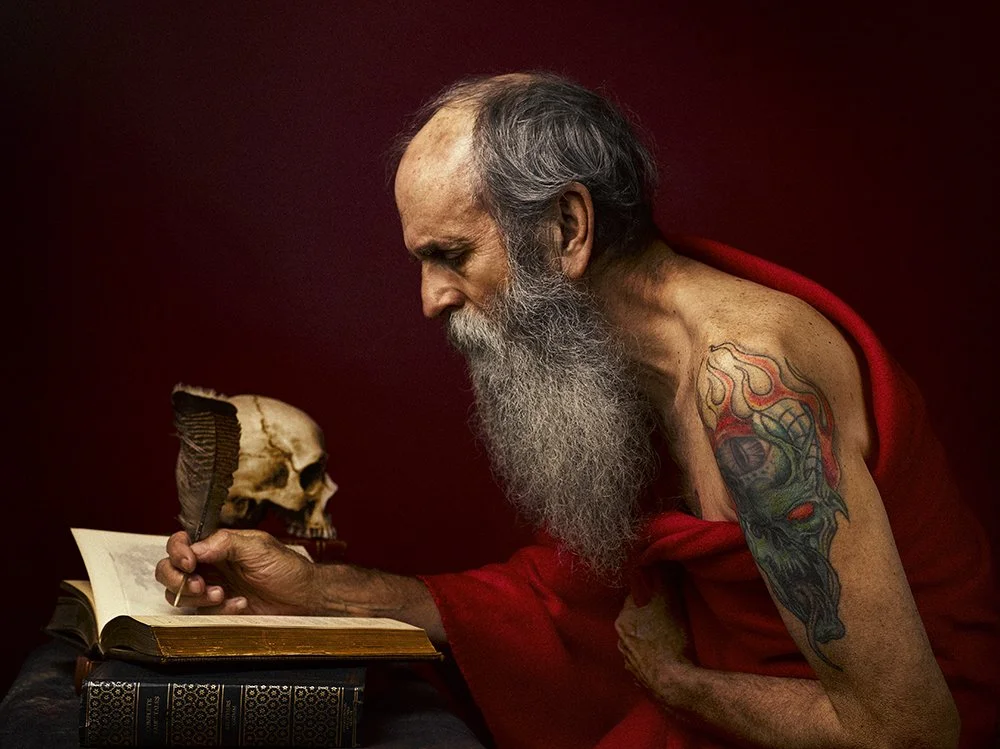
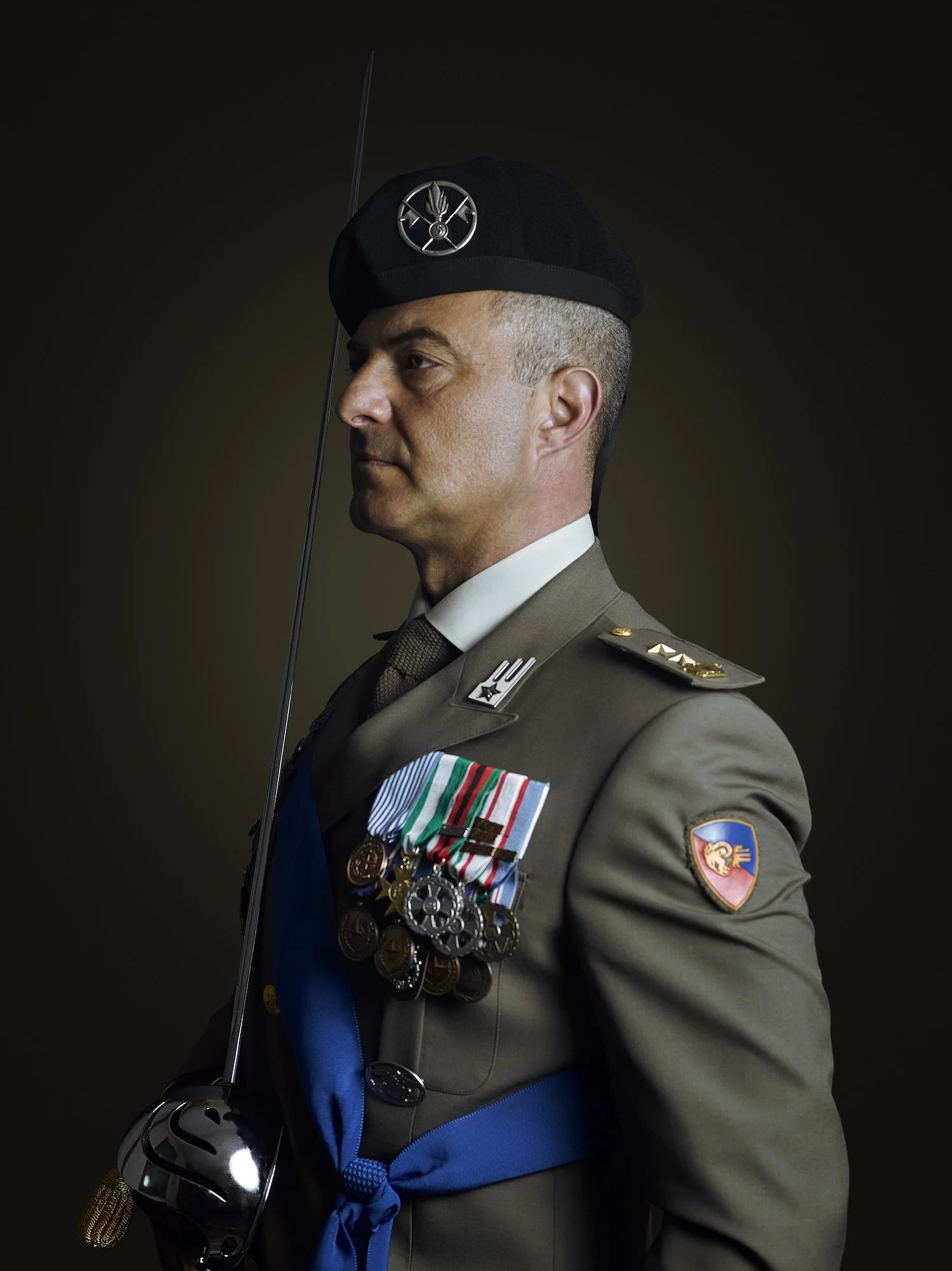
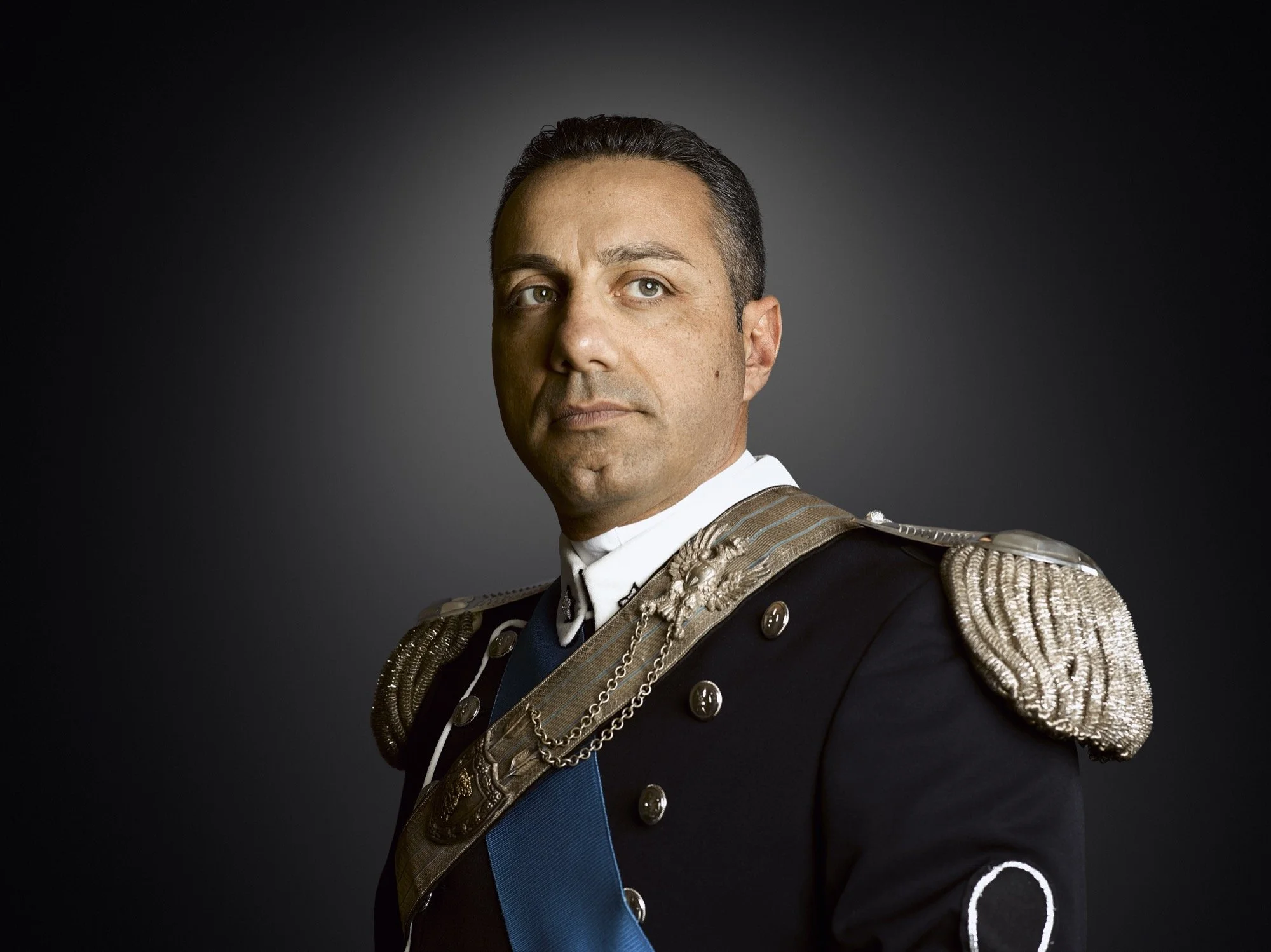
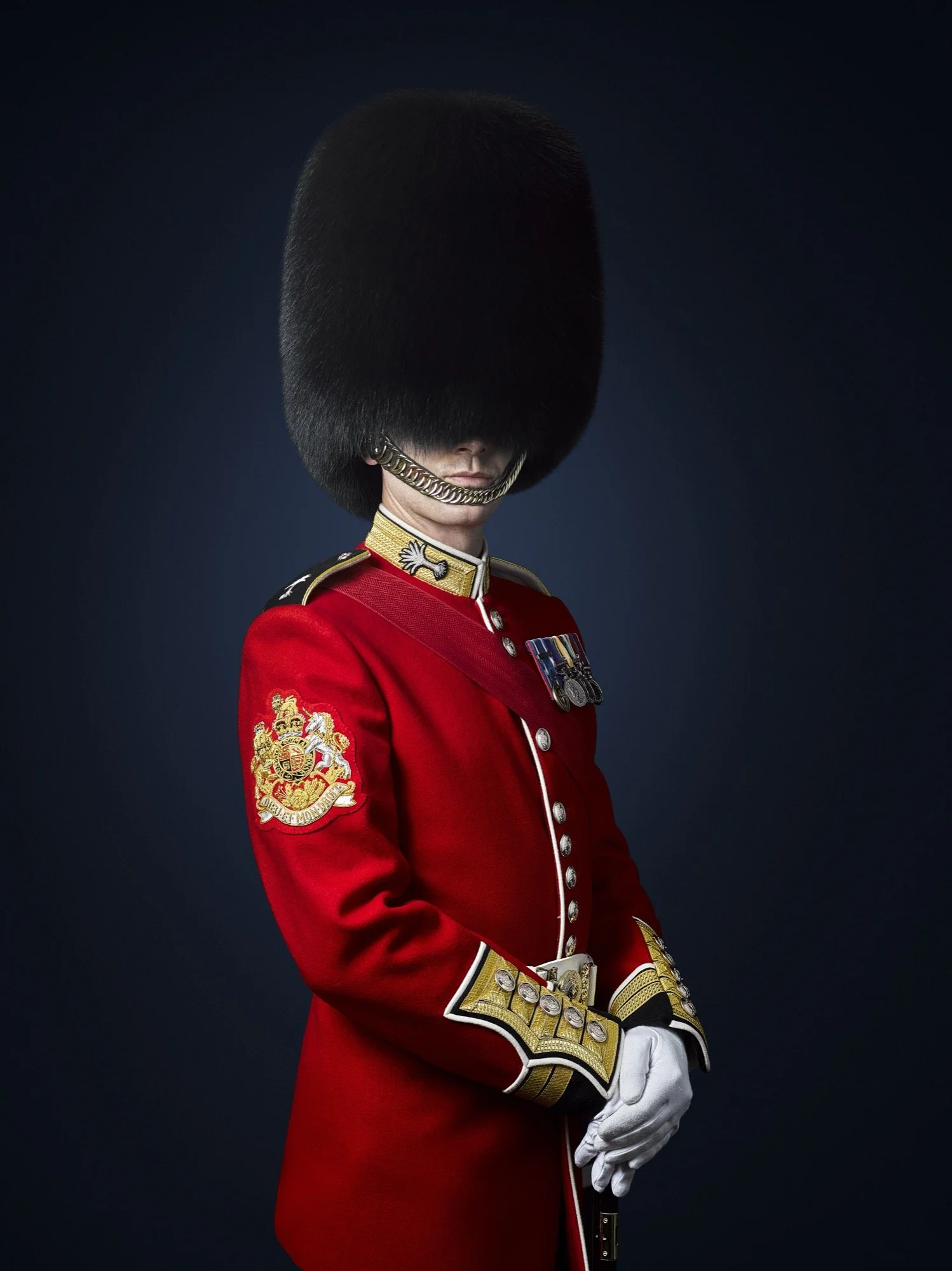
My work is built on a single, low classical light. That is not a stylistic affectation. It is the light of Holbein and Titian, of Caravaggio and Rembrandt, of Lawrence — painters who had no flash, no modifiers and no ability to add a second source, and who therefore had to think very hard about the one they had. When you strip a portrait back to one light, everything that matters becomes visible: where the shadow falls on the cheek, how the eye catches, what the jaw does, whether a sitter looks composed or merely still.
So we begin with one light. Everything else on the day is added deliberately, and only once the reason for adding it is obvious.
How the day runs
We work up through roughly eight setups, from a single source to two lights under tight control. Along the way we cover:
Studio flash from the ground up — the actual role of key, fill, back and hair lights, and what each one is doing to the final image
Modifiers — softboxes, umbrellas, snoots, reflectors — and the reasoning behind reaching for one rather than another
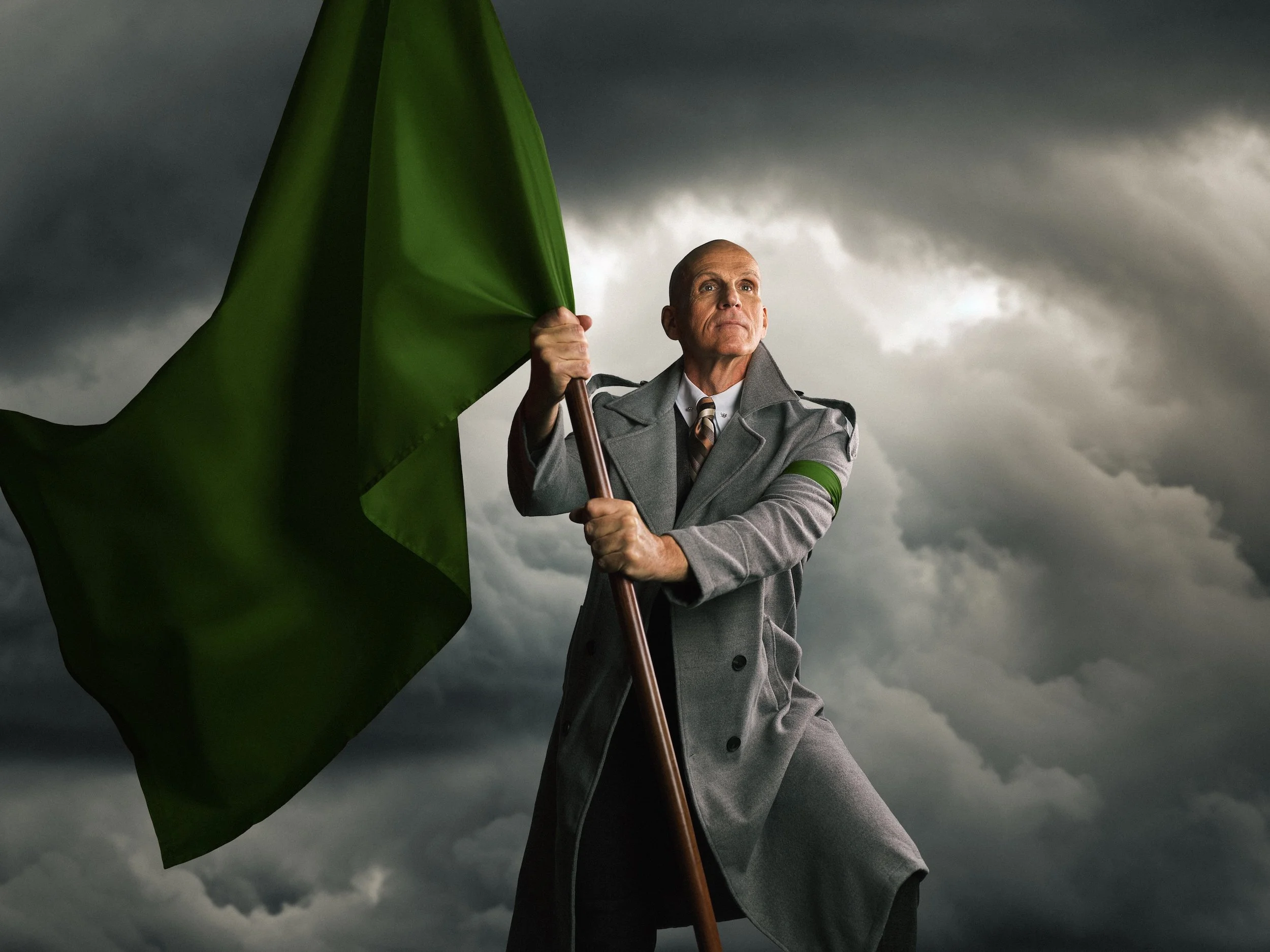
Soft light against hard light, and how completely each changes the character of a portrait
The classical approach: shaping a face the way a painter would, rather than lighting it evenly and hoping
Directing and posing — how to give a sitter something specific to do, so that you photograph a moment rather than an expression