Authority, Legacy, and the Visual Language of Leadership
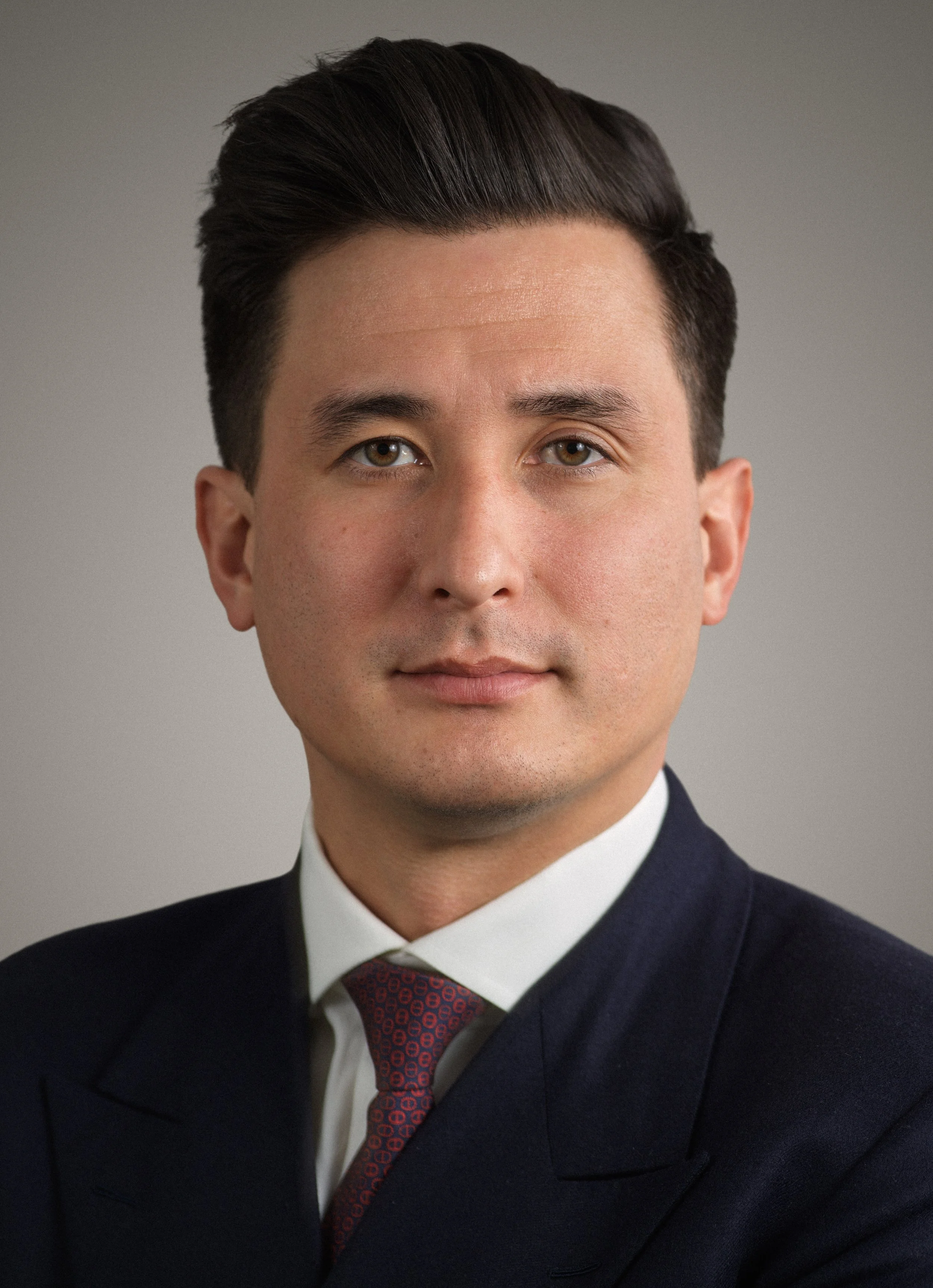

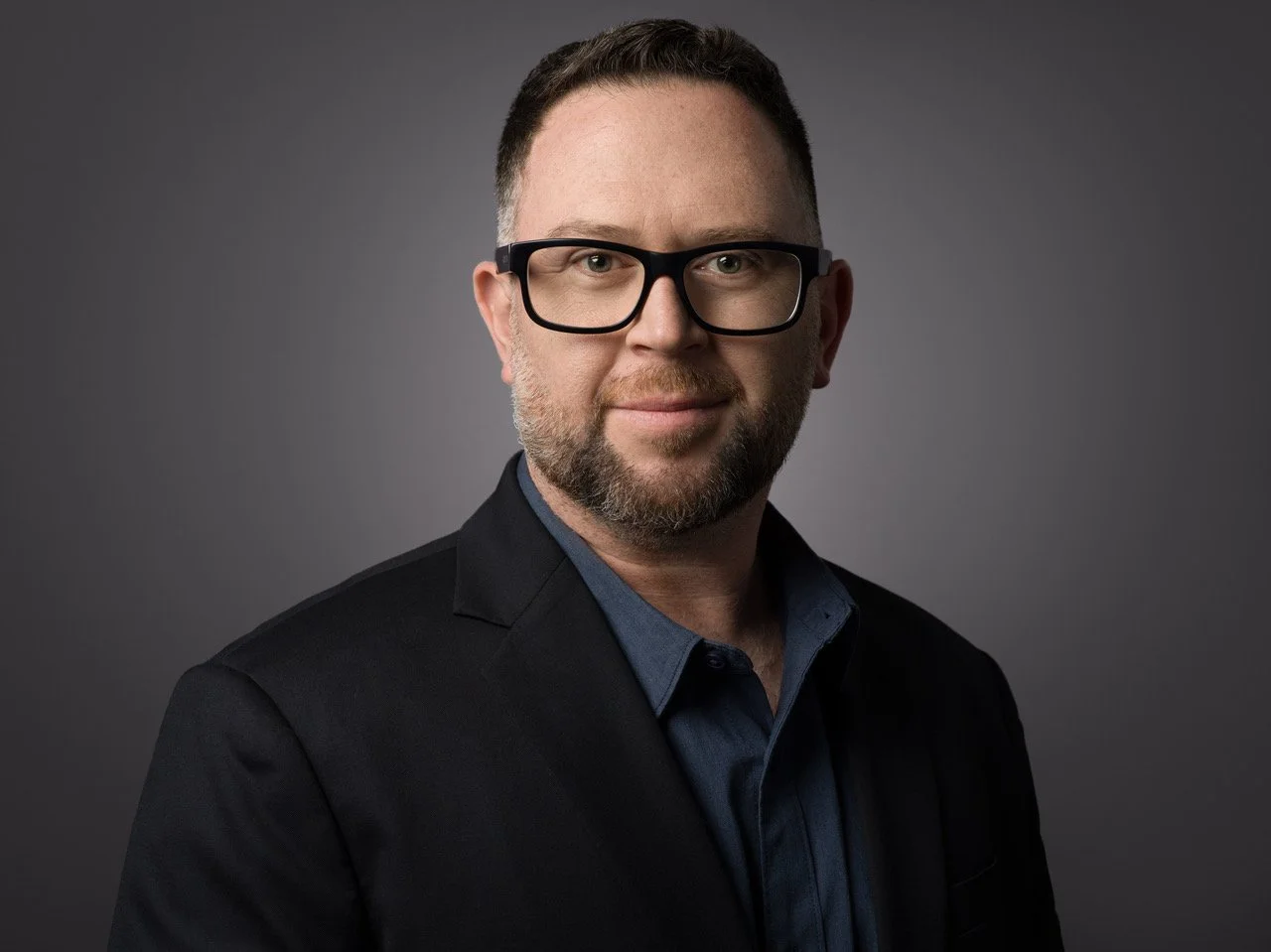
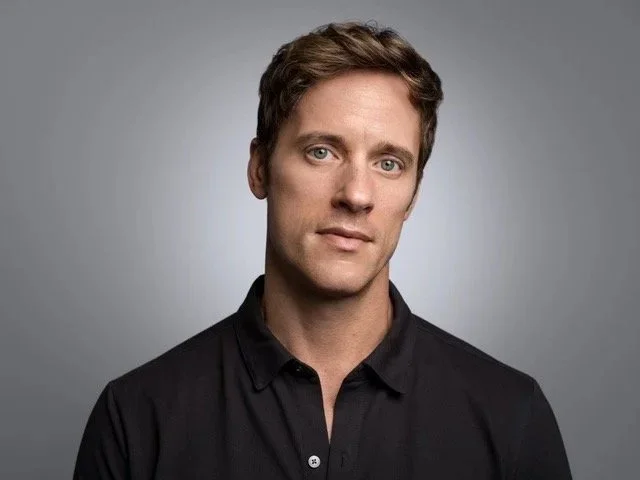
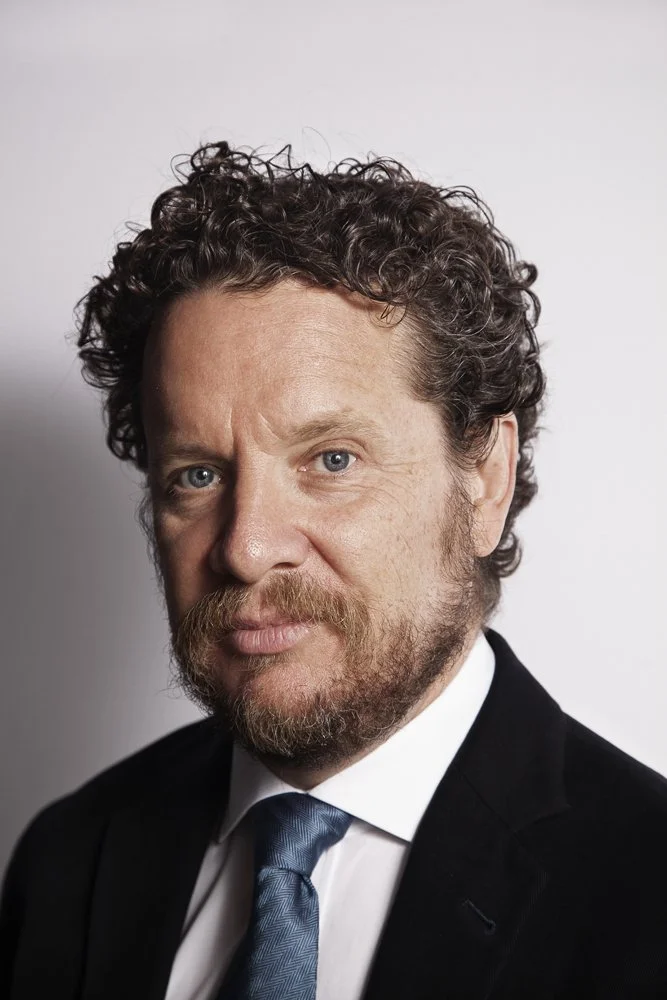

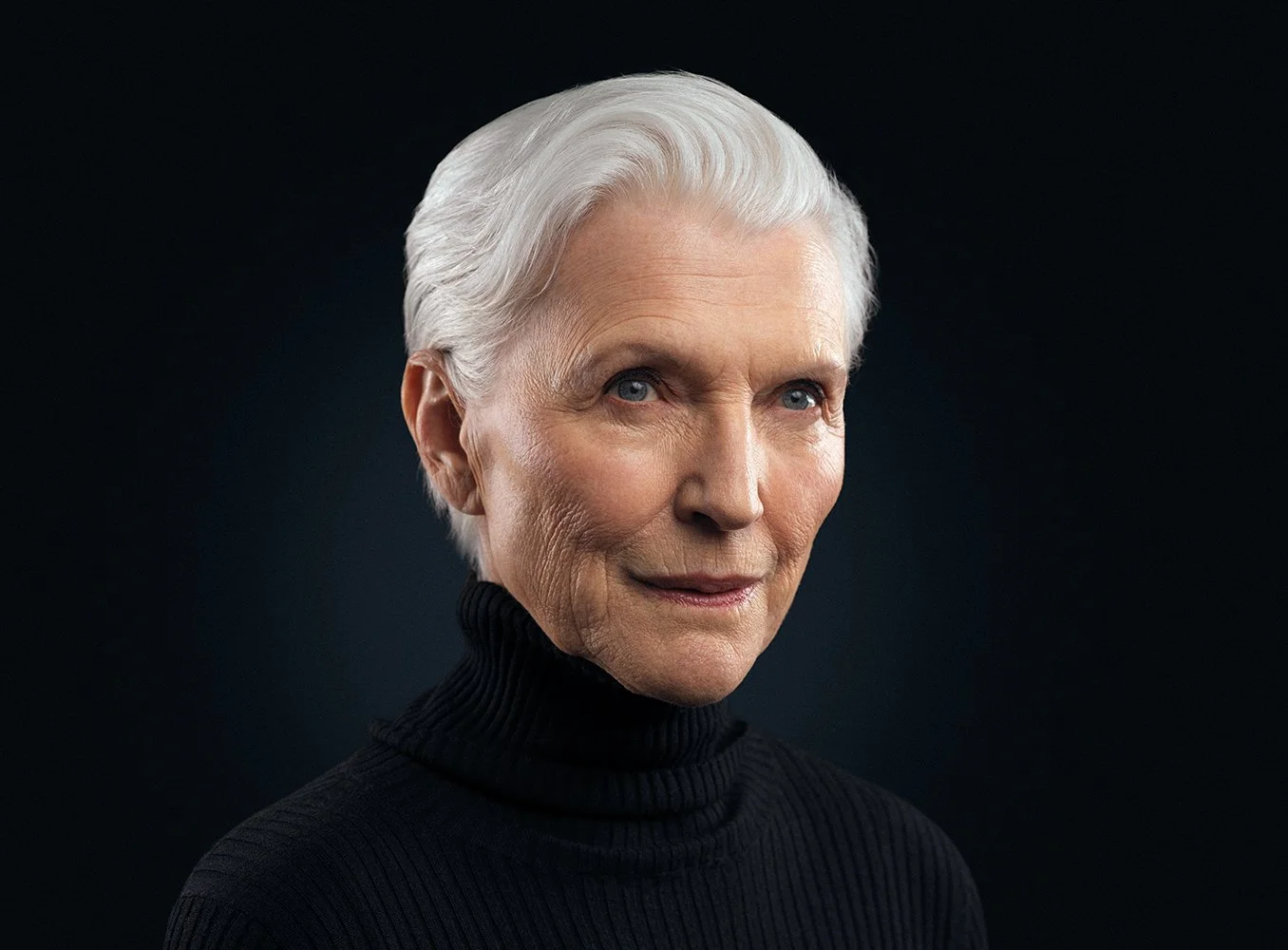
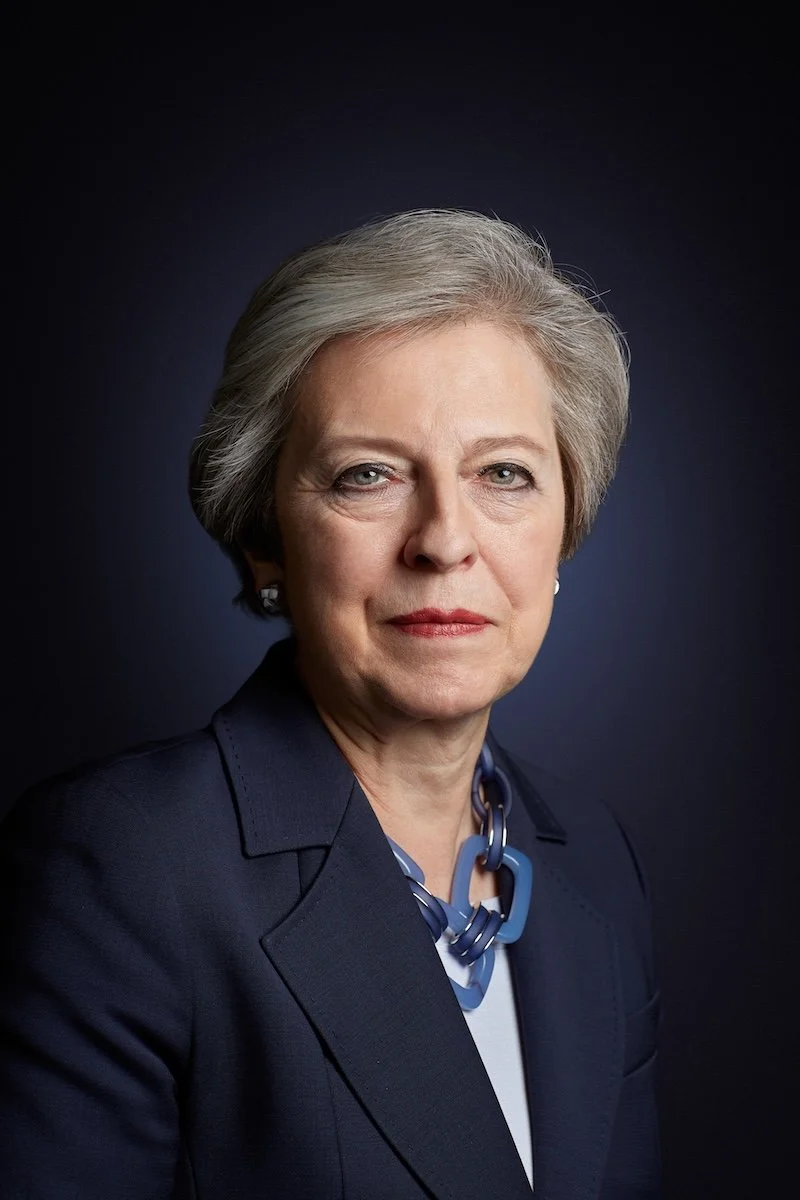
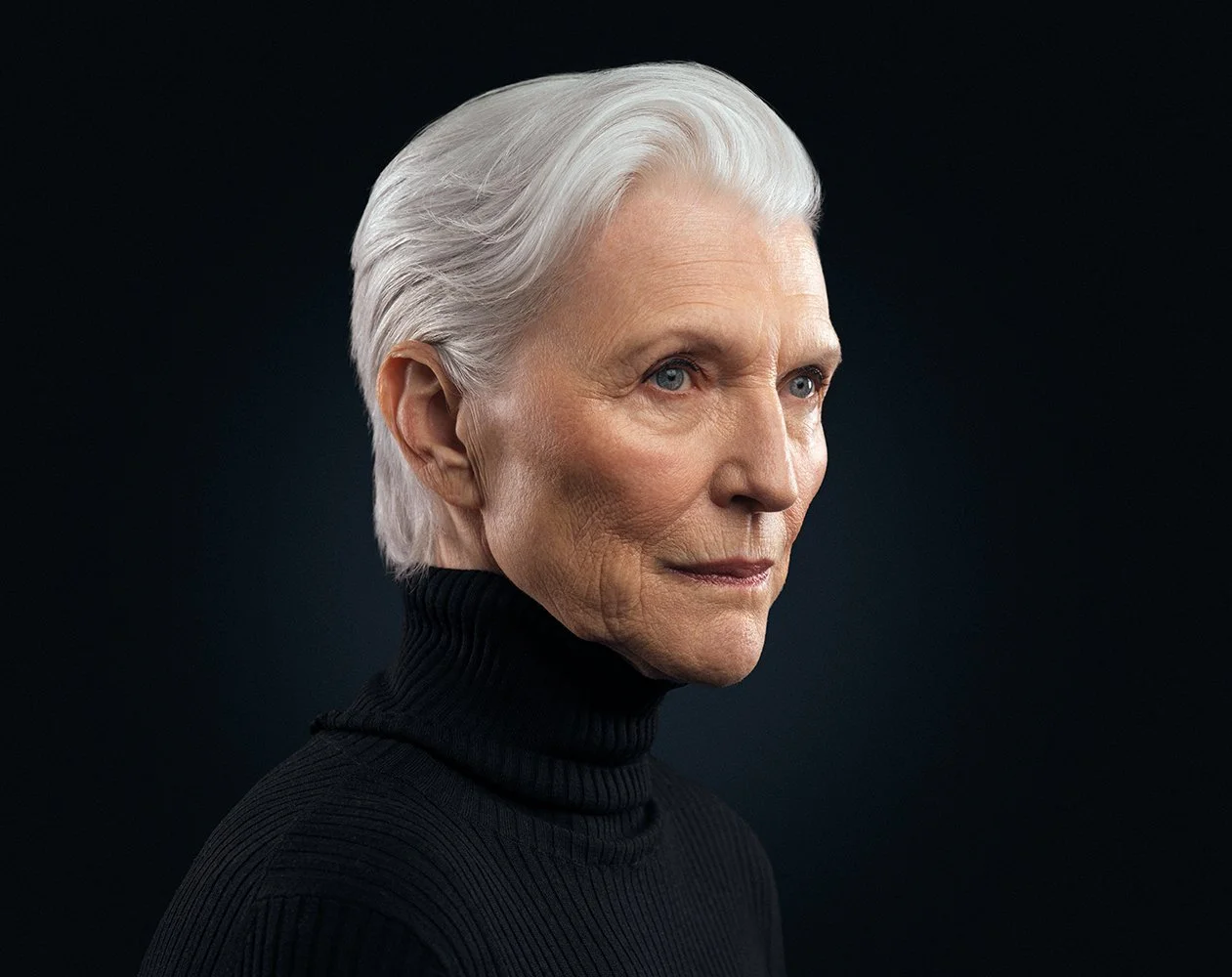
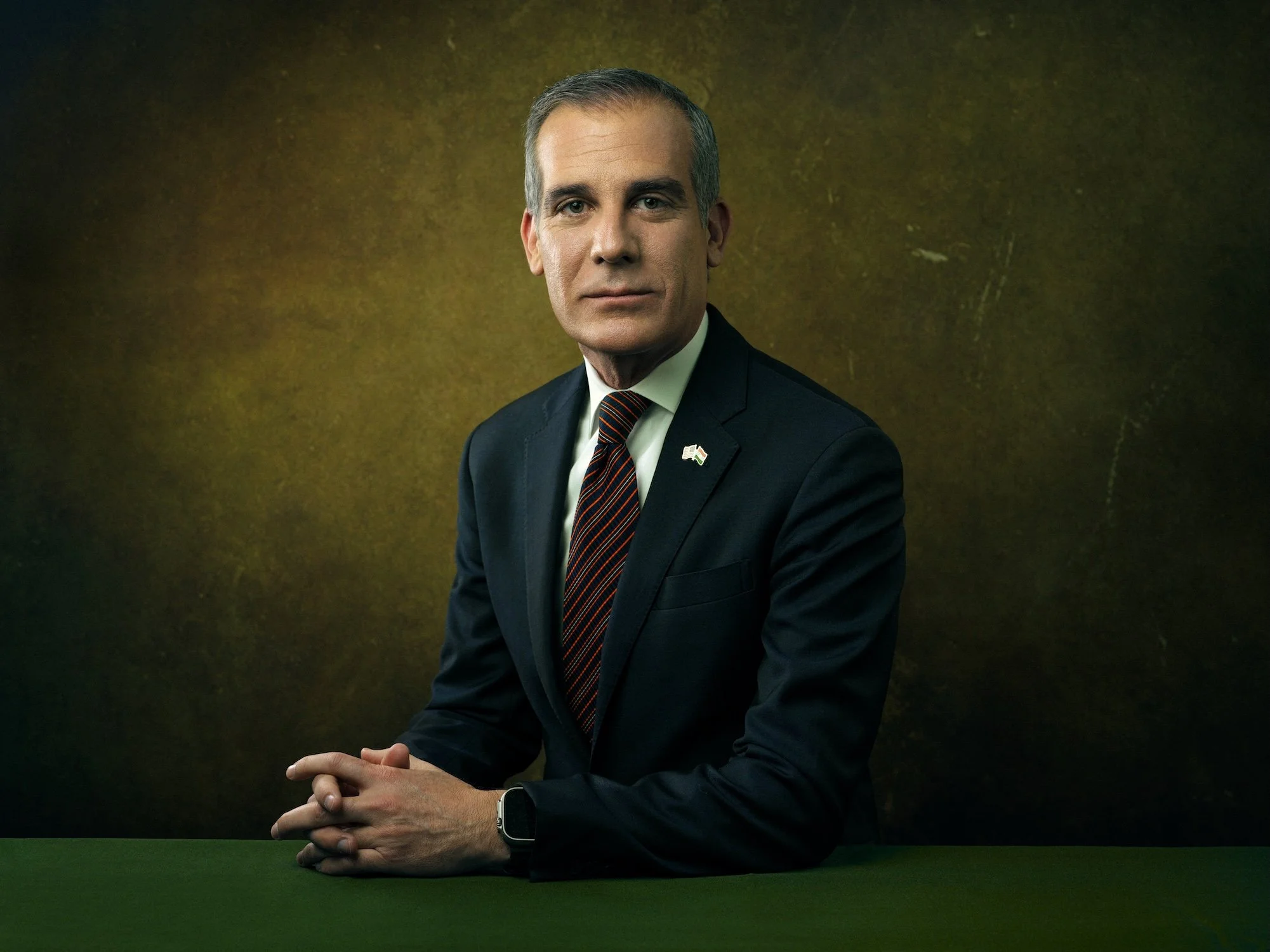


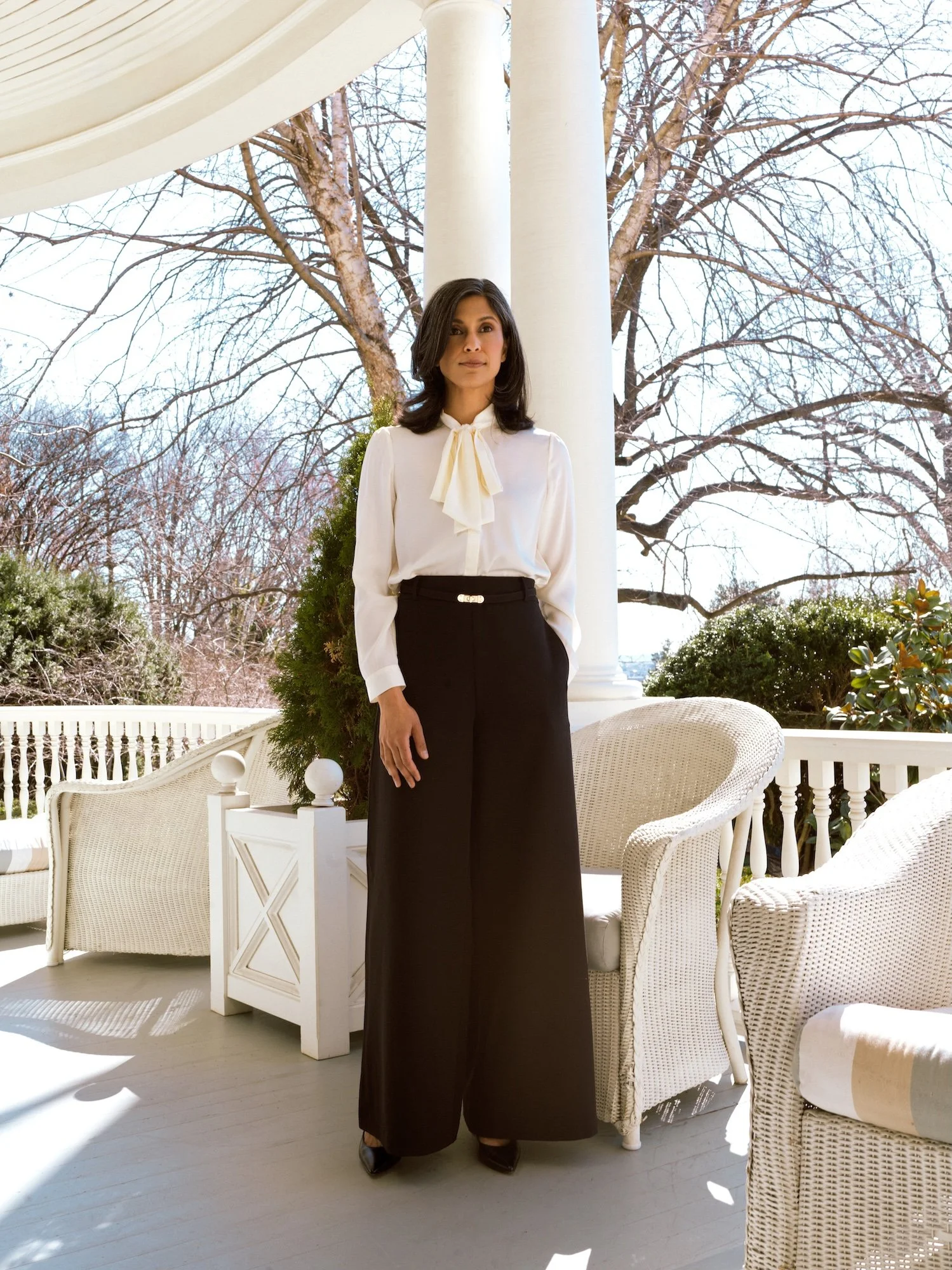
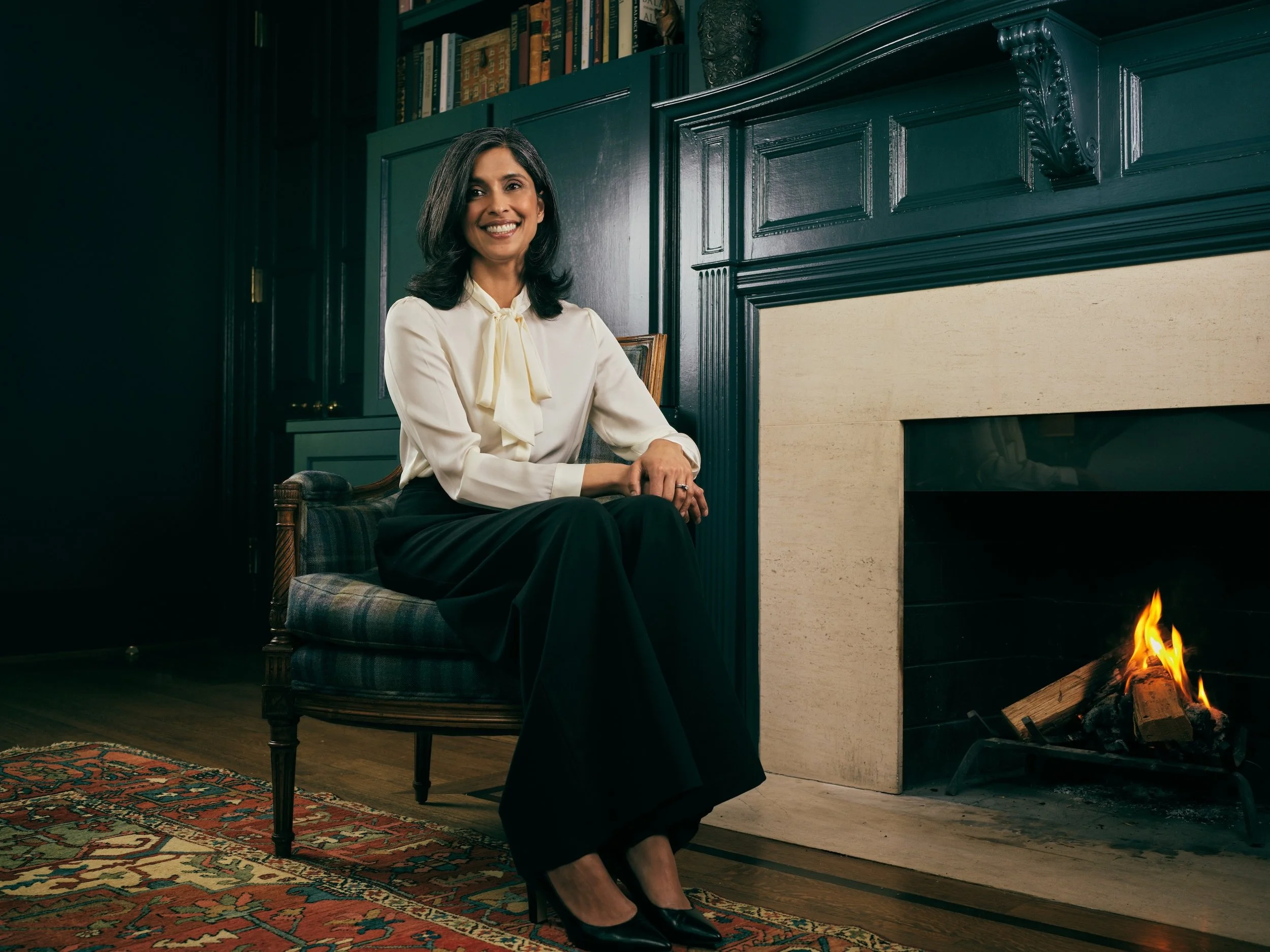
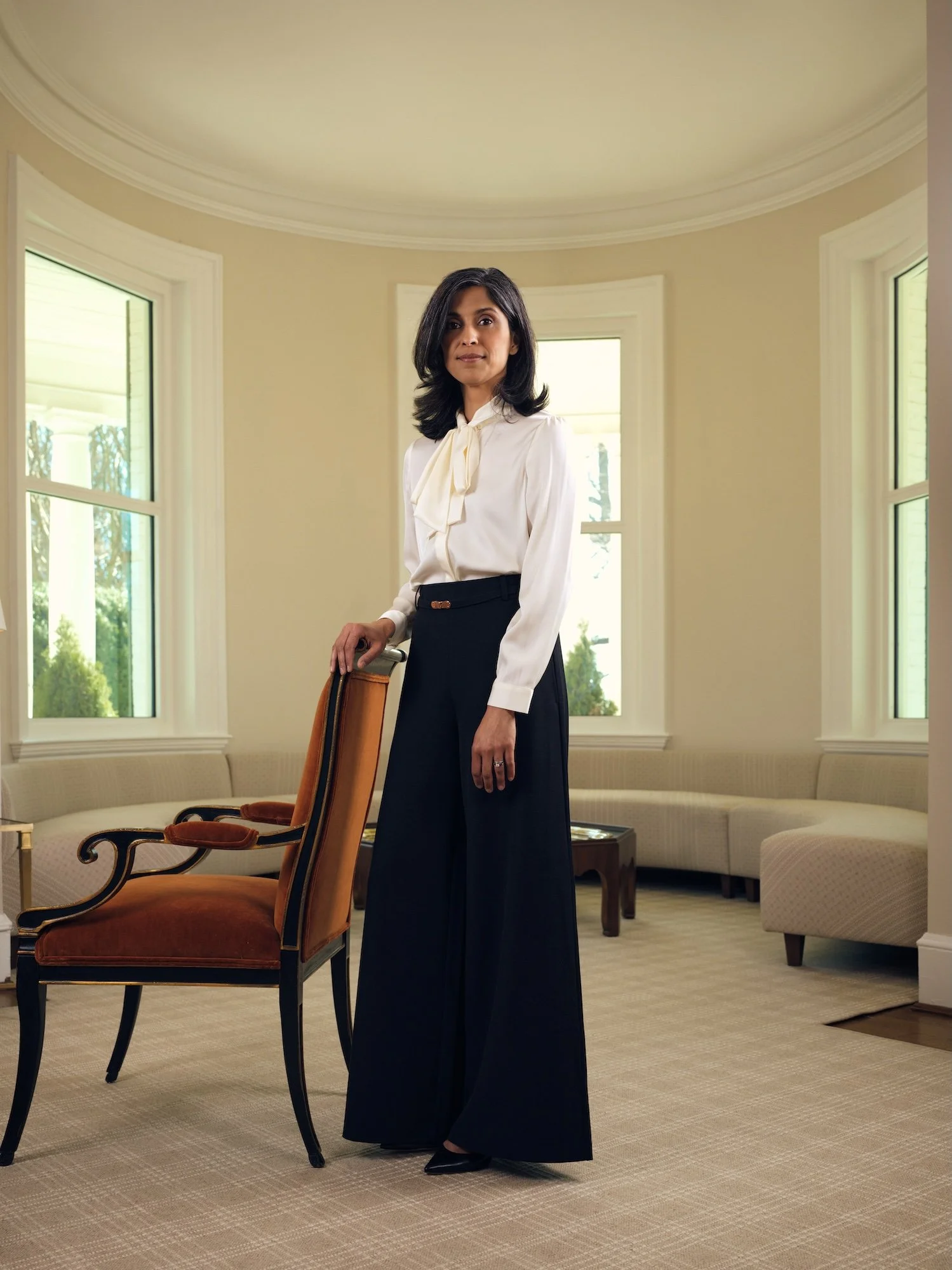
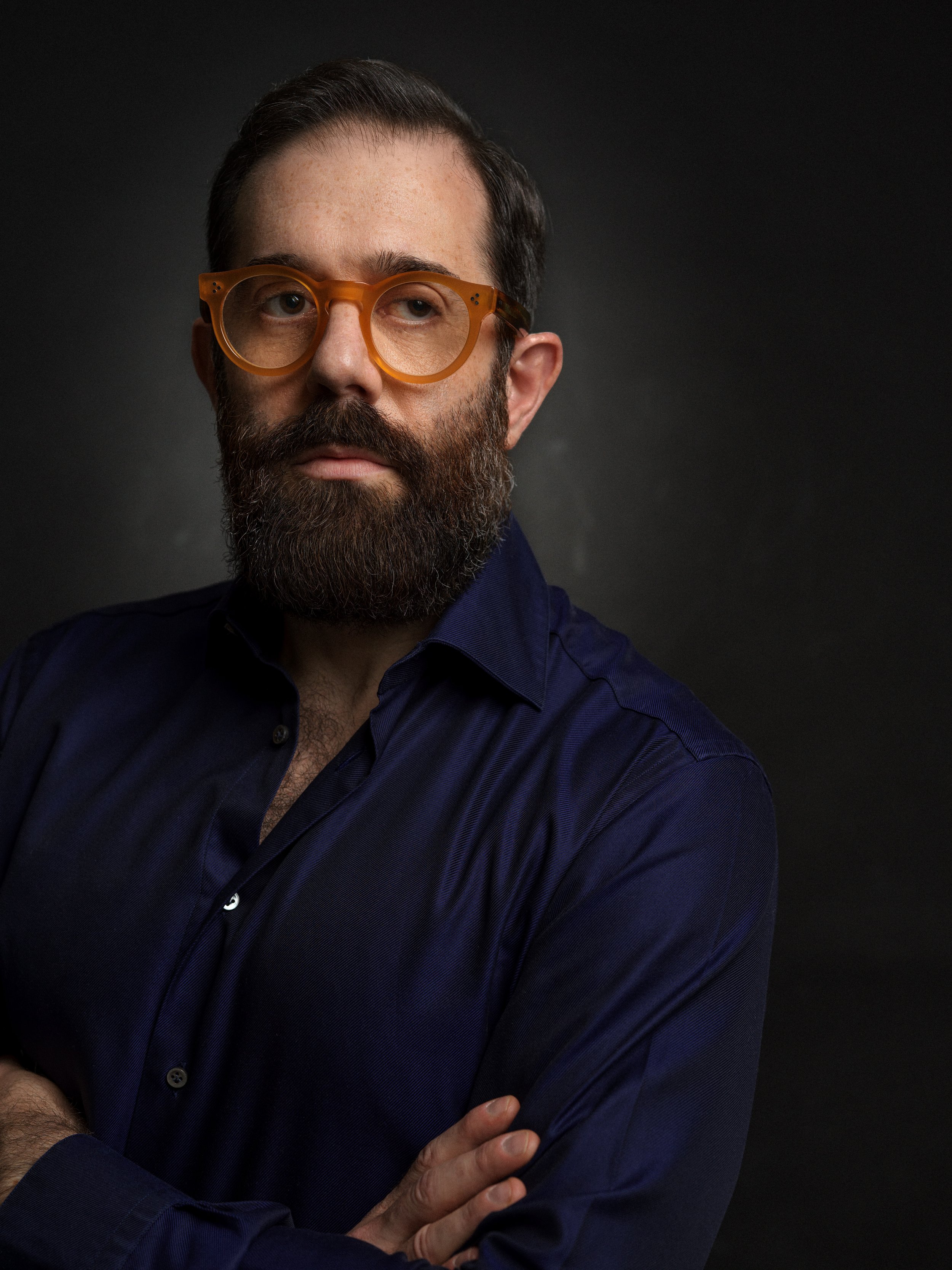
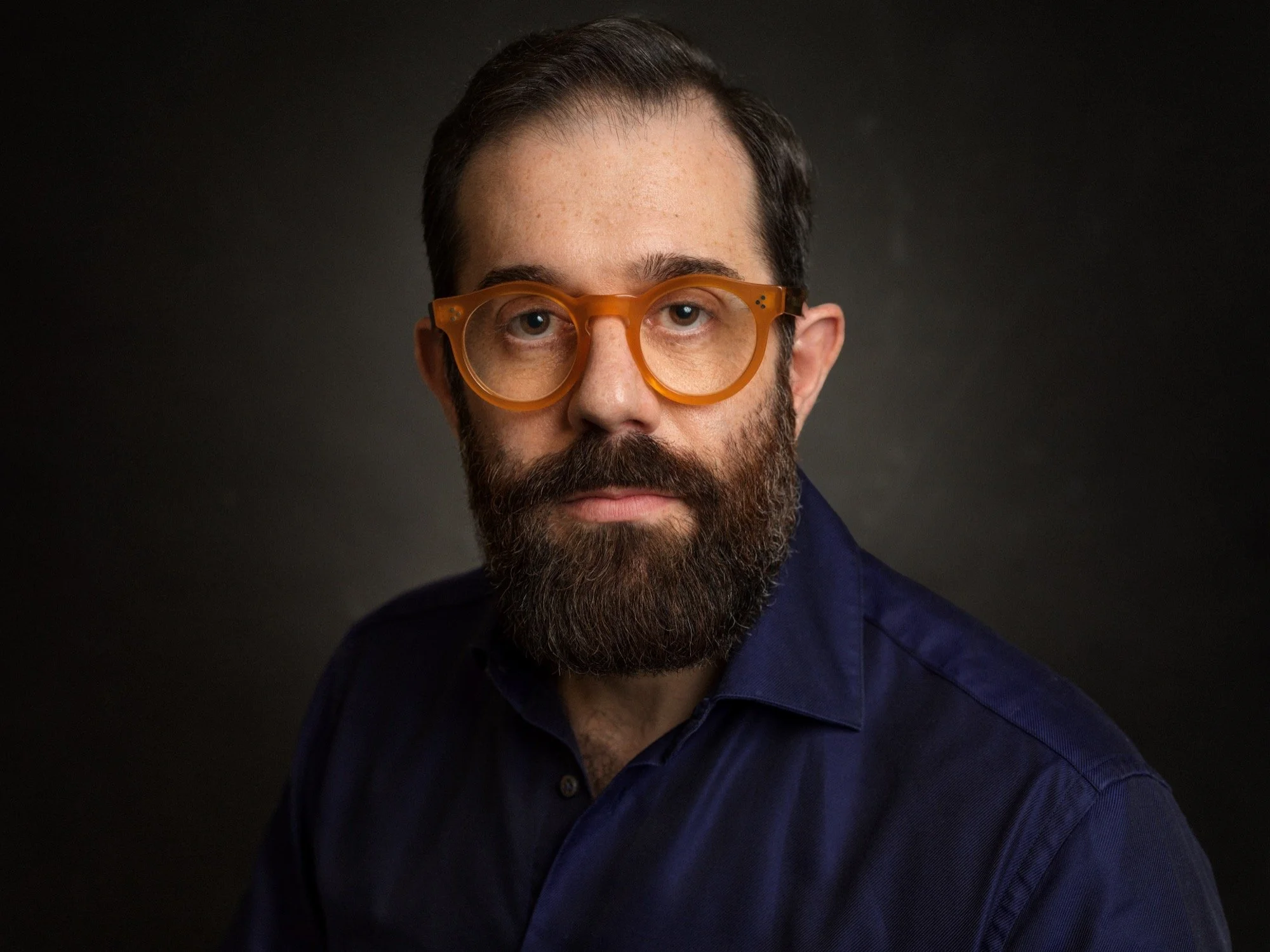
In Los Angeles, power is not always loud.
It is composed, measured, and intentional.
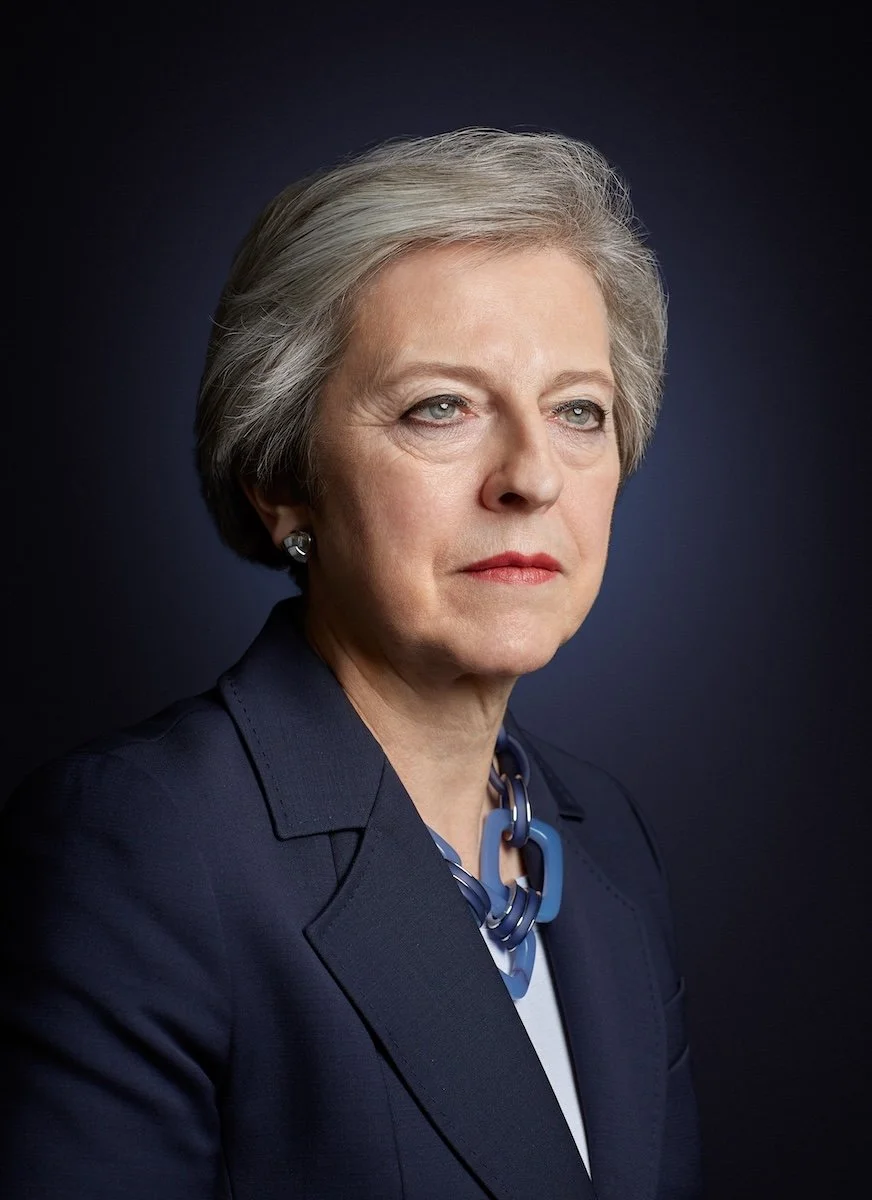
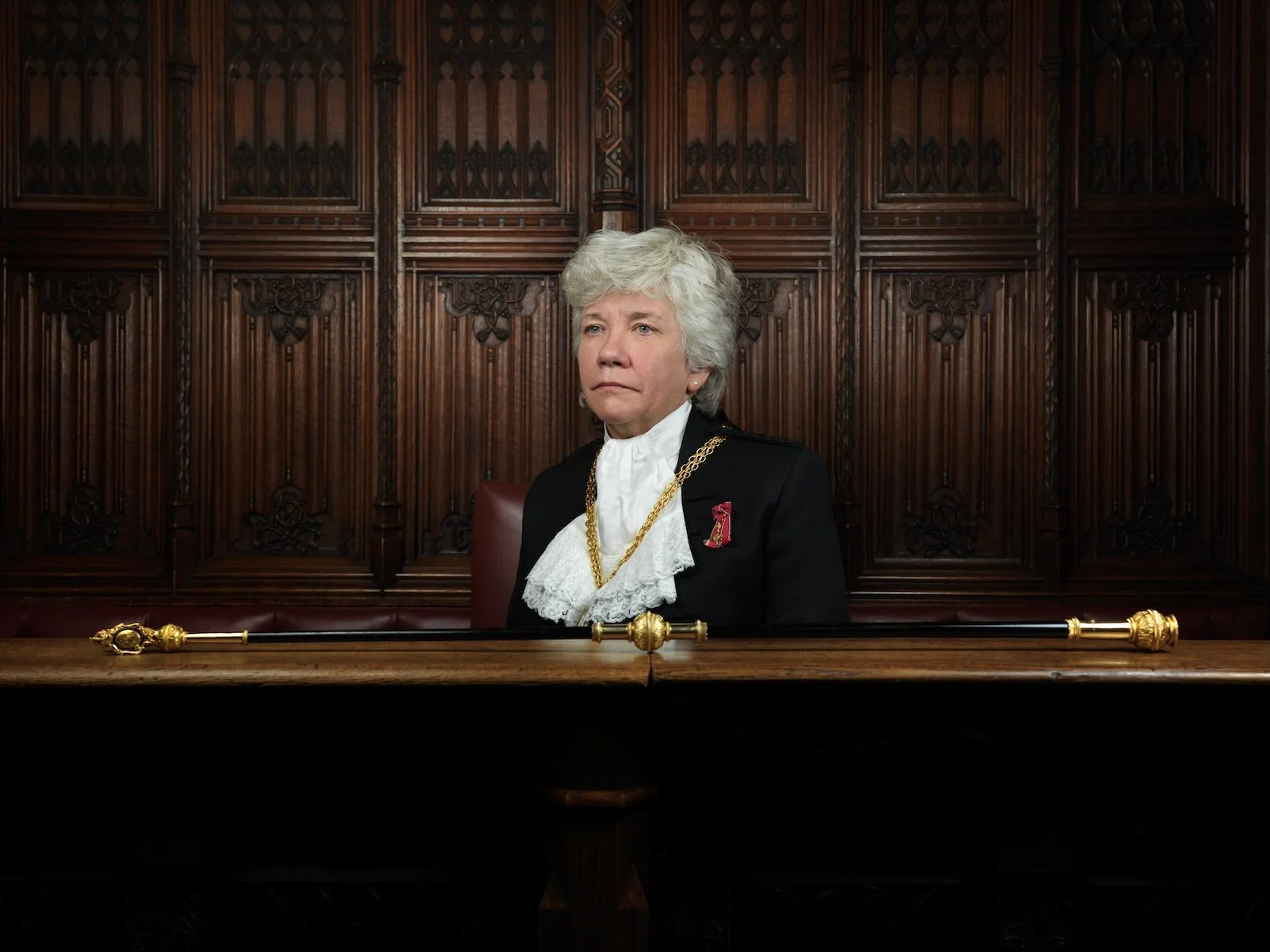
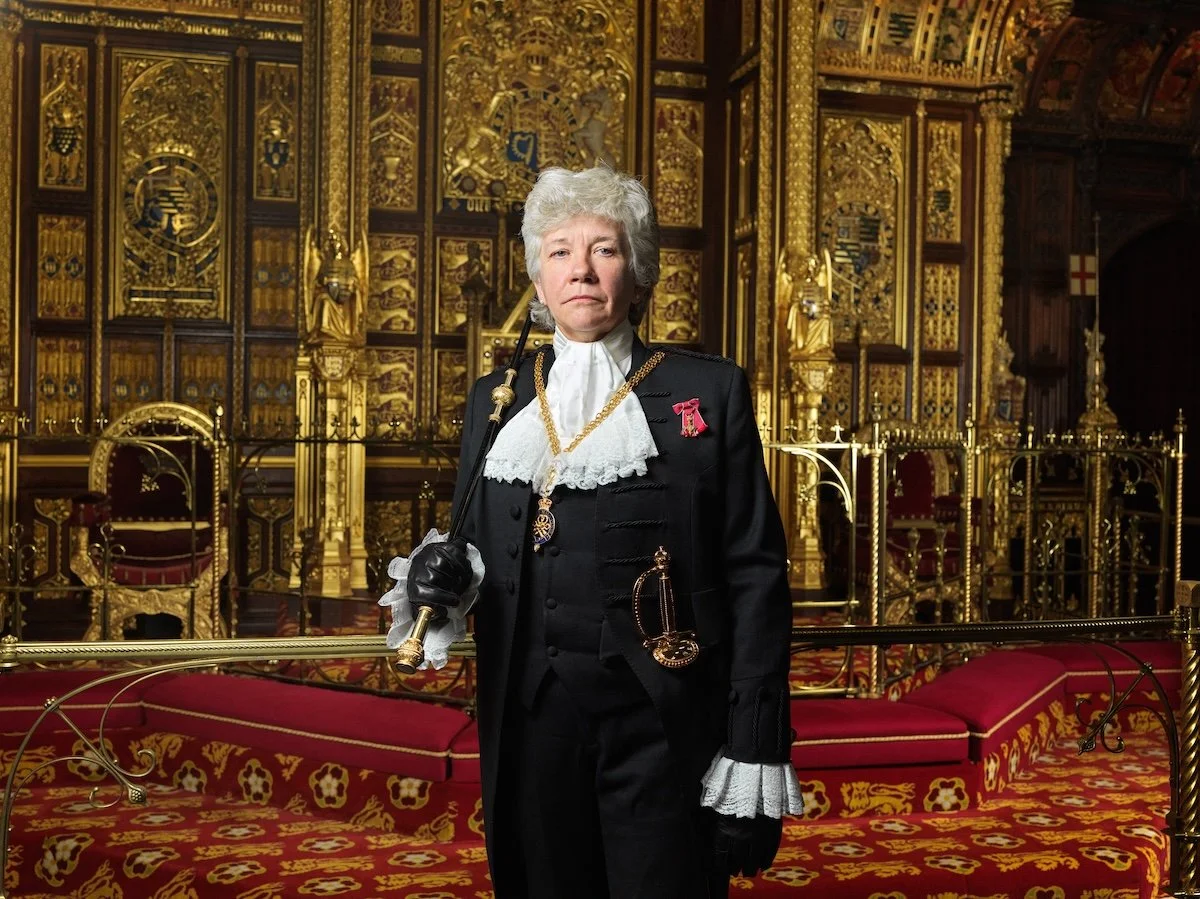
Executive portrait photography at the highest level is not about surface likeness or corporate uniformity. It is about how authority is remembered. A power portrait functions as a visual instrument of leadership — shaping perception across boardrooms, institutions, markets, and history.
As an executive portrait photographer working in Los Angeles, New York, London, and worldwide, my work is commissioned by individuals whose decisions move capital, governments, and culture. These portraits are not transactional images. They are records of influence.
What Is a Power Portrait?
A power portrait is not designed to impress.
It is designed to endure.
Historically, portraits of leaders — from Renaissance statesmen to Enlightenment philosophers — were created to express moral gravity, intellectual authority, and continuity of ideas. Today’s CEOs, investors, and political leaders occupy the same historical lineage, even if the medium has changed.
A true executive portrait must communicate:
Decision-making authority
Intellectual seriousness
Emotional restraint
Institutional credibility
In Los Angeles — a city often associated with speed and spectacle — the most powerful leaders understand the value of stillness.
Executive Portraits in Los Angeles: A Global Power Center
Los Angeles is no longer simply an entertainment capital. It is home to:
Global investment firms
Technology leadership
Family offices
Cultural institutions
Political and philanthropic influence
Executives operating here require portraits that function across multiple arenas — investor communications, press coverage, governance materials, and legacy archives.
My approach to executive portrait photography in Los Angeles draws on classical art history, contemporary psychology, and documentary restraint. Each sitting is treated as a commission, not a session.
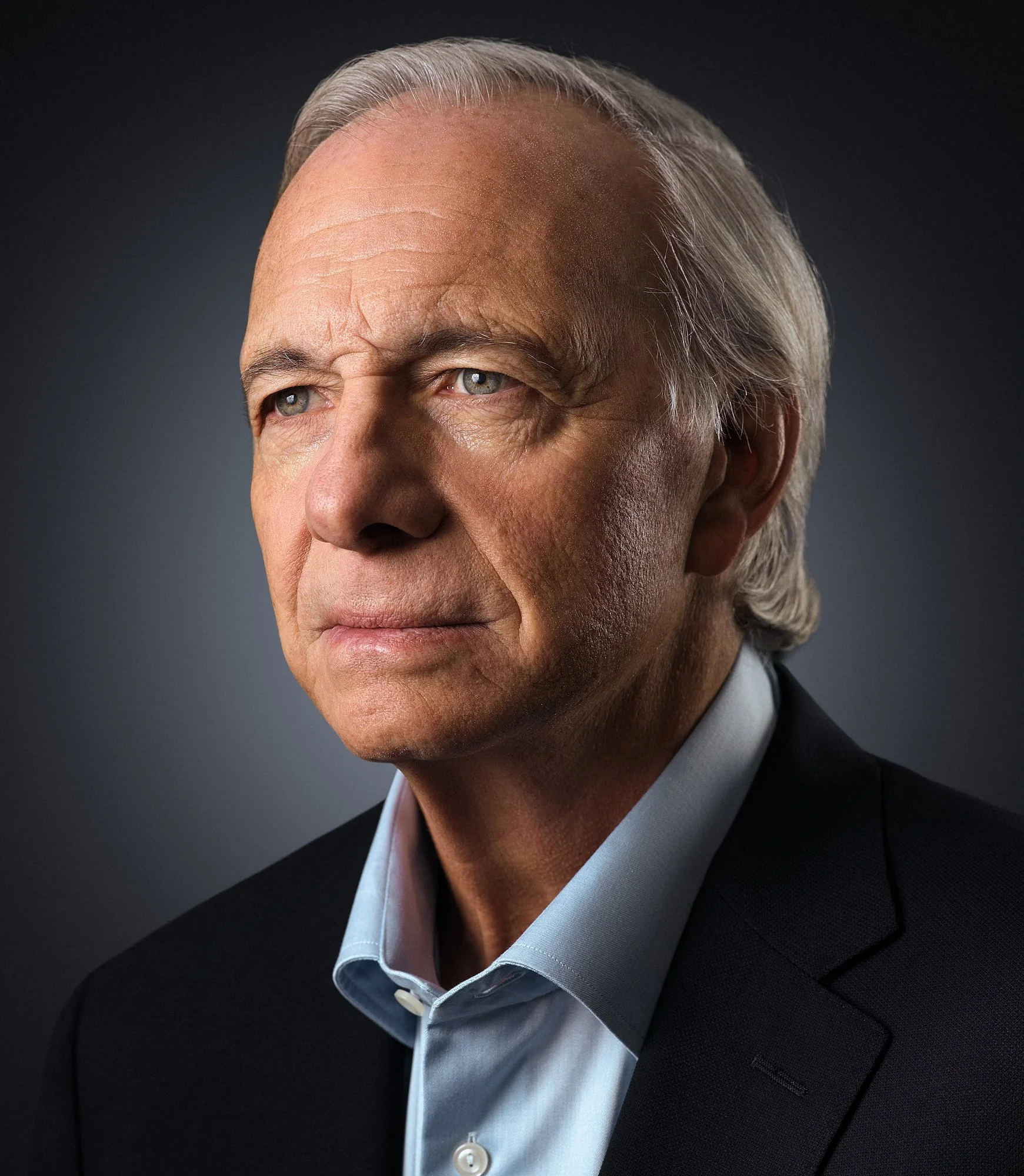
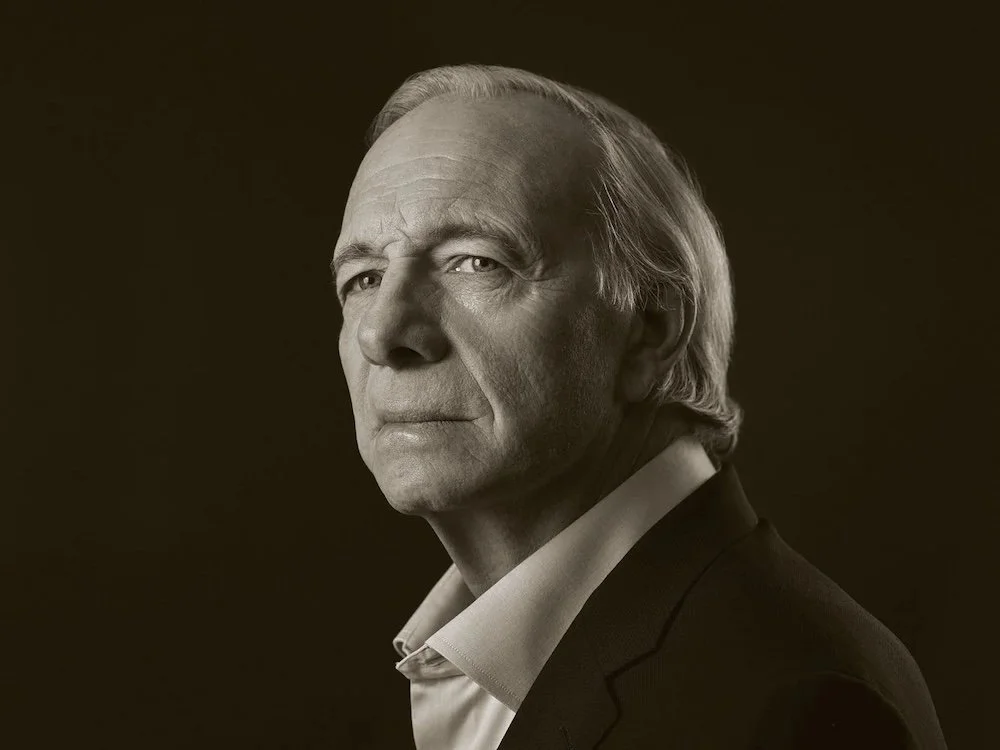
Ray Dalio Executive Portrait Photographer Rory Lewis
In this portrait of Ray Dalio, I set out to capture one of the most consequential transitions in modern finance — the moment when a master of markets publicly re-examined his own long-held convictions.
Dalio, the billionaire investor and founder of Bridgewater Associates, has shaped global investing not merely through performance, but through philosophy. Like Adam Smith before him, Dalio views economics as a reflection of human behavior — cycles of fear, confidence, adaptation, and humility.
The portrait draws on Caravaggio-inspired chiaroscuro, classical pose, and sculptural restraint. The subdued green-gold tonality references the language of capital itself — wealth, equilibrium, and reflection.
The timing of the sitting was critical. In October 2022, Dalio stepped down as Co-Chief Investment Officer of Bridgewater and publicly acknowledged a shift in his thinking around cash as an asset, quoting John Maynard Keynes:
“When the facts change, I change my mind.”
This portrait does not depict triumph.
It depicts intellectual balance — a leader willing to adapt in public view.
That restraint is the essence of a power portrait.

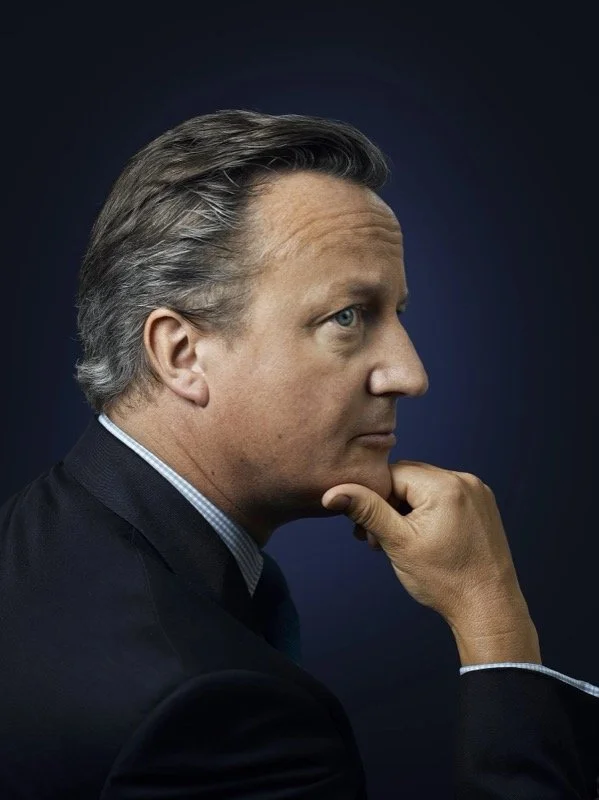
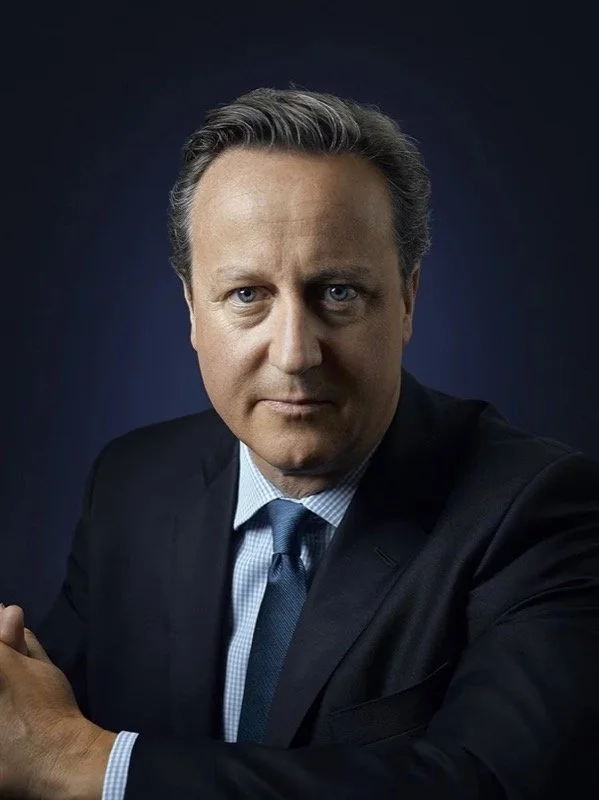
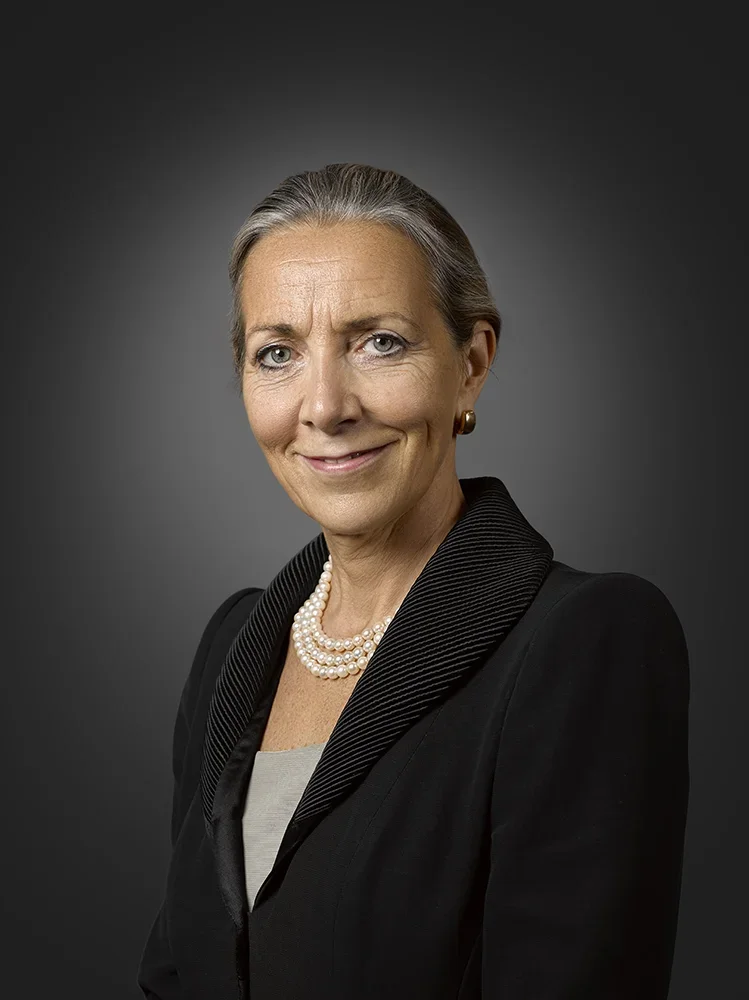
Lord David Cameron Executive Portrait Photographer Rory Lewis
Photographing Lord David Cameron offered a rare opportunity to portray political power after office — when reflection replaces performance.
Ahead of the sitting, I studied historical and contemporary portraits of Cameron and found that few explored introspection. The goal was not motion or rhetoric, but stillness — a statesman contemplating the weight of decisions made under extraordinary pressure.
The sitting itself was brief and focused. Cameron proved highly receptive to direction, allowing for a quiet, restrained mood. The resulting portraits function less as political imagery and more as historical documents — truthful records of a figure shaped by the consequences of leadership.
For executives and board members, this approach matters. Power portraits should not attempt to control narrative. They should withstand it.
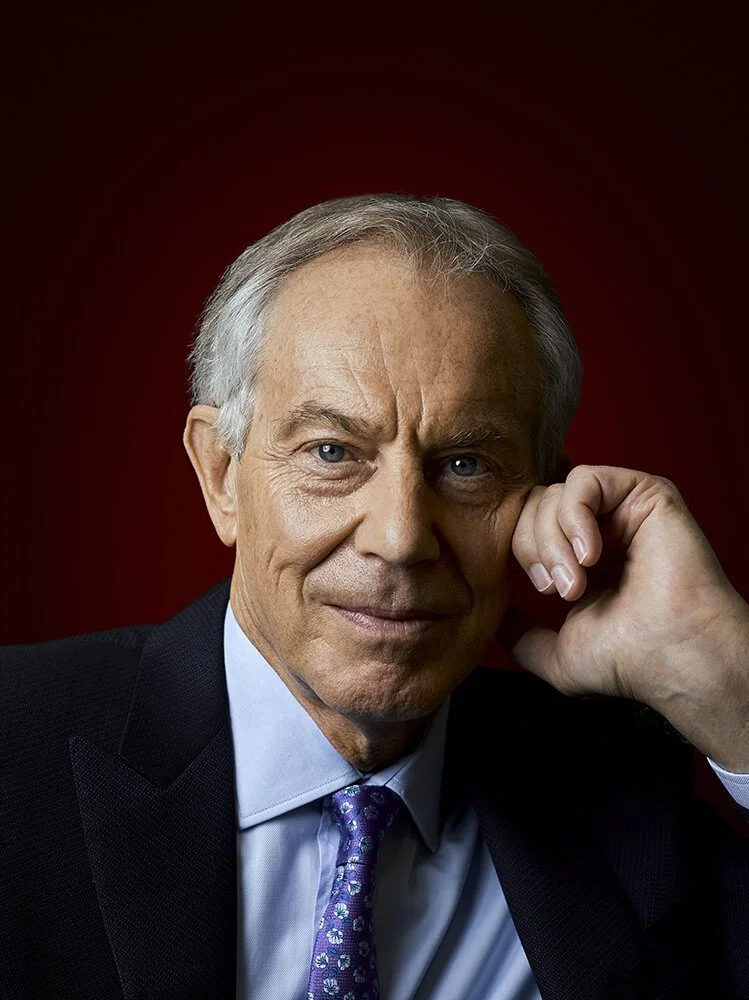
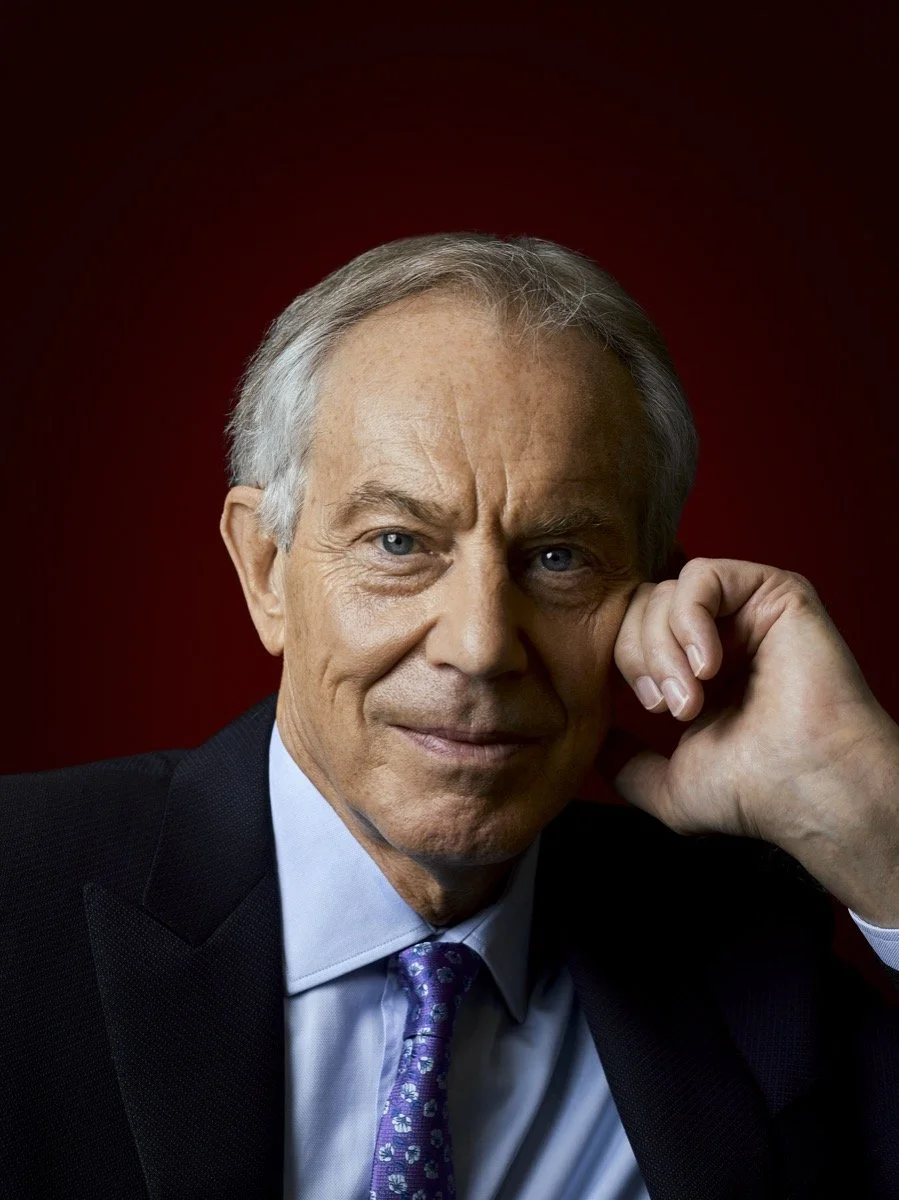
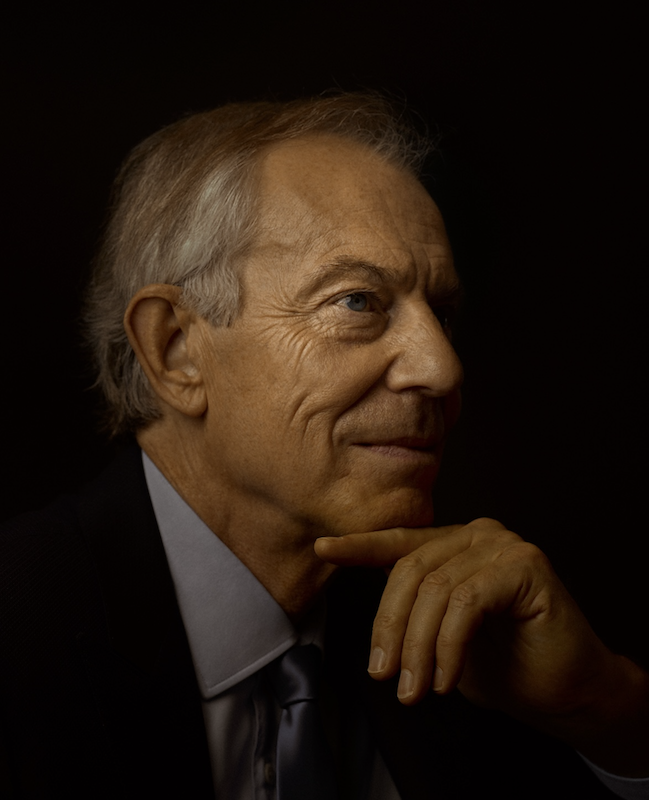
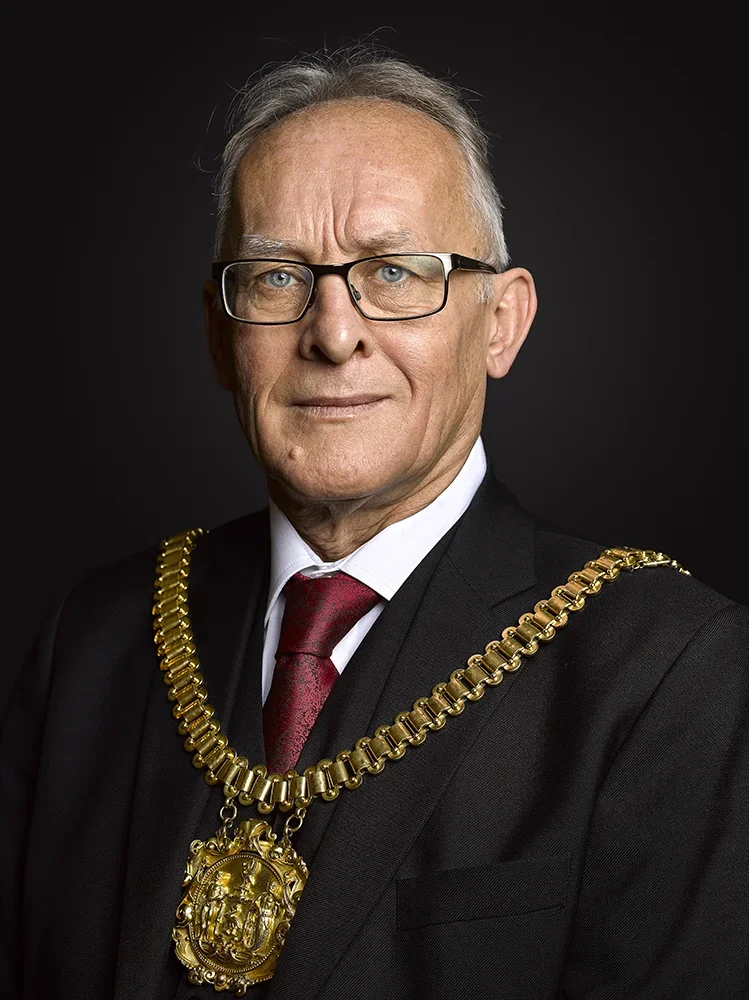
Sir Tony Blair Executive Portrait Photographer Rory Lewis
Inviting Sir Tony Blair to sit for a portrait was part of an ongoing archive documenting contemporary political leadership.
Preparation was essential. I revisited memoirs, parliamentary debates, and historical portraits to understand both the public persona and the private cadence of the man. When time with a sitter is measured in minutes, intention becomes everything.
Using a compact, mobile lighting setup, I created a restrained environment that allowed Blair to settle into a contemplative posture. The portraits explore reflection rather than assertion — a leader looking both back and forward.
For executives commissioning portraits in Los Angeles, this case study illustrates a central truth: authority does not need emphasis. It requires clarity.
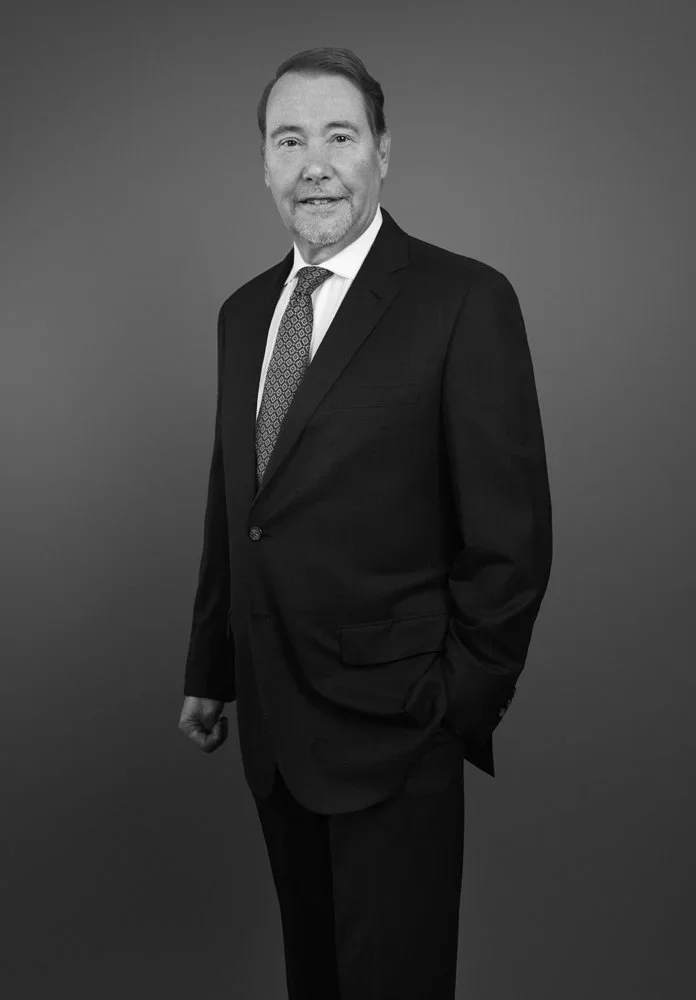
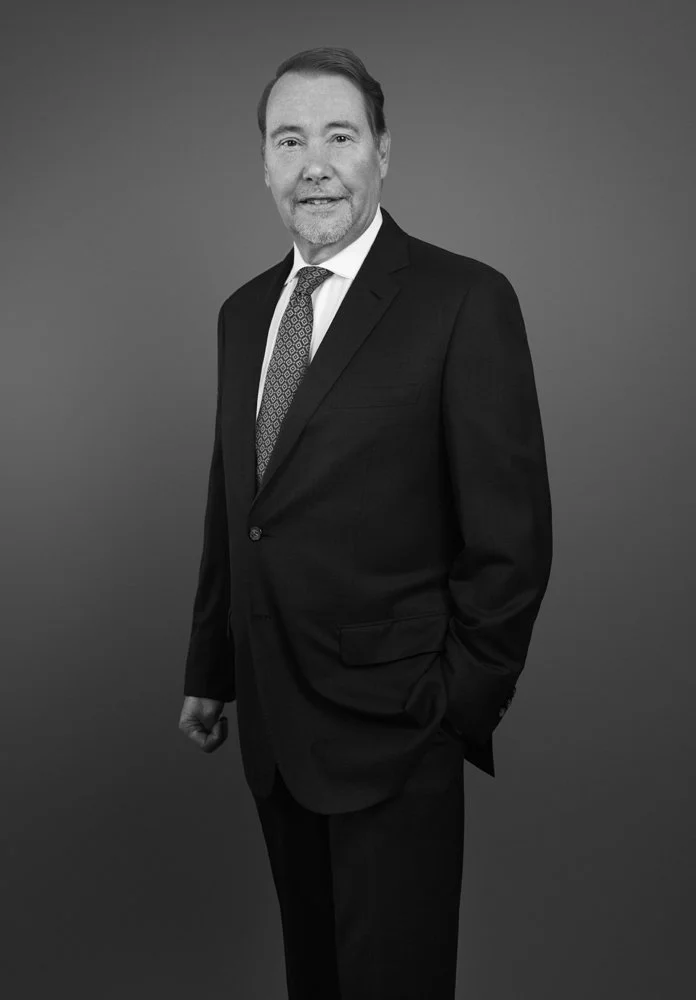
CEO-CIO Jeffrey Gundlach DoubleLine Executive Portrait Photographer Rory Lewis
DoubleLine is an independent, employee-owned investment management firm founded in 2009, built on a philosophy of disciplined analysis and long-term thinking.
Led by CEO-CIO Jeffrey Gundlach, the firm represents a particular kind of modern power: quiet, analytical, conviction-driven. Portraiture in this context must reflect precision rather than dominance.
For financial leaders, especially those operating between Los Angeles and global markets, the portrait becomes an extension of credibility — reinforcing trust without theatrics.
Why Companies Commission Executive Portraits in Los Angeles
Organizations commission executive portraits for reasons that extend far beyond marketing:
Board succession and governance records
Investor confidence and public trust
Institutional memory
Cultural legacy
A well-executed executive portrait becomes part of a company’s visual governance — a stabilizing presence across time.
The Process: Executive Portrait Photography Done Properly
Every executive portrait commission follows a disciplined structure:
Context & Purpose
Audience, usage, and institutional context are defined.Portrait Sitting
Calm, efficient, precisely directed. No performance required.Refinement & Delivery
Final portraits are retouched to archival standards and delivered for long-term use.
Discretion is assumed. Many commissions are never public.
Executive Portrait Photographer — Los Angeles, New York, London, Worldwide
I work with:
CEOs and founders
Board members and partners
Investors and principals
Public figures and institutional leaders