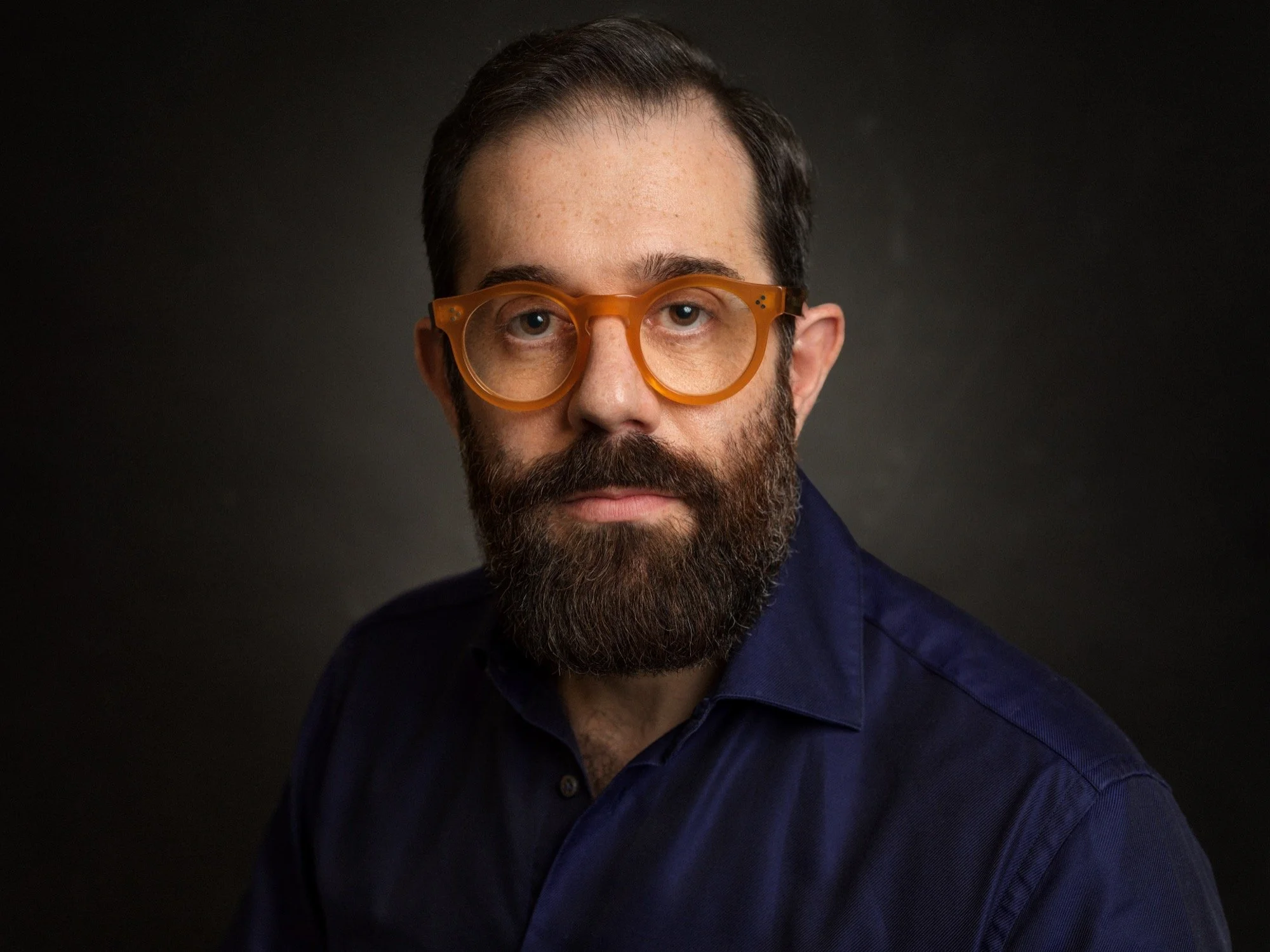
Annual Report Portraits

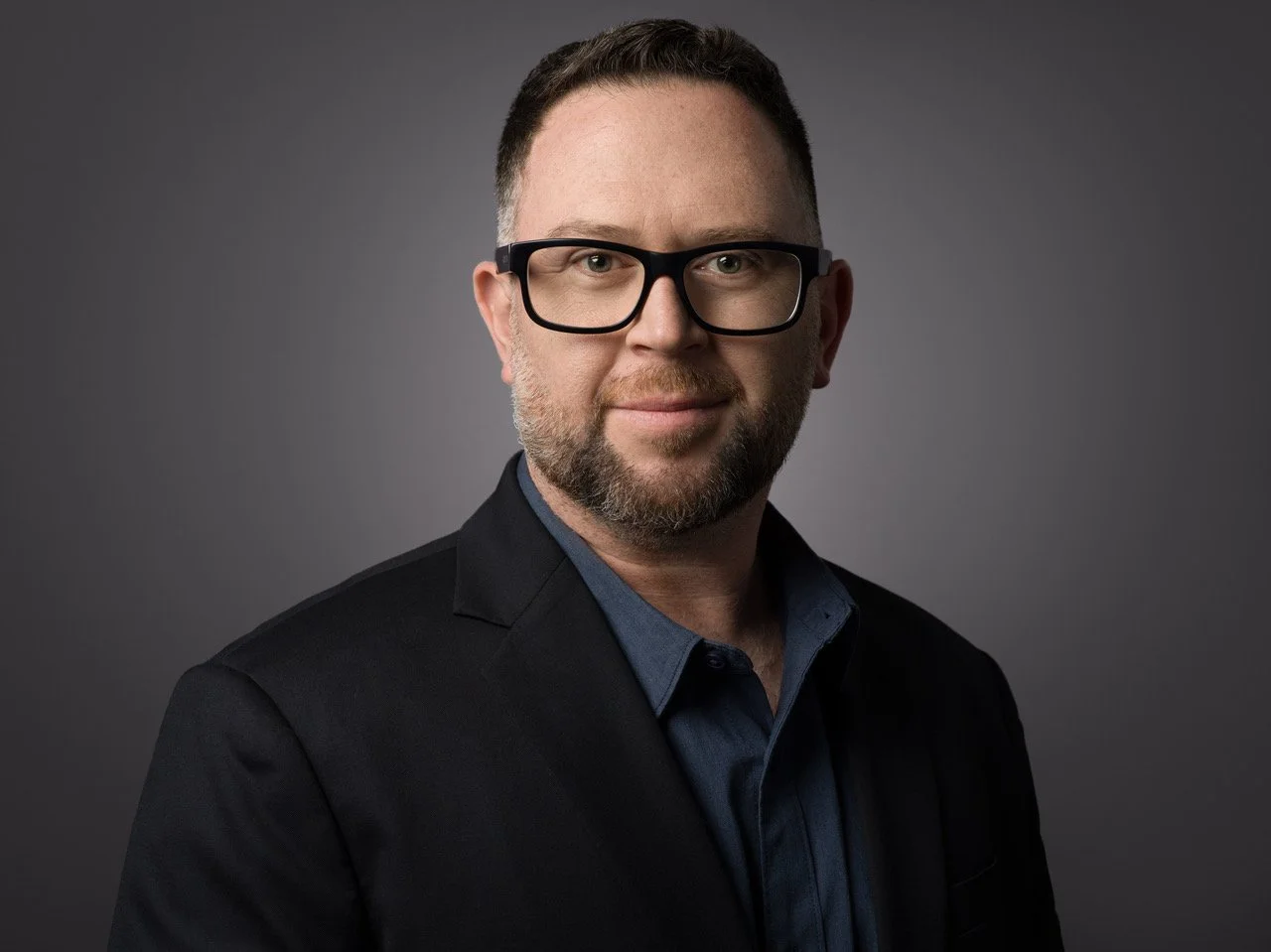
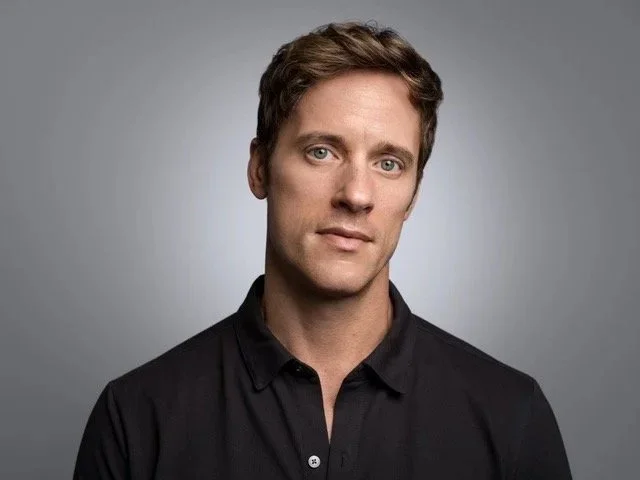
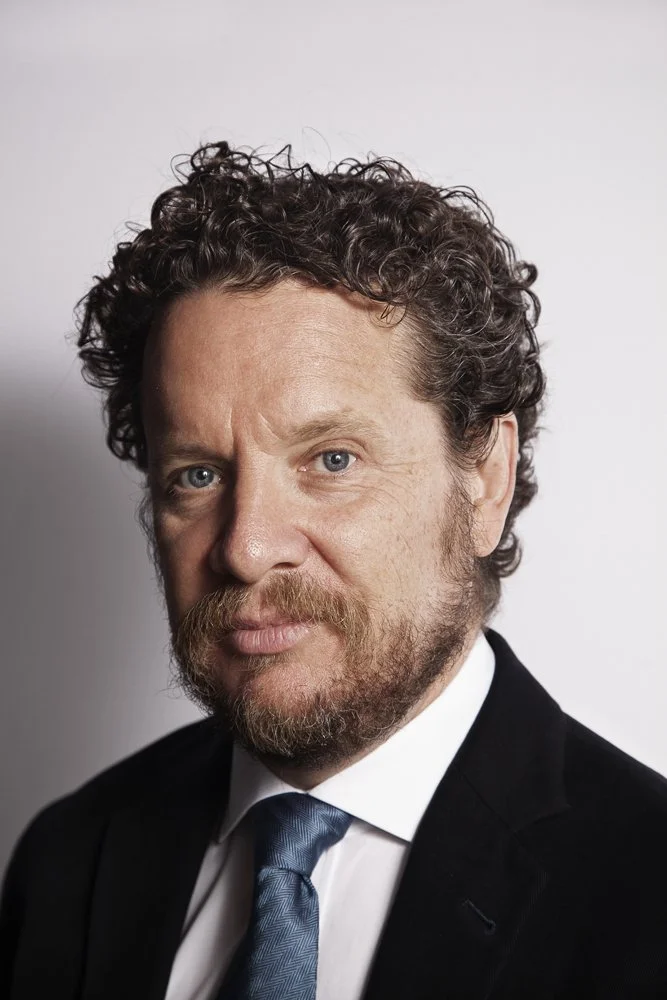
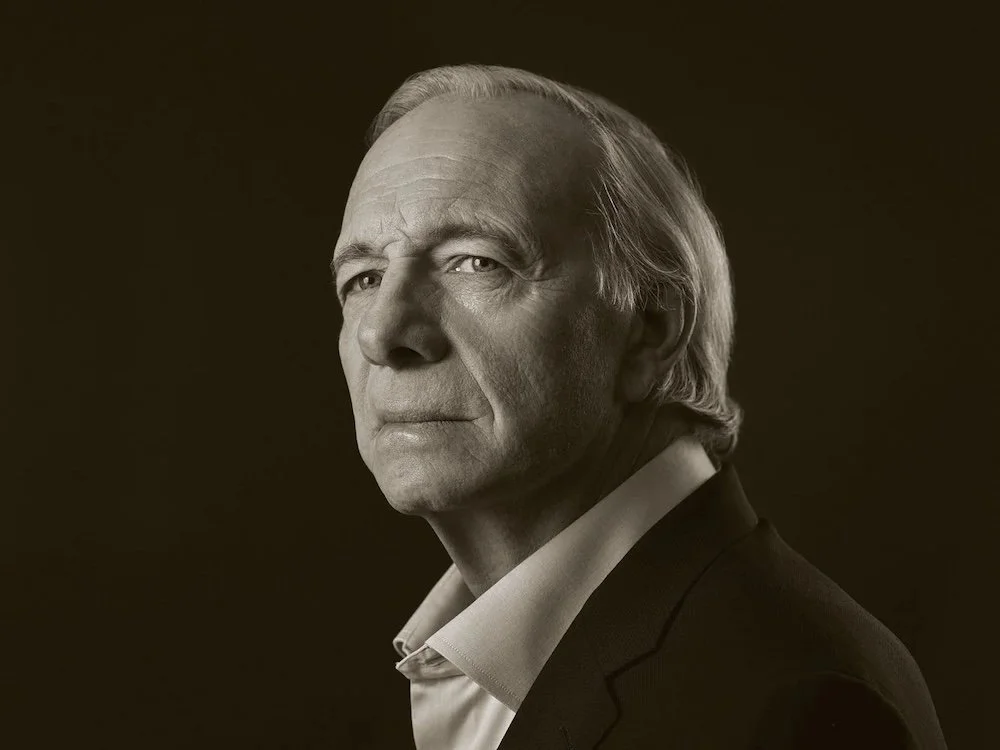
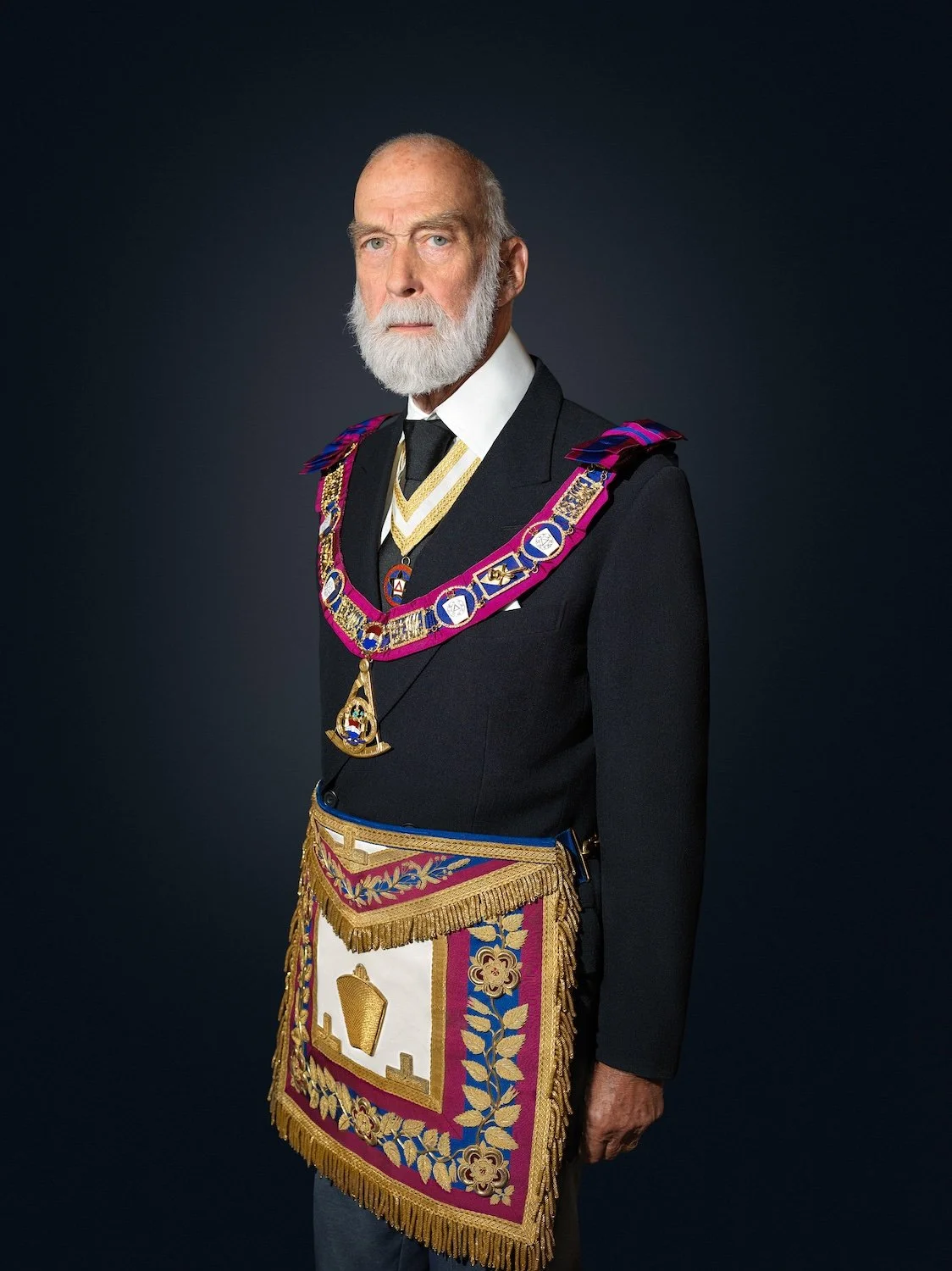
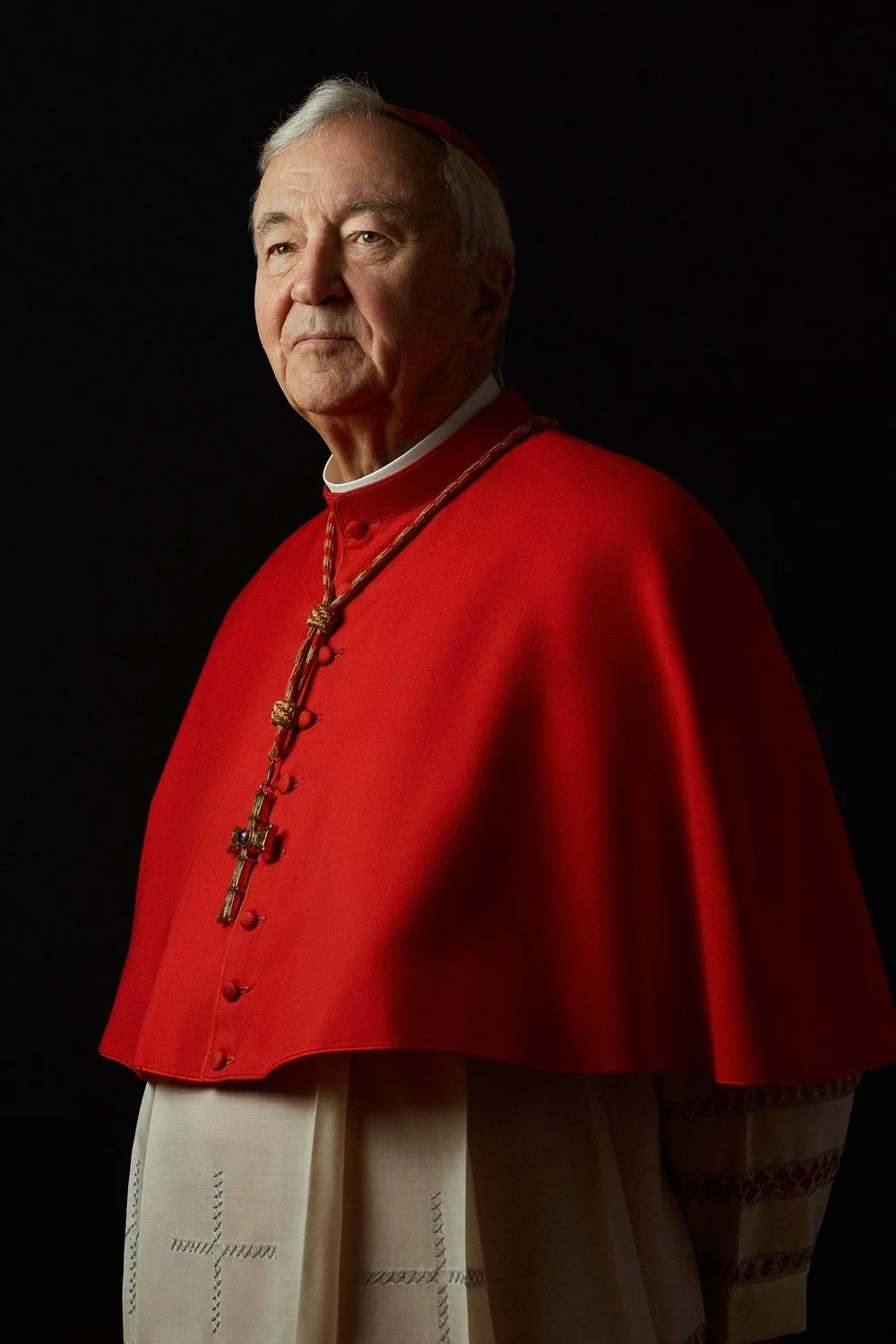
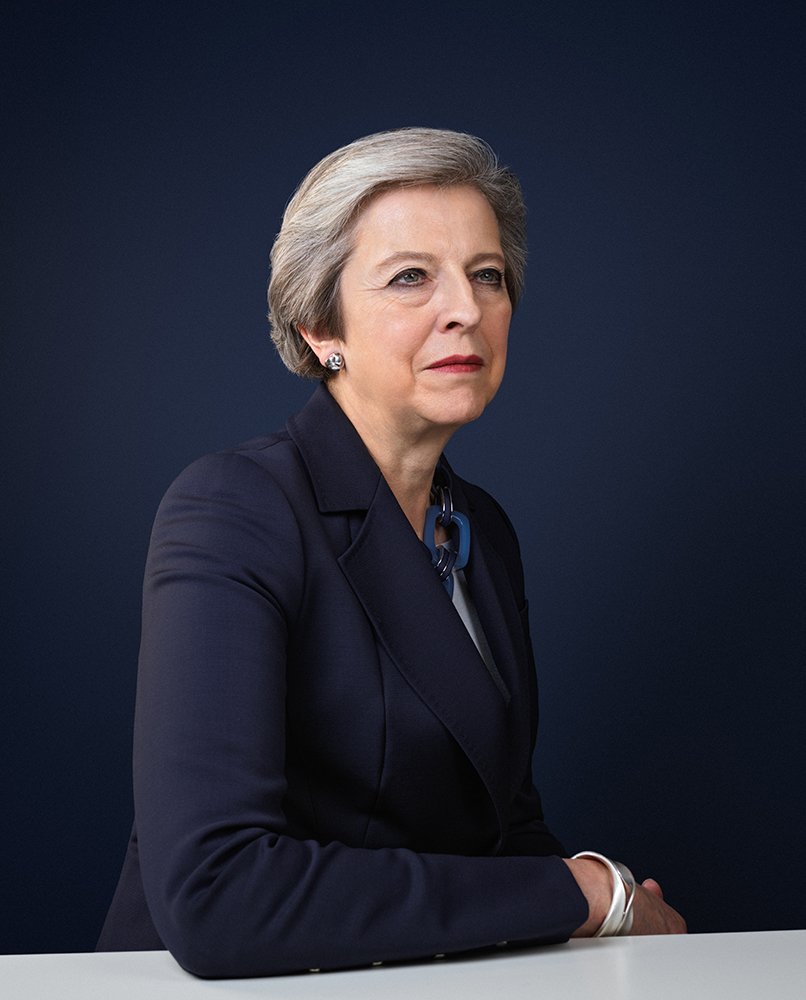
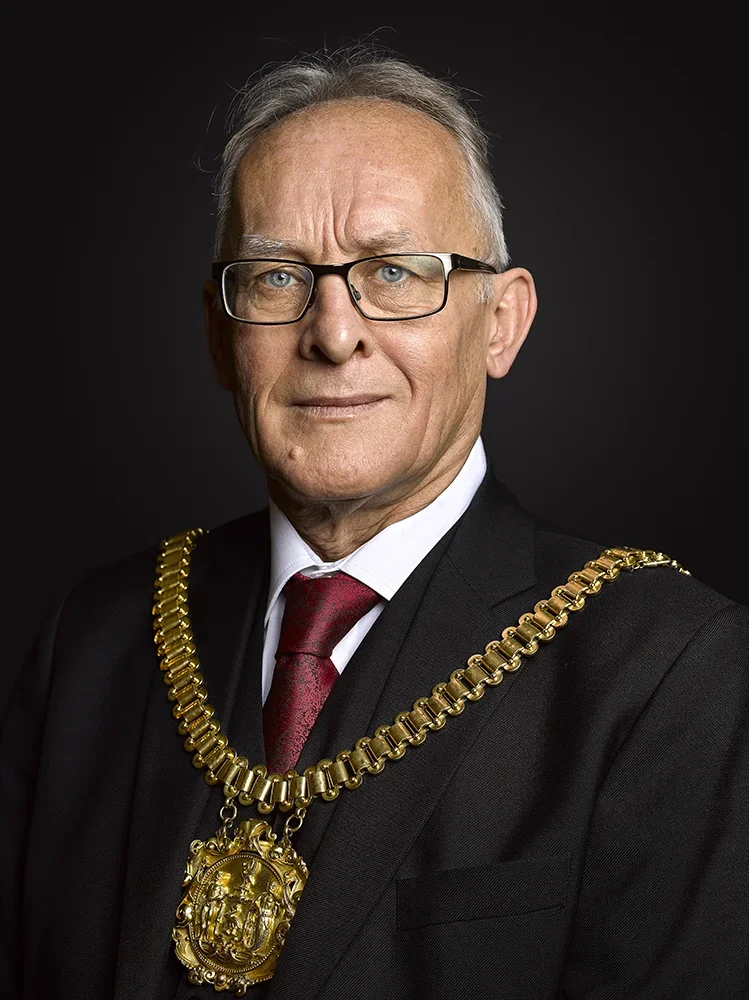
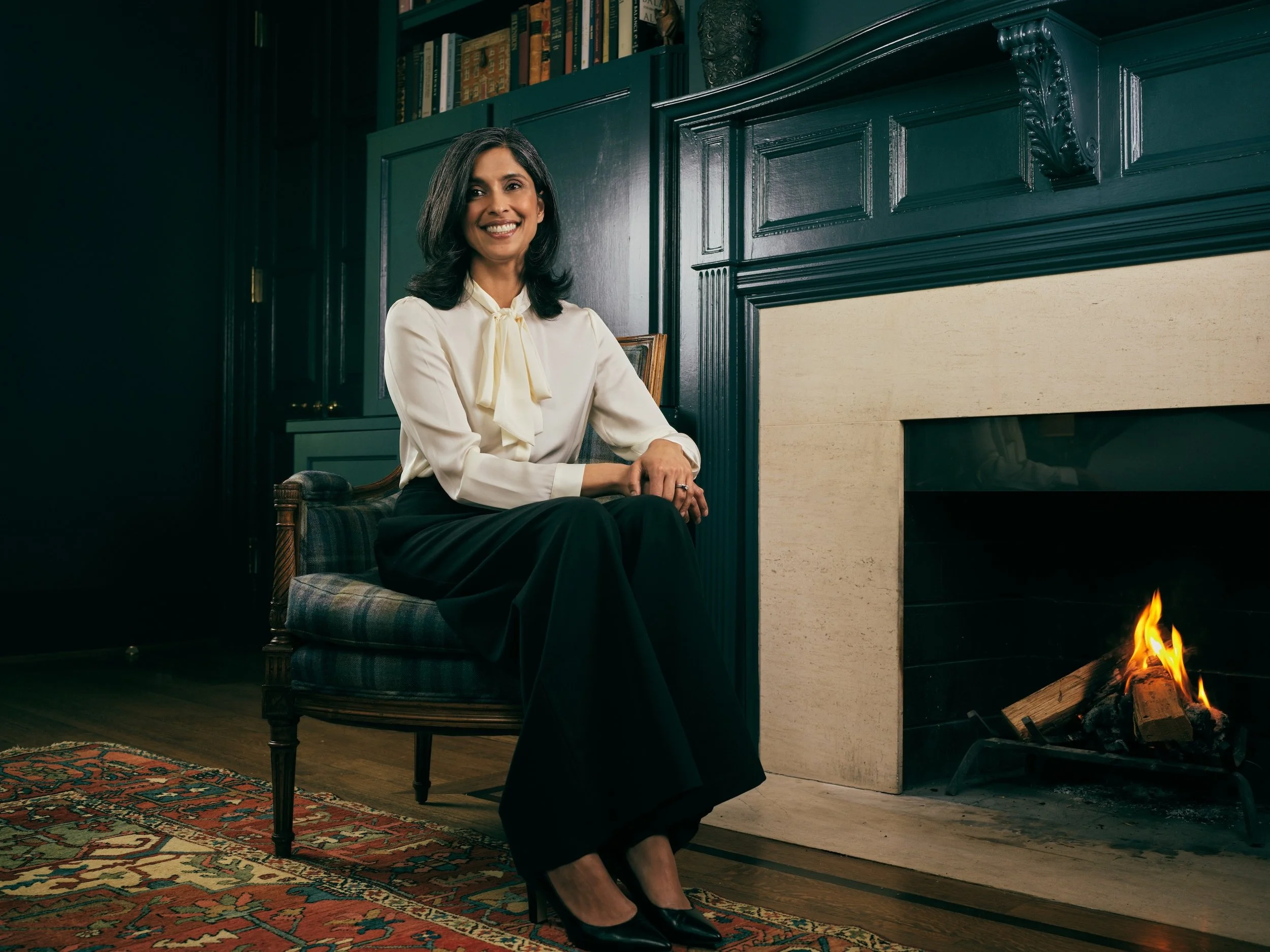
An annual report portrait has to survive being printed at size, sitting next to eleven others, and being looked at by people deciding whether to trust the company. An ordinary headshot has to survive being three centimetres wide on a website. They are different objects and the difference shows.
Print is unforgiving in a way screens are not

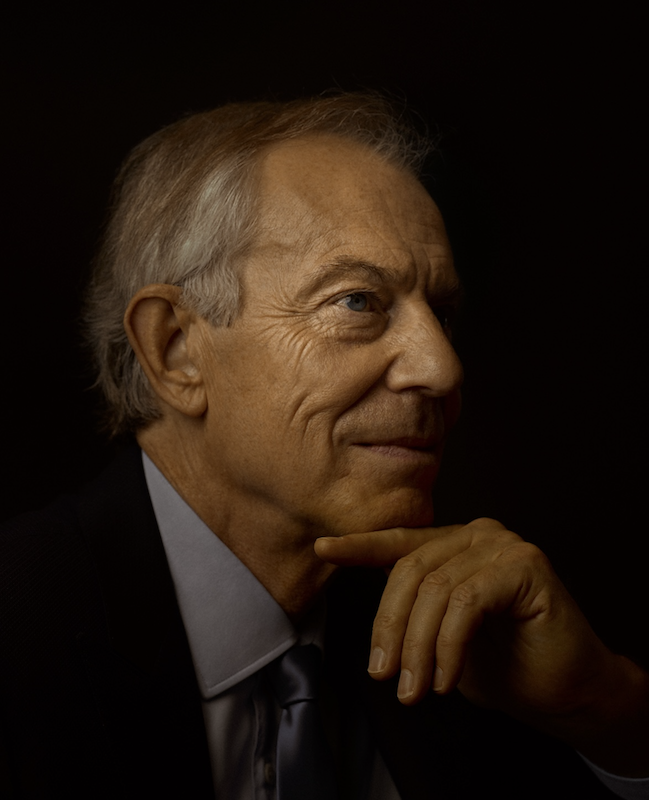
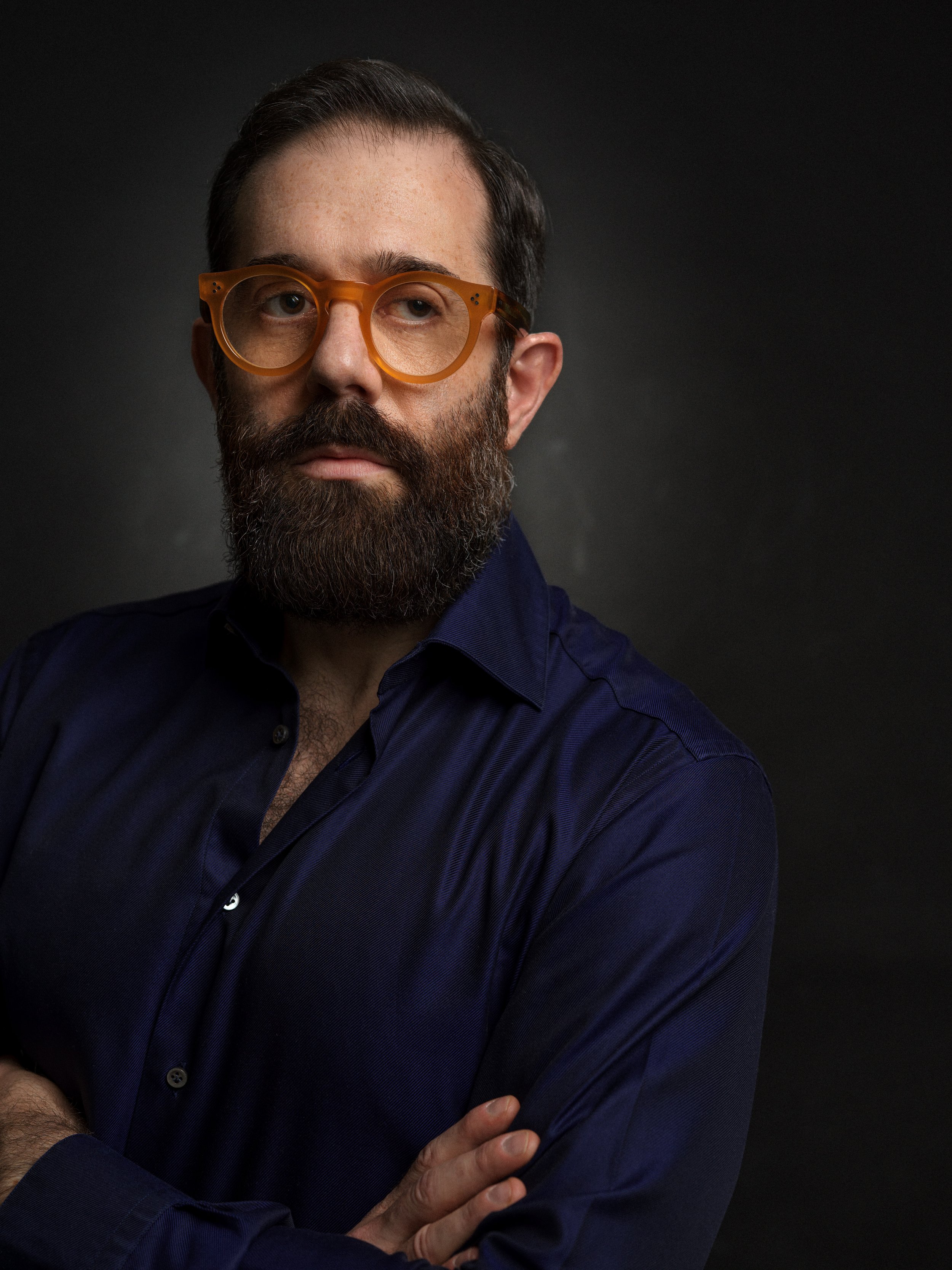
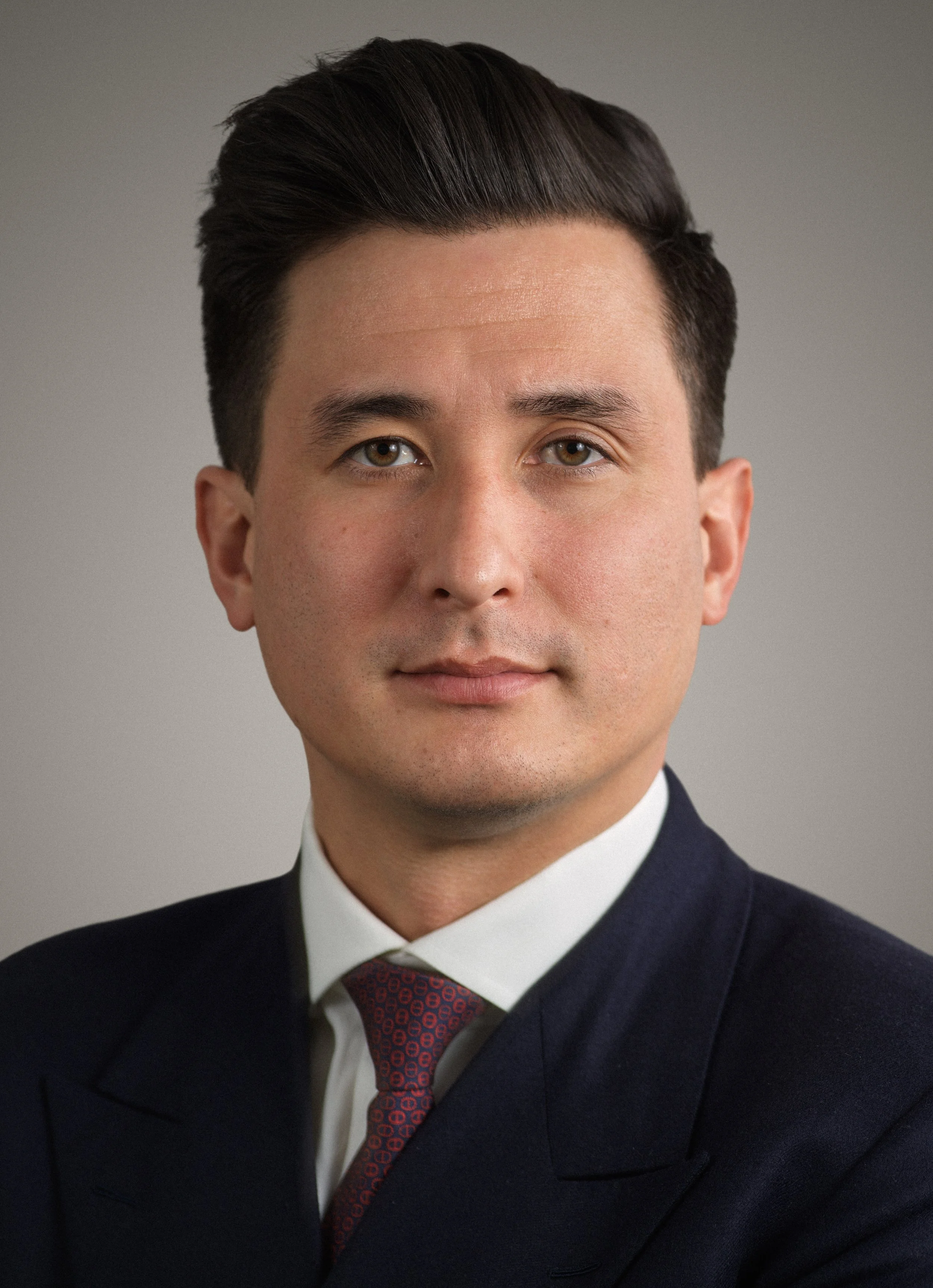
A portrait reproduced at a quarter page in a printed report reveals everything. Retouching that looked invisible on a monitor becomes a smoothed, waxy patch. Compression artefacts appear. Shadow that read as rich on screen blocks up into a shape with no information in it.

This is why board portraits should be made with the print in mind from the first frame: exposed for tonal range in the shadow, retouched frame by frame rather than by an automatic pass, and delivered as uncompressed files in the colour space the printer actually wants. Ask the design agency for their specification before the shoot rather than after it. They will be surprised and pleased to be asked.

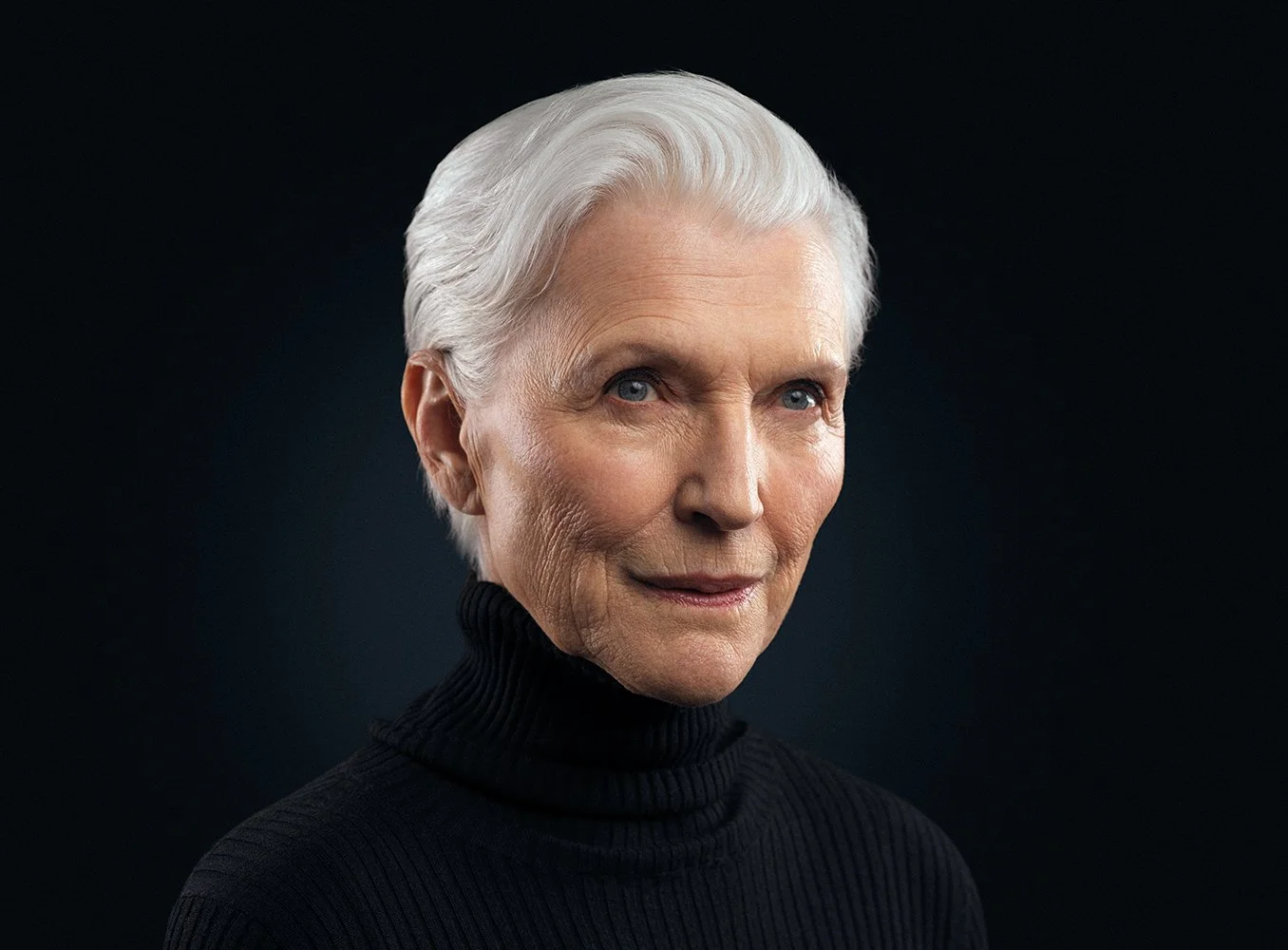
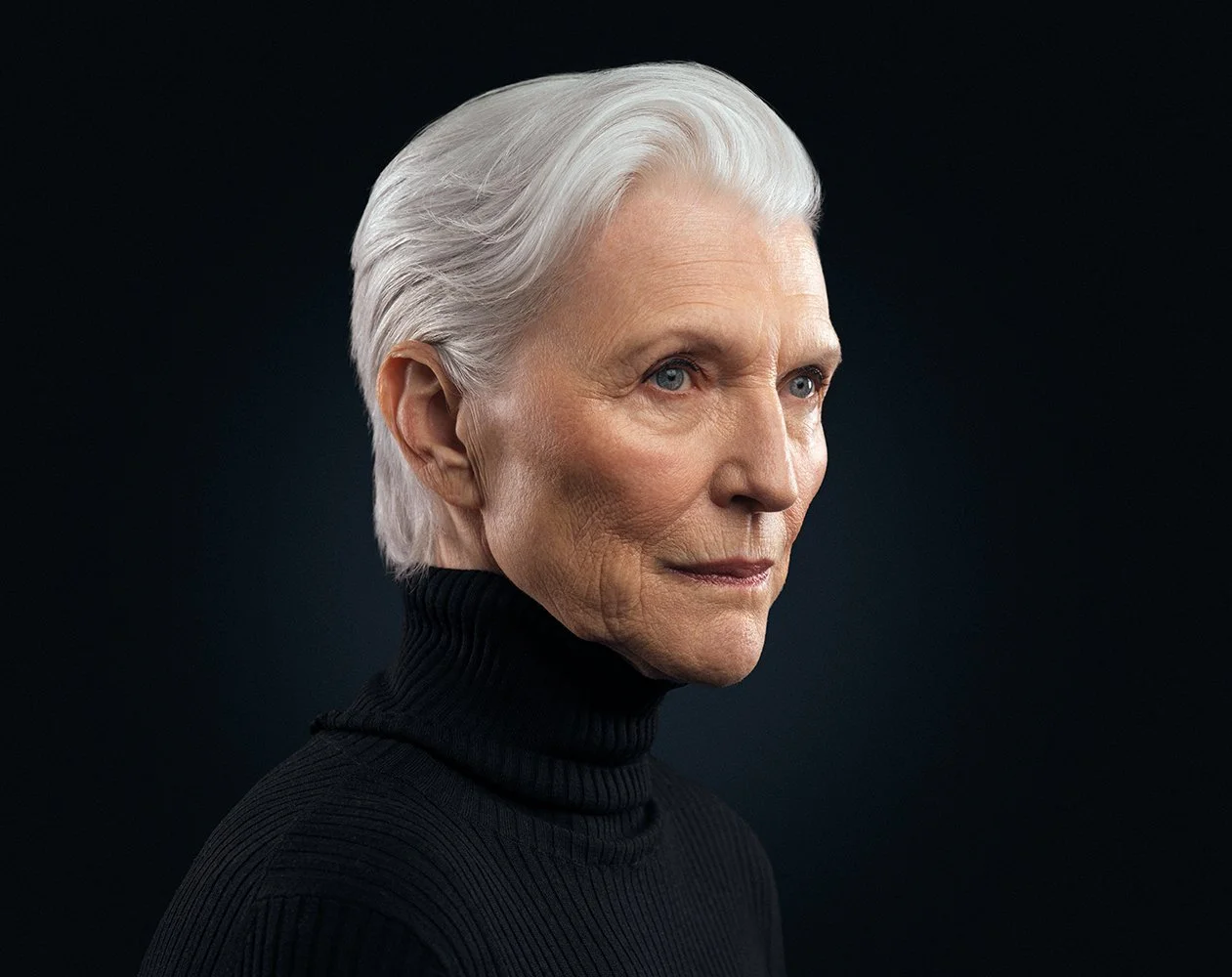
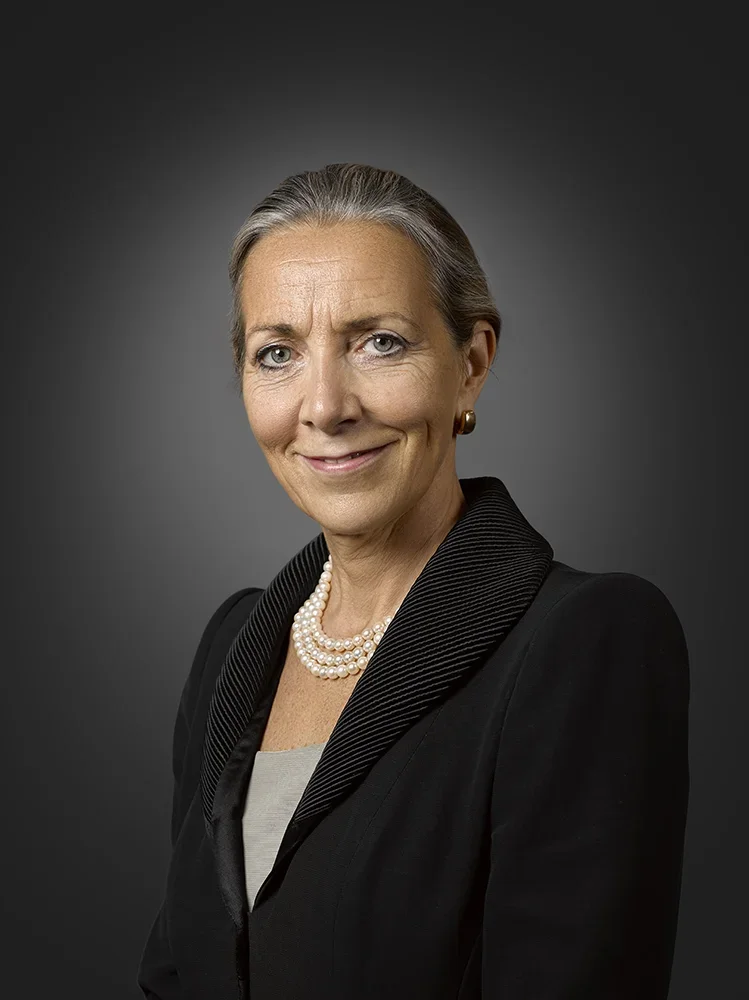
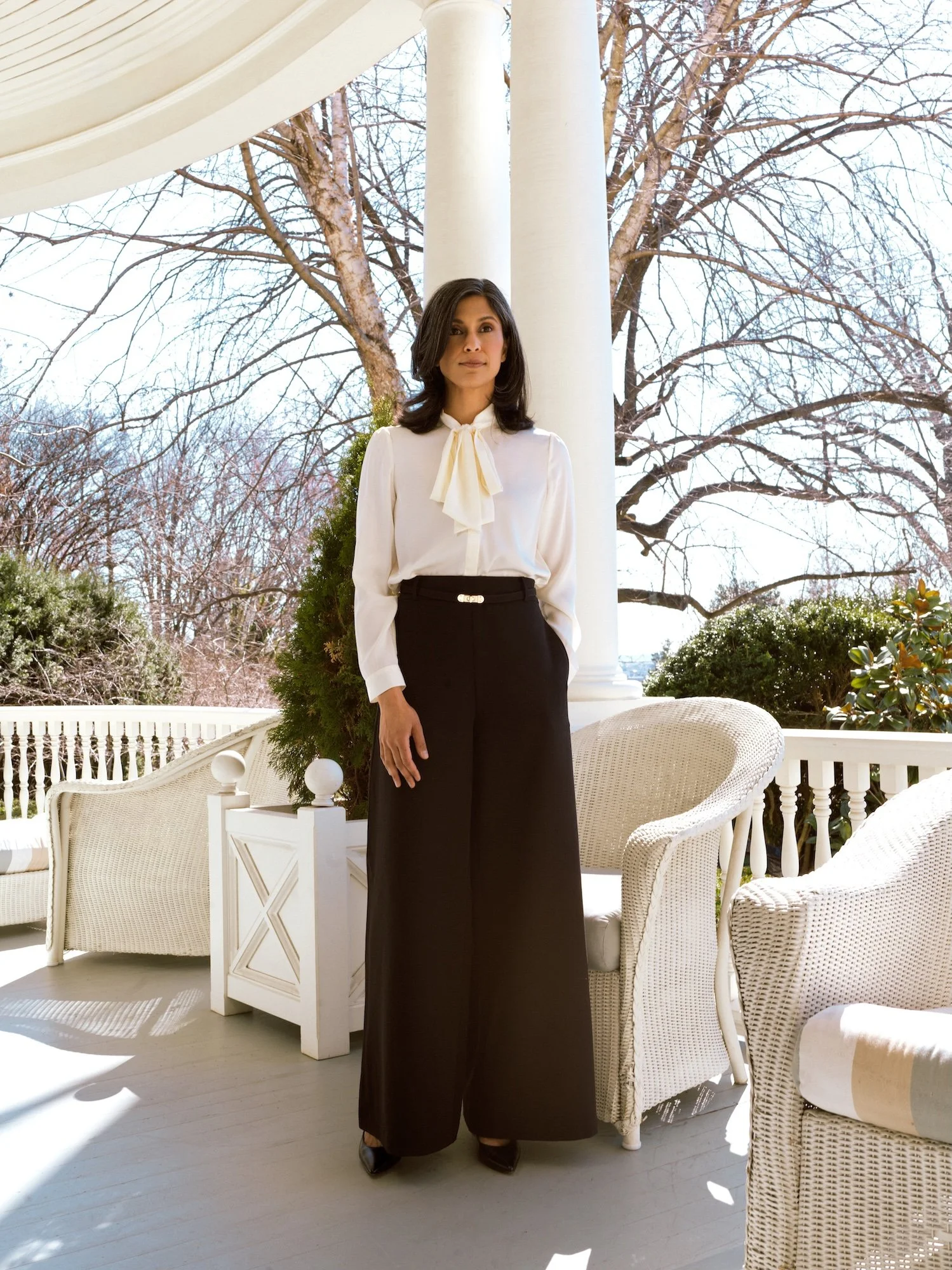
Maye Musk Rory Lewis Photographer Annual Report Portraits

Maye Musk Rory Lewis Photographer Annual Report Portraits

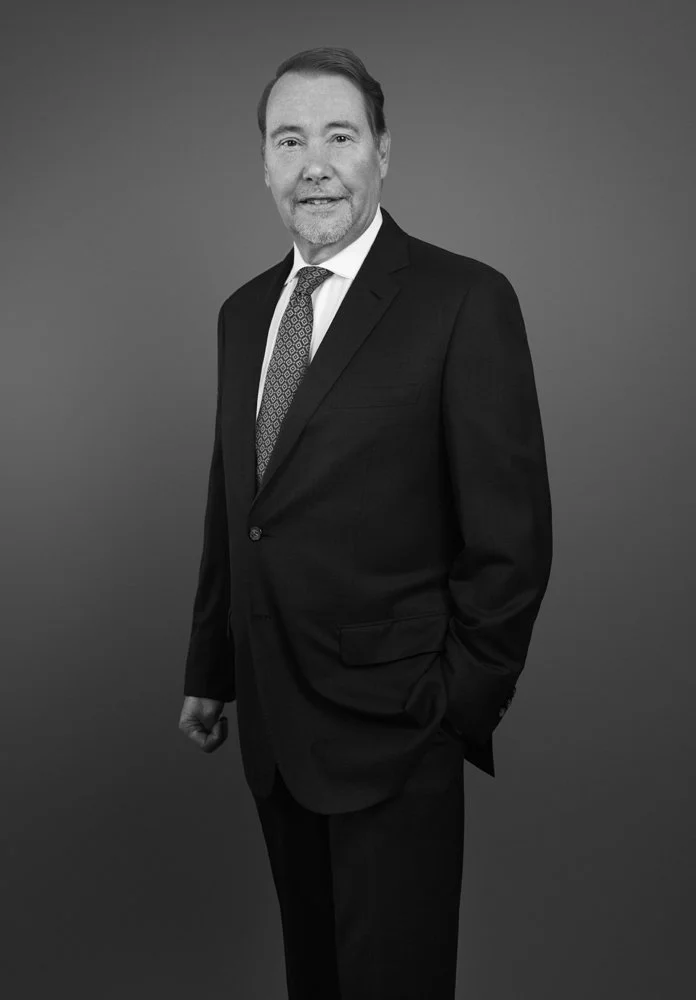
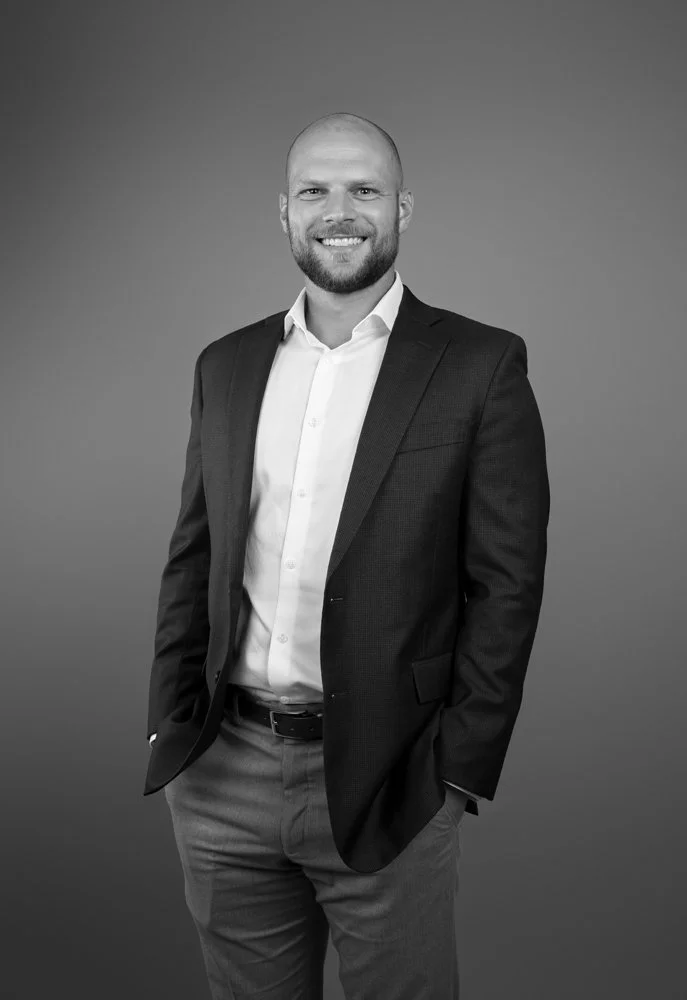
Consistency across a board is a scheduling problem

The hardest thing about board photography is rarely the photography. It is that twelve directors are in twelve places, several are non-executives who attend four times a year, and one is permanently in another country.

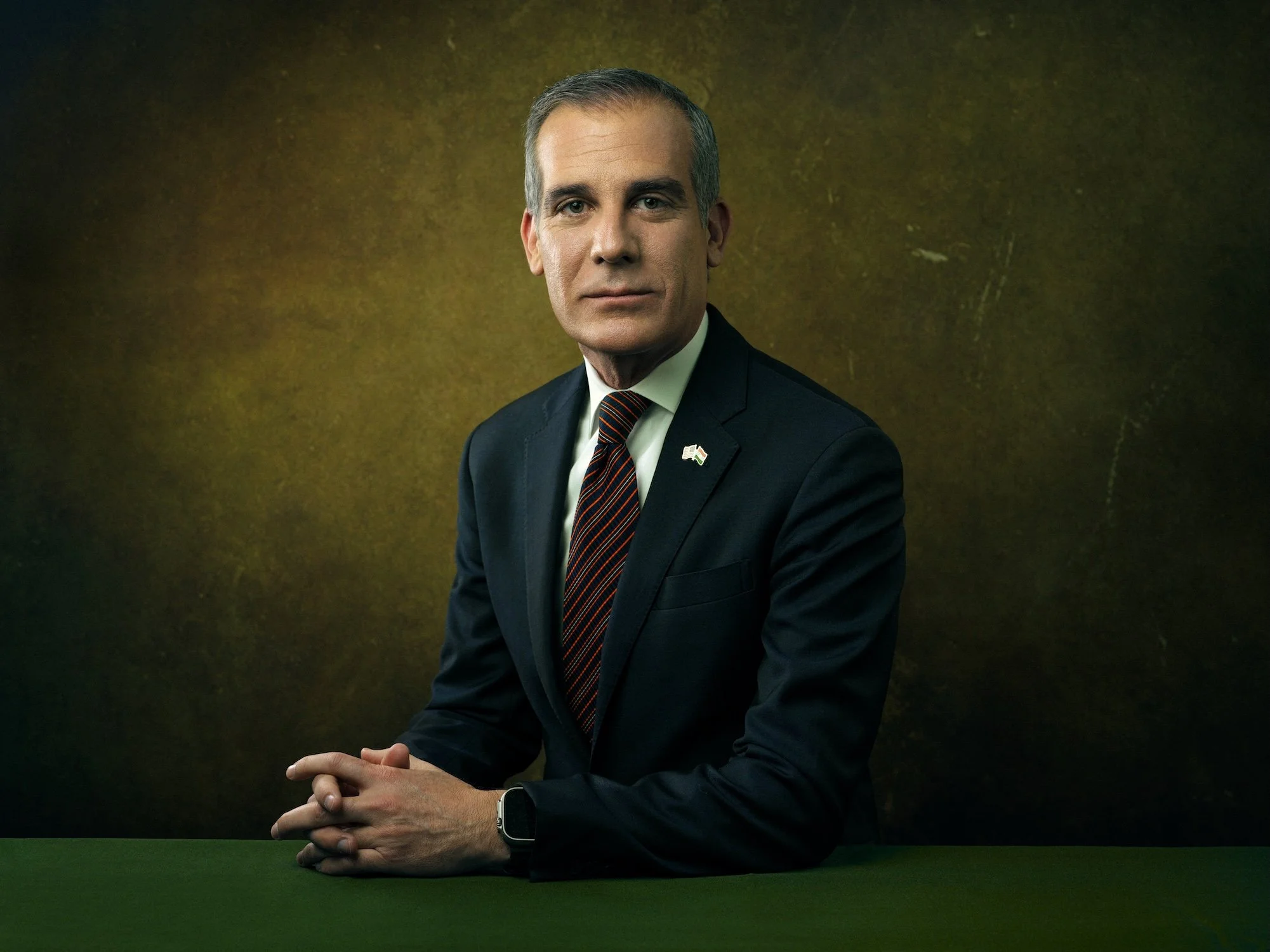
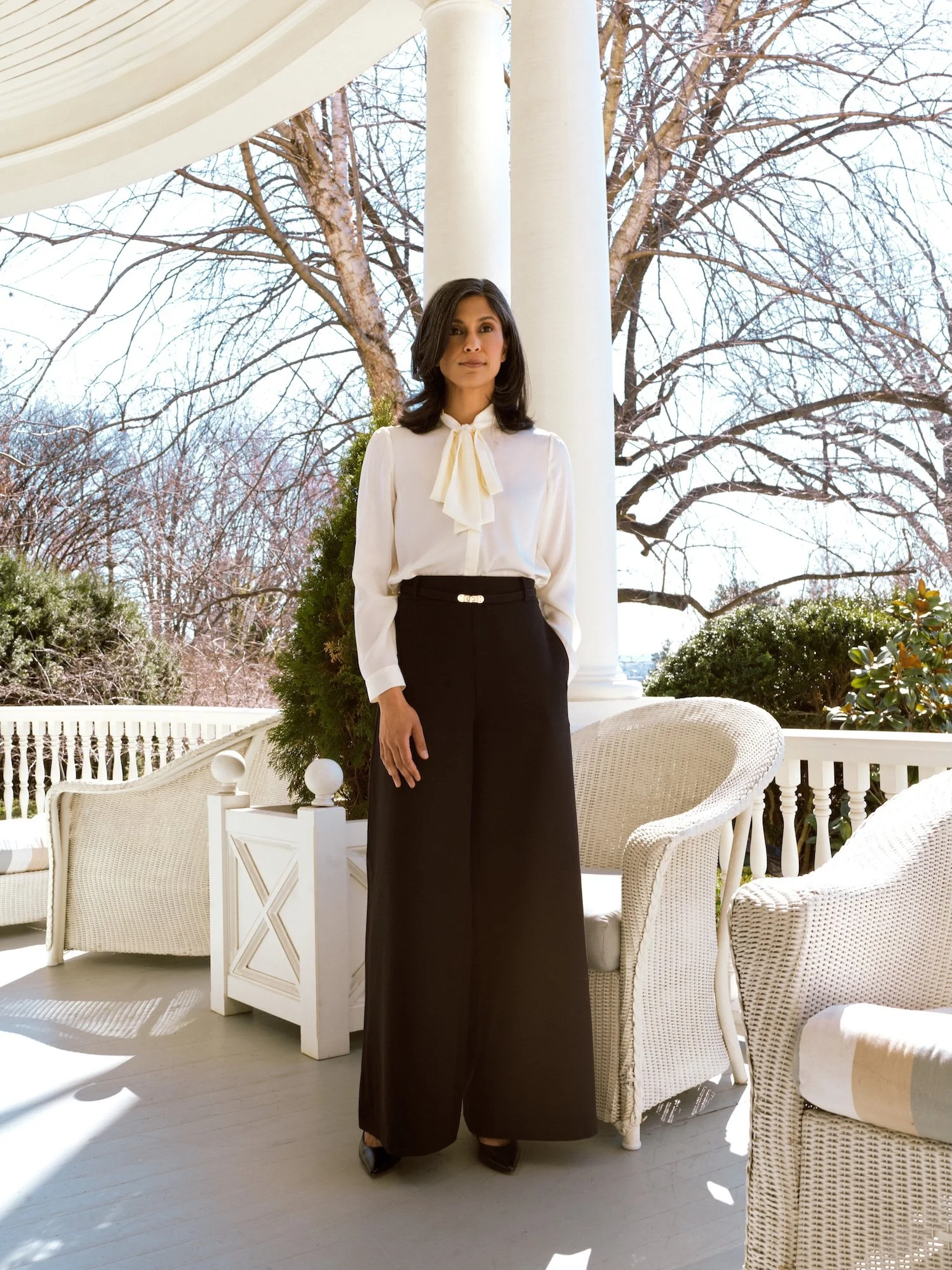
The answer is to photograph as many as possible in a single sitting on a board day, with a controlled studio set-up that can be rebuilt precisely later for the stragglers. Because I light entirely with studio heads, the set can be reproduced exactly β€” same distances, same modifiers, same output. A director photographed in March matches one photographed in September. That is not achievable with borrowed light, and it is the entire reason boards end up with grids where three faces look like they belong to a different document.

The chairman is a different commission

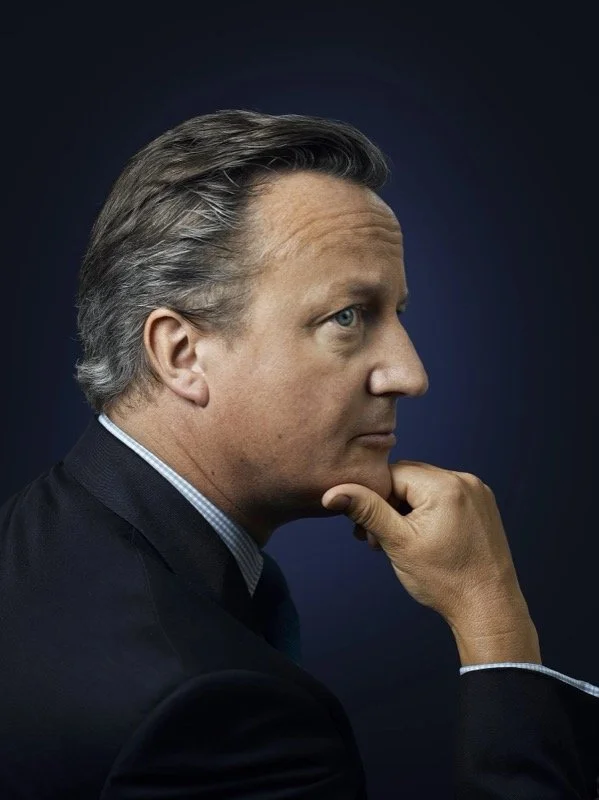
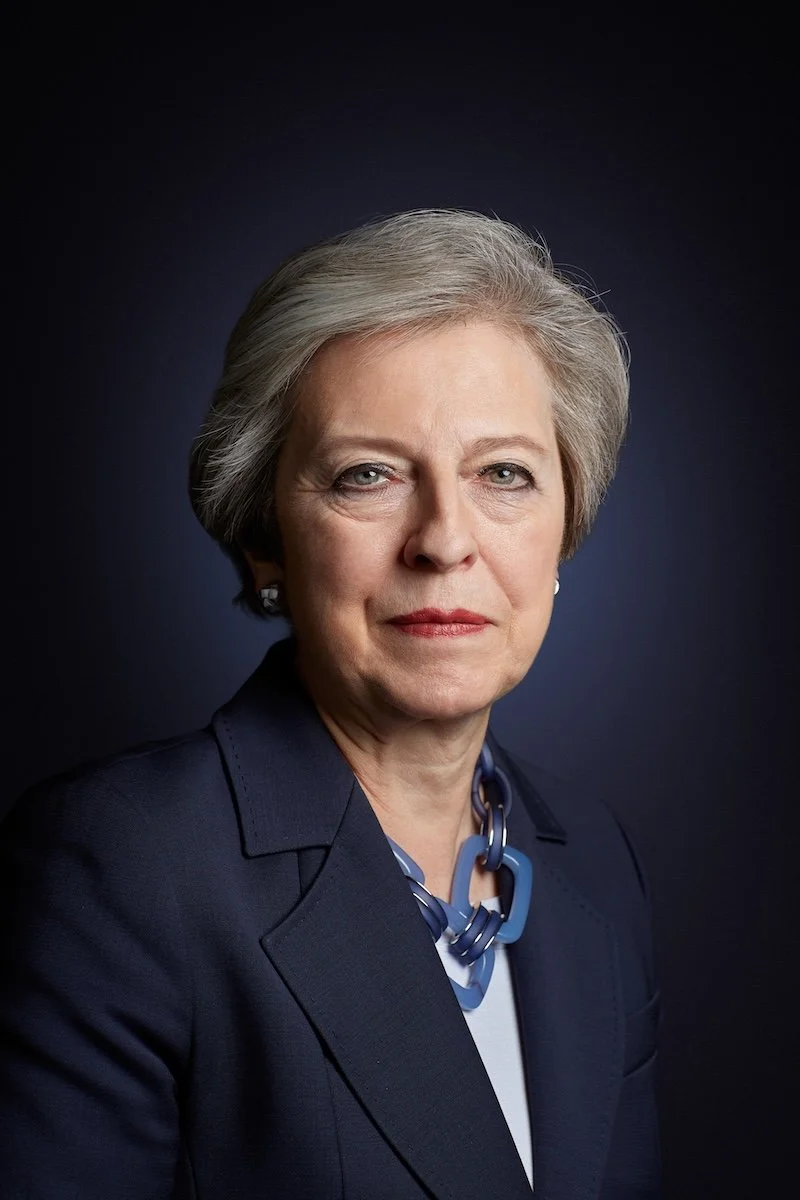
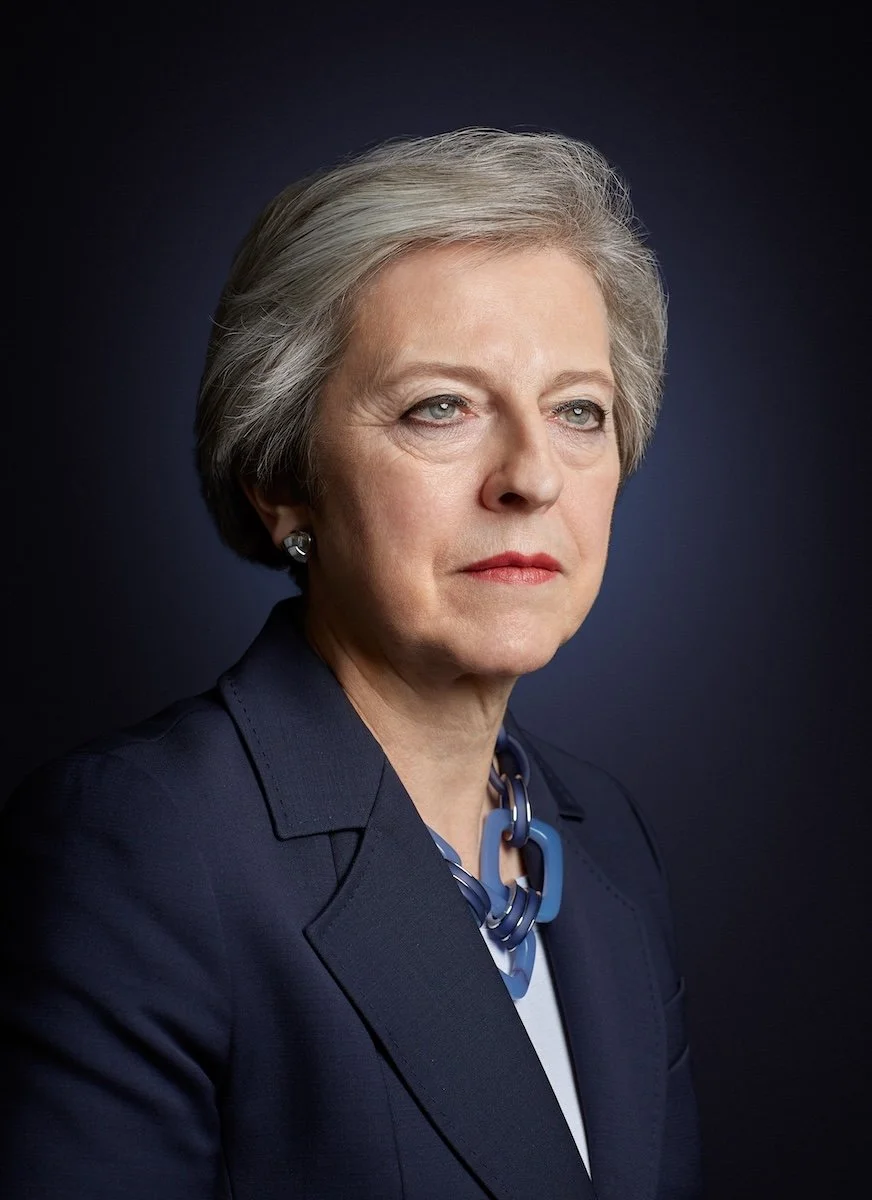
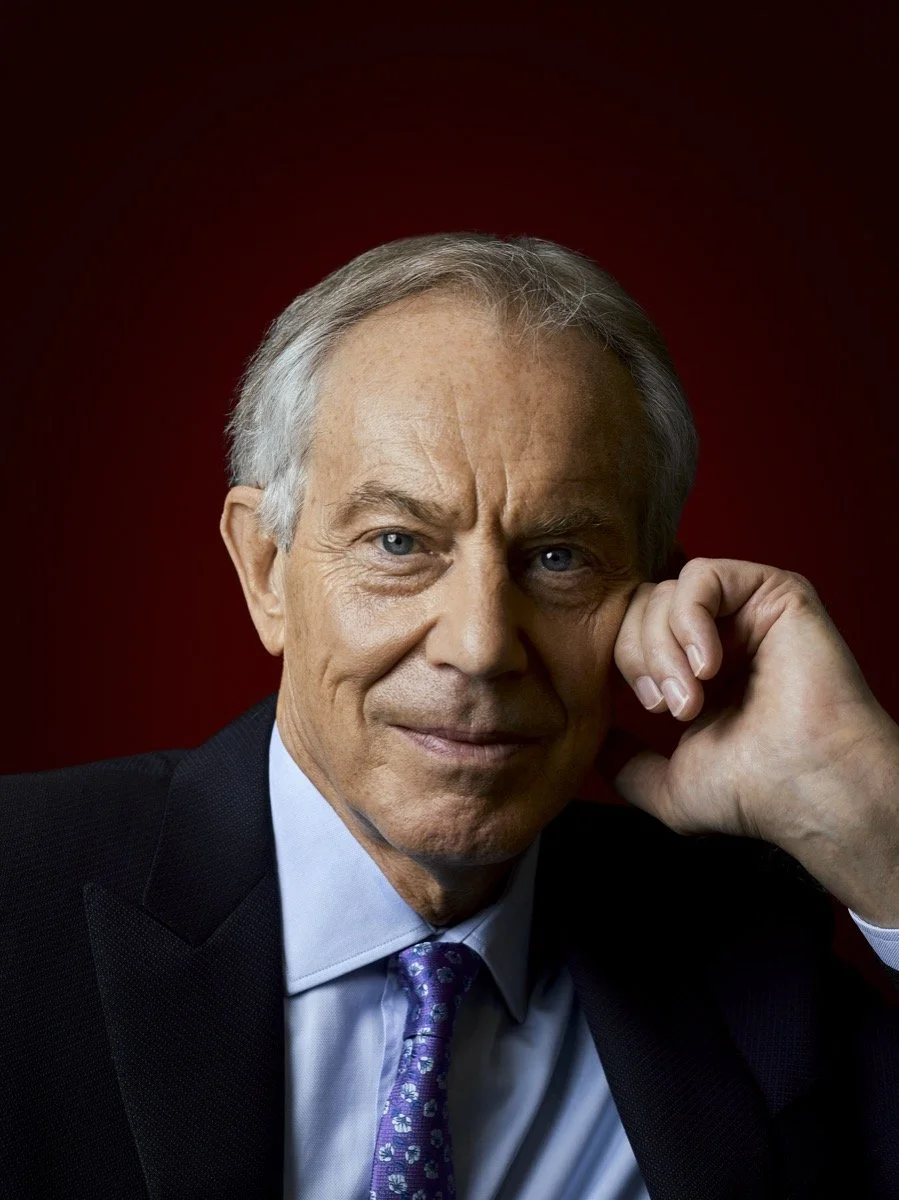
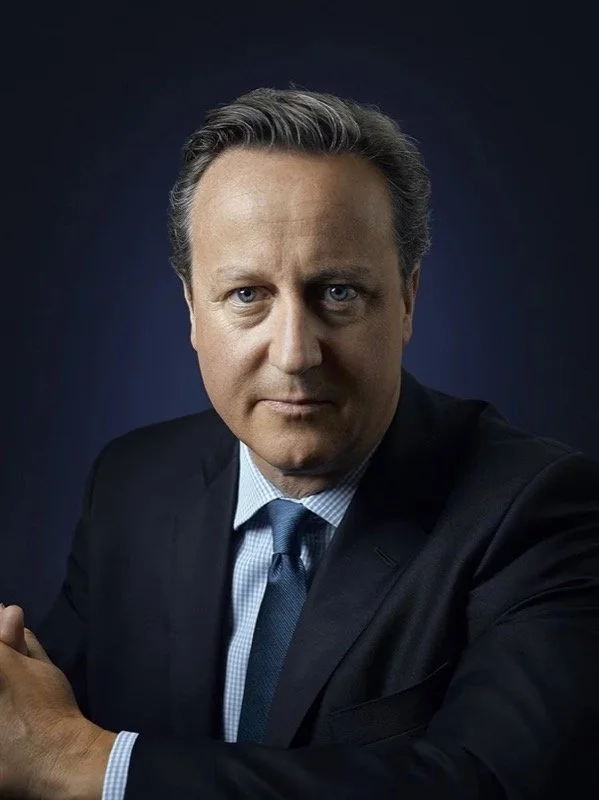
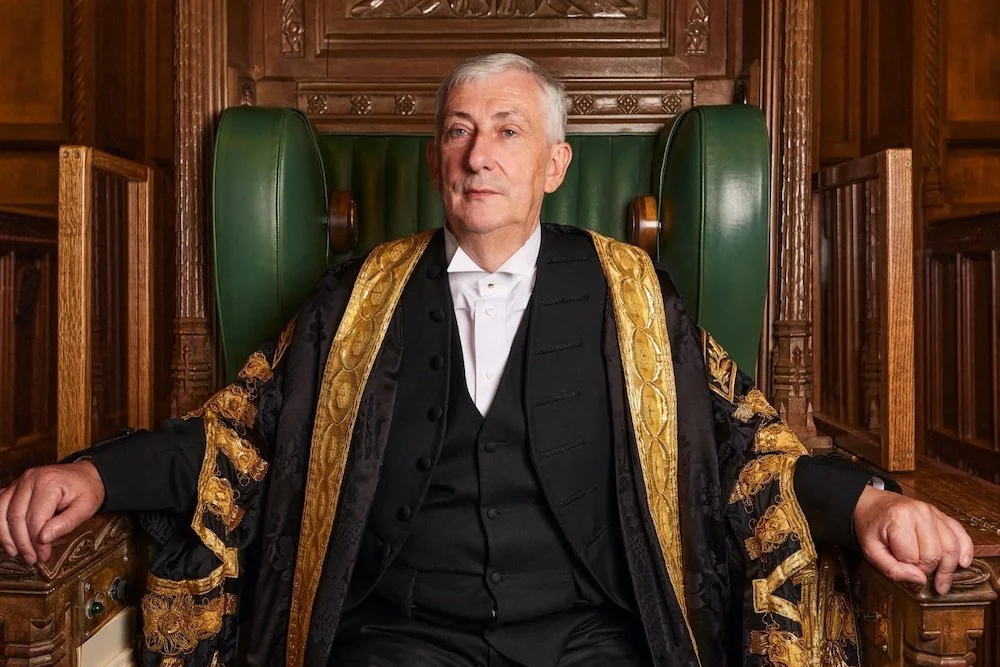
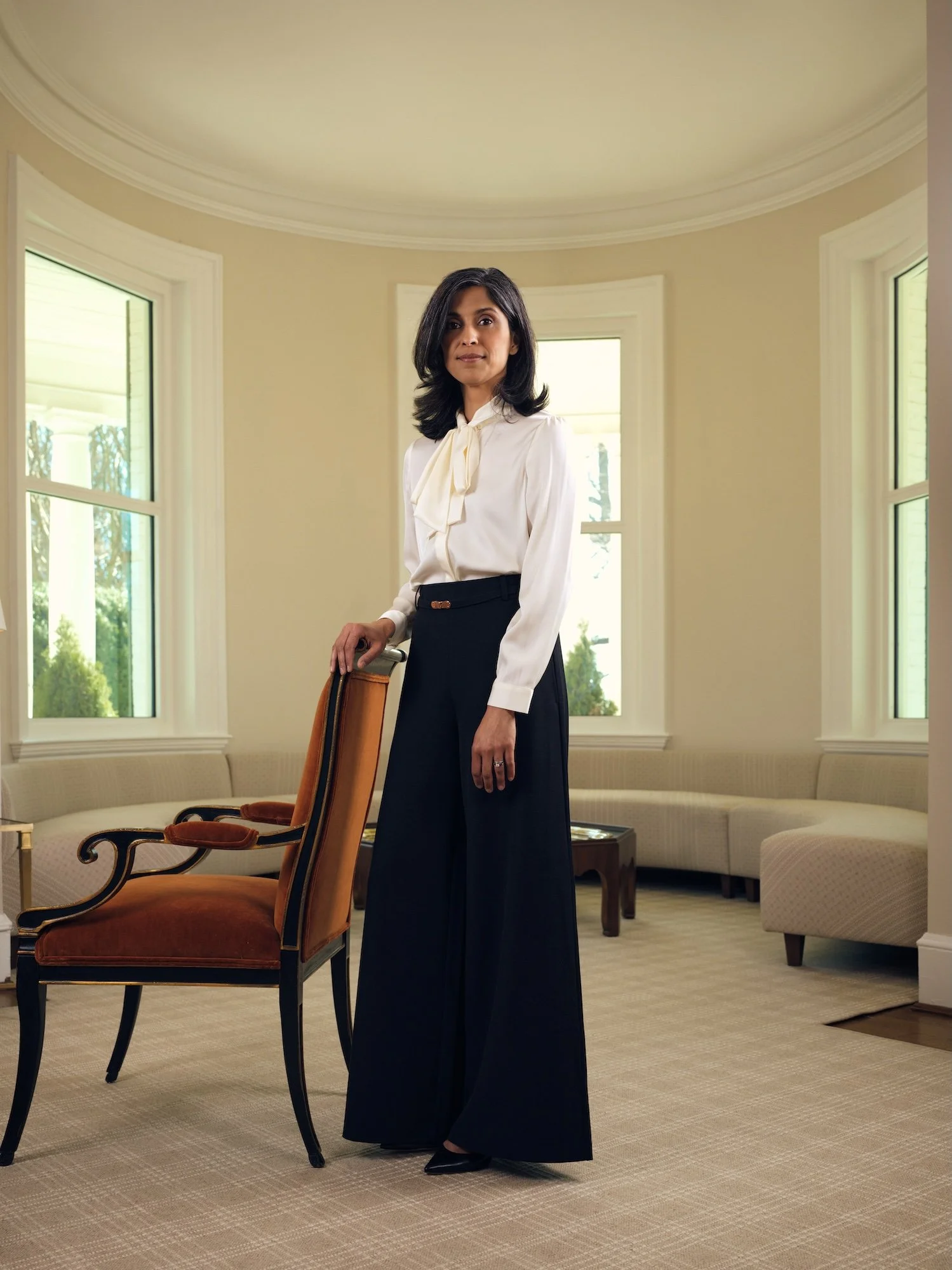
Most reports want a consistent grid and one portrait that carries the document β€” chairman, chief executive, or founder. That portrait wants more time, usually a different treatment, and often a different crop. Decide this at the briefing stage. It is straightforward to build into a board day and awkward to retrofit.

What the report is really doing

An annual report is a legal document that has been asked to also be a piece of persuasion. The portraits are where the persuasion mostly happens β€” they are the only part of the document a reader looks at before deciding how to feel about the numbers.

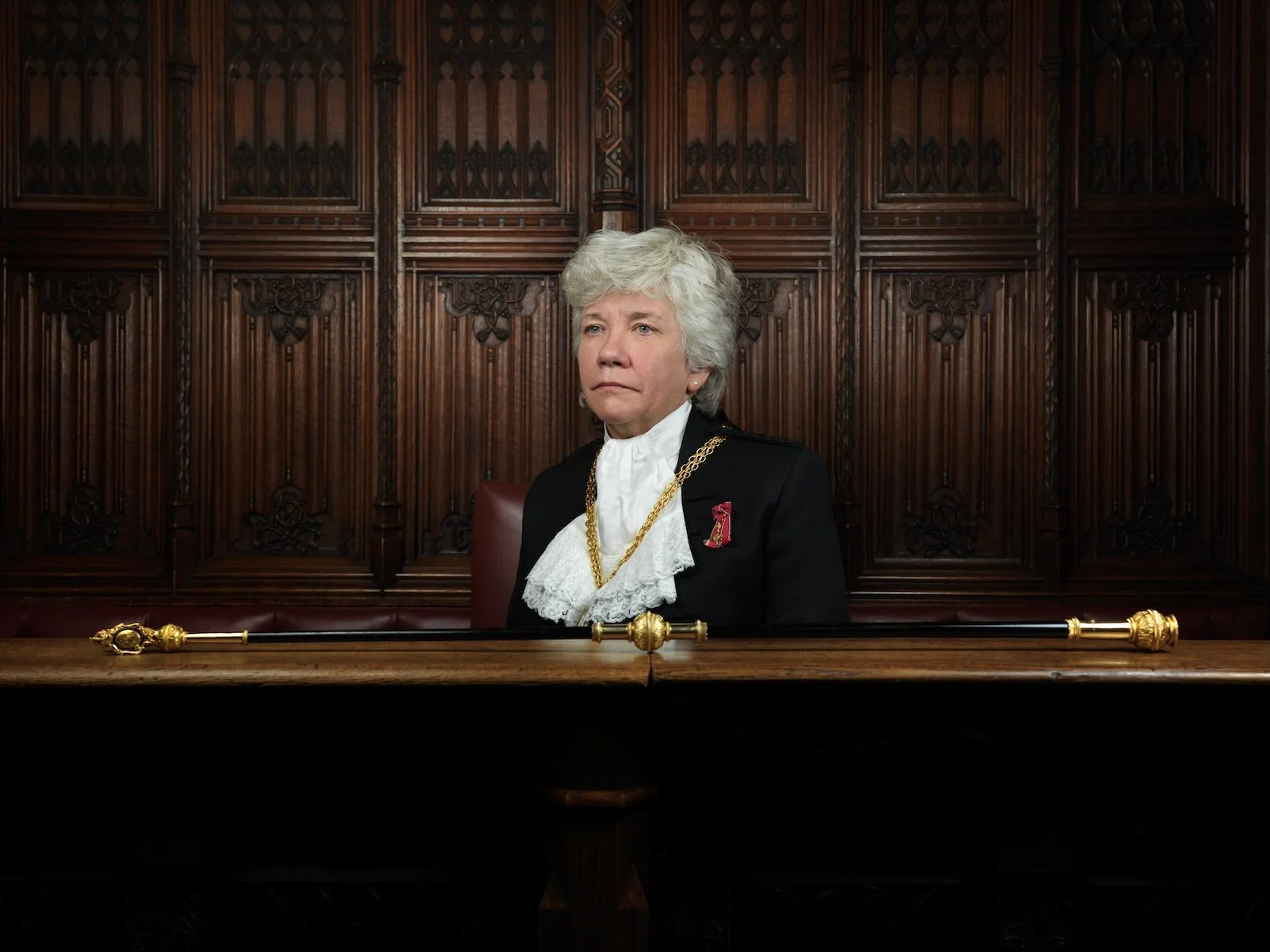
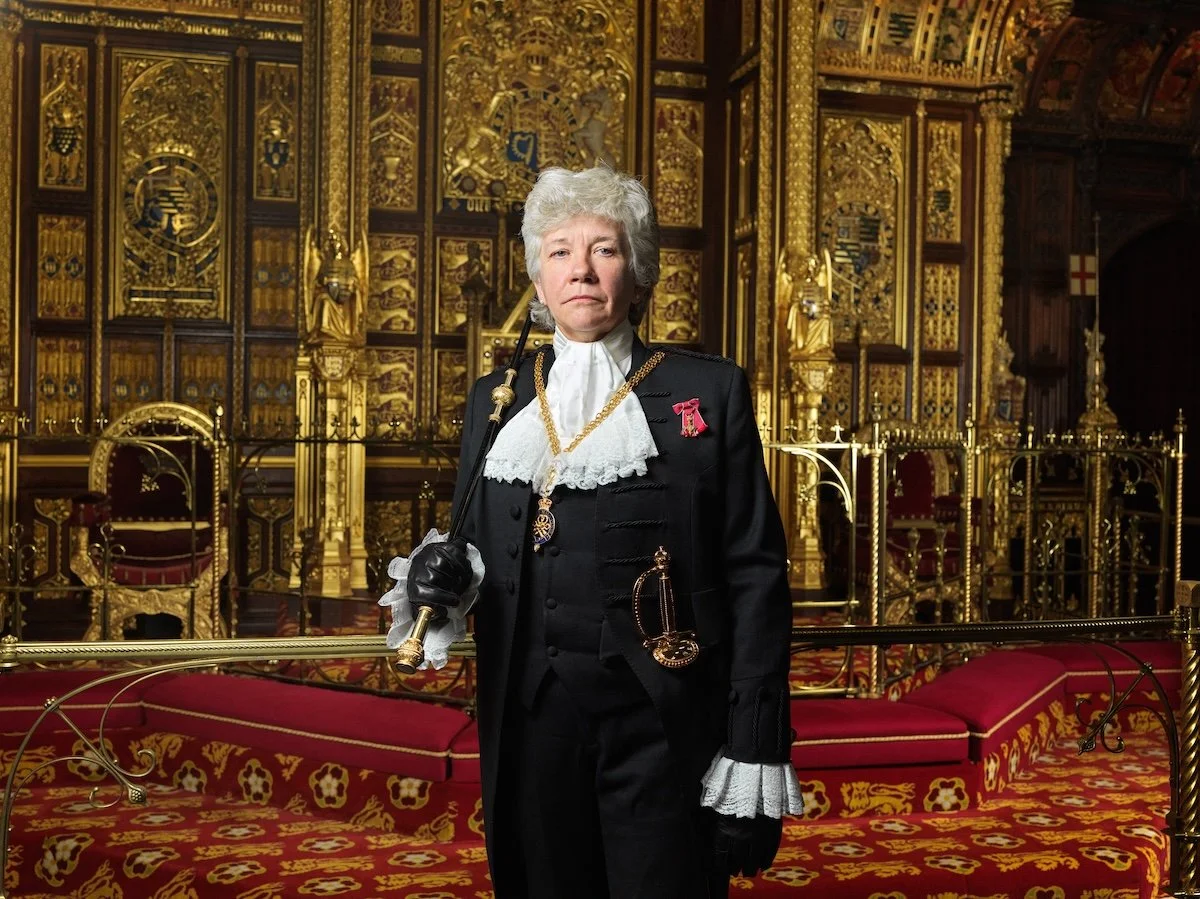
Which is why it is worth remembering that this form of portraiture is old. Institutions have been commissioning likenesses of their governing figures for six hundred years, and the reasons have not changed: to say that these people are answerable, that they were here, and that the institution takes itself seriously. A board portrait is the direct descendant of a guild portrait. Made properly, it does the same work.

Seven of my portraits are in the National Portrait Gallery's permanent collection and sixteen are in the Royal Collection. Institutional portraiture is not an adjacent skill to my practice. It is the practice.

Board and annual report commissions in London, New York and Los Angeles. Email RL@rorylewis.studio.