Why Every Leadership Page Looks the Same

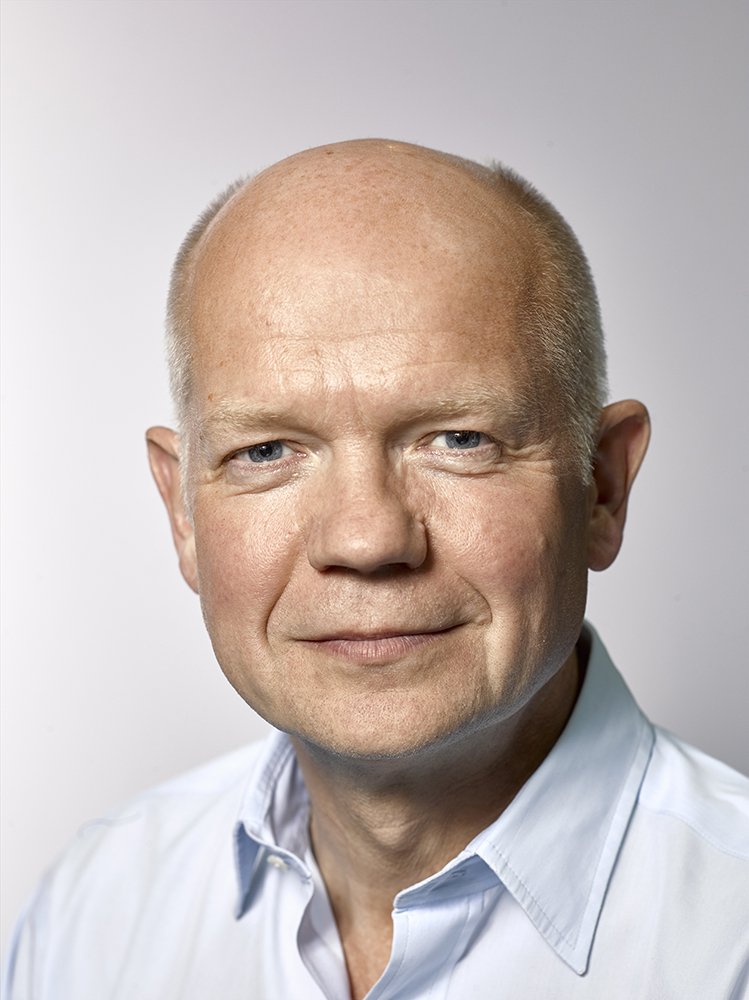
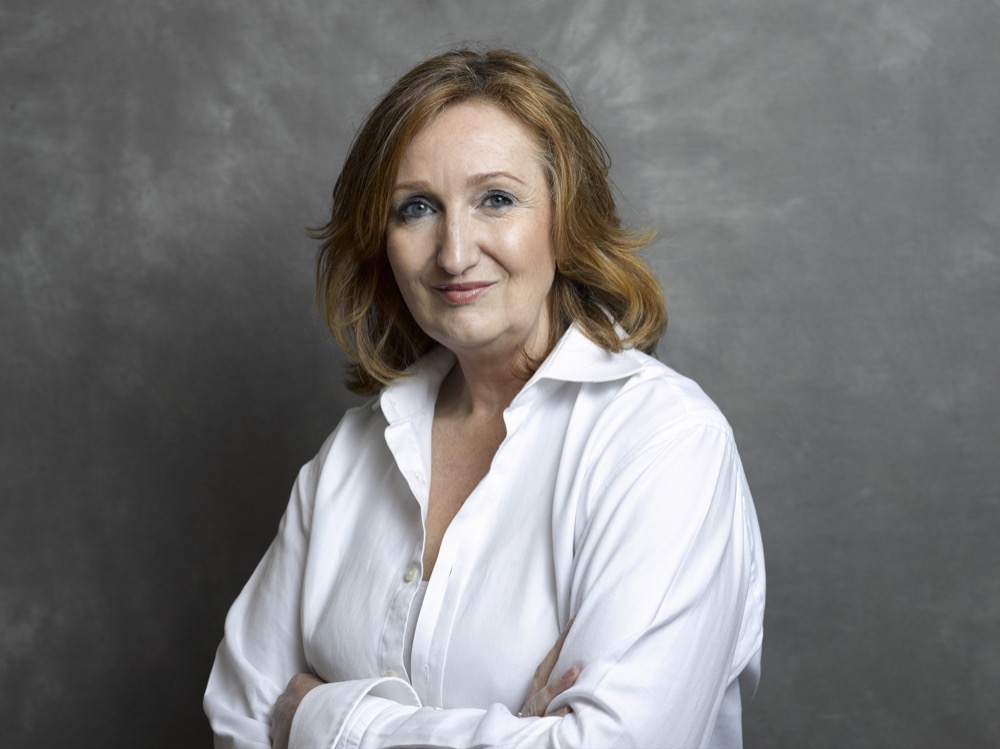
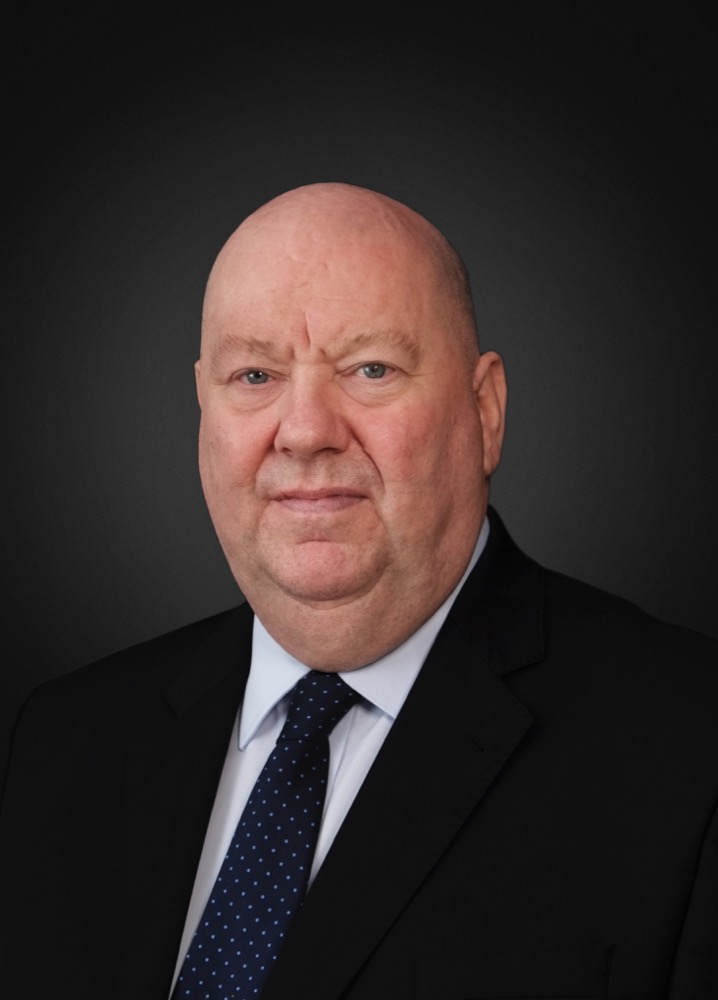
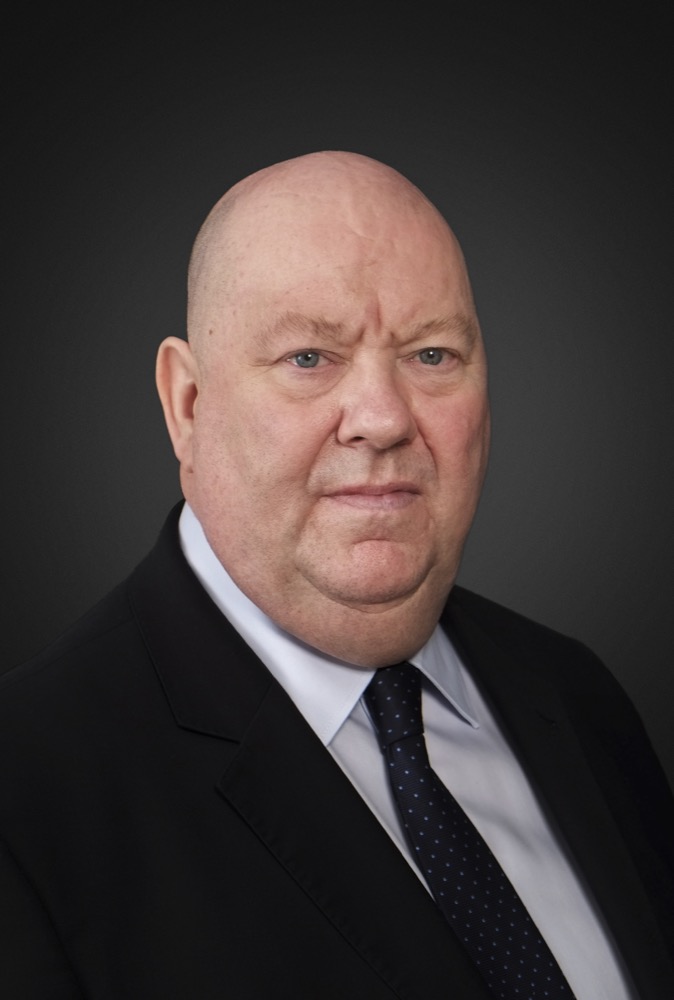
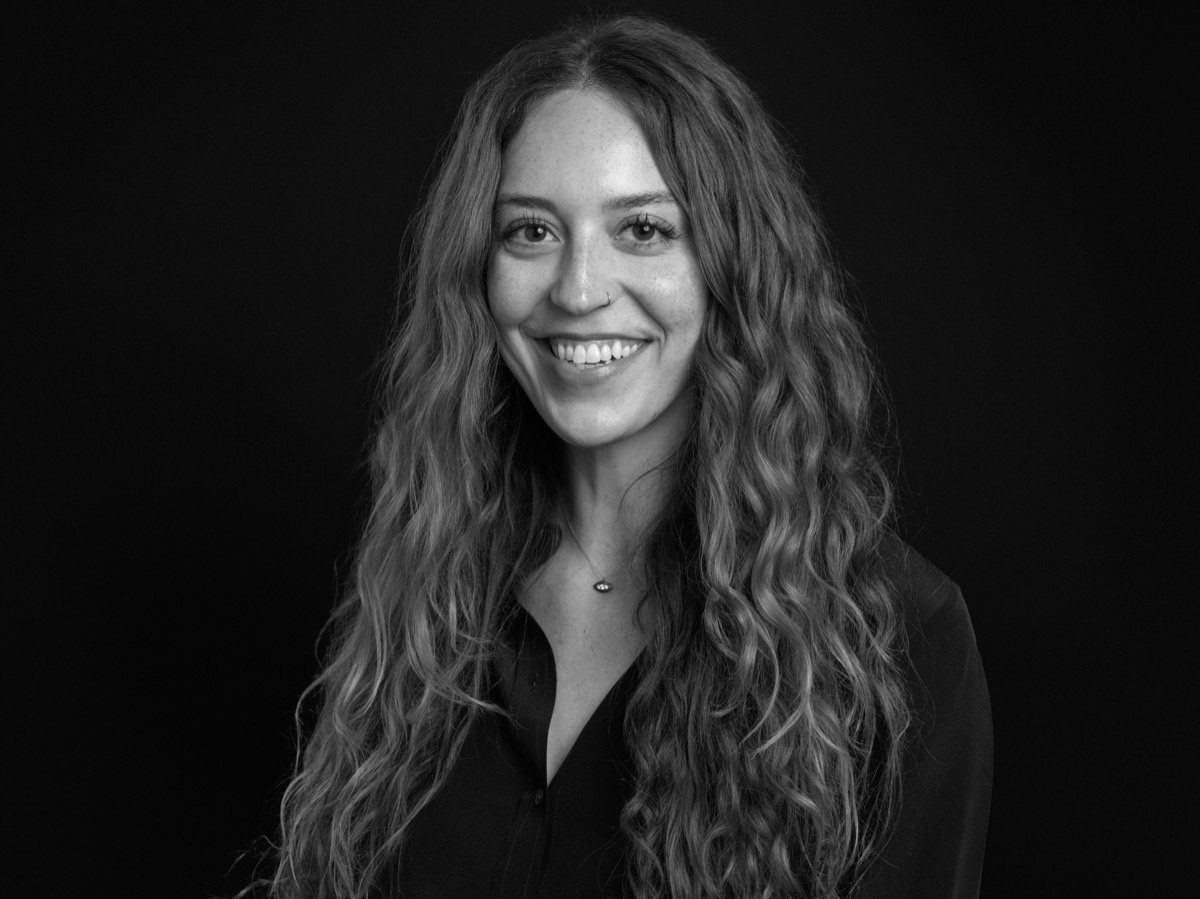
Open twenty corporate leadership pages and you will see the same photograph twenty times. Grey background or white. Even light, no shadow anywhere. A slight turn of the shoulders. An expression somewhere between welcome and apology. The subjects differ; the portraits do not.

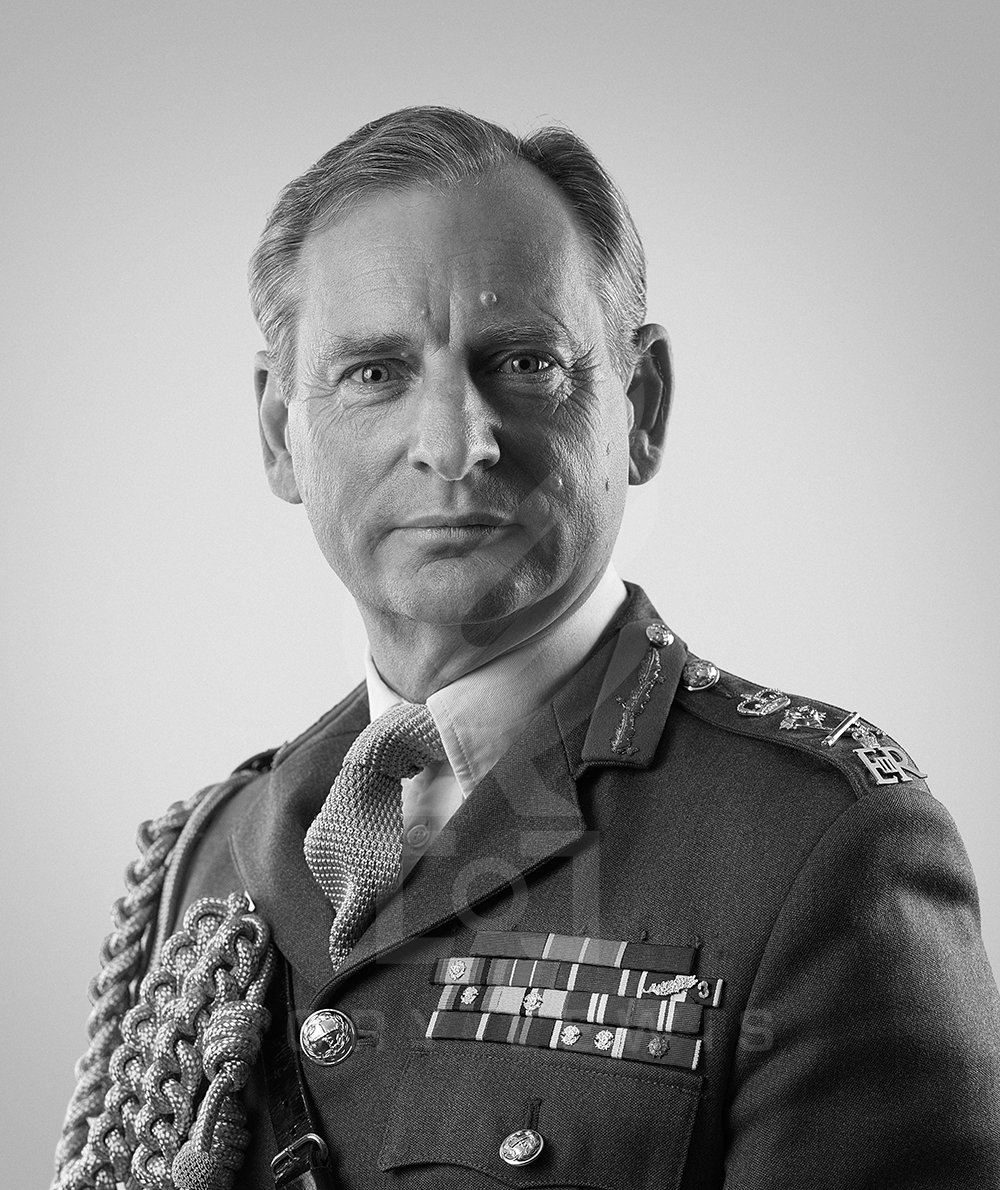
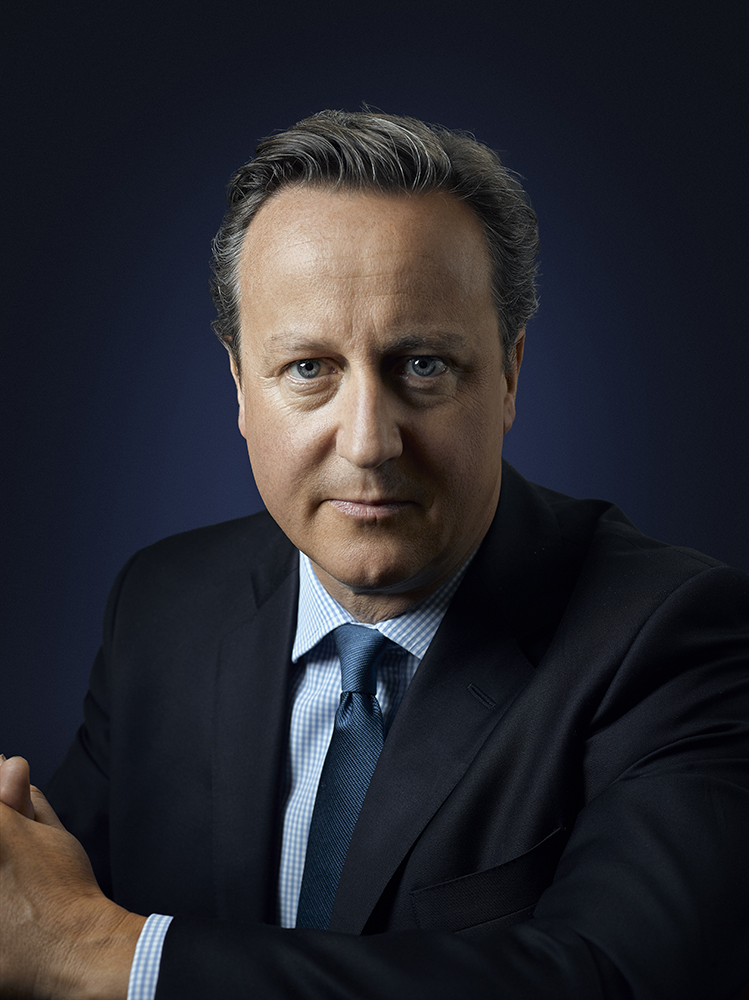
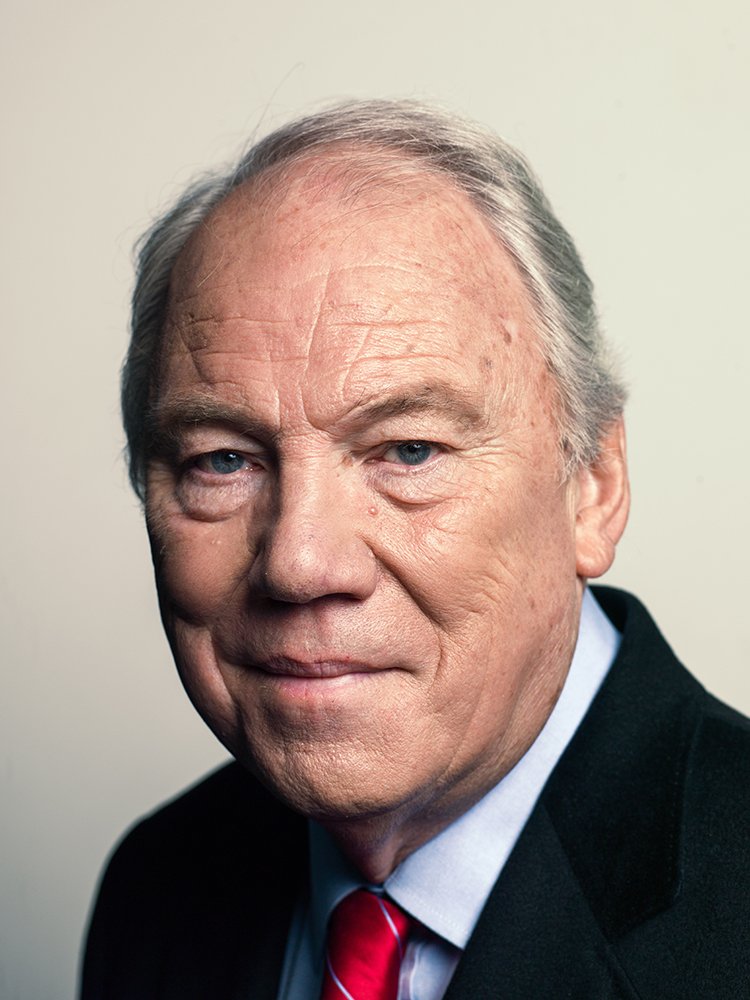
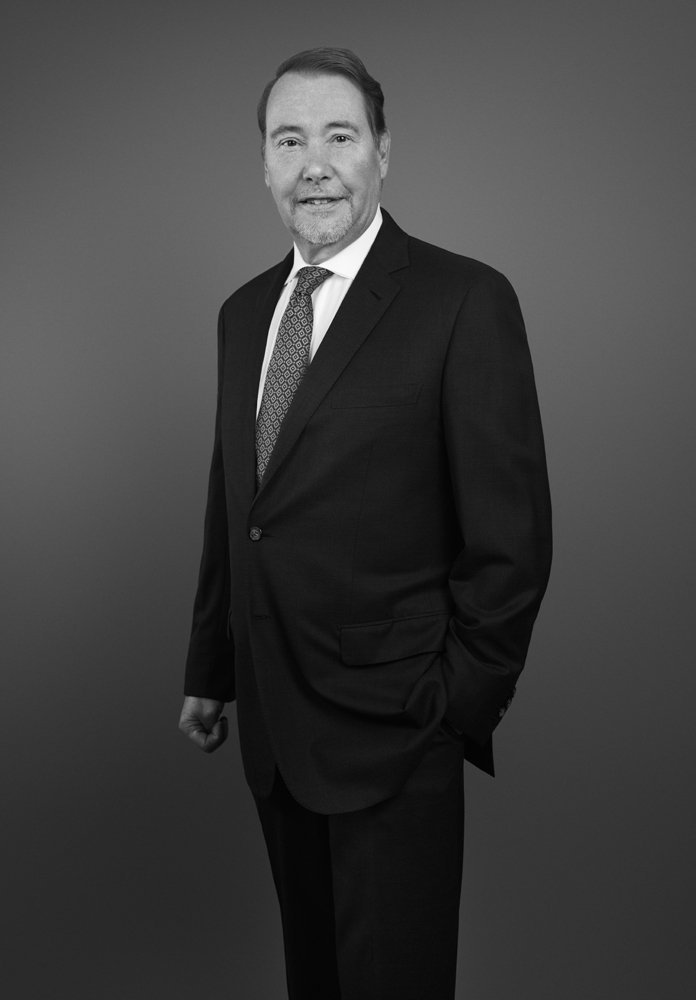
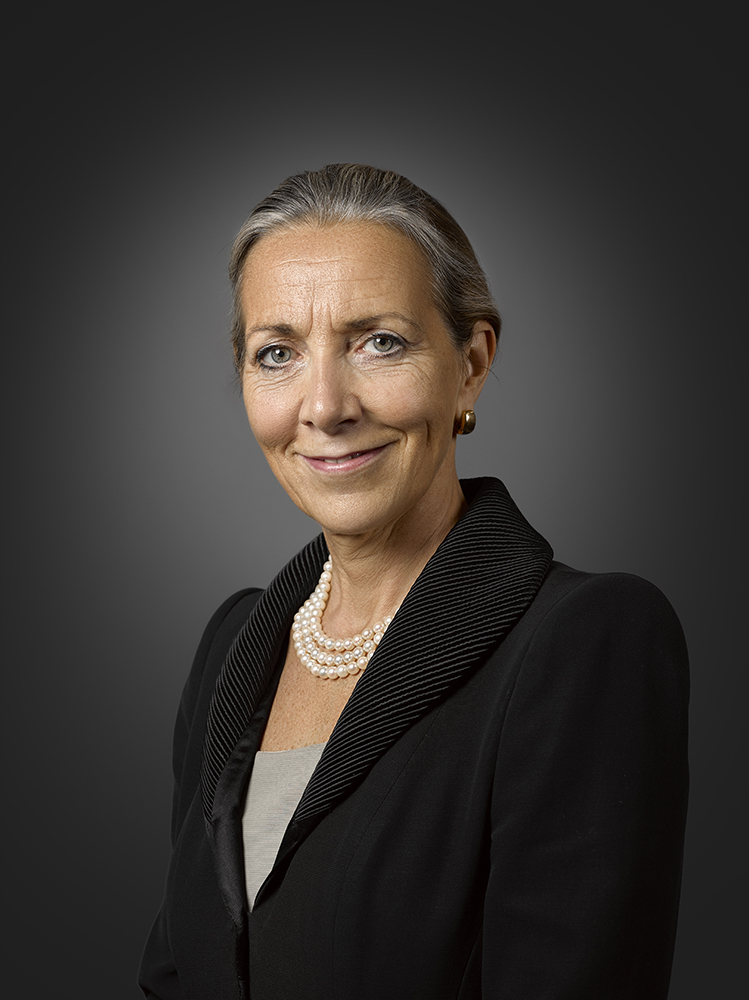
Ray Dalio Corporate Headshots New York Rory Lewis Photographer 2026

Ray Dalio Corporate Headshots New York Rory Lewis Photographer 2026

This is not incompetence. It is the predictable result of an entirely reasonable brief β€” make everyone look professional and approachable, and make them all match β€” executed by people paid to minimise risk. Flat light is safe light. Nobody was ever fired for a photograph in which nothing happened.

But something is lost, and it is worth naming, because firms pay for it twice.
What flat light removes

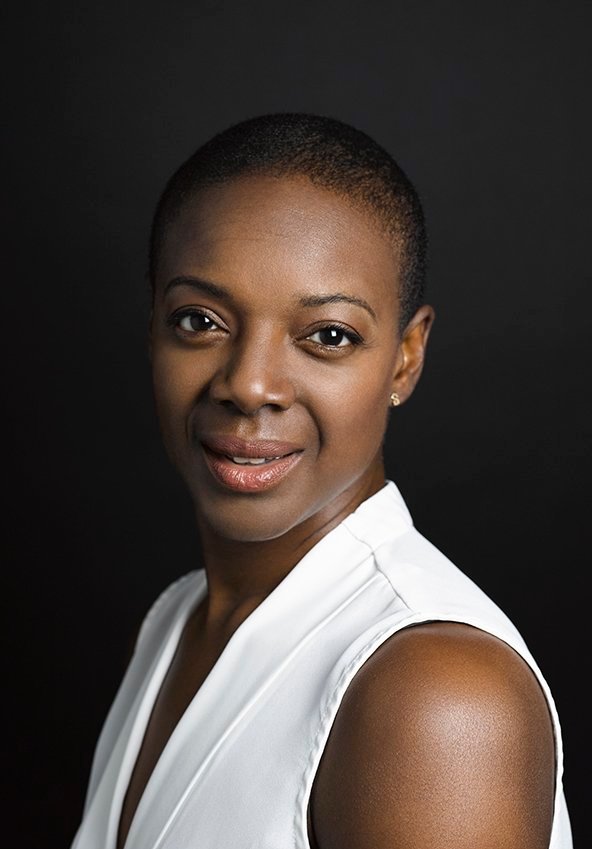
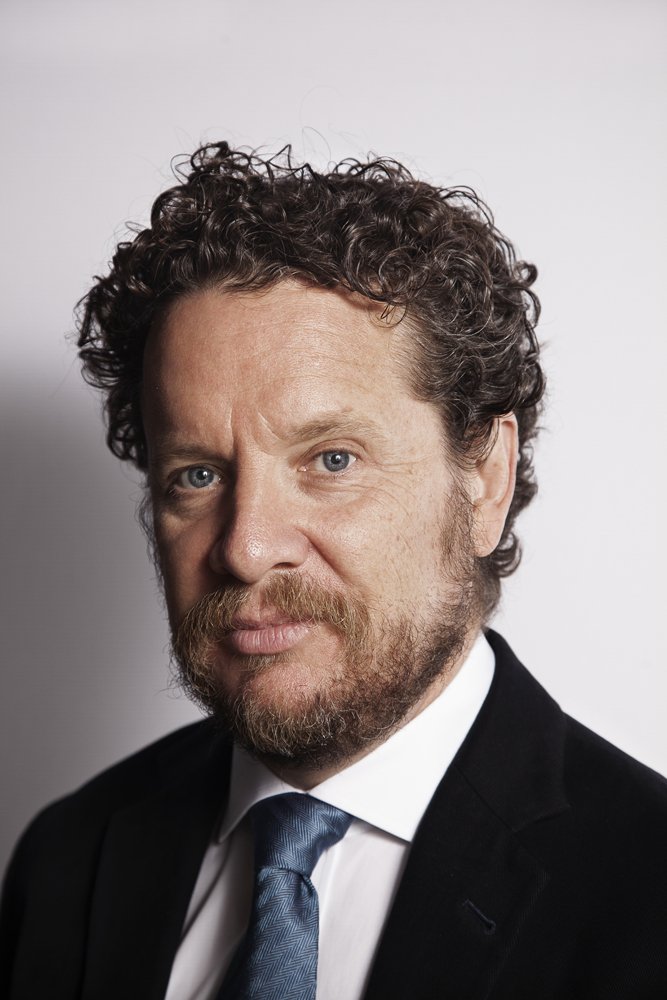
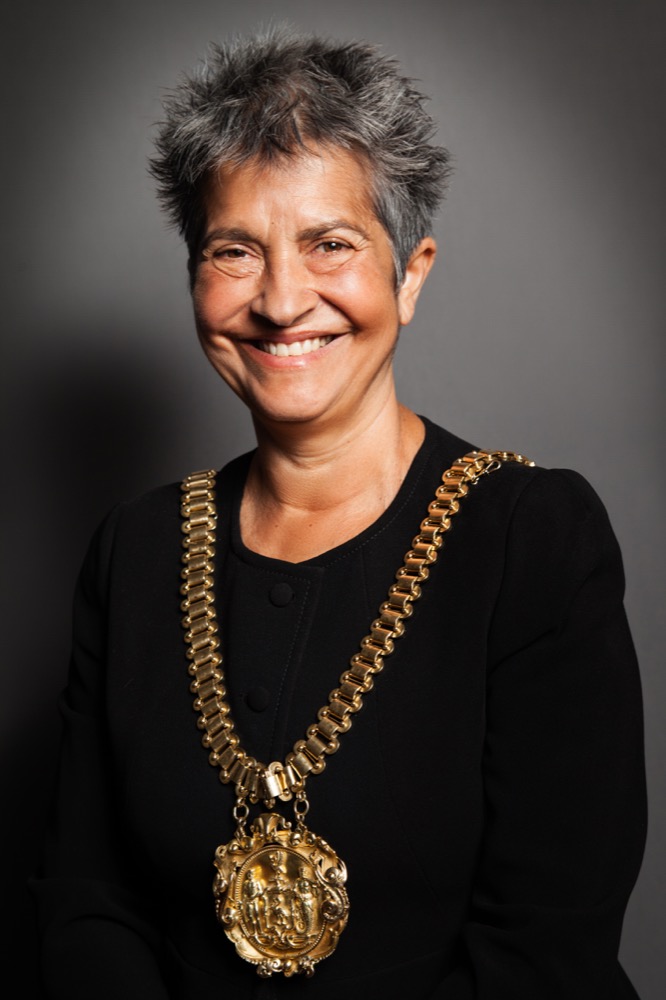
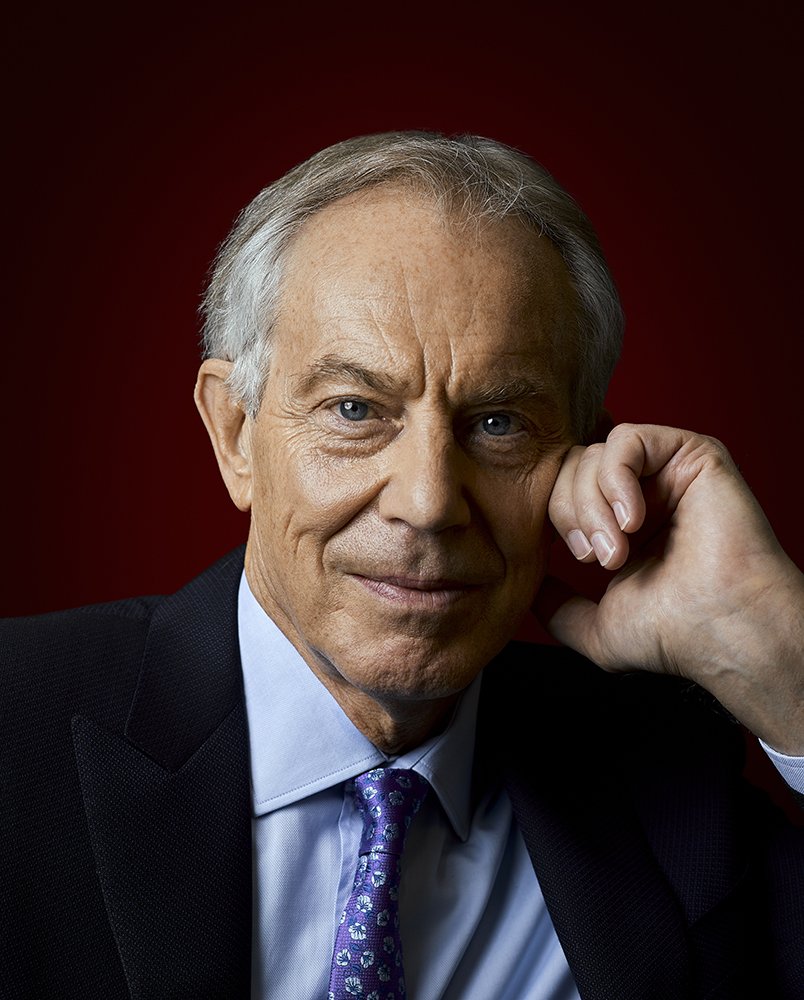
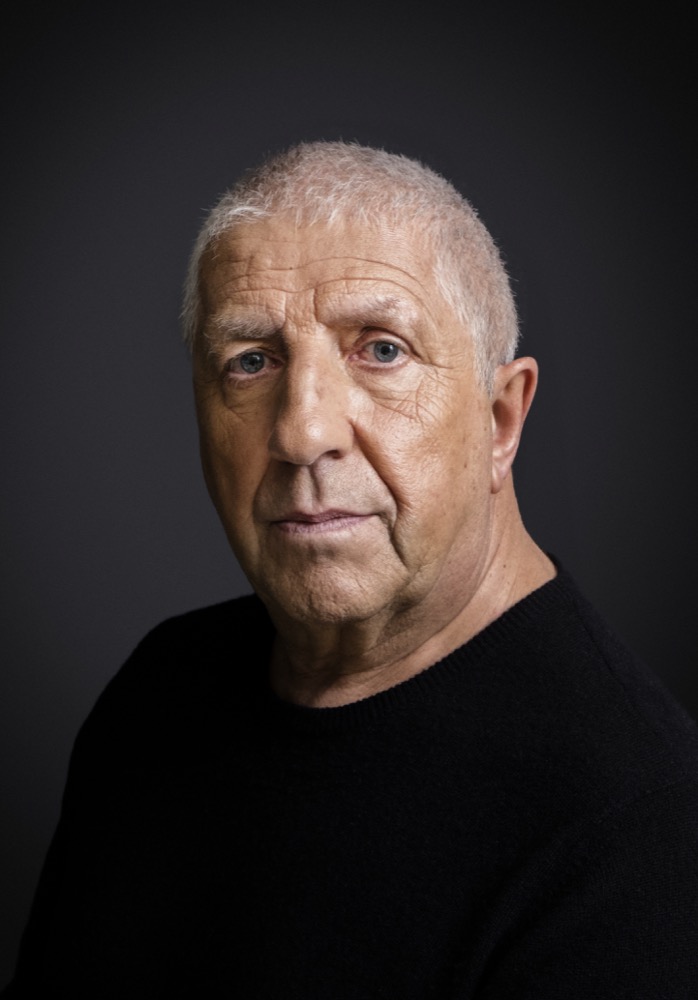
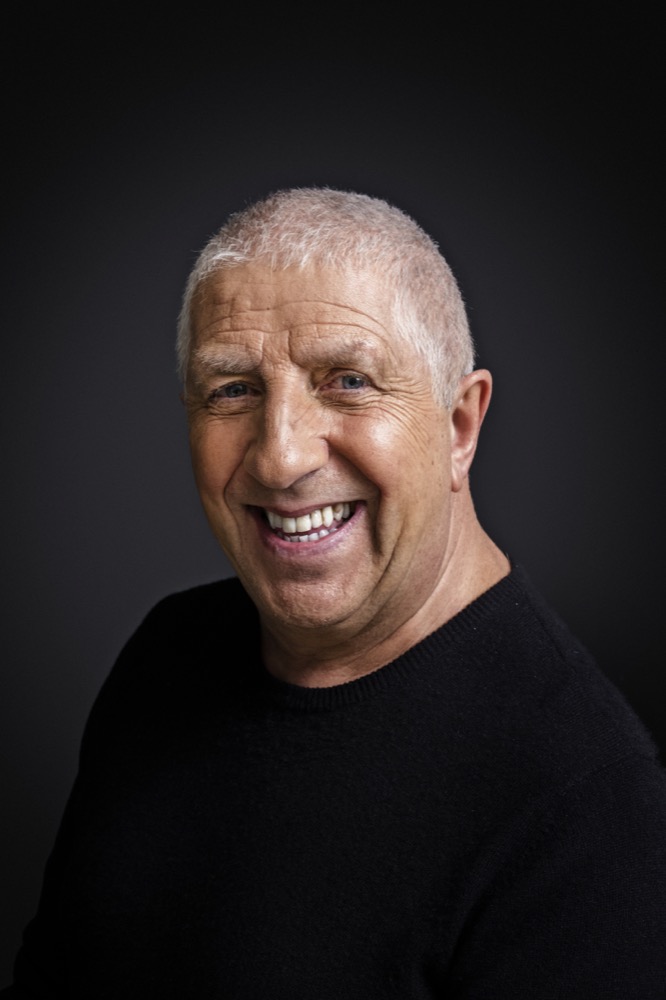
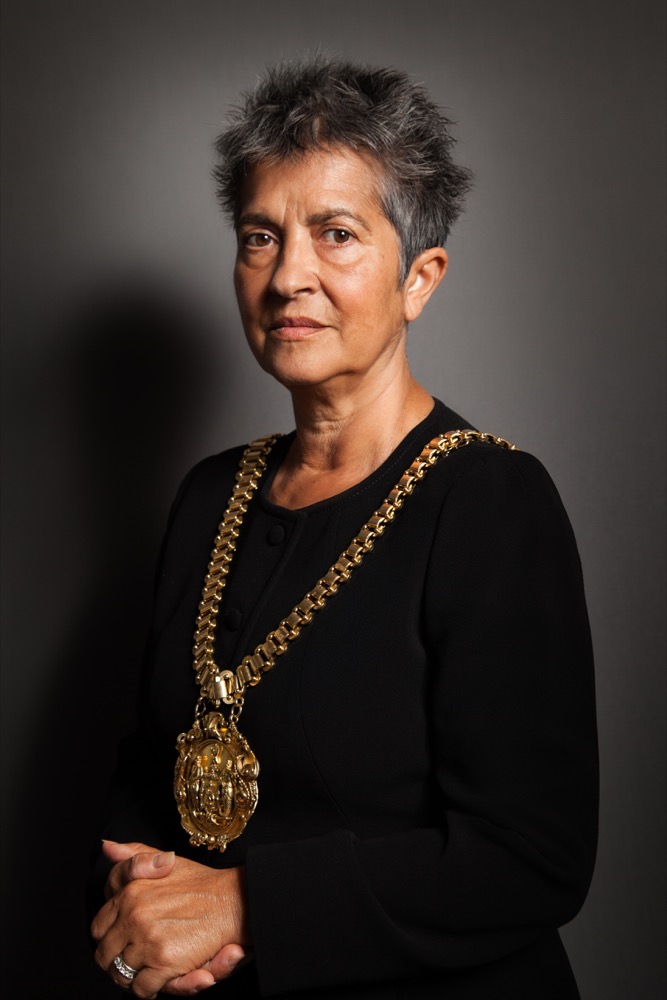
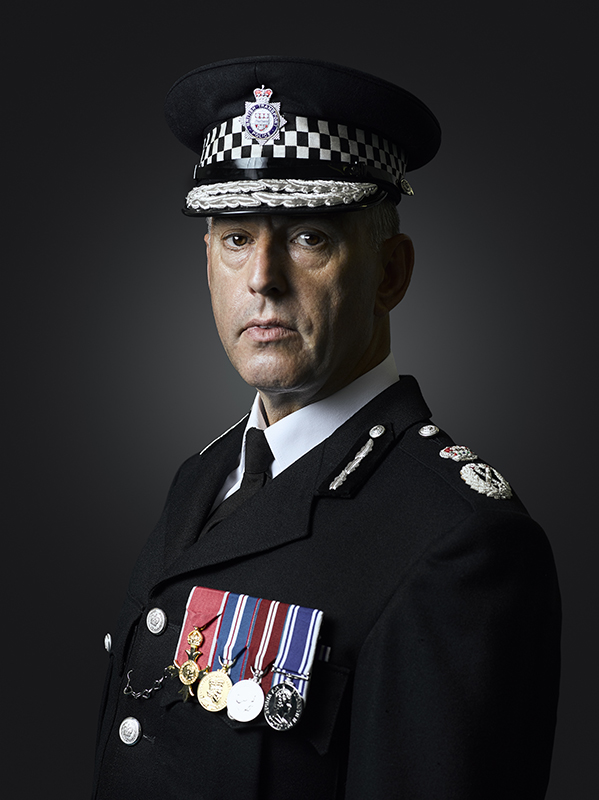
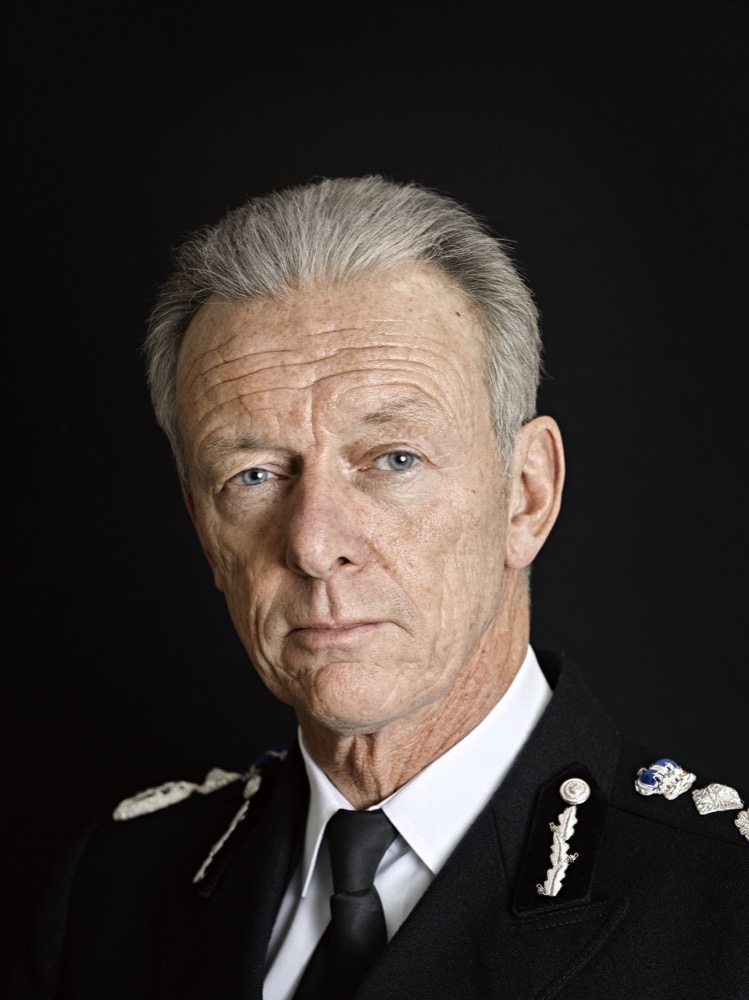
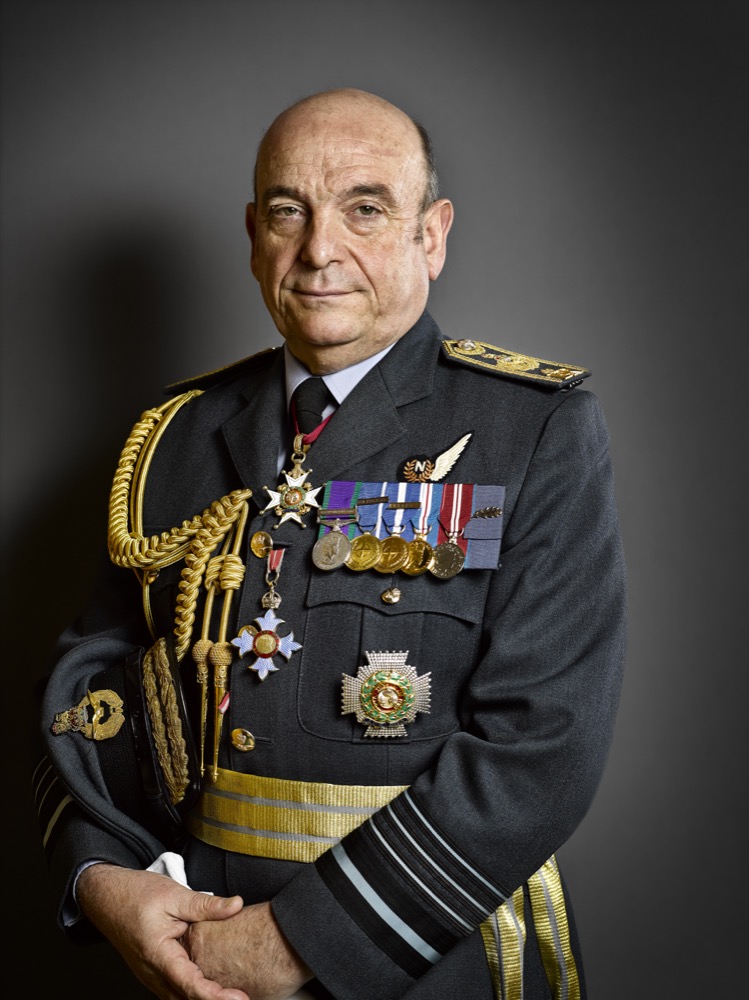
Light describes form. When it comes from one direction, a face acquires structure: the brow casts, the cheekbone catches, the jaw defines itself against shadow. When light comes from everywhere at once, the face flattens into a map of itself. You can identify the person. You cannot read them.

Painters understood this and had no choice but to understand it, because they were building form out of nothing. Caravaggio lit from high and to one side and let the rest fall into darkness, and the result is that four hundred years later you look at a Roman card-sharp and feel you have met him. Holbein put Thomas Cromwell in a shadow he seems to be considering something from inside. Van Dyck gave Charles I a light that made an argument about kingship.

None of that is decoration. It is information about the person, delivered by the light.

What it costs a firm

A leadership page is often the only image a prospective client, recruit or investor has of the people they are being asked to trust. If it says nothing, it does not merely fail to help β€” it quietly communicates that the firm did not think this was worth attention. Everyone reading it has seen enough corporate photography to recognise the cheap option.

There is a second cost, less obvious. Executives dislike their own portraits and so use them reluctantly, which means the firm's most senior people are underrepresented in exactly the places where their presence would do the most good: conference programmes, press, bylined articles. A portrait someone is glad to have taken gets used. That is most of its value.

The alternative is not drama

I want to be careful here, because the reaction against flat corporate photography is often worse than the thing it replaces β€” heavy vignettes, crushed blacks, a general air of a thriller poster. That is just a different costume.

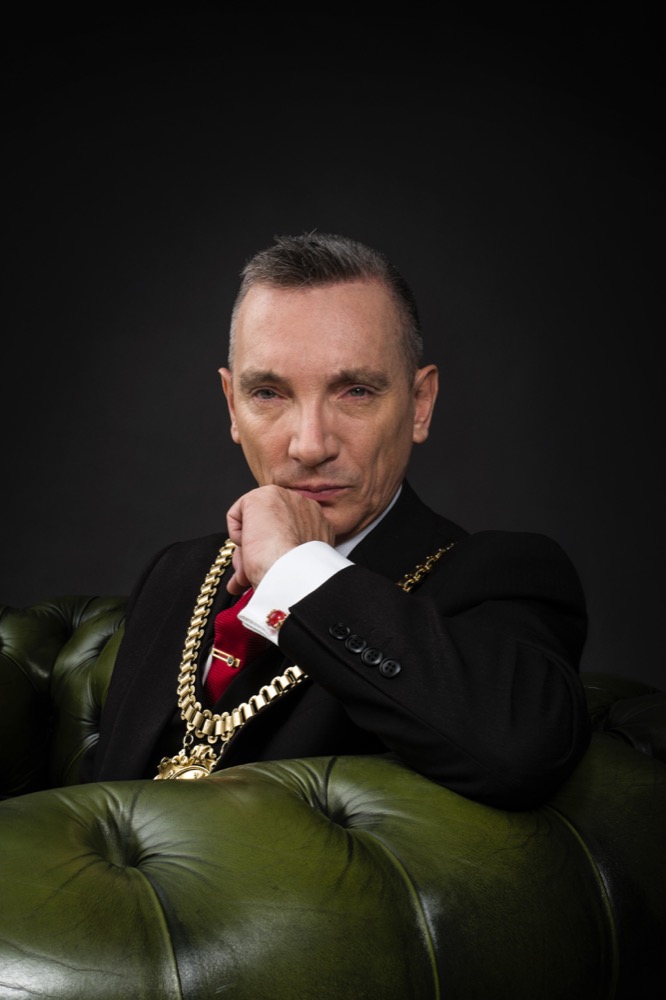
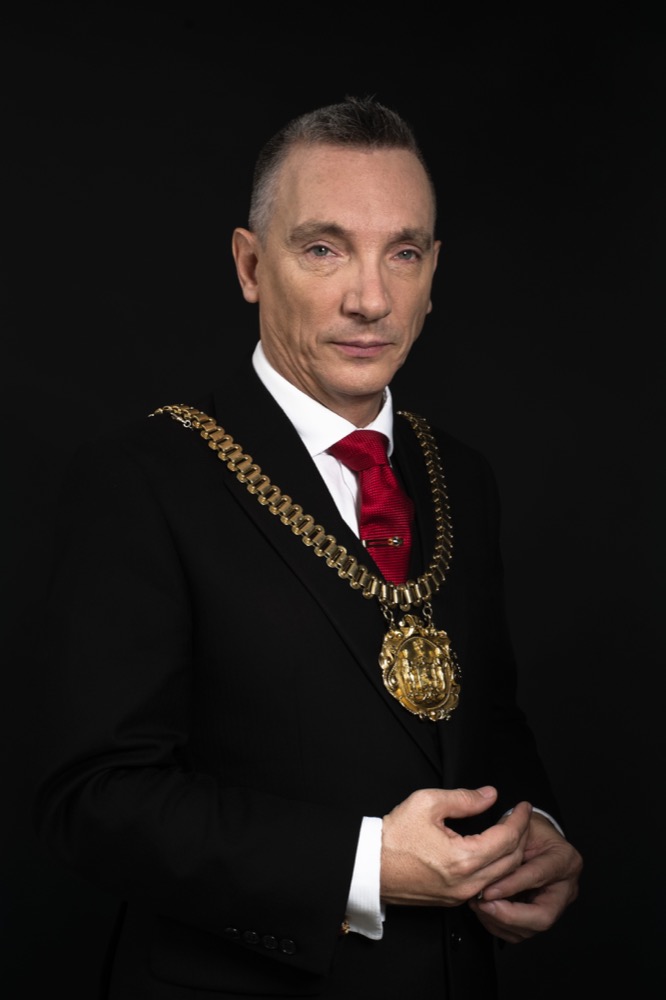
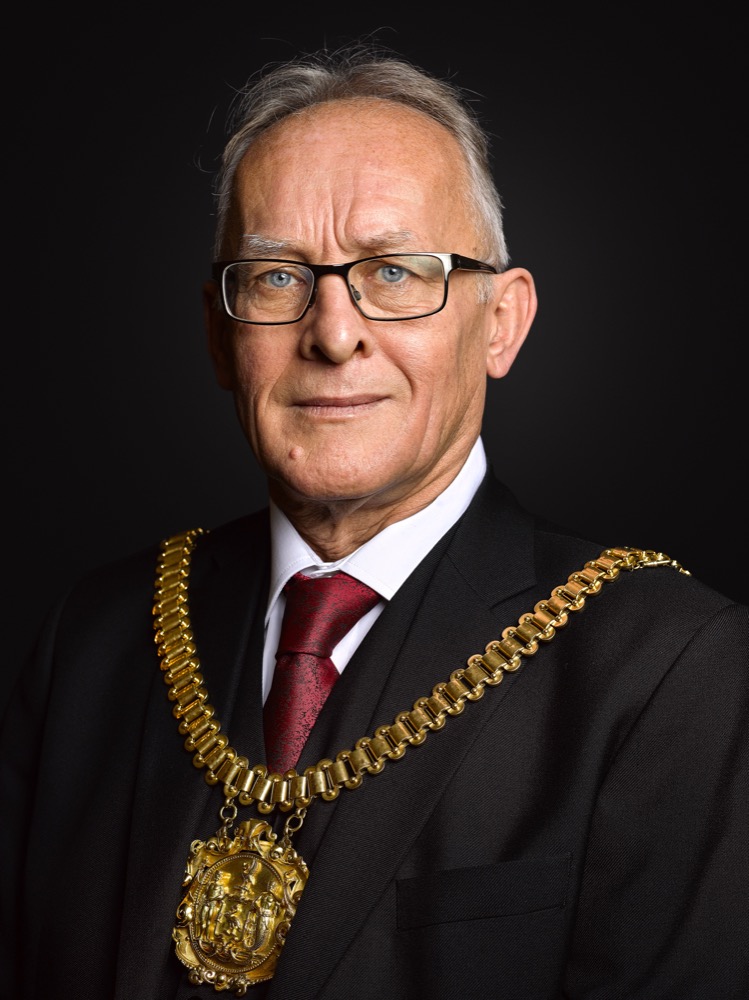
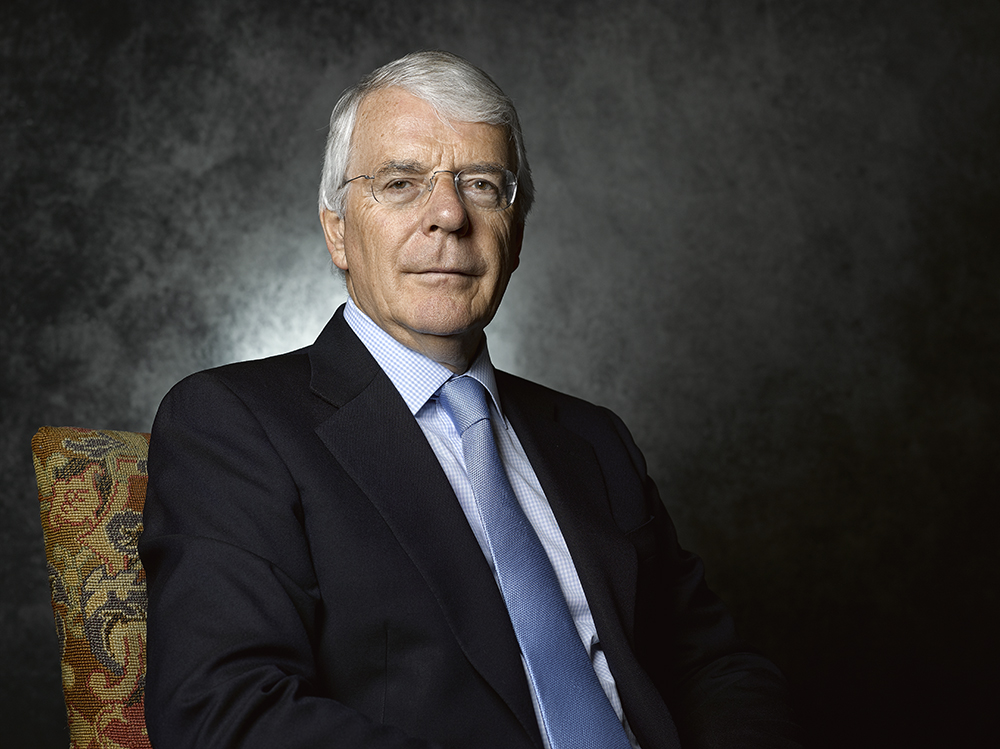
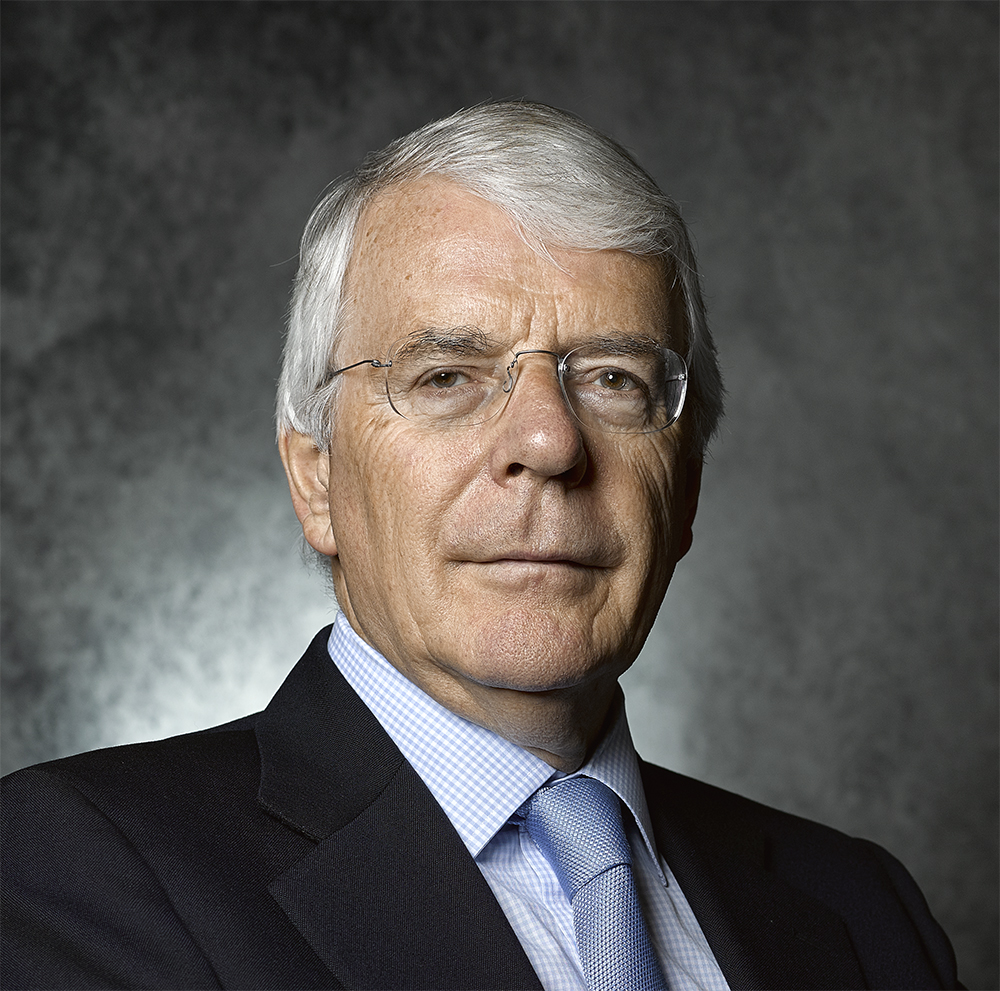
What I am arguing for is more modest and much harder: one dominant light, placed deliberately, and the discipline to let shadow do half the work. A portrait made that way is still appropriate for an annual report. It simply contains a person.

Consistency survives this. A leadership team lit the same way across a single day matches more precisely than one shot flat across three separate visits, because studio lighting is controlled and repeatable in a way that borrowed light never is. The grid holds. The faces arrive.

Twenty-three years, three cities

I have photographed five British Prime Ministers, reigning monarchs, and more field officers than I can now name. Seven of those portraits hang in the National Portrait Gallery's permanent collection; sixteen are in the Royal Collection. Every one of them was made with the same method I would bring to your boardroom, because the method does not change with the sitter's job title. What changes is how long it takes to get past the face they present to strangers.

That is the actual work. Everything else is equipment.

Capturing history, one portrait at a time. Executive commissions: RL@rorylewis.studio.