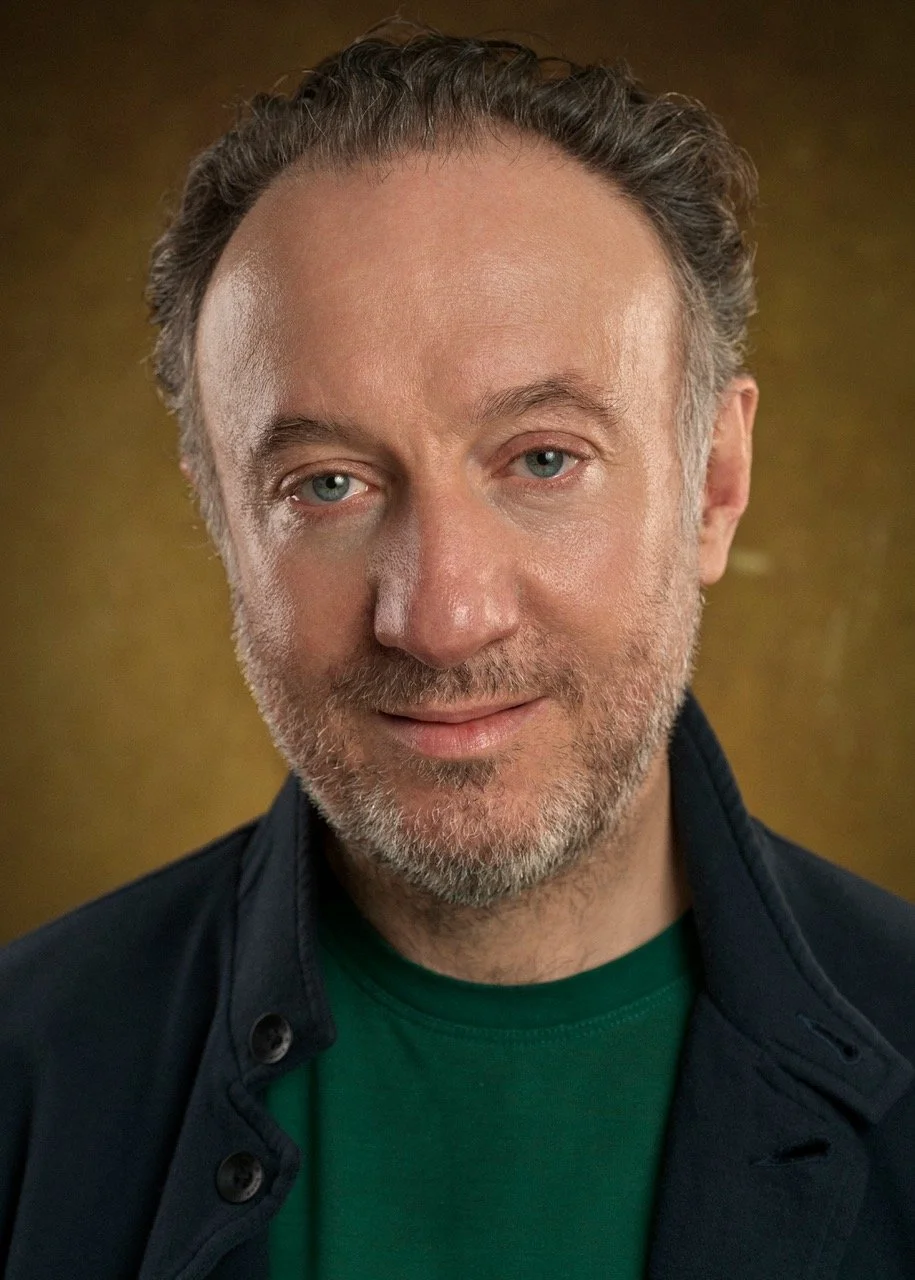
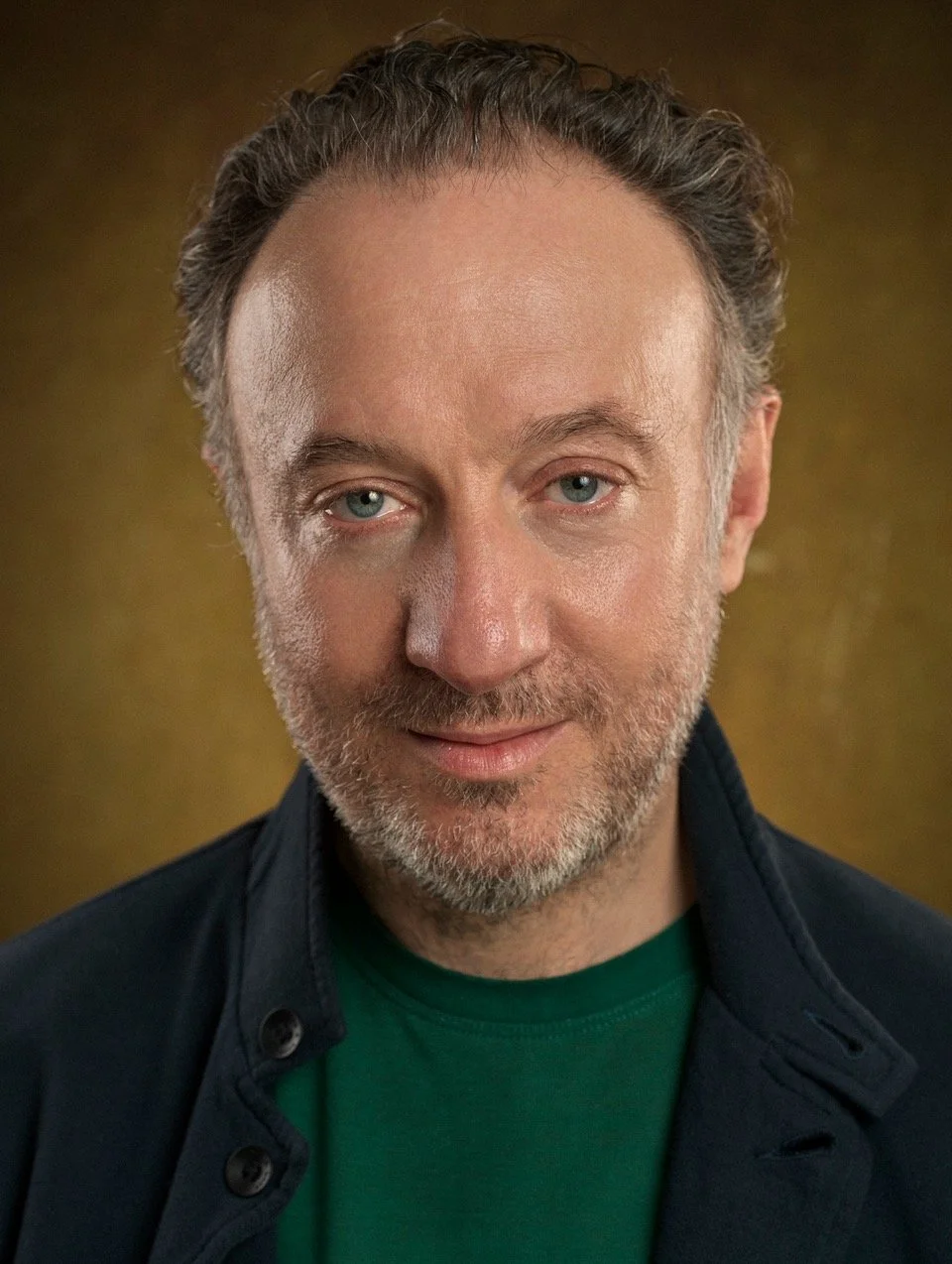
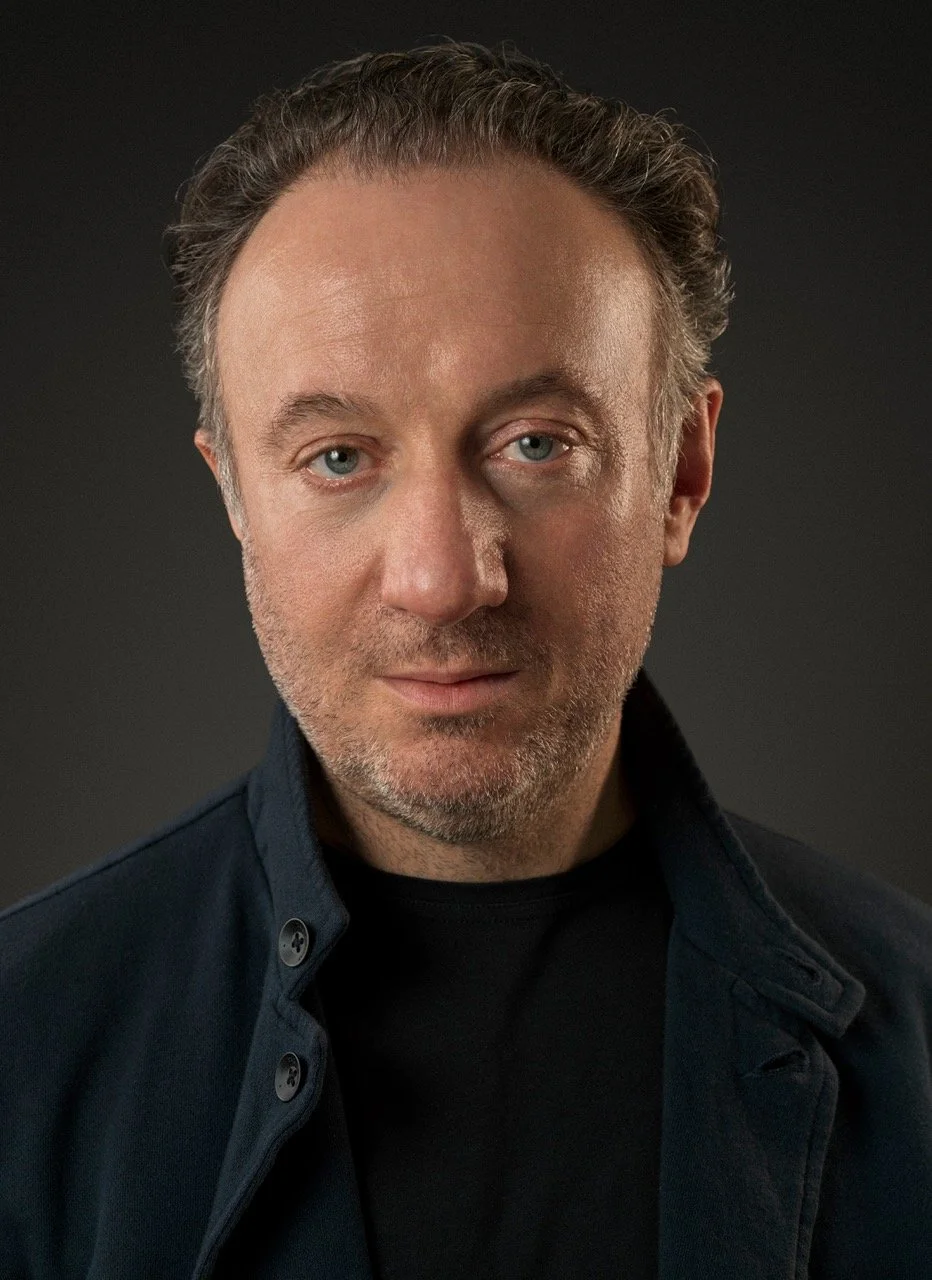
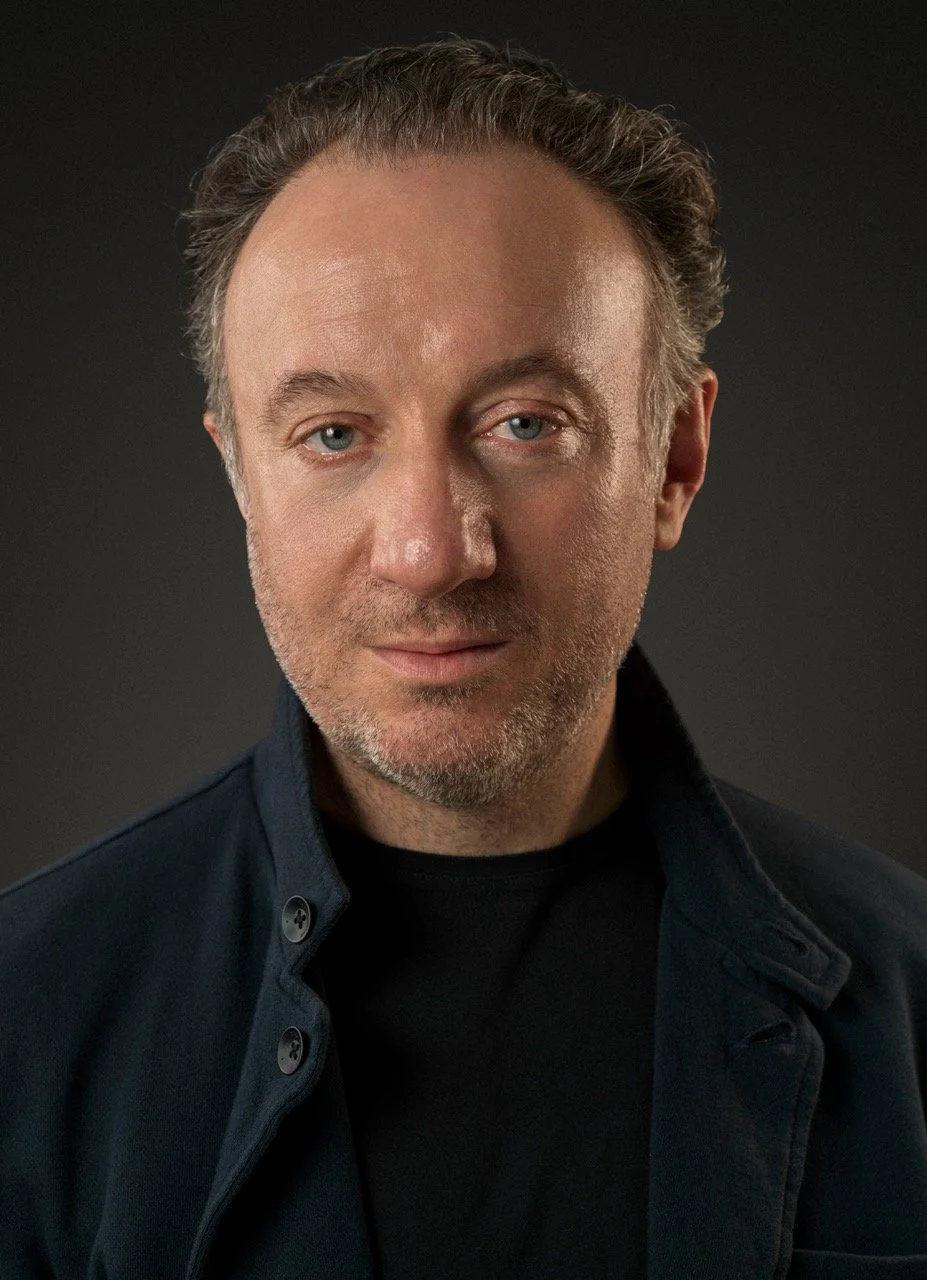
The Returning Sitter: Alex Blake

The first sitting tells you who someone is. The second tells you who they've become since.

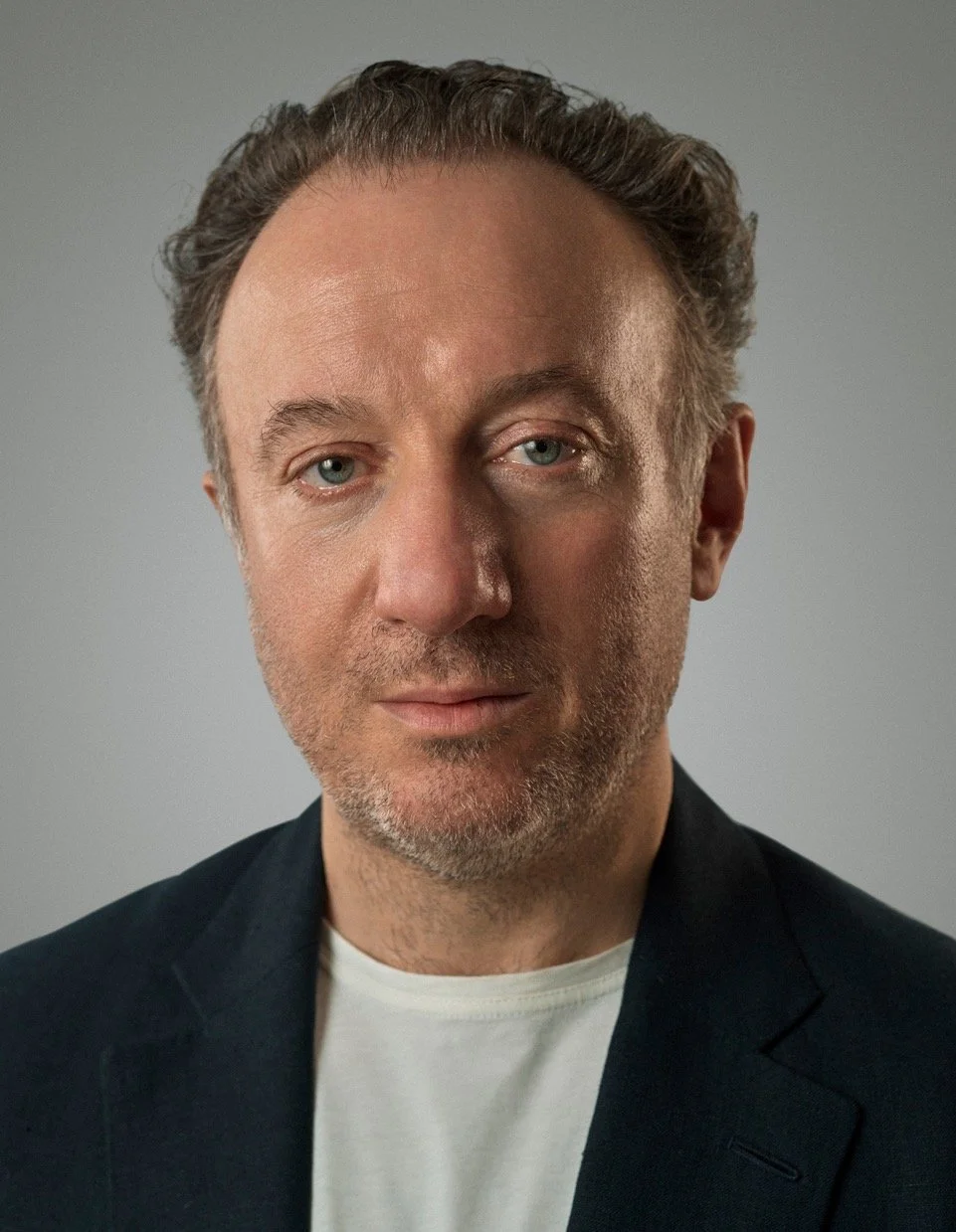
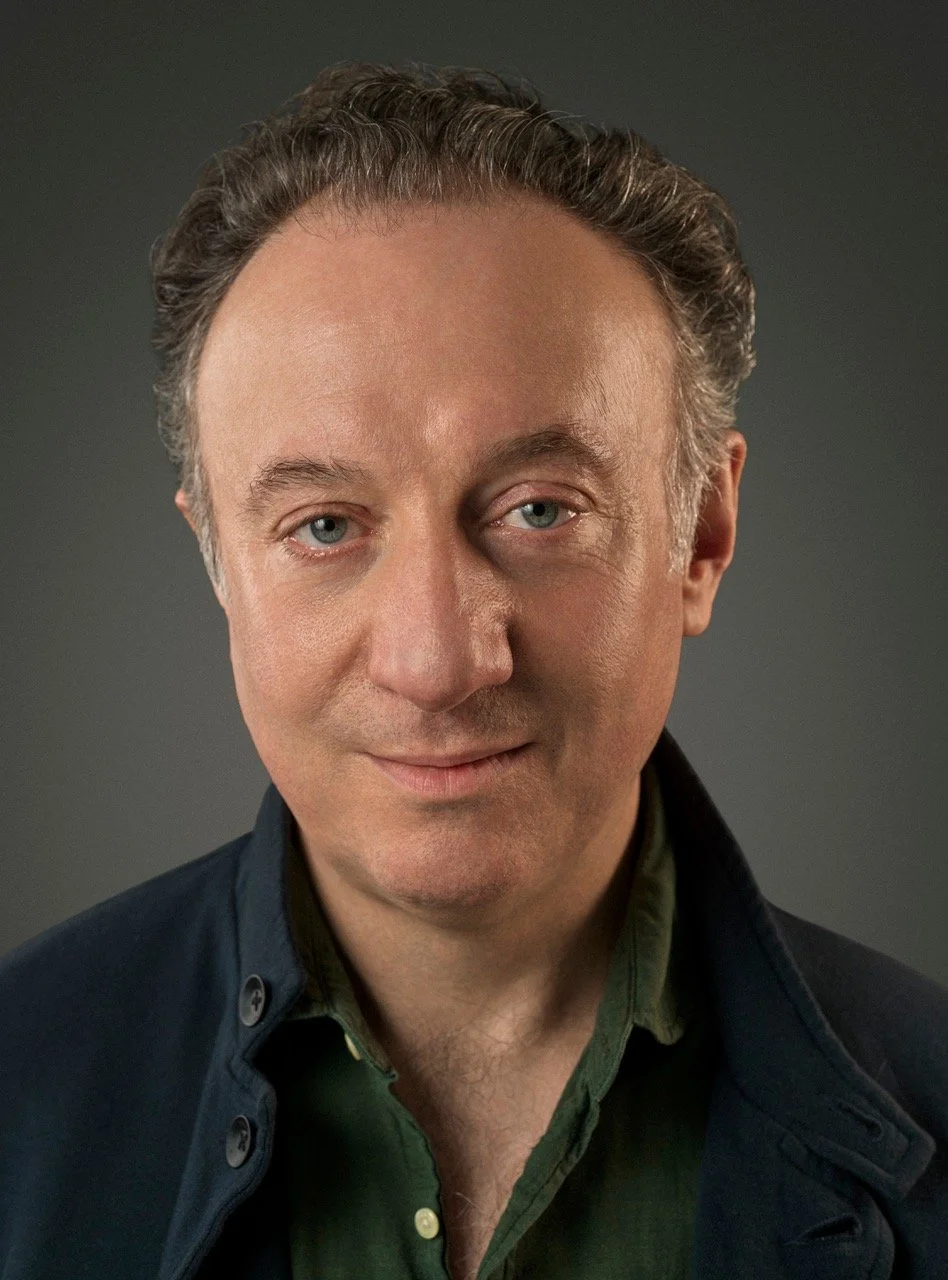
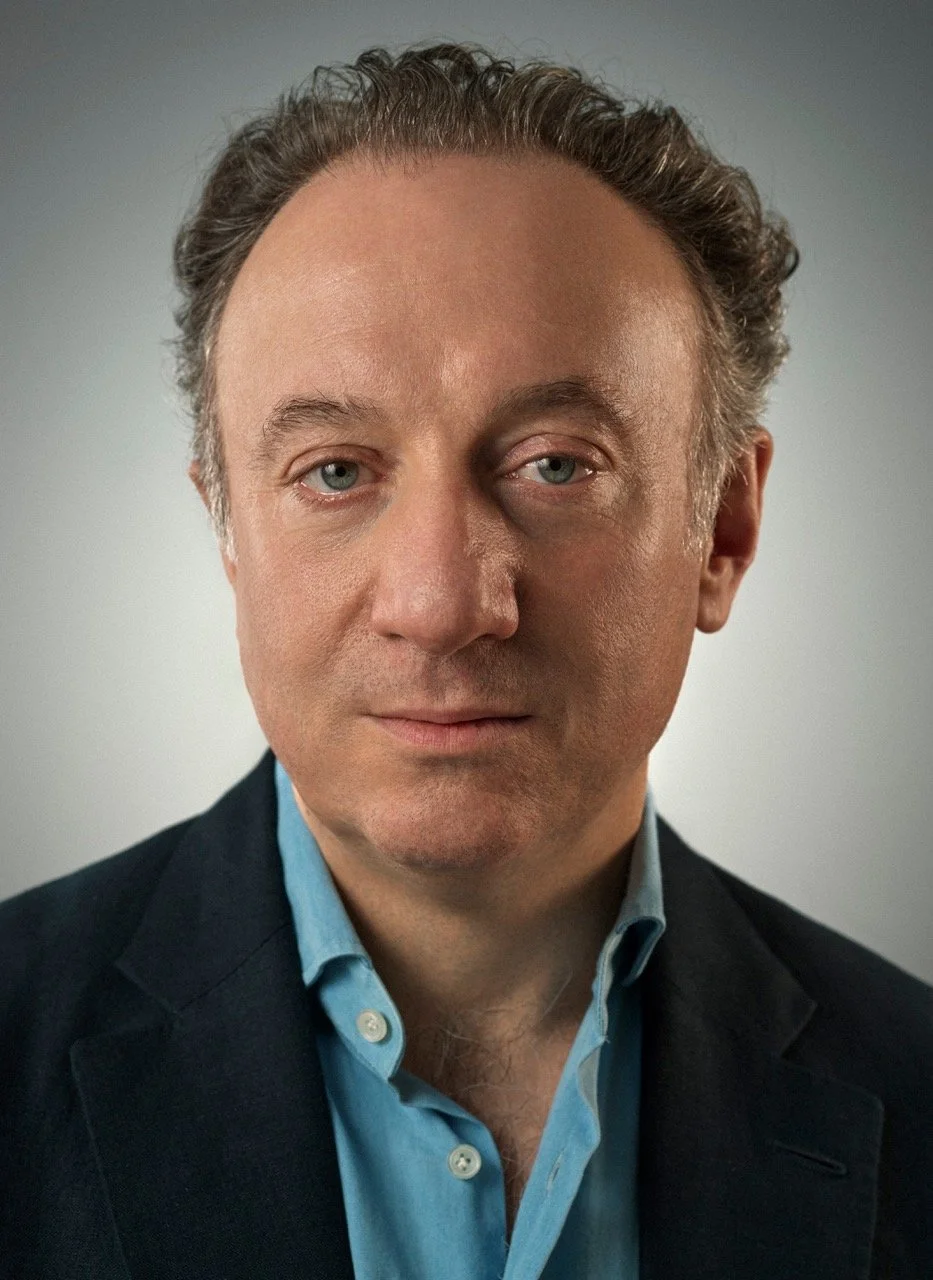
Alex Blake came back to the studio recently for an update to his headshots — the kind of return visit that punctuates most working actors' careers every two or three years, when the credits have grown, the face has settled into something a little more itself, and the agent has started asking gently whether the current image is still doing the work it ought to. Alex's was, mostly. But "mostly" is the word that brings actors back.

A short note on returning sitters, because they're a particular pleasure of this job.

The first time you photograph someone, half the session is reconnaissance — learning the architecture of the face, finding the angle that wants to be found, working out which side they unconsciously trust and which they've spent thirty years apologising for. By the second sitting, that work is already done. The conversation can start at what's changed rather than who are you. You can attempt things that would have been speculative the first time round. You can also, if you've been paying attention, see in the face what the intervening years have written into it — which in Alex's case is quite a lot.
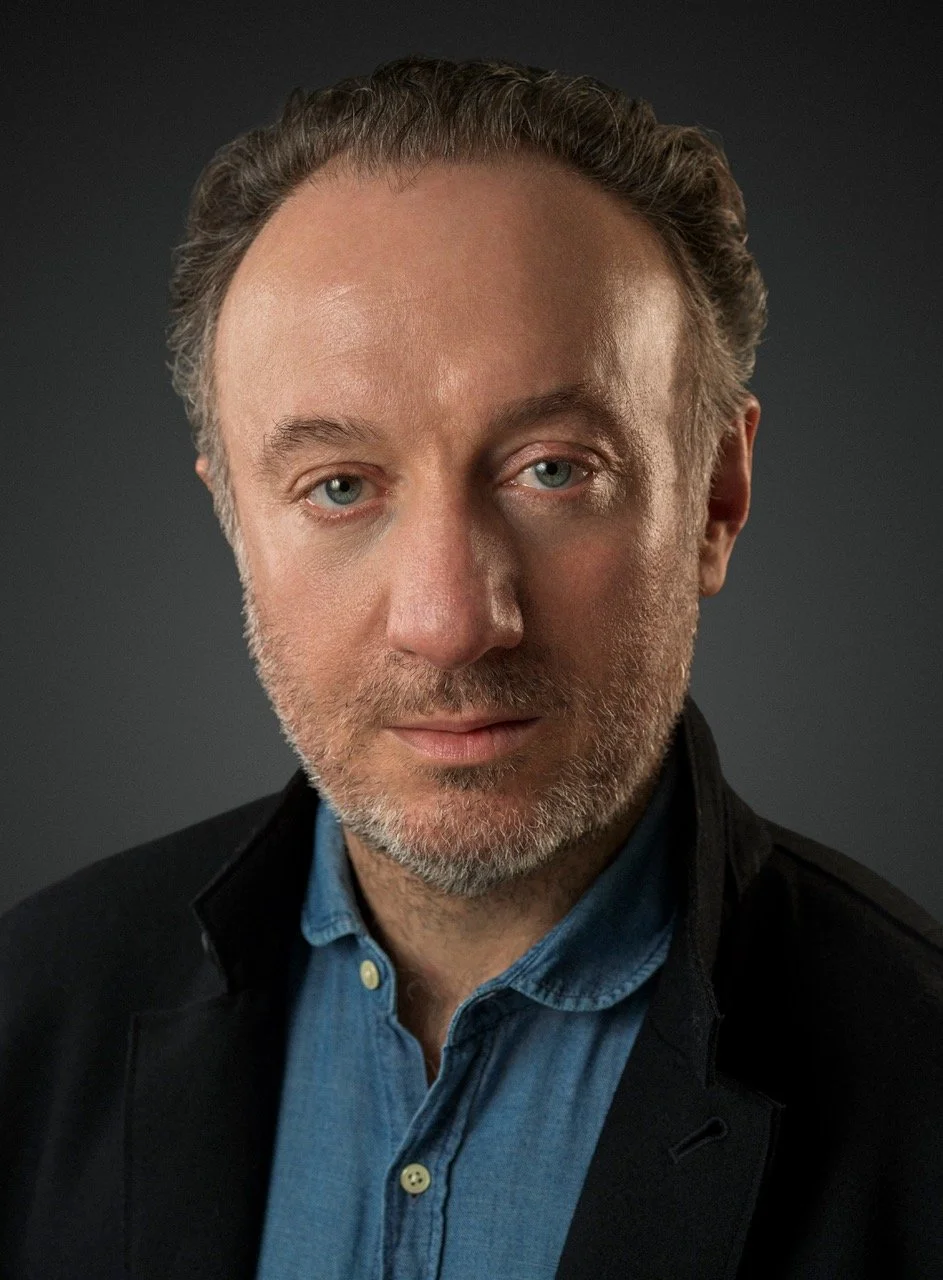
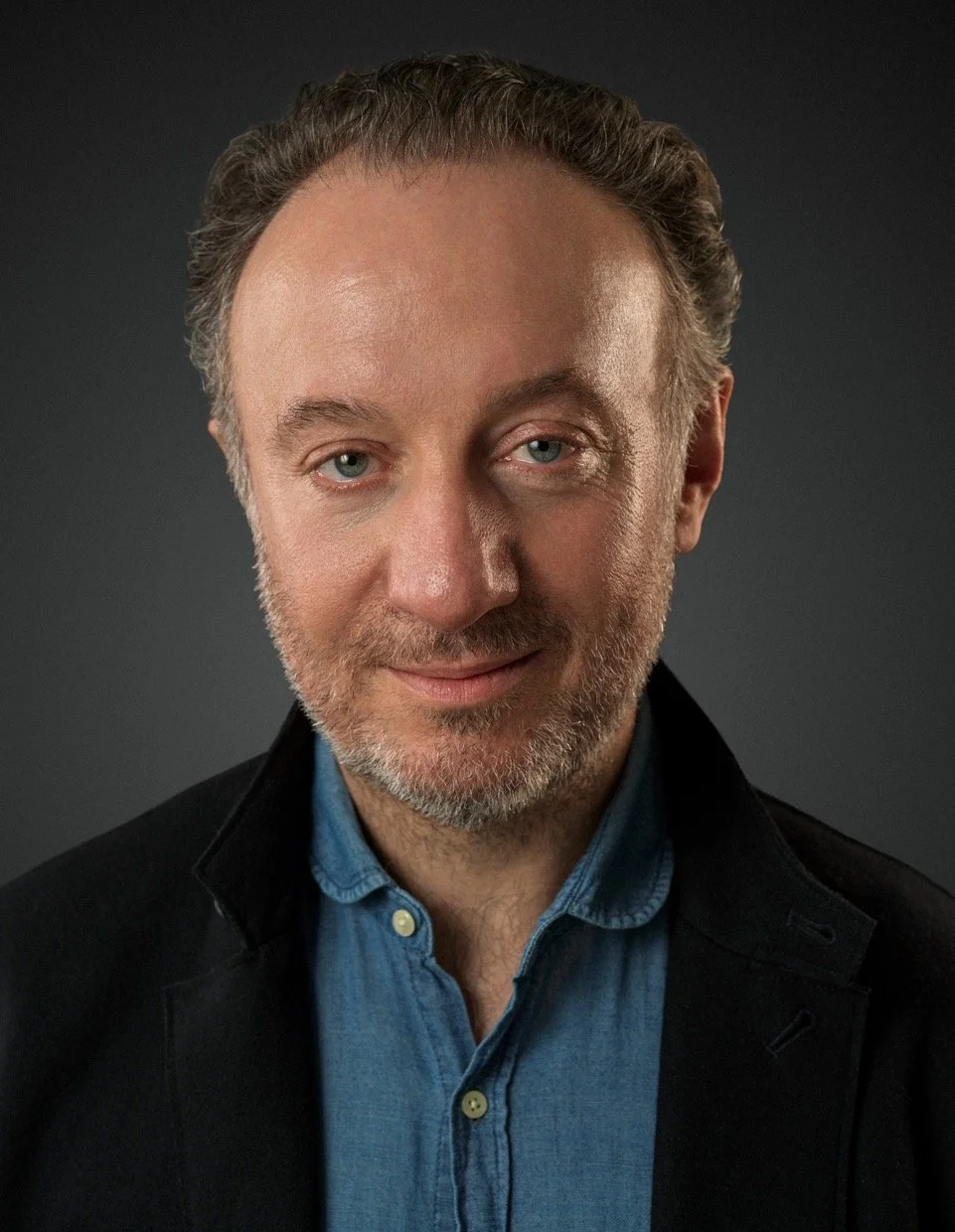
A word on Alex, because he's an interesting study even by the standards of working British actors.

Born in Sheffield. Marlborough, then Cambridge, where he read English. Then LAMDA, which is the bit that matters most for our purposes — the actor's craft is the thing the camera responds to, regardless of how many books one has read first. (Although it must be said: a Cambridge English degree shows up around the eyes in a way that a less furnished mind doesn't. The camera notices. Casting directors notice. I notice, and I'm meant to be making the photograph rather than reading the sitter.)

The credits read like a quiet syllabus of recent prestige television. The two final seasons of The Crown, where he played Stephen Lamport, private secretary to the Prince of Wales — exactly the kind of role you cast Alex Blake for, because the audience needs to believe, instantly, that the man holding the brief actually knows what's in it. Then Andor (Emmy-nominated). Chernobyl, directed by Johan Renck (Golden Globe and Emmy winner). Longford, directed by Tom Hooper (BAFTA and Emmy). Mrs Wilson, Random, the long British procedural canon — New Tricks, Midsomer Murders, Silent Witness, The Inspector Lynley Mysteries — and on the film side, work with Richard Loncraine, Sir Richard Eyre, Hideo Nakata, and the late, great Michael Apted. The kind of working actor whose name on a call sheet tells you the production has been thought about properly.

There's a particular category of actor casting offices reach for when a scene needs the audience to believe, without explanation, that the man at the table is the one who actually knows what he's doing. Alex is one of them. It's a category that runs from Bill Nighy down through Roger Allam and Mark Gatiss, and it's a category that depends entirely on the face being read as trustworthy rather than handsome. Trustworthy is, mercifully, the harder note to strike, and the longer-lasting one.

Worth saying, too — because it shows up in the face whether one wants it to or not — that Alex is a trustee of the Tom Ap Rhys Pryce Memorial Trust, founded after the murder of his close friend in January 2006. The trust addresses the root causes of knife crime and gang culture, and provides educational and training opportunities for young people who would otherwise not have them. Between acting commitments, Alex works with a number of youth outreach projects — building self-confidence, empathy, and trust in groups of young people from backgrounds rather different to the one he grew up in.

Two decades of that work doesn't leave the face. It's not a thing one photographs at — there's no posing the gravity in or the weight on — but if the conversation in the studio is genuine, it's the thing that arrives in the frame whether you've directed for it or not. Alex's headshots, even the most workmanlike of them, carry it.

The session itself was the easy half. We talked, mostly — about Sheffield, about the trust, about the small mercies of working with directors who actually know what they're doing, about the curious feeling of having played a real living courtier in The Crown and what that does to one's appetite for ceremony in real life (largely, it cures one of any remaining appetite). The portraits came out of that conversation, as they tend to. A working set for the casting page. A sharper, more editorial set for the press wall. One quieter, low-key frame for the agent's preferred header — slightly cinematic, slightly Old Master in its shadow, which Alex's face takes to without complaint.

A returning sitter is, in some quiet way, a vote of confidence — a working actor at this level has every photographer in London available to him, and the one he comes back to is the one he trusts to see what's changed. I don't take that lightly. The new headshots will go up on Spotlight, the agent's site, and the press materials over the coming weeks. The next set will be in two or three years' time, when something has shifted again.

Alex flies back to whichever production has him next. I stay in London another week, then back to Los Angeles. The studio at 2 Bleeding Heart Yard is open for the rest of the trip.

— RL, London, 2026